"Starting at 620,000 yuan: The U.S. Repeats Its Offensive Against Chinese Vehicles"
 04/10 2026
 518
518
Introduction
China Advocates Open Trade, U.S. Resists
China calls for open doors and free trade, but the U.S. stands firm in its refusal. This clash is epitomized in the automotive sector, where Chinese automakers have faced significant barriers in entering the U.S. market.
From Chery's collaboration with Fantasy Motors in 2004 to the current ambitions of BYD and NIO, the journey of Chinese automobiles into the U.S. market has been fraught with challenges, seemingly cursed by an "unbreakable barrier."
On April 3, three Democratic senators—Tammy Baldwin, Elissa Slotkin, and Chuck Schumer—wrote a joint letter to the U.S. President, demanding a complete ban on Chinese automakers establishing factories in the United States.
Their concerns extended to their own backyard, as they sought to block Chinese automobiles assembled in Mexico or Canada from entering the U.S. market.
"We must recognize with clarity that inviting Chinese automakers to establish factories in the United States will grant them immense economic advantages beyond the reach of U.S. automakers and could trigger an irreversible national security crisis," the senators warned in their letter.
Since the 2018 U.S.-China trade war, the roles seem to have reversed. China now champions globalization and free trade, primarily exporting high-tech industrial goods, while the U.S. retreats to a stance reminiscent of the Monroe Doctrine, focusing on agricultural exports.
The headline "Chinese vehicles starting at 620,000 yuan" reflects deep frustration—frustration that Chinese brands currently have no viable path into the U.S. market and that U.S. manufacturing has been surpassed by China, with no apparent hope of recovery.
01 The Tariff Siege Behind "Starting at 620,000 yuan"
The letter, first reported by Reuters, sent shockwaves through the industry. One of the senators' core arguments is the "sky-high" tariffs faced by Chinese automobiles in the U.S. market.
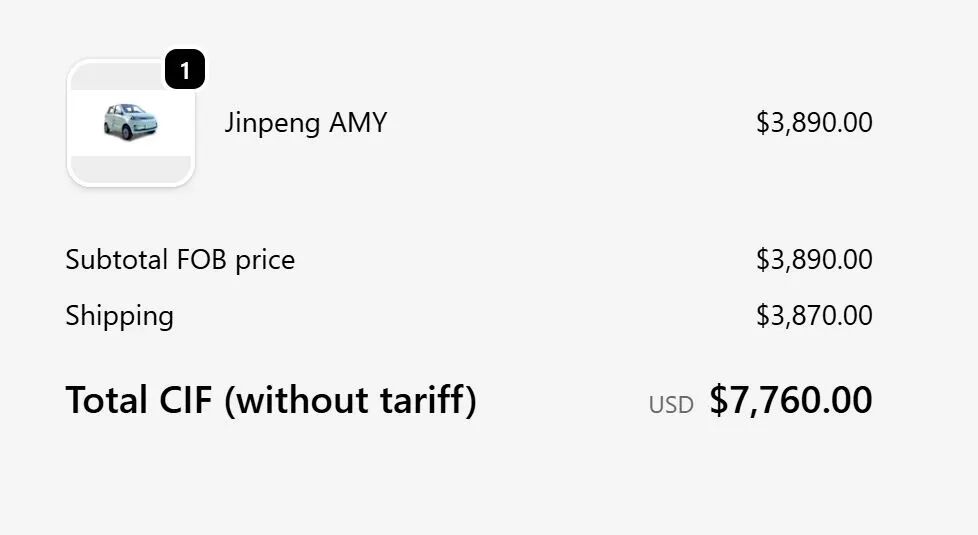
Figure: Jinpeng Pricing
Currently, a Chinese electric vehicle entering the U.S. market faces a cascade of tariffs:
A 2.5% most-favored-nation benchmark tariff, plus a 25% Section 232 automotive tariff, along with a 100% Section 301 tariff specifically targeting Chinese electric vehicles, and an additional 10% tariff previously imposed under the International Emergency Economic Powers Act. The comprehensive tax rate can exceed 137.5%.
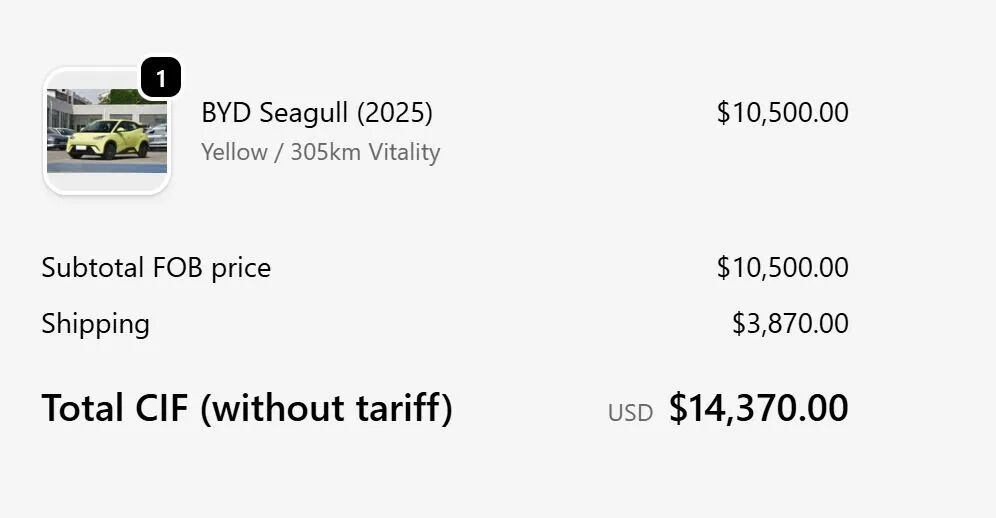
Figure: Seagull CIF Pricing
What does this mean for consumers? Data from the China EV Marketplace, an overseas direct-purchase platform for Chinese electric vehicles, provides a clear answer:
In 2025, the platform delivered 35 electric vehicles to U.S. customers. Even the cheapest model—the Jinpeng AMY—with an FOB price of just $3,890 (approximately 26,700 yuan), saw its terminal cost soar after adding shipping and tariffs.
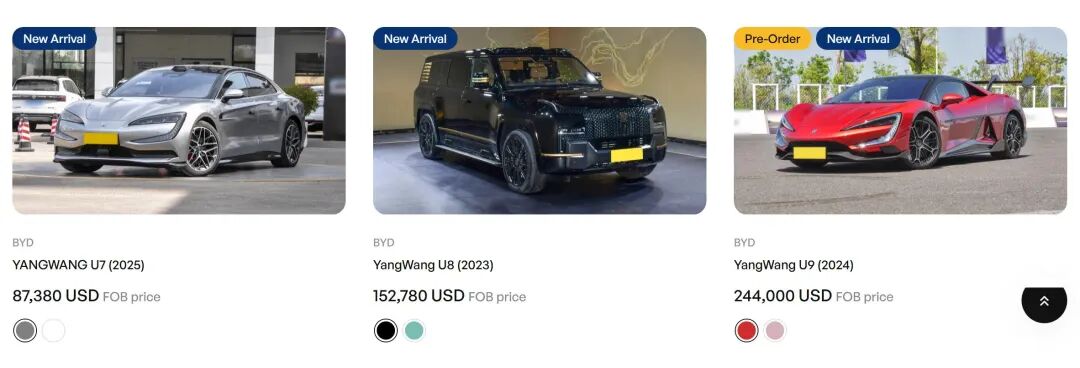
Figure: The Most Expensive Vehicle
Gilly Opreta, CEO of the platform, estimates that the total cost for U.S. customers to purchase the cheapest Chinese model will exceed $90,000, or approximately 620,000 yuan.
Premium models are even more staggering. The Yangwang U9, sold on the platform, has an FOB price of $244,000 (approximately 1.676 million yuan). If tariffs double the price, it would set a "sky-high record" for Chinese automobiles in the U.S. market.
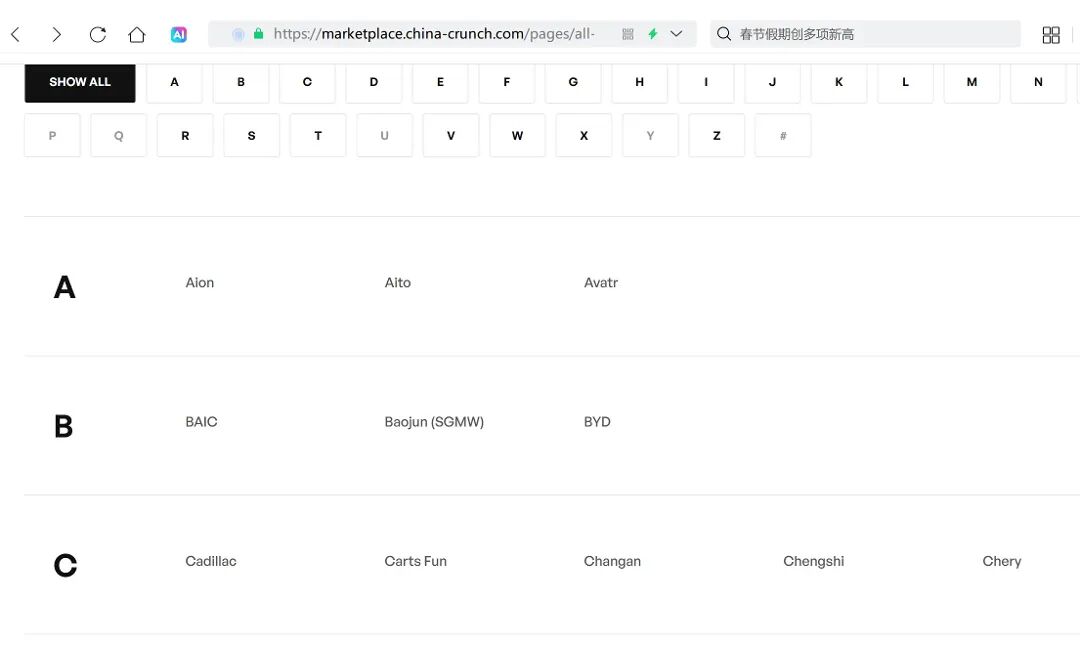
Figure: Various Brands
The U.S. Aims Beyond Tariffs—It Seeks to "Cut Off" the Intelligent Soul
If tariffs are a visible wall, then the U.S. Department of Commerce's ban on intelligent connected vehicles is a knife aimed at the "soul" of Chinese automobiles.
The senators' letter is not an isolated incident. As early as January 2025, the Biden administration had already implemented comprehensive regulations banning intelligent connected vehicles equipped with Chinese (and Russian) software (from model year 2027) and hardware (from model year 2030) from entering the U.S.
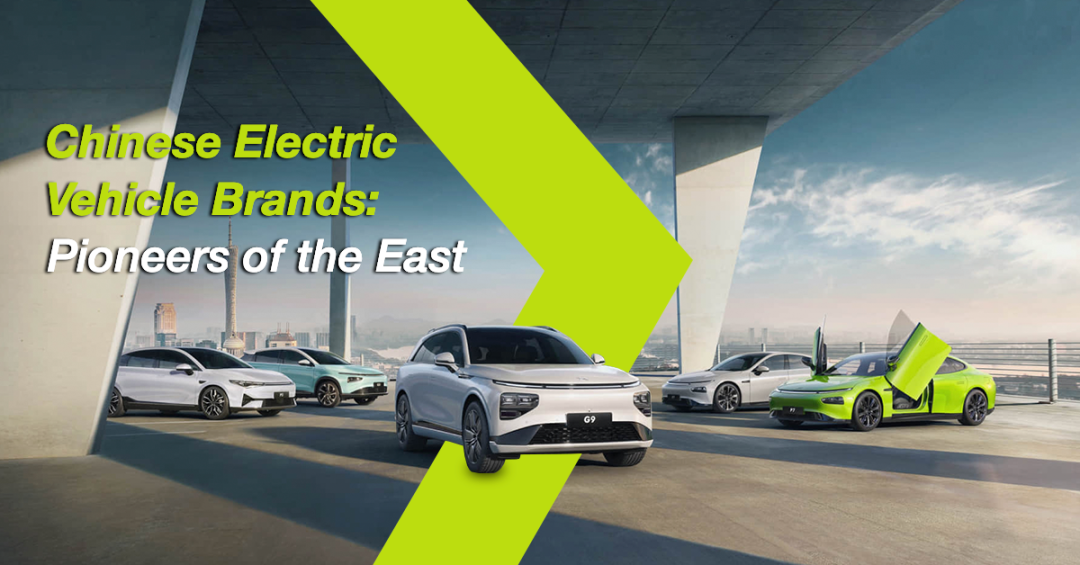
The rules prohibit not only the use of hardware and software "designed, developed, manufactured, or supplied by persons owned, controlled, or subject to the jurisdiction or direction of China" but also the sale of "complete connected vehicles containing restricted software."
More stringently, manufacturers with ties to the Chinese government, regardless of where their components and software are manufactured, are prohibited from selling complete intelligent connected vehicles. This prevents Chinese automakers from circumventing restrictions by adjusting their supply chains.
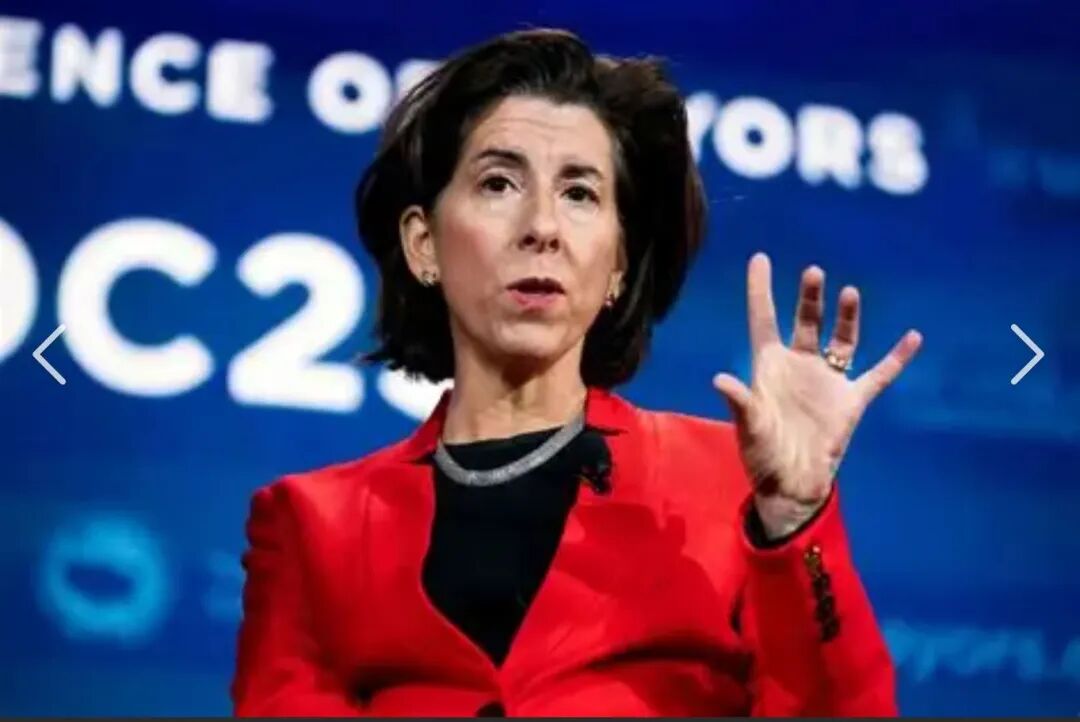
Former U.S. Secretary of Commerce Gina Raimondo's "shocking remarks" have now been translated into concrete policy. She once claimed that Chinese-made intelligent vehicles could "collect data on millions of Americans every minute" and that "if there are 3 million Chinese cars on U.S. roads, Beijing could shut them all down simultaneously."
When the China EV Marketplace platform delivered vehicles to U.S. customers, it was forced to disable all connected software functions—a testament to the effectiveness of U.S. policy.
The senators' letter specifically singled out BYD, noting that it had been placed on a list of companies suspected of assisting the Chinese military in February and demanding that "BYD and other Chinese automakers be unequivocally designated as military-affiliated entities."
02 The Path to Factory Construction: "First Pay $20 Billion to Buy General Motors and Ford?"
Faced with a nearly closed market, does China's automobile industry still have a path into the U.S.? Trump himself seems to have left some kind of "backdoor."
In January, Trump stated at the Detroit Economic Club that if Chinese manufacturers "want to build factories in the U.S., hiring you and your friends and neighbors, I would be delighted."
U.S. regulations restricting Chinese automobiles also contain a significant loophole: importers or manufacturers can seek exemptions, particularly in cases arising from "corporate mergers, investments, acquisitions, joint ventures, or equity conversions."
David Gantz, a trade and international economics researcher at the Baker Institute, proposed a specific plan: "If a Chinese manufacturer were to invest $2 billion or $3 billion (13.7-20.6 billion yuan) or even more to revive a closed General Motors or Ford factory, especially in union-strong Midwestern regions, I think they could be persuaded."
However, this path is equally fraught with obstacles. Ohio Republican Senator Bernie Moreno stated last week that he would introduce legislation to block the U.S. market, "never allowing Chinese automobiles in—whether in hardware, software, or cooperative projects."
Trade groups representing nearly all major automakers have also jointly pressured to keep Chinese automakers out of the country.
The White House responded ambiguously: "While the administration has consistently worked to secure more investment for U.S. industrial revitalization, any suggestion that we would sacrifice national security in doing so is unfounded and false."
Chad Cummings, CEO of Cummings & Cummings Law, which serves second- and third-tier suppliers, believes such blockades are unsustainable.
"This regulation won't last—it just won't. It's economically unsustainable, especially with new vehicle prices in the U.S. nearing $50,000 and auto loan default rates continuing to climb."
The Chinese Embassy in Washington previously responded that China has always kept its doors open to global automakers, while the U.S. engages in "trade protectionism and discriminatory subsidy policies."
Can the additional tariffs collected today cover the higher costs of tomorrow? The answer may lie in the irreversible law of globalization.
Editor-in-Charge: Shi Jie Editor: He Zengrong
THE END
-
![]()
Domestic Pioneer: Changjin Photonics, First Listed Company Focused on Special Optical Fibers, Soars Over 15-Fold on STAR Market Debut
-
![]()
Single-Quarter Orders Break $1 Billion Barrier! Cisco’s Acacia Surfs the AI Boom
-
![]()
Consistently Propelling Technological Progress: Qualcomm’s Xu Hao Elucidates How 6G Trial Frequencies Can Optimize the Balance Between Coverage and Bandwidth
-
![]()
Liushenyu Mine Disaster Drives Industrial Innovation: Pioneering a New Era of Intelligent Mine Safety with Integrated Air-Ground Systems
-
![]()
Ant Group CEO Han Xinyi's Latest Speech: The Emergence of 'Trust Logic' in the AI Era
-
![]()
Demystifying the Rankings: Do High Scores in Robotics Competitions Equate to Real-world Implementation Strength?
-
![]()
Europe's Q1 Smartphone Market Shipments Revealed: Samsung Holds Firm at First Place, Honor Surges Over 60%
-
![]()
Mixed Fortunes: The Ongoing Transformation of the Automotive Industry's Value Landscape