After Hungary’s Political Shift, Will China’s Auto Industry Still Find a Pathway to Europe?
 04/17 2026
 409
409
Hungary finds itself once again at a pivotal moment in its history.
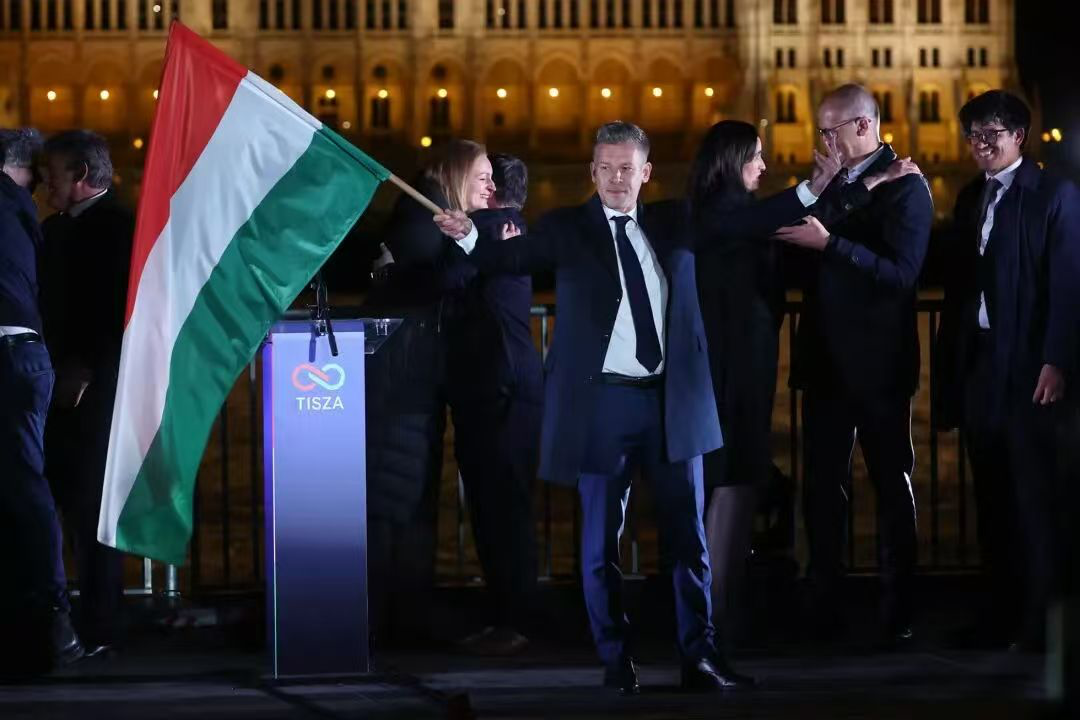
On April 12, parliamentary elections were held in Hungary. Shortly after the preliminary vote count was announced, it became clear that the political landscape had shifted: Mártonyi Péter’s opposition party, the Tisza Party, secured 138 out of 199 parliamentary seats, winning approximately 53% of the vote.
This result marked the end of Prime Minister Orbán’s 16 consecutive years—and 20 years in total—in office.
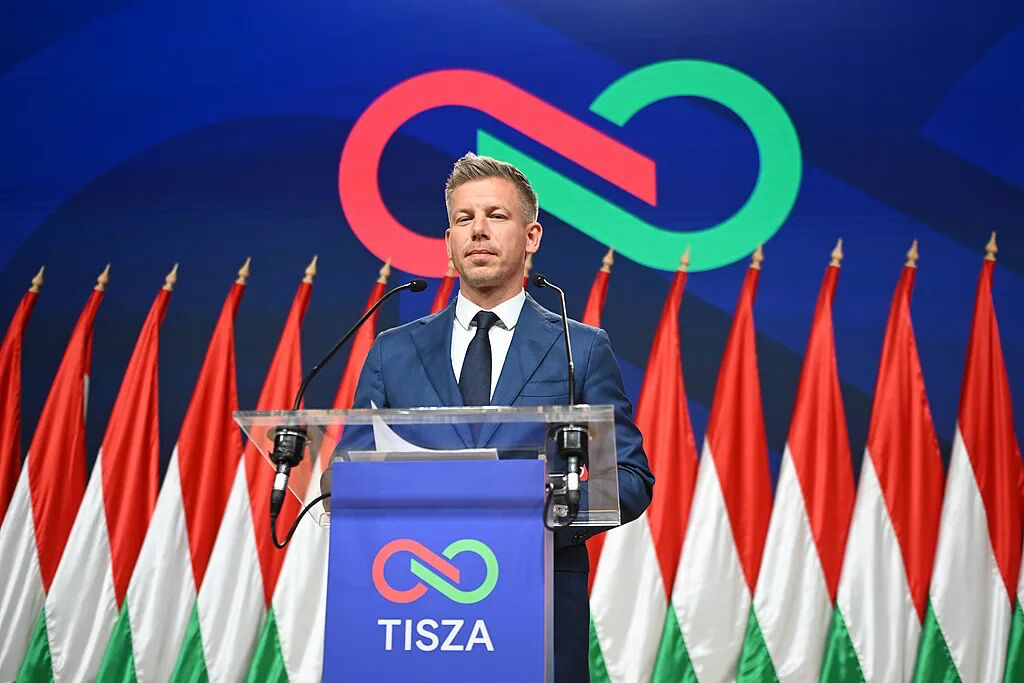
Hungary is once again at a crossroads in its history.
East or West?
Remarkably, Orbán, with 16 years of governing experience, had garnered support from three major global powers: China, the United States, and Russia. Even as the U.S. grappled with its own challenges, Vice President Vance made a special trip to Hungary to support Orbán, often referred to as the "EU holdout."
Hungary has long positioned itself as a thorn in the EU’s side, adhering to a guiding principle of opposing whatever the EU supports and supporting whatever the EU opposes. This strategy enabled Hungary to form alliances with the adversaries of its adversaries, securing support from three major global powers.
However, some analysts believe that U.S. Vice President Vance’s visit may have backfired.
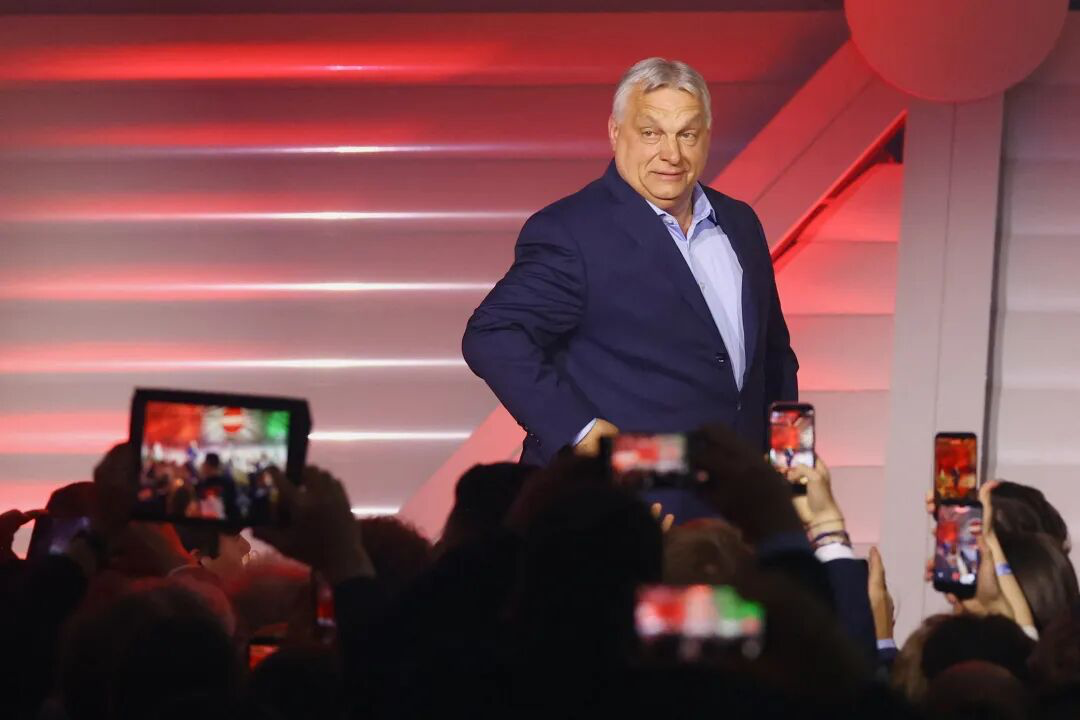
The Hungarian people aspire for their nation to truly belong to themselves.
In Europe, Majtényi’s victory was met with enthusiastic responses. Just 17 minutes after Orbán conceded defeat, European Commission President von der Leyen posted on social media: “Hungary has chosen Europe.”
French President Macron stated that France welcomed “this victory,” indicating “the Hungarian people’s identification with EU values.” German Chancellor Merz congratulated Majtényi, saying, “Let us work together to build a strong, secure, and, most importantly, united Europe.”
Majtényi’s first priority after taking office was to visit Poland. This was not merely a diplomatic formality but a statement reaffirming Hungary’s alignment with the EU: Hungary is realigning.
Economic foundations shape the superstructure. Majtényi’s enthusiasm toward the EU, at least for now, appears to be driven by financial considerations. In the latter stages of Orbán’s administration, the EU froze over €13 billion in cohesion policy funds earmarked for Hungary, citing “inadequate judicial reforms” and “insufficient anti-corruption efforts.” This amount constituted nearly a quarter of Hungary’s annual fiscal budget.
At his first press conference following the election victory, Majtényi stated that without these funds, Hungary’s economic recovery plan could not proceed. This was his top priority upon taking office.
Expressing alignment with the EU and seeking funds is not inherently problematic. However, if a person (or country) lacks economic independence, they cannot achieve independence in character (or national dignity).
Without a roof over one’s head or a place to stand, relying on others for every meal—how can one claim independence?
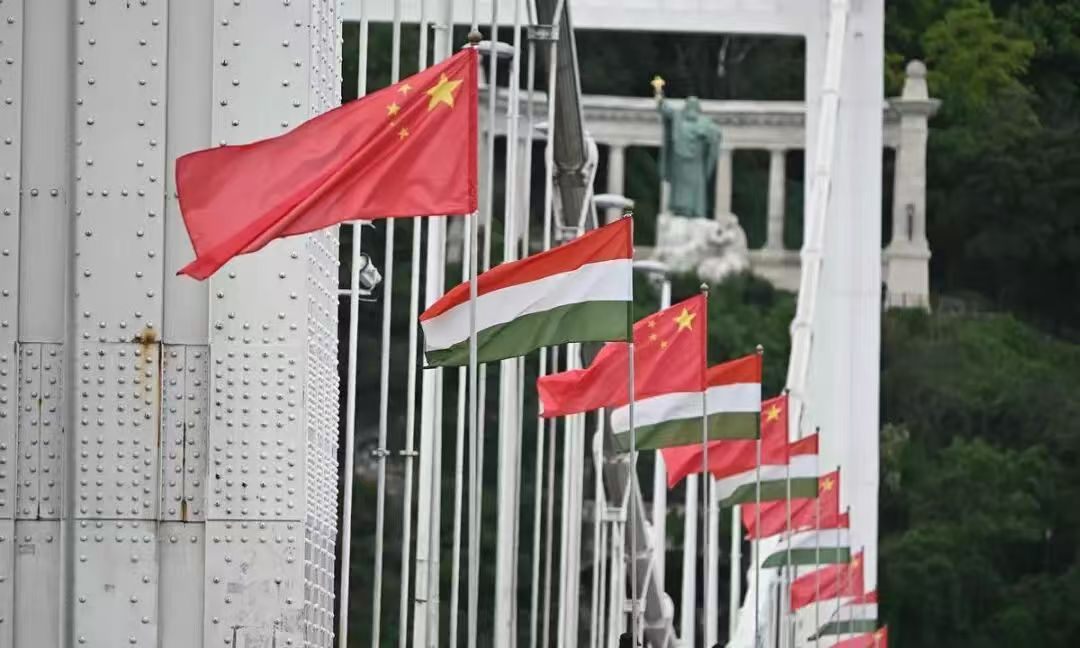
While there is limited room for political realignment with Europe, economically, Hungary has already deeply integrated with China. To balance both sides, a more complex path must be taken.
At a news conference, when asked by Chinese media about Sino-Hungarian relations, Majtényi stated, “China is one of the world’s most important, largest, and strongest countries” and expressed his intention to visit Beijing while welcoming Chinese leaders to Budapest.
However, during his campaign, Majtényi repeatedly sent unfriendly signals regarding Chinese investment. In January 2025, he publicly criticized Orbán’s economic policies, particularly the decision to introduce Chinese new energy vehicle and battery manufacturing plants.
He argued that Orbán’s “bet on Chinese and South Korean automotive battery manufacturers was a ‘mistake.’” Majtényi advocated for reducing a country’s “bidirectional dependence” on China and Russia to achieve true economic sovereignty.
To repair relations with the EU and unfreeze EU budget funds, the new government is expected to accelerate compliance with mainstream EU regulatory paths in areas such as the rule of law, fiscal transparency, environmental enforcement, and public procurement norms.
The focus will be on renegotiating contract terms or conducting financial transparency audits for major infrastructure and heavy-asset projects already signed or under construction.
Investment is still welcome, but only if it complies with EU rules. In other words, all cooperation must be embedded within the EU framework, meet European standards, and aim for greater local benefits, such as technology transfer, decision-making power, and industrial control.
This approach essentially involves aligning with the West while preserving economic interests. For China, the real change is not the absence of cooperation but higher cooperation thresholds and more complex negotiations. The past model of advancing through scale and speed will become increasingly difficult to sustain here.
The Gray Rhino of Chinese Automakers Going Global
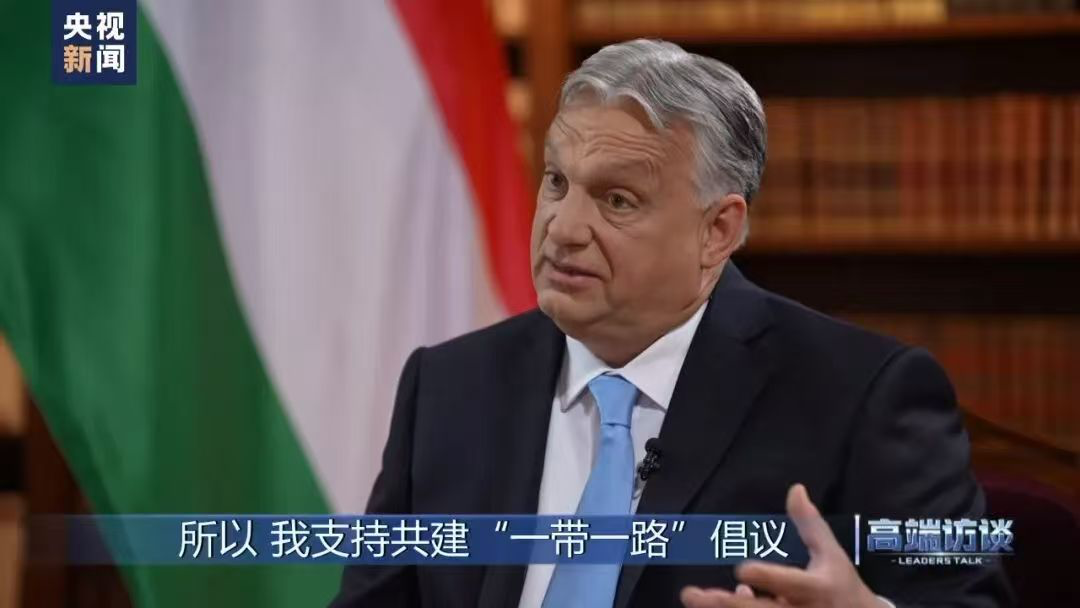
Hungary was the first EU country to sign a cooperation document with China under the Belt and Road Initiative. China has been Hungary’s largest source of foreign investment for multiple consecutive years.
In 2023 and 2024, Hungary absorbed 44% and 31%, respectively, of China’s investment in Europe. Over the past decade, China’s cumulative investment in Hungary has reached €18.2 billion, with 54 major projects completed or underway, creating approximately 30,000 jobs.
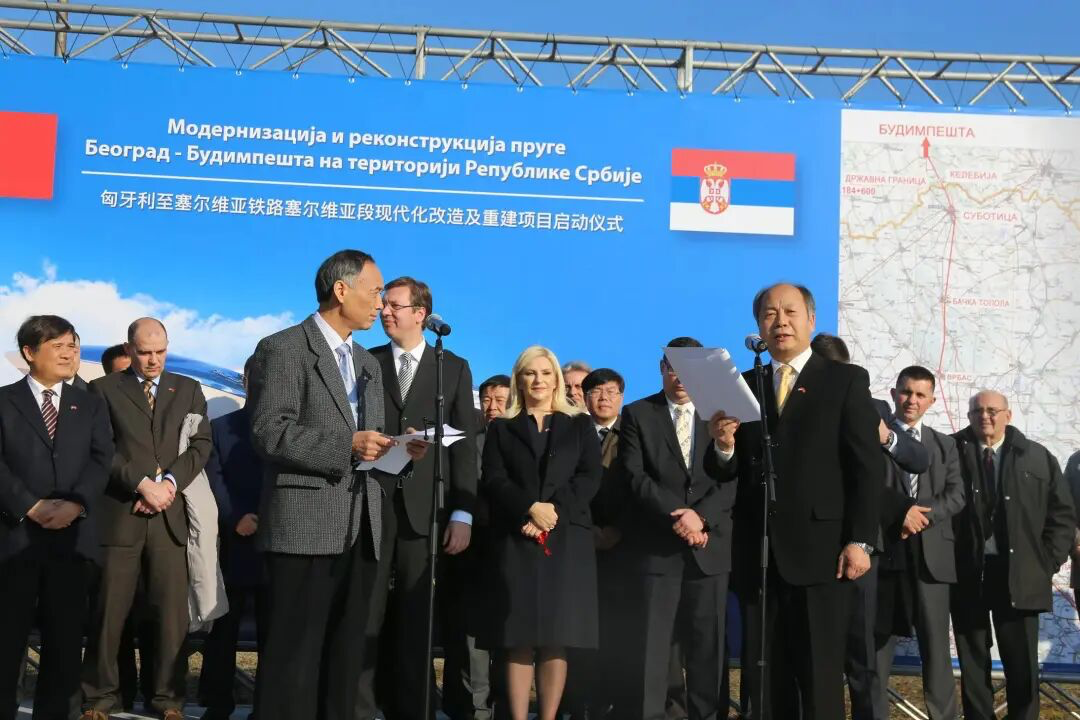
For China, Hungary was once a “VIP gateway” for Chinese companies entering Europe. The Orbán government long pursued an “Eastern Opening” policy, willing to disregard EU pressure and doubts to greenlight Chinese investments.
In October 2023, the EU launched an anti-subsidy investigation into Chinese electric vehicles. Against this backdrop, China’s new energy vehicle and power battery industry chain accelerated its investments in Hungary. Compared to other EU member states, Hungary offers significant advantages in labor costs, tax rates, and industrial supporting capabilities, coupled with pragmatic energy policies and its “all-weather strategic partnership” with China, making it the top choice for Chinese companies to achieve “localization” in the EU.
CATL, the global leader in power batteries, invested €7.34 billion in Debrecen, eastern Hungary, to build Europe’s largest battery factory, with a planned capacity of 100 GWh, supplying BMW, Mercedes-Benz, Volkswagen, and other European automakers.
BYD invested approximately €5 billion in Szeged, central Hungary, to build its first European passenger vehicle factory, with an annual production capacity of 300,000 units, which began operations at the end of last year. In the first quarter of 2026, BYD sold 818 vehicles in Hungary, capturing a 2.2% market share, a 52.6% increase from last year.
BYD also established its European headquarters and R&D center in Budapest, with an investment of 100 billion Hungarian forints. Additionally, a host of Chinese new energy industry chain companies, including EVE Energy, Sunwoda, Huayou Cobalt, and SEMCORP, have also set up operations in Hungary, forming a complete industrial ecosystem.
Amid Hungary’s “political wisdom” of seeking EU funds while maintaining Chinese business, will the investment environment and project logic in this Central and Eastern European hub, which many Chinese companies have viewed as a “cost-effective alternative to Germany” in recent years, change?
Some argue that the new prime minister is not friendly toward China. Indeed, during his campaign, he criticized Sino-European cooperation, particularly targeting the investment model in the electric vehicle and battery industries, citing excessive risks and dependencies and proposing to reassess contracts and adjust terms.
However, this is not about driving Chinese companies away but rather an opportunity to renegotiate terms. After all, these agreements were made with the previous administration—it’s time for a change of flag.
Over the years, Chinese companies have established a deep presence in Hungary, with mature industrial chains, employment, taxation, and exports all intertwined. A clean break is unrealistic. Majtényi is well aware that completely severing cooperation would immediately impact the economy—a cost he cannot afford.
In fact, some were not surprised by this political shift. Executives from local Chinese companies stated, “Under Orbán, ministers were frequently replaced—we’ve long grown accustomed to finding certainty amid uncertainty. This time, it’s just a change in leadership; the table remains, and the game continues.”
In their view, this is a quintessential “gray rhino” event—something they had long mentally prepared for.
The same source added, “Large Chinese companies in Hungary already have contingency plans in place. The embassy has also held meetings to advise us to prepare and has promised ongoing support.”
Majtényi is not expected to officially take office until mid-May. During this transitional period between the old and new governments, specific policies from the new administration have not yet been implemented, and Orbán’s administration remains operational.
For Chinese companies in Hungary, this may be a rare window of preparation. They can solidify their contingency plans, archive compliance materials for review, and proactively engage with the incoming team to establish communication channels before policies are finalized, aiming to secure a relatively advantageous position ahead of rule revisions.
What businesses fear most is not strict rules but inconsistent ones.
China’s congratulatory response essentially extends an olive branch. Cooperation is possible, but only on the basis of mutual respect, equality, and mutual benefit.
In other words, projects and terms can be renegotiated, and interests can be redistributed, but everything has its limits. As long as the demands are not excessive, previous projects can continue—albeit with the new government likely seeking additional financial contributions.
As for Hungary’s specific demands, an estimate may emerge after the first Chinese company undergoes review and a decision is made around mid-May.
Note: Some images are sourced from the internet. If there is any infringement, please contact us for removal.
-END-
-
![]()
A Hackathon Reveals How AI Reshapes a Company with Ten Thousand Employees
-
![]()
Musk Hurriedly Promotes 'American Coding Version of DeepSeek,' Comment Section: 'Not Even as Good as Free Alternatives...'
-
![]()
Dissecting the Satellite Architecture of Assisted Driving: It's Not Just Performance Upgrades, but a Shift in Industrial Chain Dominance!
-
![]()
AI Image Generation Finally Stops Guessing! GenEvolve Transforms Open-Ended Image Generation into a Trainable, Self-Evolving Agent!
-
![]()
Another Way to Thrive for Large Models: MiniMax Has Found the Path
-
![]()
Can Dreame's 'Asset-Light + Full In-House R&D' Approach Succeed in Automobile Manufacturing?
-
![]()
Sales Slump: The Waning Appeal of Imported Luxury Cars
-
![]()
Japanese Automakers Experience Collective Downturn, Financial Performance of Top Three Plummets