Sales Slump: The Waning Appeal of Imported Luxury Cars
 06/01 2026
 466
466
The imported luxury car market, once a thriving sector, has experienced a notable downturn in recent years. Statistics reveal that sales of prestigious imported brands such as Lexus, Mercedes-Benz, BMW, Porsche, Audi, Land Rover, and Volvo have all seen varying degrees of decline. Previously, many sought-after imported luxury models were in short supply, with some even commanding premium prices for immediate delivery. However, today, despite brands continuously increasing their terminal discounts, the market response remains lackluster.
Over the past few years, the overall import sales of luxury cars have demonstrated a downward trajectory. In 2020, the combined import sales of seven luxury brands—Lexus, Mercedes-Benz, BMW, Porsche, Audi, Land Rover, and Volvo—surpassed 800,000 units. Since then, sales have been declining annually. By 2024, the market size for these seven brands had slightly decreased to 730,000 units, with the downward trend becoming apparent. The turning point occurred in 2025, when the total annual import sales plummeted to 480,000 units, nearly halving compared to 2020. Entering 2026, the downward momentum in the imported luxury car market has not abated. In the first four months of 2026, the total import sales of the seven luxury brands were just over 120,000 units, marking a year-on-year drop of 39%—a record high decline in recent years.
In 2020, the average monthly import sales of these seven brands were approximately 67,000 units; by the first four months of 2026, this figure had dropped to around 30,000 units. In just a few years, the average monthly size of the imported luxury car market has shrunk from nearly 70,000 units to less than 30,000 units, more than halving.
All seven luxury brands have experienced varying degrees of decline in their import sales. Among them, Audi has seen the most significant drop. Data shows that Audi's import sales were 44,000 units in 2022, fell to 30,000 units in 2025, and in the first four months of 2026, sales plummeted by 64% year-on-year.
Mercedes-Benz and BMW have also been unable to escape the market downturn. Data indicates that BMW's decline was more pronounced, with import sales dropping by 62% year-on-year in 2025 and continuing to decline by 44% in the first four months of 2026. Mercedes-Benz's import sales also fell simultaneously.
Volvo's market performance has similarly been sluggish, with its import sales shrinking year by year from over 20,000 units in 2020 to 12,000 units in 2025. Entering 2026, the downward trend has not abated, with a year-on-year drop of 54% in the first four months.
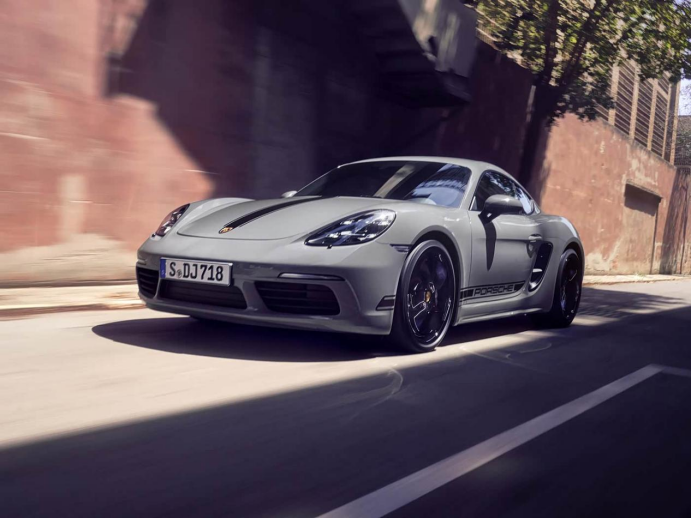
In recent years, Porsche has also faced significant market pressure. In 2022, Porsche's import sales exceeded 90,000 units, but by 2025, they had shrunk significantly to just over 40,000 units. In the first four months of 2026, import sales fell by nearly 50% year-on-year.
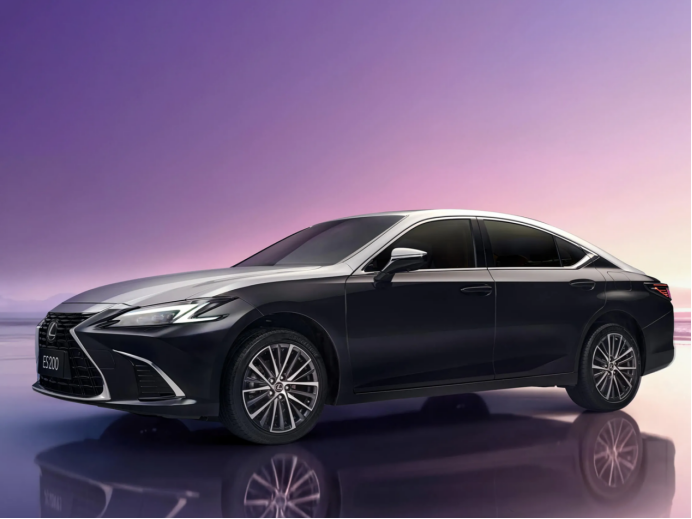
Even Lexus, which has consistently topped the import sales charts, has not escaped the downward trend. Lexus's import sales fell from over 230,000 units in 2020 to 184,000 units in 2025. Although Lexus saw a slight year-on-year increase of 2% in 2025, the overall market size of imported luxury cars continued to shrink. In the first four months of 2026, Lexus's import sales were less than 50,000 units, marking a year-on-year drop of 34%.
The era of "price hikes for immediate delivery" is now a relic of the past.
The continuous decline in sales of imported luxury cars can be attributed to the significant advantages of domestically produced high-end new energy vehicles in terms of technology, configuration, and driving experience. These advancements have greatly diminished the original market appeal of traditional luxury brands. In contrast, although traditional luxury brands have long acknowledged the inevitability of electrification, their slow product iteration pace has widened the gap between them and new energy vehicle startups, rendering them less competitive in the terminal market.
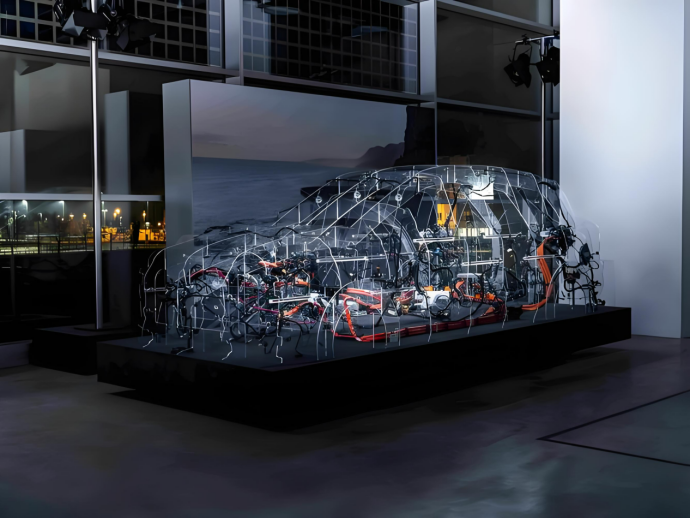
Although imported luxury brands have launched electrified products one after another, the market response has been tepid. Taking Mercedes-Benz's EQ series, BMW's i series, and Audi's e-tron family as examples, their pure electric models generally have lower sales in China compared to domestically produced high-end new energy brands, with some models selling only a few hundred units per month, far below expectations.
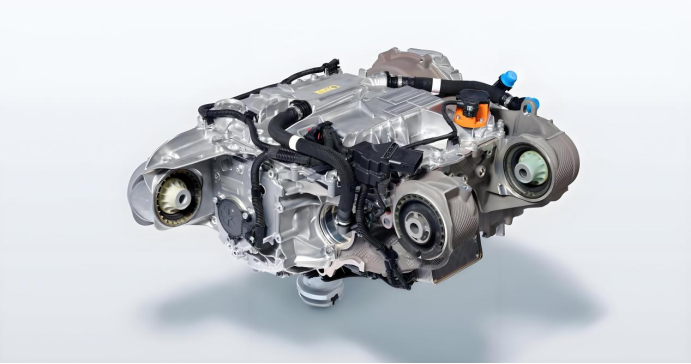
Faced with such market performance, imported luxury brands are actively seeking transformation. In 2026, their strategic focus has shifted from the initial approach of "retrofitting internal combustion engine models to electric" to dedicated platforms tailored for electric vehicles. Audi has launched the A6L e-tron and Q6L e-tron based on the high-end pure electric PPE platform jointly developed with Porsche, both equipped with 800V architecture and Huawei's advanced intelligent driving technology. Mercedes-Benz has introduced several high-volume models such as the pure electric CLA, C-Class, and GLC based on its new-generation MB.EA and MMA pure electric-exclusive platforms. BMW's Neue Klasse new-generation platform has been implemented in the iX3 and i3 long-wheelbase versions, with the i3 offering a range of over 1,000 kilometers. Porsche's pure electric Cayenne and 718 series are also accelerating their arrival based on the PPE platform. Volvo has adopted a strategy of running two generations of platforms in parallel: the EX90 is based on the SPA2 luxury pure electric architecture, while the EX60 debuts the new-generation SPA3 platform, which offers significant improvements in integration, computing power, and scalability.
However, the development of pure electric platforms is just the foundation. To truly reverse the market downturn, imported luxury brands need to demonstrate more sincerity in product definition and responsiveness to user needs. In core capabilities such as intelligent cockpits and advanced intelligent driving, imported luxury brands must align with the preferences of Chinese local consumers. At the same time, luxury brands should delegate more product definition and R&D decision-making power to their Chinese teams, enabling them to develop advanced intelligent driving functions and other features according to the needs of local users, thereby creating models truly tailored for Chinese consumers.
Of course, both the electrification and localization transitions of luxury brands require time and cannot be achieved overnight. Whether luxury brands can ultimately turn the tide remains to be seen through long-term market testing.
(Image source: Internet. Removal upon infringement.)
-
![]()
618 'Silent Mode': Algorithms Speak Louder Than Words
-
![]()
The New Battle for 'AI Workstations' Among Tencent, Google, and Others: Can Marvis and Its Peers Replace Human Workers?
-
![]()
Bestune Finally Wakes Up! Yueyi 08 Launches Pre-sale, Can the Independent Brand Make a Splash?
-
![]()
The Dividends of AI Investment Have Yet to Materialize: Replicating a Century of Electrification, Industrial Transformation Approaches a Turning Point
-
![]()
A Hackathon Reveals How AI Reshapes a Company with Ten Thousand Employees
-
![]()
Musk Hurriedly Promotes 'American Coding Version of DeepSeek,' Comment Section: 'Not Even as Good as Free Alternatives...'
-
![]()
Dissecting the Satellite Architecture of Assisted Driving: It's Not Just Performance Upgrades, but a Shift in Industrial Chain Dominance!
-
![]()
AI Image Generation Finally Stops Guessing! GenEvolve Transforms Open-Ended Image Generation into a Trainable, Self-Evolving Agent!