Can Audi FAW Win the Electric Transformation Battle in the Chinese Market?
 04/23 2026
 439
439
Produced by | Frontier of Entrepreneurship
Art Editor | Xing Jing
Reviewed by | Song Wen
April 10, Changchun.
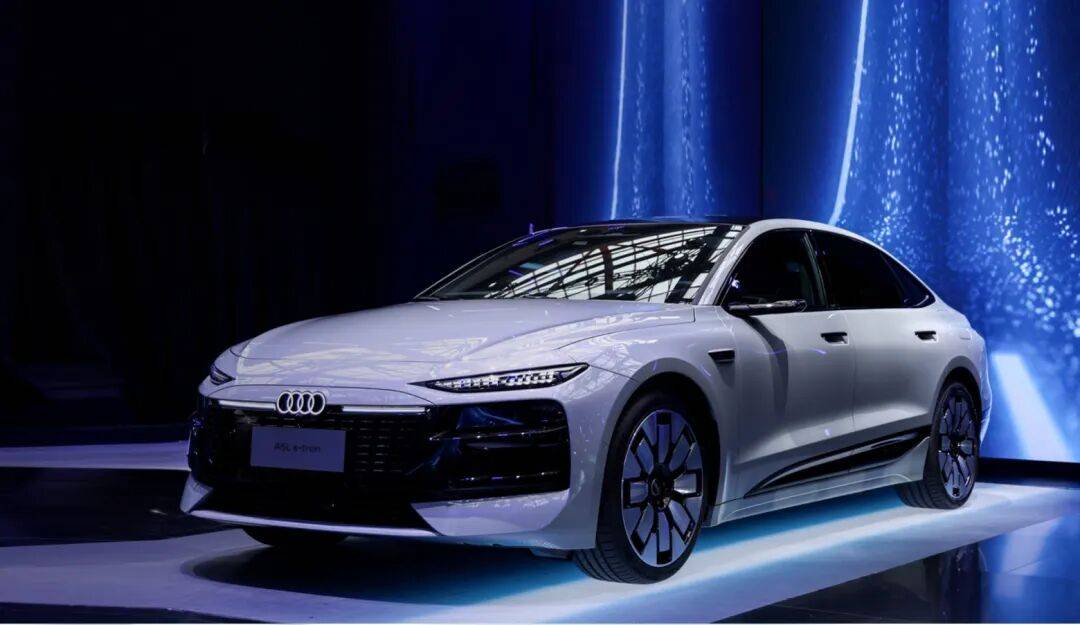
When the price of the new Audi Q6L e-tron family was set at a starting price of RMB 269,800, the applause that broke out at the scene seemed to reveal a hint of barely perceptible anxiety.
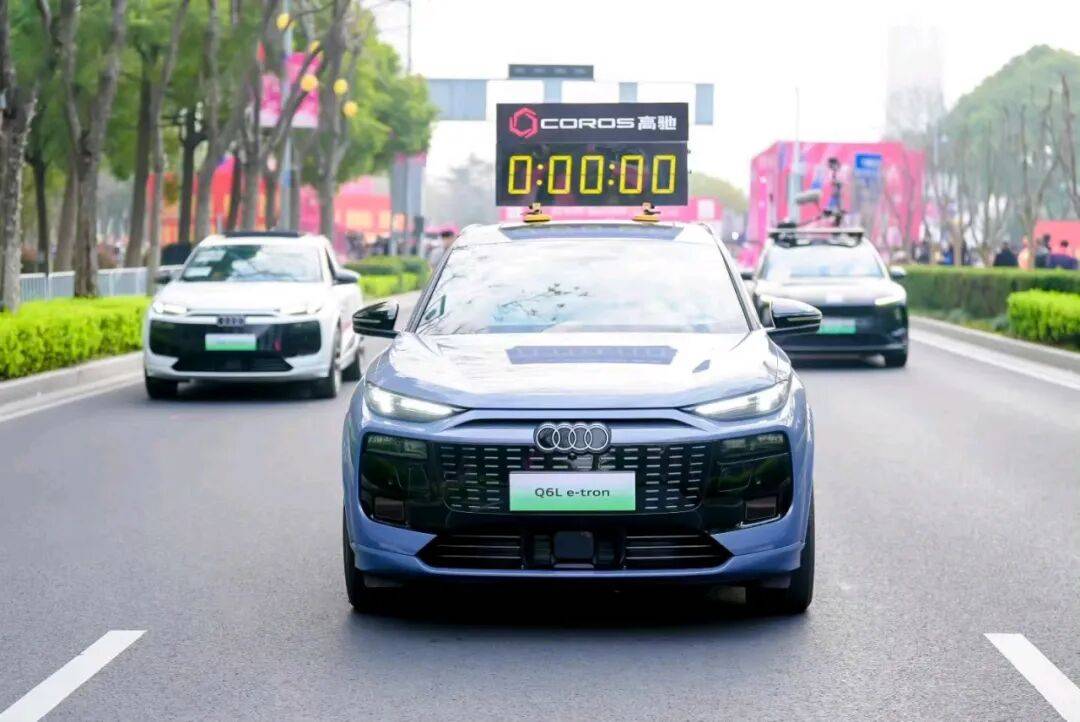
This price represents a sharp drop of nearly RMB 90,000 from the initial launch price in early August 2025. Such a significant reduction is extremely rare in Audi's over 30-year history in China.
More dramatically, just a week earlier, Audi's headquarters had announced a major personnel appointment: Daniel Weissland will take over as General Manager of FAW-Audi Sales Co., Ltd. starting April 1, 2026. This marks another high-level shakeup in the German luxury brand's sales system in China, following the departure of Li Fenggang, Executive Deputy General Manager of FAW-Audi Sales Co., at the end of 2025.
Price reductions and leadership changes are often standard moves when a brand is in trouble.
For Audi, this is not just a tactical adjustment but a high-stakes gamble concerning its survival over the next decade.
Data shows that in 2025, Audi's sales in China declined by 5% year-on-year to 617,500 units. Although it had the smallest decline among luxury brands thanks to its fuel-powered vehicle (internal combustion engine vehicle) sales, its pure electric vehicle (EV) share remained far below the industry average in a Chinese market where new energy vehicle (NEV) penetration had surpassed 50%.
"2026 will be crucial for Audi's development in China," stated Luo Yinghan, President of Audi China, reflecting both hope for the future and acknowledgment of current realities.
When the PPE platform (Audi's pure electric platform jointly developed with Porsche) meets Huawei's Qiankun Intelligent Driving, and when German precision collides with Chinese speed, can Audi FAW win this electric transformation battle?
1. The Other Side of the 'Price Slasher'
Five years ago, in January, Changchun, the 'Spring City of the North,' was bitterly cold.
It was on such a chilly day that Audi and FAW achieved a breakthrough in their electric strategy in China.
In 2021, the two sides invested to establish a new joint venture, Audi FAW New Energy Vehicle Co., Ltd. (abbreviated as Audi FAW), with Audi holding a 55% stake, China FAW Group holding 40%, and Volkswagen (China) Investment Co., Ltd. holding 5%. This marked Audi's first controlling stake in China in over 30 years and the first pure electric production base led by Audi itself in its global electric strategy.
Since Audi's partnership with FAW began in 1988, the name 'Audi' has appeared before 'FAW' for the first time. This was not just a simple change in order but a restructuring of equity, with Audi controlling the new energy business entity.
Perhaps Audi did not anticipate that four years later, this brand carrying hopes of luxury and electrification would face such an anxious situation.
By the end of 2024, the Audi FAW factory officially commenced production, and the pre-batch Q6L e-tron rolled off the line. Subsequently, in August 2025, the first domestically produced model based on the PPE luxury pure electric platform, the Q6L e-tron, was launched with a starting price of RMB 353,000.
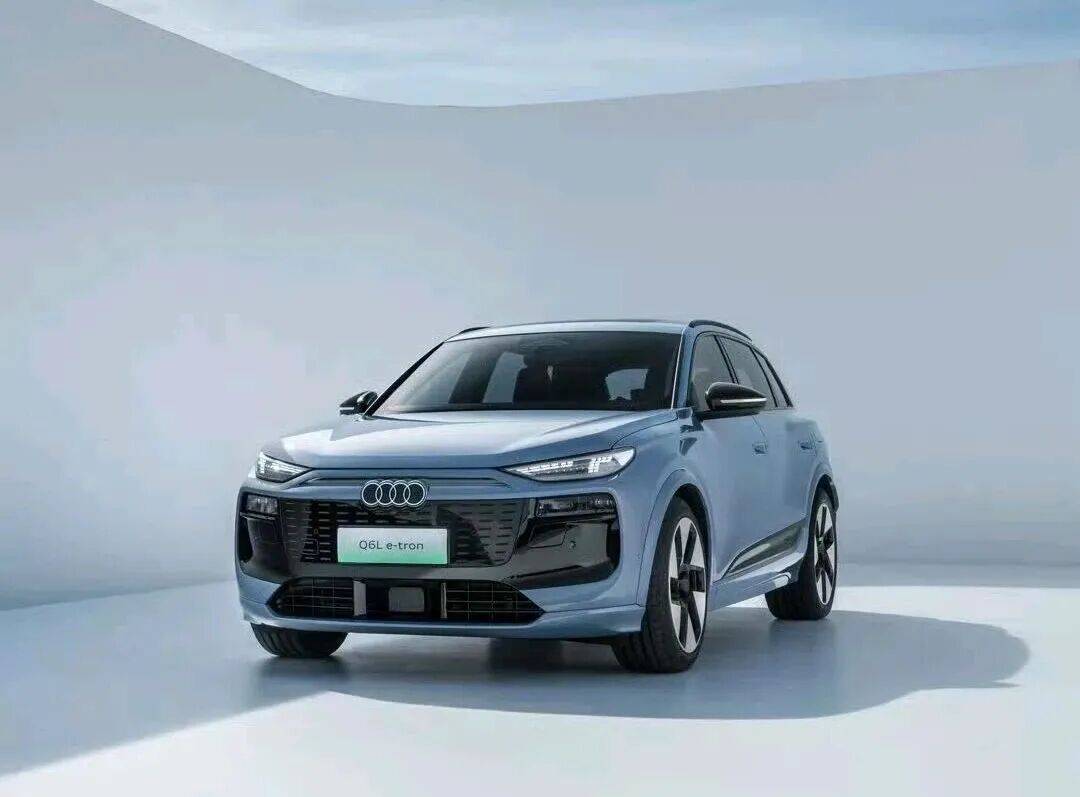
While this price was not as 'bold' as some might have expected, it initially met external psychological expectations for 'German luxury.'
However, market feedback left no room for sentimentality.
According to Dongchedi data, the new model sold only 1,200 units in its first month on the market, followed by a continuous decline to the 600-unit mark, with just 542 and 459 units sold in October and November 2025, respectively. Although sales briefly surged to 1,200 units, they remained below 500 units in the first three months of the following year.
Cumulative sales of around 6,000 units in six months fell far short of the internal target of 'over 10,000 units per month' before launch. In comparison, domestic models like Aito M7 and NIO ES6 in the same price range sold over 15,000 and 15,100 units, respectively, during the same period.
"This is not a failure of product strength but a collapse of the luxury car pricing system," a dealer close to FAW-Audi revealed to 'Frontier of Entrepreneurship.' "In the pure electric market above RMB 350,000, consumers are more sensitive to the match between price and quality. The traditional luxury brand premium logic has failed."
It seems Audi FAW has also sensed this in China's fast-paced NEV market.
On February 26, Audi's headquarters announced two key personnel changes: starting April 1, Daniel Weissland, current President of Audi USA, will take over as General Manager of FAW-Audi Sales Co., while the current General Manager, Andre Kay, will transfer to become Managing Director of Volkswagen Korea; meanwhile, Matthias Schepers, current President of Volkswagen Group (Japan), will become Vice President of Sales and Marketing for Audi China starting in June, replacing Zeng Huifang, who left for personal reasons.
These personnel changes are seen as a strategic signal to 'tilt global resources toward China.'
The two new leaders have impressive track records in Audi's global markets: Daniel Weissland led Audi USA to its largest-ever product lineup during his tenure, while Matthias Schepers set multiple sales records in Japan and established the country's largest high-end charging alliance.
"Andre Kay's departure is not due to poor performance. On the contrary, in 2025, FAW-Audi helped Audi regain the top spot in the luxury car market with 570,100 retail sales after seven years," emphasized Oliver Hoffmann, Board Member for Marketing and Sales at Audi AG, in a statement.
But glorious fuel-powered vehicle (internal combustion engine vehicle) results cannot mask the failure in electrification—under the group's clear goal of '60% NEV sales by 2030,' Audi FAW's pure electric transition cannot afford further setbacks.
More symbolically, this marks the second high-level change in FAW-Audi's sales system within six months, following Li Fenggang's departure at the end of 2025. Frequent leadership changes reflect severe dissatisfaction from shareholders with the transition progress and a outbreak (concentrated outbreak) of ' climate sickness ' (inability to adapt to local conditions) for German luxury brands in China.
After the new organizational restructuring, the launch of two models on April 10 was internally defined as a 'do-or-die battle.'
Especially the Q6L e-tron's price of RMB 269,800, which reveals Audi FAW's more systematic understanding and positioning of China's NEV market. 'At least Audi understands that price is the key to attracting consumers to new models,' said the industry insider.
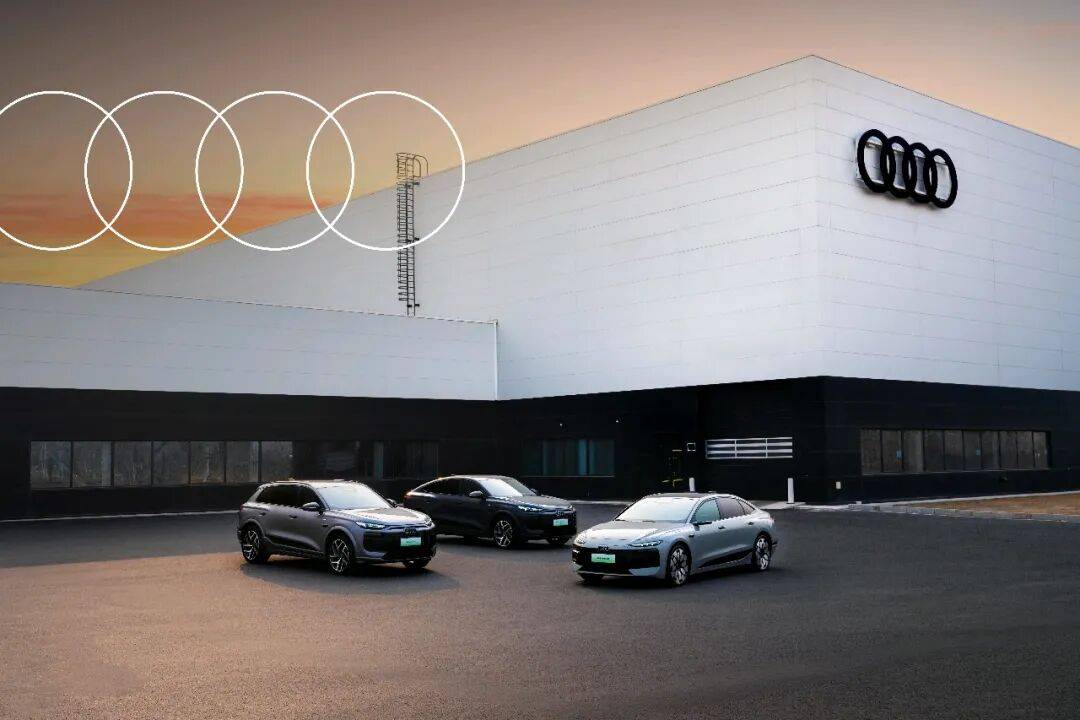
This 'meat-cutting' pricing strategy marks Audi's complete abandonment of premium fantasies, opting instead to trade price for volume and intelligent driving for reputation.
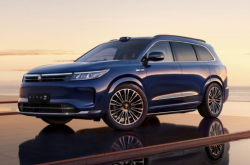
The new Q6L e-tron adds two key configurations: a quattro all-wheel-drive version with Huawei Qiankun Intelligent Driving and a long-range version with a 95kWh lithium iron phosphate battery. The CLTC range reaches up to 715km, with an 800V high-voltage architecture supporting 270kW ultra-fast charging, reducing charging time from 10% to 80% to just 21 minutes.
Now, the Q6L e-tron priced at RMB 269,800 is both Audi FAW's 'last trump card' and a symbolic gesture of 'bowing' to the Chinese market.
2. When Joint Ventures Become 'Negative Assets'
Once, 'German luxury' held near-religious appeal in the Chinese market. Today, that halo is fading.
China's luxury car market in 2025 presents an unprecedented split: on one hand, FAW-Audi remains atop the sales charts with fuel-powered vehicle (internal combustion engine vehicle) models like the A6L and Q5L; on the other, its presence in the pure electric market above RMB 300,000 is negligible.
This 'oil thrives, electric declines' Abnormal structure (deformed structure) epitomizes the collective dilemma of joint venture luxury brands.
"It's not that we don't want to buy Audi, but for the same price, new energy brands offer endless config options," a consumer who abandoned the Q6L e-tron for a domestic pure electric model told 'Frontier of Entrepreneurship.' 'Even Audi's pure electric models still feel like fuel-powered vehicle (internal combustion engine vehicles), and the overall cabin experience lacks the distinctiveness of domestic NEV brands, leaving me disappointed after test-driving.'
Behind this disappointment lie the systemic issues of joint ventures.
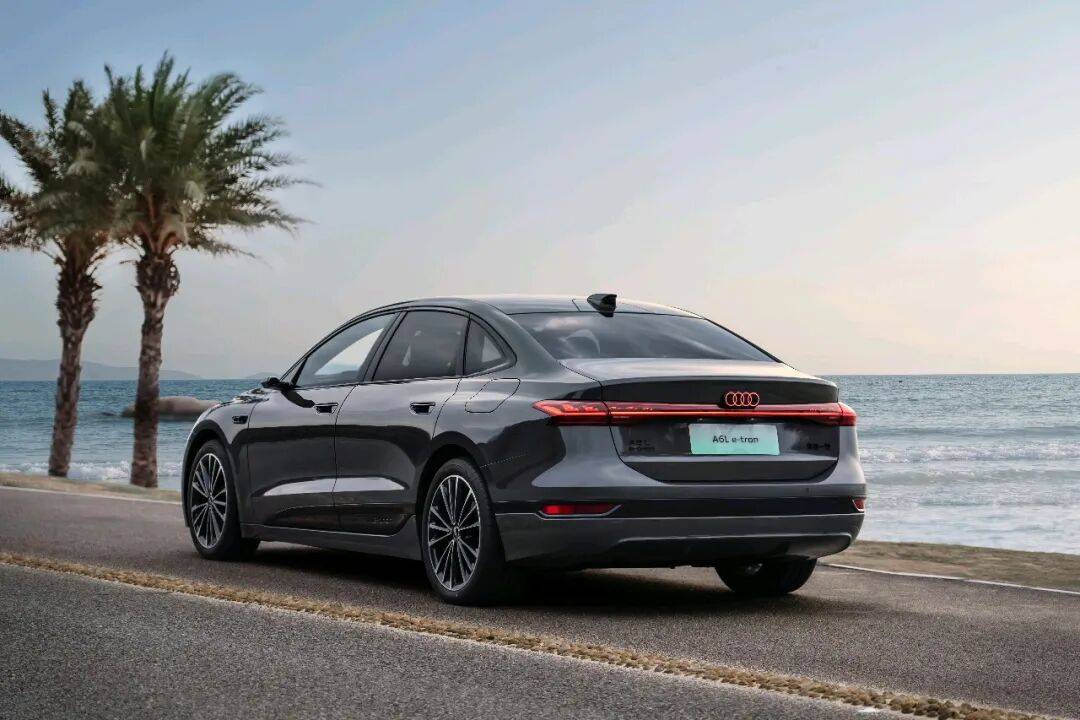
In fact, from the PPE platform and 800V high-voltage system to ultra-fast charging and quattro electric all-wheel drive, every metric reflects this traditional luxury brand's mechanical engineering prowess. However, when it comes to intelligence—a new frontier—the Wolfsburg veteran struggles.
Lengthy and clumsy localization development processes mean software updates for domestically produced Audi models may require Layered approval (multiple layers of approval) from German headquarters. By the time features launch, China's tech trends have already shifted.
"The joint venture identity has become a liability," a long-time analyst of joint venture brands bluntly stated. In the electric era, consumers no longer blindly chase brand premiums but seek true cost-effectiveness and intelligent experiences behind the badge—values that matter more than brand gold-plating.
In other words, the brand value consumers once blindly pursued—such as logos and imports—has transformed into a combination of model cost-effectiveness, intelligence, and brand service.
Today's consumers prefer brands to cut unnecessary brand expenses and redirect resources toward technological development, ultimately achieving equitable intelligent driving and affordable pricing.
Thus, for joint ventures, a deeper crisis lies in their cost structure.
Unlike Volkswagen's MEB platform, the PPE platform is designed for mid-to-large luxury vehicles, with lower parts commonality and higher procurement costs for core components like battery packs and motors. Its current supply chain localization rate is also relatively low, meaning Audi FAW's models may already be near their price floor, yet their gross margins remain far below those of domestic peers.
This structural disadvantage is particularly evident in intelligence.
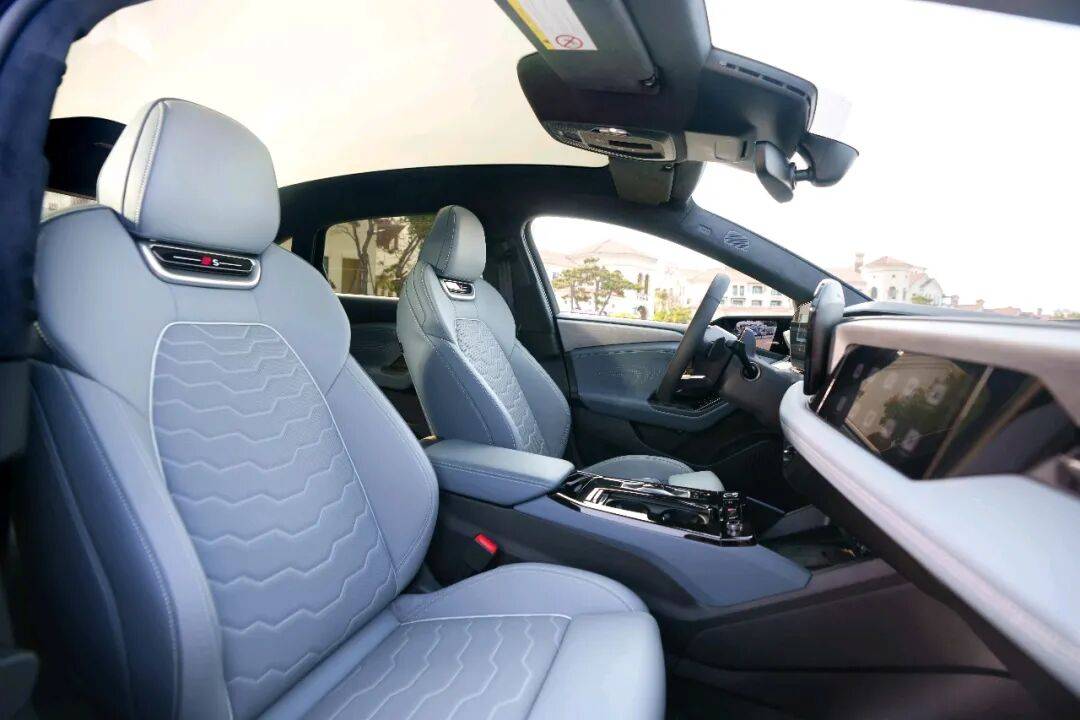
While Huawei, XPeng, NIO, and other domestic firms have reduced lidar costs from tens of thousands to thousands of yuan, Audi, lacking Large scale cost reduction (scale-driven cost reductions), lags behind. Even after partnering with Huawei, the optional price for Qiankun Intelligent Driving versions still deters some consumers.
3. The Last Trump Card
At the Q6L e-tron's facelift launch, a telling detail emerged: except for the base model, the new car comes standard with Huawei Qiankun Intelligent Driving, dual lidars, and supports highway NOA, urban NOA, and all-scenario parking.
This marks a major turning point in Audi's China journey. From the first collaborative model's launch in August 2025 to Qiankun Intelligent Driving becoming standard by April 2026, Audi shifted from 'testing the waters' to 'all-in' in eight months.
Reportedly, the engineering teams from both sides spent over five years on technical integration, conducting tens of millions of verifications to deeply fuse Huawei Qiankun Intelligent Driving with Audi's electronic architecture and VMM vehicle motion management system.
This fusion transcends technology, responding to China's unique market demands while addressing Audi's global electric transition delays.
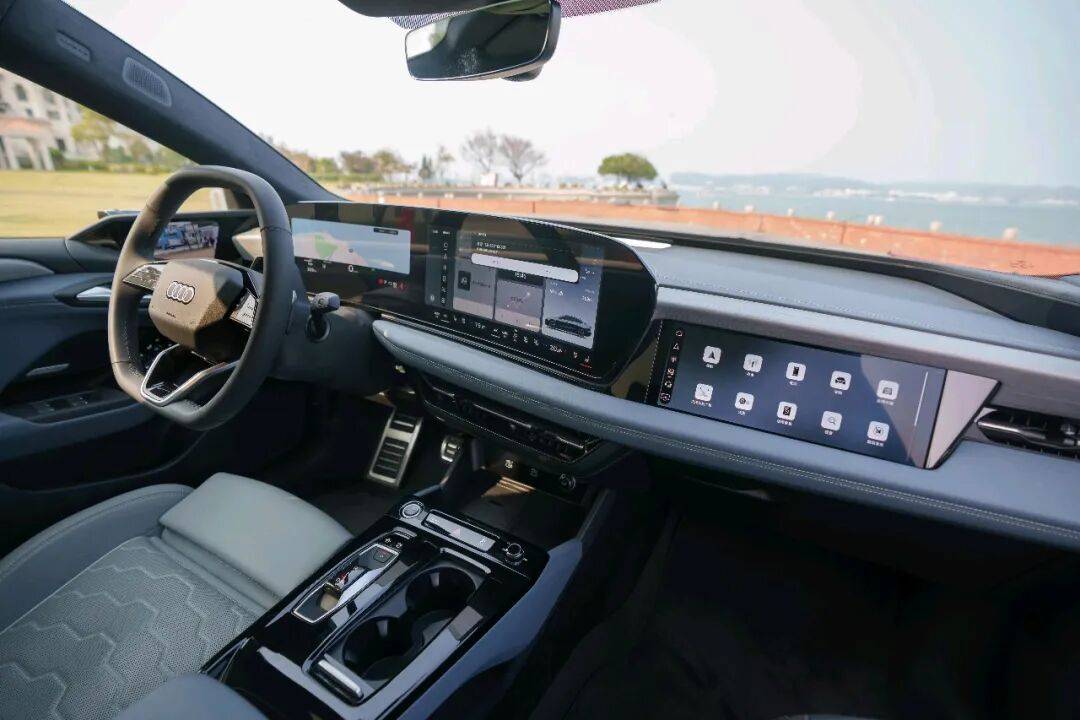
In 2025, Audi launched a 'dual-brand strategy' in China: FAW-Audi continues to strengthen traditional advantages with PPE/PPC platforms, while SAIC Audi introduces the new AUDI brand, building models like the E5 Sportback on a smart digital platform jointly developed with SAIC.
In 2026, Audi plans to launch eight new models in China, covering internal combustion, plug-in hybrid, and pure electric powertrains. This 'largest-ever' product offensive aims to reclaim lost market share at 'Chinese speed.'
Despite frequent moves, Audi FAW's turnaround remains uncertain.
In the short term, the success of the RMB 269,800 pricing strategy hinges on two variables: the Word of mouth conversion (reputation conversion) of Huawei Qiankun Intelligent Driving and direct competition with rivals like the NIO ES6 and Aito M7.
In the medium term, whether the PPE platform's cost disadvantages can be mitigated through scale production and if Audi-Huawei collaboration can expand from 'intelligent driving' options to broader areas like 'smart cockpits' will determine product competitiveness sustainability.
In the long term, Audi FAW must balance German luxury DNA with 'Chinese wisdom' technological realities. When the Q6L e-tron enters the market below RMB 300,000, it is both an electric pioneer and a potential brand premium disruptor.
For Audi, abandoning arrogance and ceasing to hesitate may be the only path to victory.
*Note: The featured image is from Audi FAW's official website; other images are from Audi FAW's official Weibo account.
-
![]()
Jitian Xingzhou: A Pioneer in Optical Payloads Secures Hundreds of Millions in Series B Funding!
-
![]()
Orders Secured Through to the Second Half of the Year! The Rationale Behind the 'Surge' in Demand for This Company’s Optical-Grade Base Films
-
![]()
Beyond Patents: The Retail Rivalry of Insta360 and DJI Unfolds
-
![]()
180 Billion Market Cap Vanished! How Did Seres Fall So Far?
-
![]()
Blockbuster! Domestic storage takes the global double crown for the first time, from an AI company
-
![]()
China Spearheads Formulation! World's Pioneering Global Technical Regulation for Automated Driving Systems Greenlit and Unveiled
-
![]()
Farewell to Pulsed Support Policies: Three Major Auto Policy Directions from Multiple Departments Take Effect on the Same Day
-
![]()
Embercore AI’s Accelerated Funding: The Robot Industry’s Shift Toward ‘Learning Systems’