Witness the Cambrian Explosion of the Automotive Industry in a Vatican-Sized Exhibition Hall | Auto Show Revelations
 04/27 2026
 623
623
The 2026 Beijing Auto Show once again pushes the boundaries of 'grand.'
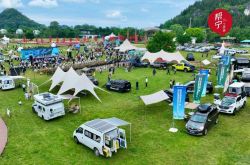
The old and new exhibition halls are seamlessly connected, with eight tiered exhibition spaces spread out like chocolate bars, covering an area nearly the size of Vatican City. Two media days and over 200 press conferences, with nearly 20 simultaneous events per hour, as all players strive to make their presence felt.
Walking through, I felt as if I had traveled back 530 million years to the Cambrian period: a burst of life, rapid species experimentation, and the wild growth of diverse ecosystems.
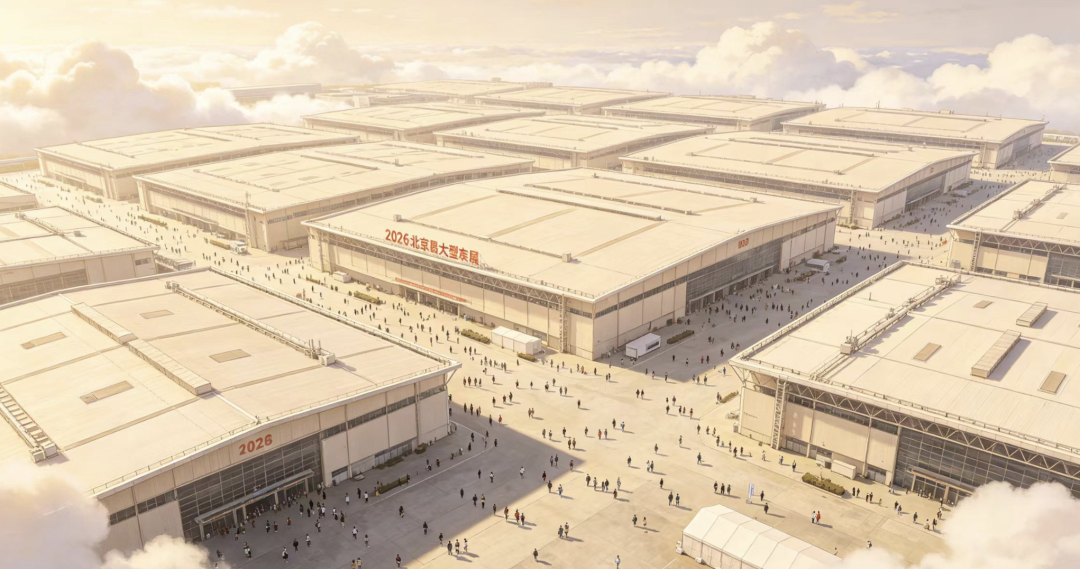
Today's auto show is the Cambrian explosion of the automotive industry: a clash of old and new technologies, a fusion of Chinese and foreign forces, a restructuring of power between supply chains and OEMs, and accelerated iteration of business models. Behind the chaos lies the true evolution of China's automotive industry—in an era of explosive growth, direction determines survival.
Here, I see the awakening of supply chain power, the rapid evolution of foreign giants, technological parity between China and the West, and talent and technology solidifying the foundation.
From wild explosion to rational maturity, Chinese automakers are undergoing a remarkable evolution. Yet what truly matters is not scale or speed but an inclusive vision, a commitment to long-termism, and the wisdom of win-win cooperation—this is China's automotive industry's best answer to the global market.

The Transformation of Venues:
The Coexistence of Old and New Hides Ambitions for Industrial Explosion

The most immediate impression of this year's auto show is its overwhelming scale.
All 16 exhibition halls are laid out flat, without floor separation, creating an endless industrial torrent. Complete vehicles are mixed with components, luxury brands share zones with affordable ones, and competitors stand side by side—the entire venue is a highly competitive ecosystem map.
Behind this spatial explosion lies anxiety and desire across the industry:
From automakers and supply chains to tech companies and robotics firms, all players related to mobility must be present. This is not just about showing muscle but about being at a critical juncture of transition—the traditional fuel base remains, while smart electric vehicles represent the future. Everyone is vying for their ecological niche.

It's like the dawn of the Cambrian period, when the oceans suddenly teemed with life.
No one knows who will survive, but everyone understands: not appearing means being eliminated.
The Transformation of Power:
The Supply Chain Takes Center Stage, Wielding 'Consumers to Command Heroes'
At the 2025 Shanghai Auto Show, I noted the awakening of Awakening of the discourse power of component enterprises auto parts manufacturers (from supporting roles to leading actors). By the 2026 Beijing Auto Show, this awakening has completely rewritten the industry's power dynamics.
The most striking phenomenon: numerous Tier 1/Tier 2 suppliers have moved into the main exhibition halls, demanding equal footing with OEMs.
A decade ago, this was unimaginable—suppliers only needed to serve B-end clients, so why face consumers? Now the logic has flipped: companies seek public recognition and capital approval, adopting Intel Inside-style tactics: making users choose cars based on battery, intelligent driving, or chip brands, using C-end choices to pressure OEMs.
For the first time, I truly see: the supply chain holds consumers to command the industry.
CATL directly released Vehicle battery technology matching standards vehicle-battery technology matching standards before the auto show, upgrading from a supplier to a standard setter, grasping the 'energy reins' of new energy. The industry buzz reflects unprecedented influence.
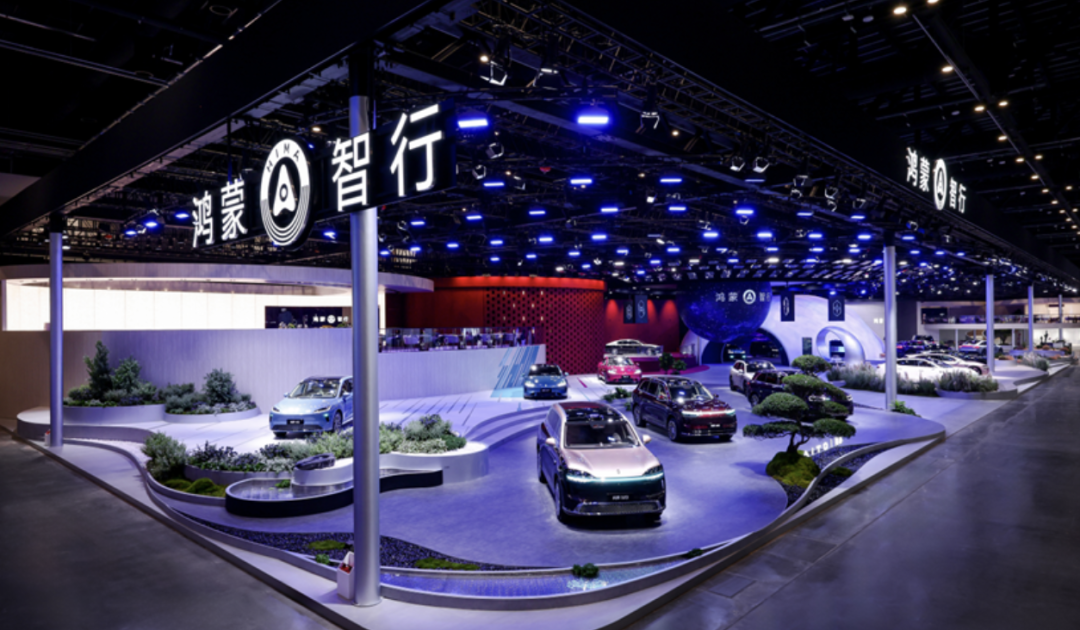
Huawei's Harmony Intelligent Mobility has become a unique presence: not building cars but having dozens of models line up to showcase their 'Huawei content.' Automakers voluntarily announce their 'Huawei quotient.' Without touching vehicle manufacturing, Huawei captures the most profitable, shortest-payment-term, and strongest-voice segment of intelligence.
The track (track) also shows diverse prosperity:
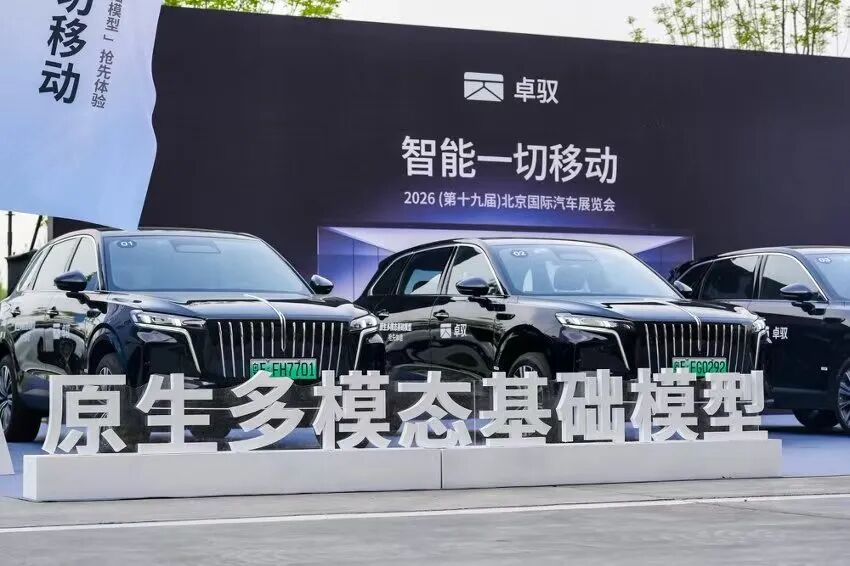
Horizon Robotics showcased scalable intelligent driving chip solutions, with expanding ecosystem partners; Sunwoda displayed pure electric and hybrid battery technologies, covering all vehicle energy needs; Zoyu Tech officially released its Native multimodal basic model native multimodal foundation model, with its cabin-driving integration scheme achieving mass production with Hongqi;
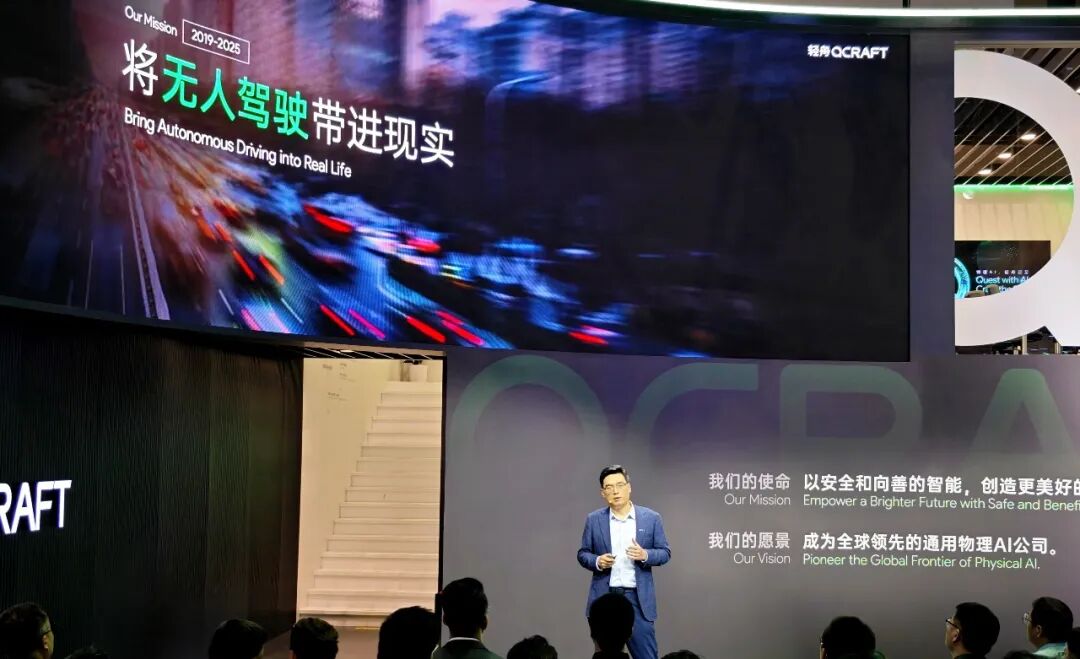
Qingzhou Zhihang, SenseTime Absolute, and Momenta all brought mass-producible urban NOA solutions, upgrading algorithm implementation capabilities; Innovusion launched a new generation of high-performance LiDAR, while NavInfo provided high-precision map underlying services, jointly solidifying the hardware and data foundation for intelligent driving; in distribution, Chelian Tianxia showcased digital channel models, using D2C logic to reconstruct automotive distribution links, helping OEMs directly connect with users and reduce intermediate costs.
Their strong logic is consistent: grasping the reins of new energy + intelligence can reconstruct the industry pyramid.
Once OEMs set the rules; now suppliers define technologies. The power structure of the automotive industry is flipping completely.
The Transformation of Globalization:
From 'In China For China' to 'In China For Global'
In 11 years in the industry, I've witnessed three leaps in Sino-foreign automotive relations:
1.0 In China For China: Foreign brands treated China as a market, adapting specifically for China;
2.0 In China With China: Foreign brands collaborated with Chinese partners for local improvements;
3.0 In China For Global: China becomes an innovation hub, exporting technological solutions worldwide.
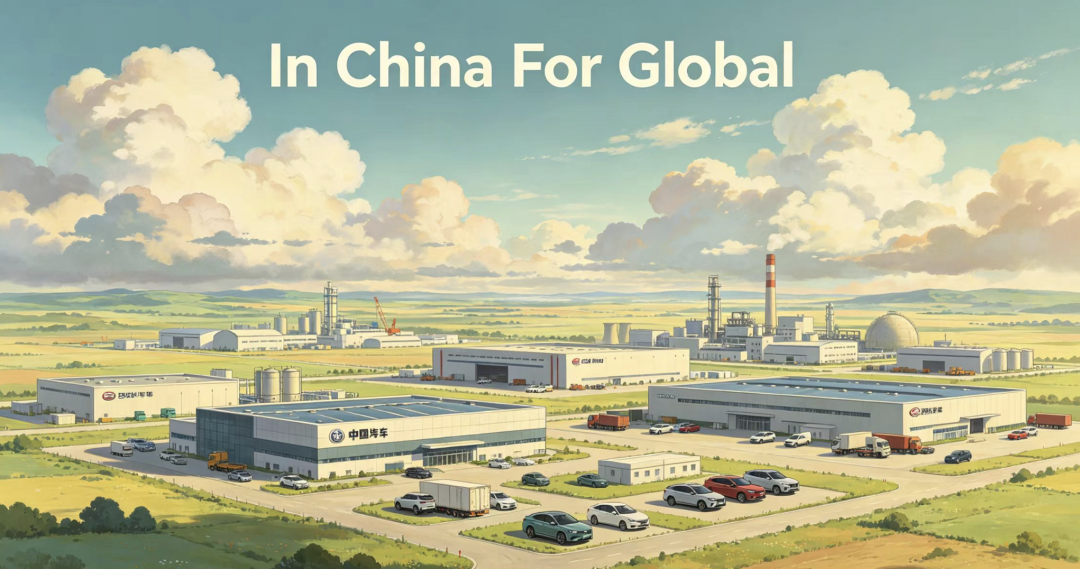
This is no wordplay but a complete power shift.
Many say foreign brands are slow, but what I see is: they've never been slow—just fully adapting to China's pace.
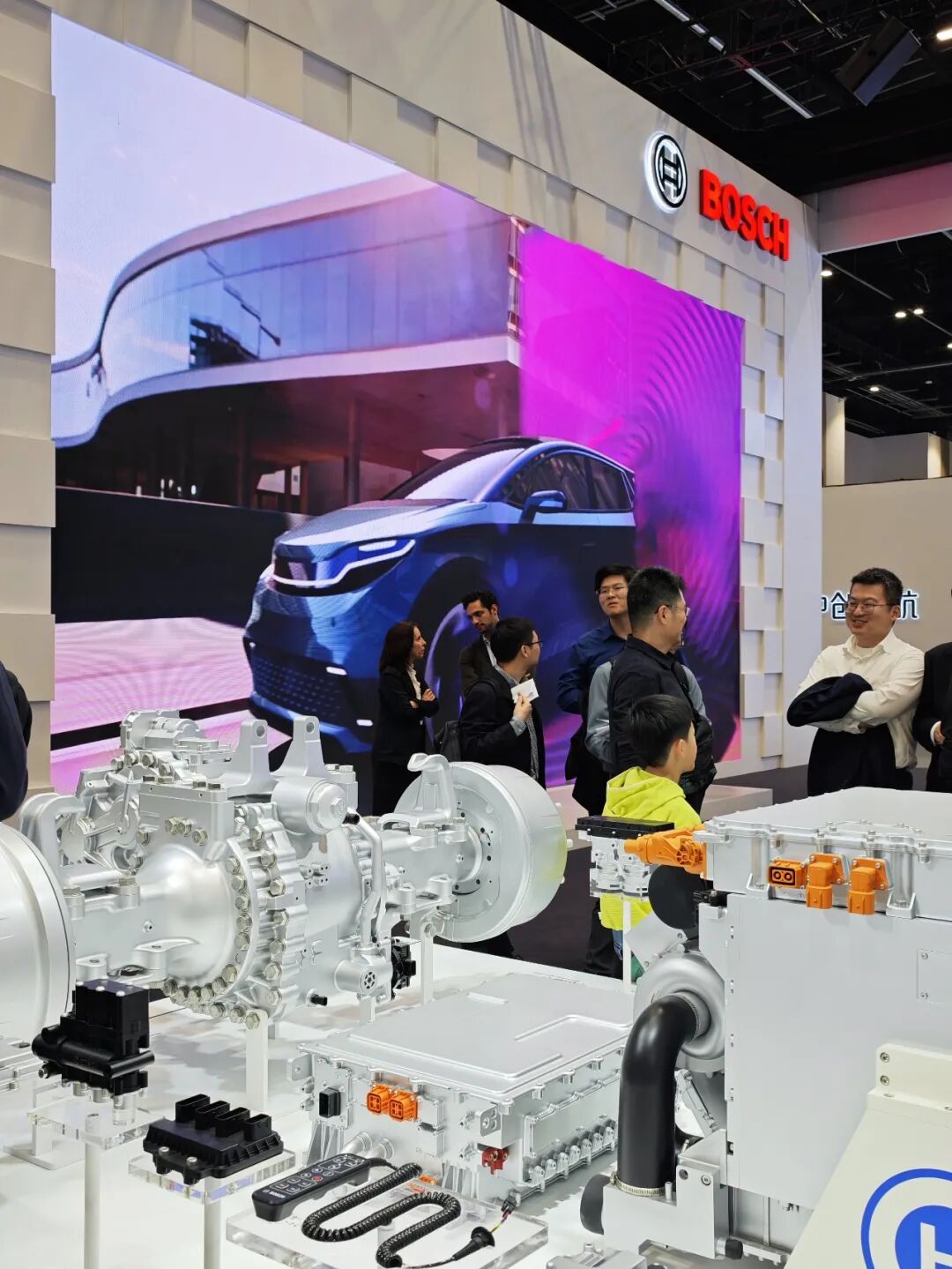
Bosch released L3 autonomous driving, brake-by-wire/steer-by-wire mass production, and 48V vehicle systems, with Chinese technologies exporting globally;
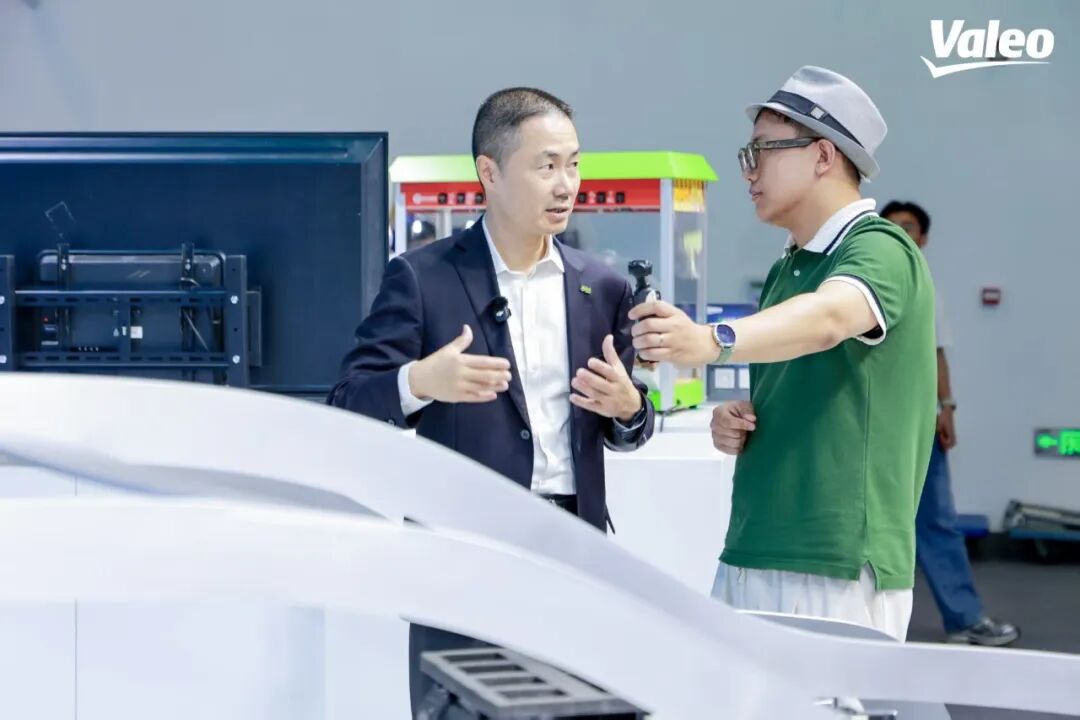
Valeo implemented five-in-one modules and LiDAR at Chinese speed, supported by 4,300 local engineers for global innovation.
Vehicle giants are transforming even more thoroughly:
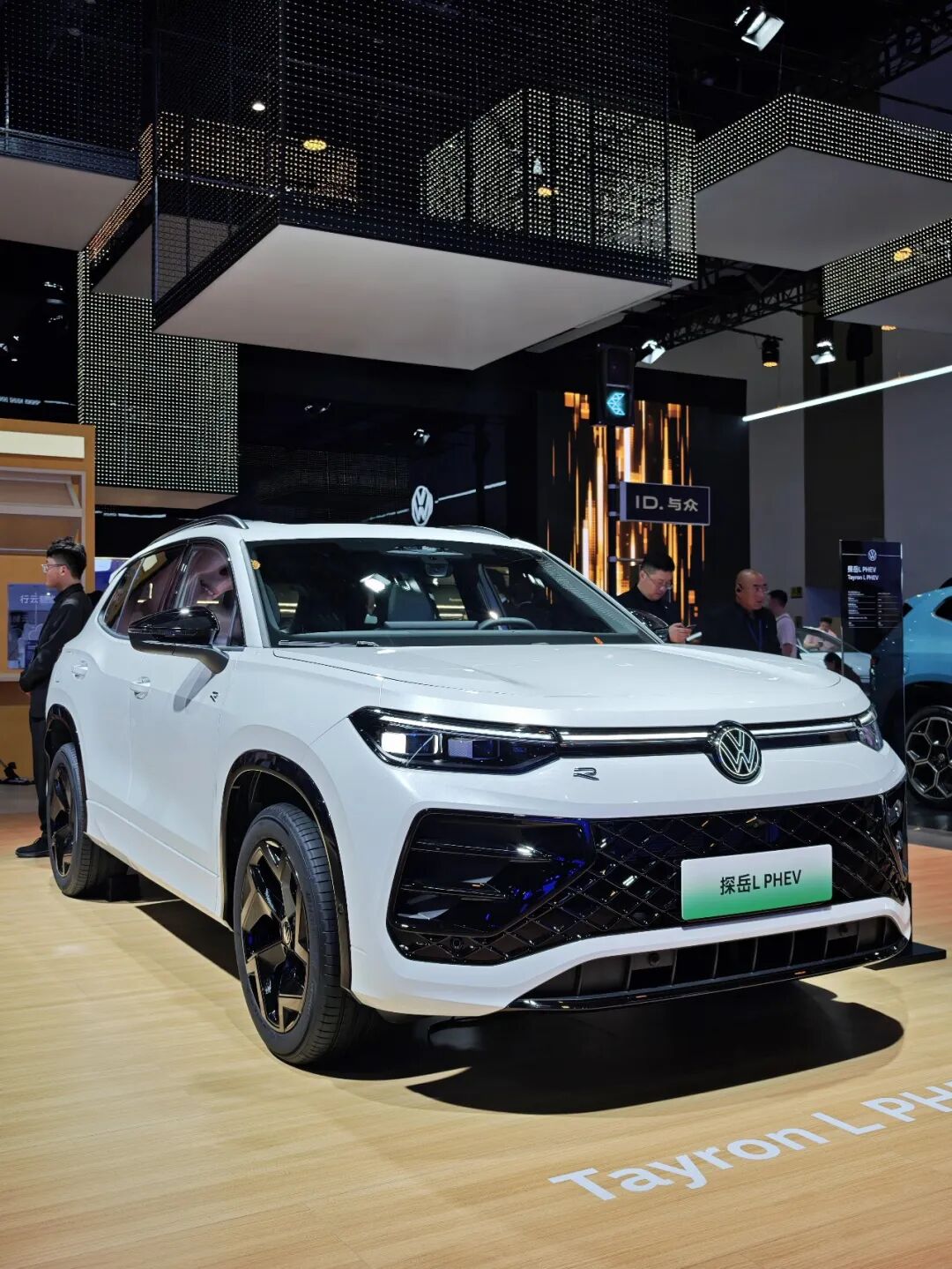
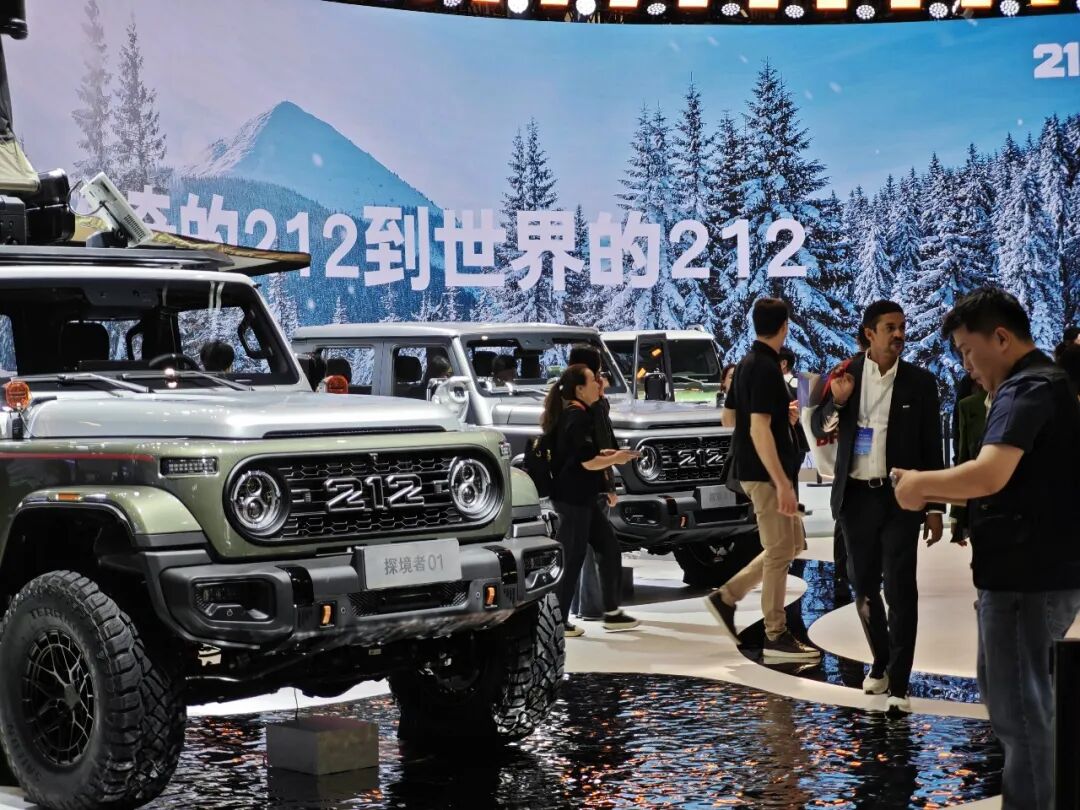
The Volkswagen Group (SAIC Volkswagen, FAW-Volkswagen, Jinbiao Volkswagen) granted its Chinese teams high autonomy to independently develop products, defining global standards from China;
Toyota significantly delegated power, using China as its core electrification testbed to rapidly follow local rhythms.
Their consensus is clear: China is the fastest, most competitive, and most cutting-edge market globally. Winning here means winning worldwide.
China is no longer just a processing base for foreign brands but an innovation source, standard setter, and technology export origin.
A New Paradigm of Globalization:
Chinese Technology Goes Global, Building Ecosystems Beyond Products
While foreign brands accelerate adaptation to China, what excites me more is: Chinese companies have upgraded from product exports to technology exports and ecosystem globalization, no longer just competing on price but taking core technologies, compliance capabilities, and new business models global.
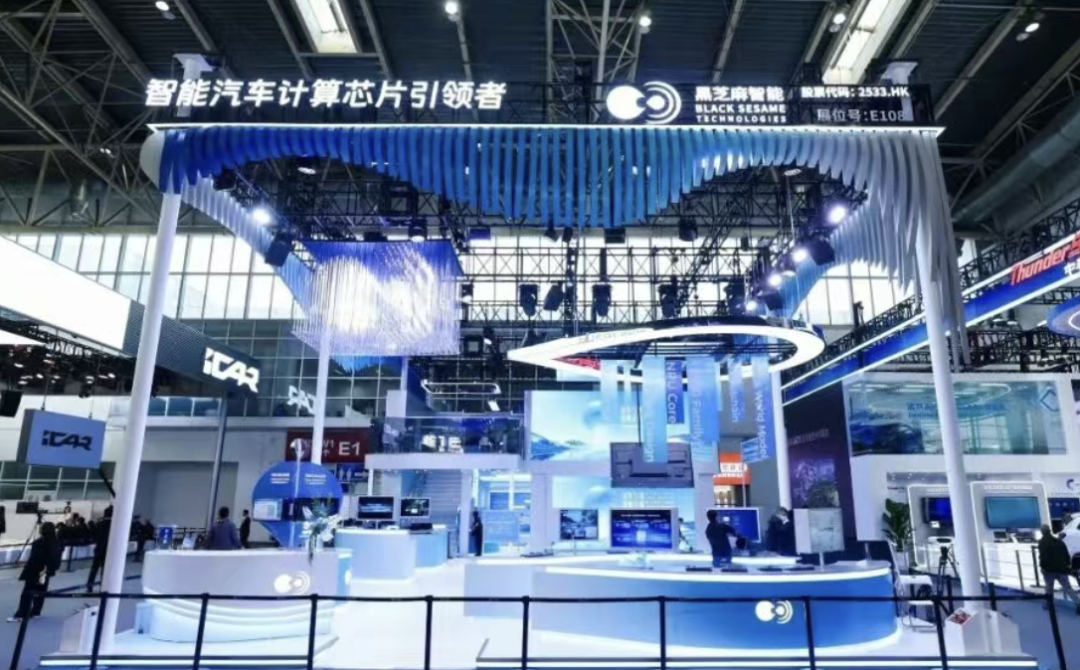
Black Sesame Technologies is a prime example of tech globalization: its A2000 was ready in 2025 but required approval from the U.S. Departments of Commerce and Defense due to its high computing power. Its successful clearance certifies not just hard power in large-scale computing, floating-point operations, and native multimodal models but also soft power in mastering overseas rules, leveraging compliant pathways, and achieving legal win-win outcomes—not brute force but winning global markets with global rules.
Vehicle exports have also abandoned general agent dumping.
Leapmotor pursued an asset-light, profitable, and deeply localized path: overseas sales exceeded 40,000 units in Q1, with Europe as a core growth engine. Abandoning general agents, it operated directly, achieving overseas profitability in its second year. In Q4 this year, it will launch CKD localization in Spain, empowering global markets with full-domain self-researched technologies.
VOYAH aims for high-end globalization: deepening in Europe, expanding in the Middle East, and breaking into right-hand-drive markets across 40 countries. Launching a right-hand-drive version of the Dreamer in H2, it sheds the 'Chinese cars only offer cost-effectiveness' label, establishing itself in luxury heartlands.
Sino-foreign joint ventures have also entered a new era of technological parity. Haosite Power (Geely × Renault × Saudi Aramco) prioritizes Chinese electric drivetrains while pursuing parallel paths in methanol, hydrogen, pure electric, and fuel vehicles, exporting China's native technologies to global partners for equal collaboration and shared markets— Say goodbye completely (completely bidding farewell) to the old model of 'foreign technology, Chinese manufacturing.'
I've always believed: industries should avoid zero-sum games, and globalization should avoid winner-takes-all mentalities.
Chinese companies grow stronger not by monopolizing technologies or devouring markets but through coexistence, complementarity, and win-win outcomes. You have your energy routes; I have my intelligent solutions. Instead of rivals, we are companions, growing the pie rather than fighting over scraps. This isn't compromise but top-tier industrial wisdom.
The ultimate competition in industries is over talent and technology.

Geely provided a long-term vision at this auto show:
First, a cross-generational talent leap plan, selecting gifted youth from high school for targeted training in AI, new energy, satellites, and low-altitude economy, solving real problems in authentic scenarios;",
The Final Chapter of Evolutionary Theory:
Those with the Right Direction Survive After the Cambrian
The harshest truth about the Cambrian Explosion: 99% of species will go extinct.
Many organisms were strong and fierce, yet they completely disappeared due to wrong evolutionary directions; only species that adapted to the environment, found their ecological niches, and possessed strong core capabilities could survive through the ages.
The same applies to the Beijing Auto Show.
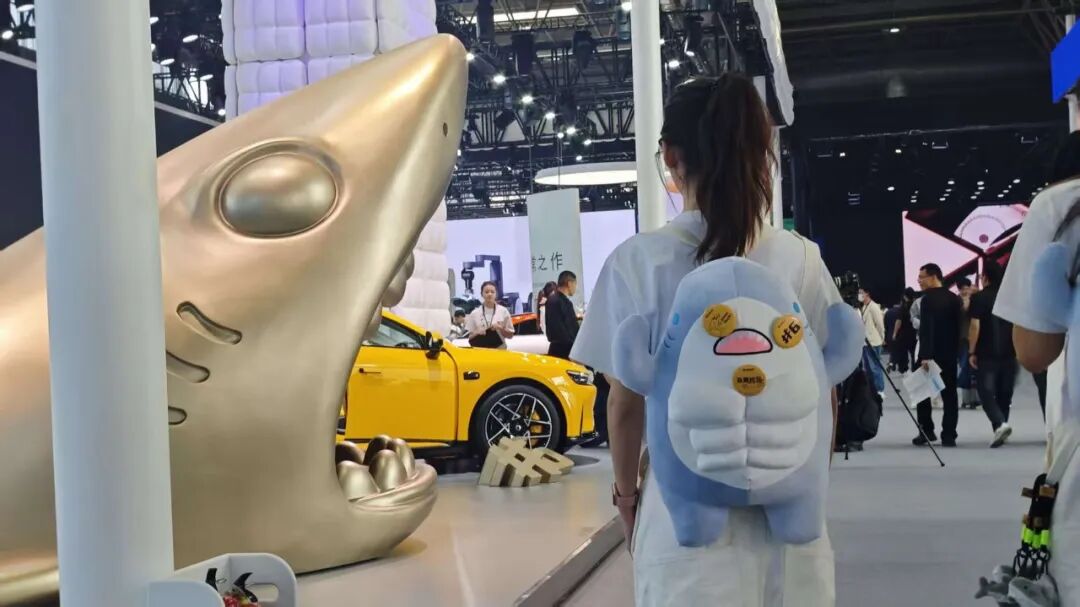
The venue is teeming with new species, but the ruthless selection has already begun:
Those who stubbornly pursue wrong technological paths will eventually be eliminated; those relying solely on marketing without technology will only be a flash in the pan; those clinging to old power structures will be abandoned by users and the supply chain; those who fail to see China's global positioning will exit the center stage.

The Cambrian Explosion of Chinese automobiles is not the endpoint, but a new starting point for evolutionary theory.
The future does not belong to barbaric expansion, winner-takes-all, or zero-sum struggles.
It belongs to players who have the right direction, embrace long-termism, inclusivity, and symbiotic win-win outcomes.

Standing in this exhibition hall the size of Vatican City, I am even more convinced:
The future of Chinese automobiles is about evolution, not conquest; symbiosis, not monopoly; collaboration, not isolation.
This is the most precious revelation that the 2026 Beijing Auto Show leaves for the entire industry, and it should also be the valuable lesson that the Chinese automotive industry offers to the global automotive sector.
By Li Xiyin · Huasheng
-
![]()
Expert Interpretation of New Policy Combination: Activating the Trillion-Dollar Automotive Aftermarket
-
![]()
Doubao Goes 'Professional', Volcano Rolls the Snowball
-
AI: No Sign of a Bubble!
-
![]()
NVIDIA-Backed AI Unicorn Secures $1.5 Billion Funding: Revenue Soars 2000%
-
![]()
Doubao Pro is Here: How Can Seed 2.1 Be Integrated into Real Processes?
-
"PCB Juice" Sees Four Consecutive Declines: Even Computing Power Material Suppliers Can't Lift This "Old Stock"
-
![]()
Potential 'Seismic Shift' in the U.S. TV Industry: Competition Shifts from Hardware Sales to Traffic Entry Points
-
![]()
Audi A6L's Defense in the Luxury C-Class Market: Following Huawei's Smart Driving Integration, Is Large-Battery HEV the Next Move?