Honda Must Learn to Stay Steady Amid Product Transition
 04/29 2026
 579
579
Lead-in
Introduction
One only truly grasps the challenges of transformation after weathering the storms. Honda is gathering its strength, poised for a redemptive moment.
It's widely acknowledged that this year's Beijing Auto Show is, once again, a triumphant celebration for Chinese automakers. A multitude of new and concept cars have set the tone for the future trajectory of the automotive market. The industry's enthusiasm for new technologies has sparked a wave of aggressive innovation across the board.
In this dynamic landscape, the struggles of joint ventures are apparent to all. To keep pace with Chinese automakers, mere determination is not enough. In a competitive environment where everyone is striving for excellence, any complacency is unacceptable.
However, recent moves by joint ventures, including Toyota, Volkswagen, and General Motors, indicate that it's overly simplistic to dismiss the future prospects of joint ventures. The notion that the Beijing Auto Show is a stage exclusively for Chinese brands is also quickly dissolving.
This time around, we've seen the return of long-absent brands like Peugeot and Citroën, as well as Hyundai, which had skipped several previous auto shows. Frankly, as the Chinese auto market takes on the mission of propelling the global automotive industry forward, no foreign automaker can afford to sit out the competition in China.
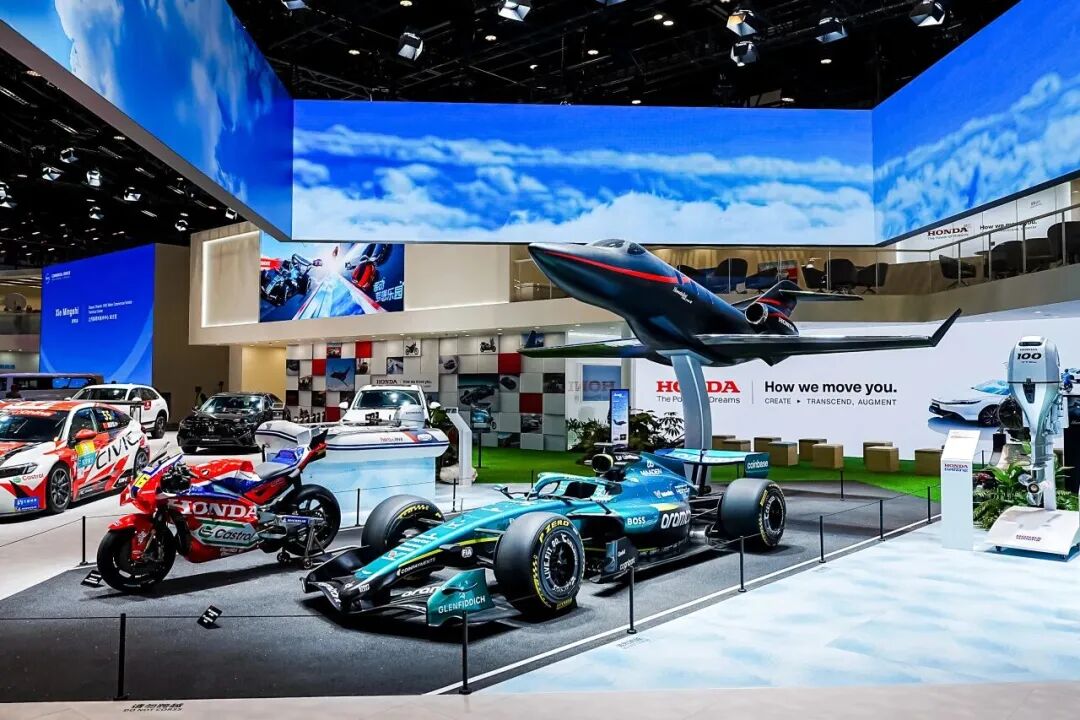
Compared to its joint venture counterparts, Honda has indeed maintained a low profile this year. Without electrified products on the immediate horizon, it often finds it challenging to gain a competitive edge in public discourse. However, at the Beijing Auto Show, Honda is showcasing all its achievements since its inception, signaling its future direction alongside its Chinese joint ventures.
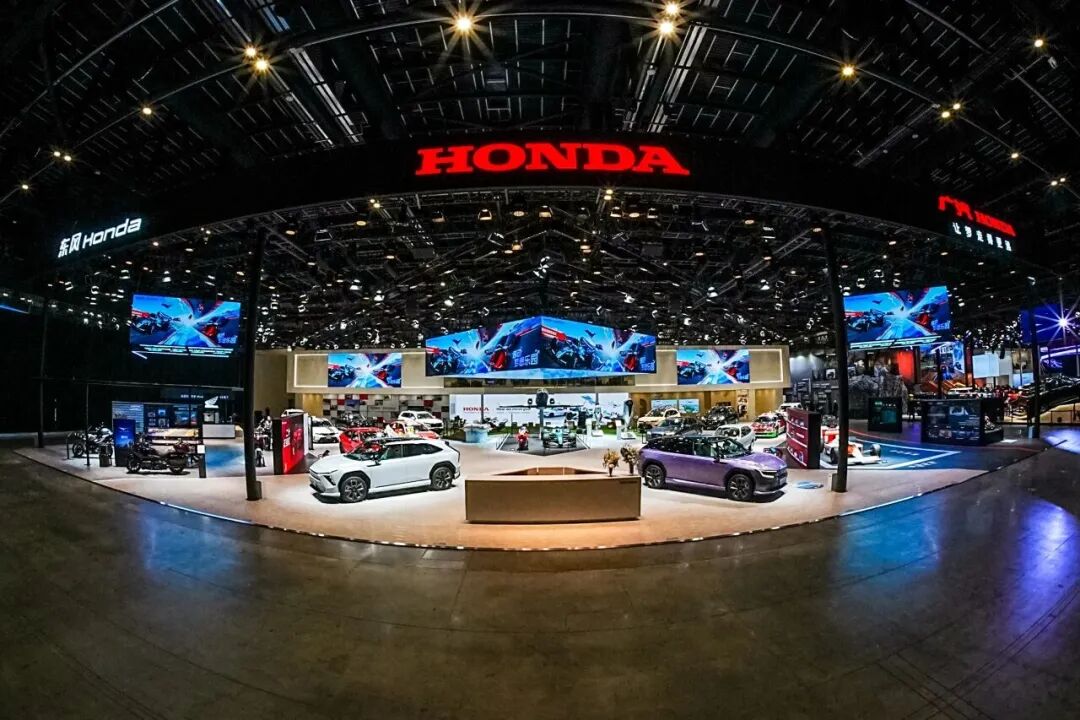
Faced with survival challenges, Honda's primary objectives for 2026, in addition to maintaining the vitality of its existing product lineup, are to demonstrate its commitment to China's NEV (New Energy Vehicle) progress and to outline its latest product plans and business priorities.
01 Humbly Learning, Exchanging Time for Progress
Not long ago, Honda's CEO, Toshihiro Mibe, visited China and witnessed firsthand the current state of development in China's electric vehicle industry. Upon returning to Japan, Honda not only resolutely canceled almost all its existing electric vehicle projects—with the 0 Series models failing before launch and its collaboration with Sony ending unsuccessfully—but also lamented, "Faced with such strength, we stand no chance."
Soon after, news emerged that Honda plans to close two factories in China to cope with the impact of the rapid transformation of the Chinese auto market. Whether these incidents are truly a result of the challenges posed by Chinese automakers remains uncertain. However, for Honda itself, the harsh realities are always present, and if it is to break through the fog, now is the last chance.
On the exhibition stand, regardless of the historical significance of Honda's displays or the number of enthusiasts who come to check them out, the role played by joint ventures GAC Honda and Dongfeng Honda in this grand event is what the outside world is more eager to understand. Is Honda truly prepared to handle industry changes this year?
"In 2026, our key positioning is to hibernate and gather strength," said Lin Zhibin, Deputy General Manager of GAC Honda Automobile Co., Ltd., providing a positive signal in response to external inquiries.
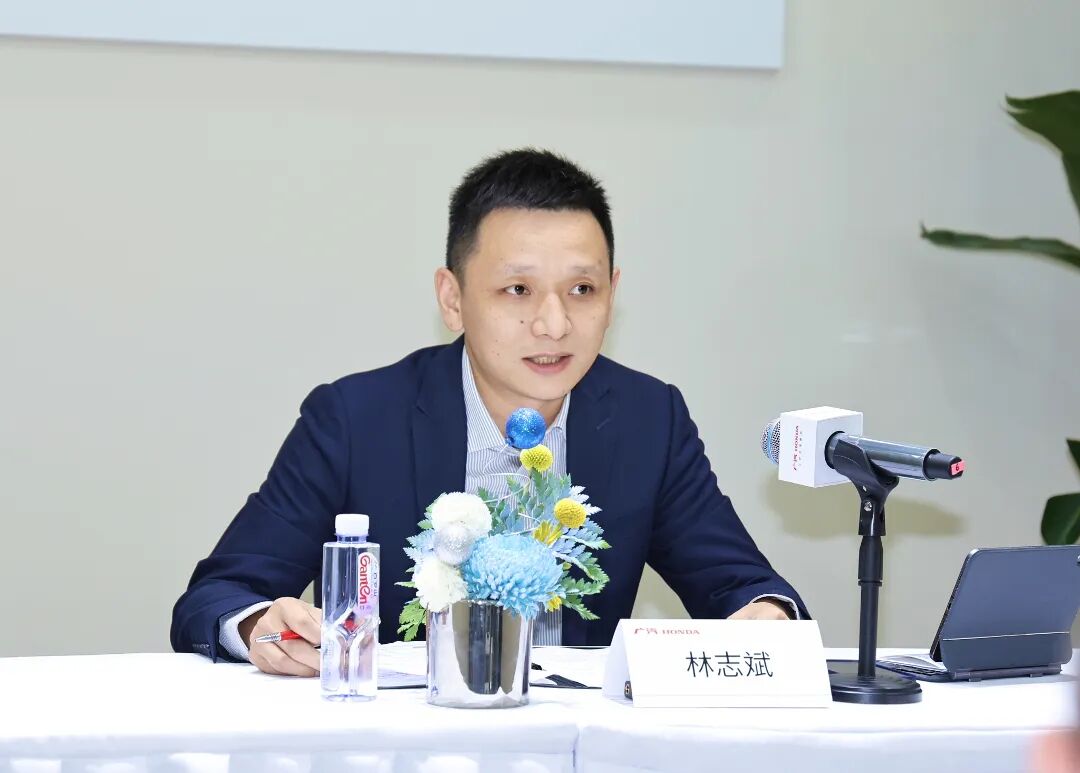
Regarding the future, Lin Zhibin also stated, "As a joint venture, we have primarily introduced global models in the past, aligning them with the Chinese market and local user needs for product launches. Currently, as industry strategic transformation becomes the norm, GAC Honda has not deliberately publicized its transformation efforts, instead quietly delving deep and fully advancing changes."
After experiencing setbacks with the P7 and S7, Honda should understand where its problems lie. Today, as a joint venture, I believe that saying more is not about whitewashing previous strategic failures. With the entire joint venture camp fully committed, complacency will not be Honda's choice.
Take GAC Honda as an example. According to the schedule, its new electrified products will meet consumers next year. By then, regardless of market changes, GAC Honda must change its approach from the source, as required by the Chinese market. At the same time, through various joint venture initiatives, Honda needs to learn to let go of its obsessions and incorporate Chinese elements into its global product system.
"Both shareholders, GAC Group and Honda R&D, are collaborating more closely with GAC Honda than ever before. Both shareholders have a deeper understanding of GAC Honda's current situation, market, and user feedback, with faster and more efficient information transmission, enabling coordinated and aligned efforts. This means our future products can more precisely meet user needs, with higher intensity in R&D investment."
Compared to the previously described R&D background of the P7, this attitude is very uncharacteristic of Honda.
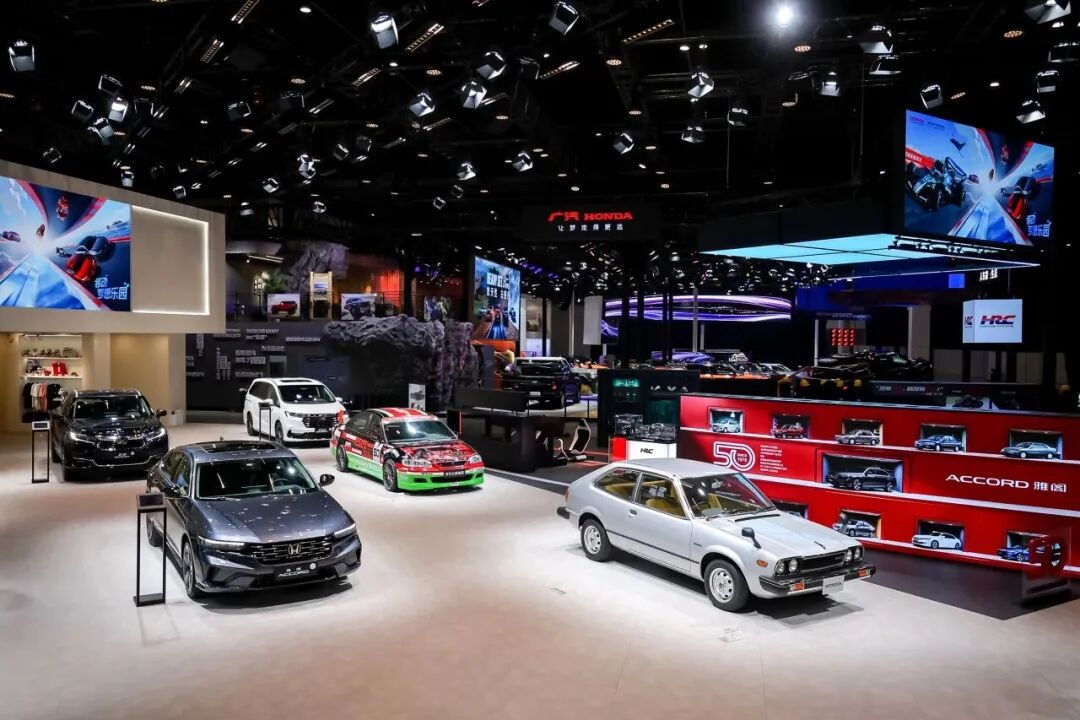
You must know that in Honda's context, when it comes to car manufacturing, it is not just confident but also very "stubborn." "Driving fun" has been a new car advantage emphasized by Honda year after year. Even during the process of intelligence-driven improvements in intelligent driving, the general indifference of Chinese consumers towards driving was something Honda did not anticipate. Its approach seemed even more out of sync with the times, but Honda, a brand that lives for driving, remains unyielding.
So, when GAC Honda proposes that, in the NEV sector, both shareholders will explore a shift from one-way technology introduction to two-way empowerment and deep collaborative R&D, is this Honda seeing the light? On the contrary, it seems more like market upheaval is putting pressure on Honda. Regardless, we can only hope that GAC Honda can fulfill Honda's transformation mission in China, truly leverage the advantages of a joint venture, and stand shoulder to shoulder with Volkswagen and Toyota, rather than being passively beaten.
02 Strengthening the Foundation for Future Growth
"We had clear labels in the traditional fuel vehicle era. Facing the future era of intelligent electricity, we hope to build a 'New Honda' value label based on inheriting Honda's original labels, attracting more users to love our new products."
For traditional automakers, past experiences often become today's constraints. However, it is unavoidable that, no matter who is undertaking sweeping reforms, consolidating the foundation is equally essential.
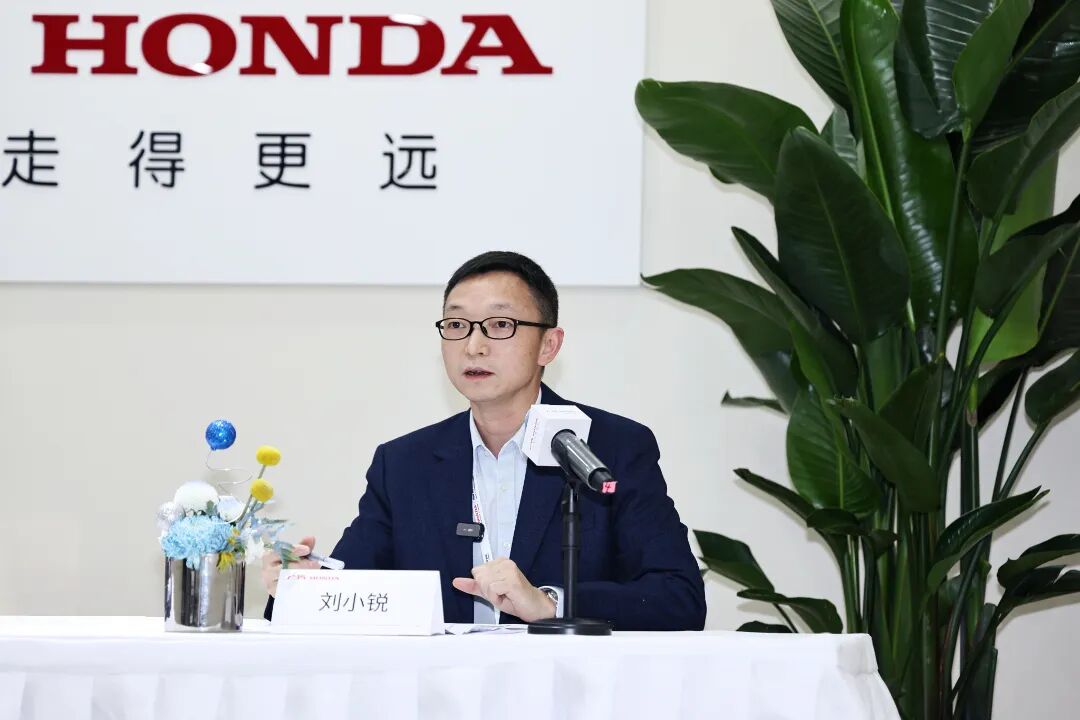
"Starting from 2027, GAC Honda will fully introduce the latest generation of hybrid technology—Honda's fifth-generation i-MMD hybrid technology. The new generation hybrid system will further enhance vehicle handling stability, achieve lightweight upgrades, improve fuel efficiency by over 10% compared to current models, and upgrade both efficiency and the driving experience. The first new model equipped with the fifth-generation i-MMD hybrid technology is planned to debut in the first quarter of next year."
On the surface, this is a plan formally announced by Liu Xiao Rui, Deputy Minister of Product Planning at GAC Honda's Marketing Headquarters. However, it is clear that for Honda, currently in a product transition phase, besides figuring out how to stage a comeback in electrification in the Chinese market, holding onto the existing product stronghold is equally important.
"Currently, in communications between both shareholders, whether it's high-level talks or local planning, whether for global products or locally developed products, GAC Honda participates or leads, completely changing the past one-way input model. This is the most fundamental change."
In fact, Lin Zhibin also said, "In 2026, GAC Honda will implement a strict product competition mechanism internally, proactively halting multiple models that do not meet core competitiveness standards." It is estimated that models like the Fit and some Integras are on this list.
Delving deeper, since the outside world has a clear understanding of GAC Honda's technological strength and brand power in fuel vehicles, with a unified consciousness between China and Japan, formulating product strategies based on the Chinese market, transitioning from a global strategy to a global + China local strategy, and continuously integrating localized resources for product definition, optimizing the existing product matrix is still very necessary.
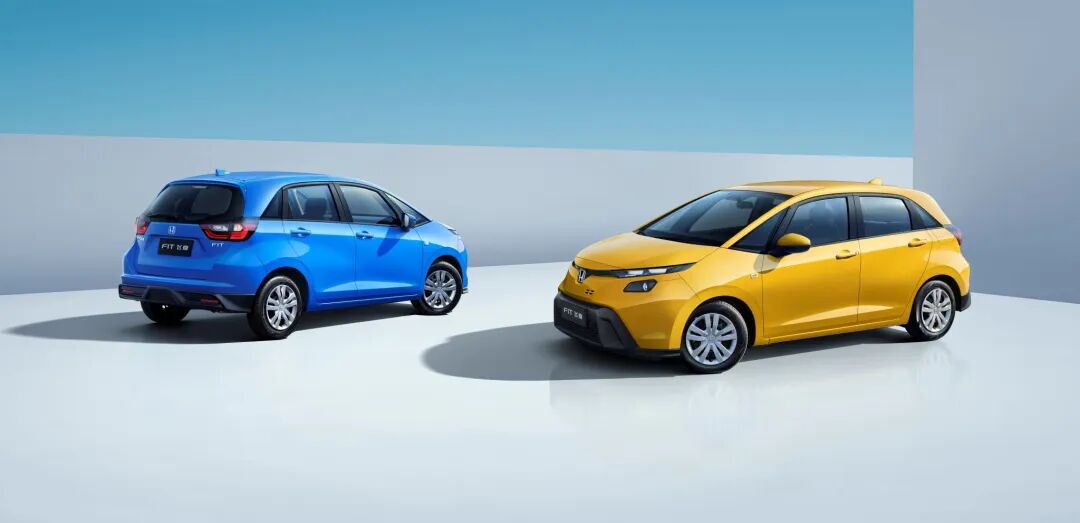
Earlier, when the Fit launched a limited edition of 3,000 facelifted models, many people said that Honda's era was over. The so-called "best car under 500,000 yuan" being ultimately abandoned by the Chinese market is a microcosm of Honda's dimming brand.
Now, whether Honda is going all out to strengthen its foundation or doing so out of necessity for cost reduction and efficiency enhancement, as long as it concerns survival, I believe Honda can accept it.
Just as the purpose of closing factories is to eliminate low-efficiency and outdated production capacity, focus on efficient output, and meet the production needs of future new products and technologies; synchronously coordinating with the channel side to reduce inventory burdens aims to optimize services with a light pack. At the same time, driving the channel to transform and optimize services together forms a bidirectional effort pattern of "enterprise efficiency improvement and channel pressure reduction."
In fact, during this window when the Beijing Auto Show is still ongoing, we need not doubt any joint venture that still has the ability to be present. With the electrification process suffering setbacks and the profitability of four-wheeled business significantly declining, the survival pressure on Honda in China is indeed increasing. However, relying on the Chinese joint venture partner's understanding of the Chinese auto market, as long as Honda figures out the path forward, everything is still possible.
Editor-in-Chief: Li Sijia Editor: He Zengrong
THE END
-
![]()
Doubao Goes 'Professional', Volcano Rolls the Snowball
-
AI: No Sign of a Bubble!
-
![]()
NVIDIA-Backed AI Unicorn Secures $1.5 Billion Funding: Revenue Soars 2000%
-
![]()
Doubao Pro is Here: How Can Seed 2.1 Be Integrated into Real Processes?
-
"PCB Juice" Sees Four Consecutive Declines: Even Computing Power Material Suppliers Can't Lift This "Old Stock"
-
![]()
Potential 'Seismic Shift' in the U.S. TV Industry: Competition Shifts from Hardware Sales to Traffic Entry Points
-
![]()
Audi A6L's Defense in the Luxury C-Class Market: Following Huawei's Smart Driving Integration, Is Large-Battery HEV the Next Move?
-
![]()
Zhipu VS Minimax: A Chinese Reflection of Anthropic PK OpenAI