2026 Beijing Auto Show: Joint Venture Automakers Unleash a Counteroffensive
 04/30 2026
 421
421
The 2026 Beijing International Auto Show is currently in full swing. Centered around the theme of "Leading the Era, Intelligent Future," the event sprawls across 380,000 square meters, boasting 181 global premieres and dedicated pavilions for independent brands. Unlike previous editions, new energy vehicles are no longer the sole domain of independent brands. Mercedes-Benz, BMW, Audi, Volkswagen, Beijing Hyundai, Toyota, and other joint venture automakers have made a collective appearance, showcasing all-new product lineups. These automakers are fully immersing themselves in the new energy race, propelled by accelerated localization and comprehensive intelligence strategies.
Such a scenario would have been nearly unthinkable just two years ago. Back then, joint venture brand booths were dominated by fuel-powered vehicles, which paled in popularity compared to those of local brands. However, at this year's Beijing Auto Show, joint venture brands have started to exhibit locally developed research outcomes, making a splash with all-new new energy product lineups in an effort to shed their old labels.
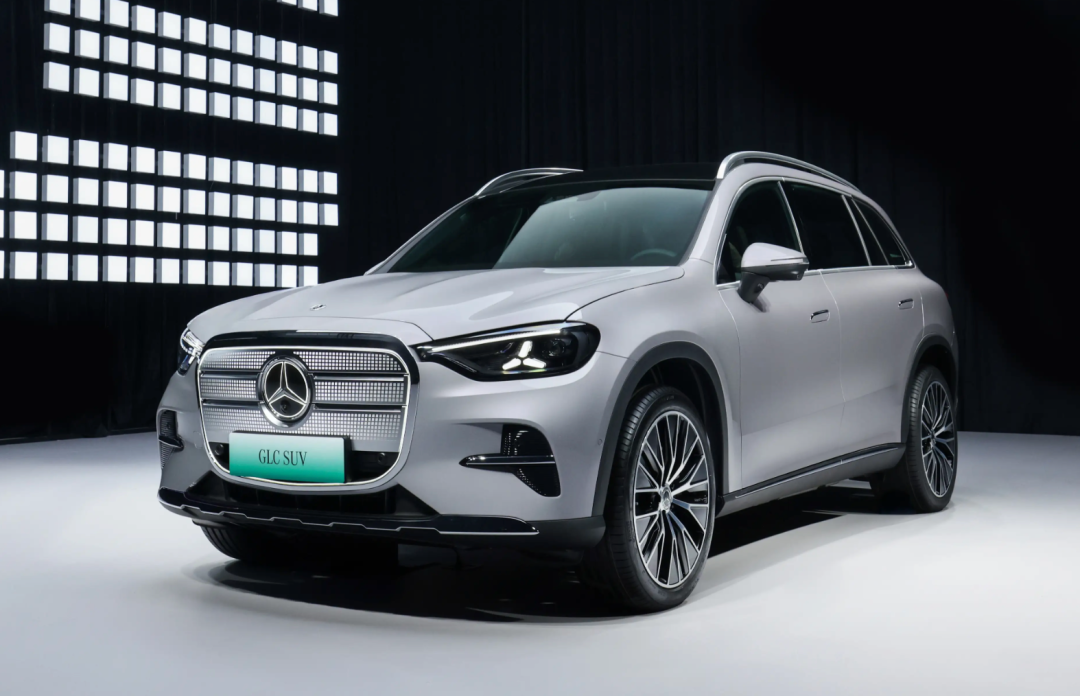
Mercedes-Benz unveiled the global premiere of its all-new electric GLC SUV and launched the electric CLA 260L. In contrast to the previous auto show, Mercedes-Benz's most significant transformation has been its shift from a "slow start" to an "acceleration" mode. While the last event featured models like the electric G-Class and Maybach EQS, the market response was lackluster. The electric CLA, a hit in Europe, underperformed in China, revealing a "copy-and-paste" mentality. This time, however, things are different. The new electric GLC has significantly enhanced intelligence—equipped with an on-device multimodal large model and a smart driving solution crafted by a Chinese team. This aims to reverse past "incompatibility" issues and achieve true localization tailored to Chinese user needs.
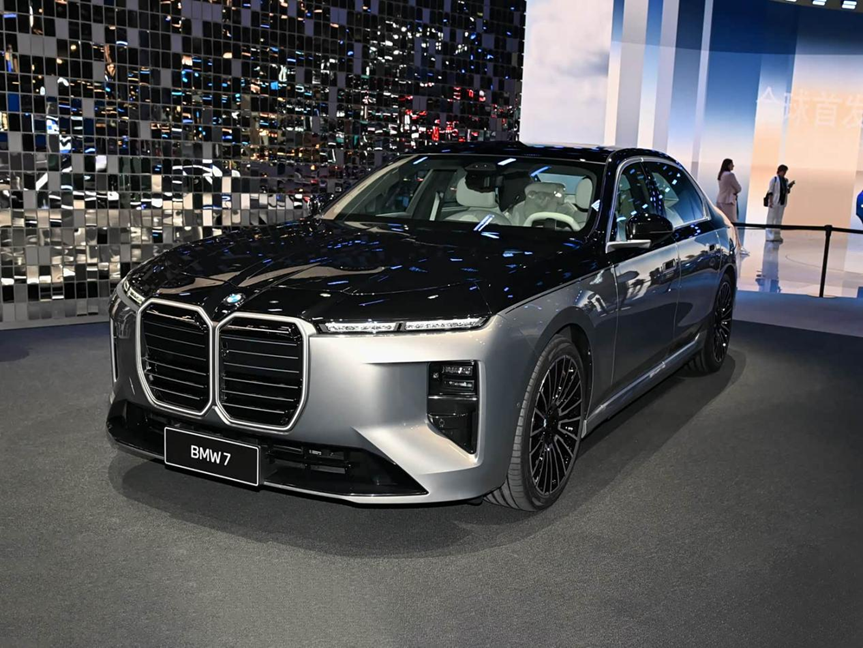
BMW showcased an "all-star lineup." At this year's Beijing Auto Show, BMW launched 16 debut models simultaneously, including the all-new 7 Series/i7 and the next-generation iX3 long-wheelbase version. Compared to the previous event, BMW's new energy offerings have taken a more aggressive stance. In the past, BMW was relatively cautious in electrification, often retrofitting fuel models or directly importing global models. However, this year's next-generation i3 long-wheelbase version is built on a native pure electric platform, completely abandoning retrofitting. With an extended wheelbase and configurations optimized specifically for the Chinese market, it demonstrates a significant upgrade in BMW's commitment to China.
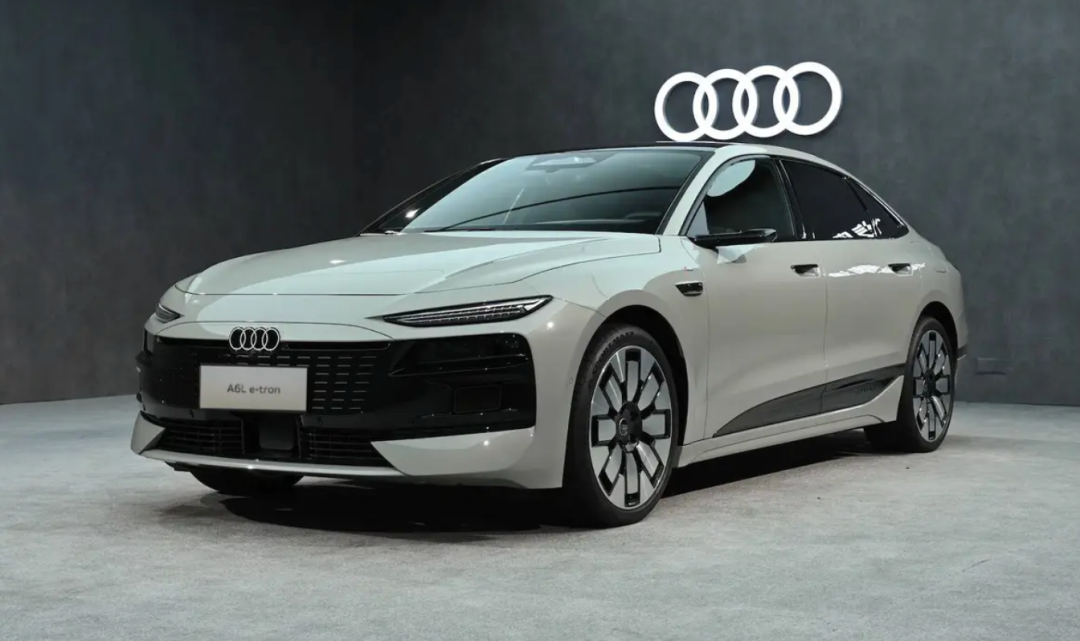
Audi has made the most strides in localization among the BBA (Benz, BMW, Audi) brands. At this year's Beijing Auto Show, Audi introduced the Audi A6L e-tron, the all-new Q6L e-tron, and the global premiere of the Audi E7X and the all-new A6L. Compared to the previous event, Audi's most notable improvement lies in its "two-pronged" cooperation strategy, no longer relying solely on one partner. It offers both PPE platform models developed with FAW and high-end new energy brand models jointly developed with SAIC. This dual-track, deeply customized strategy gives Audi an edge in product flexibility over Mercedes-Benz and BMW.
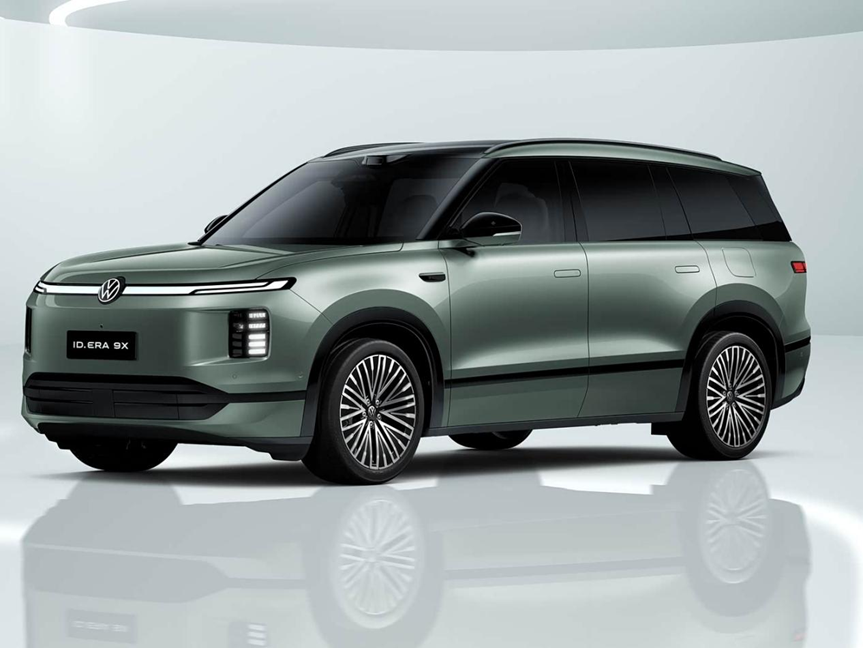
Volkswagen is even more assertive than Audi. During this year's Beijing Auto Show, Volkswagen's products spanned three major technology routes: extended-range, plug-in hybrid, and pure electric. It unveiled new models like the ID.ERA 9X and the Enjoy 07, exclusively designed for the Chinese market. Among them, the ID.ERA 9X offers a combined range of over 1,651 kilometers, equipped with Momenta's intelligent driving system and CATL batteries—no longer a "retrofitted electric model" but a flagship product tailored for China.
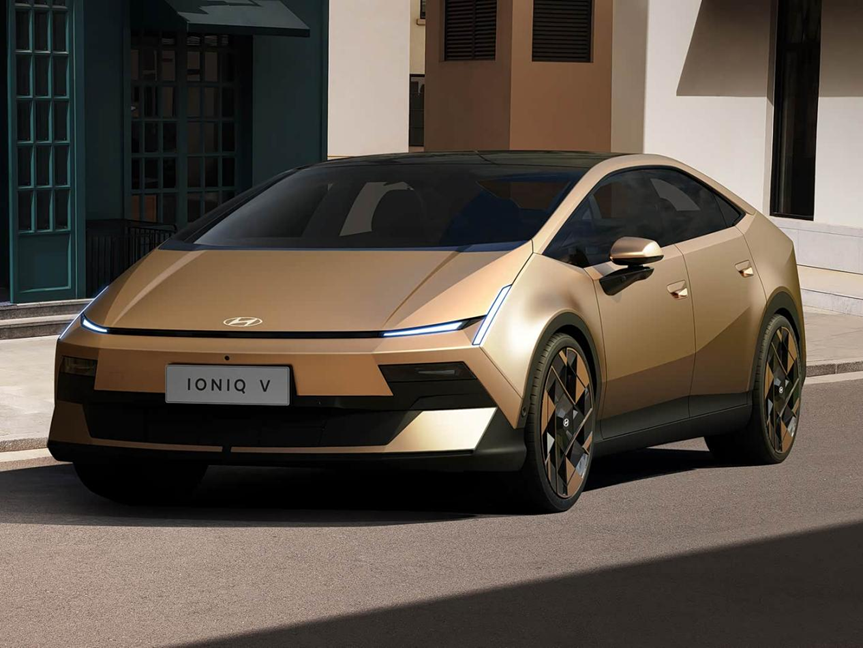
Even Hyundai, which has traditionally shown some reluctance toward China's new energy market, has changed its stance this time. At the auto show, Beijing Hyundai officially introduced its pure electric brand IONIQ to China, launching dual-brand operations. The global premiere of its first mass-produced model, the Ioniq V, is no longer a simple "global model import" but a fusion of Hyundai's technology and "Chinese wisdom." Although it arrived late, it has finally joined the race.
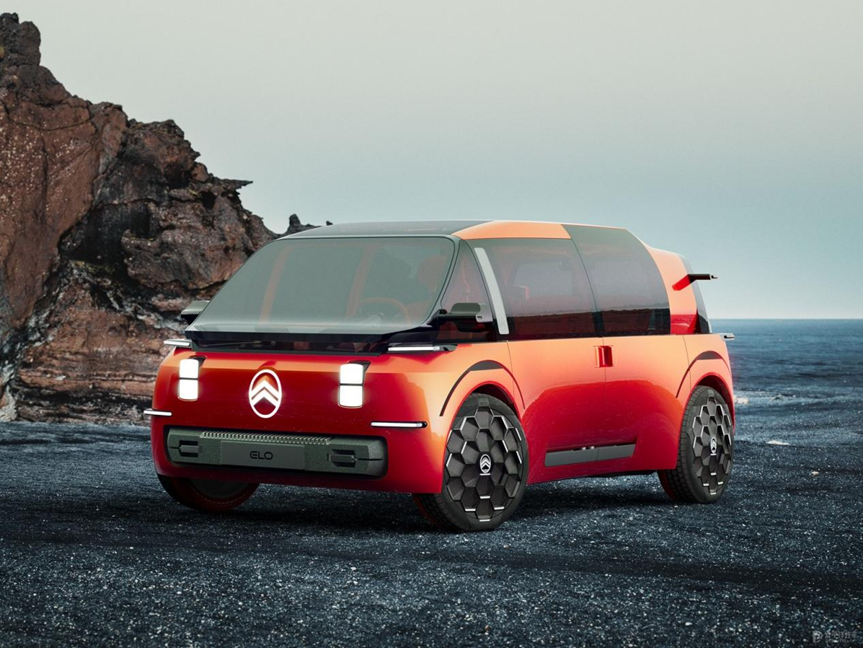
Notably, Dongfeng Citroën also made an appearance at this year's Beijing Auto Show with the Asian premiere of its pure electric MPV concept car, the Citroën ELO. This model not only hints at Citroën's future transformation direction but also reveals its intention to leverage China's intelligent electric advantages for a differentiated route. For Citroën, this undoubtedly represents a sincere gesture toward the Chinese market.
As joint venture brands unveil localized new models at the auto show, the narrative for dominating China's new energy market has quietly been rewritten. From BBA to Volkswagen, Beijing Hyundai, and Dongfeng Citroën, despite once falling behind and suffering market share losses, these brands are now accelerating their shift toward new energy with tangible products after enduring hardships and transformations. Huawei ADS, Momenta's large model, Qualcomm 8295 chips, HarmonyOS cockpits—joint venture brands are actively incorporating Chinese technology solutions to rapidly address their intelligence shortcomings.
However, realistically speaking, even though joint venture automakers have launched all-new electric products through various means, whether these new offerings can achieve the expected market performance remains uncertain.
After all, after years of electric and intelligent development, Chinese local brands have emerged as the absolute protagonists in the market. From BYD to Li Auto, NIO, XPeng, AITO, and Xiaomi Automobile, all have become hot brands in the market. The popularity of joint venture brands has clearly faded in comparison.
Therefore, the market performance of this wave of new energy models from joint venture brands will require time to unfold.
(Images sourced from the internet; removal upon infringement claim)
-
![]()
Expert Interpretation of New Policy Combination: Activating the Trillion-Dollar Automotive Aftermarket
-
![]()
Doubao Goes 'Professional', Volcano Rolls the Snowball
-
AI: No Sign of a Bubble!
-
![]()
NVIDIA-Backed AI Unicorn Secures $1.5 Billion Funding: Revenue Soars 2000%
-
![]()
Doubao Pro is Here: How Can Seed 2.1 Be Integrated into Real Processes?
-
"PCB Juice" Sees Four Consecutive Declines: Even Computing Power Material Suppliers Can't Lift This "Old Stock"
-
![]()
Potential 'Seismic Shift' in the U.S. TV Industry: Competition Shifts from Hardware Sales to Traffic Entry Points
-
![]()
Audi A6L's Defense in the Luxury C-Class Market: Following Huawei's Smart Driving Integration, Is Large-Battery HEV the Next Move?