DeepWay Makes Another Attempt at HKEX Listing: Annual Revenue Hits 4 Billion, Operating Cash Flow Turns Positive, Has the 'Tesla of Heavy Trucks' Overcome Its Toughest Challenge?
 05/09 2026
 478
478
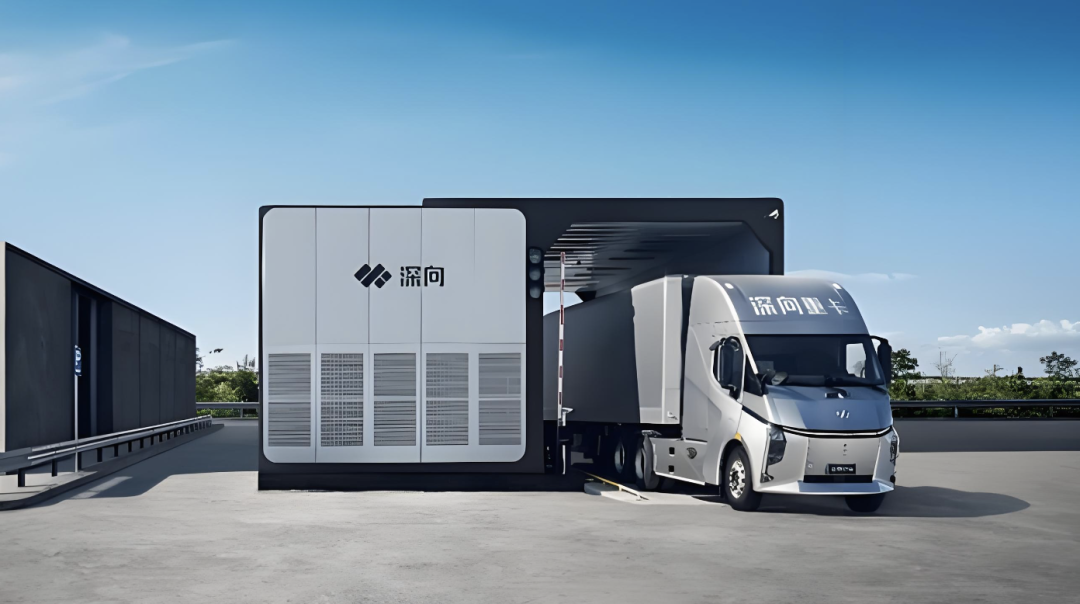
Author | Zhang Lianyi
Incubated by Baidu and led by a logistics veteran, with USD 310 million raised in its Pre-IPO round and 8,020 heavy trucks delivered in 2025... this company is proving that autonomous trucks can be a viable business.
On May 7, 2026, DeepWay submitted its second listing application to the HKEX, following the expiration of its initial application in November 2025.
 DeepWay Submits Listing Application Again
After six months, the company dubbed the 'Tesla of Heavy Trucks' presented a starkly different performance report: full-year revenue of RMB 3.961 billion in 2025, up 101% year-on-year; first-time positive annual operating cash flow of RMB 835 million; 8,020 new energy heavy trucks delivered, up 167% year-on-year. According to CIC, DeepWay ranked ninth in China's new energy heavy truck market by sales volume in 2025.
Just half a month earlier, the company completed its Pre-IPO round, raising over USD 310 million—the largest single-round financing in the heavy truck autonomous driving sector in nearly five years. Three foreign investors—UAE's Leishi Capital (Leishi Capital), Australia's NGS Super, and Singapore's ABC Impact—rarely joined forces to bet on the company, marking the first Middle Eastern capital investment in China's heavy truck autonomous driving sector.
How did a company founded just six years ago achieve this?
01
A Logistics Veteran's Second Act
The story begins with Wan Jun.
Born in 1972, Wan Jun is a serial entrepreneur in the logistics industry. He served as Vice President of Zoomlion and founded Lionbridge Group in 2012, deep cultivation (deeply cultivating) the commercial vehicle logistics and finance sector for over a decade.
In 2018, Baidu made a RMB 1 billion strategic investment in Lionbridge Group, and the two sides began exploring the application of autonomous driving in logistics. During the collaboration, Wan Jun realized: there was no heavy truck that could perfectly support autonomous driving technology.
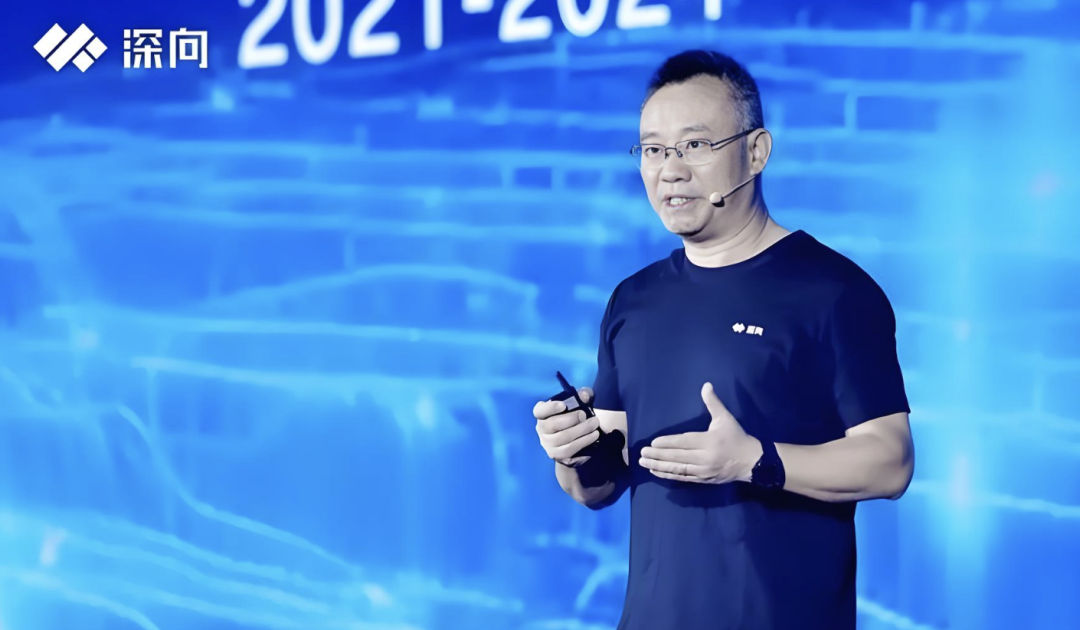 DeepWay Founder Wan Jun
The industry's mainstream approach at the time was 'retrofitting electric systems onto diesel chassis': adding batteries and motors to fuel-powered platforms. The results were predictable: high center of gravity, reduced cargo space, and difficulty integrating autonomous driving systems.
Wan Jun decided to build his own.
In December 2020, Lionbridge partnered with Baidu to establish DeepWay, with Wan Jun serving as Chairman and CEO. This time, he chose a 'ground-up' approach—redesigning a truck from scratch for autonomous driving.
This meant refactor (restructuring) the entire vehicle architecture from the ground up: integrated design of the drive-by-wire chassis, electric powertrain, and autonomous driving architecture. The vehicle features full-vehicle drive-by-wire capability, real-time data transmission and closed-loop feedback, and supports OTA remote upgrades.
This wasn't just about building an electric vehicle—it was about creating a 'data collection robot.'
Wan Jun's logic was clear: every heavy truck sold would serve as a high-precision data terminal. This data would feed algorithm training, with optimized algorithms then upgraded to vehicles via OTA, forming a virtuous cycle of 'selling vehicles, acquiring data, iterating algorithms, upgrading services, and selling more vehicles.'
In June 2023, the first 'DeepWay Star' was officially delivered, two and a half years after the company's founding. The vehicle was designed for long-haul trunk and regional transport scenarios.
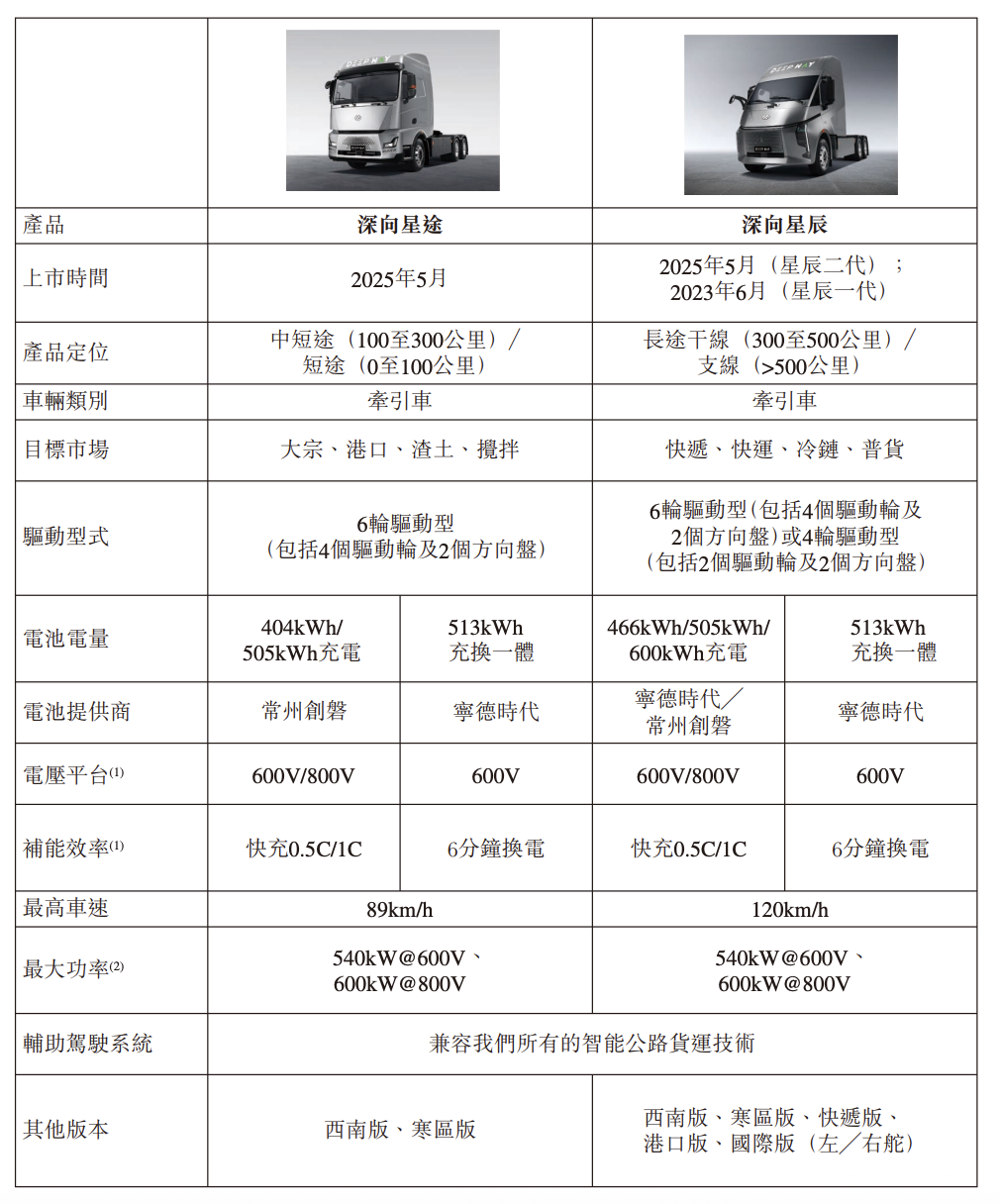
In June 2023, the first 'DeepWay Star' was officially delivered for long-haul transport. In May 2025, the second model, 'DeepWay Star Route,' was launched for medium- and short-haul scenarios. Both models are priced between RMB 450,000 and RMB 700,000.
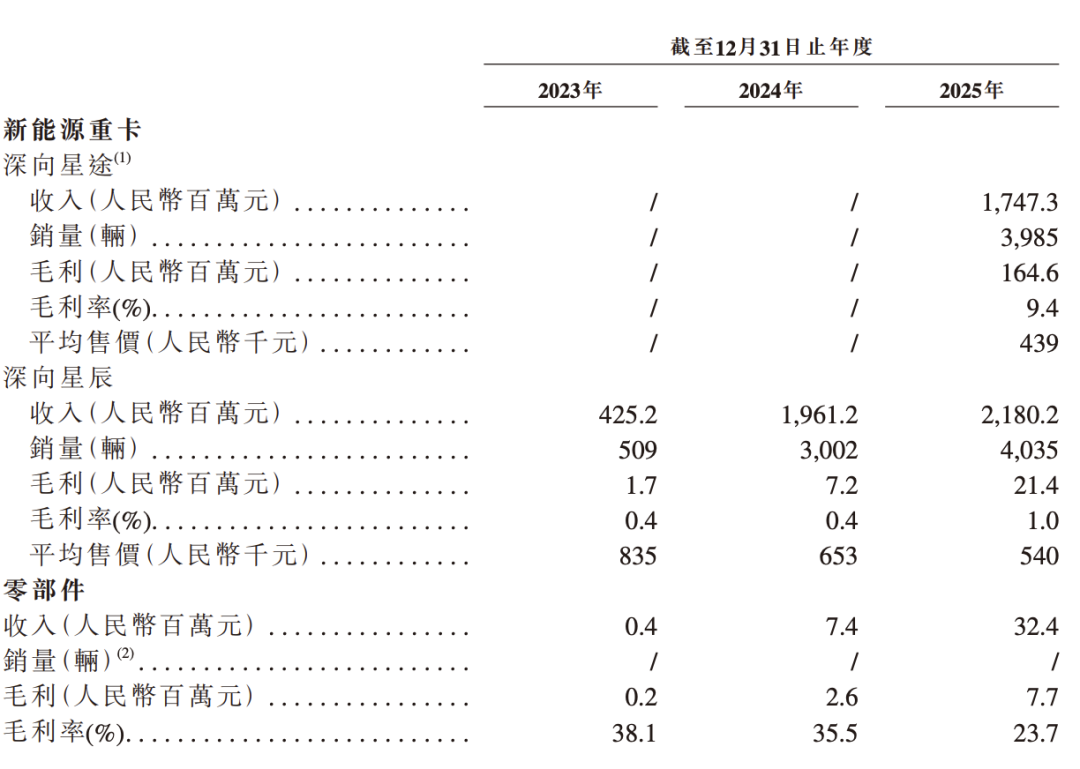
With new models hitting the market, DeepWay's delivery volumes soared: 509 units in 2023; 3,002 units in 2024, up 490% year-on-year; 8,020 units in 2025, up 167% year-on-year. To date, DeepWay has registered over 12,000 vehicles.
According to CIC, in 2025, DeepWay ranked first globally among new energy heavy truck manufacturers using a 'ground-up' approach by sales volume; ninth in China's new energy heavy truck market, with a market share of approximately 3.4%.
02
Two-Phase Strategy: Sell Vehicles First, Then Software
DeepWay's business model can be summarized as 'two-phase.'
Phase One: Sell vehicles to build scale.
Through an asset-light model partnering with OEMs like JAC Motors and Shandong Leichi, the company rapidly expanded deliveries. Vehicle sales themselves carry low gross margins—4.9% in 2025—but provide two critical assets: cash flow and massive operational data.
Phase Two: Sell software to add intelligence.
DeepWay launched two intelligent systems: 'Tianji·Companion,' an L2-level intelligent driving assistance system, now standard on the second-generation DeepWay Star and DeepWay Star Route; and 'Tianji·Wild Goose,' an L4-level intelligent platooning system where a human-driven lead vehicle is followed automatically by subsequent vehicles.
Notably, in the second half of 2025, these technologies began commercializing through annual or lifetime subscription models. The prospectus shows DeepWay generated RMB 1.257 million in 'other' revenue in 2025, primarily from Tianji·Companion and Tianji·Wild Goose. This made DeepWay the world's first new energy heavy truck company to generate subscription revenue from intelligent road freight technologies.
Additionally, DeepWay is testing 'Tianji·Solo,' a single-vehicle autonomous driving system, and 'DeepWay·Polaris,' an operations management platform.
Wan Jun calls this approach 'negative-cost R&D': customers pay for vehicles, contributing gross margins while providing real operational data to train algorithms. Vehicle sales generate one-time revenue, while data and subscriptions provide a continuous cash flow.
Though subscription revenue remains small, the 0-to-1 breakthrough has been achieved.
Thanks to business growth, DeepWay's appeal in capital markets has surged.
Capital markets are keenly perceptive. The prospectus shows DeepWay has completed approximately 13 financing rounds. Its April 2026 Pre-IPO round raised over USD 310 million, setting a near-five-year industry record for single-round financing.
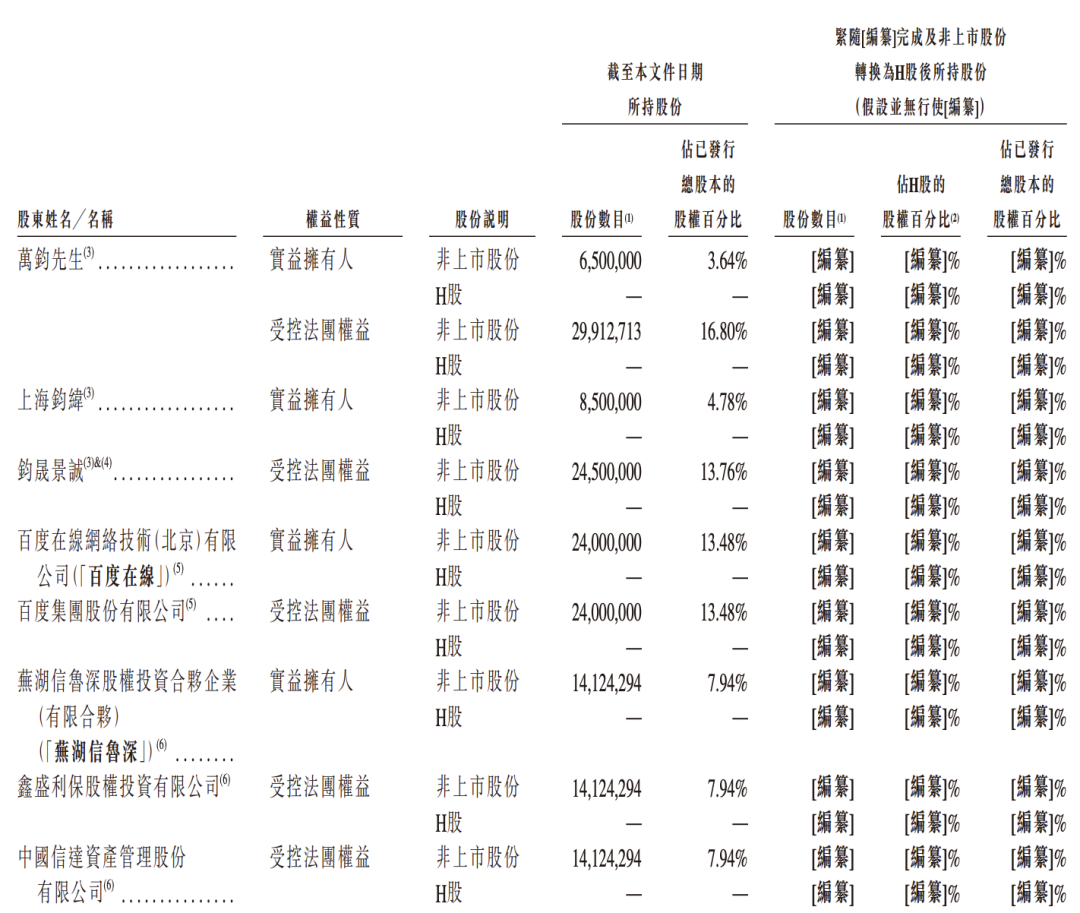 DeepWay's Shareholding Structure
In terms of equity, founder Wan Jun directly holds 3.64% of the company and controls approximately 20.44% through concerted parties, making him the de facto controller. Baidu, the early incubator, holds 13.48% and remains a major shareholder. Qiming Venture Partners holds 3.75%, and Lenovo holds 2.21%.
03
Financial Turning Point Emerges, But Losses Persist
Beyond the glossy financing and growth narratives, DeepWay's financials present a mixed picture.
Revenue growth is robust.
The company's revenue surged from RMB 426 million in 2023 to RMB 1.969 billion in 2024 and RMB 3.961 billion in 2025, with year-on-year growth rates of 362% and 101%, respectively. New energy heavy truck sales accounted for 99.2% of revenue, with components and overseas business making smaller but notable contributions.
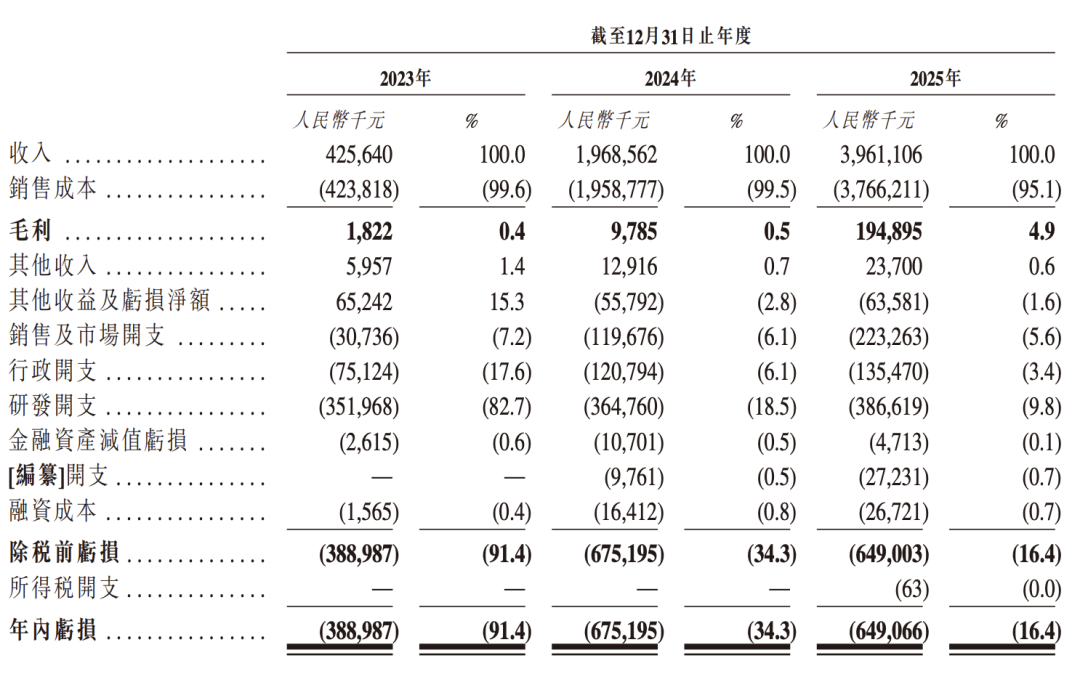 DeepWay's Financial Performance
Profitability shows clear improvement but remains negative.
Gross margin climbed from 0.4% in 2023 to 0.5% in 2024 and 4.9% in 2025. Net losses narrowed from RMB 389 million in 2023 to RMB 675 million in 2024 and RMB 649 million in 2025. The net loss margin shrank from 34.3% in 2024 to 16.4% in 2025.
The prospectus attributes the gross margin improvement to two factors: the gradual adoption of in-house-developed core electric components, reducing costs; and the higher gross margin of the 2025-launched DeepWay Star Route model (9.4%), along with a robust 23.7% gross margin on component sales, which collectively lifted the overall margin.
R&D investment remains stable but declines as a percentage of revenue.
From 2023 to 2025, R&D expenses were RMB 352 million, RMB 365 million, and RMB 387 million, respectively—relatively stable in scale. However, due to rapid revenue growth, R&D as a percentage of revenue plummeted from 82.7% in 2023 to 9.8% in 2025, signaling the company's transition from pure R&D to scaled commercialization.
The most critical positive signal comes from cash flow.
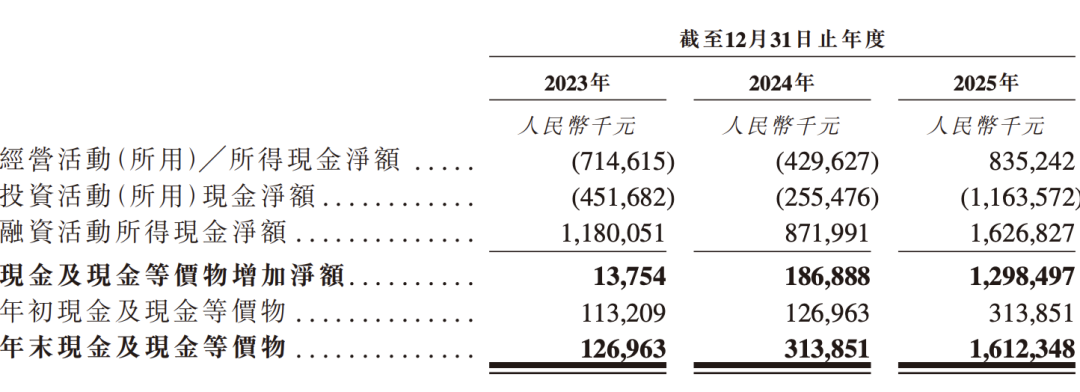 DeepWay's Cash Flow
In 2025, DeepWay achieved its first full-year positive operating cash flow, with a net inflow of RMB 835 million. As of year-end 2025, the company held RMB 1.6 billion in cash and cash equivalents, providing substantial reserves.
For a startup still in the red, this marks a crucial inflection point.
04
Three Paths and One Core Question
DeepWay's prospects hinge on advancing three strategic paths and answering one central question.
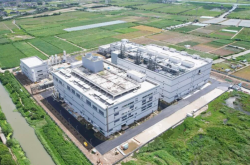
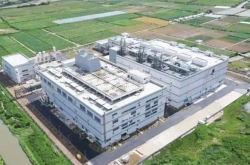
Path One: In-house development and production of core components. The company built the 'Changxing Electric Powertrain Smart Factory' in Huzhou, Zhejiang, which began operations in 2026. In-house-developed battery systems and electric drivetrains are gradually being integrated into mass-produced models, expected to further improve gross margins.
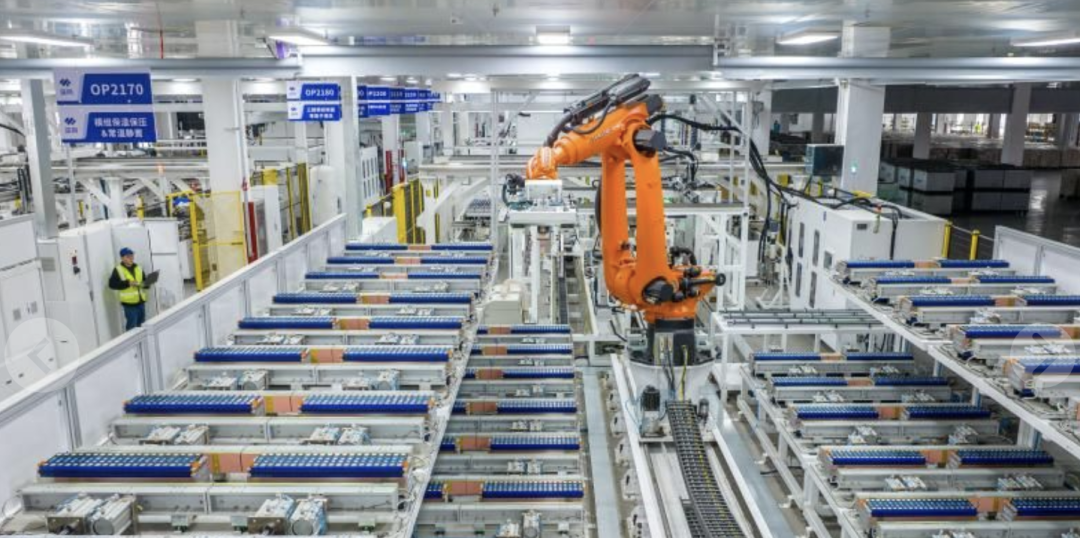 DeepWay's Changxing Electric Powertrain Smart Factory Now Operational
Path Two: Internationalization. In 2025, overseas revenue was just RMB 6 million, still in its infancy. However, Wan Jun has publicly stated a goal of overseas sales accounting for over 60% of revenue by 2030—an extremely ambitious target.
Path Three: Intelligent subscription services. As the world's first new energy heavy truck company to generate subscription revenue from intelligent road freight technologies, scaling this 0-to-1 breakthrough is key to boosting the company's valuation and profit margins.
Behind these three paths lies a core question: as delivery volumes surge, operating cash flow turns positive, and gross margins improve, how can the company further narrow losses while scaling operations to achieve profitability?
In 2025, net losses stood at RMB 649 million, with a net loss margin of 16.4%. Compared to the 4.9% gross margin, closing this gap hinges on scale effects and cost control. The good news is positive operating cash flow means the company is no longer purely 'burning cash.' The bad news is true profitability remains some distance away.
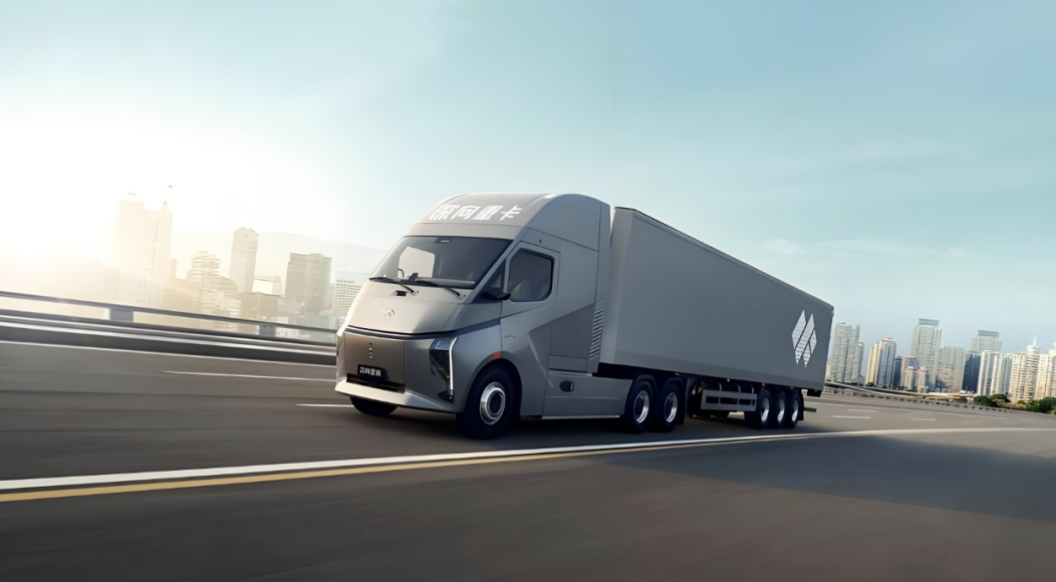
After its initial listing application lapsed in November 2025, DeepWay delivered a new progress report within six months.
Deliveries jumped from the 3,000-unit range to 8,000 units, gross margin rose from 0.5% to 4.9%, operating cash flow turned positive, L4 technology began commercializing, and USD 310 million in Pre-IPO financing was secured.
By any measure, this is a significantly improved performance update.
But successfully listing on the HKEX as the 'first smart heavy truck stock' is just the first hurdle.
Wan Jun and his DeepWay still face a structural industry dilemma: heavy trucks are production tools, and customers are highly cost-sensitive; yet R&D investments in autonomous driving technologies are bottomless pits.
How to balance these two forces and establish a truly profitable business model?
This is DeepWay's challenge—and the question the entire autonomous driving industry is collectively trying to answer.
-END-
-
![]()
Total Investment Hits Nearly 3.28 Billion! Goertek Launches Mass Production of 12-Inch Transparent Substrate Wafer for AR Glasses’ Micro-Nano Optical Components
-
![]()
Why Is This Precision Optical Film Leader Worth Reevaluating with a Tens of Millions Procurement?
-
![]()
AI Costs Plummet by 90% Over Nine Years: Key Insights from Davos You Shouldn’t Miss
-
Doubao, Your Late-Night AI Companion, Now Eyes Profitability
-
![]()
SRC Empowers SEER Intelligence to Reach a Market Cap of Tens of Billions, Yet Fails to Sustain Profitability
-
![]()
China’s Embodied AI Industry Faces Fierce Domestic Competition, Making Overseas Expansion Essential for Survival
-
![]()
32.8 Billion Yuan Investment! Goertek’s 12-Inch AR Glasses Optical Wafer Base in Lingang Begins Operations
-
![]()
How Far is the All-New Li Auto L8 from Being the Best Five-Seat SUV with In-House Full-Stack Development?