Geely and Ford: Embarking on a Second Collaboration
 05/12 2026
 492
492
Role Reversal
Author|Wang Lei
Editor|Qin Zhangyong
Sixteen years after acquiring Volvo, Geely and Ford are poised to collaborate once again. However, this time, the roles have swapped.
Several overseas automotive media outlets have reported that Ford plans to introduce four new pure electric models in Europe between 2027 and 2030, all of which will be developed and manufactured by Geely Automobile. Ford will solely handle the exterior design and marketing.
In simpler terms, this means "Geely builds the cars, Ford rebrands them."
Geely will independently develop the core technology and be fully responsible for vehicle production. Ford's role will be limited to designing the exteriors and interiors of the four models, adapting them to localized European infotainment systems, and distributing them through Ford Europe's established sales network.
Times have indeed changed. Sixteen years ago, Geely took on substantial debt to acquire Volvo, exchanging cash for brand recognition and technology. Now, it is leveraging its technological prowess to export products.
As of now, neither Geely nor Ford has issued an official statement regarding this matter.
01
"Going Global in a Different Way"
Let's delve into the specifics of this collaboration.
According to Autocar, an overseas automotive media outlet, the four new pure electric models Ford intends to launch in Europe from 2027 to 2030 will fully adopt Geely's GEA global intelligent new energy architecture, eschewing any Ford-developed pure electric platforms.
Geely will lead the development of core components for these four models, including the three-electric system, battery pack, electronic control logic, chassis hardware, key component supply chain, vehicle quality control system, and manufacturing standards.
A preliminary plan for these four models, with clear timelines, is already in place. The all-new Ford Puma pure electric model, set to debut in 2027, will be the first of these models.
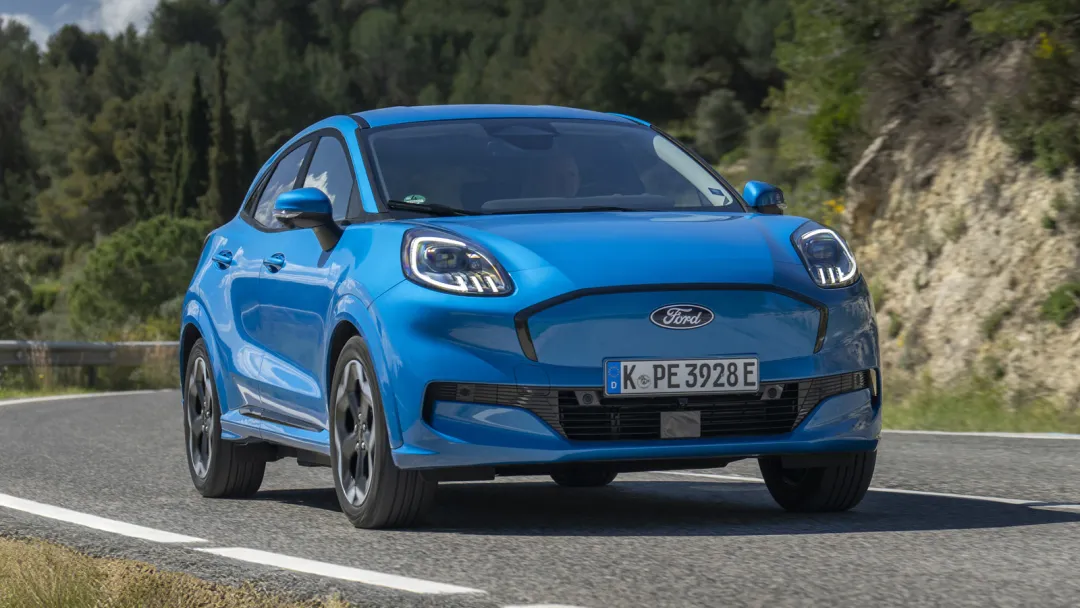
In 2028, a compact pure electric crossover SUV will be launched, with slightly different dimensions, primarily targeting urban commuting and multipurpose use. In 2029, a higher-grade compact pure electric SUV will be introduced, and in 2030, a pure electric MPV exclusive to Europe will be launched to capture the family and premium market segments.
Moreover, Ford's involvement in this collaboration will be confined to operational aspects, such as exterior and interior design, as well as adapting the infotainment system for European users. Ford will independently design the styling for these four models, with interface styles reflecting its own traditions, and distribute them through its established sales channels in Europe.
This is not hard to grasp. Essentially, Ford will be shaping the exterior, interior, and branding of the "blank vehicle canvases" provided by Geely.
Although neither party has officially responded, the collaboration seems almost certain. Not long ago, La Tribuna de Automoción, Spain's authoritative automotive media outlet, reported that Geely plans to acquire a Ford factory in Spain and has already reached an agreement.
According to the report, Geely will acquire the "Body 3" assembly line at Ford's Almussafes plant in Valencia, Spain.
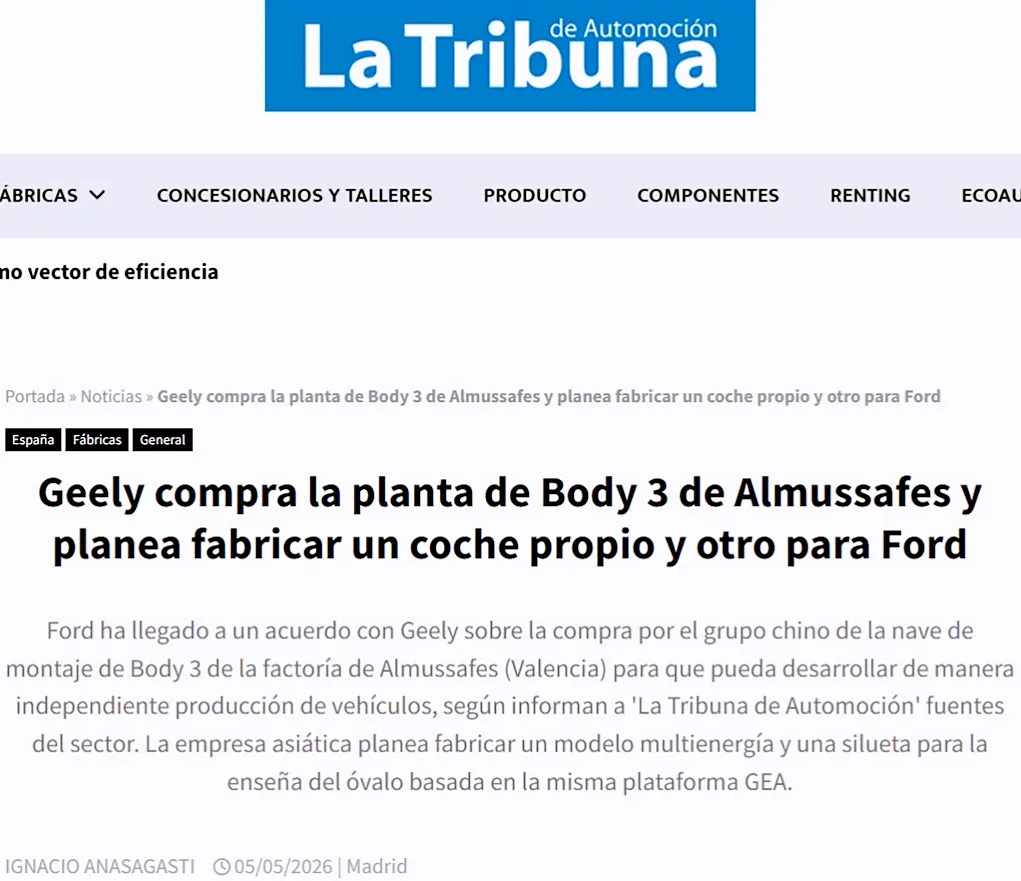
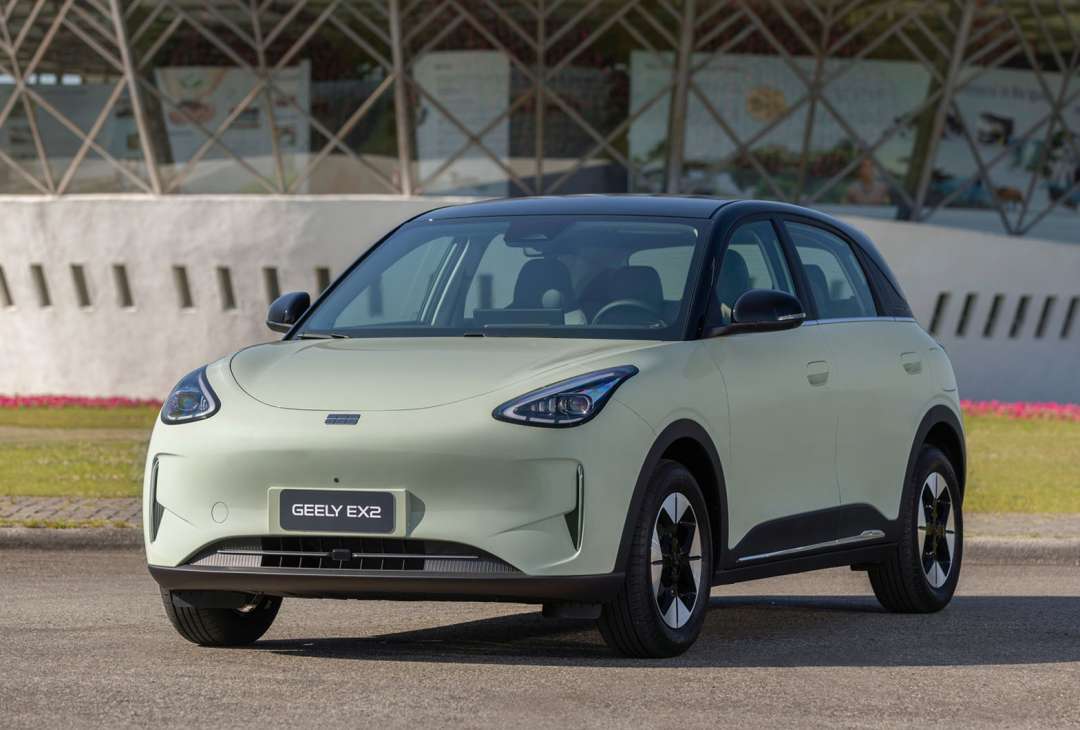
The plan encompasses two aspects: first, producing Geely's own models, including a model with the internal code name "135," which will be developed based on Geely's GEA architecture and offer hybrid, plug-in hybrid, and pure electric powertrains. The industry widely believes this to be the EX2 (Starwish overseas version) series.
Second, contract manufacturing: Geely and Ford are also discussing the production of a new model for Ford based on Geely's same architecture to fill Ford's production capacity gap at the factory.
Ford's factory in Spain was built on an orchard acquired by Henry Ford II. With nearly 50 years of manufacturing history, it commenced production in 1976 and has produced models such as the Ford Transit Connect, Tourneo Connect, and Kuga. To date, it has produced over 11 million vehicles and was once Ford's largest production base outside the United States.
Currently, the factory is divided into three production lines. Geely will acquire the most advanced Line 3, which spans over 80,000 square meters and has been idle since the discontinuation of the Galaxy and S-Max MPVs in 2023.
Line 1 is semi-idle, previously used for producing models like the Mondeo and S-Max based on Ford's CD4 mid-size platform. With the discontinuation of these models, the line is now semi-idle.
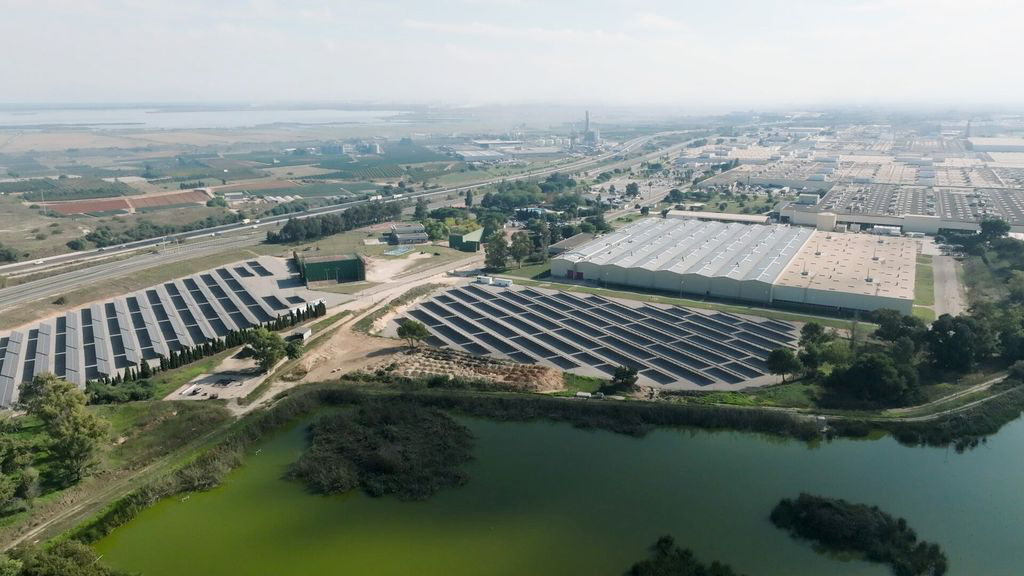
Line 2 currently produces only the Ford Kuga. In 2025, the factory's production volume decreased by 17.6% year-on-year to 98,500 units, resulting in an overall capacity utilization rate of less than 25% for the entire factory. This is why Ford has decided to divest some of its assets to alleviate pressure.
It is worth noting that before this, Chinese manufacturers such as BYD and Xiaomi had also been considered potential acquirers.
If the acquisition is successful, renovations are expected to be completed, and production is set to commence in the first quarter of 2027, with an annual production capacity of 300,000 units at full capacity. At that time, Geely will fully take over the operation of the production line, production scheduling, and supply chain management. Moreover, these four Ford pure electric models will be produced on the same line as Geely's Starwish EX2 European version, achieving dual-brand manufacturing on the same production line.
02
European Brand, Chinese Car
Sixteen years ago, Geely acquired Volvo from Ford for $1.8 billion. At that time, Geely was the "chaser," using capital to acquire brand recognition and technology.
Today, 16 years later, the situation has undergone a dramatic transformation.
In 2025, Ford's global wholesale sales were approximately 4.395 million units, down 2% year-on-year, and it was surpassed by BYD (4.602 million units) for the first time, falling out of the top five global automakers by sales. Meanwhile, Geely Holding Group's global sales exceeded 4 million units for the first time during the same period, up 26% year-on-year, reaching a record high.
The narrative of role reversal has commenced. Now, Geely has emerged as the technology exporter, while Ford, due to core strategic contraction and excess production capacity, is seeking to exchange capacity for technology.
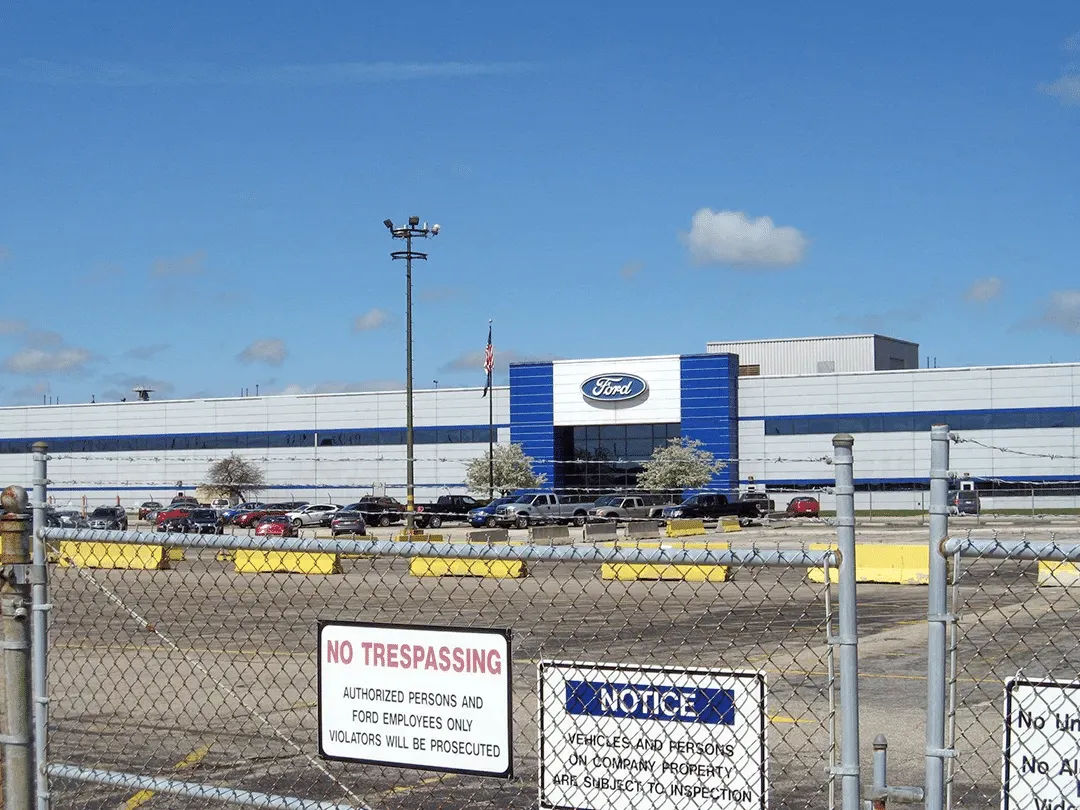
For Ford, the most immediate benefit is improving the factory's capacity utilization and revitalizing idle assets. Extremely low production volumes inevitably lead to operational losses at the factory, becoming a drain on Ford's profits. Moreover, after the deal is finalized, it will also bring significant funds to Ford's European division, which has witnessed declining sales.
It will also avert large-scale layoffs at the Valencia factory, ensuring the employment of the existing 4,000-plus workers. More importantly, it will enable Ford to acquire advanced electrification technology, injecting fresh vitality into its European product lineup—a clear case of "asset optimization."
For Geely, acquiring Ford's existing and mature production line will significantly reduce upfront investment, allowing it to allocate more resources to research and development and marketing, and expedite the pace of mass production.
Although the transaction amount has not been disclosed, industry estimates put it at only 300-500 million euros. In comparison, constructing a new factory of the same scale would cost 1.5-2 billion euros. The cost is merely one-fifth of that of a new factory, and it will also save 2-3 years of construction time.
Li Shufu once remarked that the current global automotive industry is plagued by severe overcapacity, and the most pragmatic cooperation is to utilize existing resources as much as possible for resource combination. More importantly, it directly obtains the "Made in EU" identity, greatly circumventing trade barriers.
The timing of Geely's acquisition of Ford's Spanish production line also coincides with the tightening window of the EU's tariff policies on Chinese electric vehicles. Currently, the EU continues to impose additional tariffs on Chinese-made electric vehicles, with the comprehensive tariff rate reaching as high as 45.3%. This means that exporting an electric vehicle from China to Europe will see a significant portion of the profit margin eroded by tariff costs.
Thus, "using someone else's chicken to lay eggs" has become the optimal solution.
Moreover, Geely has already demonstrated the success of this model: in South Korea and Brazil, it provided technology to Renault, which produced models bearing the Renault logo in its factories, helping Renault revitalize its overseas sales. Now, this "technology for channels" approach may be replicated in Europe.
Furthermore, "European brand, Chinese car" represents another facet of Chinese automakers' "going global" strategy to some extent.
After all, the EU's "anti-subsidy investigation" into Chinese electric vehicles remains unresolved, and the risk of future tariff increases looms like the Sword of Damocles. Faced with the enormous cost pressure brought about by high tariffs, directly utilizing existing overseas local factories or through equity cooperation has become the mainstream option for Chinese automakers' overseas expansion.
Not just Geely, many domestic automotive brands are also acquiring factories from other automakers to achieve rapid overseas production布局 (layout).
For example, BYD has built its first passenger vehicle manufacturing factory in Europe in Hungary; XPENG Motors has achieved localized manufacturing by leveraging production resources in Austria.
SAIC Motor acquired the British brand MG and began to promote it globally under the MG name. GAC Group collaborated with Stellantis, and the GAC GS5 was rebadged as a Dodge model, launching in Mexico as the Dodge Journey, with cumulative exports exceeding 20,000 units, becoming an important force in GAC's global expansion.
Recently, Stellantis also stated that it would deepen its cooperation with Leapmotor and redesign the Leapmotor B10 electric SUV to launch it under the Opel brand through its Opel subsidiary.
As more and more Chinese cars bear overseas brands and run globally, the once elusive dream of Chinese automobiles is finally becoming a reality.
-
![]()
Qianwen Revolutionizes Taobao: Alibaba's Bold Self-Transformation
-
![]()
What’s the Real Story? China Leads in 5G Patents but Pays More in Royalties!
-
![]()
8 Auto Companies Unanimously Deny 'Summons for Talks' Rumors, but OTA Battery Locking is Real
-
![]()
China’s Premier AI Infrastructure Provider Launches IPO, with Zhipu AI and SenseTime as Key Backers
-
![]()
Have car prices gone up?
-
![]()
Samsung Withdraws, Joint Venture Automakers Brace for Battle
-
![]()
Nvidia Starts Adding Soap to the Bubble
-
![]()
Can Car Companies Not Generate Profits Solely from Vehicle Sales? What Challenges Do They Face?