Is it a false proposition to sell extended-range and pure electric vehicles well simultaneously?
 05/25 2026
 504
504
Lead
Introduction
As the electric era accelerates, selling both extended-range and pure electric vehicles well simultaneously seems even more impossible.
Not long ago, the launch event for the all-new Li Auto L9 was held, with the all-new Li Auto L9 and Li Auto L9 Livis officially hitting the market.
It has been four years since the first-generation Li Auto L9 was released. From 2022 to the present, both the Li Auto brand and the automotive industry have undergone earth-shaking changes.
From the perspective of powertrain forms, Li Auto initially firmly embraced the extended-range technology, which was not favored by the industry at the time. Now, its pure electric model, the i6, has successfully accounted for half of the brand's sales volume. In terms of corporate positioning, Li Auto has become increasingly clear about its core positioning as an “embodied intelligence enterprise” in recent years. The launch of the all-new Li Auto L9 is not only another important attempt by Li Auto to venture into the field of embodied intelligence but also a crucial step in trying to break the “curse” that extended-range and pure electric vehicles cannot be sold well simultaneously in the automotive circle.
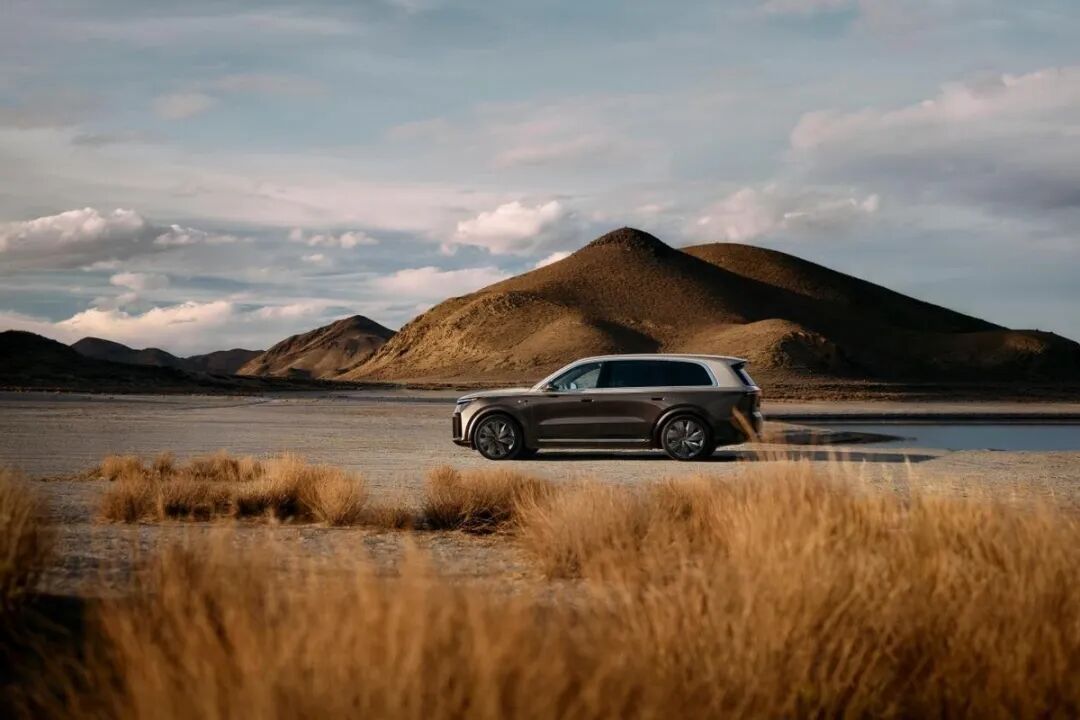
In fact, not only Li Auto but also many brands in the industry are striving to break this curse. Whether it is leading automotive companies like Geely and Changan or new force brands like XPeng, Zeekr, Aito, and IM Motors, they are all actively deploying and continuously exploring multi-energy routes.
Even with so many players entering the field, the path to selling both energy forms well simultaneously remains difficult to navigate. With the acceleration of the pure electric era, selling both extended-range and pure electric vehicles well simultaneously seems even more impossible.
01 Extended-range vehicles become a hot commodity
“Ten years ago, some people said that extended-range technology was a backward transitional technology. Now, extended-range has become one of the most reassuring energy solutions for family users.” This is how Li Xiang's Weibo post began the day before the launch of the all-new Li Auto L9.
In recent years, as competition in the automotive market has become increasingly fierce, expanding product lineups and diversifying energy forms have become the go-to choices for major brands to explore potential markets and break through growth bottlenecks. Especially after the rise of the extended-range flagship six-seater market, seeing the broad prospects of this segment, some brands that were originally focused on the pure electric route have also started to shift towards the extended-range field and initiate multi-energy layouts.
According to media statistics, in 2025, a total of more than 140 new extended-range and plug-in hybrid vehicles will be launched in the market, covering numerous brands, and the extended-range market will witness an explosive growth in models.
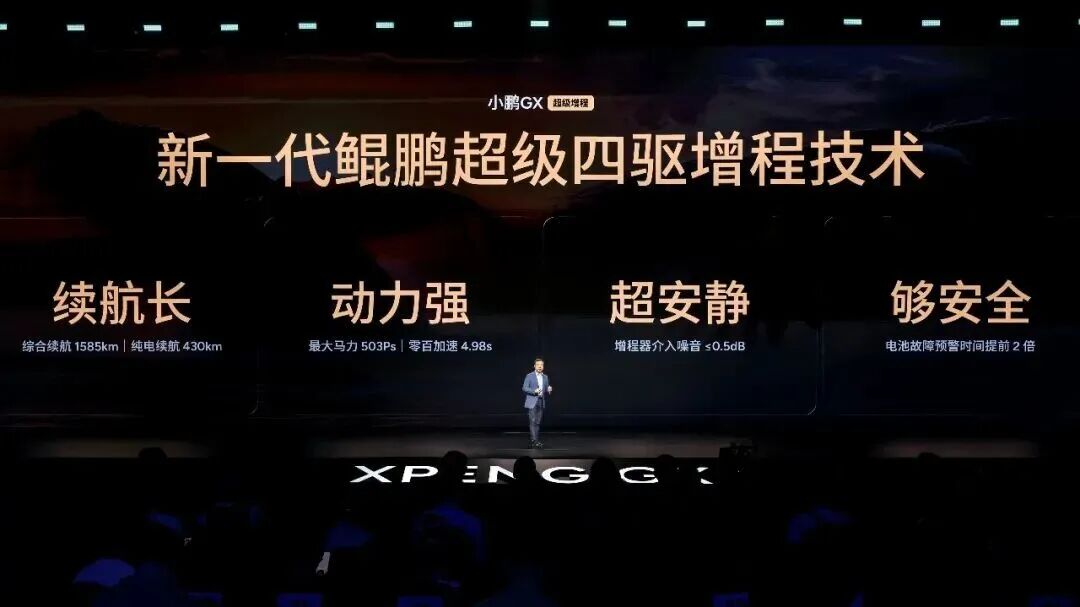
Amid this trend, new snobbish such as IM Motors and XPeng, which were originally focused on the pure electric route, have accelerated their layout in the extended-range market. Among them, XPeng, with pure electric and intelligence as its core labels, has significantly sped up this year. It launched four new models at once at the beginning of the year, three of which offer both pure electric and extended-range dual-power modes; the newly launched high-end model, the XPeng GX, also comes with an extended-range version. Clearly, XPeng intends to bet on the extended-range route as its next sales growth point.
Geely, which has been paying close attention to multi-energy routes, is also quickly filling its shortcomings in the extended-range field. The Galaxy V900 and Boyue REV, equipped with Geely's super AI extended-range technology, were also officially launched this year. Even previously relatively conservative joint-venture brands, such as Nissan, have started to focus on extended-range models this year. Its heavyweight model, the NX8, is no longer limited to the pure electric version but has also launched a large-battery extended-range version, actively embracing the multi-energy market.
Although major brands are one after another adding weight to the extended-range segment and viewing it as an important sales growth point, successful cases of “selling both extended-range and pure electric vehicles well simultaneously” are still hard to find in the industry. Different brands even show obvious “partiality” phenomena.
Take Li Auto as an example. Driven by the strong sales of the pure electric model i6, with 20,000 units sold per month, its overall sales in March and April continued to rise. However, looking back at the Li Auto L6, which was previously the mainstay supporting the brand's sales, its sales volume showed a slight decline. The two did not form a virtuous curve of “both strengthening.”
Similarly, Leapmotor, which entered the extended-range market relatively early, has always had an unbalanced development between its extended-range and pure electric businesses. For a long time, extended-range products have only accounted for about 20% of its overall sales volume, failing to form a pattern of joint force with pure electric models.
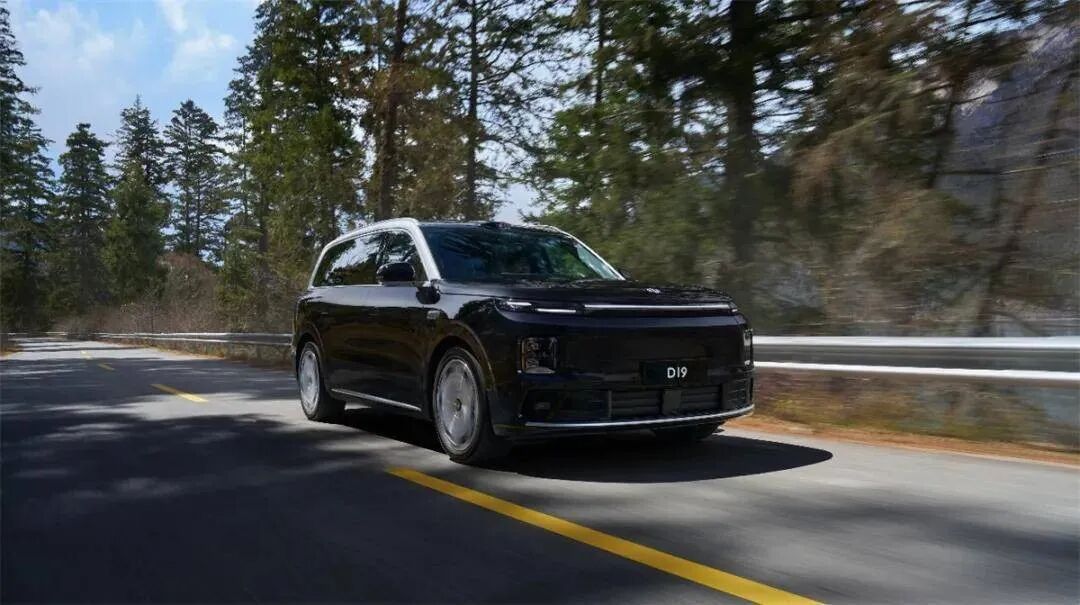
Looking at XPeng's sales structure, the MONA M03 currently supports half of the brand's sales volume. Although models like the XPeng P7+, XPeng X9, and XPeng G6, which cover both extended-range and pure electric dual-power modes, rank high in internal brand sales, they have not achieved a true “dual-energy explosion” and failed to break the dilemma where extended-range and pure electric vehicles are difficult to rise simultaneously.
The situation with Seres is the opposite. In 2025, its annual sales exceeded 400,000 units, with the vast majority being extended-range models and pure electric vehicle sales accounting for a relatively low proportion. It also failed to achieve balanced development in the dual-energy route.
Currently, selling extended-range and pure electric vehicles under the same channel is similar to selling new energy and fuel vehicles under the same channel in the early stages of new energy development. It is difficult to avoid internal competition. The user groups targeted by the two overlap to some extent, and the differences in product characteristics are insufficient to form a clear distinction. In the end, a “see-saw” situation often occurs.
02 Market narrows, leaving little room for extended-range vehicles
Behind the explosive growth of models in the extended-range market is a significant slowdown in the overall growth of the extended-range market.
In 2025, domestic new energy passenger vehicle sales increased by 16.5% year-on-year, reaching 12.494 million units. The market share of new energy vehicles exceeded half for the first time, reaching 53%, and the industry as a whole showed a vigorous development trend. However, as a sub-segment of new energy vehicles, extended-range vehicles only sold 1.204 million units throughout the year, achieving only a slight year-on-year increase. Their proportion in new energy vehicles also dropped from 10.1% in 2024 to 9.7%, with their market share quietly shrinking.
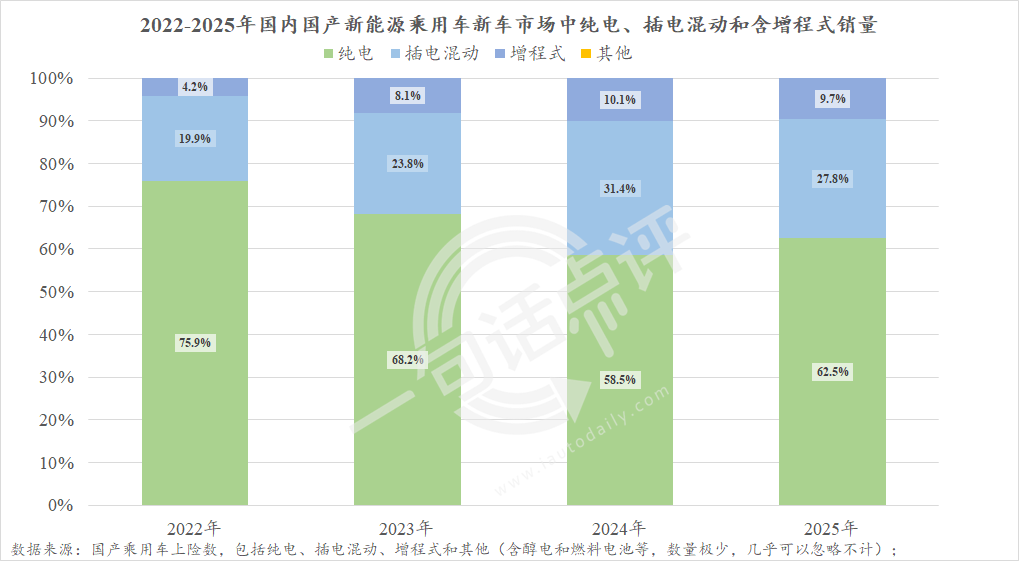
This year, under the continuous impact of pure electric vehicles, the market for extended-range vehicles seems to be further narrowing. In January and February, affected by factors such as the holiday effect and the resumption of half of the purchase tax collection, the overall new energy market contracted to some extent. By March, with the efforts of leading automakers such as BYD and CATL, as well as core suppliers, coupled with the impact of fuel price callback s, the pure electric market experienced a small outbreak , further squeezing the market space for extended-range vehicles.
Taking the most typical Aito models as an example, in 2025, the total sales volume in the Chinese REEV (range-extended electric vehicle) market reached 1.362 million units. Among them, Seres surpassed Li Auto to become the sales champion with 363,000 units sold, accounting for more than 26.7% of the market share. Extended-range has always been the absolute sales mainstay for the Aito brand. However, in mid-March, after media visits to frontline sales, it was found that the sales volume of the pure electric versions of the Aito M8 and Aito M9 had surpassed that of the extended-range versions. Behind this reversal is the improved competitiveness of pure electric models and subtle changes in market demand.
Correspondingly, after the launch of the Denza Z9GT, equipped with the second-generation blade battery and flash charging technology, it shook off its previous sales slump and delivered nearly 4,000 units in April. At the exchange meeting during the initial launch period, Li Hui, the general manager of the Denza brand, revealed that the proportion of pure electric and plug-in hybrid (including extended-range-related derivatives) models for the new car had changed from the previous 2:8 to 8:2. This reversal of proportions intuitively reflects that pure electric models are becoming the mainstream choice in the market.
Even the Nissan NX8, launched in April this year as a heavyweight model for joint-venture brands to deploy in the extended-range market, had a lock-in ratio of 2:1 for pure electric and extended-range versions in the initial launch period, with the pure electric version being more favored by the market.
In the April new energy vehicle sales rankings, among the top 20 models, only the Leapmotor C10 offers an extended-range energy form, and the top 9 spots are completely monopolized by pure electric vehicles. This once again proves that the market advantage of pure electric vehicles is becoming increasingly evident.
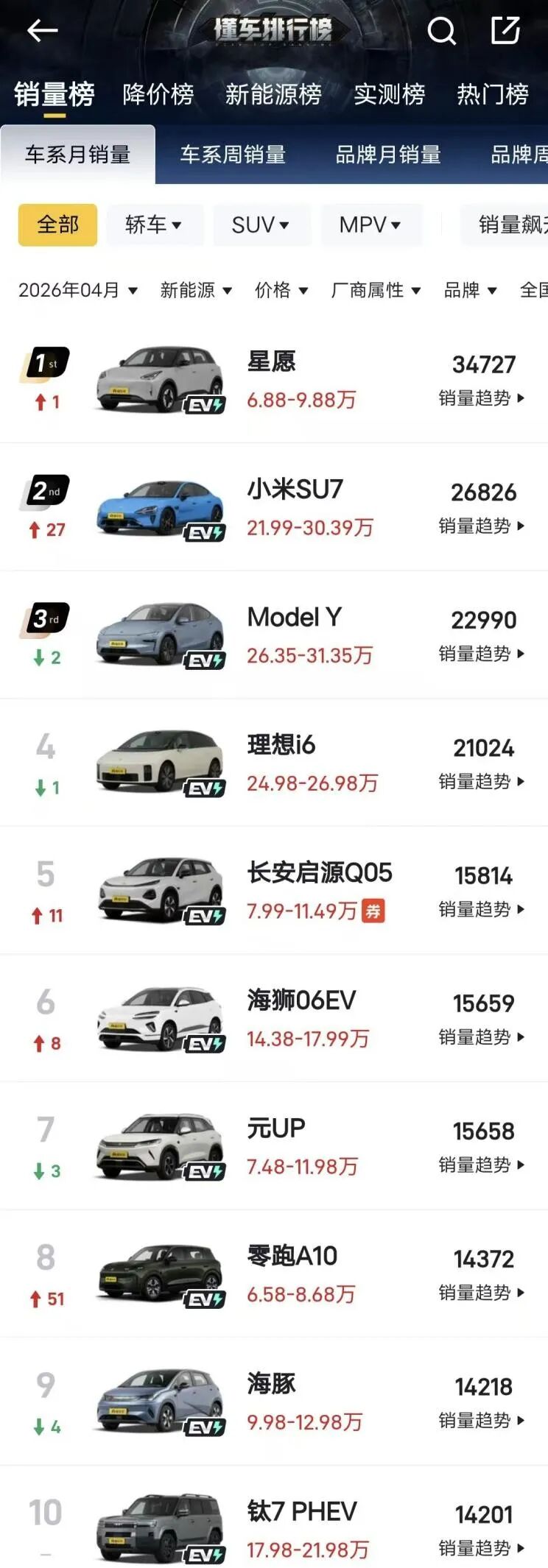
Although the short-term outbreak of pure electric vehicles has been fueled by subjective and objective factors, from the perspective of industry development trends, pure electric vehicles are the general trend. In addition to breakthroughs in battery technology and the denser layout of charging piles, the positioning limitations and usage experience shortcomings of extended-range technology itself have also caused user outflow.
Previously, extended-range vehicle technology was not mature, and most models adopted a configuration of a “large fuel tank plus a small battery,” providing a driving experience more similar to that of a fuel vehicle. For example, the first-generation Li Auto ONE, which opened up the extended-range vehicle market, was priced as high as 300,000 yuan but had a pure electric range of less than 200 kilometers.
From the user's perspective, the most cost-effective way to use an extended-range vehicle is to try to use it as an electric vehicle as much as possible, which means frequent charging. Some users may need to charge two or three times a week, significantly reducing convenience. On the other hand, compared with pure electric vehicles, most extended-range vehicles are equipped with 400V charging platforms and rarely support 800V and 5C fast charging like pure electric vehicles. This results in longer charging times and further degrades the driving experience.
In addition, when an extended-range vehicle is in a low-battery state, the battery discharge rate decreases, making it difficult to meet the motor's power demand. This leads to a decrease in vehicle power performance and increased noise. When driving at high speeds, it may even pose safety hazards. Moreover, when owners charge their vehicles on highways, the slow charging rate and long charging time of extended-range vehicles also contribute to the long queues at highway charging stations during holidays.
Given this, under the background of the continuous narrowing of the extended-range market and the accelerated rise of the pure electric market, it seems even more impossible to sell both extended-range and pure electric vehicles well simultaneously at present. However, this is not absolute. The extended-range segment is not completely without the possibility of breaking through. Its breakthrough may lie in the high-end market.
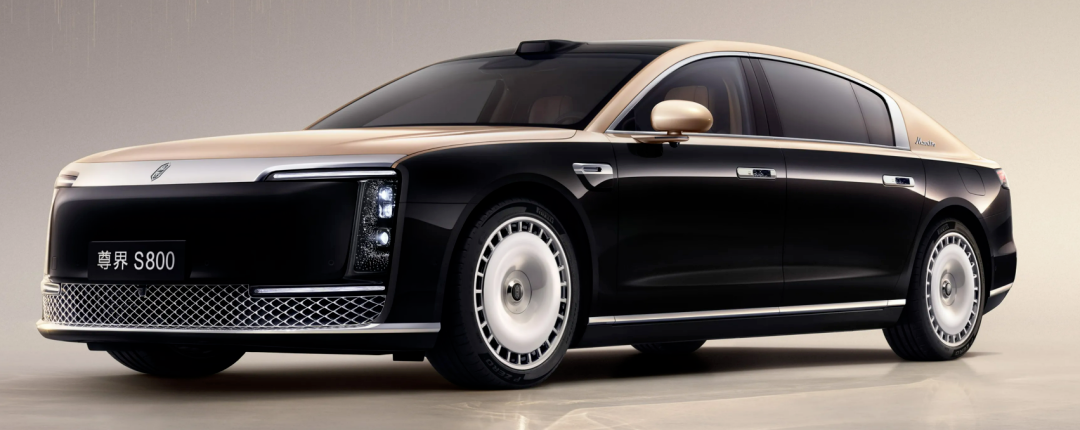
Judging from the recently launched extended-range new models and upgraded extended-range technologies, extended-range models are gradually concentrating in the high-end market. The Zunjie S800, Li Auto L9 Livis, XPeng GX, SAIC Volkswagen ID.ERA 9X, Leapmotor D19... A host of brands have equipped their high-end flagship models with extended-range versions, attempting to make up for the experience shortcomings of extended-range technology through high-end upgrades and create differentiated advantages.
In the high-end market, the driving experience of extended-range vehicles has been significantly improved. Taking the Li Auto L9 Livis as an example, its battery has been upgraded to a 72.7-degree 5C ultra-fast-charging battery, with a pure electric range of over 420 kilometers, equivalent to the range level of some compact pure electric vehicles. In terms of charging speed, the new car has the same 800V 5C ultra-fast-charging capability as the Li Auto MEGA, coupled with Li Auto's nationwide layout of over 4,000 ultra-fast-charging stations, greatly improving charging convenience. At the same time, the range extender has also been comprehensively upgraded. Maintenance of the range extender is only required after 30,000 kilometers or three years of vehicle use, avoiding the hassle of frequent maintenance and further optimizing the user experience.
In the long run, with the continuous breakthroughs in battery technology and the increasing improvement of charging infrastructure, the convenience of using pure electric vehicles will continue to enhance, and their market-dominant position is irreversible. Pure electric vehicles are the future direction of new energy vehicles. However, this does not mean that extended-range technology will completely exit the historical stage.
Just as fuel vehicles have not been completely eliminated but have retained a place in segments such as performance vehicles and luxury vehicles, extended-range technology, as a transitional solution, will also evolve along a similar path in the future, gradually shrinking into a niche route and taking root in the high-end market. There, users are less sensitive to price and have a higher demand for the certainty of “no range anxiety,” and the new generation of extended-range technology can precisely meet the unique needs of this group.
Editor-in-charge: Shi Jie Editor: He Zengrong

THE END
-
![]()
Automotive Market News: Ministry of Industry and Information Technology Takes Action to Investigate Safety Hazards in New Energy Vehicles
-
![]()
Beihang Professor Spearheads Team to Deploy Autonomous Driving in Mines, Achieving 500 Million Yuan in Annual Revenue, Now Eyeing Hong Kong IPO
-
![]()
Is it a false proposition to sell extended-range and pure electric vehicles well simultaneously?
-
![]()
AI Hasn’t Even Fully Integrated into Smartphones—Now They’re Trying to Put It in Cars?
-
HarmonyOS Steps into Manufacturing! China’s Pioneering Innovation Hub Lands in Shenzhen, with Robots First in Line for ‘Integration’, Followed by Drones and Autonomous Vehicles
-
![]()
Don’t Blindly Hand Your Documents Over to AI! Research Reveals Even Leading Models Secretly Modify Content
-
![]()
Inside Look at 'RedSkill': Is Xiaohongshu Emerging as the Premier AI App Store?
-
![]()
The Ultimate Showdown in Handheld Smart Imaging: DJI's Ecosystem Moat and Insta360's Risk of Falling Behind