When It Comes to Electric Car Manufacturing, Even Ferrari Must Learn from China
 05/27 2026
 488
488
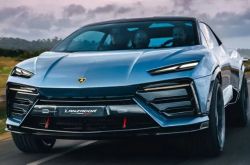
In the era of gasoline-powered vehicles, Ferrari consistently pushed the boundaries of body design, chassis engineering, powertrains, and transmissions, all within the framework of contemporary industry standards. This unwavering pursuit of excellence has been a key factor in its enduring dominance in the supercar realm. However, when Chinese enthusiasts first laid eyes on Ferrari's inaugural all-electric model, the Luce, their reaction was one of astonishment, bordering on disappointment: Is this truly all Ferrari has to offer in the race for new energy vehicles (NEVs)?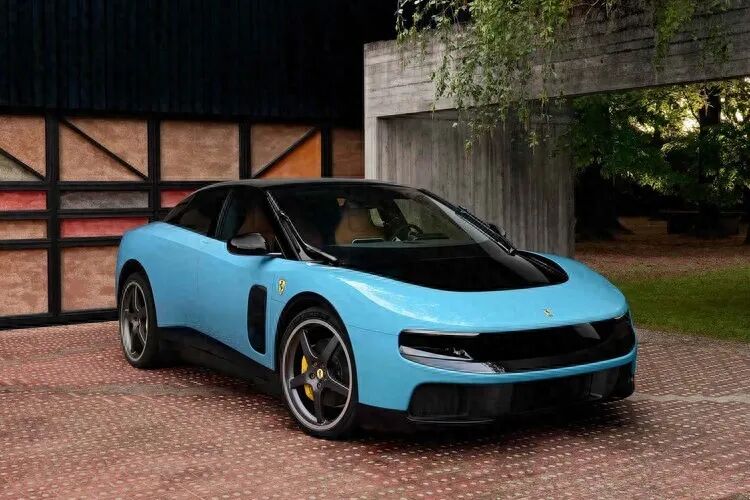
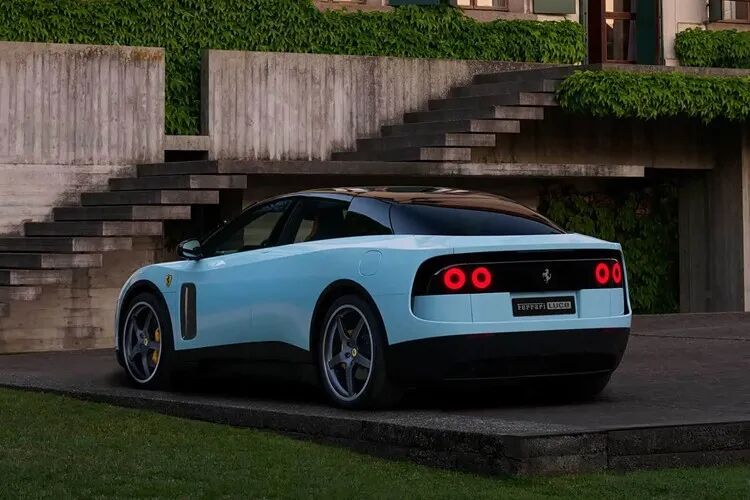
This time, we will set aside subjective discussions on interior and exterior aesthetics and instead focus on evaluating Ferrari's advancements in the core NEV technologies—namely, the battery, electric motor, and electronic control systems.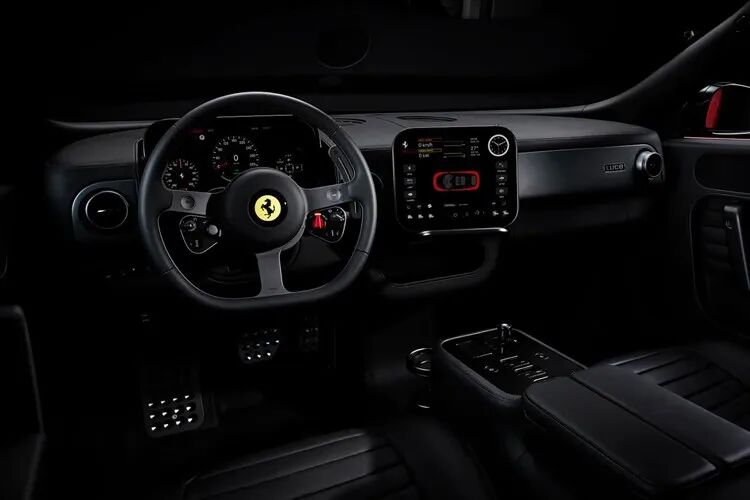
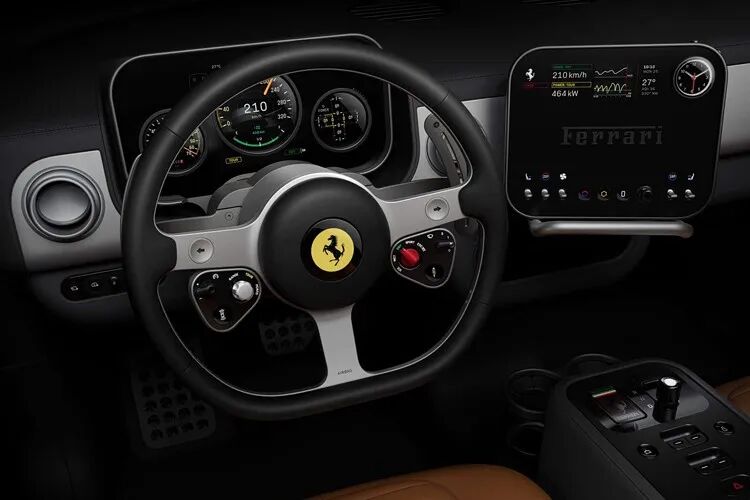
It is clear that, unlike its predecessors—the 488 (gasoline) and 296 (hybrid)—the Luce represents Ferrari's first model developed exclusively as an all-electric vehicle from the ground up. Using Chinese terminology, this approach is known as a "native electric vehicle platform," akin to BYD's advanced e-Platform 3.0.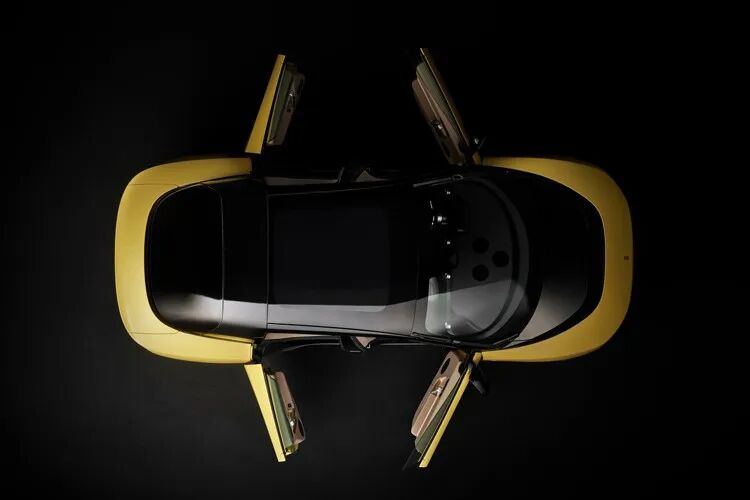
As a result, the Luce incorporates numerous design elements unique to electric vehicles, such as an exceptionally high wheelbase-to-length ratio, a completely flat floor, and an integrated body-battery structure. These innovations lead to a center of gravity that is 95mm lower and a 15% reduction in moment of inertia compared to the similarly sized Purosangue. However, due to the significant weight of the large battery pack and four electric motors, despite extensive lightweighting efforts in the chassis and body, the vehicle's curb weight still reaches 2,260kg.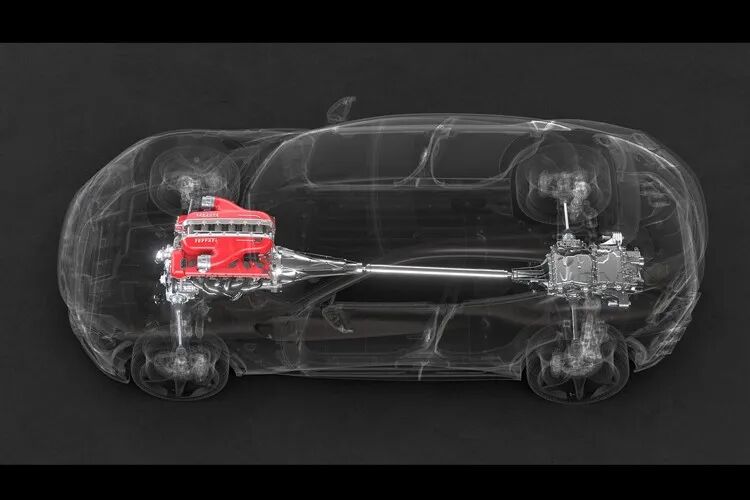
When compared to the Ferrari Purosangue, which is equipped with a V12 engine yet weighs over 200kg less, the Luce utilizes its distributed electric drive system to deliver even more thrilling performance. Its superior weight distribution and lower center of gravity compensate for its higher overall mass, while the regenerative braking system reduces some of the strain on the mechanical brakes.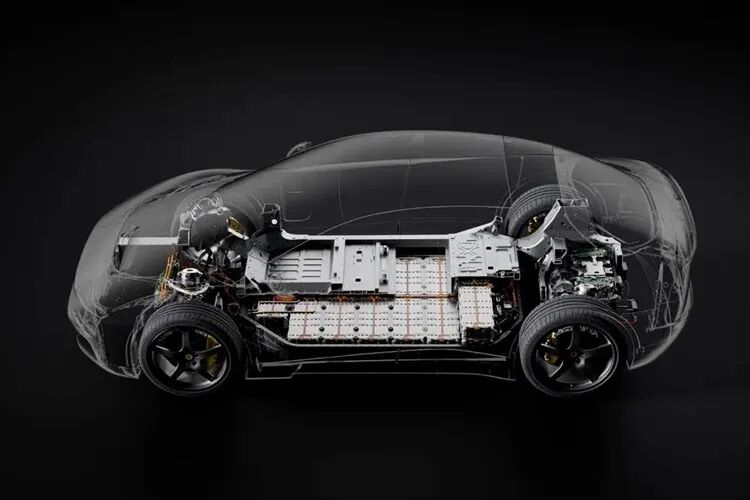
Nevertheless, this is still a Ferrari, and the company has left no stone unturned in optimizing the Luce's electric drive unit. The vehicle features four permanent magnet synchronous motors—two at the rear axle and two at the front—each independently driving a wheel through a dedicated reducer and half-shaft. This layout mirrors BYD's Easy Four platform, with one key difference: Ferrari's motors are not uniformly sized or powered.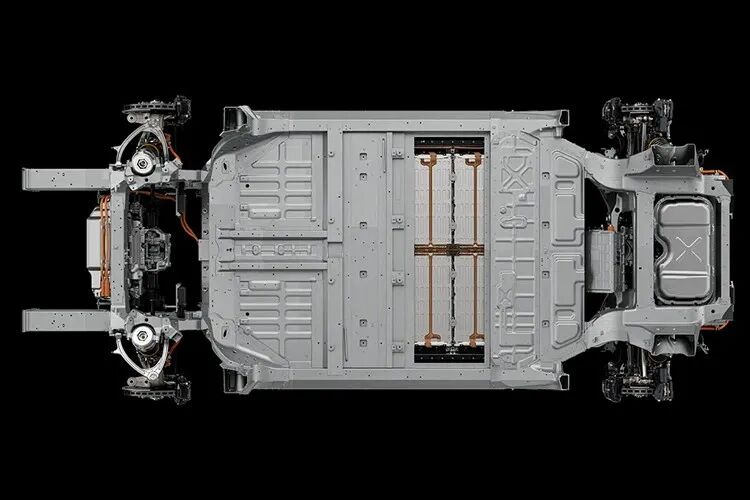
Specifically, the rear motors deliver a peak output of 310kW each, while the front motors are limited to 105kW apiece. In launch mode, the system achieves a combined peak power of 725kW + 40kW (indicating potential limitations in battery discharge rate or electronic control output, as this falls short of the theoretical sum of individual motor outputs). This enables a 0-100km/h acceleration time of just 2.5 seconds and a top speed of 310km/h. The battery pack consists of a 122kWh lithium-ion unit, supporting 800V high-voltage DC fast charging at up to 350kW—a respectable but not industry-leading figure by Chinese standards.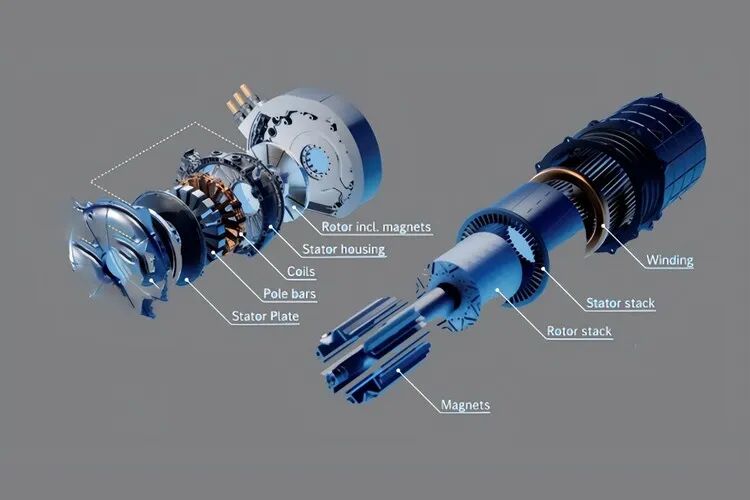
Regarding the motors themselves, they adopt a radial flux configuration—common in Chinese electric vehicles—which differs from the axial flux design used in Ferrari's previous 296 hybrid sports car. The permanent magnet rotors are reinforced with 1.6mm carbon fiber sleeves, enabling them to withstand rotational speeds of up to 30,000rpm (for the front motors). Given the constraints on battery discharge rate, prioritizing power distribution to the rear axle was a deliberate choice to enhance agility. Final Thoughts:
There is a common misconception surrounding hypercars and luxury vehicles priced in the millions or even tens of millions: that such vehicles must incorporate the world's most cutting-edge or exclusive technologies. In reality, these ultra-expensive products derive their value primarily from cost-no-object engineering, materials, and craftsmanship—pushing components like displacement, cylinder count, brakes, and tires to the limits of current industrial capabilities. However, their technological innovations remain constrained by existing supply chains and rarely represent true breakthroughs. The same principle applies to Ferrari: any challenge solvable through financial investment is deemed trivial. Yet technological progress demands more than just capital; it requires the cumulative expertise and long-term development of an entire industry ecosystem. Thus, while the Ferrari Luce can achieve four-motor vectorized electric drive—similar to BYD's U9X—it lacks the all-encompassing 1200V ultra-high-voltage electrical architecture or the precision vector control of BYD's Easy Four platform, as Europe simply lacks the foundational NEV infrastructure to support such advancements.
-
Computing Power Crisis: Four Major Forces Enter Token Service Market
-
![]()
Agnes AI Releases Three Core Multimodal Models: Text, Image, and Video
-
![]()
Tesla Abandoned Radar Five Years Ago; Now, China’s Market is on the Verge of Delivering Its Verdict
-
![]()
Chinese Automobile Design Steps into a New Phase of Global Aesthetic Dialogue
-
![]()
Huolala's Seventh Bid for a Hong Kong IPO: How Will It Leverage New Energy and Driverless Delivery After Achieving $2.1 Billion in Annual Revenue?
-
![]()
When It Comes to Electric Car Manufacturing, Even Ferrari Must Learn from China
-
![]()
Is the Ultra-Luxury Electric Vehicle a Misguided Concept?
-
![]()
Xiaomi: Facing Decline and Doubting the Future? The Tide Has Turned