Is the Ultra-Luxury Electric Vehicle a Misguided Concept?
 05/27 2026
 415
415
The strategic adjustment of traditional ultra-luxury brands in their approach to electrification underscores a respect for their core customer base and an acknowledgment of commercial realities. The ultimate goal for ultra-luxury automotive electrification is not complete electrification but rather a path of diversified and differentiated development.
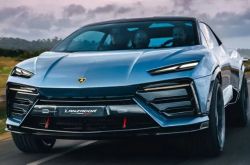
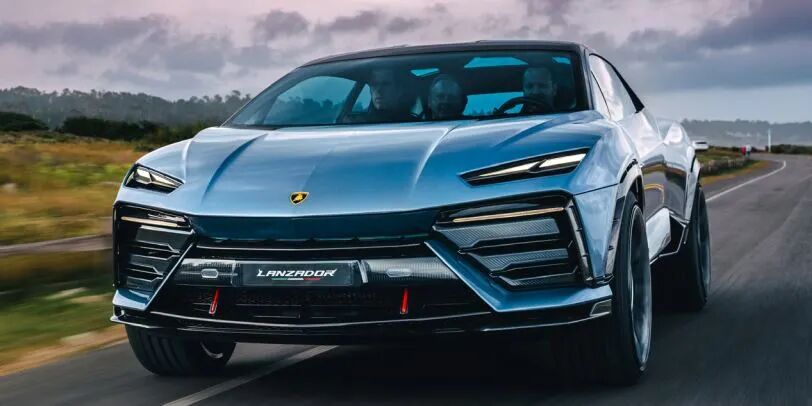
At a time when global consensus leans towards electrification as the automotive industry's inevitable future, ultra-luxury brands are collectively tapping the brakes. In February of this year, Porsche announced that its K1, initially planned as a pure electric SUV, would pivot to fuel and plug-in hybrid variants. In March, Lamborghini's Chairman and CEO, Stephan Winkelmann, publicly stated that the Lanzador, the fourth model in their lineup—a 2+2 Grand Tourer (GT) sports car—would no longer feature a pure electric powertrain but would instead be positioned as a plug-in hybrid. In April, Bentley confirmed that the next-generation Bentayga would debut in 2028 as the flagship of its new plug-in hybrid lineup, having previously scrapped plans to introduce five pure electric models by 2030.
Is the Ultra-Luxury Electric Vehicle a Misguided Concept? Cui Dongshu, Secretary-General of the China Passenger Car Association's Market Information Joint Conference Branch (hereinafter referred to as the CPCA Branch), stated in an interview with Auto Review that the near-universal retreat from pure electric strategies among global ultra-luxury automotive brands essentially signifies a shift from aggressive electrification to a more rational approach that aligns with business and user demand in the ultra-luxury segment. This shift is not due to technological backwardness but rather stems from a mismatch in value logic and usage scenarios. He predicts that the future global ultra-luxury automotive market will see the long-term coexistence of hybrid, pure electric, and limited-edition fuel vehicles.
From Delayed Targets to Product Adjustments
On April 13, foreign media reported that Bentley confirmed the next-generation Bentayga would debut in 2028 as the centerpiece of its new plug-in hybrid lineup. In early March, Bentley announced adjustments to its product plans, significantly slowing its originally aggressive electrification timeline. Under the new strategy, Bentley will introduce only one pure electric model by 2030 and has postponed its full electrification target from 2030 to 2035.
This marks another ultra-luxury brand introducing plug-in hybrid models since the start of the year. In February, Porsche announced adjustments to its new large flagship SUV, the K1, abandoning the original pure electric development plan in favor of fuel and plug-in hybrid versions. The K1, positioned as a D-segment SUV, was initially planned for the Volkswagen SSP pure electric platform but shifted due to delays in SSP platform software development. The new model is expected to launch by late 2027 or early 2028. Also in February, Aston Martin formally abandoned its aggressive electrification goals, drastically reducing pure electric investments and reverting to a fuel and hybrid-first strategy while canceling plans for multiple pure electric models, retaining only one pure electric SUV with a delayed market launch after 2028. In March, Lamborghini confirmed the complete termination of the Lanzador pure electric GT project, originally slated for 2028-2029 mass production, switching to plug-in hybrid power with a delayed launch in 2029. It also canceled plans for a next-generation Urus pure electric version, focusing its future lineup entirely on plug-in hybrids while retaining V8 and V12 high-displacement fuel powertrains as core configurations. In March, foreign media reported that Rolls-Royce, which had previously committed to a 'silent' pure electric future, quietly adjusted its original 2030 full electrification plan, continuing fuel vehicle production into the next decade.
Stephan Winkelmann stated bluntly in media interviews that surveys on ultra-luxury market acceptance of pure electric vehicles show not only a lack of improvement but a decline over the past few years—a trend observed globally, not just in individual markets. Thus, pure electric models were never the mainstream choice for ultra-luxury consumers. Bentley CEO Frank-Steffen Walliser echoed this view, arguing that without mature demand, there is no need to force consumers to switch from fuel or plug-in hybrids to pure electric. The Bentayga's stable user base provides commercial justification for Bentley to retain fuel powertrains. He also noted that under UK policies banning new fuel vehicle sales by 2035 and EU mandates requiring 90% of new cars to be pure electric, plug-in hybrids represent the most practical transitional solution.
Returning to Rationality from Aggressive Electrification
In fact, signs of delayed electrification among some ultra-luxury brands emerged as early as the second half of last year, with adjustments made to previously 'aggressive' targets. In 2022, Ferrari set a goal of 40% pure electric, 40% hybrid, and 20% fuel models by 2030. By October last year, however, Ferrari halved its pure electric target to 20%, doubled fuel vehicle share to 40%, slowed development of its first pure electric model, Luce, and pledged no second pure electric model before 2028, prioritizing resources for more profitable V12 fuel and hybrid models. In November 2023, Porsche set targets of over 50% electrified new vehicles by 2025 and over 80% pure electric by 2030. Yet in September last year, Porsche abruptly adjusted its electrification strategy, retaining fuel engines for high-performance models and delaying some electric model launches. Alfa Romeo, which had targeted full electrification by 2027, similarly abandoned its 2027 North American full electrification goal last year, adopting a multi-powertrain strategy that includes fuel vehicles.
Cui Dongshu argues that this shift essentially signifies a return from aggressive electrification to a more rational approach that aligns with business and user demand in the ultra-luxury segment, driven not by technological backwardness but by a mismatch in value logic and usage scenarios. He identifies three core reasons for the cooling of ultra-luxury pure electric vehicles: First, emotional value disconnection. High-net-worth users prioritize the sounds of internal combustion engines, mechanical texture, and brand rituals, which pure electric silence and linear acceleration undermine—synthetic engine sounds are widely rejected. Second, conflict between experience and asset attributes. Battery weight gain compromises handling, charging inconvenience, and volatile residual values contradict ultra-luxury brands' promises of 'ultimate performance, collectible value, and always-available readiness.' Third, unviable business models. Ultra-luxury brands' low-volume, high-margin, long-cycle characteristics cannot support the massive investments and rapid iteration costs of pure electric platforms, making scalable profitability unattainable.
Analysis highlights that 'obsolescence anxiety' driven by rapid technological iteration is more pronounced in the ultra-luxury market. Electric vehicle platform renewal cycles are generally shorter than traditional fuel models, with frequent iterations in battery energy density, electronic architectures, and software systems. This means a pure electric supercar could quickly become technologically outdated within five to ten years, conflicting with ultra-luxury vehicles' emphasis on timeless value stability—classic models even appreciate with age. In this context, rapid technological depreciation clashes with ultra-luxury products' 'timeless' value logic.
Pure Electric Supercars Still Have a Market
So, returning to the original question: Is the ultra-luxury electric vehicle a misguided concept?
Cui Dongshu's answer is that the future ultra-luxury automotive market will see the long-term coexistence of hybrid, pure electric, and limited-edition fuel vehicles. He predicts that if breakthroughs occur in technologies like solid-state batteries between 2030-2035, pure electric ultra-luxury vehicles may gain traction but are unlikely to dominate. After 2035, pure electric technology may become baseline, with ultra-luxury brands' core value shifting to custom craftsmanship, scarcity, and service rather than powertrain type.
In fact, in 2023, Rolls-Royce launched the pure electric Spectre, which accounted for a significant share of total deliveries, widely regarded as a phased success case in ultra-luxury pure electric vehicles. Industry insiders attribute its success to strategic positioning—leveraging electric propulsion to amplify the brand's signature tranquility and smoothness. When electric technology serves existing brand DNA rather than replaces it, customer acceptance becomes easier.
While most ultra-luxury brands emphasize speed, engine sounds, and handling limits, Rolls-Royce is exploring a new path aligned with electrification trends. According to foreign media, Rolls-Royce is advancing 'Project Nightingale'—an ultra-customization-focused initiative to create bespoke electric products for clients. The company states that electric drivetrains' quietness and smoothness naturally align with its pursuit of 'serene luxury,' making electrification a tool to amplify brand experience rather than a compromise. Its design system can even translate extreme client demands into viable product expressions.
Cui Dongshu emphasizes that the ultimate goal for ultra-luxury electrification is not complete electrification but rather a path of diversified and differentiated development. Traditional ultra-luxury brands' strategic adjustment in their approach to electrification respects their core customer base and acknowledges commercial realities. While China's high-end pure electric market attracts some young users, it is unlikely to overturn core markets like the Middle East and Europe's preferences for fuel and hybrid vehicles.
Notably, even ultra-luxury brands retrenching on electrification have not entirely abandoned it. Bentley's first pure electric model, the 'Luxury Urban EV,' will still debut in the second half of this year, while Porsche CEO Michael Leiters recently reconfirmed during an earnings call that the electric 718 remains in testing and development.
Although ultra-luxury pure electric vehicles currently face dual resistance in global market acceptance and commercial logic, making mainstream adoption unlikely in the short term, there is reason to believe that with technological breakthroughs and shifting consumer trends, they will carve out their own niche in the future—a prospect worth anticipating.
Note: This article was first published in the 'Hot Trends' column of the May 2026 issue of Auto Review magazine. Please stay tuned.
Image: From the Internet
Article: Auto Review
Layout: Auto Review
-
![]()
Is the Ultra-Luxury Electric Vehicle a Misguided Concept?
-
![]()
Xiaomi: Facing Decline and Doubting the Future? The Tide Has Turned
-
![]()
European Cars, Made in China
-
![]()
"My Parents Have Been Driving Their Gasoline Car for Over a Decade, Yet My Electric Vehicle Needs Replacing After Just 4 Years"
-
![]()
Qwen: A Driving Force Behind Alibaba Cloud’s Evolution
-
![]()
SAIC’s Milestone of 100 Million Vehicles: A Testament to SAIC Volkswagen’s Contribution!
-
![]()
New Energy Online Taxis: A Smooth Ride, Except for the Non-Stop Vomiting
-
![]()
Alipay Unveils the Globe’s Pioneering Token-Based Payment Service: Will the AI Era Revolutionize How We Pay?