Tesla Abandoned Radar Five Years Ago; Now, China’s Market is on the Verge of Delivering Its Verdict
 05/27 2026
 359
359
Tesla has forced the entire industry to reconsider: just how many sensors are truly needed to achieve safe autonomous driving?
The moment Tesla resolutely removed millimeter-wave radar and committed to a pure vision approach in 2021, debates over intelligent driving perception routes escalated from technical discussions to industrial competition.
Five years on, as the 'official' launch of Tesla’s Full Self-Driving (FSD) in China nears its countdown and the adoption rate of LiDAR in vehicles priced above 150,000 yuan continues to rise, XPENG Motors remains firmly in the pure vision camp, while Huawei has delivered safety performance far exceeding human driving with its LiDAR-based solution.
Which of these two distinct technical paths truly represents the future of intelligent driving?
The Inherent Differences Between the Two Routes
Price will always be a key factor in consumers' car-buying decisions, and the differences in hardware costs between the two routes have been stark since their inception.
LiDAR was once considered a clear-cut 'luxury sensor,' with early unit costs reaching tens of thousands of yuan, accounting for over one-tenth of the price of a compact family car. However, with the rapid maturation of China’s supply chain, this landscape has undergone a dramatic transformation.
Industry data shows that by 2026, the price of entry-level automotive-grade LiDAR had dropped to the 2,000-3,000 yuan range, with some budget models now featuring LiDAR as standard equipment. The sight of 100,000-yuan-class models equipped with LiDAR is no longer rare.
From an industrial perspective, by 2025, the total installed volume of LiDAR in China’s passenger vehicle front-end standard configurations had reached 2.756 million units, with a penetration rate exceeding 21% in new energy vehicle models. The highest monthly penetration rate reached 28%, and L3+ high-level intelligent driving models achieved 100% standard LiDAR configuration. Cost reductions have propelled LiDAR from a high-end configuration to widespread adoption.
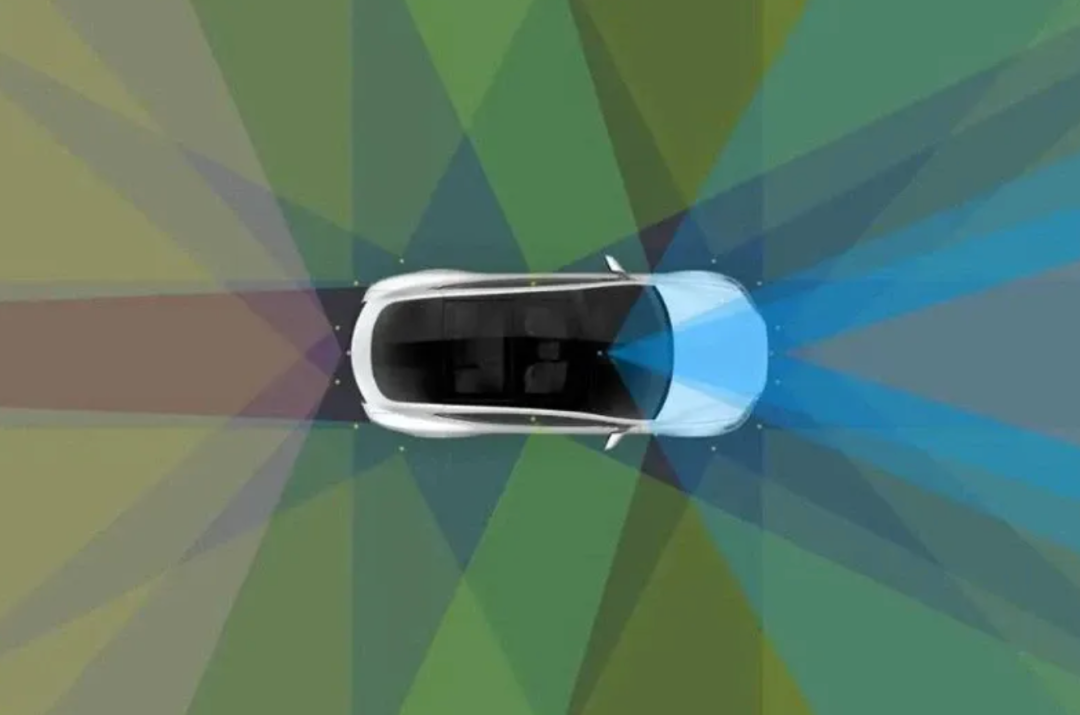
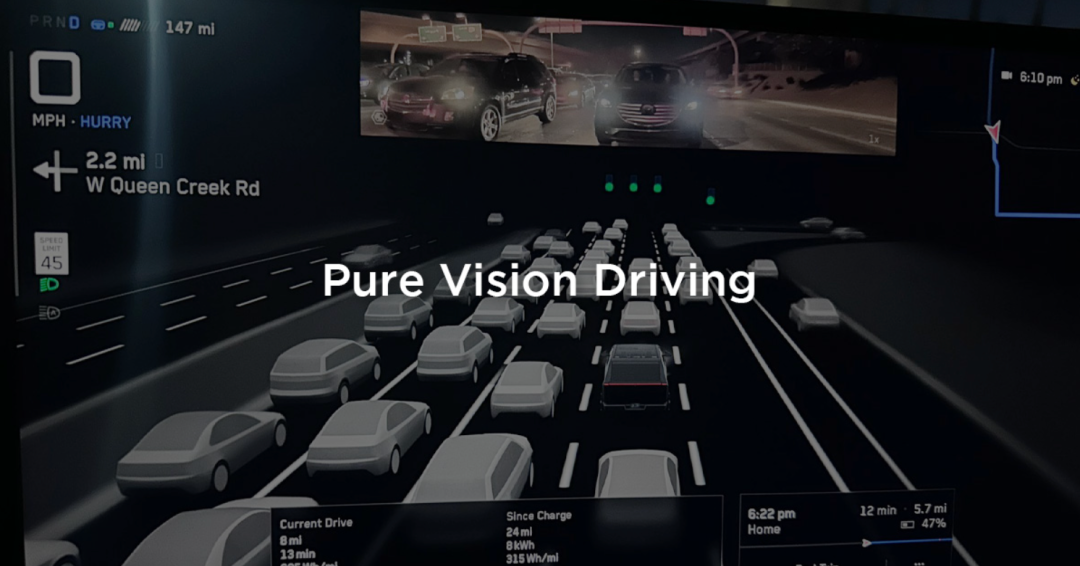
In contrast, the pure vision route has had a distinct cost advantage from the outset. Tesla CEO Elon Musk is the most vocal advocate of the pure vision approach, repeatedly stating publicly: 'LiDAR is an unnecessary crutch, a superfluous appendix. Using LiDAR actually increases the risk of autonomous vehicles.'
His core logic is straightforward: humans can drive with just two eyes, so AI relying solely on cameras should be able to handle complex road conditions without the need for additional cost burdens like LiDAR.
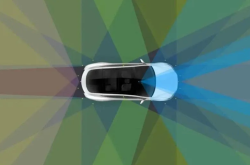
In 2021, Tesla made a decision that stunned the entire industry by completely removing millimeter-wave radar from newly produced models. Prior to this, almost all Level 2 advanced driver-assistance systems were equipped with at least three types of sensors: cameras, millimeter-wave radar, and ultrasonic radar, with some models additionally featuring LiDAR.
Every new model introduced by Tesla since then has firmly adhered to the pure vision route. Even on the HW4.0 hardware platform launched in 2024, although a physical interface for high-resolution imaging radar was reserved, the vast majority of delivered vehicles still did not have any non-visual sensors installed.
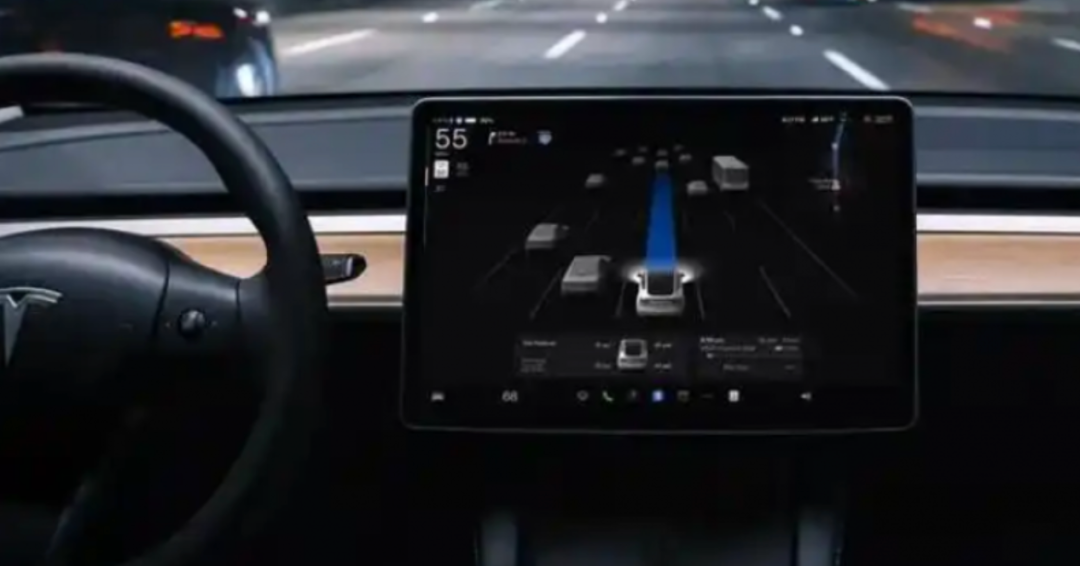
Musk’s insistence on the pure vision route, apart from his technological beliefs, is primarily driven by cost considerations. The cost of a complete pure vision hardware solution is thousands of yuan lower than that of a LiDAR multi-sensor fusion solution. This cost advantage can either be converted into profits for automakers or passed on to consumers.
XPENG Motors' rationale for adhering to the pure vision route is similar. By relying on high-computing-power chips, end-to-end large models, and high-density camera combinations to replace LiDAR's perception functions, they aim to control hardware costs while continuously improving the experience through algorithmic iterations.
However, the flip side of cost advantages is algorithmic pressure. The pure vision solution requires processing vast amounts of two-dimensional image data and identifying obstacles and scenes through deep learning models, imposing far higher demands on data volume, algorithmic capabilities, and chip computing power than multi-sensor fusion solutions. The hidden costs of algorithmic development are substantial.
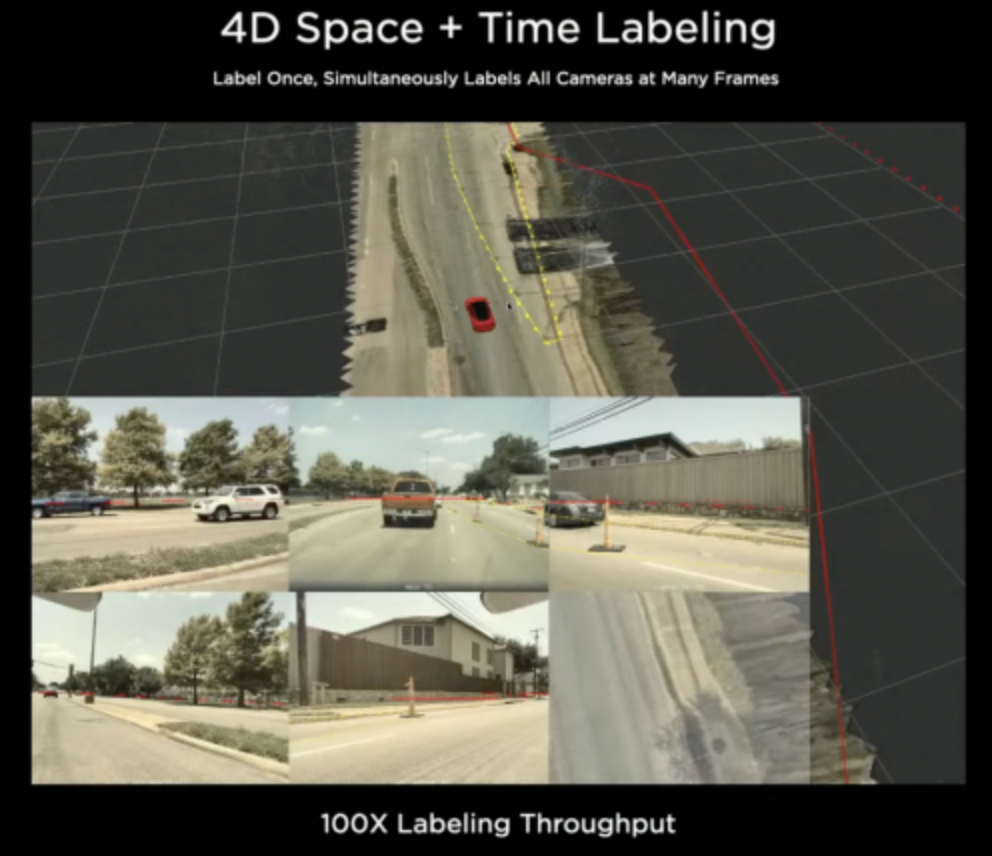
In fact, Tesla has faced sharper and more specific challenges on this path than any of its peers using multi-sensors, including performance degradation in adverse weather conditions, accuracy bottlenecks in depth estimation, and the infinite nature of long-tail scenarios—each requiring massive R&D investments to overcome.
For consumers, cost differences ultimately reflect in vehicle prices. Models with the same positioning typically have pure vision versions priced several thousand to 10,000 yuan lower than their LiDAR counterparts. This represents tangible savings for price-sensitive users but at the potential cost of reduced reliability in complex scenarios.
Who Can Adapt to China's Road Conditions?
Intelligent driving technology must ultimately be applied to users' daily driving scenarios. China's complex urban road conditions and diverse climatic conditions serve as a litmus test for the reliability of the two routes.
The core advantage of Huawei's LiDAR solution lies precisely in its adaptability to complex scenarios and extreme weather conditions. Li Wenguang, President of Intelligent Driving Product Line at Yinwang, publicly questioned the pure vision route, highlighting pain points that countless users encounter daily, such as black vehicles at night, rain-soaked windshields in heavy downpours, glare from oncoming traffic at urban intersections, and small obstacles suddenly appearing on the road—scenarios that are inherent blind spots for pure vision solutions.
According to industry field test data, the AITO M9 equipped with Huawei ADS 3.0 maintained an effective detection range of 120 meters in foggy conditions with visibility of just 50 meters, with an obstacle recognition accuracy exceeding 92%. The Avita 11 experienced only a 25% reduction in perception distance in heavy rain, still reliably identifying plastic traffic cones 50 meters ahead—performances that pure vision solutions struggle to match.
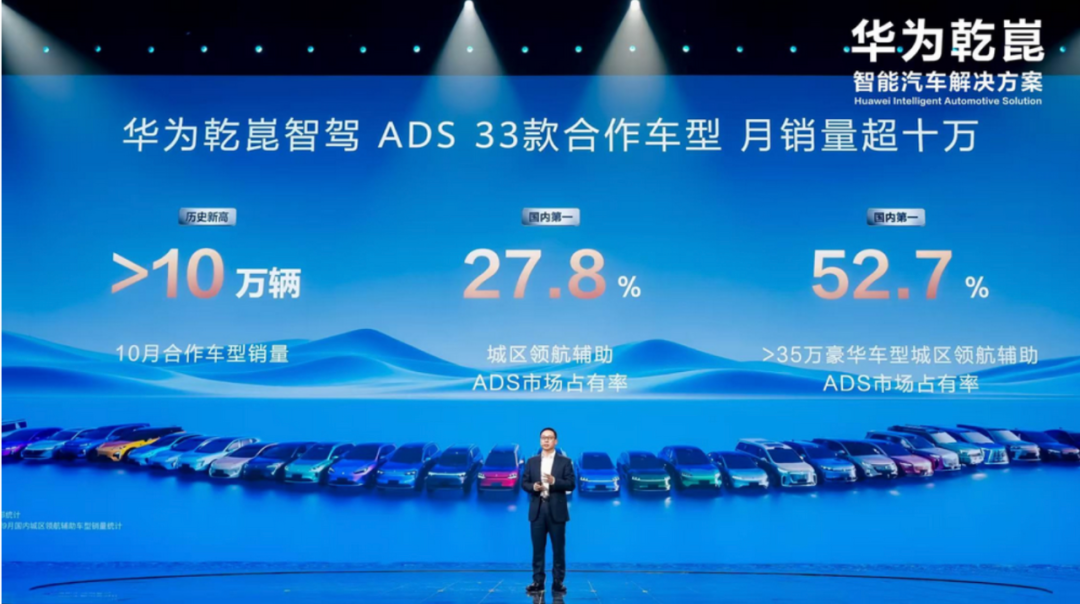
Huawei's latest data shows that the serious accident rate of its ADS version has dropped to once every 7.2 million kilometers, 4.37 times safer than human driving. Its fully autonomous valet parking in parking lots has been commercially available for over a year, with safety performance 30 times better than human-driven parking—achievements built on LiDAR's precise perception capabilities.
More critically, the LiDAR solution is perfectly suited to China's complex urban road conditions.
Chinese urban roads are filled with unconventional scenarios such as food delivery vehicles driving against traffic, electric bicycles weaving in and out, and unmarked rural roads. LiDAR, by actively emitting lasers to construct three-dimensional point clouds, can precisely measure the position, distance, and shape of obstacles with millimeter-level accuracy. It can accurately identify even small, low-reflectivity obstacles and respond to sudden scenarios like food delivery vehicles driving against traffic in as little as 0.3 seconds—faster than human drivers.
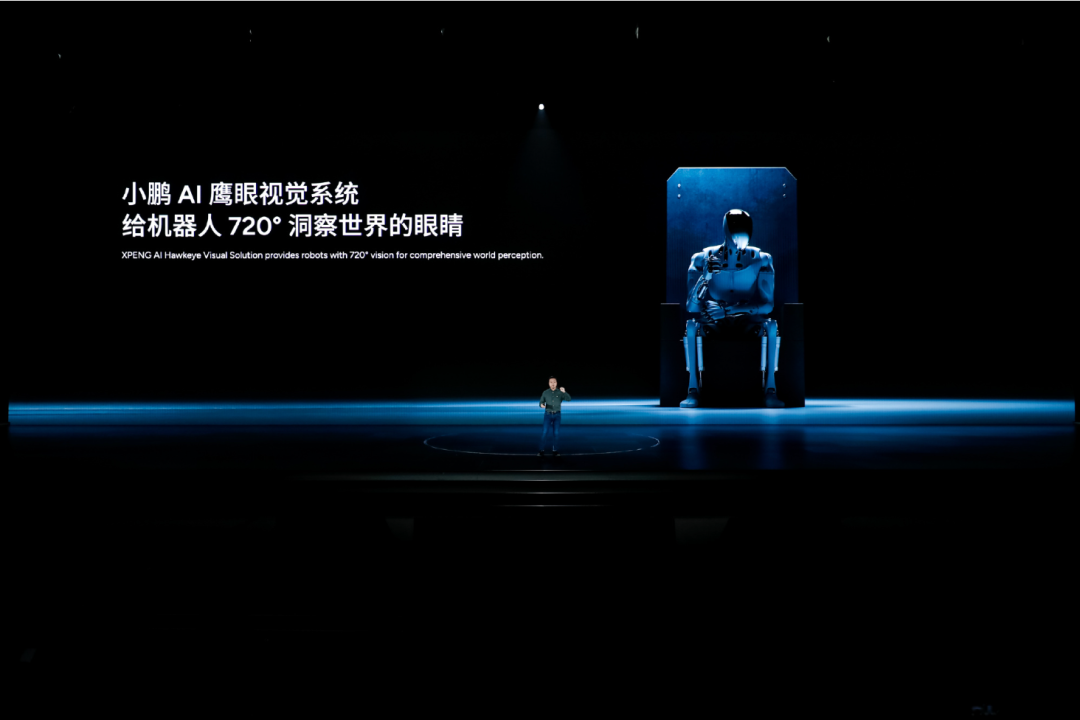
In contrast, confidence in the pure vision route is built on the evolution of algorithms and large models.
XPENG Motors' resolve to stick with the pure vision route stems from the actual performance of its second-generation visual fusion architecture. He Xiaopeng, Chairman of XPENG Group, explicitly stated after the GX launch event: 'LiDAR is a good thing, but it's no longer essential in the automotive field. Therefore, XPENG will firmly adhere to its current route.'
The head of XPENG Group's General Intelligence Center added that the necessity of LiDAR depends on a company's technology stack, with no absolute answer. For users, the core of autonomous driving lies in actual usage effectiveness, not specific sensor configurations. XPENG believes that relying on high computing power and large models, pure vision solutions can also achieve good performance in extreme weather conditions. Next, XPENG will further enhance the scene understanding capabilities of its pure vision solution by upgrading the temporal modeling capabilities of its BEV+Transformer architecture through VLA 2.0.
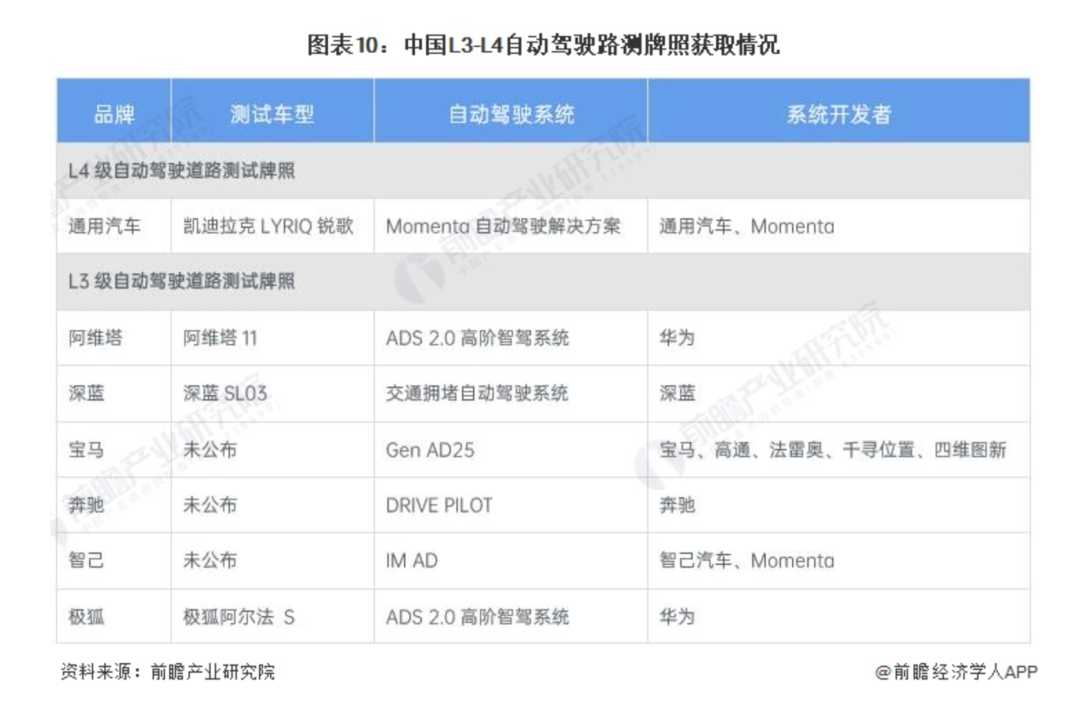
Musk once responded to doubts with Tesla's field test data, showing that after shutting down radar and fully advancing the pure vision solution, the autonomous driving accident rate of Tesla models decreased by about 15%, with an even more significant drop in high-speed driving scenarios.
Musk explained that data from different sensors often conflict. For example, at an intersection, a plastic bag blowing by might be identified as 'non-threatening' by cameras but misjudged as a 'small obstacle' by LiDAR. In such cases, the system becomes indecisive—braking might cause a rear-end collision, while not braking risks hitting the obstacle. Such data conflicts introduce more risks than a single sensor, so 'removing redundant sensors allows the system to focus more, make more accurate judgments, and naturally enhance safety.'
Tesla's FSD has accumulated over one million subscription users globally, and its end-to-end large model has indeed demonstrated strong generalization capabilities in conventional scenarios. After FSD's entry into China, it will also force local pure vision solutions to accelerate algorithmic iterations.
However, it cannot be denied that pure vision solutions still face unresolved challenges in Chinese scenarios, such as reliability in extreme weather conditions like heavy rain and intense glare, coverage of long-tail rare scenarios, and user trust in 'LiDAR-free' solutions. The pure vision camp is now entering a critical validation period to prove whether it can achieve equivalent safety without LiDAR.
Not an Either-Or Choice, But Fusion and Evolution
From the current industry landscape, the route differentiation is clear. Tesla and XPENG Motors stand in the pure vision camp, while Huawei adheres to a multi-sensor fusion route of 'LiDAR + GOD Network + Mapless.' Most mainstream automakers, such as NIO and Li Auto, choose to retain LiDAR as a safety redundancy. The industry has not reached a one-sided consensus.
FSD's entry into China has become a crucial test of the feasibility of the pure vision route in the Chinese market. It will force local intelligent driving companies to accelerate algorithmic iterations and data flywheel operations, promoting a comprehensive transition from 'rule-driven' to 'data-driven' approaches. Simultaneously, it will drive chip manufacturers and perception algorithm companies to focus on computing efficiency and model compression technologies for pure vision solutions.
XPENG's open attitude towards FSD's entry into China actually signifies that Chinese intelligent driving companies have transitioned from technological catch-up to head-on competition.
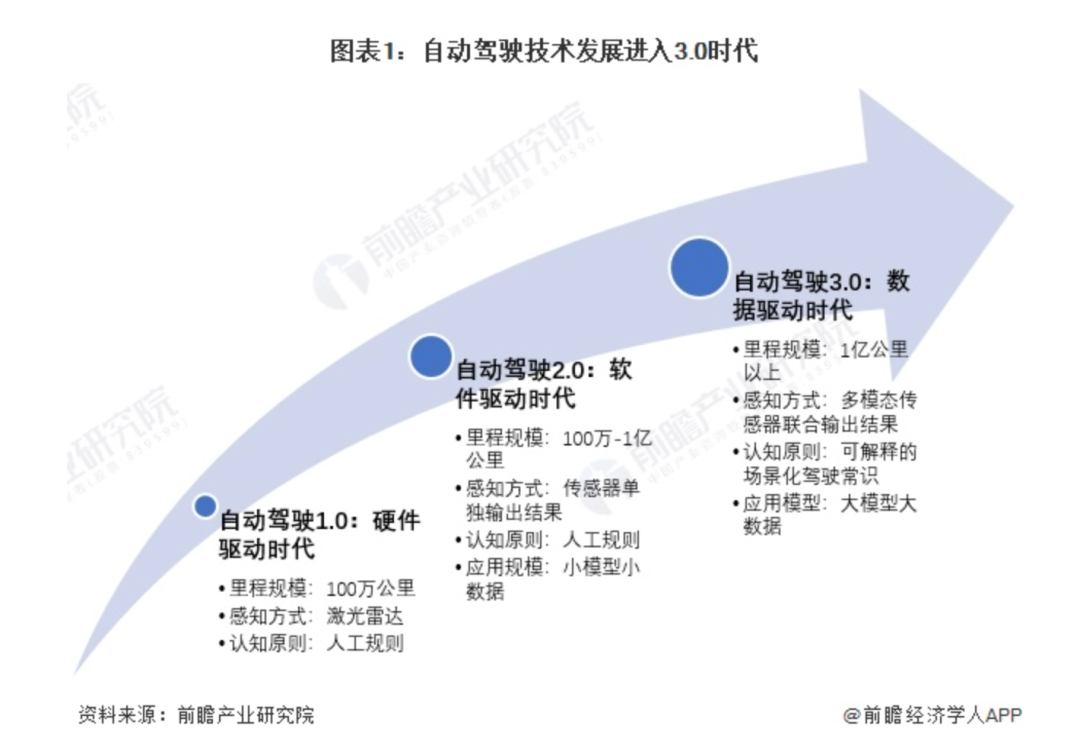
'Previously, solid-state LiDAR cost thousands of dollars, which was unaffordable for ordinary consumers. But now, the cost has dropped to $500, which is quite affordable. With such a cheap and effective tool, why not use it to enhance vehicle safety?'
Industry insiders believe that achieving 'superhuman-level' autonomous driving safety requires more than just cameras—LiDAR and radar are essential to handle more complex scenarios. For example, in tunnels, cameras may struggle to see clearly due to poor lighting, but LiDAR, unaffected by light, can precisely identify obstacles. On highways, radar can detect the speed and distance of distant vehicles in advance, giving the system more reaction time.
From an industry development perspective, the future will not see a complete replacement of LiDAR by pure vision or vice versa. Instead, the two routes are learning from each other and moving towards fusion.
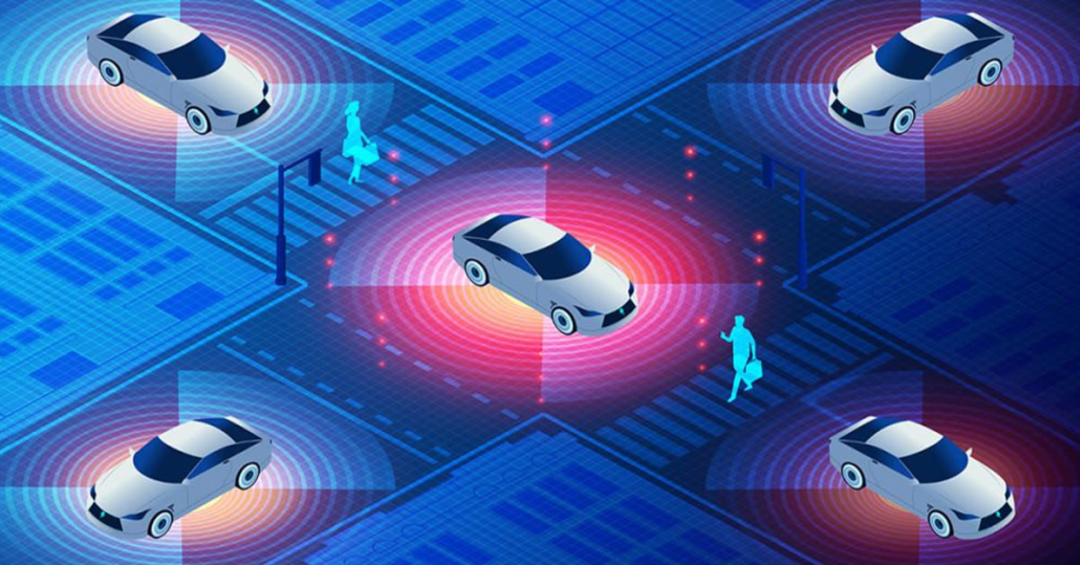
On one hand, LiDAR technology itself is continuously evolving. The development of edge intelligence allows LiDAR to perform point cloud preprocessing and obstacle recognition within the sensor itself, directly outputting target lists without requiring the central computing unit to process raw point clouds. This significantly reduces computing power consumption and system complexity.
On the other hand, pure vision solutions are also incorporating ideas from multi-sensor fusion. XPENG's second-generation architecture is inherently a 'visual fusion' solution, retaining a multi-sensor redundancy design even without LiDAR.
From a consumer perspective, there is no need to overthink the technological route itself. Users ultimately care about 'usability and safety.' After all, the ultimate goal of intelligent driving is to achieve safe and reliable high-level autonomous driving. Whether it's LiDAR or pure vision, they are merely means to an end.
Whether the pure vision route can deliver on its safety promises in China's complex road conditions, whether FSD can adapt to localized scenarios after entering China, and whether the cost reductions in LiDAR can further boost its penetration rate—these questions will all be answered by the market and time.
What is undeniable is that the technological rivalry ignited by the debate over different routes will, in the long run, expedite the advancement of China's entire intelligent driving sector, ultimately delivering safer and more user-centric intelligent driving capabilities to consumers.
The ultimate outcome of this particular route remains shrouded in mystery, yet one fact stands out: Tesla's approach has compelled the entire industry to reconsider the precise number of sensors required to ensure the safety of autonomous driving.
Note: Certain images featured in this article are sourced from the internet. Should any infringement issues arise, please do not hesitate to contact us for prompt removal. -END-

-
Computing Power Crisis: Four Major Forces Enter Token Service Market
-
![]()
Agnes AI Releases Three Core Multimodal Models: Text, Image, and Video
-
![]()
Tesla Abandoned Radar Five Years Ago; Now, China’s Market is on the Verge of Delivering Its Verdict
-
![]()
Chinese Automobile Design Steps into a New Phase of Global Aesthetic Dialogue
-
![]()
Huolala's Seventh Bid for a Hong Kong IPO: How Will It Leverage New Energy and Driverless Delivery After Achieving $2.1 Billion in Annual Revenue?
-
![]()
When It Comes to Electric Car Manufacturing, Even Ferrari Must Learn from China
-
![]()
Is the Ultra-Luxury Electric Vehicle a Misguided Concept?
-
![]()
Xiaomi: Facing Decline and Doubting the Future? The Tide Has Turned