Tesla Invests Heavily: $25 Billion Spending Spree, Halts Production of Flagship Vehicle Models! Overseas Media: Does Optimus Still Face Significant Challenges?
 06/01 2026
 417
417
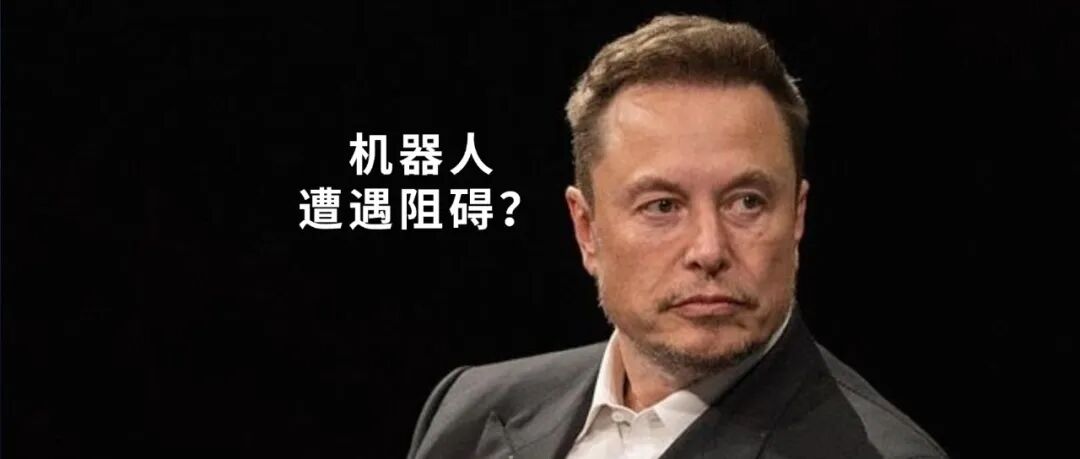
In 2026, Tesla is embarking on an unprecedented capital venture, aiming to make the ultimate leap from an automotive company to a technological powerhouse.
After experiencing its first revenue decline in 2025 and witnessing a second consecutive year of falling delivery volumes, Elon Musk has significantly boosted the full-year capital expenditure to over $25 billion, substantially surpassing the previous forecast of $20 billion. The lion's share of this investment is earmarked for the Optimus humanoid robot and autonomous driving technologies.
This endeavor, which Musk touts as "Tesla's most important product ever," now exposes its most critical vulnerability: escalating production capacity amid uncertain market demand.
01
What Is the Cost of Halting the Million-Unit-Capacity S/X Production Lines for This Transformation?
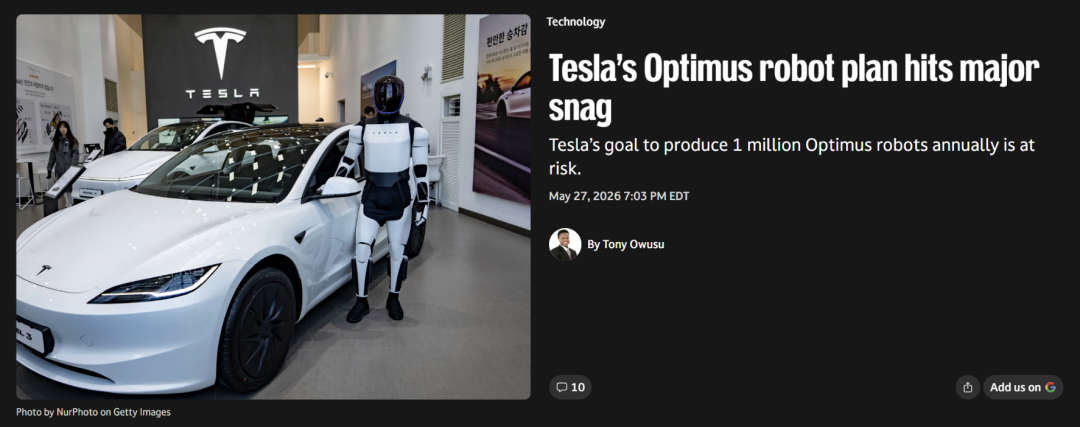
To prioritize Optimus, Tesla has made a groundbreaking decision: fully converting the Fremont factory's production lines for the Model S and Model X into a dedicated Optimus assembly line, with a target annual output of 1 million humanoid robots.
According to Musk's statements during the first-quarter earnings call, transitioning the line—from shutdown and dismantling to reinstallation and trial operation—will take at least several months. During this period, no output will be generated, while substantial renovation costs will be incurred.
More critically, Optimus operates almost entirely outside Tesla's existing automotive supply chain, necessitating the construction of an entirely new parts (components) assembly system and logistics network from scratch.
Even though sales of the S and X have declined over the years, annual sales of tens of thousands of units still provide a stable cash flow. However, Tesla has not yet formulated a clear plan to offset the direct revenue loss caused by the production halt.
On one hand, there is the certainty of revenue loss; on the other, there is an uncertain bet on the future. Tesla's boldness has propelled it to a pace that the industry struggles to keep up with.
02
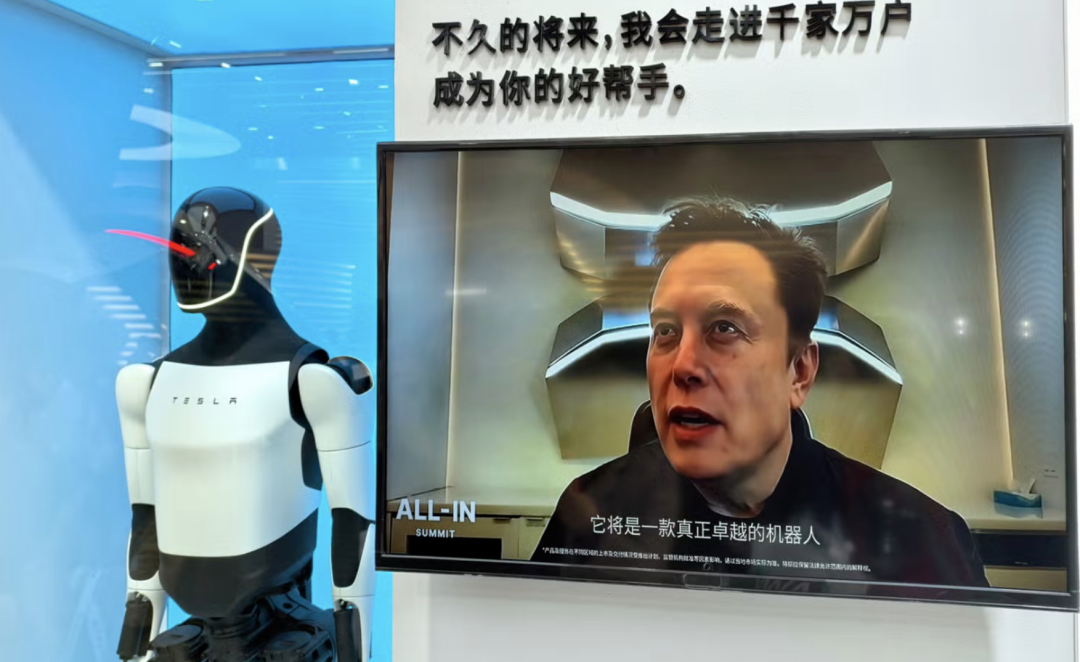
At a $30,000 Price Point, Does Optimus Truly Have a Basis for Commercialization?
The unresolved issue of market acceptance for Optimus significantly amplifies the risks of this gamble.
According to industry estimates, the production cost of a single Optimus unit at Tesla's Texas Gigafactory is approximately $10,000, with a retail price expected to range between $20,000 and $30,000, or roughly RMB 140,000 to 210,000.
This pricing effectively excludes the vast majority of ordinary consumers. Even among high-net-worth individuals, few are willing to pay such a premium for a robot with currently limited capabilities.
Industry experts highlight the core issue: Optimus has yet to demonstrate practical value sufficient to justify its high price, yet it aims to enter the market at a price point comparable to a family car.
Based on current progress, Optimus is unlikely to officially launch until late 2027 at the earliest, leaving at least an 18-month gap before commercialization. While Tesla can rapidly scale up production capacity through capital investment, it cannot quickly cultivate a matching demand market.
03
With Automotive Revenue Accounting for Over 85%, When Will Robots Support Tesla?
The financial structure starkly highlights the gap between idealism and reality. Despite Tesla's full pivot toward robots and autonomous driving, automotive sales revenue still accounts for 73% of total income. When combined with leasing operations, the automotive segment contributes as much as 85%–87%, remaining the absolute cornerstone of profitability.
Additionally, the highly anticipated FSD (Full Self-Driving) technology has an overall penetration rate of just around 14%, with approximately 1.28 million active users—far from generating significant revenue.
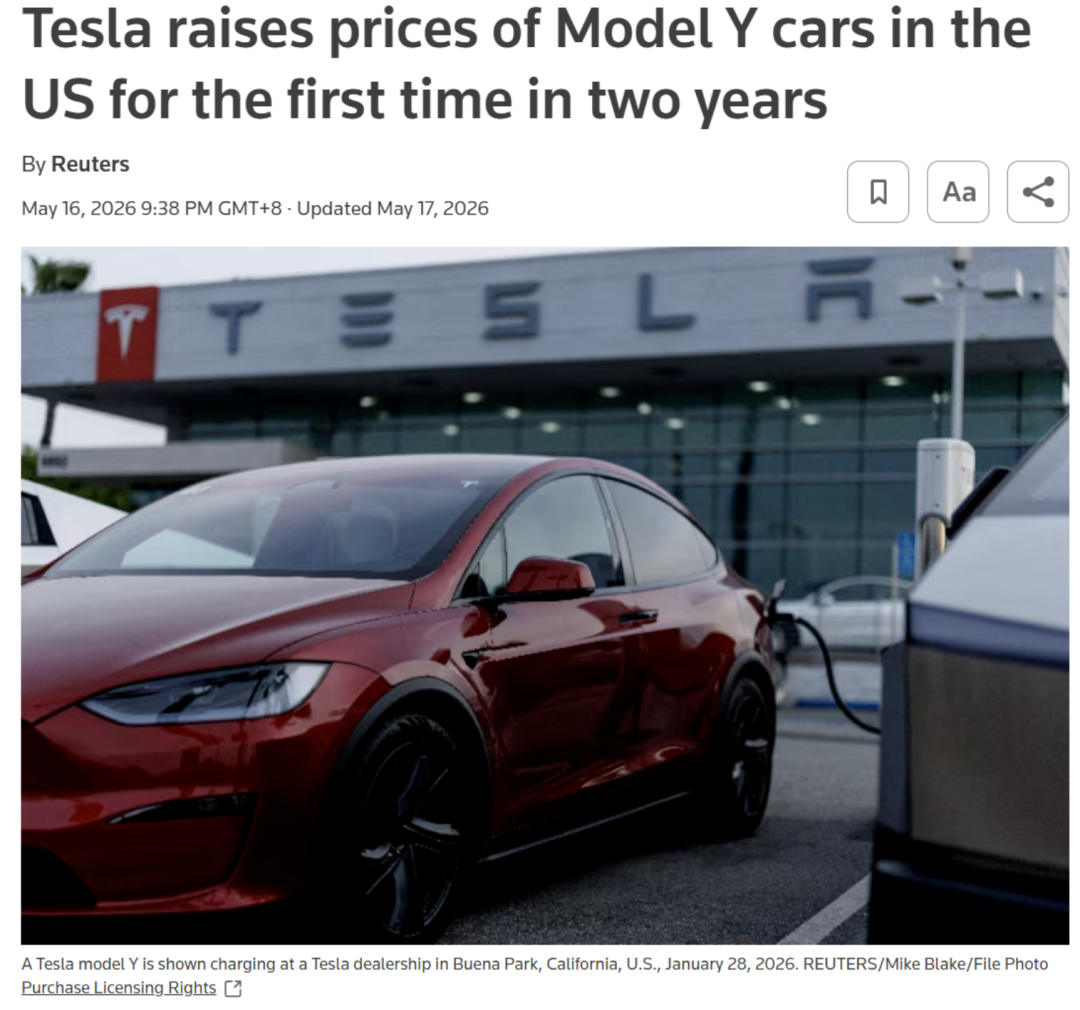
To stabilize profits, Tesla has raised the price of its core high-volume model, the Model Y, for the second time in two years. It continues to subsidize the massive investments in its robotics business with cash flow from its traditional automotive operations.
Without substantial revenue inflows, capital expenditures totaling $25 billion will continue to suppress Tesla's financial performance over the next two years.
04
How Will the Demand Gap Reshape the Humanoid Robot Industry Landscape?
Tesla's Optimus dilemma represents not just a tactical misstep by a single company but a pivotal turning point for the entire humanoid robot industry, with impacts rapidly cascading through the supply chain.
First, Tesla's capacity planning, targeting millions of units, will force core component costs downward and accelerate supply chain maturation. However, premature capacity expansion that outpaces demand risks triggering irrational industry competition, potentially driving out smaller manufacturers lacking scenario-specific advantages and cost efficiency.
Second, industry competition dynamics will fundamentally shift: from showcasing technological demonstrations and capacity plans to validating real-world applications and achieving commercialization. Technological showmanship detached from practical value will quickly lose favor with investors and the market, with industrial, warehousing, and commercial scenarios becoming the next focal points.
Finally, the paradigm of automakers venturing into robotics is being reevaluated. The scalability advantages of automotive manufacturing do not directly translate to robotics. While automobiles are essential standardized products, robots are scenario-driven optional goods, with vastly different market logics. Blindly replicating automotive strategies will lead to a "manufacturable but unsellable" predicament.
05
Conclusion
Tesla's journey with Optimus represents an extreme experiment—wagering massive capital and short-term financial pressure on a future industrial transformation.
The $25 billion investment, million-unit capacity planning, and resolve to halt flagship vehicle production lines underscore Tesla's ambition. However, market rules remain unchanged: capacity can be achieved through investment, but demand can only be unlocked through value delivery.
The true test for Tesla will begin when the Optimus production line becomes operational and products roll off the assembly line in bulk. For the broader humanoid robot industry, Tesla's struggles and explorations are defining the boundaries of the sector: the future of humanoid robots lies not in capacity races but in first identifying demand and then delivering value.
Previous Posts
-
![]()
Domestic Games Aiming to Enter the South Korean Market: More Than Just Genshin Impact
-
![]()
Empowering Agentic AI with a Major Focus: Arm China Optimizes Business Architecture to Empower Customer Innovation and Breakthroughs
-
![]()
Between tool enhancement and environment reconstruction, Kingsoft Office has found its path to AI productivity
-
![]()
Gazing into the Future Auto Pioneers Conference: Turning Concepts of Future Mobility into Reality
-
![]()
From Selling Cloud Services to Selling Tokens: Operators Fully Join the AI Battlefield
-
![]()
From 'Selling Cloud' to 'Selling Tokens': Operators Fully Join the AI Battlefield
-
![]()
Profits Slide, Yet Xiaomi Holds Strong Cards
-
![]()
JieYue's Innovative Model Takes the Lead in the Next Frontier of Large-Scale AI Models