Xiaomi Auto Reports a Substantial Q1 Loss of 3.1 Billion Yuan, Yet Lei Jun Remains Unperturbed
 06/08 2026
 485
485
Today, let's delve into the latest developments at Xiaomi Auto.
On May 26, Xiaomi Group unveiled its Q1 2026 financial results. The total revenue soared to RMB 99.1 billion, with an adjusted net profit of RMB 6.1 billion.
From a business division standpoint, the "Smartphone × AIoT" division generated RMB 79.3 billion in revenue, boasting a gross margin of 22.5%. Meanwhile, the "Smart Electric Vehicles and AI Innovations" division reported RMB 19.9 billion in revenue, with a gross margin of 20.1%.
Our primary focus, however, lies in the automotive sector.
01 Performance of the Automotive Business
In terms of revenue breakdown, the automotive business's contribution to the group's total revenue surged from 16.3% (Q1 2025) to 19.2% (Q1 2026), establishing itself as a pivotal growth engine for Xiaomi Group.
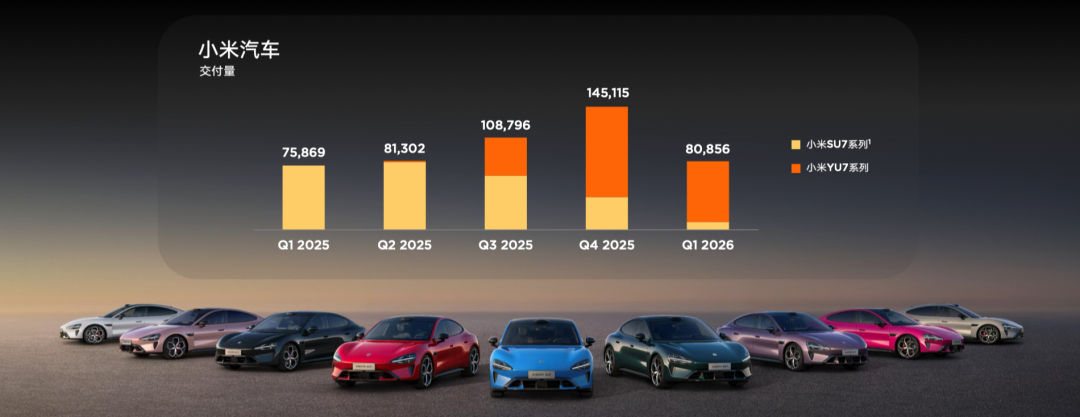
In Q1 2026, Xiaomi Auto delivered 80,856 vehicles, showcasing a robust sales performance when compared to both emerging and established competitors.
The revenue from Xiaomi's smart electric vehicles and AI innovations segment reached RMB 19.9 billion in Q1, marking a 6.9% year-on-year increase.
This includes RMB 19 billion from smart electric vehicles and RMB 900 million from other related businesses.
The gross margin for the smart electric vehicles and AI innovations segment stood at 20.1% (down from 22.7% in the previous quarter).
The decline was attributed to factors such as vehicle purchase tax subsidies, escalating core component prices, and a reduced proportion of SU7 Ultra deliveries.
Nevertheless, even with this downturn, Xiaomi Auto's gross margin remains at a leading level within the automotive industry.
For comparison, NIO's vehicle gross margin was 18.8%, Li Auto's was 6.1%, XPeng's was 12.1%, and Leapmotor's was 7%.
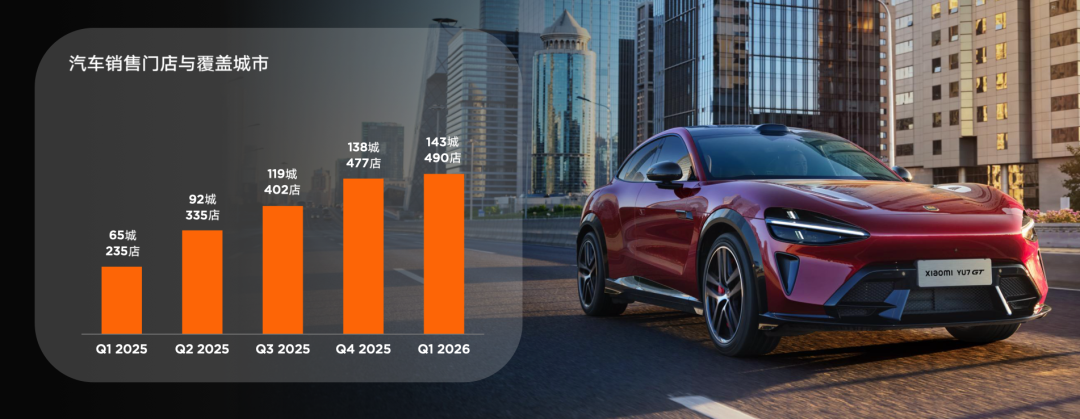
Additionally, Xiaomi is diligently expanding its sales and service network.
As of March 31, 2026, Xiaomi had inaugurated 490 automotive sales stores across 143 cities in mainland China (including Xiaomi Auto Delivery Centers, Xiaomi Auto Sales and Service Centers, and Xiaomi Home Auto Experience Stores).
02 Q1 Operating Loss of 3.1 Billion Yuan
The primary concern, of course, is whether Xiaomi's automotive business is profitable.
In Q1, the smart electric vehicles and AI innovations segment reported an operating loss of RMB 3.1 billion.
This stands in stark contrast to the previous quarter (Q4 2025), when the segment reported a profit of RMB 1.1 billion.
What led to this outcome?
Firstly, Q1 marked a window period for Xiaomi's product iterations, which was the primary driver of the quarterly loss.
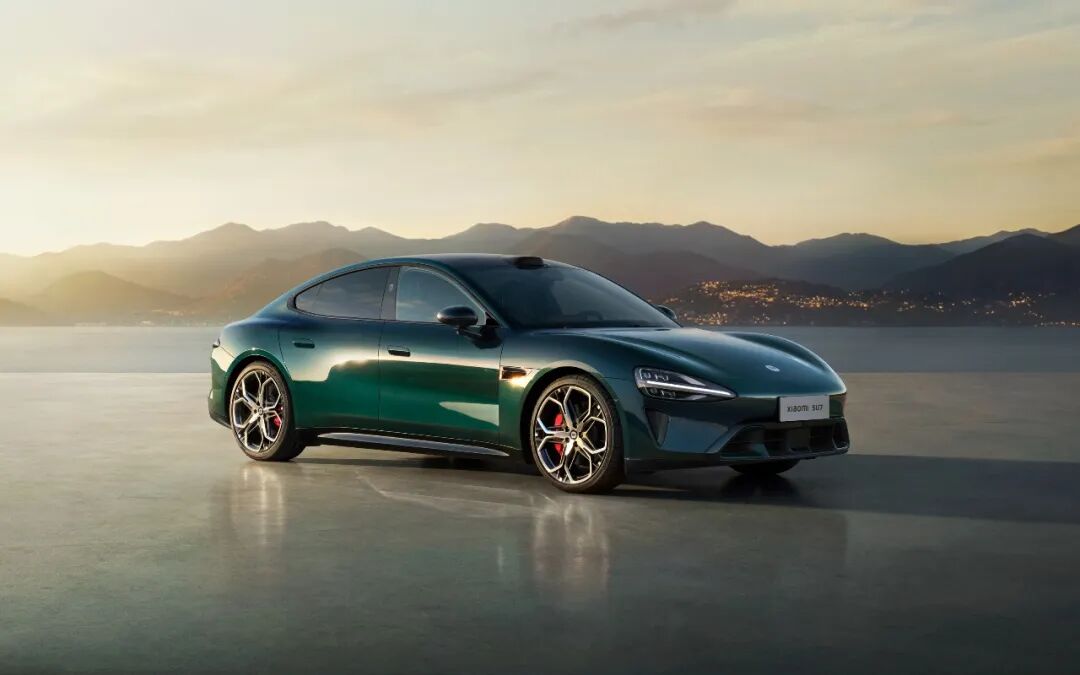
On January 7, Xiaomi Auto officially announced the refresh of the SU7, with the old SU7 entering the clearance phase.
The new SU7 was launched on March 19, with deliveries commencing on March 23.
During this period, the YU7 was the sole sales driver.
The new SU7 only started deliveries in the last seven to eight days of Q1, contributing minimally to the overall volume.
This period represented the transition between the old and new SU7 models.
Consequently, Q1 deliveries plummeted from approximately 145,000 units in the previous quarter to 80,856 units.
Sales fell by over 40%, and revenue dropped from RMB 36.3 billion to RMB 19 billion, effectively halving.
However, the crux of the issue is that fixed costs such as R&D, factories, and personnel remained unchanged.
Secondly, the clearance of old SU7 inventory, combined with promotional discounts and reduced purchase tax subsidies, directly lowered the revenue and profitability per vehicle.
Additionally, escalating raw material costs (e.g., power batteries, memory) also impacted automotive gross margins.
With fewer vehicles sold and increased costs, profits naturally declined significantly.
Furthermore, Xiaomi attributed the reduced deliveries of the SU7 Ultra to this loss.
Xiaomi still hasn't forgotten this major profit driver.
It's worth noting that in Q2 and Q3 2025, Xiaomi Auto's gross margin reached 26.4% and 25.5%, respectively.
This was largely due to the scale deliveries of the SU7 Ultra, which elevated the brand's premium positioning.
Originally, Xiaomi could have achieved brand elevation and breakthroughs with the SU7 Ultra.
However, due to its own operational challenges, this plan largely faltered, and SU7 Ultra sales plummeted to just a few hundred units.
Ultimately, this not only impacted Xiaomi Auto's brand value but also resulted in a significant loss of profit potential.
It's truly regrettable.
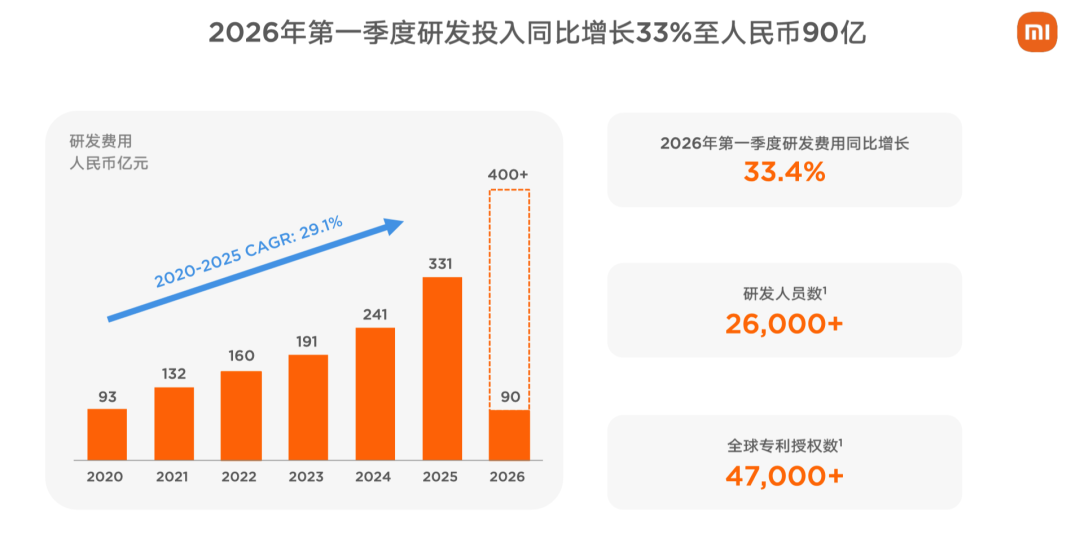
In addition, R&D investment, often overlooked, represents the largest hidden expense.
In Q1 2026, Xiaomi Group's R&D expenditure reached RMB 9 billion (up from RMB 6.7 billion in Q1 2025), marking a 33% year-on-year increase.
As automotive has become a core business for Xiaomi, a significant portion of R&D costs is allocated here, contributing to the current losses. Thus, we see a massive Q1 loss of RMB 3.1 billion for Xiaomi Auto. While this figure may seem alarming, it represents a necessary investment during the strategic growth phase.
In a media interview following the launch of the YU7 GT on May 21, Chairman Lei Jun revealed, "Over the next five years, Xiaomi will continue to ramp up R&D investment, aiming to allocate at least RMB 200 billion."
"We have earmarked over RMB 200 billion in cash for R&D purposes."
Moreover, Xiaomi Group remains profitable, rendering this loss insignificant.
So, shareholders can rest assured.
03 Q2 Performance Expected to Shine
Starting in Q2, Xiaomi Auto is poised to regain its momentum.
Let's begin with the products.
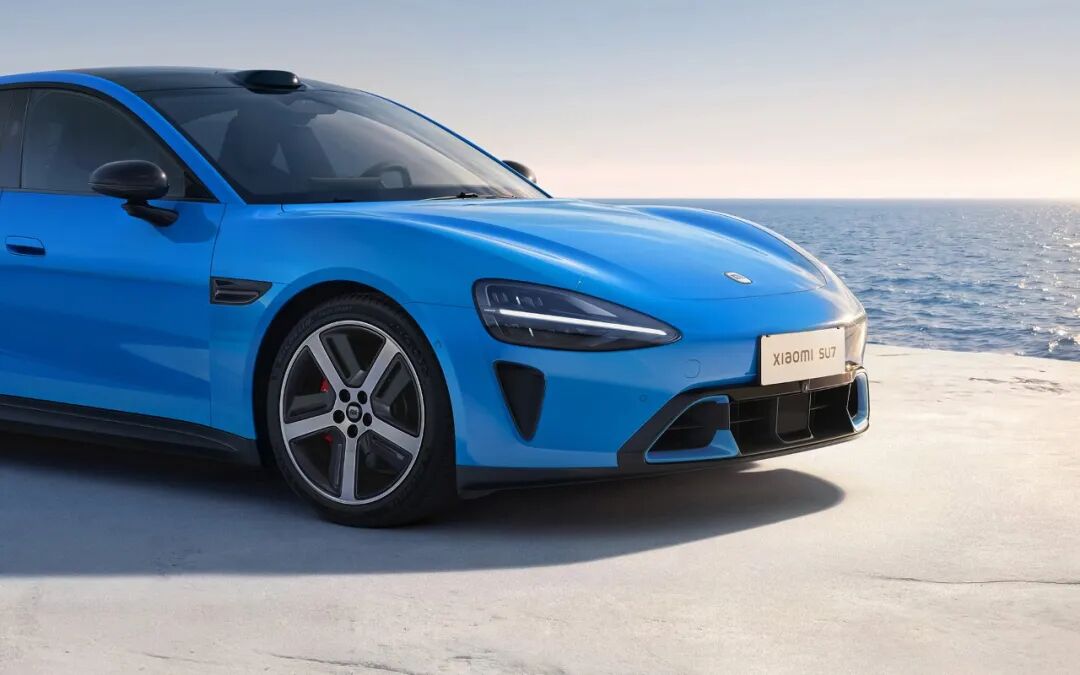
The new SU7, while unable to replicate the glory of the old SU7, has garnered substantial orders thanks to its enhanced configuration and improved experience.
As of May 6, 2026, the new SU7 has secured over 80,000 orders during its initial sales period.
As of April 23, 2026, cumulative deliveries of the new SU7 have exceeded 26,000 units.
This reveals two key points:
1. SU7 has ample order reserves in the short term (2-3 months);
2. Delivering 26,000 units in a month indicates robust production ramp-up capabilities for the SU7.
Thus, the new SU7 alone can contribute over 25,000 monthly sales.
As for the YU7, launched on June 26 of the previous year, it has accumulated 232,000 deliveries over 10 months, indicating a relatively long lifecycle.
However, sales have begun to decline (though still around 8-9,000 units per month).
To stabilize YU7 sales, Xiaomi introduced new variants in May 2026:
YU7 Standard Edition - RMB 233,500
YU7 GT - RMB 389,900
The former lowers the entry barrier for the YU7, aiming to increase sales volume, expand the user base, and capture more market share, albeit with a lower gross margin than the long-range version. The latter elevates the brand positioning, filling Xiaomi's gap in the luxury performance market, boosting per-unit gross margin, and optimizing the profit structure.
This strategy enables the YU7 to achieve both scale and premium positioning, supporting Xiaomi Auto's short-term sales and long-term globalization strategy.
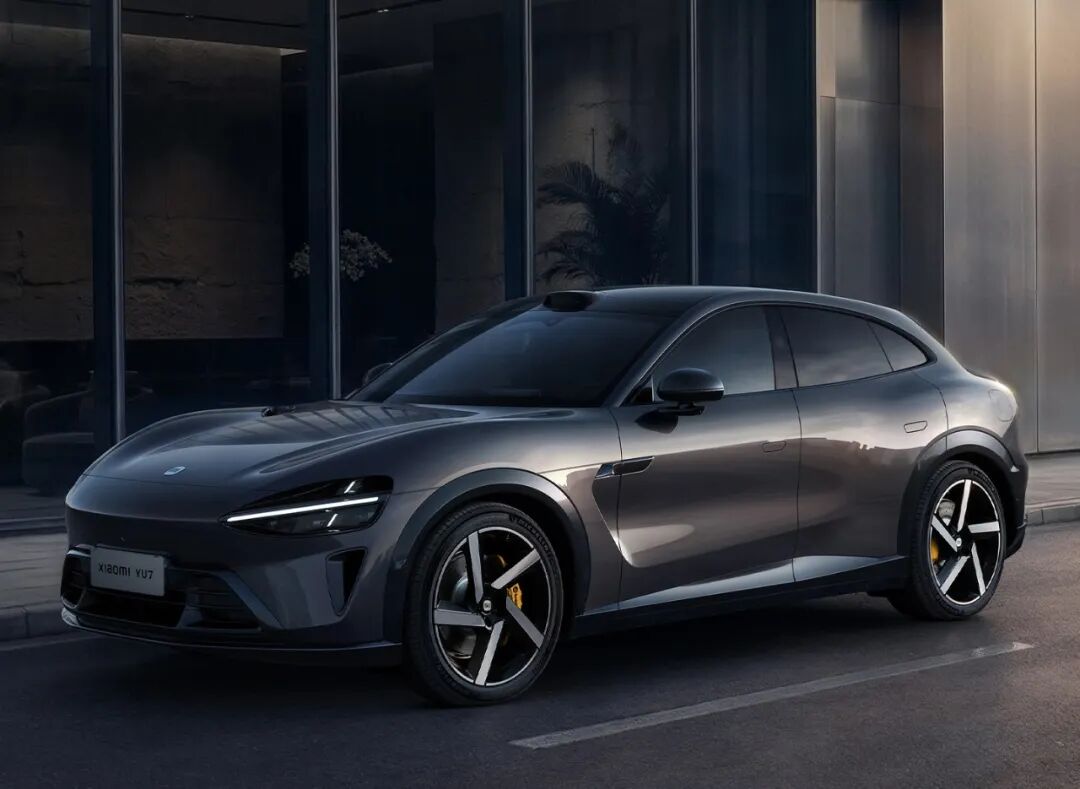
Overall, with the addition of new variants, YU7 sales are expected to rebound in June 2026, surpassing 10,000 units monthly.
The new SU7 is expected to maintain sales of over 20,000 units and may even approach 30,000 units.
Thus, Xiaomi Auto's sales could exceed 40,000 units in June.
Tech Jungle predicts that Xiaomi Auto's deliveries in Q2 will reach approximately 110,000 units, with improvements in both revenue and gross margin for the automotive business.
04 Can the 550,000 Annual Sales Target Be Achieved?
Xiaomi Auto has set an ambitious annual sales target of 550,000 units for 2026.
During the Q1 earnings call, Xiaomi reiterated its confidence in achieving this target.
Based on current sales performance, the first-half KPI will not be met.
Even assuming 110,000 + 80,000 deliveries in the first half, monthly sales must reach around 60,000 units in the second half to achieve the target.
Thus, securing additional growth requires introducing more new products.
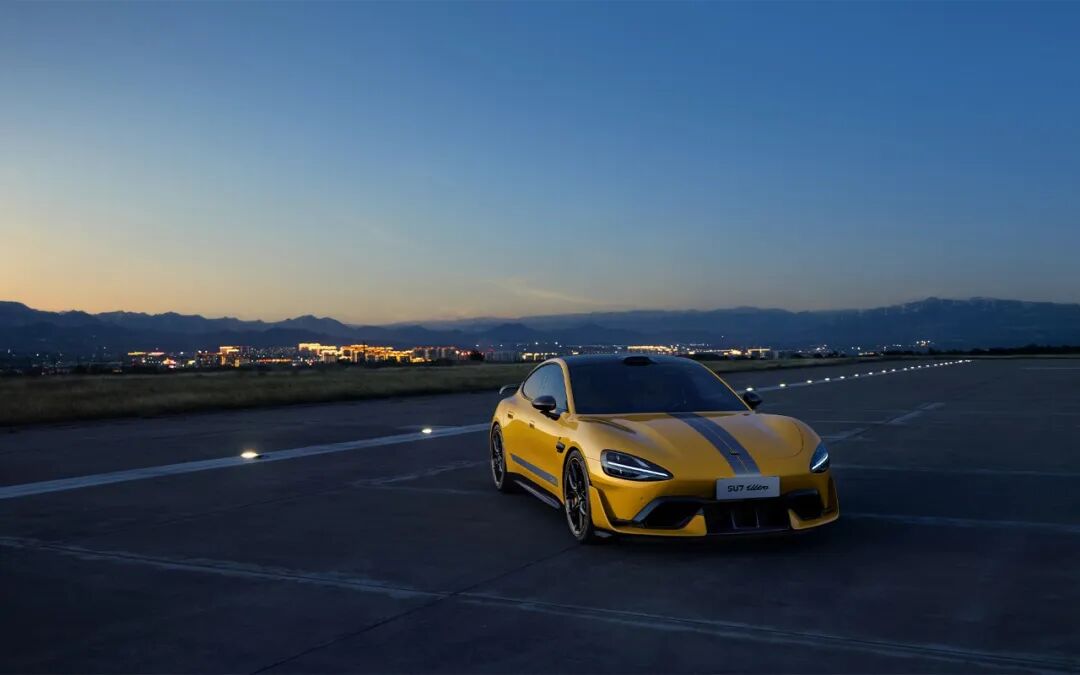
Moreover, the tight timeline means each new model must be a hit to successfully achieve the sales target.
It is known that Xiaomi's extended-range models will launch in the second half of 2026.
"One new platform, multiple models," said Lu Weibing.
Currently, Xiaomi has registered trademarks for "Xuntian" and "SKYNOMAD."
While many media outlets speculate that Xuntian will be an independent brand under Xiaomi Auto, Tech Jungle believes it is more likely to be a second series under the main Xiaomi Auto brand, similar to XPeng's MONA series.
After all, Xiaomi Auto is still in its early stages, with a relatively weak foundation.
Launching a new brand now would require rebuilding market recognition, a challenging and time-consuming process, especially given the shrinking window for establishing new brand awareness in the automotive industry.

This can be referenced from NIO's second brand, ONVO, which has been established for two years but still suffers from low brand awareness.
This is not just my opinion but also the words of NIO's Chairman, William Li.
On April 29, during a media interview following the ONVO L80 product technology launch, Li stated, "ONVO's brand awareness is roughly equivalent to NIO's in late 2019 or early 2020."
"The biggest issue is that many people still don't know about us. However, among those who do, our conversion rate is among the highest in the industry."
Thus, for Xiaomi Xuntian, it would be wiser to operate under the main Xiaomi Auto brand, leveraging its strength, and only consider independence once market recognition is sufficiently established.
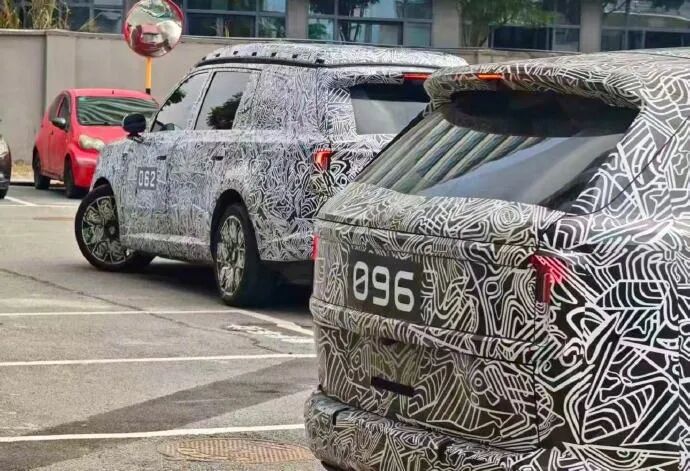
In terms of positioning, the Xuntian series differs from the main brand.
The main Xiaomi Auto brand focuses on pure electric + high performance + tech-driven experiences, emphasizing driving pleasure and technological innovation, positioning itself as a premium brand to compete with Tesla and Porsche.
Xuntian, on the other hand, emphasizes extended-range + spaciousness + family/outdoor use, targeting family travel and long-distance camping, expanding the family market, and differentiating itself from Li Auto and Seres.
Spy shots of the Xuntian N90 have emerged, suggesting it is a full-size 9-series SUV available in both pure electric and extended-range versions.
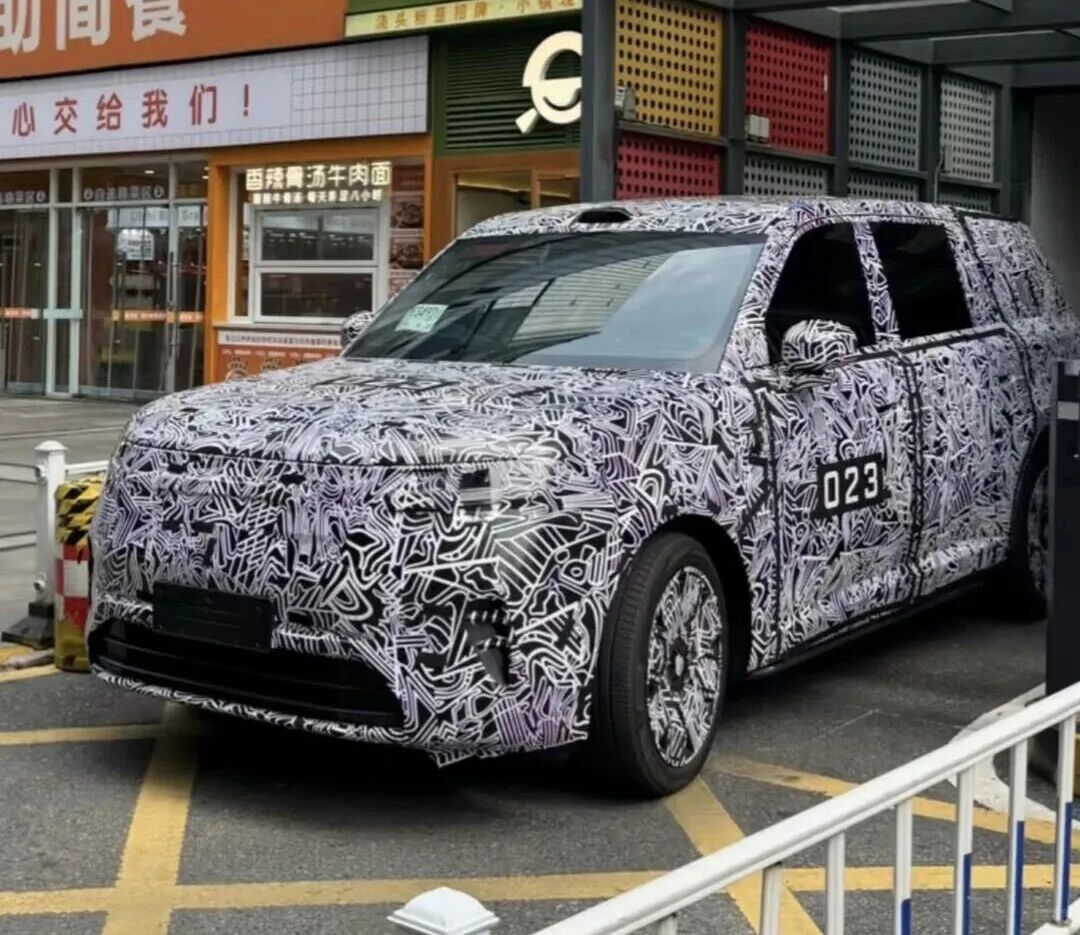
Launching a 9-series flagship model first follows a typical top-down strategy, similar to NIO's approach of launching the ES8 first to set the tone before introducing mainstream models like the ES6.
If this flagship model successfully establishes the brand, subsequent models like the N80 and N70 will have an easier path.
Of course, achieving instant brand recognition hinges on competitive configuration and pricing.
The concentrated exposure of N90 spy
-
![]()
EU Intends to Engage in Trade War with China Amid Chinese Cars Nearing 10% of Monthly Sales in Europe
-
![]()
Shenzhen Rolls Out 'Ten Measures' for New Energy Vehicle Insurance: Integrates Innovative Risk Factors and Adopts Battery-Body Separation Model
-
![]()
If You Can’t Drive a Ferrari Yourself, What’s the Point of Owning One?
-
![]()
ByteDance Clarifies: 'No Car Production, No Investment in Saido!' Seres' Stock Price Plummets to New Lows!
-
![]()
New Energy Vehicles Boast Over 60% Penetration Rate: Joint Venture Automakers Must Accelerate Their Efforts
-
![]()
Why Are New Energy Vehicles Becoming Increasingly 'Bulky'?
-
![]()
Over 12 Years, the Average Passenger Vehicle Has Gained Nearly 400 kg, Sparking Netizens' Queries: When Will New Energy Vehicles Revert to Their 'Standard Size'?
-
Yao Shunyu Gives Tencent AI Its 'Longzhong Dialogue'