New Energy Vehicles Boast Over 60% Penetration Rate: Joint Venture Automakers Must Accelerate Their Efforts
 06/08 2026
 507
507
The latest data from the China Passenger Car Association (CPCA) reveals that in May of this year, retail sales of passenger vehicles across the nation reached 1.545 million units. Among these, retail sales of New Energy Vehicles (NEVs) hit 974,000 units, marking a record-high penetration rate of 63%. In contrast, retail sales of fuel vehicles amounted to only 571,000 units, with their penetration rate dropping to 37%.
Furthermore, during the third week of May, retail sales of NEVs soared to 219,000 units, achieving an astonishing penetration rate of 70.9%. Meanwhile, retail sales of fuel vehicles stood at just 90,000 units, with a penetration rate of less than 30%.
It's also noteworthy that in May, nationwide retail sales of passenger vehicles declined by 20% year-on-year, whereas NEV sales only decreased by 5% year-on-year. In the first 17 days of May, sales of fuel vehicles were a mere 280,000 units, representing a significant year-on-year decline of 35%.
Indeed, the overall market trend is mirrored in the performance of major automakers.
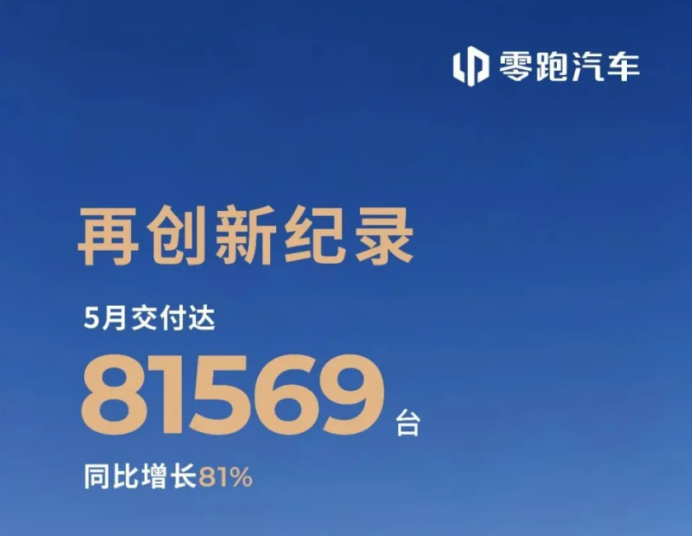
Official data indicates that in May, Aion Hyper BU delivered 33,140 units, up 23.76% year-on-year. VOYAH delivered 13,003 units in May, a 30% increase from the previous year. SERES delivered 33,243 units in May, also up 30% year-on-year. NIO delivered 37,705 units in May, marking a 62.3% year-on-year increase. Leapmotor delivered 81,569 units in May, an 81% year-on-year surge, setting a new monthly sales record for the brand. FANGCHENGBAO delivered 30,196 units in May, a 139.7% year-on-year increase.
In summary, numerous local automakers riding the wave of electrification have achieved outstanding market performance. However, the situation is quite different for joint venture automakers.
SAIC Motor's production and sales report for May is straightforward: SAIC-GM sold 36,625 units in May this year, a 22% year-on-year decline.
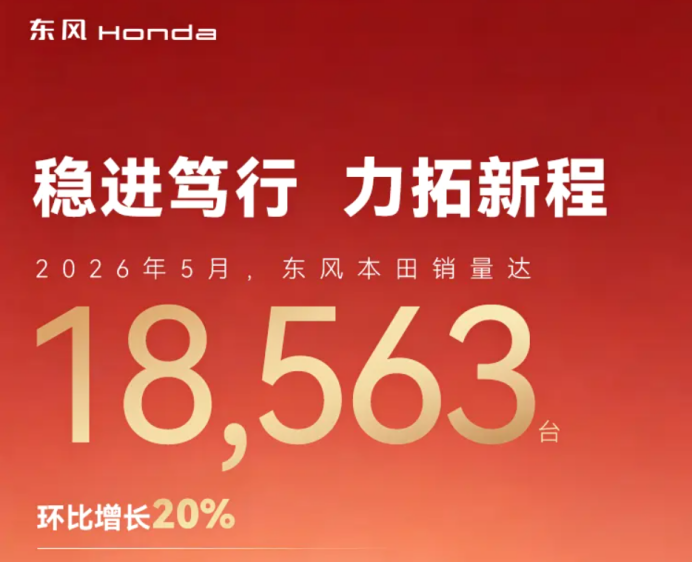
Dongfeng Honda only disclosed that it sold 18,563 units in May this year, a 20% month-on-month increase, but did not announce year-on-year data. Nevertheless, data released by Dongfeng Motor indicates that in May 2025, Dongfeng Honda sold 24,185 units. Based on this, it can be inferred that Dongfeng Honda's sales in May this year decreased by more than 20% year-on-year.
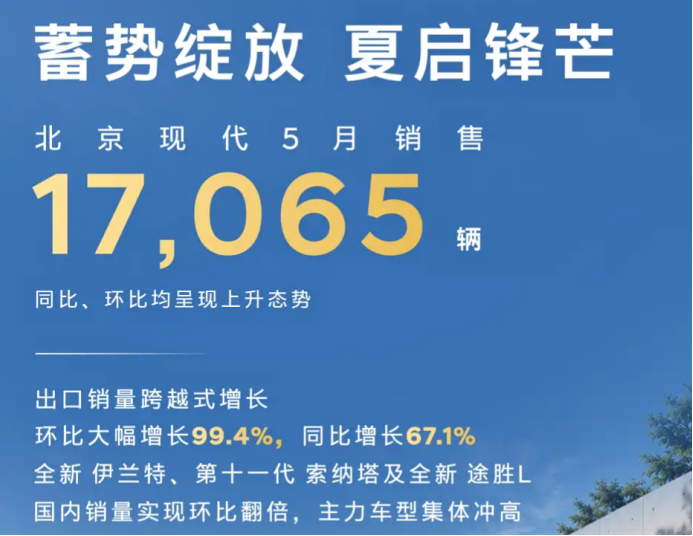
Beijing Hyundai also only stated externally that its sales in May reached 17,065 units, achieving both year-on-year and month-on-month growth, with export volume increasing by 99.4% month-on-month and 67.1% year-on-year.
Data from third-party platforms shows that in April this year, Beijing Hyundai's export volume was 6,944 units. Based on this, it can be inferred that Beijing Hyundai's export volume in May this year was 13,846 units, with domestic sales of only 3,218 units, representing a significant year-on-year and month-on-month decline.
For these major joint venture automakers, fuel vehicles still dominate their current sales, with only SAIC-GM's electrified products showing decent market performance.
Data released by SAIC-GM shows that Buick's NEV terminal sales in May reached 12,253 units, a 39.2% year-on-year increase and a 64.8% month-on-month increase. Behind this impressive performance are the new generation of electrified products launched by SAIC-GM in the past year. Among them, the Velite 7 broke the 10,000-unit delivery mark in its first month on the market, and the Velite series has been the best-selling 400,000-yuan-level new energy MPV for five consecutive months. However, even with SAIC-GM's remarkable NEV market performance, it is still challenging to compensate for the gap left by the decline in fuel vehicle sales.
Compared to SAIC-GM, Dongfeng Honda's electrified products currently have a "dismal" market performance.
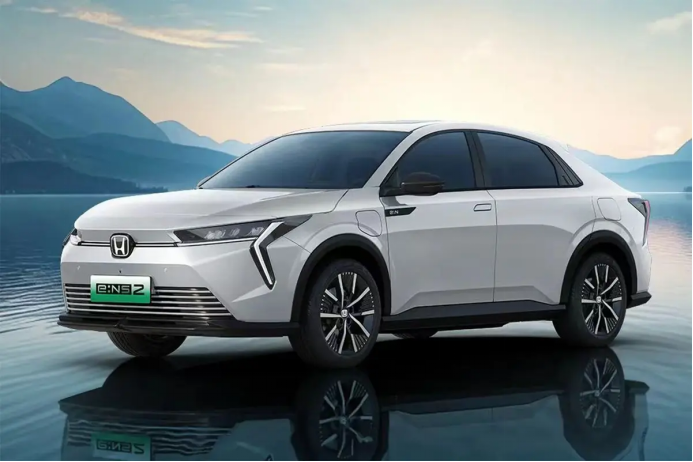
Since its launch, the e:NS2 has had monthly sales of less than 400 units at its peak. This year, the monthly sales of the e:NS2 have been hovering in the double digits. Another all-electric new model from Dongfeng Honda, the S7, has performed slightly better, but that's about it. In the initial stage of its launch, due to its high price, the monthly sales of the Honda S7 were only in the double digits. After significant price cuts, the sales of the Honda S7 have improved slightly, but still only reach a few hundred units per month.
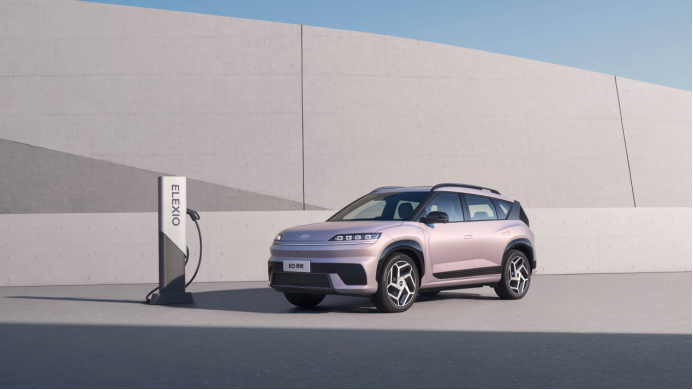
Beijing Hyundai has become one of the least noticeable automakers in the electrified market. Currently, the only NEV product available from Beijing Hyundai is the EO Yio, which was launched at the end of October last year. However, three months after its launch, its monthly sales dropped to the double digits and have remained there ever since.
To maintain their market share in the fuel vehicle segment, many joint venture automakers have been offering vehicles at reduced prices for years.
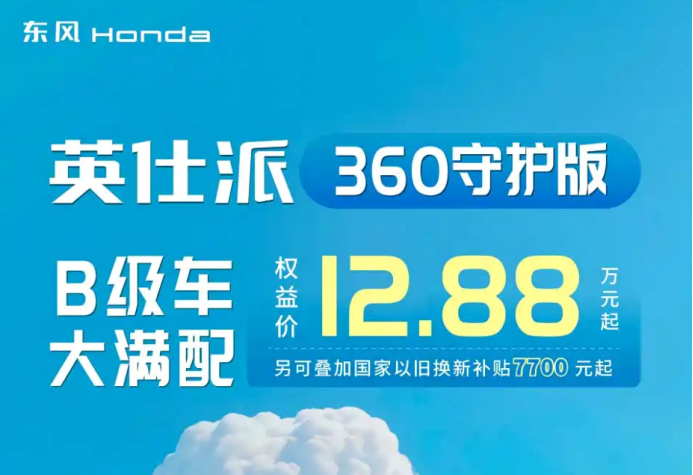
Public information shows that currently, the maximum cash discount for the Dongfeng Honda XR-V reaches 30,000 yuan, the Civic up to 32,000 yuan, the CR-V up to 46,000 yuan, and the Inspire up to 54,000 yuan, with the lowest special price starting at 128,800 yuan.
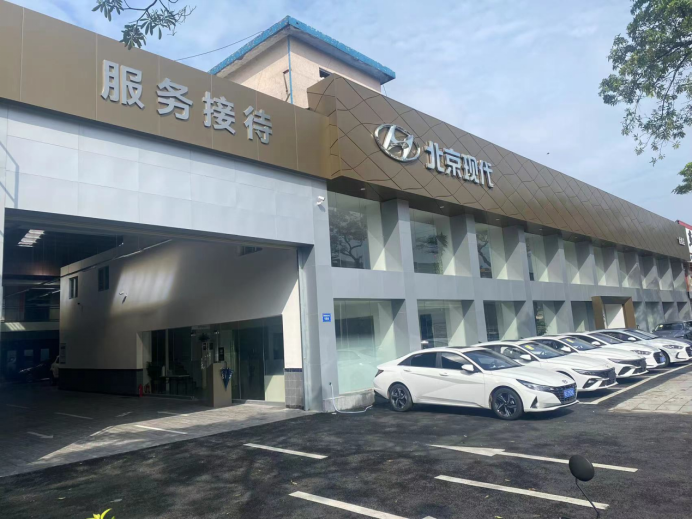
For Beijing Hyundai, the Elantra's special price has dropped to 72,900 yuan, the Tucson L's lowest price after discounts is only 119,900 yuan, and the Santa Fe's bare car price is only 157,800 yuan.
According to official news from Yueda Kia, the national flat price for the Kia Stonic 1.4L IVT Fun Automatic version has been set at 55,900 yuan, the Kia K3 at 69,900 yuan, and the Sportage 1.5T at 109,900 yuan. According to official information from SAIC-GM, the Cadillac CT5 is currently priced as low as 199,900 yuan.
However, the reality is that significant price cuts have not only failed to halt the decline in sales but have also severely eroded brand premium and dealer profits, triggering a chain reaction in the distribution channel.
In the short term, sales and market share of fuel vehicles are likely to continue to decline. During this process, joint venture automakers will also face greater challenges that can be anticipated. For joint venture automakers, if they cannot launch products with true competitiveness in terms of intelligence and electrification, their market position will not undergo a fundamental change.
Currently, automakers such as FAW-Volkswagen, SAIC Volkswagen, SAIC-GM, Dongfeng Nissan, and Changan Mazda have all launched new electrified products that better meet the needs of Chinese consumers in their own ways. Although most of these new products have not yet gained market recognition, they have at least taken the right step.
Dongfeng Honda and others need to accelerate their pace as well.
(Images sourced from the internet, removed if infringing)
-
![]()
5 Years, 170 Billion Yuan Wealth Vanishes: Where Did Wei Jianjun Go Wrong?
-
![]()
What Exactly Has Changed with the AI That Automatically Opens a Browser to Search Xiaohongshu?
-
![]()
Over 3,000 Heat-Related Deaths Daily, Yet India Imposes Ban on Chinese Air Conditioner Imports: Unraveling the Underlying Motives
-
![]()
Second-Hand Car Prices Plummet: Are Gasoline Vehicles on the Verge of Collapse?
-
![]()
800V vs. 48V: Which Reigns Supreme? Online Clash Between Executives Intensifies Debate Over Li Auto and NIO's Suspension Systems | MIRROR Pro
-
![]()
Anthropic Files, MiniMax Rushes for A-Share Listing, but What I Really Want to Discuss is the M3 Model
-
![]()
Proceed with Caution Before Entering the Indian Auto Market: Even Musk Faced Challenges, What Makes Chery Think It Can Succeed?
-
![]()
EU Intends to Engage in Trade War with China Amid Chinese Cars Nearing 10% of Monthly Sales in Europe