Global Robotaxi Race Steps into Mass Production Phase
 06/12 2026
 578
578
Lead | Introduction
Following years of technological advancements, policy experimentation, and market refinement, the global Robotaxi industry is transitioning from its experimental phase into a critical period for commercialization and large-scale deployment. Driven by a combination of policy support, cost reductions, and technological maturity, domestic and international markets are exhibiting distinct development patterns, with short-term operational strategies and medium- to long-term industrial transformation trends becoming increasingly defined.
Produced by | This article is produced by | Heyan Yueche Studio
Written by | Article composed by | Zhang Dachuan
Edited by | Edited by | He Zi
2,858 Chinese characters
4-minute read
Recently, Zeekr’s custom-built L4 autonomous driving model, the Ojai, developed exclusively for Waymo, officially commenced passenger operations in San Francisco. Amid ongoing U.S. restrictions on China’s electric vehicle sector, this launch represents a significant milestone, demonstrating that Chinese automakers now hold substantial influence in the global Robotaxi market.
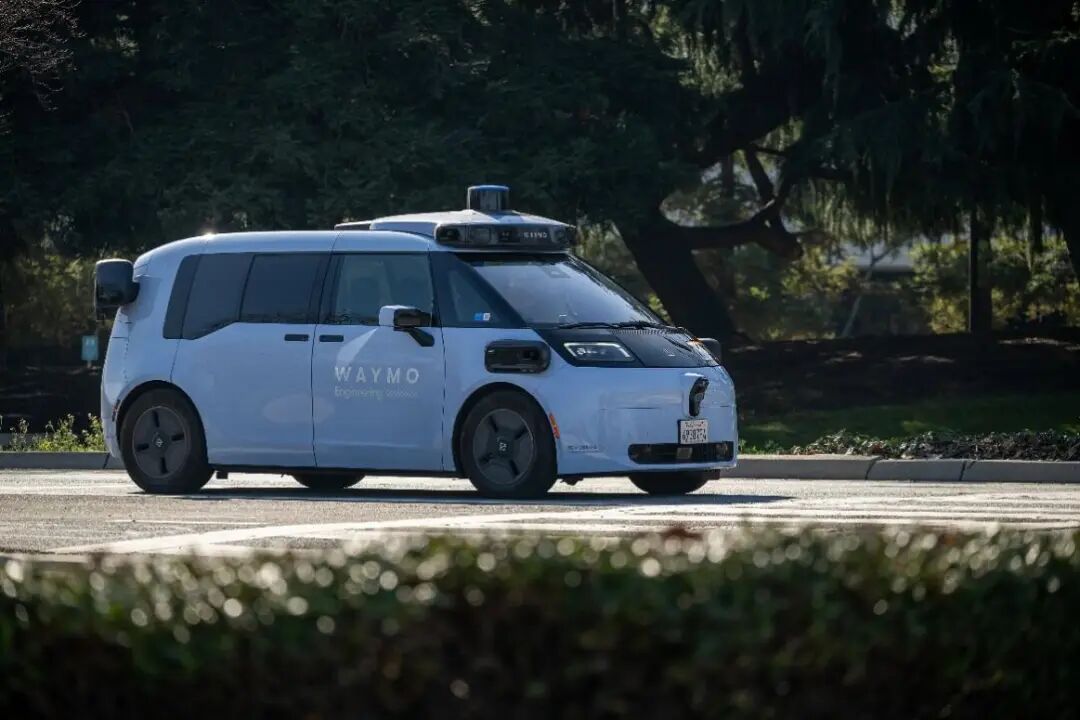
△ Zeekr’s custom-built L4 autonomous driving model, the Ojai, developed exclusively for Waymo, officially commenced passenger operations in San Francisco
Industry Trends: Global Regulatory Frameworks Mature as Costs Decline
The global regulatory landscape for autonomous driving is rapidly evolving, with vehicle and sensor hardware costs continuing to drop. 2026 has emerged as a pivotal year for Robotaxi, marking the transition from demonstration projects to large-scale commercialization. Multiple indicators suggest the industry has moved beyond its prolonged pilot phase, entering a new stage characterized by simultaneous commercial rollout and global expansion.
Accelerated Commercialization of Domestic Robotaxi
In 2026, China’s regulatory framework for Robotaxi has advanced significantly. The Ministry of Industry and Information Technology released a draft mandatory national standard for L4 autonomous driving, specifying entry requirements for mass-produced models in terms of vehicle computing power, sensing equipment, and system redundancy. The Ministry of Public Security concurrently issued road traffic regulations for autonomous vehicles, set to take effect in July, standardizing road access rules, accident liability determinations, and traffic management requirements for L3 and L4 vehicles. Currently, 26 cities have launched commercial Robotaxi services without safety drivers, with local governments introducing specialized policies to support industry growth. Shenzhen has led the way in implementing local legislation for intelligent connected vehicles, enforcing strict data localization management for autonomous driving.
Supported by these policy incentives, the industry has reached a critical inflection point for large-scale commercialization. Mobility tech firms and automakers are advancing in tandem, forming a development pattern of bidirectional progress in mass production and operational expansion.
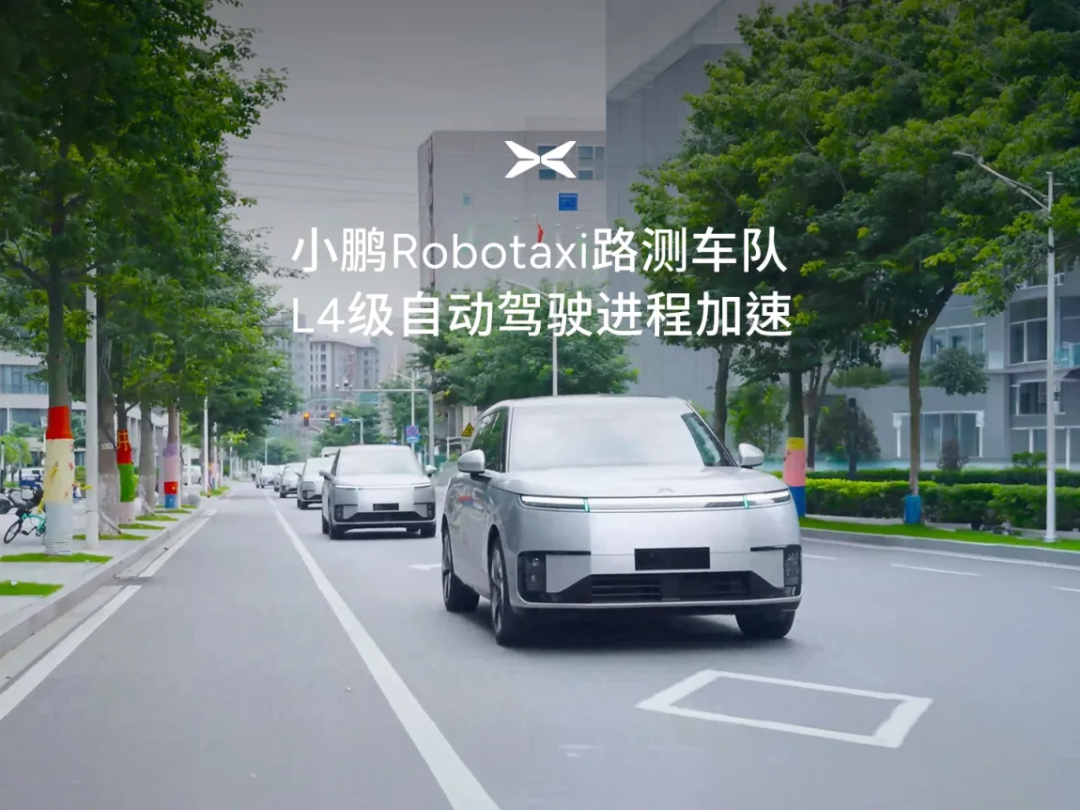
△ XPENG GX, China’s first factory-built Robotaxi prototype developed to L4 autonomous driving standards, has entered mass production
Beyond Zeekr’s custom L4 model, the Ojai, for Waymo, other domestic leaders are also making significant strides. Baidu’s Apollo Go has expanded its operational footprint to 22 cities, maintaining steady growth in daily orders. Pony.ai secured commercial operation qualifications across Shenzhen, achieving per-vehicle profitability in Guangzhou and Shenzhen ahead of rivals, while collaborating with Toyota to advance mass production of custom Robotaxi models. Automakers are accelerating deployments: XPENG GX, China’s first factory-built Robotaxi prototype developed to L4 autonomous driving standards, has entered mass production. Geely, through its Cao Cao Mobility platform, has launched demonstration operations of steering wheel-free dedicated Robotaxis in Hangzhou. Additionally, WeRide continues to deepen multi-city commercial projects with regular passenger services on multiple routes, while Didi Autonomous Driving expands its driverless fleet across regions, refining operational service capabilities—accelerating commercialization momentum industry-wide.
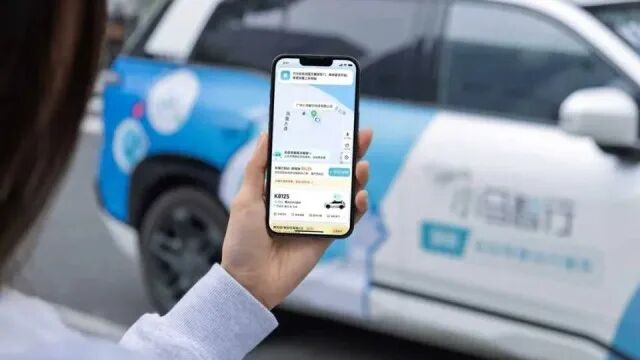
△ Pony.ai achieved per-vehicle profitability in Guangzhou and Shenzhen ahead of rivals
Global Regulatory Frameworks Take Shape to Support Robotaxi
While the domestic Robotaxi market thrives, 2026 also marks a critical year for autonomous driving regulations overseas. In the U.S., the 2026 Autonomous Driving Act has entered deliberation, significantly relaxing mass production exemptions for steering wheel-free dedicated Robotaxis. Previously fragmented regulatory rules across U.S. states will be unified by this federal legislation, clearing obstacles for cross-state large-scale deployment of autonomous vehicles. The EU, building on its existing Artificial Intelligence Act and autonomous driving exemption rules, is gradually opening L4 commercial operation permissions in core urban areas, with major European countries such as the UK, Germany, and France refining liability determination clauses for traffic accidents. Japan, South Korea, and the UAE are also continuously improving access standards, designating commercial demonstration zones, and striving to maintain competitiveness in the autonomous driving race.
As policies take effect, global automakers and tech firms are accelerating deployments and intensifying efforts.
Waymo, equipped with Zeekr’s dedicated electric vehicle chassis, completed mass assembly of its sixth-generation autonomous driving system at U.S. factories, significantly reducing overall manufacturing costs. This model, which eliminates steering wheels and pedal structures, represents a true driverless vehicle. Waymo plans to start in San Francisco and gradually expand to multiple U.S. cities, aiming for tens of thousands of units in annual production while advancing operational rollouts in overseas cities such as London and Tokyo.
As Waymo’s primary North American competitor, Tesla is also ramping up efforts, launching a safety driver-free Robotaxi service in its Austin headquarters and planning expansions to Texas cities like Dallas and Houston this year. Leveraging its pure vision-based technical route, Tesla’s Robotaxi model, the Cybercab, offers distinct cost advantages. With no new model releases planned for now, the company is fully focusing on autonomous mobility services. Restructured Cruise has regained California road testing licenses, steadily resuming demonstration operations. Uber continues to expand its autonomous driving fleet, now offering Robotaxi ride-hailing services across North America and the Middle East, accelerating its transformation from a traditional ride-hailing platform to an autonomous mobility aggregation platform.
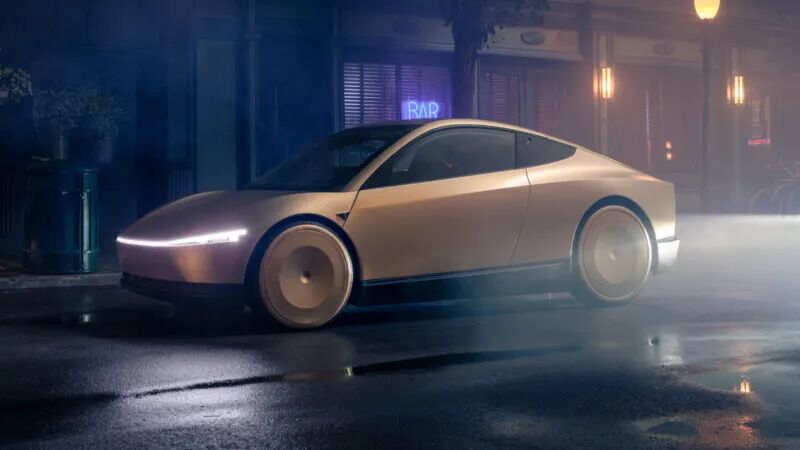
The U.S. Robotaxi market is witnessing a flourishing competitive landscape
Additionally, Hyundai has launched paid autonomous driving trials in Seoul in partnership with Motional; Nissan is collaborating with Uber, while a UK team works with Waymo to advance driverless taxi deployments in Tokyo. Multiple Chinese autonomous driving firms have completed commercial preparations in Singapore and South Korea, with overseas markets overall transitioning from road testing to regular paid operations. Chinese firms’ global expansions are also noteworthy. In Europe, WeRide launched Madrid’s first commercial Robotaxi service on June 3, marking its 12th global city deployment. Pony.ai partnered with Uber to launch operations in Zagreb, Croatia, creating Europe’s first citywide paid Robotaxi project. Dubai, leveraging its relaxed industrial policies, has concentrated launches of fully driverless projects from Baidu, WeRide, and Pony.ai, gradually building a regional autonomous driving hub.
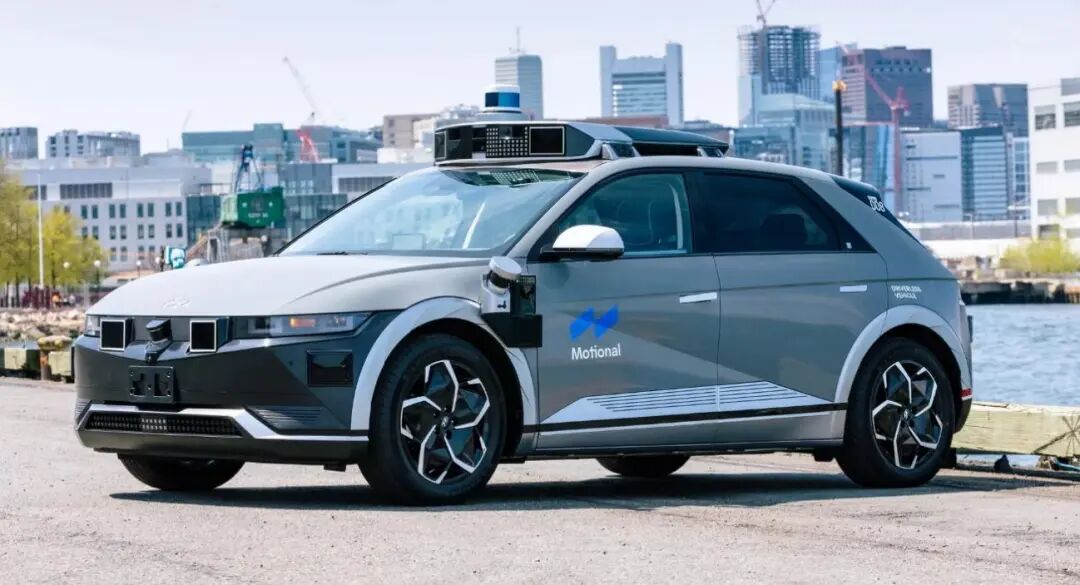
△ Japanese and Korean automotive giants are also advancing commercialization of Robotaxi
Robotaxi Holds Promising Future
Projections indicate the global Robotaxi market could exceed $400 billion by 2035, with China’s domestic market entering the hundred-billion-yuan scale, showcasing vast industry prospects.
At the policy level, global autonomous driving regulations will transition from pilot rules to unified legislation over the next 3–8 years. China will introduce national unified regulations for L4 vehicle access, accident liability, and data security management, gradually permitting fully driverless operations on highways and intercity routes. Overseas markets in Europe, the U.S., Japan, and South Korea will continue to relax controls, removing legal barriers to commercialization of fully driverless operations. By maintaining safety baselines while easing policies, regulators worldwide aim to enhance local automakers’ global competitiveness and solidify institutional foundations for long-term industry development.
Cost reductions are also on the horizon. With large-scale production of onboard large models, domestic LiDAR, and wire-controlled chassis, Robotaxi hardware costs continue to decline. The Leapmotor A10 now retails for as low as RMB 86,800, already equipped with LiDAR. By around 2027, mainstream domestic models capable of Robotaxi operations are expected to cost RMB 150,000–200,000. Meanwhile, Robotaxi’s per-kilometer operational costs already undercut traditional ride-hailing services, with the industry nearing a large-scale profitability threshold. As operational footprints expand, scale effects will further amplify. The vast road test data accumulated from growing vehicle fleets will continuously optimize autonomous systems’ ability to handle complex road conditions, reducing accident rates significantly below human driving levels and steadily boosting public acceptance.
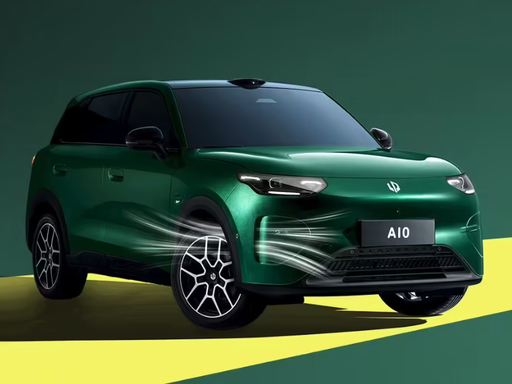
△ As technology advances and scale expands, Robotaxi hardware costs continue to decline
For automakers, future B-end mobility services and C-end retail will emerge as two distinct tracks, with Robotaxi representing a clear direction in the mobility sector. Industry players will accelerate deep collaboration, with automakers, algorithm firms, mobility platforms, and component suppliers forming vertically integrated industrial alliances. Automakers currently relying on mobility services for incremental orders risk B-end order contraction if they fail to promptly complete business deployments and resource integration. Additionally, domestic automakers and autonomous driving firms will accelerate overseas expansions. Technology licensing + local fleet partnerships will become mainstream models for rapid overseas market penetration. In this process, protecting core intellectual property and data security, complying with overseas autonomous driving regulations, and exploring sustainable profit models will be equally critical.

△ Robotaxi has emerged as a clear development direction in the mobility sector
Commentary
Overall, Robotaxi has completed technological validation, with policy refinement, cost reductions, and demand realization now fully matured as core drivers. The global competitive landscape is clear: China leverages its tiered regulatory system and complete industrial chain to achieve dual breakthroughs in commercialization and overseas expansion; Europe and the U.S. are liberalizing regulations to support local industries while imposing stringent data compliance barriers to restrict foreign entrants. In the short term, the industry will focus on refined operations in core cities to refine stable profit models; in the medium to long term, as L4-native autonomous models achieve large-scale deployment, Robotaxi will deeply integrate into urban public mobility, reshaping the traditional ride-hailing and taxi industry landscape.
(This article is original to Heyan Yueche and may not be reproduced without authorization.)
-
WeChat’s AI Evolution: Tencent’s High-Stakes Gamble
-
![]()
How did the dot-com bubble burst 26 years ago?
-
![]()
Tencent is a Mirror Reflecting Alibaba's Dilemma
-
![]()
Global Robotaxi Race Steps into Mass Production Phase
-
618 Battle Report | Weekly 3C Digital Rankings (June 1-7)
-
![]()
52,500 Square Meters: Weina Xingkong’s New Headquarters to Rise Here→
-
![]()
AI Pet Language Translator Priced at 799 Yuan: Whose Mind Can It Read?
-
![]()
Following First Loss in 70 Years, Honda Veterans Unite to Demand CEO's Resignation, Citing Three Major Failures! They Directly March into Headquarters to Demand His Dismissal