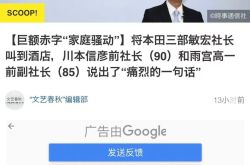
Following First Loss in 70 Years, Honda Veterans Unite to Demand CEO's Resignation, Citing Three Major Failures! They Directly March into Headquarters to Demand His Dismissal
 06/12 2026
 356
356
Declining performance has once again thrust Honda into a drama reminiscent of palace intrigue. According to Reuters, a rare internal power struggle has erupted among top executives at Japanese automotive giant Honda. A group of retired veterans, led by 90-year-old former president Nobuhiko Kawamoto, has publicly impeached current CEO Toshihiro Mibe, demanding his immediate resignation. Kawamoto even took the bold step of storming the Tokyo headquarters to demand Mibe's ouster. This "forced resignation" was not a hasty decision; retired executives have been secretly coordinating their efforts since late 2025. The veterans accused Mibe of three major failures:
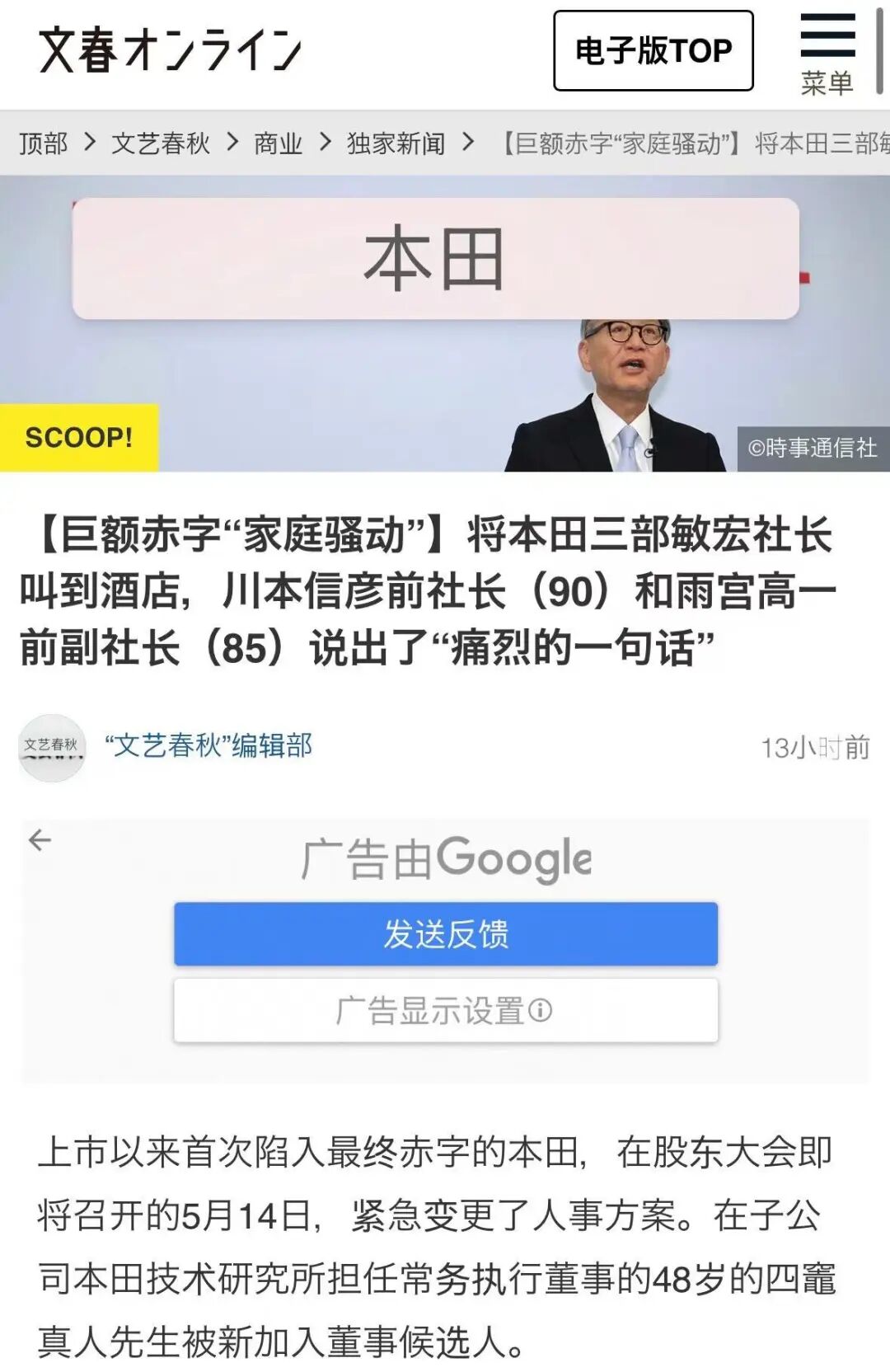
Failure One: Complete Neglect of the Chinese Market. Since assuming office in 2021, Mibe has rarely visited China, allowing Honda's market share to plummet from 8% in 2020 to less than 3%. Sales have halved, dropping from 1.627 million units to 645,000 units in 2025, resulting in nearly 1 million fewer units sold over five years. The veterans cited founder Soichiro Honda's emphasis on "Genba-ism" (on-site management), accusing Mibe of failing to inspect frontline operations in China and even skipping the most important auto shows.
Failure Two: A High-Stakes Gamble on Electrification That Failed. Mibe blindly bet on pure electric vehicles, investing trillions of yen with little to show for it. Electric vehicle sales in fiscal 2025 fell short of 20,000 units, and massive asset impairments dragged down financial results.
Failure Three: An Obsession with Golf at the Expense of Core Business. The veterans accused Mibe of being overly enthusiastic about sponsoring golf events and frequently playing with professional golfers, neglecting core business management. This was indeed unexpected; the phrase "indulging in pleasures and neglecting duties" seems fitting here.
Faced with collective impeachment from the veteran group and public pressure, Mibe refused to resign voluntarily. After weighing various factors, the Honda board ultimately decided to retain his position as CEO. However, in response to the company's massive losses, the board penalized Mibe with a 30% salary cut for three months, a symbolic gesture of accountability for the operational failures.
The storm appears to have temporarily subsided, but the publicized internal conflicts have exposed rifts within Honda's management, leading to an internal trust crisis.
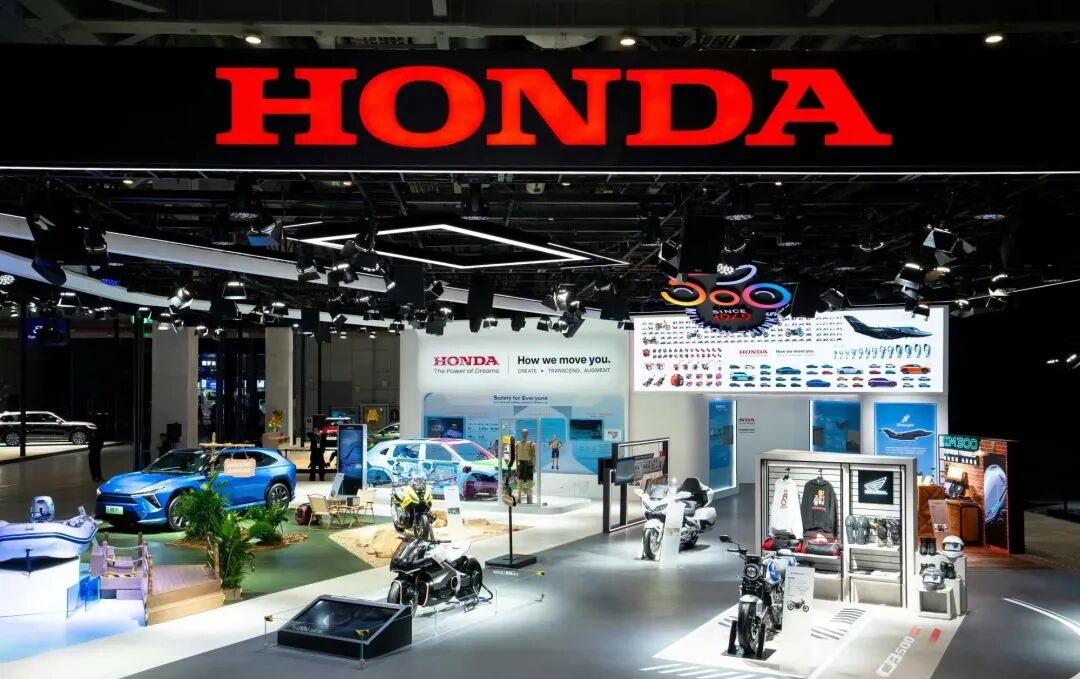
The trigger for this top-level turmoil can be traced back to a dismal financial report. On May 14, 2026, Honda officially released its fiscal 2025 performance report, covering the period from April 2025 to March 2026. Multiple core metrics hit multi-year lows, with a net loss of ¥423.9 billion (approximately RMB 18.2 billion) for the fiscal year. This marked the brand's first annual loss since going public in 1957, compared to a profit of ¥835.8 billion in the previous fiscal year. The electrification business was hit hardest, with losses in related operations reaching ¥1.45 trillion, as massive R&D and production investments failed to yield returns. Globally, Honda's annual vehicle sales reached 3.387 million units, a year-on-year decrease of 329,000 units, with sales declines in the Chinese market accounting for more than half of the total reduction.
A deeper analysis reveals that Honda's current development predicament stems from management arrogance and a sluggish response to market changes. Honda was once a top performer in the Chinese automotive market, with both reputation and sales soaring. In 2020, sales in China exceeded 1.627 million units, with a stable market share of 8%. Models like the Civic and CR-V led their respective segments for extended periods. However, after Mibe took over management, the brand's attitude toward the Chinese market underwent a dramatic shift.
Top executives, detached from the frontline market for too long, failed to promptly grasp the rapid development trends of new energy and intelligent connected technologies in China. Instead, they clung to traditional internal combustion engine vehicles. While domestic brands were upgrading intelligent cockpits and developing advanced autonomous driving technologies, Honda's electric products were mostly simple retrofits of outdated internal combustion engine models, lacking inherent competitiveness. It wasn't until March 2026 that Mibe visited China for the first time, witnessing the market transformation firsthand. He reluctantly admitted that the Chinese automotive industry had already entered the "smartphone era," while Honda was still stuck in the "flip phone stage." By then, however, the best window for catch-up had already been missed.
This internal conflict is essentially a clash between two development paths within Honda. The older generation of managers, represented by the retired executives, adhere to the brand's long-standing "Genba-ism," believing that deep cultivation of the Chinese market is the foundation of Honda's success. Allowing this core market to decline is tantamount to shaking the company's roots. In contrast, the current management team, centered around Mibe, leans more toward creating a global balanced layout, shifting the development focus to North American and Southeast Asian markets while continuously weakening the strategic position of the Chinese market. The intense opposition between these two business philosophies ultimately led to the full eruption of internal conflicts.
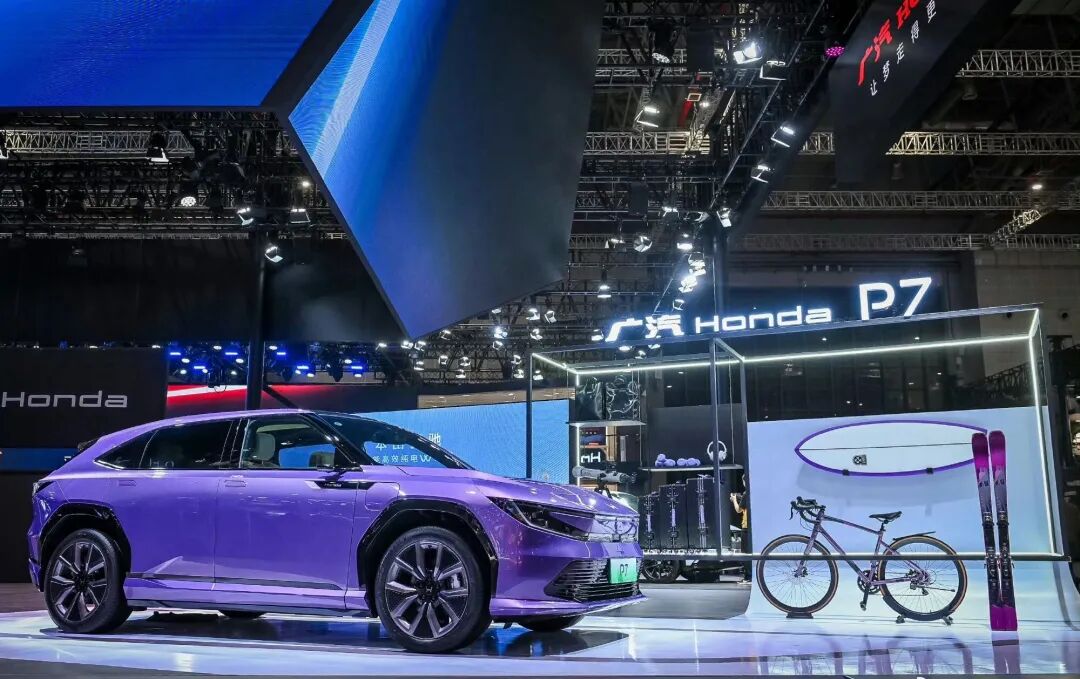
Amid the global wave of electrification transformation, Honda has wavered and fallen behind the industry. The company insists on independent R&D of pure electric platforms, deliberately excluding the mature Chinese supply chain. This not only drives up manufacturing costs but also results in product update speeds far behind competitors, leading to repeated defeats in competition with mainstream new energy brands. Even Honda's once-proud hybrid technology has lost its luster, with Toyota firmly maintaining its hybrid technology barriers and domestic brands rapidly rising with hybrid systems like DM-i and Leimotor, eroding the competitive edge of Honda's classic i-MMD technology and gradually stripping it of pricing power in the fierce market competition.
Veterans exerting pressure on current executives is not unprecedented in Honda's history. As early as 2015, Kawamoto, who is now leading the charge, had warned then-president Takanobu Ito in person over product quality and vehicle reliability issues, with many retired executives expressing dissatisfaction internally. Soon after, Honda announced Ito's resignation, with Takahiro Hachigo taking over as CEO.
However, times have changed. In recent years, Honda has completed management system reforms, introducing an independent external director system. The company's three core committees now require more than half of their members to be external directors, and director candidates must be selected by the nomination committee before being submitted to the shareholders' meeting for a vote. These institutional adjustments have significantly weakened the voice of retired veterans, which is a key reason why their collective forced resignation attempt failed to achieve a leadership change this time.
Honda's operational crisis and internal turmoil represent a highly typical event in the transformation journey of traditional automakers. For this veteran automaker to emerge from its current predicament and stage a comeback, it must thoroughly abandon its past arrogance, re-evaluate the value of the Chinese market, deeply integrate into the local industrial chain, and actively embrace China's mature supply chain and cutting-edge automotive technologies. If it continues to cling to outdated thinking and ignore market changes, the future crises may extend beyond a single high-level manager to Honda's entire business footprint in China.
-
![]()
Tencent is a Mirror Reflecting Alibaba's Dilemma
-
![]()
Global Robotaxi Race Steps into Mass Production Phase
-
618 Battle Report | Weekly 3C Digital Rankings (June 1-7)
-
![]()
52,500 Square Meters: Weina Xingkong’s New Headquarters to Rise Here→
-
![]()
AI Pet Language Translator Priced at 799 Yuan: Whose Mind Can It Read?
-
![]()
Following First Loss in 70 Years, Honda Veterans Unite to Demand CEO's Resignation, Citing Three Major Failures! They Directly March into Headquarters to Demand His Dismissal
-
![]()
Zhu Mingming's Obsession with AI Pioneering: A Thorn in the Side of Rokid's Smart Glasses Privacy?
-
![]()
Insta360 Leads Global Market, Yet Profit Signals Remain Subdued