After 30 Years of Repairing Cars, Traditional Repair Shops Are Finally Being Overtaken by New Energy Vehicles
 06/23 2026
 390
390
By Bai Jiajia
"No overhead costs at all. Raking in 40,000 yuan a day is pretty decent, right?"
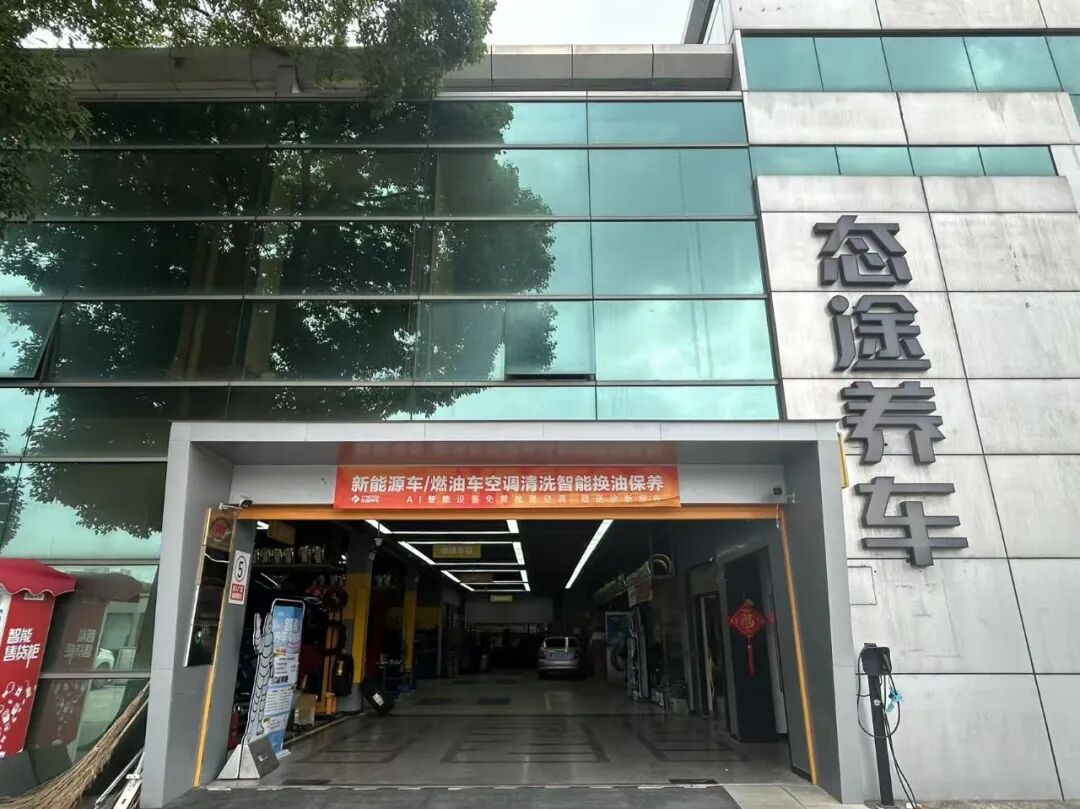
In the second-floor office of Taitu Auto Care on Ximenzhi Road in Nanjing, founder Lv Yanqing's eyes lit up as he discussed a new business opportunity he recently discovered—
No authorization from new energy vehicle companies is required, nor are intricate technical skills necessary. All that's needed is purchasing some inexpensive equipment, and vehicle owners troubled by reduced driving range are willing to pay several hundred yuan to have their battery performance restored.
Taitu Auto Care is a chain auto repair brand with nearly 10 locations in Nanjing alone. Most of Lv Yanqing's peers in the auto repair industry find it hard to believe that such a profitable business exists today; they're facing a very different reality.
Wang Fei, who has run an auto repair shop in Nanjing for over 20 years, shared with us that as new energy vehicles become more widespread, he's grappling with the dilemma of "no cars to repair":
In the past, a dozen or so cars would queue up outside the shop for maintenance. Nowadays, there are only three or four cars per day, and monthly income has plummeted by three-quarters. The shop has laid off staff until only three people remain, who still take turns lounging on the sofa, "bored to the point of dozing off."
Data indicates that from 2023 to 2025, over 80,000 traditional auto repair shops have closed nationwide, accounting for nearly one-fifth of the industry. However, in Wang Fei's opinion, this figure is still overly conservative.
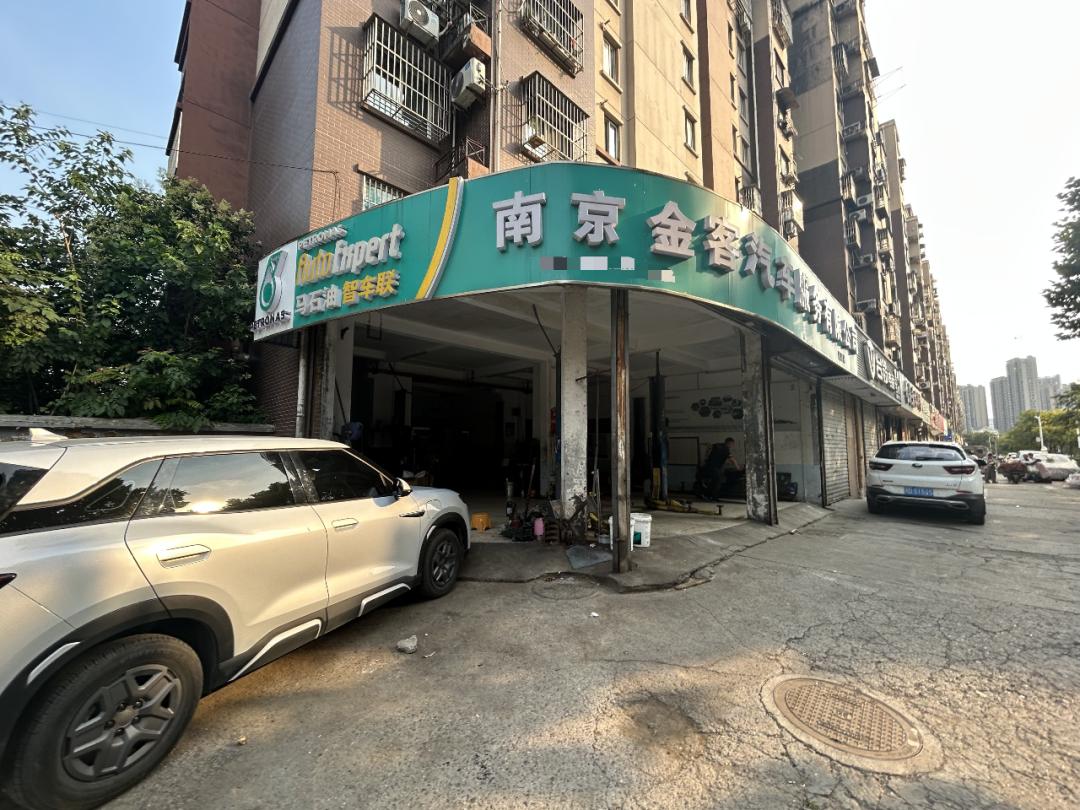
He cited his own location on Chaiyuan North Road in Nanjing as an example. Originally, there were over twenty repair shops of various sizes in the area, but now only six remain operational. Even the seasoned mechanics who persist have to moonlight as Didi drivers or delivery personnel during their downtime to supplement their income.
"This is quite common," remarked Lv Yanqing, whose Taitu Auto Care also began as a traditional auto repair shop. Shouldering the livelihoods of hundreds of employees, he deeply empathizes with the struggles of old auto repairmen like Wang Fei. When asked how many of the nation's over 400,000 auto repair shops will survive, Lv initially said, "Half," then paused and revised his estimate: "Maybe even less."
To be among the few survivors, he can only push himself with the principle of "survival of the fittest," hoping to weather the toughest years of the new energy era through innovation. That new business is one of the fruits of his efforts.
But the question lingers: No one knows how long this downturn will last.
Even less is known about how much market space will remain for traditional auto repair shops, which have relied on the expertise of veteran mechanics, once new energy vehicle companies finally loosen their grip on maintenance systems, software permissions, and user access.
All day, Wang Fei lounged on the sofa with nothing to do.
He stretched out his wrinkled hands—a result of severe dehydration caused by years of engine oil corroding the skin's protective layer—and pointed to himself: a 49-year-old man of average build with a buzz cut and a helpless expression, along with his equally idle partner.
"There are only three or four cars per day. Just us and one young apprentice remain in the shop, still bored enough to 'doze off all day.'"
Wang Fei entered the industry in 1995 and has been repairing cars for over 30 years.
He has witnessed the streets transform from a few scattered cars to dense lines of them like marching ants over the past three decades, watching as they entered his and his partner's repair shop—which they had purchased by selling two properties—due to various malfunctions.
During the shop's busiest years, eight people were not enough to handle the workload, and earning a million yuan annually came easily to Wang Fei. His favorite saying at the time was: "A skilled craftsman won't go hungry even in barren times."
But now, with the true arrival of the "barren times," his perspective has shifted.
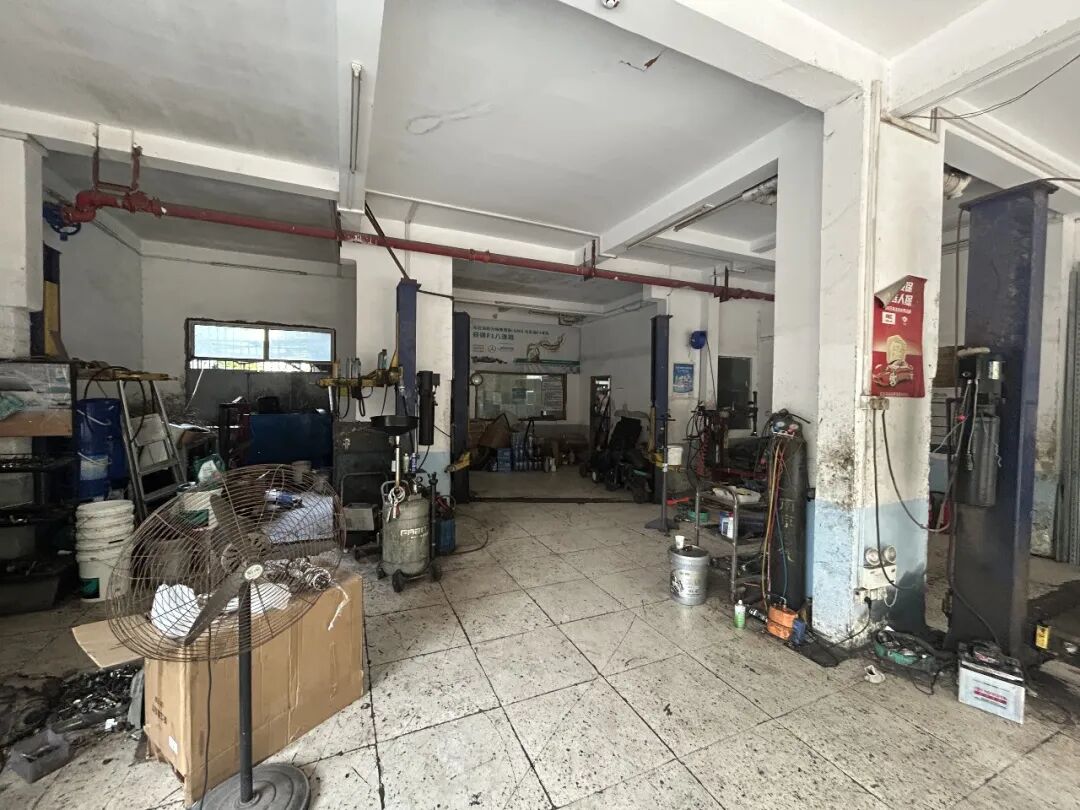
"I see no hope." Wang Fei rose from the sofa, tugged at his black T-shirt emblazoned with the Petronas logo, and walked through the dimly lit repair bay—where the lift sat idle and only one car was being serviced—before pointing to a nearby grain and oil store.
"They used to have five gasoline vehicles and would come to me for maintenance once a month, spending at least 30,000 yuan a year. Now that they've switched entirely to electric vehicles, I feel like I haven't seen them in almost a year."
In Wang Fei's view, there are many reasons for the "lack of cars to repair," but the most direct change is the disappearing demand.
On one hand, many of Wang Fei's long-time customers come from traditional industries like real estate. "If they can't find business and aren't driving, of course I don't have any either." On the other hand, Wang Fei acknowledges that new energy vehicles are less prone to malfunctions, with their three electric systems (battery, motor, controller) securely encased in metal shells, unlike engines and transmissions that require frequent maintenance.
But what truly frustrates Wang Fei is that even when new energy vehicles do have issues, it's unlikely he'll be the one to fix them.
"Talking about the three electric systems is a luxury." Wang Fei gave an example: Last year, a BYD owner came to his shop because the heating system had failed. Wang Fei diagnosed the issue as a faulty heating pump and proposed replacing it.
This wasn't a complex job, but after hesitating, the owner took the car to a more expensive 4S store instead. The reason given left Wang Fei helpless: fear that the brand would deny warranty coverage later, claiming that third-party repairs had affected the electrical system.
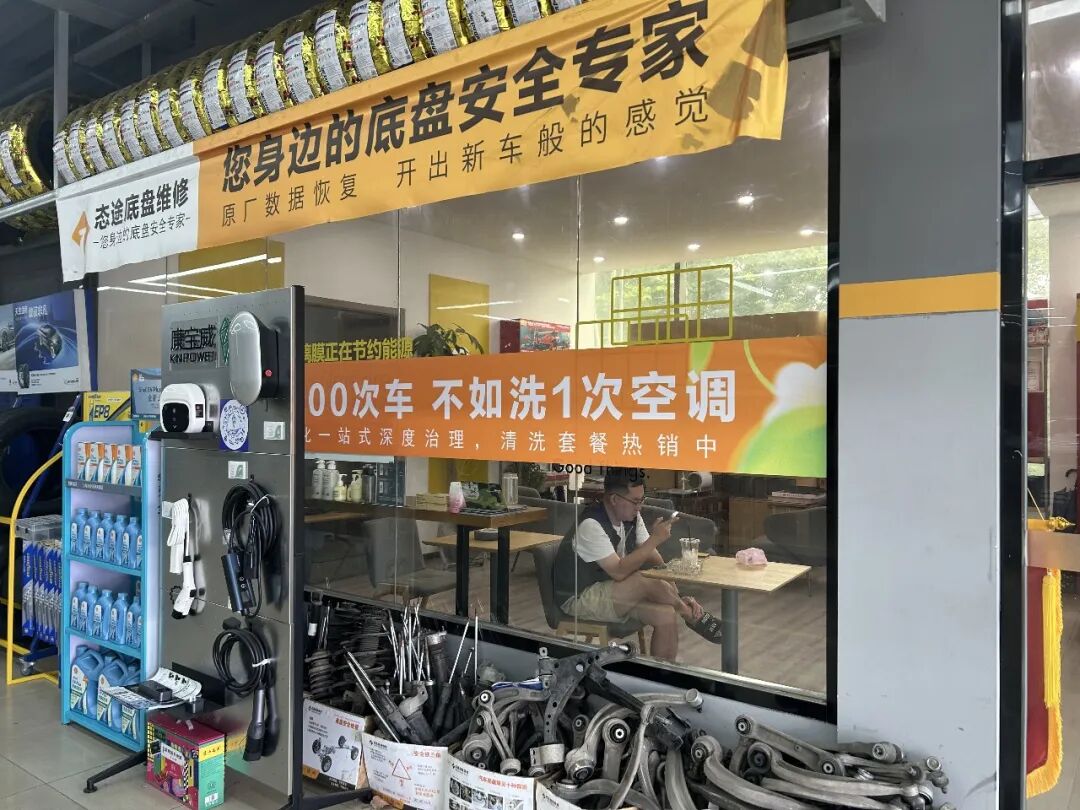
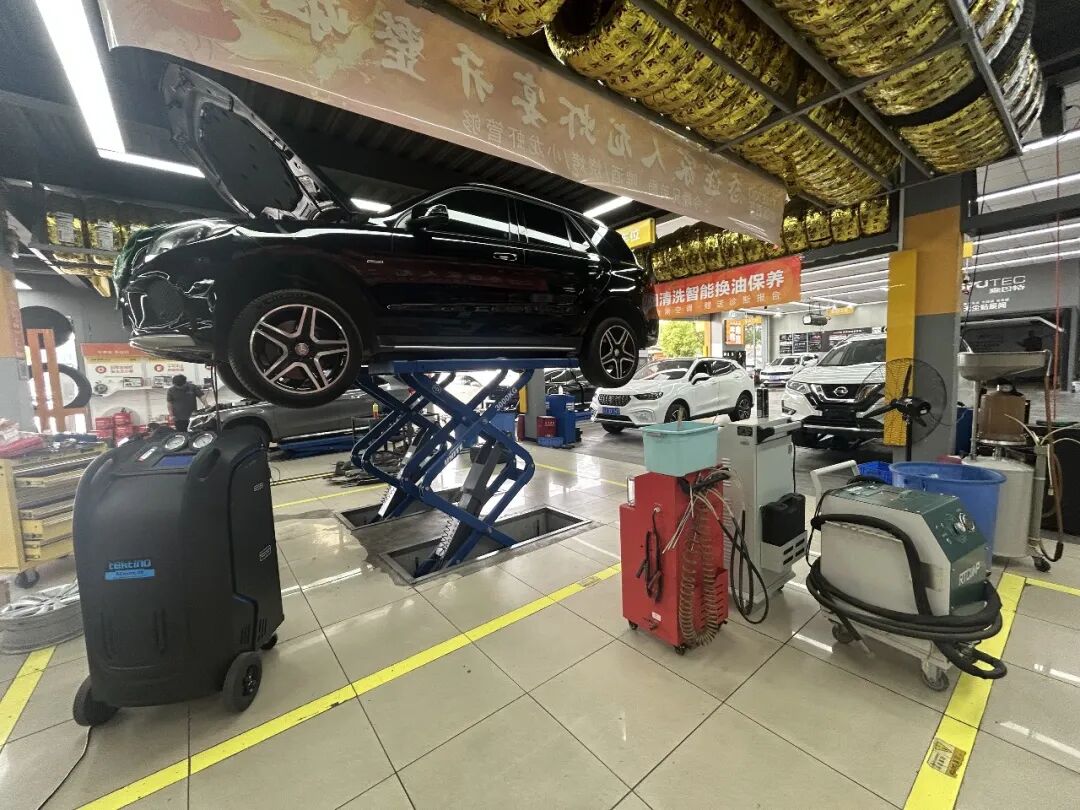
"This is really a trust issue." Taitu Auto Care has now begun to undertake air conditioning repair businesses for new energy vehicles on a large scale. After communicating with many vehicle owners, Lv Yanqing found that many owners' perceptions of "car repairs" have fundamentally changed in the new energy era.
In the era of fuel vehicles, most vehicle malfunctions were mechanical problems. Identifying damaged parts and replacing or repairing them usually resolved the issue.
However, in the new energy vehicle era, owners increasingly view their vehicles as large electronic devices and readily accept the automakers' claims:
New energy vehicles are equipped with hundreds of ECUs (Electronic Control Units), and the entire vehicle system can be upgraded via OTA. Any unauthorized external access can easily lead to firmware tampering, functional failures, or even safety incidents.
Therefore, for new energy vehicle owners, whether a car is truly repaired depends not only on the actual driving experience but also on whether the system recognizes the repair.
"Frankly, many owners don't believe that a mechanic who used to repair fuel vehicles can fix a new energy vehicle 100%," Lv Yanqing said.
This is perhaps the "deepest wound" inflicted on the traditional auto repair industry by the new energy wave—
The industry's growth was once based on the experience of veteran mechanics, apprenticeship systems, and owners' trust in specific repairmen. But now, this trust is no longer based on individuals but on brand authorization, system certification, and manufacturer endorsements. Many veteran mechanics like Wang Fei can only accept this shift.
"There are indeed many veteran mechanics in our industry who are strongly reliant on familiar methods," said Wang Fei, who believes that old auto repairmen like himself are being left behind by the times, just like cobblers of the past. Both he and Lv Yanqing mentioned that if everyone were to start learning to repair new energy vehicles from scratch, some people who previously repaired computers or phones might learn faster than many veteran auto mechanics because they are more familiar with electrical circuits.
"However, there are other subtleties involved," Wang Fei said, revealing a nuanced aspect of new energy vehicle maintenance with his next example.
"For instance, when replacing a headlight, even the 4S store will tell you that you can have it done elsewhere."
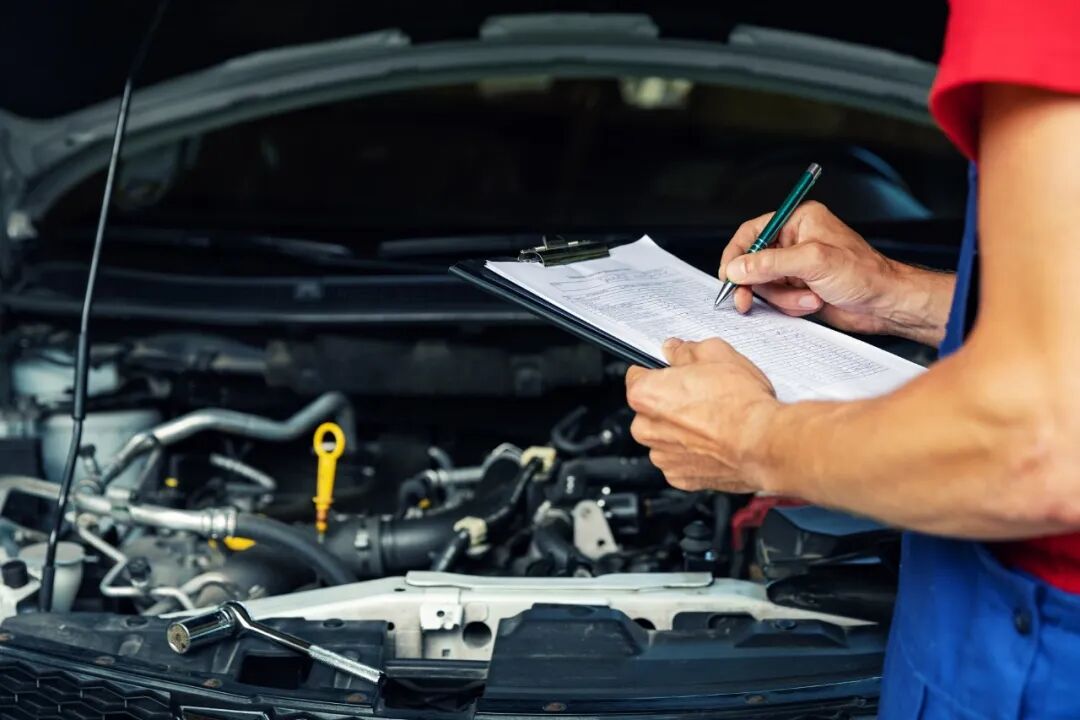
But the problem is that the fault code left in the vehicle's system after the headlight replacement can often only be cleared by manufacturer-authorized equipment. If the fault code is not cleared, a warning light will continuously flash on the dashboard.
"How many drivers can tolerate that?"
Once at the shop, they might tell you: "The light is fine, but the installation process didn't meet the manufacturer's standards, so it needs to be reinstalled to clear the fault code."
Thus, an additional labor fee is generated.
"In the end, the owner realizes it would have been cheaper to just go to the 4S store from the beginning."
For many third-party repair shops, restricted access, limited parts channels, and high authorization thresholds are the biggest obstacles to conducting new energy vehicle maintenance businesses.
Some even believe that automakers are "monopolizing" the maintenance market through technology and authorization systems.
But is this really the case? The reality is likely more complex than imagined.
Whether automakers intentionally "monopolize" the market depends on a crucial question: Is after-sales maintenance primarily seen as a profitable business or as part of building a user service system?
Most automakers remain tight-lipped on this issue. We consulted four new energy vehicle companies, but all declined our requests for comment.
However, Lv Yanqing told us that the new energy maintenance market itself may not be as profitable as outsiders imagine. Even authorized 4S stores or OEM after-sales centers often fail to profit from battery maintenance.
"Strictly speaking, only battery manufacturers are truly qualified to repair batteries. Many OEMs have to send batteries back to manufacturers like CATL or designated authorized repair centers when issues arise."
"As of now, there's little profit. Even investing in a battery repair authorization point often results in losses because there simply aren't enough vehicles needing battery repairs yet," Lv Yanqing said.
If profitability hasn't fully materialized, another question arises: Is the industry's capability mature enough?
In fact, Wang Fei traveled to Changzhou, known as the "New Energy Capital," in 2022 to learn skills related to new energy vehicle maintenance.
When asked if he could repair new energy vehicles, Wang Fei initially said, "I can repair all of them." But when pressed further about what he had learned during his training, he admitted that he had "forgotten most of it" due to the lack of opportunities to work on new energy vehicles.
Lv Yanqing faces a similar "chicken-and-egg" dilemma.
"We could hire mechanics who can repair new energy vehicles, but can we guarantee they'll have cars to work on after hiring them?" Lv Yanqing further explained the challenges of cultivating new energy repair capabilities: "Our industry traditionally relied on apprenticeship systems. Now, even finding skilled mentors is difficult, so building a new energy vehicle repair ecosystem from scratch is incredibly challenging."
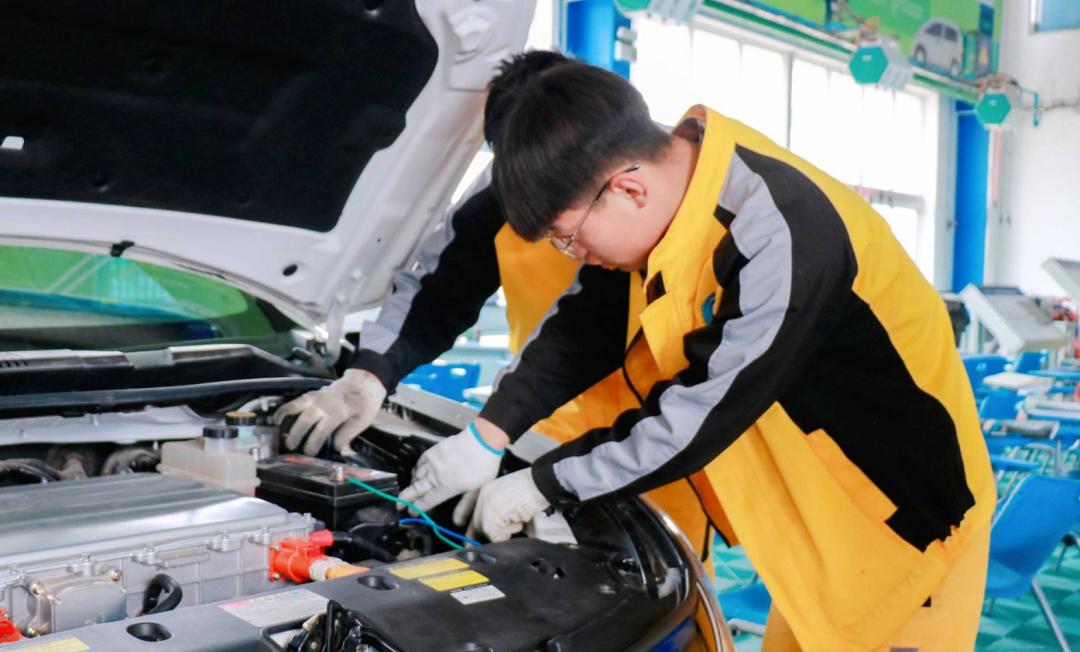
Perhaps it can be said that the current closed nature of the maintenance market is not entirely due to deliberate barriers set by automakers but also related to the immaturity of the entire new energy maintenance system.
Currently, policies are driving the development of the new energy vehicle maintenance system from the demand side.
In April this year, the "Interim Measures for the Recycling and Comprehensive Utilization Management of Waste Power Batteries from New Energy Vehicles" was implemented, requiring automakers to open relevant technical information to qualified third-party maintenance enterprises.
Returning to the question of whether automakers want to "dominate" the maintenance market, a more realistic answer might be: At this stage, new energy vehicle companies are prioritizing building their own service systems rather than deliberately eliminating traditional auto repair shops.
However, for veteran mechanics like Wang Fei, the distinction may not matter much. Whether automakers ultimately open up maintenance permissions for the three electric systems or not, they must first survive the current "downturn" of having no cars to repair.
Where will third-party repair shops go in the future? Different people have different views.
"From the perspective of the entire new energy vehicle aftermarket, there are four main business areas," Lv Yanqing said, counting off on his fingers: tires and chassis, light modifications, bodywork and painting, and the three electric systems.
Among these, the three electric systems remain highly challenging due to technical and authorization barriers, making them unlikely opportunities for most third-party repair shops in the short term. The truly competitive areas are the first three.
This is also the direction of Taitu Auto Care's recent transformation.
Pointing to the Taitu Auto Care location beneath his feet, Lv Yanqing said he plans to invest another 400,000 to 500,000 yuan to renovate the shop, increasing tire inventory to 3,000 units and transforming it into a tire warehousing and sales center.
In fact, tires have been one of Taitu Auto Care's foundational businesses, and Lv Yanqing has recently increased their share of the business portfolio. He cited Tuhu Auto Care as an example: "Tuhu also started as a tire chain. In our industry, if a listed company emerges in a sector, it means the direction is right."
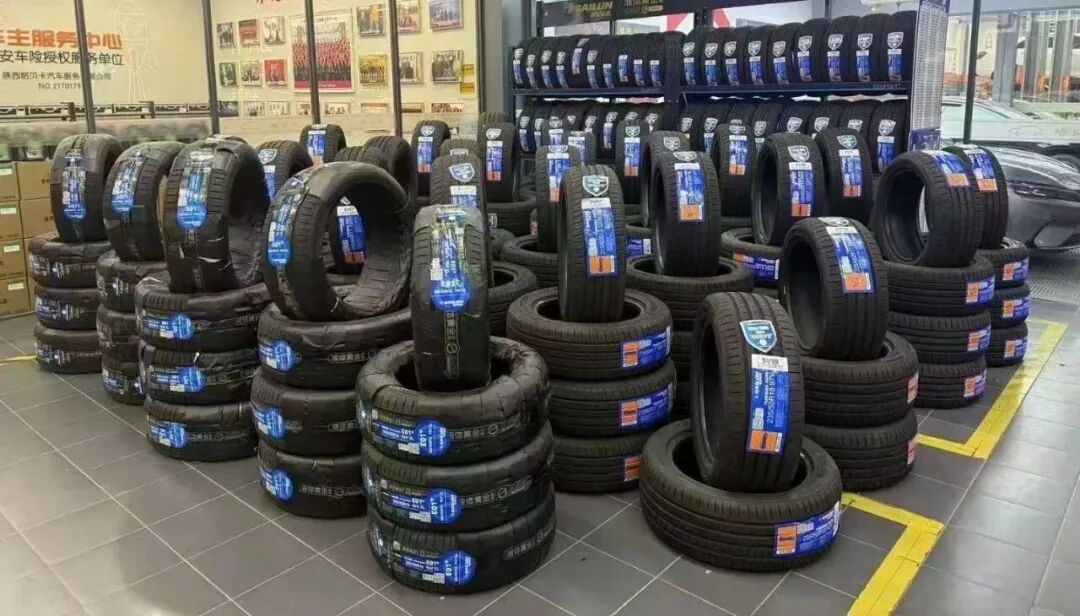
"However, don't assume that just because listed companies are embracing a certain trend, many traditional repair shop owners will follow suit. They often look down on it. Selling tires is a business with low margins but high sales volumes," Lv Yanqing remarked with a tinge of emotion. "They're accustomed to the auto repair industry's former gross margins exceeding 50% and are reluctant to engage in the strenuous, demanding work."
Yet, the trajectory of industry transformation is unmistakable. As new energy vehicles (NEVs) gain wider acceptance, traditional high-margin services like engine repairs and transmission overhauls will inevitably see a decline. At this juncture, third-party auto repair shops must urgently break free from their reliance on traditional businesses and mindsets, instead seeking out opportunities in the NEV sector.
For instance, air conditioning repair has emerged as a more frequent need—NEVs require constant battery temperature maintenance around the clock, leading to significantly higher air conditioning usage compared to fuel-powered vehicles, and consequently, more frequent breakdowns. "Moreover, repairs for NEVs are pricier than those for fuel vehicles," Lv Yanqing added.
Nevertheless, it's noteworthy that Lv Yanqing isn't particularly keen on expanding the "zero-cost," "40,000-yuan-a-day" battery restoration business. He believes that "with no barriers to entry, it will swiftly become unprofitable due to competition, perhaps yielding only a year's worth of dividends."
In Lv Yanqing's perspective, venturing into NEV-related businesses through small entry points is less about immediate business performance and more about strategic positioning: The crux remains "trust." Only by first establishing vehicle owners' perception that the brand is competent in repairing NEVs can further business expansion, subsequent talent recruitment, and training take place.
"We follow where customer demand leads," Lv Yanqing stated, though he may not always act on it immediately.
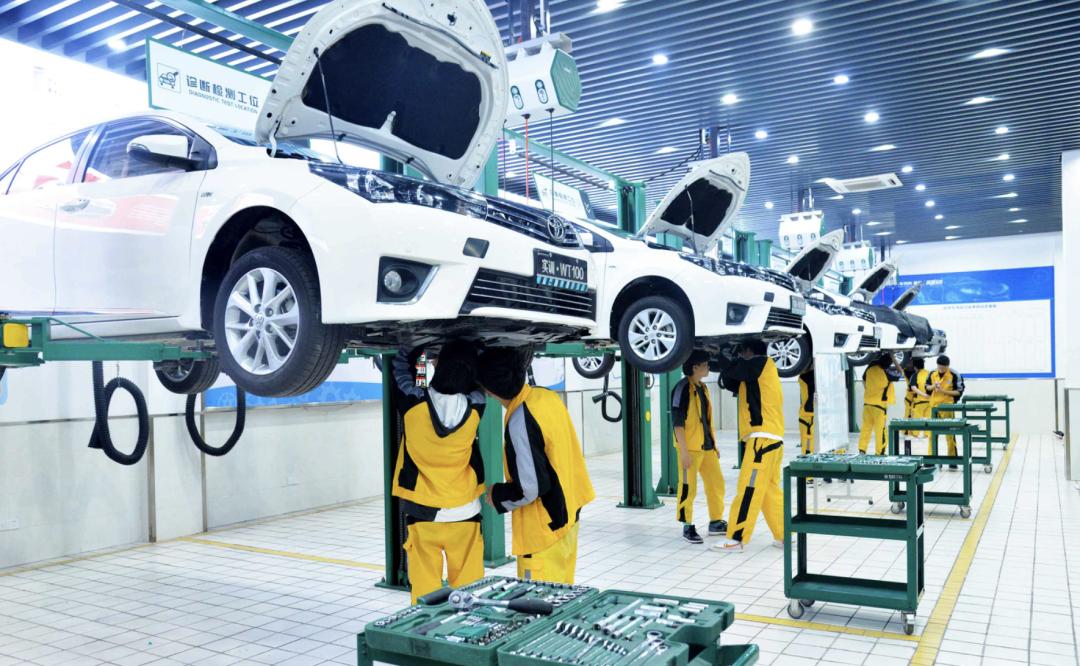
He also mentioned that the third-party repair shops destined to truly thrive in the future are unlikely to be the traditional, jack-of-all-trades mom-and-pop shops. Instead, they will be specialized repair centers, exclusive NEV shops, regional chain enterprises, and more professional service institutions.
It's difficult to discern whether Lv Yanqing's proactive pursuit of a way forward in the NEV era stems from his inherent optimism or his sense of responsibility.
At a previous internal meeting, Lv Yanqing asked employees who had "been with the company from singlehood to starting families" to raise their hands. When over 20 hands went up, he admitted feeling "overwhelmed."
In contrast, Wang Fei, who appears to be in a more precarious position, exudes a much calmer demeanor.
In his repair shop, where the floor and walls are smeared with grease stains, he seems to have come to terms with the reality of being left out of the NEV era. He has begun calculating how many years remain until retirement and feels fortunate for his decision to purchase the shop years ago.
"Our survival hinges entirely on keeping costs low. Apart from paying the young mechanics, we only spent a little over a hundred yuan on utilities last month," Wang Fei said with a smile. "Business isn't booming."
Wang Fei remarked that many signs had actually been evident early on. In the early 2000s, there was a college in Nanjing specializing in auto repair education, but after 2008, it closed due to a lack of students.
Looking back now, perhaps the closure of that school already foreshadowed the fate of veteran auto repair mechanics like themselves. But at the time, business was so brisk that no one took it seriously.
-
Three-Year Cumulative Losses Reach 4.4 Billion! Can AI Revolutionize Yonyou’s Future?
-
![]()
Zhipu: Trillion-dollar Market Cap, Is China's Anthropic Really Here?
-
![]()
Why Are Automakers Hesitant to Offer Consumer Guarantees?
-
![]()
Targeting 12 Million in Exports! China’s Auto Industry Faces a Pivotal Test of Maturity
-
![]()
One in Six Employees at Volkswagen Faces Layoffs Amidst Largest Strategic Retrenchment in 88 Years
-
![]()
Breaking Free from Involution: How These Four Automakers Are Charting New Courses
-
![]()
From National Pride to WPS Controversy: The Dilemma Faced by Zou Tao of Kingsoft Office
-
![]()
He Xiaopeng: Ant Group's 'AI Visionary'