Final Verdict: The 'Online Evaluation Standards' Are of Monumental Importance to the Automotive Industry
 06/24 2026
 533
533
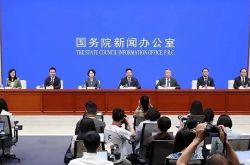
On June 8, 2026, the Cyberspace Administration of China (CAC) and the State Administration for Market Regulation (SAMR) jointly released the 'Online Evaluation Activity Standards'. On June 10, Final Verdict published a headline article titled: ['Online Evaluation Standards' Aim to Tackle Chaos in Automotive Evaluations—The Era of Unrestricted Car Reviews is Drawing to a Close].
The article highlights that the introduction of the 'Online Evaluation Standards' offers a legal foundation for automotive online evaluations. It establishes an institutionalized long-term mechanism to address the chaos in automotive evaluations from a legal and regulatory standpoint. The automotive sector, which has long been a focal point of public debate, will bid farewell to its phase of 'unregulated growth' and step into a new era characterized by legalization and standardization. This move is of great significance in resolving long-standing issues such as the commercialization of automotive evaluations, false advertising, and hidden interests. It also plays a crucial role in maintaining fair market competition and safeguarding consumers' legitimate rights and interests. 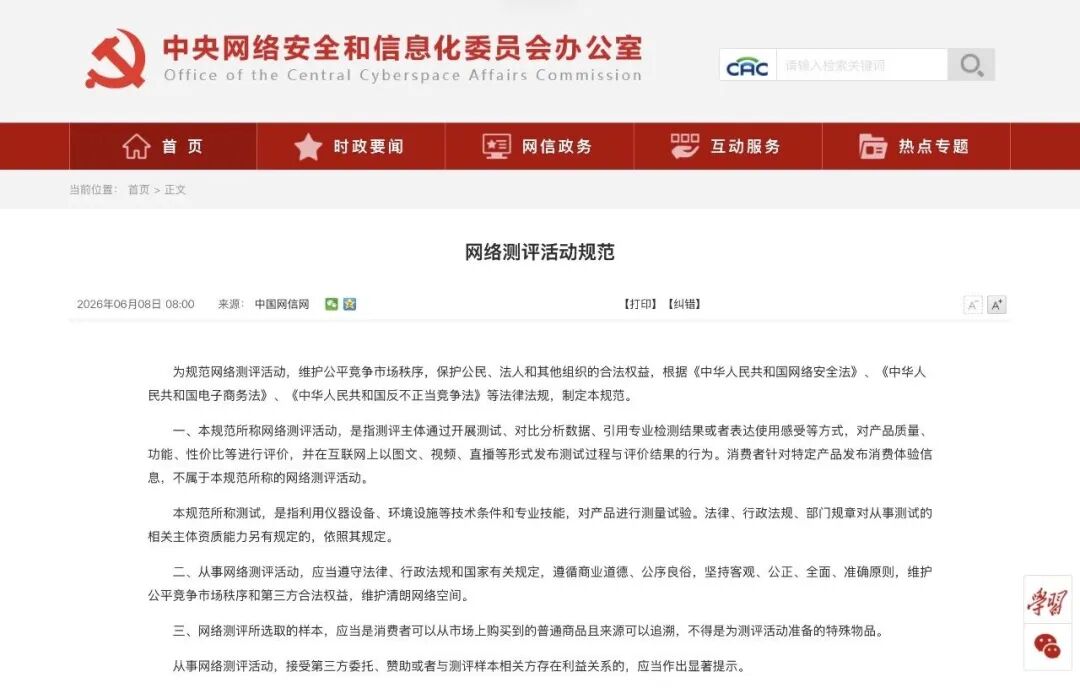
Five Core Principles to Ensure Evaluation Impartiality
The 'Online Evaluation Standards' aim to regulate the entire process of automotive online evaluations, from entity qualifications and testing procedures to content publication and platform responsibilities, in order to address the existing chaos. The following core principles have been established:
Firstly, strict entity qualification requirements are imposed. Entities without the proper qualifications are explicitly barred from conducting professional tests. Tests involving product functionality, performance, and other aspects must be entrusted to agencies with statutory inspection and testing qualifications. Moreover, the standards and technical specifications used for testing must be clearly stated. This signifies the end of the era where 'anyone can conduct automotive evaluations'. Projects such as winter tests, summer tests, and crash tests can only be carried out by qualified professional institutions.
Secondly, sample authenticity and traceability are ensured. Samples used in evaluations must be ordinary commodities that are normally sold in the market, with traceable sources. The use of specially customized 'exclusive' samples is strictly prohibited. Additionally, test data, images, videos, and other records must be retained to ensure the verifiability of results. 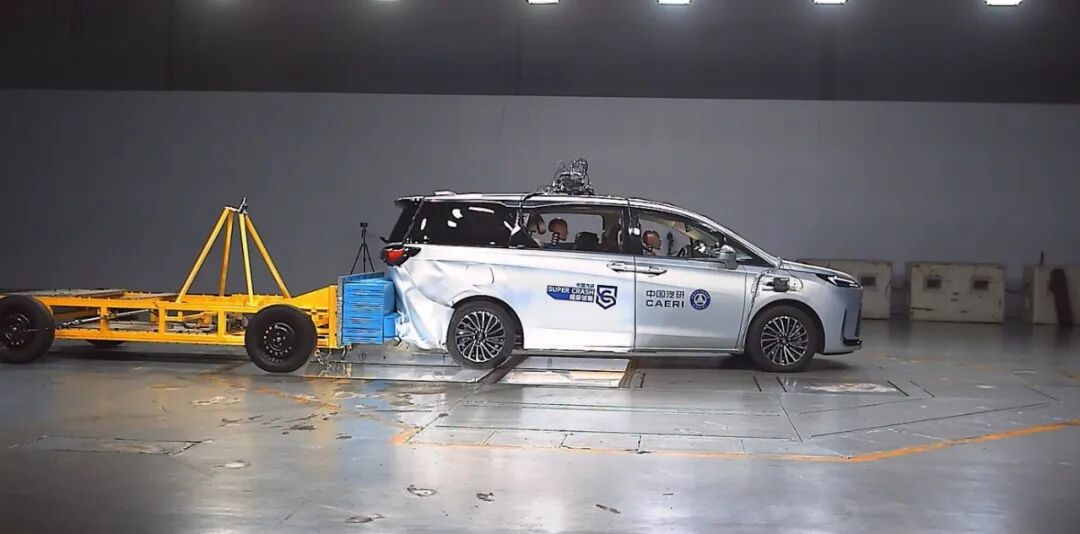
Thirdly, double standards and malicious denigration are prohibited. It is explicitly stipulated that different standards or methods must not be used for horizontal or vertical comparisons of similar products. Test reports must not be taken out of context, and insulting language, false or misleading descriptions, or malicious denigration of competing products are not allowed. This directly combats behaviors that manipulate testing conditions to create 'false advantages'.
Fourthly, interest disclosure and labeling are strengthened. If the evaluator has a commissioned or sponsored relationship with the brand, this must be prominently disclosed. For evaluations conducted without actual testing, based solely on subjective experiences, clear labels such as 'for personal experience only' or 'for reference only' must be included to prevent subjective impressions from being misrepresented as professional conclusions.
Fifthly, platform management responsibilities are reinforced. Website platforms must enhance content review, promptly handle complaints and reports, and increase penalties for non-compliant information to curb chaos at the dissemination stage.
The Implementation of the 'Standards' Will Have Far-Reaching Impacts on the Automotive Industry
The automotive sector is a major area significantly affected by online evaluations. The introduction of the 'Online Evaluation Standards' represents a further step towards institutionalization, following the 2025 special rectification action against online chaos in the automotive industry conducted by six ministries and commissions. The implementation of the 'Standards' will have profound impacts on the automotive industry. 
Firstly, it will accelerate industry consolidation and professional transformation. Accounts that lack professional expertise and rely on traffic-generating tactics and gray industry chains for survival will be eliminated. This will force evaluation agencies to enhance their professional technical capabilities and focus on scientific testing and rational analysis.
Secondly, it will protect consumer rights and the right to information. By eliminating information asymmetry and misleading content, consumers can access genuine and reliable car-buying references, thereby reducing decision-making risks.
Thirdly, it will foster a fair competitive market environment. Malicious competition and commercial denigration will be curbed, allowing automakers to refocus on technological innovation and product strength as their core priorities, thus promoting high-quality development in the automotive industry. 
The essence of automotive online evaluations is to serve consumers, rather than becoming marketing tools or traffic bargaining chips. The implementation of the 'Online Evaluation Activity Standards' establishes clear legal boundaries and behavioral guidelines for the chaotic automotive evaluation landscape. Only by adhering to the principles of objectivity, impartiality, and professionalism and voluntarily accepting regulatory and societal oversight can online evaluations rebuild credibility and become a rational force driving healthy market development. Regulatory authorities will continue to strengthen enforcement efforts, investigate and penalize violations in accordance with the law, ensure the effective implementation of the new regulations, restore clarity to the online space, and fairness to the consumer market. (End)
-
![]()
From January to May, 10,823 New Energy Sanitation Vehicles Were Sold, with Yingfeng Environment, Yutong, and Foton Securing the Top Three Positions
-
![]()
Can the ‘New Energy Vehicles to the Countryside’ Campaign Revive the Sluggish Auto Market?
-
![]()
The Covert Battle for AI Ride-Hailing Entry Points Among Didi, Qianwen, and Doubao
-
![]()
Momenta Lays Out Its Books: A Strong Report, and a Pricier Story
-
![]()
US New Car Manufacturer Faces Major Crisis: Layoffs Hit 18%, COO Position Eliminated, with Each Vehicle Sold Incurring a Loss of $1.83 Million
-
![]()
Say Goodbye to Wasteful Spending! Innovative Policies to Boost Auto Consumption
-
![]()
With 370 Million Vehicles on the Road, the Auto Industry Reevaluates Its Post-Sale Business Strategy
-
Doubao Learns to Hail Taxis, but Profitability Remains Elusive