Is the Spring of Car Modification Arriving with National Backing?
 06/30 2026
 563
563
Introduction
Modification has long existed in a legal gray area. Relying solely on policy support is far from sufficient to truly revolutionize the current situation.
For an extended period, China's car modification industry has been ensnared in a paradoxical situation within the industrial landscape. Modification parts can be legally manufactured, sold in compliance with regulations, and openly circulated, with a well-established upstream-downstream commercial system. However, the actual modification activities of end-user car owners have often operated in a legal gray zone. The term "1087" has become synonymous with the constant surveillance of modified vehicles, akin to a roaming CCTV.
On one hand, this inconsistency, where production and sales are legal but modification is not, has stifled the growth of a trillion-yuan, high-potential automotive aftermarket sector. On the other hand, as China's automotive industry fully aligns with international standards, such ambiguous commercial logic is incompatible with the development trajectory of a major automotive nation.
Over the past two decades, the domestic automotive industry's focus has been primarily on front-end sectors such as vehicle manufacturing, new car sales, and the transition to new energy. Policy incentives, capital resources, and industry attention have all been heavily concentrated in these areas.
It is widely acknowledged that, compared to decisions shaping the industry's destiny, the personality-driven (personalized) modification industry can take a backseat. Moreover, the boundary between commercial and civilian modification markets has never been clearly defined in legislation, leaving the state with little incentive to facilitate so-called personality expression. The phrase "packing dumplings just for the vinegar" aptly describes the lack of cost-effectiveness in this approach.
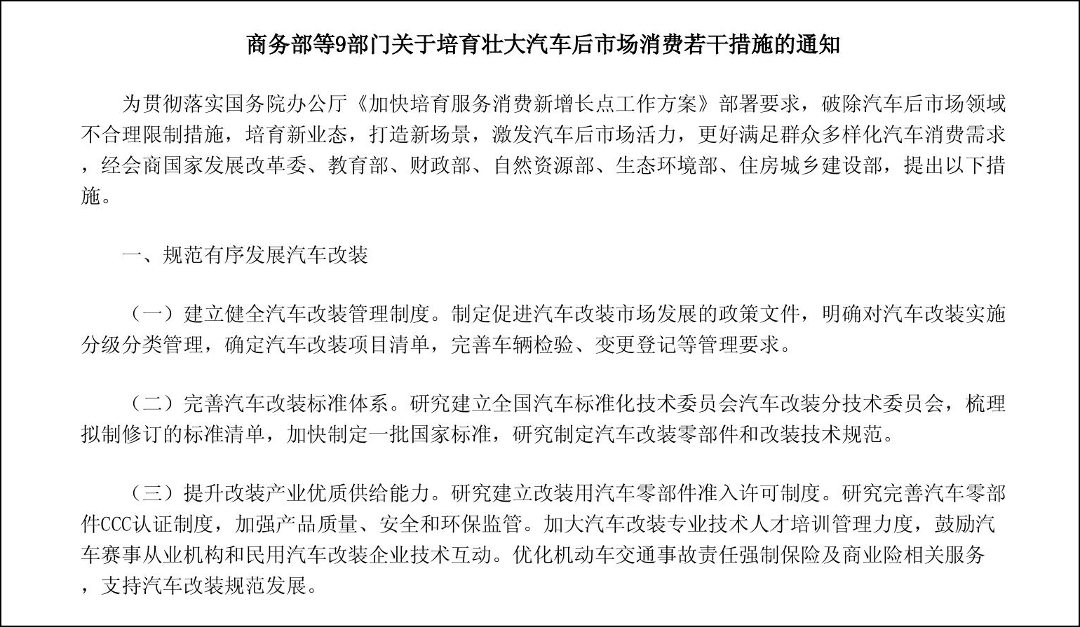
Until now, with the Ministry of Commerce, in conjunction with nine departments including the Ministry of Industry and Information Technology and the Ministry of Public Security, issuing the Notice on Several Measures to Cultivate and Expand Automotive Aftermarket Consumption, it marks the first time at the national policy design level to intentionally define compliance boundaries, improve management systems, and establish standard frameworks for the car modification industry. This previously half-open door may now be fully opened.
Simply put, as the automotive industry shifts towards rational development and cars transition from production assets or transportation tools to quasi-fast-moving consumer goods, when the front-end automotive market environment is less buoyant, the consumption power of the aftermarket, represented by modified vehicles, becomes increasingly visible. This undoubtedly signals a new stance: these marginal effects evolving from the automotive industry may effectively alleviate current industry survival pressures.
This represents not just simple policy deregulation but a milestone in China's automotive aftermarket towards standardization, scale, and branding. It marks the official farewell to the era of wild growth in domestic car modification, ushering in a new cycle of policy-supported, market-led, and compliance-driven development. For automakers, if car modification gradually liberalizes, it could also drive the entire industry out of price wars and public opinion battles through consumer-end demand, refocusing efforts on building the entire industrial ecosystem.
01 Unseen Demand, Unchangeable Reality
Two years ago, statistics indicated that China's car modification market size surpassed 120 billion yuan in 2024, up 15% year-on-year. Among them, new energy vehicle modifications grew rapidly, accounting for about 35% of the total market size.
Regarding last year's market changes, Yao Jie, Supervisor of the China Association of Automobile Manufacturers, pointed out that China's car modification market size reached approximately 160 billion yuan in 2025, with a penetration rate below 5%. Compared to mature markets like Europe, the US, and Japan, which have around 55% penetration, there is ample room for growth.
Given this industry status, car modification, as an extension of the automotive industry chain and expansion of its value chain, plays a crucial role in stimulating consumption vitality, enriching automotive culture, and driving industrial upgrading. Even from a purely economic perspective, it represents a promising business opportunity.
Reviewing this industry's development trajectory, we clearly understand what modification means in China. "Gray zone" has been its core label throughout, with mismatched regulations being the root cause of its stagnation.
In China's automotive industry regulatory system, vehicle road compliance has always centered on the original factory state. Except for a small number of registered modification projects, most appearance and performance modifications are classified as illegal, facing regulatory risks such as failing annual inspections, fines for road use, and orders to restore original conditions.
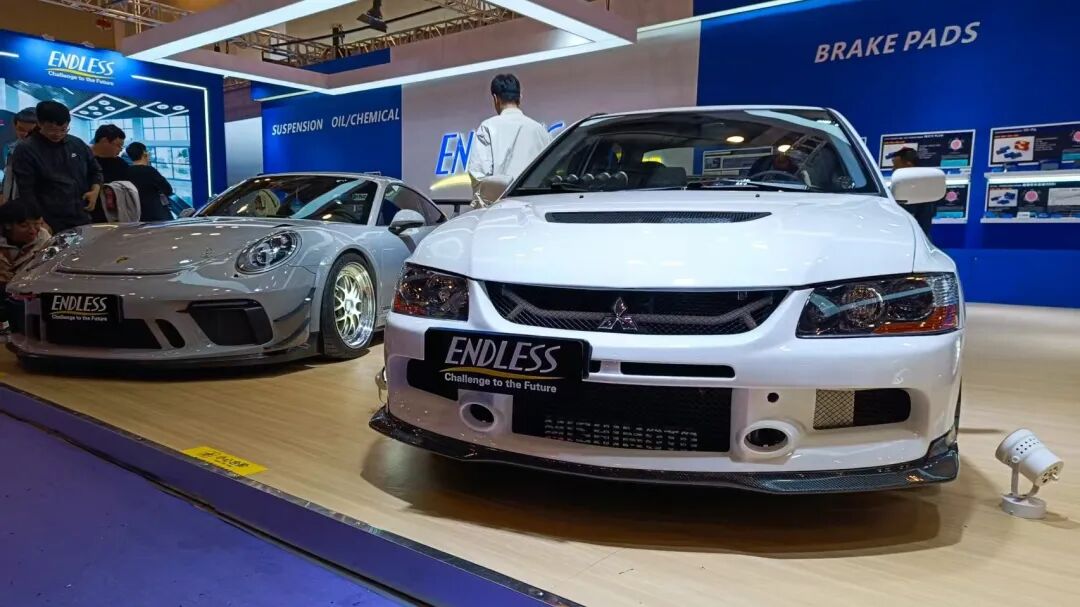
In stark contrast, the upstream of the modification industry chain operates entirely in compliance. From body kits, wheels, and suspensions to lighting modifications and even powertrain upgrades, China hosts a vast number of modification parts manufacturers, trade distributors, with products either exported overseas or supplied domestically through certain channels. Regardless of whether parts production meets industrial standards, sales and distribution comply with trade norms, and corporate operations meet business requirements, the terminal modification implementation lacks legitimate policy support.
This fragmented industry regulation has created a bizarre development ecosystem in the automotive aftermarket. Such a stealthy business model struggles to operate openly. In some cities, any vehicle modification risks being photographed or reported, likely leading to investigations by relevant authorities.
Thus, even if ambiguous policies permit the existence of a gray zone, long-term regulatory constraints inevitably severely hinder China's automotive aftermarket industrial upgrading.
In other words, while car modification has become a standardized, scaled mature industry in automotive markets like Europe, the US, and Japan, with complete industry standards, certification systems, racing cultures, and consumption ecosystems—where modification output accounts for a core share of the automotive aftermarket—China's modification industry remains fragmented, niche, and disorderly. Quality enterprises struggle to grow, technological R&D lacks motivation, talent training systems are absent, and core modification parts and technologies rely heavily on imports. The trillion-yuan market potential remains unreleased, which is an undeniable fact.
Against this backdrop, according to the Ministry of Public Security, China's motor vehicle ownership reached 469 million units nationwide by 2025, including 366 million cars. In 2025 alone, 35.35 million new motor vehicles were registered, with new registrations exceeding 30 million units for 11 consecutive years.
Across the country, 103 cities have over 1 million cars, seven more than in 2024. Among them, 47 cities exceed 2 million, 27 exceed 3 million, and 7 exceed 5 million.
With such a vast car ownership scale, coupled with increasingly diverse emotional expressions and a younger consumer base, multi-tiered and diversified modification demands—ranging from light interior upgrades and exterior decorations to moderate handling enhancements and stance modifications, and finally to professional performance tuning—are bound to surge continuously.
02 When Demand is Amplified by Interest, Hope Emerges
What attitudes do Chinese consumers currently hold toward car modification?
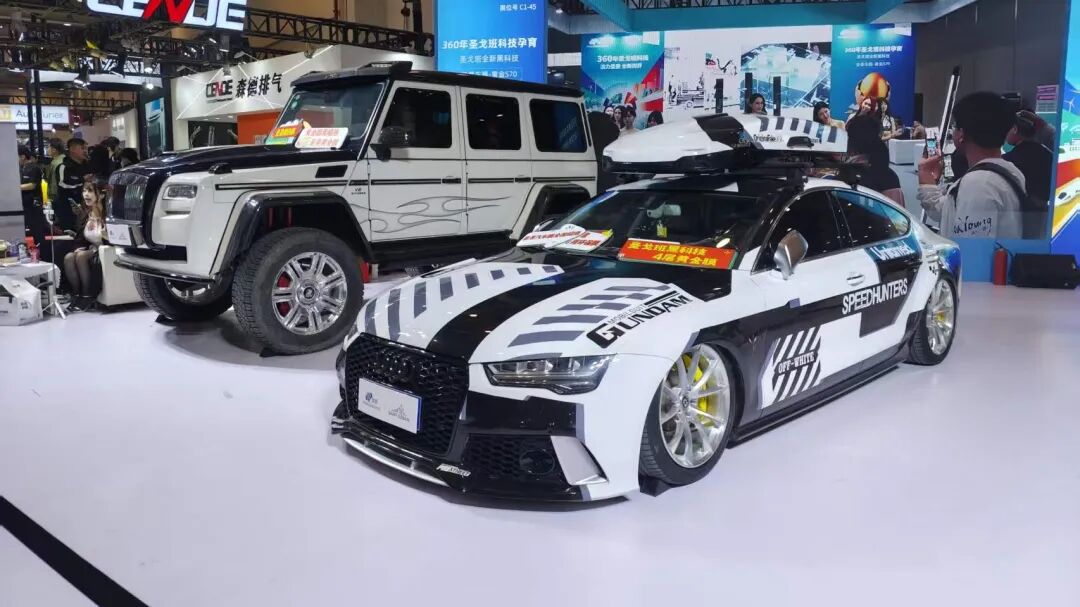
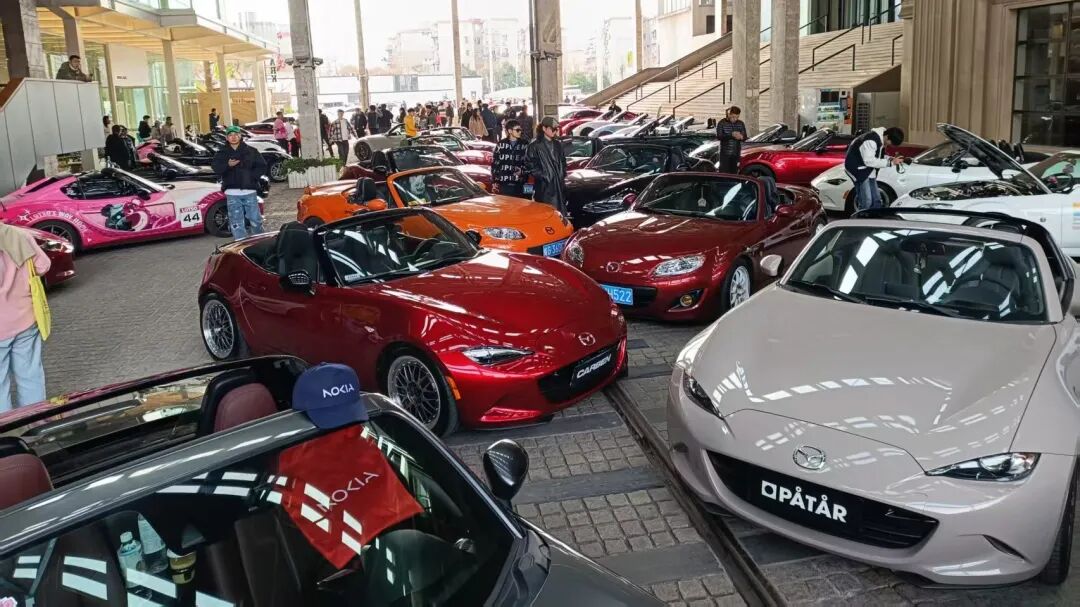
In recent years, automotive aftermarket marketing events related to car modification have emerged endlessly. The most typical example is the Suzhou GT Show, a grand exhibition of the modification industry.
Each year, the show gathers global modification brands, high-quality supply chain enterprises, professional modification shops, and countless car enthusiasts, showcasing the domestic modification industry's technical prowess and consumption trends across performance upgrades, exterior kits, and civilian comfort enhancements. Unlike traditional auto shows focused on brand marketing, this event solely targets aftermarket consumption, precisely connecting industrial supply with user demand. It drives over 10 billion yuan in annual order transactions, industry exchanges, and brand incubation value, fully proving that the professional modification sector has formed a mature industrial ecosystem.
Of course, if GT Show represents the professional, high-end, and commercialized dimension of modification, last year's viral success of Guizhou Village GT unlocked the democratization (grassroots), popularized, and lifestyle-oriented side of car modification.
This rural-originated automotive event lacked top-tier facilities or professional operations but rapidly went viral online through its down-to-earth modification culture, nationwide participation (mass participation) atmosphere, and pure automotive passion. Participating vehicles included family sedans, SUVs, and minibusses, with diverse modification styles. Without high-end barriers or niche exclusivity, it perfectly demonstrated ordinary people's genuine love for automotive personalization.
In other words, various aftermarket marketing events centered on car modification hold far greater industry significance than mere online hype. They shatter stereotypes of car modification as "niche, flashy, street racing," proving that modification culture is not exclusive to a few car enthusiasts but an inevitable trend of mass automotive consumption upgrading. The fact that market demand penetrates lower-tier markets (lower-tier markets) and covers car owner groups across all circles and regions reveals undeniable development potential.
Under the new policies, relevant departments have proposed three requirements:
1. Establish and improve car modification management systems. Formulate policy documents to promote car modification market development, clarify graded and categorized management of modifications, define lists of modification projects, and refine management requirements for vehicle inspections and registration changes.
2. Improve car modification standard systems. Establish a sub-technical committee for car modification under the National Technical Committee on Automotive Standardization, compile lists of standards for revision, accelerate the formulation of national standards, and develop technical specifications for modification parts and techniques.
3. Enhance high-quality supply capabilities in the modification industry. Establish a licensing system for modification parts. Improve the CCC certification system for automotive components, strengthen product quality, safety, and environmental regulation. Intensify training for professional modification technicians, encourage technical interactions between motorsport institutions and civilian modification enterprises. Optimize compulsory traffic accident liability insurance and commercial insurance services to support standardized modification development.
Clearly, compared to past policies, such concrete actions are unprecedented. However, policy deregulation does not mean complete liberalization, and standardized development does not equate to boundless freedom. While relaxing restrictions on compliant modifications, new policies will also draw clear safety red lines, resolutely prohibiting illegal modifications that endanger public safety. This path will undoubtedly prove far more challenging than imagined.
Even if "modification" represents an outlet to strengthen China's automotive aftermarket, realistically, establishing an operational system comparable to international maturity currently lacks a specific timeline for the modified vehicle industry to truly embrace its spring.
Editor-in-Chief: Yang Jing Editor: He Zhengrong

THE END
-
![]()
Shenzhen’s Most Mysterious Robot Startup Secures 1 Billion Yuan in Funding, Targeting a 150 Billion Yuan Market
-
![]()
Luxury Lineup, Highly Anticipated! The Pioneer of Physical AI Gears Up for Hong Kong Stock Exchange Debut!
-
![]()
Mercedes-Benz Withholds Year-End Bonuses for 90,000 Staff: Germany's Industry 4.0 Aspirations in Tatters
-
![]()
Can the Hong Kong Stock Market Pay for World Models? Dissecting Momenta's Prospectus
-
![]()
Set for Secondary Listing in Hong Kong with Market Cap Exceeding 500 Billion: How Luxshare Precision Regains Investor Trust?
-
![]()
Approaching its Secondary Listing in Hong Kong with a Market Cap Exceeding 500 Billion: How Has Luxshare Precision Regained Investor Trust?
-
![]()
Real Insights from New Energy Vehicle Owners in China’s Top 30 Cities by Ownership
-
![]()
Real Thoughts of New Energy Vehicle Owners in Top 30 Cities by Car Ownership