Dispelling Myths: Official Clarifications and Tesla's View on the Longevity of New Energy Vehicles
 07/15 2026
 505
505
Recently, an online assertion stating that 'new energy vehicles have a lifespan of merely 1.8 years' has sparked widespread concern and intense debate among car owners. On July 14, both the China Association of Automobile Manufacturers (CAAM) and Tesla addressed this issue. Let's delve deeper into the matter.
Firstly, it's crucial to understand the origin of the claim that 'new energy vehicles have a lifespan of 1.8 years'. Essentially, this statement likely pertains to the average age of new energy vehicles currently on the road in the domestic market. It represents the average time elapsed since the sale of new vehicles for China's existing new energy fleet by the end of 2025. In simpler terms, it describes an 'average age' rather than the typical lifespan or replacement cycle of vehicles.
Compared to traditional fuel-powered vehicles, new energy vehicles are relatively new, having gained significant momentum around a decade ago. The majority of new energy vehicles with substantial sales and ownership in China were introduced after 2020. Therefore, by the end of 2025, they would have been in use for roughly four to five years.
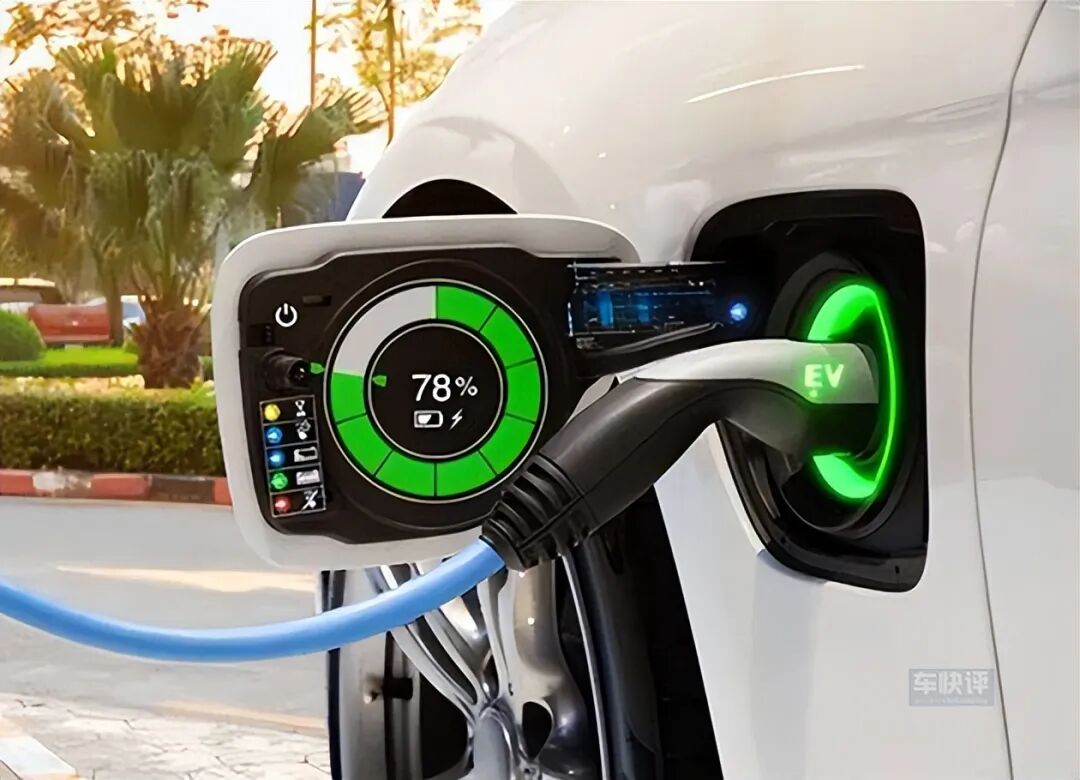
Next, let's examine the market penetration rate of new energy vehicles over the past five years. Although it increased by 5.8% from 2020 to 2021, the annual penetration rate stood at only 13.4%. By April 2022, with traditional automakers such as BYD and Geely accelerating their shift towards new energy, the penetration rate surged to 25.6%. Despite a remarkable 91% year-on-year increase, it remained well below 30%, indicating that only three out of every ten vehicles sold were new energy vehicles. Due to concerns over range and charging infrastructure for pure electric vehicles, the term 'new energy vehicles' at that time primarily referred to plug-in hybrid and extended-range electric models.
It wasn't until 2023, with the gradual widespread adoption of fast-charging and battery-swapping technologies, that sales of pure electric vehicles began to soar. That year, the market penetration rate of new energy vehicles exceeded 30% for the first time, reaching 31.6%. In 2024, it surpassed 40%, and in July, it achieved a single-month penetration rate exceeding 50% for the first time. By 2025, the penetration rate reached 53.6%, officially surpassing that of traditional fuel-powered vehicles and becoming the mainstream in the market.
From these figures, it's clear that the transition of new energy vehicles from a niche market to the mainstream in China's automotive industry was a gradual process that spanned several years of development, rather than an overnight phenomenon. With this context in mind, you should now have a clearer understanding of the claim regarding the '1.8-year lifespan of new energy vehicles'.
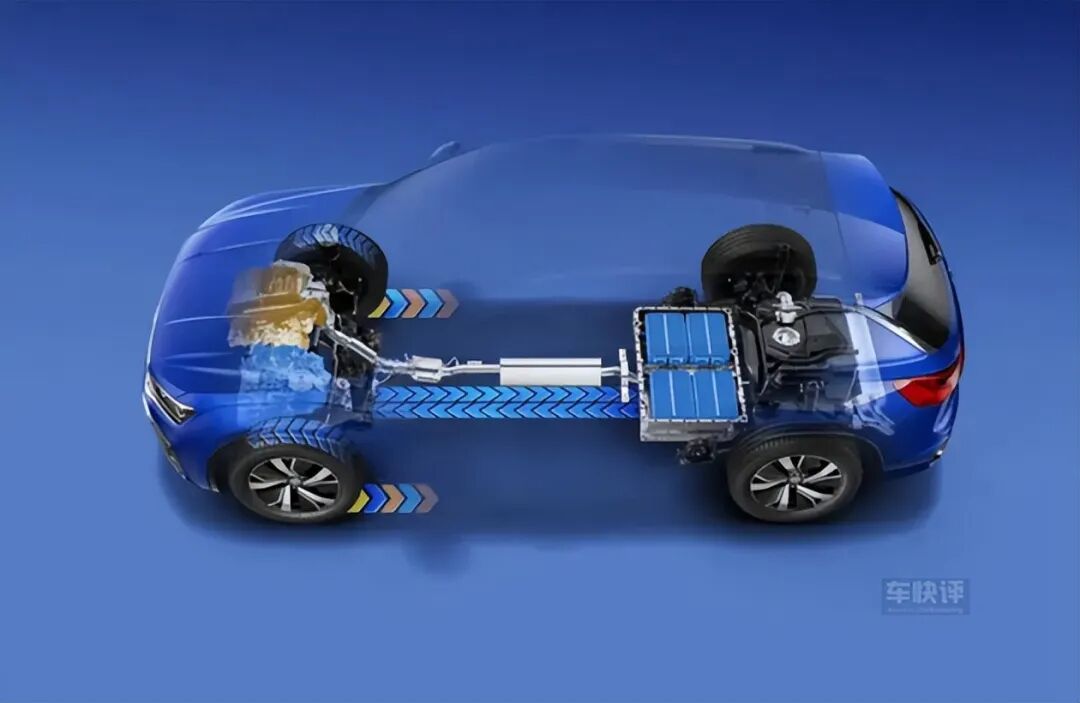
Based on this, on July 14, the CAAM issued a clarification, emphasizing that 'average vehicle age ≠ vehicle replacement cycle ≠ average vehicle lifespan'. This means that the average age of new energy vehicles does not imply that vehicles need to be replaced after 1.8 years, nor does it suggest that the average lifespan of vehicles is 1.8 years—both are misconceptions.
Also on July 14, Tesla officially published an article titled 'How Long Can a Tesla Last?'. Tesla stated that electric vehicles have a significantly simpler structure compared to fuel-powered vehicles, lacking complex mechanical components such as engines and transmissions, which naturally reduces maintenance and repair requirements. Sold Tesla Model 3 and Model Y vehicles have maintained an average battery health of 80% after accumulating 320,000 kilometers, equivalent to driving 20,000 kilometers annually for over 15 years.
Tesla's message is clear: as long as your vehicle's battery health remains above 80%, the car can theoretically continue to operate indefinitely.
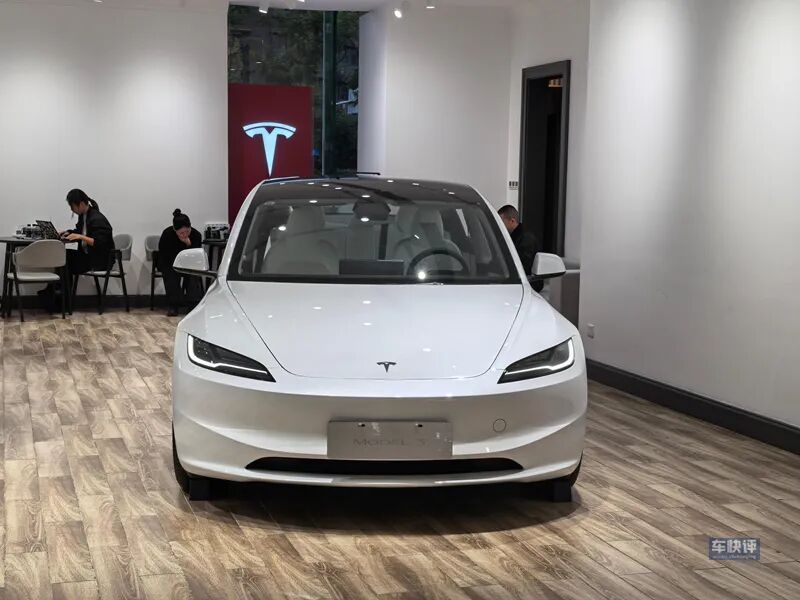
Ultimately, the lifespan of a new energy or pure electric vehicle is closely linked to the health of its battery. The better the battery is maintained, the longer the vehicle can last. If the cost of power batteries decreases in the future, the lifespan of new energy vehicles may rival or even surpass that of fuel-powered vehicles.
However, it's important to note that the above discussion may not apply to newer automotive brands like Neta, Weltmeister, and HiPhi.
Copyright Notice: This article is original content from CheKuaiping. Reproduction requires authorization. Unauthorized reproduction and any form of plagiarism or misappropriation of text or images will be subject to legal action. Some images in the article are sourced from the internet, with copyright belonging to their respective original authors. If your work has been used, please contact us for royalties or removal.
-
![]()
Memory Chip Price Surge Imposes Heavy Burden on Smartphone Market, with Q2 Global Shipments Slumping to 13-Year Low
-
![]()
Tencent’s Acquisition of Manus: No Less Anxious Than Meta
-
![]()
Collective Failure of BBA, Only '56E' Holding On
-
![]()
Step's Apple Dream
-
![]()
The value of AI Coding is quietly shifting from 'whose model is stronger' to 'whose toolchain is denser'.
-
![]()
AI Toys Soar: Trend or Just Hype?
-
![]()
High-Profile Corporate Feud! Apple Sues OpenAI
-
![]()
A Trillion Dollars Poured into AI: Only These Three Types of Companies Are Truly Profiting