Which Type of Talents Do Automakers Prefer to Promote: Science or Liberal Arts Graduates?
 07/22 2026
 405
405
"Both Represent New Growth Drivers for Enterprise Development"
Author | Gong Chenyu
Editor | Li Guozheng
Produced by | Bangning Studio (gbngzs)
It's another college admission season.
As we enter late July, undergraduate admission notices from various universities are being delivered one after another. Young people with dreams of the automotive industry are about to embark on years of systematic study: some will focus on engineering and technology, delving into core majors such as vehicle engineering, automation, and new energy research and development; while others will enter liberal arts majors, looking forward to joining the automotive industry, a national strategic sector, in the future.
Previously, topics such as "whether to pursue automotive-related majors" and "do liberal arts students have a future in the automotive industry" sparked heated discussions online. Now, even as admission notices are being delivered, related controversies have not ceased.
Despite the controversies, an objective fact remains: the current automotive industry is experiencing a sharp increase in demand for talents. According to the 2026 first-half earnings forecasts released by several automakers recently, the scale of R&D personnel and the reserve of core technical talents at leading automakers have reached all-time highs, with R&D investment accounting for a significantly larger proportion of revenue.
The establishment of a talent echelon ( echelon : succession plan) and the iteration of core management are not just internal matters for automakers but are key factors determining their success or failure.
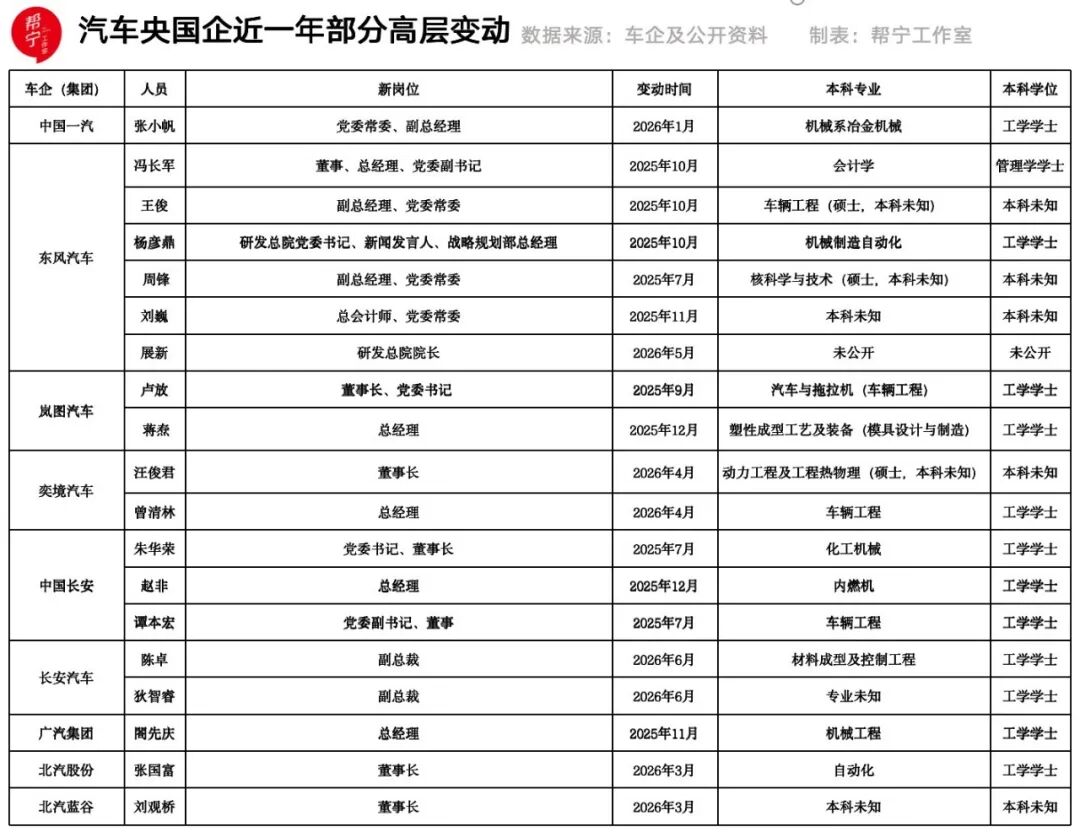
A rough statistics of personnel changes among automotive industry executives over the past year reveals that, from state-owned automakers to private enterprises and then to new-energy vehicle startups, those with a technical background dominate the executive ranks, setting the tone for the industry's hiring and promotion practices.
For example, Chen Zhuo, who was promoted to Vice President of Chongqing Changan Automobile Co., Ltd. in mid-June this year, graduated with a bachelor's degree in Material Forming and Control Engineering from Huazhong University of Science and Technology. He has deep expertise in core automotive technologies and later obtained a Master of Business Administration degree from Chongqing University.
Such talents, who combine solid technical skills with systematic management thinking, represent one of the typical orientations for current automaker executive appointments.
Across the industry, core managers at automakers such as FAW Group's Zhang Xiaofan, Dongfeng Motor's Wang Jun, BAIC's Zhang Guofu, GAC's Ge Xianqing, and Great Wall Motor's Mu Feng all have technical backgrounds and have steadily risen to their current high positions from technical roles.
Against the backdrop of electrification and intelligent transformation, more practitioners with expertise in vehicle architecture, intelligent driving, and core three-electric (battery, electric drive, and electronic control) technologies are entering the executive and even core management ranks.
The current turnover of automotive talents not only affects the educational pursuits of countless students and the career planning of industry practitioners but also holds clues to the future development trajectory of the automotive industry.
▍01 Technical Backgrounds Dominate Executive Ranks
From personnel changes at over ten automakers, including BYD, Geely, Chery, Great Wall, Dongfeng, Changan, BAIC, and GAC, over the past year, it is evident that the vast majority of newly appointed executives possess a complete technical education background in science and engineering, along with years of hands-on experience in frontline R&D, vehicle engineering, and the implementation of intelligent technologies.
Even with differences in corporate nature, such as state-owned versus private automakers, their selection of technical talents shows similarities in origin but differentiation in specific fields.
Among them, when promoting executives, state-owned automotive enterprises tend to favor traditional engineering talents with deep expertise in vehicle manufacturing, chassis, and powertrain domains, with a high proportion of professionals in vehicle engineering, mechanical manufacturing, material forming, and thermal power.
Yang Yanding, who was promoted to Party Secretary of the R&D Headquarters of Dongfeng Motor Group at the end of 2025, is a vivid example of the growth path of technical cadres in state-owned automotive enterprises.
Yang Yanding has deep expertise in mechanical and manufacturing fields. Born in 1983, after graduating from high school at the age of 16, he chose Mechanical Manufacturing and Automation as his major. After completing his undergraduate studies, he went to the University of Nottingham in the UK to pursue a degree in Manufacturing Systems at the School of Mechanical, Materials, and Manufacturing Engineering.
Public information reveals that Yang Yanding's visit to a BMW full-engine factory during his studies abroad opened his eyes to the gap in automotive manufacturing automation between China and abroad, planting the seed of his determination to return home and delve into independent vehicle manufacturing. In 2006, at the age of 23, he returned to China after completing his studies and joined the Dongfeng Motor Technical Center, embarking on a unique career advancement path of "deep frontline technical expertise + multi-sectoral composite experience."
He spent over a decade in chassis R&D, participating in key technology research such as independent chassis development and 5G intelligent connected autonomous driving, steadily rising from engineer to Deputy Director of the Technical Center.
On the other hand, Dongfeng Motor has focused on cultivating composite technical managers, gradually assigning them cross-sectoral management responsibilities.
In the personnel adjustment in October 2025, Yang Yanding was appointed Party Secretary of the Dongfeng Motor R&D Headquarters, part-time (concurrently serving as) spokesperson and General Manager of the Strategic Planning Department (Brand Management Department), becoming a rare post-80s executive in the industry who can both draw chassis blueprints, write intelligent connected technology solutions, and formulate transformation strategies at the industrial level.
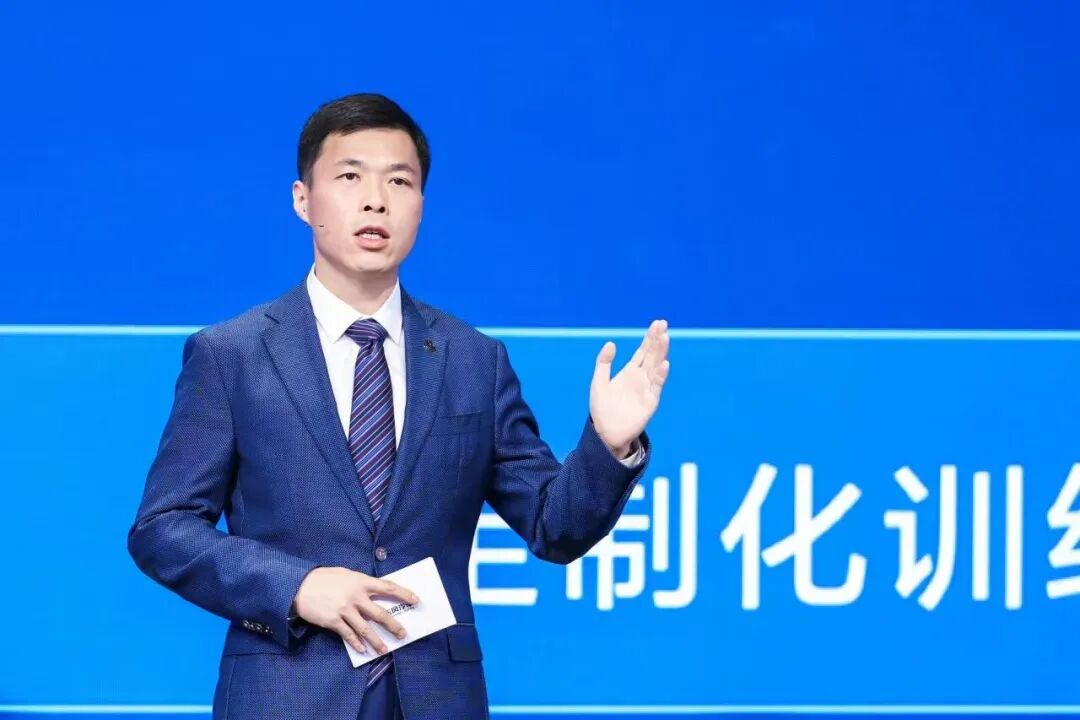
Unlike the single-dimensional cadres of the past who only understood manufacturing but not intelligence or only did R&D without understanding market planning, composite technical talents like Yang Yanding, who combine "traditional machinery + intelligent technology + comprehensive management," are the top choice for current state-owned automotive enterprises when promoting executives.
Zeng Qinglin, another talent cultivated within the Dongfeng system, also has a representative career path. In April 2026, he took on a new role as General Manager of the E-SEED Automotive Brand, responsible for the overall operations of the high-end new energy brand jointly created by Dongfeng Group and Huawei Qiankun, leading the implementation and iteration of the brand's full-stack native co-creation model.
Zeng Qinglin graduated from Hefei University of Technology with a major in Vehicle Engineering and then joined Dongfeng Motor. Starting from a frontline R&D position, he has deep expertise in core areas such as product R&D, sales channel construction, brand marketing, and user service system establishment, covering both commercial and passenger vehicle sectors of Dongfeng, and deeply participating in collaborative projects between VOYAH and Huawei.
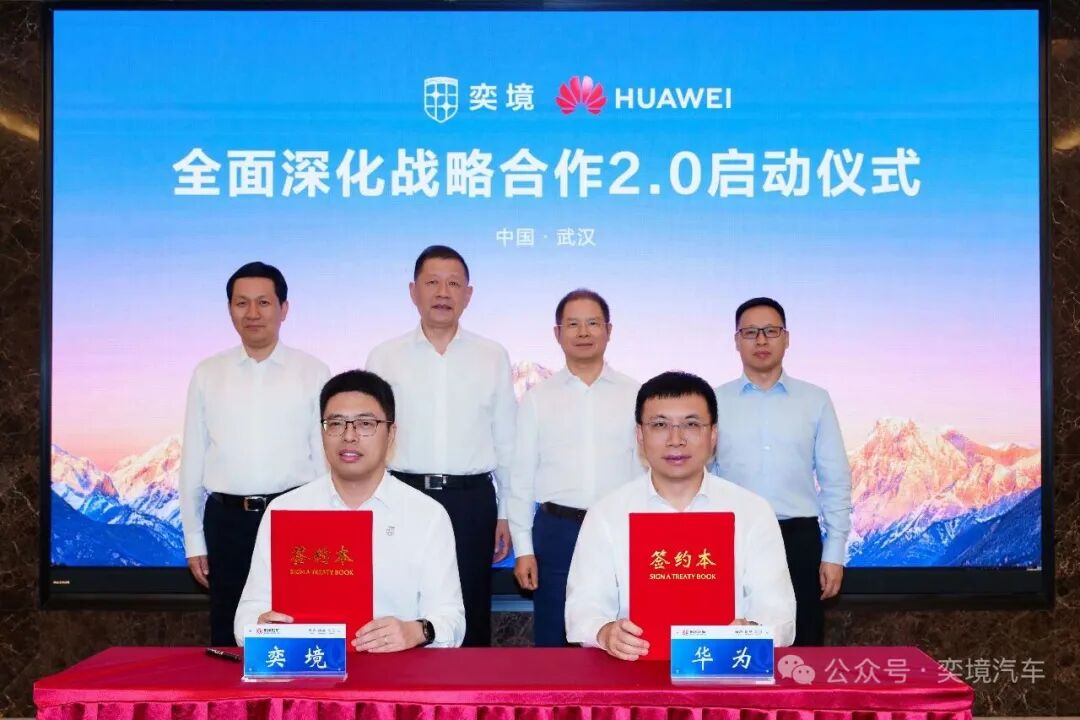
From his career history, Zeng Qinglin possesses hands-on experience across the entire industrial chain of R&D, production, marketing, and services. He excels at building high-end new energy brands from scratch and has the ability to integrate industrial resources and operate across enterprises and systems, making him one of the typical composite talents with a technical background and all-round empowerment within the Dongfeng system.
Turning to private automakers and new-energy vehicle startups, their selection of executives encompasses a more diverse range of professional dimensions, especially emerging science and engineering professionals in fields such as intelligent driving, software engineering, electronic and electrical systems, and algorithms, whose promotion speeds far exceed those of traditional mechanical talents. For example, technical leaders at new-energy vehicle startups like NIO, XPeng, and Li Auto generally possess professional backgrounds in computer science, automation, and artificial intelligence.
Renowned automotive industry institutions are no exception.
On April 30, 2026, the State-owned Assets Supervision and Administration Commission of the State Council (SASAC) released a batch of appointment and removal information. Among them, Gong Jinfeng was appointed Deputy Party Secretary and Director of the China Automotive Technology and Research Center Co., Ltd. (CATARC) and nominated as the candidate for General Manager of CATARC.
CATARC is an authoritative technical testing institution in the domestic automotive industry. As the global automotive industry undergoes a deep transformation towards intelligence, the core pain points in current automotive industry regulation and standard-setting focus on areas such as intelligent driving data compliance, vehicle electronic and electrical safety, and telematics standardization construction.
Public information reveals that Gong Jinfeng has deep expertise in automation and intelligent systems, with a long-standing focus on automotive intelligence fields such as automotive electronics and intelligent transportation throughout his career.
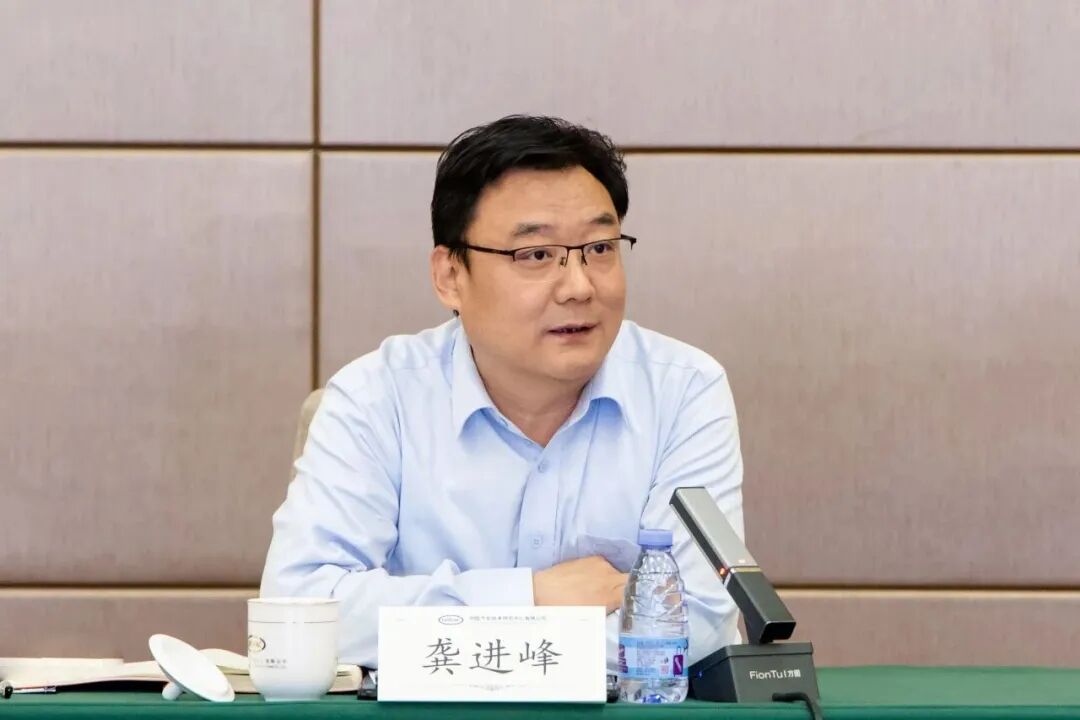
He is a member of the Automotive Electronics and Electrical Professional Committee of the National Technical Committee on Automotive Standardization and has deeply participated in the initiation and review of multiple national and industry standards for intelligent connected vehicles, including electronic and electrical architecture, information interaction protocols, and functional safety evaluation, making him one of the key drivers in the construction of China's intelligent connected vehicle standard system.
Gong Jinfeng's promotion is a clear signal of the industry's top-tier institutions fully embracing intelligence.
▍02 Pursuit of Interdisciplinary Talents
Over the past year, the career advancement paths for science and engineering technical talents in the automotive industry have been broadly widened, with relatively few cases of liberal arts-background practitioners rising to core management ranks.
However, this does not mean that talents with a liberal arts or business administration background have no room for development.
Nevertheless, from the cases of such executives who have gained prominence over the past year, their promotions share a common growth path—they possess complete cross-departmental rotation experiences. Simply having long-term deep expertise in a single sector such as marketing, finance, administration, or legal affairs makes it difficult to reach core executive positions at automakers.
In October 2025, Feng Changjun was promoted to Director, General Manager, and Deputy Party Secretary of Dongfeng Motor Group. He graduated from Central University of Finance and Economics with a major in Accounting and obtained a Master of Accounting degree from Renmin University of China. He is a senior accountant.
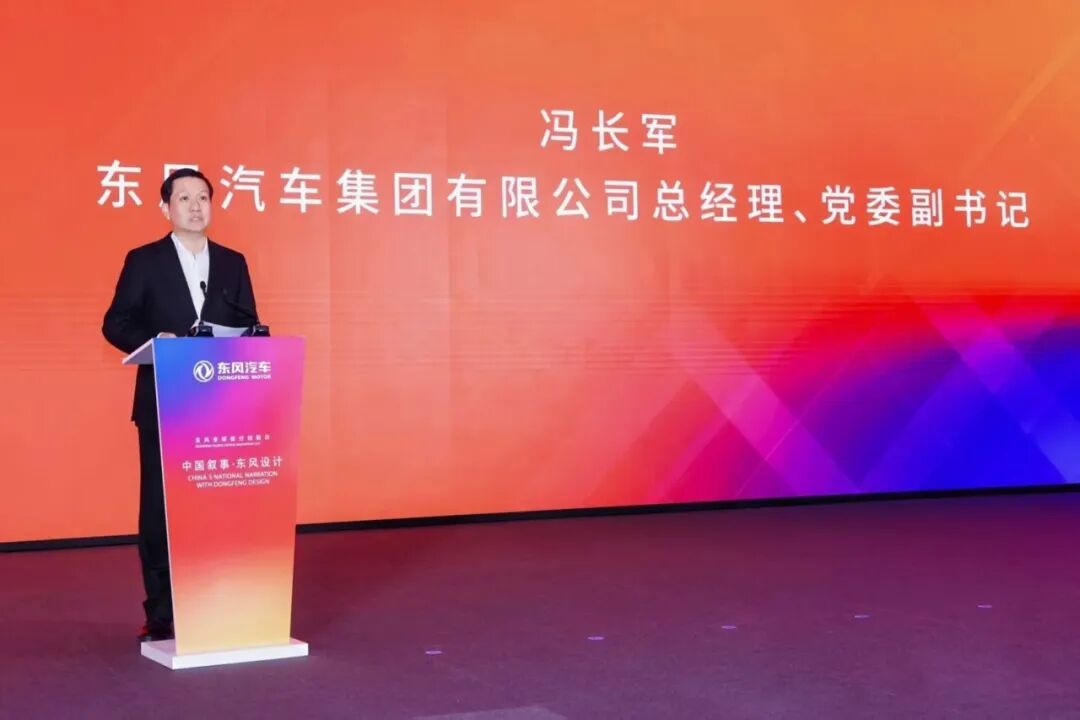
Accounting falls under the category of Business Administration within the Management discipline and does not belong to the traditional fields of science or liberal arts. Official information indicates that Feng Changjun has long served in key financial management and business management positions in large state-owned backbone enterprises and related fields of the automotive industry, possessing solid professional expertise and rich practical experience, as well as composite capabilities in cross-industry financial management, financial business operations, and large enterprise group control.
Since joining Dongfeng in 2020, Feng Changjun has carried out effective work in corporate governance, financial management, capital operations, risk prevention and control, and deepening reforms, and led the listing of VOYAH, a Dongfeng subsidiary, on the Hong Kong Stock Exchange, setting a benchmark for the capitalization of other Dongfeng business segments.
Currently, the automotive industry has entered a stage of integrated development of "technology + management + capital." Regarding Feng Changjun's appointment, Xinhuanet commented in an article: "It not only injects vitality into the Dongfeng Motor leadership team but also brings new momentum to Dongfeng Motor in deepening reforms and responding to fierce market competition."
Another executive without a science and engineering technical background is Wen Fei.
In May 2025, Wen Fei was appointed Vice President of Chery Automobile Co., Ltd., part-time (concurrently serving as) General Manager of the FREELANDER Brand Business Unit and Executive Vice President of Chery Automobile Co., Ltd.

He graduated from Peking University's Guanghua School of Management with an MBA degree and entered the automotive industry in 2006. Over the past 20 years, he has had four major career stages: 13 years in joint ventures and foreign-funded enterprises, 5 years in domestic brands, 2 years in technology companies in the new-energy vehicle camp ( camp : sector), and currently overseeing FREELANDER.
Over 20 years and four major steps, each of Wen Fei's career stages has laid the foundation for the next level.
Overall, while there are no absolute professional barriers in the automotive industry, talents with a liberal arts or management background can only reach higher positions if they are familiar with the industry's technical logic, as automakers' talent selection standards are shifting towards interdisciplinary talents.
Another new trend is that interdisciplinary liberal arts talents from the consumer electronics and internet sectors are also entering automakers. Marketing executives from technology companies such as Honor and Alibaba have already made a batch entry into the automotive industry.
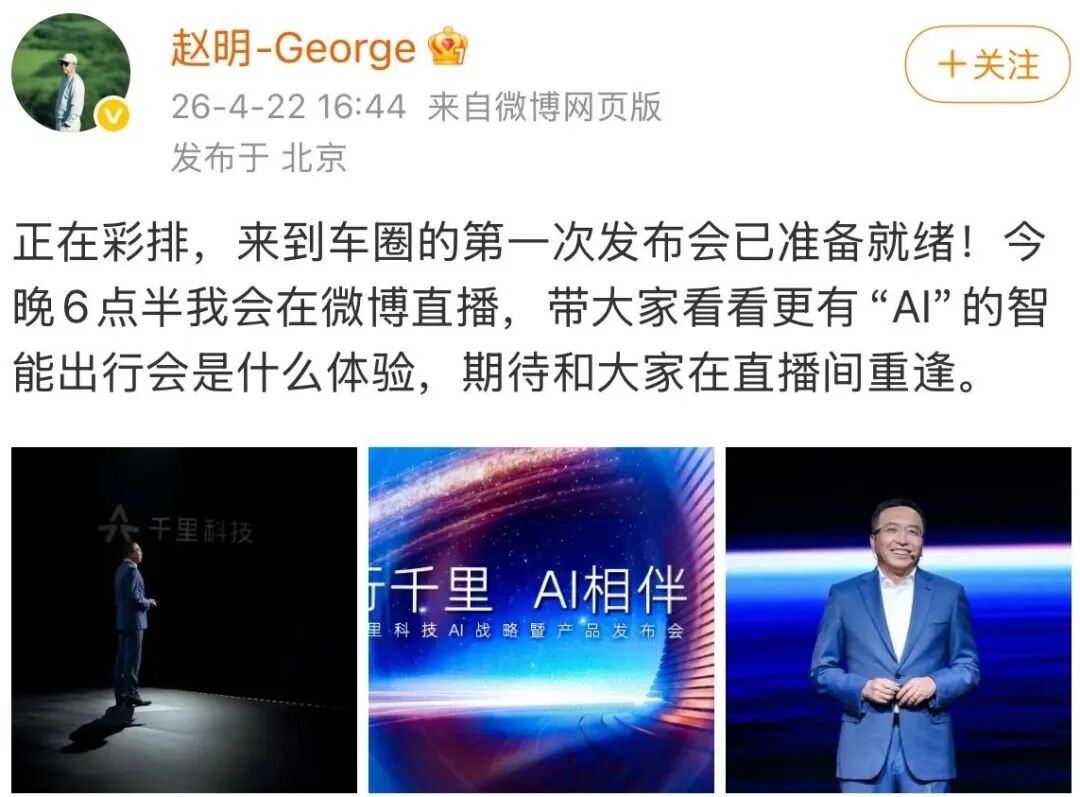
In February this year, Geely hired Zhao Ming, the former CEO of Honor, as Co-Chairman of Qianli Technology, its intelligent driving subsidiary. Industry insiders believe that Geely hopes to integrate consumer electronics user operation thinking with automotive intelligent technologies through this move.
In April this year, Guo Rui, the former CMO of Honor, officially announced his joining of SERES and was appointed Chairman and CEO of SERES Automotive.
Guo Rui is also a typical interdisciplinary talent. Public information reveals that Guo Rui holds a Ph.D. in Science from Peking University's School of Information Science and Technology. From 2017 to 2021, he served as Chief Marketing Officer of Huawei Consumer Business Group's Greater China region, deeply participating in the high-end transformation process of the Huawei smartphone brand. In 2021, as a founding team member, he joined Honor after its independence, responsible for building the brand's marketing system and driving Honor's internationalization and high-end transformation.
In fact, regardless of whether they come from science, liberal arts, or management backgrounds, every employee at automakers contributes to the company's development. The reasons why some talents can reach higher positions are multifaceted and not solely based on their professional backgrounds. At least, continuous learning, effort, and innovation also play crucial roles.
In the long run, as automakers continue to tilt ( tilt : tilt) their core resources towards R&D and technology, the management selection process will likely continue to favor science and engineering talents.
However, the automotive industry is so complex that simply promoting talents based on their technical backgrounds cannot solve all problems. Interdisciplinary talents who can bridge technical R&D, market commercialization, and capital operations are the scarce management forces that automakers need.
(The featured image was created using AI)
-
![]()
Vivo's Strategic Retreat in India: From Market Dominance to Forced 'Partnership' in a No-Alternative Scenario
-
![]()
Following the Explosive Success of Kimi k3, Moonshot AI is Reportedly in Final IPO Financing Discussions
-
![]()
Baidu Dazi's Ambitious Overtaking with 'Product-Centric' Upgrades
-
![]()
AI PC Is Becoming Obsolete! The Rise of AC: Do Agents Really Need Their Own Computer?
-
![]()
Times Are Changing: Domestic New Energy Vehicles Are Driving Traditional Luxury Brands to the Wall, Prompting BBA to Slash Prices En Masse for Survival
-
![]()
The Myth of Musk
-
![]()
Which Type of Talents Do Automakers Prefer to Promote: Science or Liberal Arts Graduates?
-
![]()
Why has OPPO's strategy been readjusted in less than three months?