Times Are Changing: Domestic New Energy Vehicles Are Driving Traditional Luxury Brands to the Wall, Prompting BBA to Slash Prices En Masse for Survival
 07/22 2026
 452
452
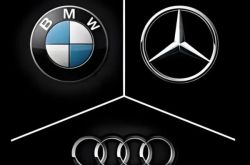
Yesterday, the hashtag #BBA Slash Prices En Masse This Year# soared to the top of Weibo's trending topics. Indeed, BBA (BMW, Mercedes-Benz, and Audi) have embarked on unprecedented, large-scale price reductions this year, marking a seismic shift in the automotive market and signaling the complete collapse of pricing defenses for traditional luxury fuel-powered vehicles. This move is not a sudden act of benevolence by traditional luxury brands but rather a desperate measure for self-preservation amid shifting automotive pricing dynamics in the Chinese market and mounting survival pressures.
From my vantage point, BMW spearheaded this wave of price cuts earlier this year, with Mercedes-Benz following suit in February and Audi adopting the most aggressive pricing strategy. Simultaneously, price reductions are no longer stealthy discounts offered by dealers but are systematically orchestrated by the brands themselves, with price floors for key models being shattered. As a result, you'll witness the following:
① BMW: Adjusted the suggested retail prices for 31 models, with the flagship 7 Series witnessing a maximum direct price reduction of approximately RMB 270,000, and the pure electric i7 M70L experiencing a price drop exceeding RMB 300,000. The entry-level 225i has been slashed to RMB 208,000, while the base model of the 3 Series has dipped below the RMB 200,000 threshold.
② Mercedes-Benz: Reduced the suggested retail prices of key models such as the C-Class, GLB, and GLC, with an overall reduction of about 10%. The lowest starting price for the Mercedes-Benz GLB has plummeted to RMB 144,900, with discounts on certain E-Class models reaching as high as RMB 110,000 to RMB 135,000.
③ Audi: Both FAW-Audi and SAIC-Audi have simultaneously rolled out substantial discounts, with comprehensive terminal discounts reaching up to RMB 160,000. The base model of the A6L has dropped to as low as RMB 258,000, while the Q5L has seen a direct price cut of nearly RMB 130,000 at the terminal. Some A3 dealerships are even offering prices below RMB 100,000.
It's noteworthy that such affordable pricing for BBA models would have been unthinkable just three years ago. So, why has the traditional luxury façade crumbled? In my opinion, the collective plunge in BBA prices is an inevitable consequence of the restructuring of the underlying logic in the luxury car market, driven by three primary factors:
① The disruptive impact of domestic new energy vehicles: In the traditional core market segment of RMB 200,000 to RMB 500,000, domestic high-end new energy vehicles have comprehensively outperformed BBA's mechanical luxury with their cutting-edge intelligent driving systems, smart cockpits, and superior configurations, shattering the monopoly on brand premiums.
② Plunging sales and high inventory pressure: In the first half of this year, BBA experienced double-digit sales declines in China (Mercedes-Benz down 28%, BMW down 20.4%, Audi down 19%). The sales contraction led to a surge in dealer inventory, with inventory coefficients all exceeding 2.8, far surpassing the healthy level of 1.5. Many dealerships are grappling with inventory backlogs exceeding 90 days. To recoup cash flow, they have been compelled to reduce prices to stimulate sales.
③ Erosion of the profit model and reshaping of consumer attitudes: With the proliferation of third-party car maintenance platforms, BBA's past strategy of 'not making money on car sales but relying on after-sales profits' has become obsolete. Simultaneously, younger consumers are no longer blindly paying a premium for brand logos and social status, instead shifting their purchasing decisions towards valuing intelligent experiences and overall practicality.
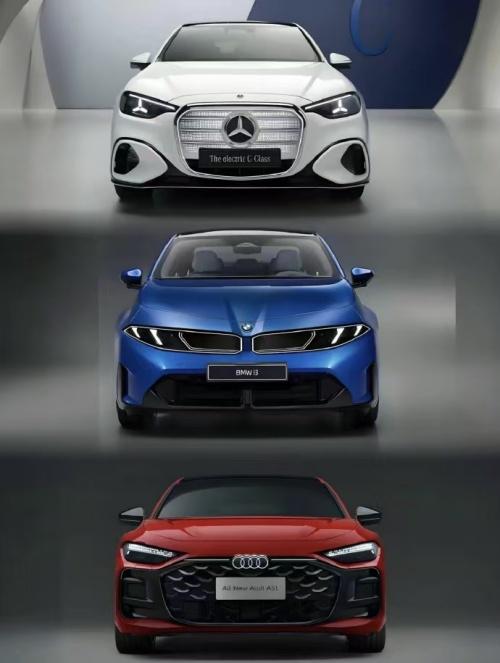
However, the stark reality is that BBA's drastic price cuts have not resulted in the desired sales rebound but have instead accelerated the collapse of their brand premiums. On one hand, there is a heightened sense of wait-and-see among consumers, who anticipate further price reductions, trapping BBA in a dilemma where 'price cuts are necessary to maintain sales, but each cut weakens the brand premium.' On the other hand, the resale value of used cars has plummeted, with the direct impact of new car price drops being felt in the second-hand market, causing BBA's used car valuations to nosedive. The three-year resale value of what were once considered rock-solid in terms of value retention has generally fallen below 55%.
Additionally, existing BBA owners are also accelerating their exit, with over 80% of them choosing not to stick with BBA when upgrading their vehicles, opting instead for domestic high-end new energy brands such as AITO, Li Auto, and NIO. For consumers interested in snapping up fuel-powered luxury cars at bargain prices, the current period (July-August) is indeed the price trough of the past decade, given the immense pressure on dealers to clear inventory. After September, with the arrival of the traditional peak car-buying season, discounts are likely to gradually tighten.
Therefore, consumers should seize the right opportunity to make a purchase but still need to be wary of two potential pitfalls:
① Beware of hidden configuration reductions: Some models have quietly adjusted their configuration lists alongside price cuts, such as Mercedes-Benz's entry-level models removing rear intelligent air conditioning and Audi replacing genuine leather seats with faux leather. It is crucial to verify each item when purchasing.
② See through bundling tactics: The extreme low prices often come with stringent conditions, such as mandatory high-interest loans, inflated decoration fees, or being limited to specific inventory vehicles. The actual total cost may not be as favorable as it seems.
In essence, times have changed. BBA's collective price cuts are a microcosm of the collapse of the old order. The days when consumers would willingly pay a premium just for a brand logo are long gone. Facing the wave of intelligence, BBA are actively seeking self-preservation, such as Audi's cooperation with Huawei to introduce intelligent driving and BMW's integration into the Hongmeng ecosystem. While enjoying the benefits of price reductions, consumers should also rationally view changes in brand value and make choices based on their needs to avoid falling into consumption traps. What do you think?
-
![]()
Following the Explosive Success of Kimi k3, Moonshot AI is Reportedly in Final IPO Financing Discussions
-
![]()
Baidu Dazi's Ambitious Overtaking with 'Product-Centric' Upgrades
-
![]()
AI PC Is Becoming Obsolete! The Rise of AC: Do Agents Really Need Their Own Computer?
-
![]()
Times Are Changing: Domestic New Energy Vehicles Are Driving Traditional Luxury Brands to the Wall, Prompting BBA to Slash Prices En Masse for Survival
-
![]()
The Myth of Musk
-
![]()
Which Type of Talents Do Automakers Prefer to Promote: Science or Liberal Arts Graduates?
-
![]()
Why has OPPO's strategy been readjusted in less than three months?
-
![]()
New Models Falter: Over 700 New Cars in the First Half of the Year Struggle, Only 4 New Models Surpass 10,000 Units in Sales, Achieving Hot Sales | Mingjing Pro