New Models Falter: Over 700 New Cars in the First Half of the Year Struggle, Only 4 New Models Surpass 10,000 Units in Sales, Achieving Hot Sales | Mingjing Pro
 07/22 2026
 548
548
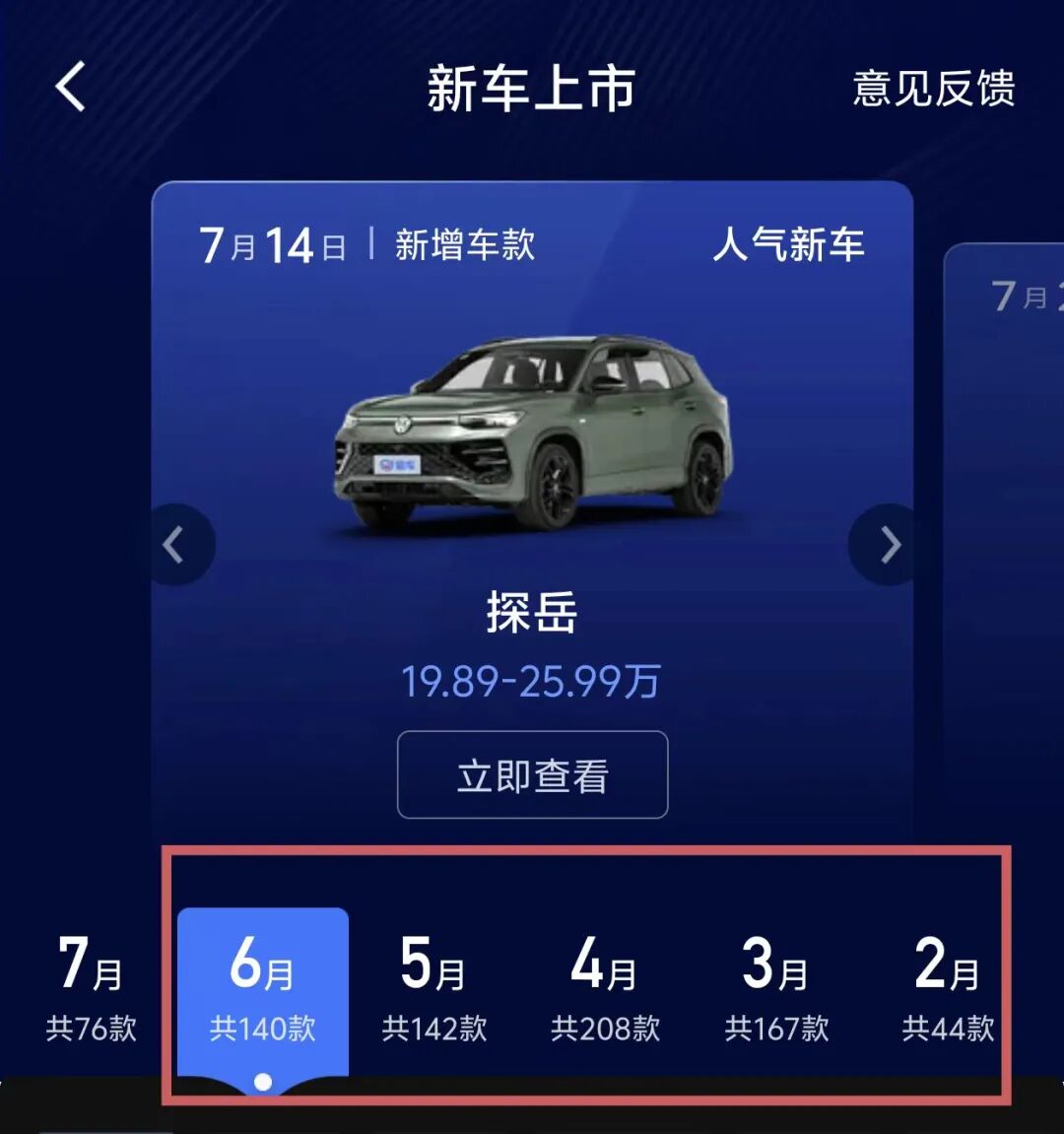
The pace of new car launches has become even more frenetic this year. According to public data, a cumulative total of 701 new models (including all-new models, facelift models, and new variant models) were launched in the first half of the year. Notably, no new models were launched in January, while the numbers for February through June were 44, 167, 208, 142, and 140, respectively. This averages out to 3.8 new models hitting the market daily in the first half; excluding January's lull, the daily average from February to June soared to 4.7 models. It's important to note that this tally includes not only passenger vehicles but also mini trucks and vans.
This seems like an astronomical figure, but some media outlets report that, in reality, a total of 1,572 new models were launched in the Chinese auto market in the first half of 2026, spanning 75 automakers and 491 model lines. Among these, there were 101 all-new models, 13 complete generational shifts, 11 facelift models, 121 model lines that underwent annual updates, and 334 model lines that introduced entirely new variants to maintain market competitiveness. Of course, verifying these two sets of figures individually is impossible, but they both underscore a core fact: the number of new models in the first half of the year reached an all-time high.
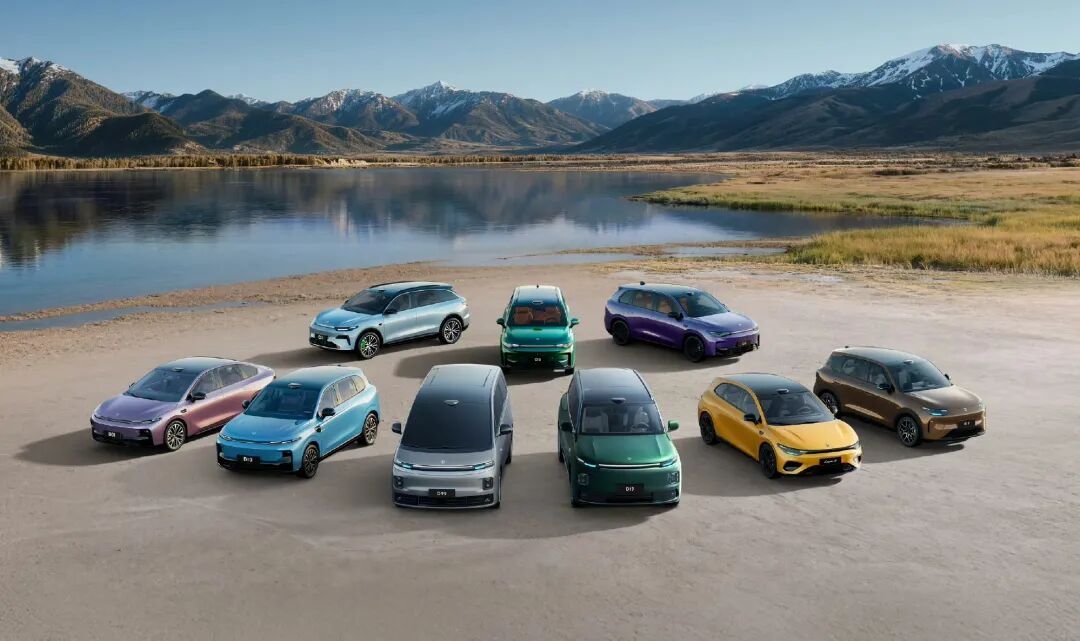
This trend of dense (intensive) new model launches continues. On July 16th alone, eight automakers held launch events, six of which were for new models. Including the direct market launch of the Zeekr 9X five-seater version without a separate event, seven new models debuted that day, leaving industry insiders feeling overwhelmed.
For instance, not long ago, BYD's Executive Vice President He Zhiqi posted a roast (rant) about the dense (frenetic) pace of new model launches, stating bluntly: "This is insane. We're talking about cars here—each new model requires an investment of over 1 billion yuan and a development cycle of over two years, yet their popularity can't even last three months before cooling off. With so many new models and the domestic market declining by 20%, this competition isn't just fierce; it's brutal."
As He Zhiqi mentioned, automakers' dense (frenetic) new model launches have not translated into widespread growth. Data from the China Passenger Car Association shows that cumulative retail sales of narrow passenger vehicles in the first half of the year reached only 8.701 million units, down 20.2% year-on-year, indicating an overall market contraction. In June alone, retail sales were 1.602 million units, a 23.2% year-on-year decline. Besides the continued slide in fuel vehicle sales, new energy vehicles also saw a decline in the first half, with retail sales of 4.704 million units, down 14% year-on-year.
01 3.8 New Models per Day, Only 40 Models Surpass 10,000 Monthly Sales
As the market pie stops growing and even begins to shrink, no automaker dares to halt new model launches, all attempting to carve out a share of the limited market and capture consumer attention with more products. However, amid a more crowded product landscape, only a few models break through, with 99% essentially "accompanying" the competition. According to Mingjing Pro's statistics, given the pace of 3.8 new models per day in the first half of the market, only around 40 models managed to surpass 10,000 monthly sales. Within the broader context of 768 models (referring to models with available sales figures), this accounts for just 5.2%.
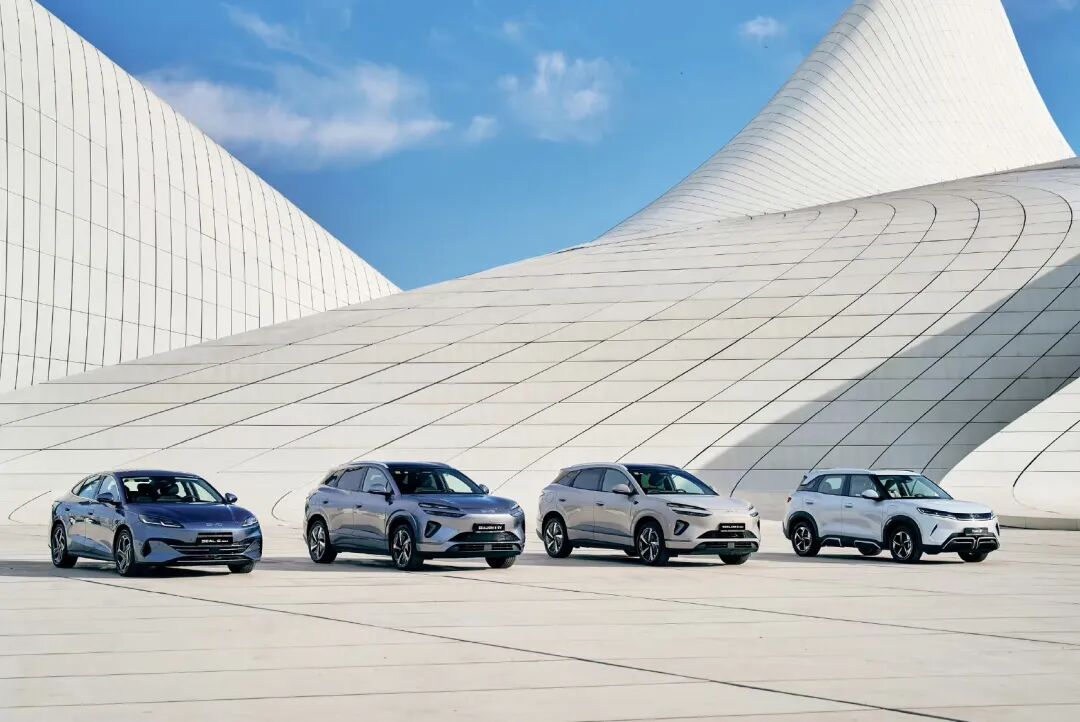
Since most new models were launched from February to June in the first half, considering issues like production capacity and delivery, we'll focus on June data for discussion.
From June's sales performance, the top 30 best-selling models were all already popular last year, with only the Leapmotor A10 among the all-new models (referring to newly introduced model lines).
Non-all-new models primarily maintained market competitiveness and visibility through facelifts. For example, the new-generation SU7 saw rapid sales growth after its March launch, reclaiming the top spot in the mid-to-large sedan segment; after BYD implemented flash-charging technology across its model range, sales of models like the Titan 7 rebounded significantly; the new AITO M9 and Li Auto L9 also quickly returned to the forefront of the large SUV segment after their May launches, with the AITO M9 reclaiming the top spot with over 10,000 monthly sales.
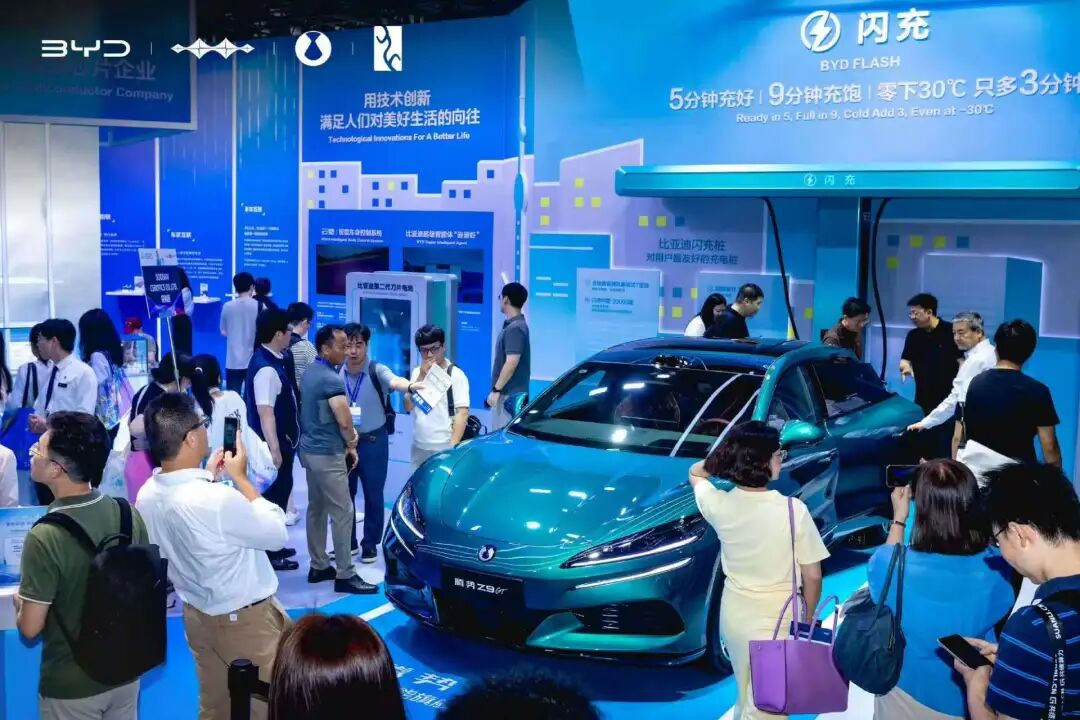
Some models became more competitive after facelifts, reversing previous sluggish sales. For instance, the Tengshi Z9GT, which had long lingered in the triple digits in monthly sales, saw a turnaround after its March facelift. By introducing a single-motor rear-wheel-drive variant to lower the entry barrier, equipping the entire lineup with Yunlian-A suspension and megawatt flash-charging, and extending the pure electric range to over 1,000 kilometers (400 kilometers for the plug-in hybrid version), the product's competitiveness was significantly upgraded, and sales have since matched the D9 as a pillar of the Tengshi brand.
However, most facelifts are minor updates, essentially adding new exterior and interior colors, wheel designs, etc., to "refresh" market presence through such regular minor updates, but these have limited impact on sales. For example, Seres launched the G318 Hassle-Free Crossover Edition in March, primarily with cosmetic changes. The new variant's arrival did not significantly boost overall sales, with the model selling only 488 units in June, still in the triple digits—a scenario mirrored by many facelift models.
02 Only 4 All-New Models Can Be Considered Hot Sellers
According to Mingjing Pro's incomplete statistics, at least 40 all-new passenger vehicles were launched this year. Among these all-new models, 35% achieved monthly sales of over 5,000 units; 30% fell between 2,000 and 5,000 units; and 35% sold less than 2,000 units. Meanwhile, about one-third of the models experienced a month-on-month sales decline during the initial ramp-up phase, further intensifying market polarization.
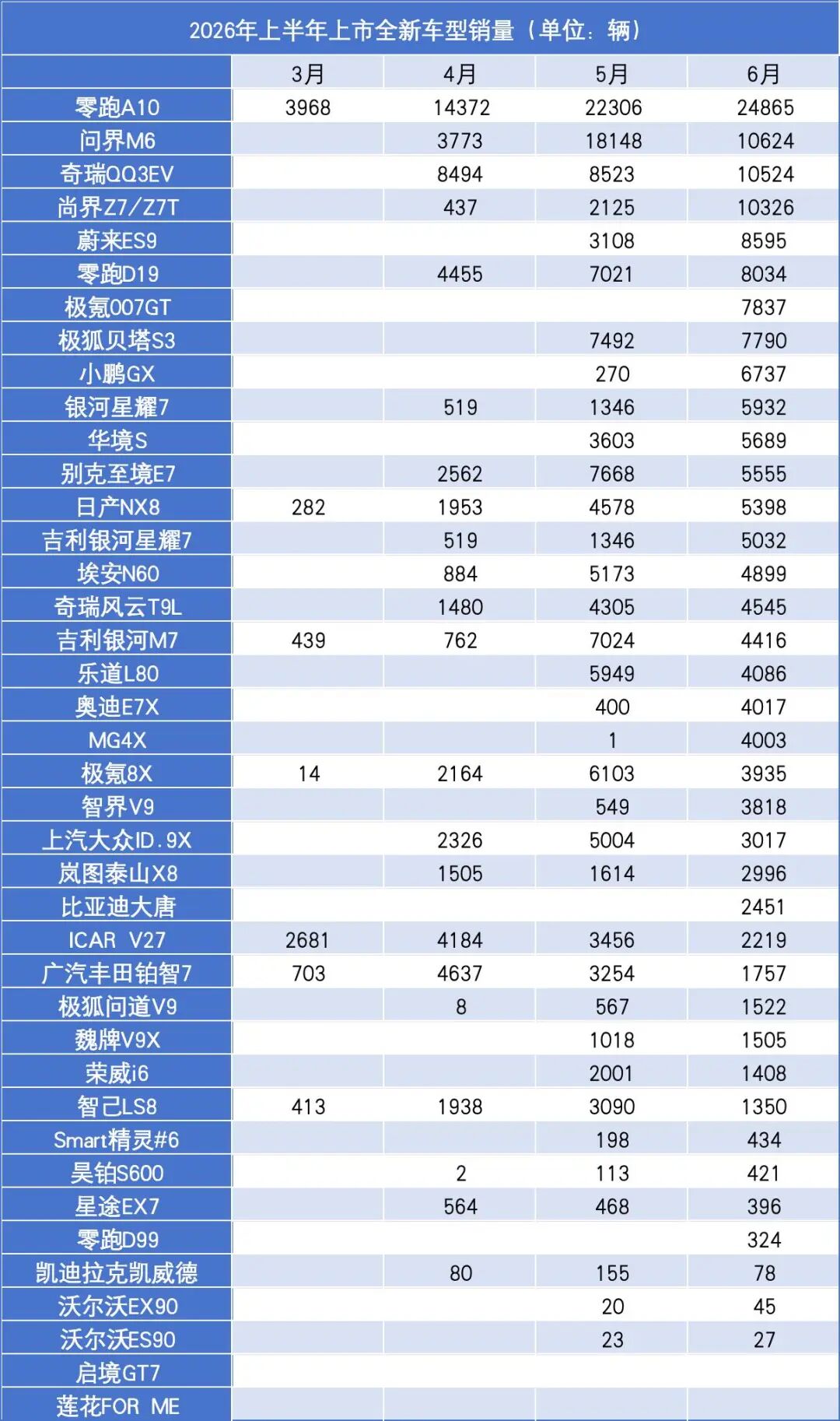
Among them, only the Leapmotor A10 truly "exploded" in popularity. Launched in March this year as a pure electric compact SUV priced between 60,000 and 90,000 yuan, it sold 14,300 units in its first full delivery month (April), increased to 22,300 units in May, surpassing the Yuan UP to top the compact SUV sales chart, and further grew to 24,900 units in June, ranking among the top 3 in the overall market. This model's arrival also accelerated Leapmotor's delivery volume to surpass 90,000 units in June. Of course, if we use the traditional benchmark of 10,000 monthly sales to define a hot model, besides the Leapmotor A10, the AITO M6, Chery QQ3 EV, and Shangjie Z7/Z7T also surpassed 10,000 sales in June, making a total of four hot-selling models. Even so, the success rate remains low.
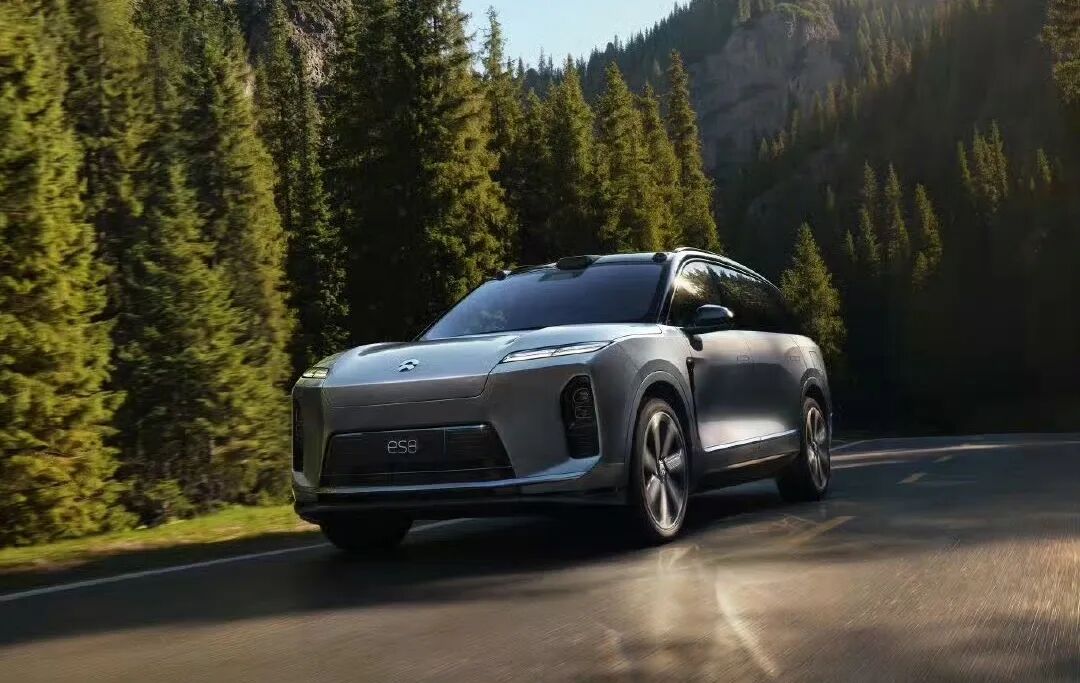
The "Series 9 Battle" was a key highlight of new model launches in the first half of the year. Besides facelift models like the AITO M9 and Li Auto L9, seven all-new full-size six-seater SUVs were launched in the first half, priced between 150,000 and 600,000 yuan. From initial sales performance, most of these models fared decently, especially the NIO ES9 and Leapmotor D19, which achieved over 8,000 monthly sales within just 2-3 months of launch. Additionally, BYD's Tang Dynasty received over 100,000 pre-orders during its Presale period (pre-sale period), with only 13 days of delivery in June, so its sales potential has yet to be fully released. Its subsequent sales performance remains to be seen.
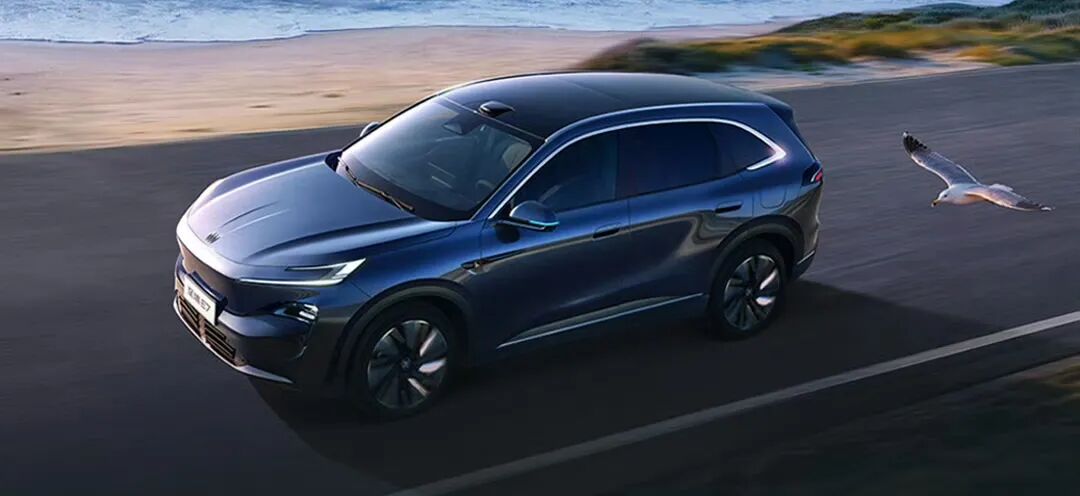
The SAIC Volkswagen ID.ERA 9X is the only joint-venture Series 9 model, launching less than three months ago and currently selling around 3,000 units. Considering its price range and competitors, this performance is actually quite good. Meanwhile, the Great Wall Motors' Wey V9X, launched two months ago, sells over 1,000 units monthly. Currently, the Wey V9X has introduced a more affordable 1.5T variant, which is expected to boost subsequent sales. In the Series 9 market segment, the market capacity is limited, and not every model can stand out.
In the MPV segment, all-new models launched in the first half include the Zhijie V9, Arcfox Wendao V9, and Leapmotor D99. Among these, the Zhijie V9 has the highest heat (popularity) and sales, reaching 3,818 monthly sales just one and a half months after deliveries began, surpassing models like the Buick GL8 plug-in hybrid and Zeekr 009. Currently, its cumulative deliveries have exceeded 10,000 units. The Arcfox Wendao V9 has performed moderately, with just over 1,500 units sold, which is decent for Arcfox given its price point of around 250,000 yuan. Additionally, the D99 has not yet commenced large-scale (mass) deliveries, with the existing few hundred units likely serving as dealership test drive vehicles.
From a manufacturer perspective, all-new models are predominantly from domestic brands, with joint-venture models accounting for a relatively low proportion, including only the aforementioned SAIC Volkswagen ID.9X, Buick Zhiqing E7, Nissan NX8, AUDI E8X, GAC Toyota bZ4X, and Cadillac Celestiq. Among these, the Zhiqing E7 and Nissan NX8 have achieved monthly sales of over 5,000 units. While still lagging behind leading domestic models in their segments, these figures represent decent achievements for joint-venture brands struggling with Transformation (transformation) in recent years. As more electric models surpass the "passing grade" in sales, joint-venture brands are gradually finding their rhythm in electrification.
From initial sales, some models seem destined to become market "cannon fodder," with several models selling in the triple or even double digits three months after launch, effectively bypassing the "newborn death valley" period and being eliminated outright.
It's important to note that for models launched from late May to June, production is still ramping up, and their sales potential has yet to be fully unleashed. Among models that have already gained traction, initial sales rely heavily on pre-launch order backlogs, and whether they can sustain strong sales remains to be seen. Regardless, these grim figures once again highlight the intense competition in today's auto market. For automakers, perhaps it's time to consider: when the strategy of "having more children to fight" loses effectiveness, how to adopt a Xiaomi-like "boutique strategy" to create blockbuster models.
-
![]()
Observation of German Auto Market: Electric Vehicle Market Maturity Ranks 12th in Europe, Chinese Brand Share Rises to 3.7%
-
![]()
Vivo's Strategic Retreat in India: From Market Dominance to Forced 'Partnership' in a No-Alternative Scenario
-
![]()
Following the Explosive Success of Kimi k3, Moonshot AI is Reportedly in Final IPO Financing Discussions
-
![]()
Baidu Dazi's Ambitious Overtaking with 'Product-Centric' Upgrades
-
![]()
AI PC Is Becoming Obsolete! The Rise of AC: Do Agents Really Need Their Own Computer?
-
![]()
Times Are Changing: Domestic New Energy Vehicles Are Driving Traditional Luxury Brands to the Wall, Prompting BBA to Slash Prices En Masse for Survival
-
![]()
The Myth of Musk
-
![]()
Which Type of Talents Do Automakers Prefer to Promote: Science or Liberal Arts Graduates?