Fewer Sales, Yet GM China Thrives: Profit Doubles to 1.679 Billion in H1
 07/23 2026
 453
453
"We have solidified our position in a rapidly changing market while again raising our full-year 2026 performance outlook—the second time this year," GM CEO Mary Barra wrote in an open letter to investors on the evening of July 21.

General Motors has raised its full-year 2026 profit forecast, lifting the target by $5 billion to a range of $14–16 billion. This adjustment primarily reflects robust consumer demand for high-margin vehicles like pickups and large SUVs in the U.S. market, driving a 30% YoY surge in core profit for the second quarter. In April, the company revised its guidance due to a $500 million tariff refund.
GM reported net revenue of $48 billion in Q2, with net income of $1.3 billion, adjusted EBIT of $3.9 billion (8.2% margin), adjusted diluted EPS of $3.57, and adjusted automotive cash flow of $5 billion. For H1, revenue reached $91.65 billion (+0.6% YoY), while GAAP net income attributable to shareholders fell 16.0% YoY to $3.932 billion, due to one-time asset impairments/restructuring charges totaling $3.455 billion (including $3.356 billion for global EV capacity realignment and $99 million for China business restructuring).
However, adjusted EBIT (core operating profit, excluding one-time items) rose 25.6% YoY to $8.196 billion, with the adjusted EBIT margin expanding 1.7 percentage points to 8.9%, signaling significant improvement in core profitability. Mary Barra attributed the operational turnaround to three factors: (1) Steady growth in North America, where adjusted EBIT margin reached 8.6% (+2.5 ppts YoY); (2) Reduced warranty costs, narrowed EV losses, and enhanced operational efficiency; (3) Profitability in GM's international operations, including Chinese JVs.
GM did not disclose EV segment losses, but its autonomous driving subsidiary Cruise sustained $273 million in H1 losses, prompting strategic retrenchment and sharp cuts in investment. Meanwhile, revenue from Super Cruise advanced driver-assistance systems surged ~70% YoY in Q2, with the user base expected to exceed 850,000 by year-end.
To bolster future profitability, GM will focus on four areas: (1) Launching next-gen Chevrolet Silverado and GMC Sierra light-duty pickups in December to strengthen product lineup; (2) Expanding software and service ecosystems; (3) Optimizing production footprint and supply chains, including relocating significant capacity to the U.S. to reduce tariff pressures; (4) Cultivating new growth areas like GM Defense and GM Insurance.
Defense has emerged as a key growth driver for GM. Its defense subsidiary partnered with Lockheed Martin this year and secured a $121 million U.S. Army order for infantry squad vehicles in March. Multiple automakers are entering the defense sector—Volkswagen's Osnabrück plant, slated for closure, revived idle capacity by collaborating with Rheinmetall to produce armored cabs and convert into a tank factory.
China remains critical for GM. Despite sales pressure, its Chinese JVs delivered sustained profitability on an equity income basis. H1 equity income reached $248 million (vs. $116 million in H1 2025, +114% YoY), with Q2 alone at $83 million (+16.9% YoY), marking seven consecutive profitable quarters—a rare feat among overseas markets. Compared to GM International's (GMI) full-year profit of $314 million, China's profitability far exceeds other regions outside North America, offsetting losses elsewhere.
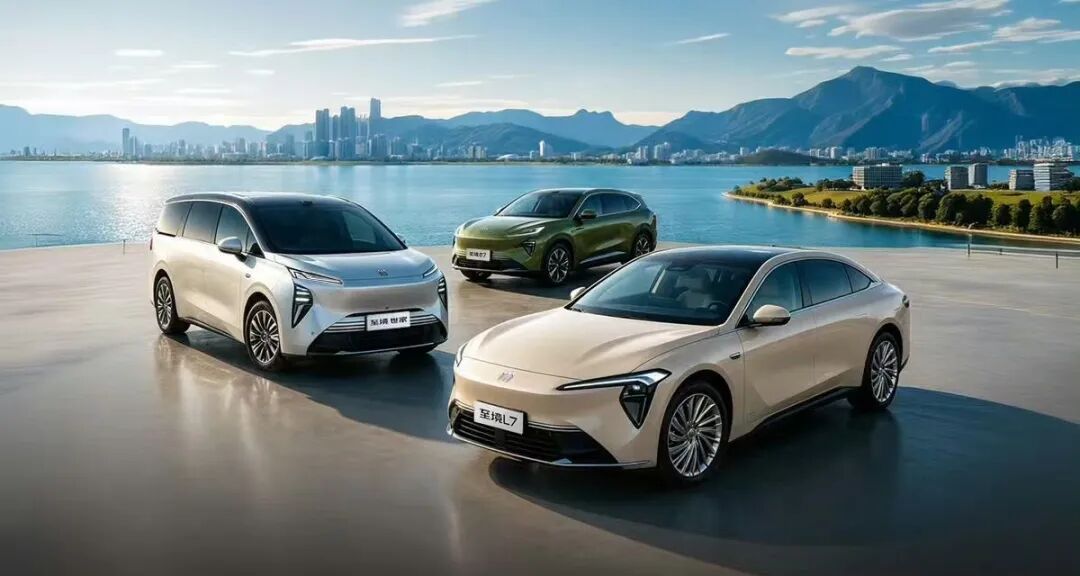
Four factors underpin China's profitability: (1) Over 22,000 units sold of the high-margin Buick GL8 premium fuel MPV in H1; (2) A well-rounded NEV portfolio (PHEV/BEV) raising average selling prices, countering domestic fuel car price wars; (3) Unified pricing policies curbing irrational discounts, restoring profit margins; (4) Strict cost controls, capacity optimization, inventory improvements, and full release of impairment risks ($99 million in one-time China restructuring charges in H1).
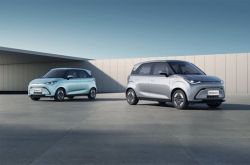
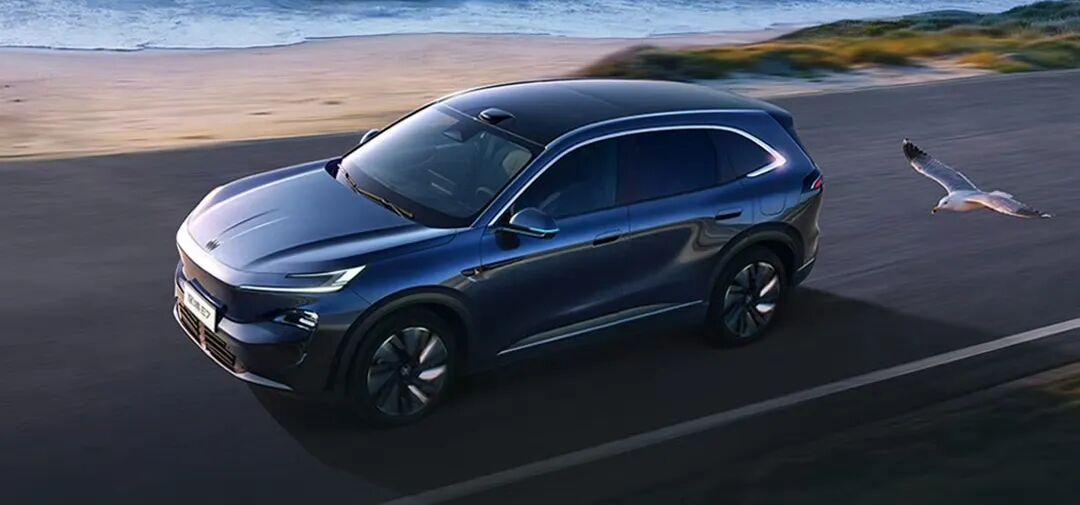
In H1 2026, SAIC-GM + SAIC-GM-Wuling retail sales totaled 706,000 units (vs. 890,000 in H1 2025), with SAIC-GM selling 210,000 units and SAIC-GM-Wuling 496,000 units. In NEVs, GM targeted high-value segments with competitive models like the Buick Electra E7 and Baojun Huajing S.
GM's localized R&D in China is now fully operational, with joint innovations in intelligent driving, cockpits, and PHEV technologies tailored for the Chinese market significantly boosting product fit—laying a solid foundation for future growth. For example, its locally developed "Xiaoyao" super integration architecture features advanced smart technologies, including a Level 2+ driving assistance system co-developed with Chinese tech firm Momenta.
With healthy cash flow recovery in China, GM demonstrates stronger risk resilience than peers selling vehicles at a loss. After clearing historical burdens, profit elasticity is poised to further unlock, entering a virtuous cycle. Given the competitive landscape, China's strategic importance stands out.
-
![]()
The “Low-Price Miracle” Myth Rescues XPENG Yet Again
-
![]()
Is 2026 the Most Pressurized Year Yet for Xiaomi SU7?
-
![]()
Is It Too Late—Or Just Bold—to Enter the Car Manufacturing Industry Now? Dreame, Chunnan, Automotive Market Dynamics, Value Creation
-
Starship's 13th Flight: A Crucial Juncture for SpaceX's Trillion-Dollar Valuation
-
![]()
Optical Modules Stolen from Overseas Warehouse: Dongshan Precision’s Immediate Response
-
![]()
Is Tier 1 in Autonomous Driving Being Redefined Amid the Wave of Physical AI?
-
![]()
Tesla Unveils Latest Earnings: Revenue Rockets 26%, Yet Profits Tumble 18%
-
![]()
World's First! Laos Imposes Total Ban on New Fuel-Powered Vehicles: 100% of New Car Imports to Be Electric from June Onwards