World's First! Laos Imposes Total Ban on New Fuel-Powered Vehicles: 100% of New Car Imports to Be Electric from June Onwards
 07/23 2026
 394
394
Kuaikeji, July 22 - According to Electrek, Laos has achieved a groundbreaking feat unparalleled by any other nation by entirely prohibiting the import of new gasoline and diesel passenger vehicles from June 1st, with nearly all newly approved imports now being electric vehicles. This move represents the most assertive global mandate for electric vehicles to date.
The report reveals that the Lao government has declared a moratorium on fuel vehicle imports, with the ban extending until the end of 2026. The Ministry of Industry and Commerce is tasked with enforcing this policy. Following the import freeze on fuel vehicles, Laos witnessed a 100% electric vehicle import rate in June.
However, the ban is not all-encompassing, as specialized vehicles like public transport vehicles, construction machinery, and project-related trucks are exempt. Diesel vehicles will remain in use in areas where electrification is not yet viable. This policy specifically targets passenger vehicles, focusing on market segments where cost-effective electric alternatives are already available.
Laos's decision is not merely a bid for climate attention but is rooted in economic rationale. This landlocked country, with a population of 7 million, relies heavily on hydropower and has an export strategy centered on selling electricity to neighboring nations.
Yet, every drop of fuel consumed by vehicles is imported, necessitating foreign exchange that Laos has long been deficient in. Each electric vehicle that replaces a fuel vehicle signifies a substitution of imported diesel with domestic hydropower.
To incentivize consumers to switch to electric vehicles, Laos has implemented a blend of soft and hard policies: fully electric vehicles priced below $50,000 are fully exempt from consumption tax; the government has reduced electric vehicle registration fees; and transport companies are mandated to have at least 10% of their fleets as electric vehicles by the end of 2026.
In terms of infrastructure, Laos signed agreements with 27 public and private partners in April this year to collaboratively construct charging stations, battery swap stations, a central digital platform, and financial products, with a national objective of having 30% of vehicles be electric by 2030.
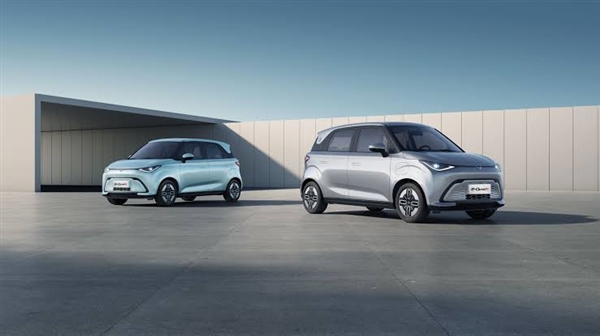
The market void left by fuel vehicles in Laos has been almost entirely filled by China. In June alone, China's electric vehicle exports to ASEAN reached $1.2 billion, with record-high export volumes to both Laos and Cambodia.
Chinese brands, along with Vietnam's VinFast through its Xanh SM taxi platform, have established a strong presence in these markets. The ban on fuel vehicles effectively subsidizes companies selling affordable electric vehicles, and currently, these companies are predominantly Chinese automakers.
-
![]()
The “Low-Price Miracle” Myth Rescues XPENG Yet Again
-
![]()
Is 2026 the Most Pressurized Year Yet for Xiaomi SU7?
-
![]()
Is It Too Late—Or Just Bold—to Enter the Car Manufacturing Industry Now? Dreame, Chunnan, Automotive Market Dynamics, Value Creation
-
Starship's 13th Flight: A Crucial Juncture for SpaceX's Trillion-Dollar Valuation
-
![]()
Optical Modules Stolen from Overseas Warehouse: Dongshan Precision’s Immediate Response
-
![]()
Is Tier 1 in Autonomous Driving Being Redefined Amid the Wave of Physical AI?
-
![]()
Tesla Unveils Latest Earnings: Revenue Rockets 26%, Yet Profits Tumble 18%
-
![]()
World's First! Laos Imposes Total Ban on New Fuel-Powered Vehicles: 100% of New Car Imports to Be Electric from June Onwards