Is Tier 1 in Autonomous Driving Being Redefined Amid the Wave of Physical AI?
 07/23 2026
 545
545
As autonomous driving advances into 2026, physical AI has become a new trend. Momenta, hailed as the first physical AI stock, listed on the Hong Kong Stock Exchange, with its market value exceeding HK$70 billion on the first day of trading. Zhuoyu Technology Vice President Yu Beibei has also stated that transitioning to physical AI is a survival imperative for manufacturers. With nearly all intelligent driving algorithm companies labeling themselves as physical AI players, it prompts reflection: What impact will physical AI truly have on the traditional Tier 1 landscape?

Can the Model of Selling Hardware and Charging Development Fees Still Work?
The traditional Tier 1 business model has operated smoothly for decades, essentially functioning as a turnkey project. When an automaker needs to develop a new vehicle model, it submits a complete set of intelligent driving system requirements to a Tier 1 supplier. The Tier 1 then integrates sensors, chips, underlying software, and core algorithms into a system ready for vehicle installation.
The project begins with a substantial research and development fee to cover the Tier 1's investments in hardware-software adaptation, system debugging, and testing validation. Once the vehicle model enters mass production, the Tier 1 receives a per-unit hardware fee for each vehicle sold. This dual revenue structure of development fees plus unit pricing has been the core profit source under the traditional Tier 1 model, supporting the long-standing dominance of giants like Bosch, Continental, and Aptiv in the global automotive supply chain.
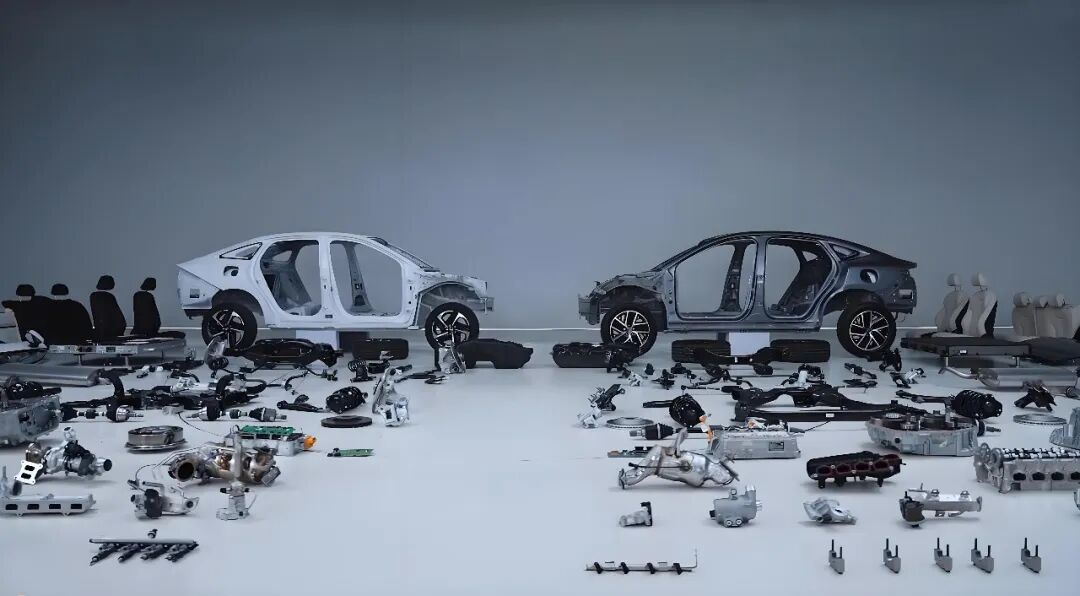
Image Source: Internet
The emergence of physical AI is disrupting this logic. The core of physical AI is enabling AI to understand the laws of the physical world, perceive, reason, and directly generate actions. This means the profit pool and bargaining power across the industrial chain are shifting from the hardware side to the model and algorithm side. Zhuoyu Technology has begun exploring new business models beyond the traditional hardware sales and development fees, such as subscription-based services, profit-sharing, and action token systems. Momenta's financial data further illustrates this shift: its software licensing revenue surged from RMB 23 million in 2023 to RMB 968 million in 2025, a 42-fold increase in three years.
Software is becoming the most critical revenue source for Tier 1s.
This transformation is not localized but represents a fundamental shift across the entire industry. As intelligent driving capabilities evolve from a competitive edge to a baseline requirement, and as urban NOA transitions from a technological highlight to a standard automaker feature, relying solely on hardware sales can no longer sustain a Tier 1's valuation. The reason physical AI narratives are so highly sought after by capital markets is that they point to a vastly larger commercial imagination—not just providing intelligent driving for vehicles but offering a universal brain for all autonomous agents operating in the physical world.

New Players Enter, Old Players Transform?
Physical AI is also blurring competitive boundaries. Previously, Tier 1 competitors were clear—other Tier 1s. But now, the situation has changed entirely.
NVIDIA is a key variable to watch. At CES 2026, Jensen Huang defined physical AI as the next core growth wave in the AI industry. NVIDIA not only provides chips but has also launched the Cosmos 3 foundational model, the Alpamayo 2 Super visual-language-action model, and the DRIVE Hyperion full-stack platform. Positioning itself as a central platform provider for physical AI and autonomous driving, NVIDIA effectively requires traditional Tier 1s to develop within its ecosystem, making them, to some extent, its downstream partners.
On the other side, automaker strategies are evolving. Leading automakers are shifting toward full-stack self-development, with Huawei, BYD, and Li Auto all building their own intelligent driving R&D teams. These automakers are transforming from Tier 1 clients into direct competitors. For those automakers that choose not to self-develop, they prefer another collaboration model: directly purchasing a pure algorithm solution while handling hardware themselves or through third parties, entrusting core software capabilities to suppliers like Momenta. This approach ensures they remain competitive in intelligent driving while retaining control over hardware selection, cost management, and differentiation.
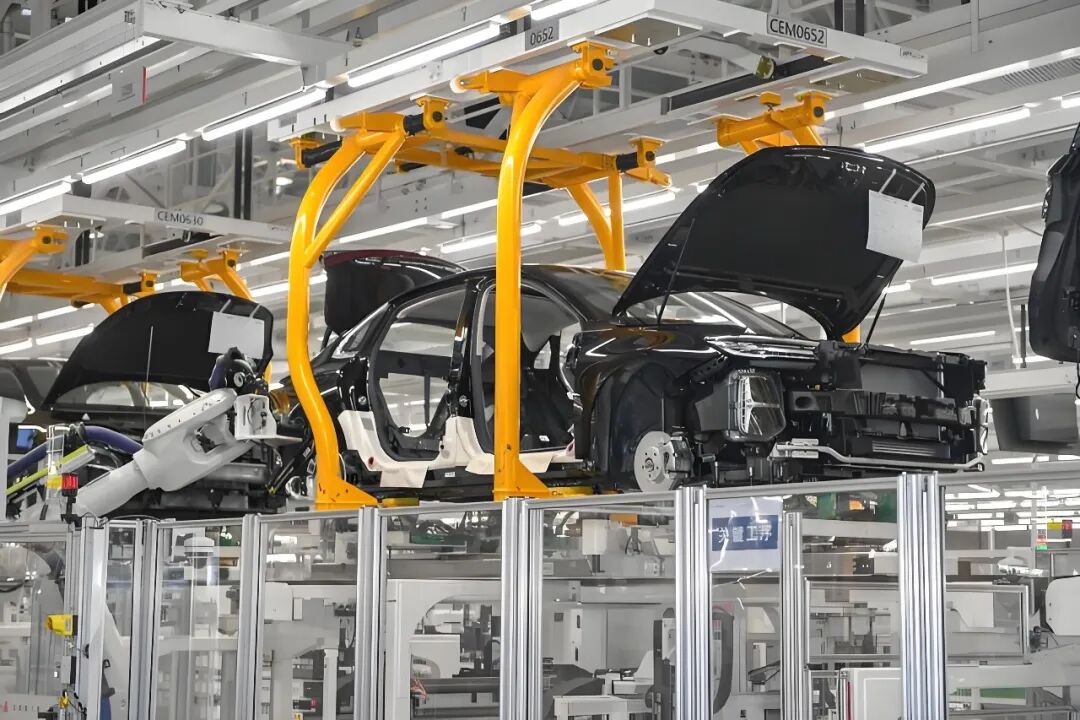
Image Source: Internet
The position of traditional Tier 1s has thus become highly precarious. Giants like Bosch and Aptiv are investing heavily in software capabilities but face a fundamental challenge: while hardware manufacturing remains indispensable, the ultimate profit determinant is no longer the hardware itself.
Consumers struggle to perceive differences in which chips or sensors a vehicle uses, but they can immediately judge the usability of urban NOA or the smoothness of highway lane changes. This indicates that bargaining power in supply chain profit allocation is shifting from hardware integrators to software suppliers possessing core algorithms and data capabilities. If traditional Tier 1s fail to establish barriers in this area, they risk being reduced to mere hardware contract manufacturers with ever-shrinking profit margins.

Which Approach Holds Greater Promise?
The current autonomous driving supplier market has split into two major camps: one led by Huawei and Horizon Robotics, focusing on integrated software-hardware solutions built around self-developed automotive chips to create complete ecological barriers; the other represented by Momenta, a third-party pure algorithm supplier offering only software solutions without underlying hardware support.
Each approach has its pros and cons. The integrated software-hardware route offers strong closed-loop capabilities, with full control over chips, algorithms, and data, eliminating supply chain vulnerabilities. However, it is capital-intensive, requires heavy investment, and faces the challenge that chip iteration cycles are far slower than algorithm iteration cycles.
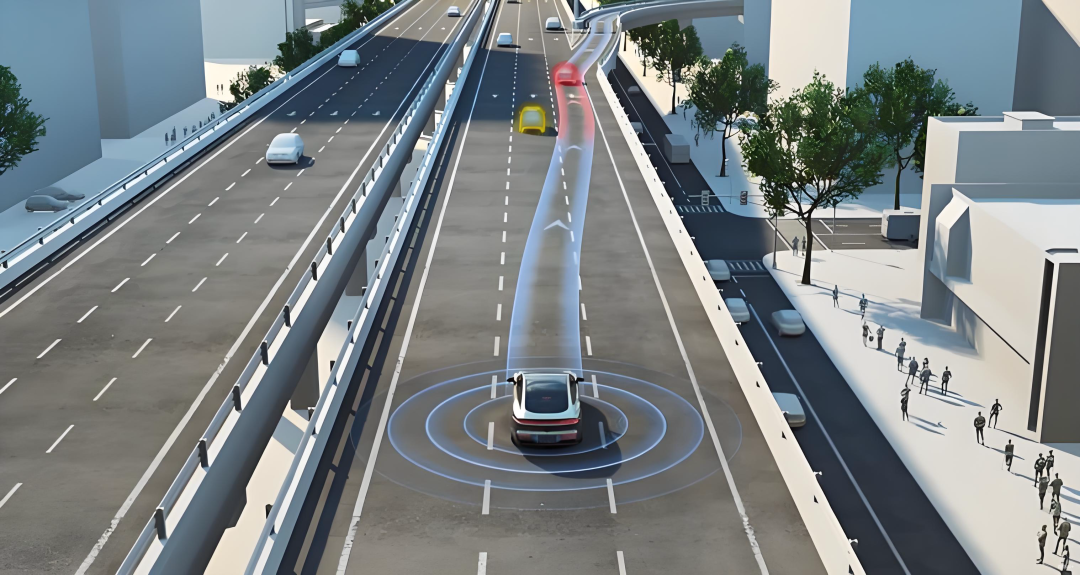
Image Source: Internet
The pure algorithm route offers advantages in asset lightness and rapid iteration. Momenta's mass-production solutions have been deployed in over 10 countries and regions globally, with more than 1 million mass-produced vehicles equipped with its system. According to CIC Zhuoshi Consultation data released in June 2026, Momenta holds a 65% market share in China's third-party urban NOA supplier market. However, this route carries significant risks: without underlying hardware, industrial chain (industrial chain) bargaining power is weak, and with the rise of automaker self-development trends, pure algorithm suppliers face long-term risks of client attrition.
Zhuoyu Technology takes a different path, using binocular vision and mid-to-low computing power platforms to compress NOA capabilities into the RMB 100,000–150,000 vehicle price range. As of March 2026, it has partnered with 20 automakers covering 32 brands. This cost-effective strategy is highly competitive in a fiercely price-competitive market, but whether it can establish true technological barriers in the physical AI era remains to be seen.

Who Will Be the True Winners in the Physical AI Era?
So, who will emerge as the biggest winners from the physical AI boom?
Currently, the strongest contenders are new-style Tier 1s that master data, models, and scenario closed loops. Momenta's "one flywheel, two legs" strategy (mutual reinforcement between mass-produced vehicles and Robotaxi operations) essentially establishes this closed loop. Mass-produced vehicles provide vast amounts of real-world data, which trains stronger world models, enabling higher-level autonomous driving capabilities that are then monetized through software subscriptions and other models. Once this flywheel gains momentum, first-mover advantages become highly significant. As Momenta CEO Cao Xudong stated, software has zero marginal costs, and scale not only reduces costs but also brings exponential improvements in user experience.
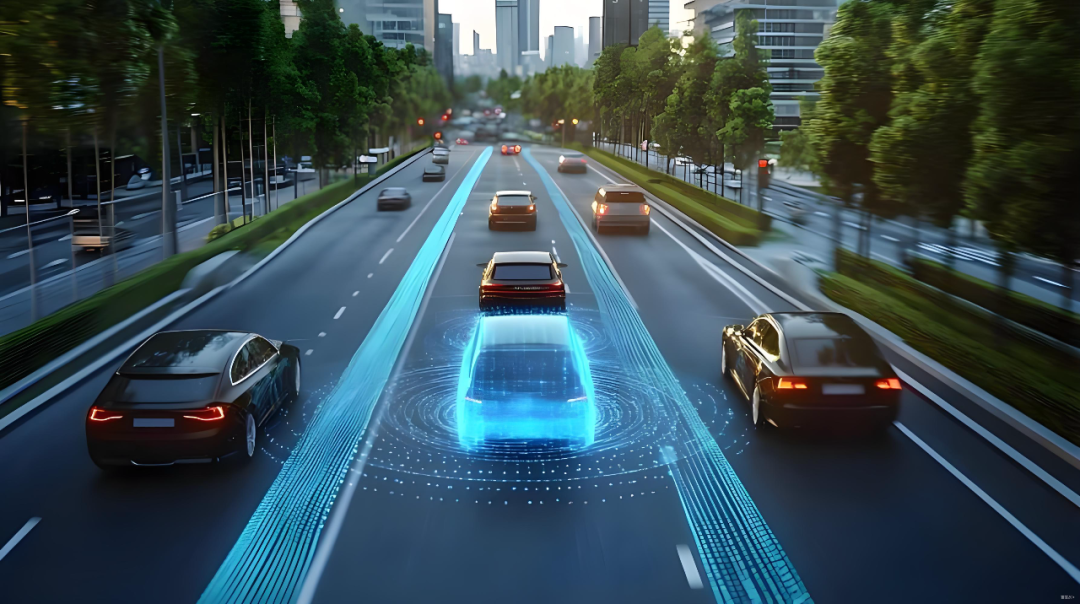
Image Source: Internet
Companies like NVIDIA, providing underlying computing power and foundational model platforms, will also be steady beneficiaries. Regardless of how algorithms evolve, demand for computing power remains rigid. Strategy& consulting estimates the global physical AI market will reach €430 billion by 2030, with NVIDIA occupying a critical infrastructure-layer position in this market.
In this wave, the highest risks face traditional Tier 1s that are slow to transform. If they fail to quickly build software capabilities and data closed-loop capacities, they risk being downgraded to pure hardware contract manufacturers with severely compressed profit margins. In the physical AI era, automotive industry profits are shifting from hardware "bodies" to intelligent "brains." Whoever captures this brain will control future pricing power.
#AutonomousDriving #PhysicalAI #Tier1
-
![]()
The “Low-Price Miracle” Myth Rescues XPENG Yet Again
-
![]()
Is 2026 the Most Pressurized Year Yet for Xiaomi SU7?
-
![]()
Is It Too Late—Or Just Bold—to Enter the Car Manufacturing Industry Now? Dreame, Chunnan, Automotive Market Dynamics, Value Creation
-
Starship's 13th Flight: A Crucial Juncture for SpaceX's Trillion-Dollar Valuation
-
![]()
Optical Modules Stolen from Overseas Warehouse: Dongshan Precision’s Immediate Response
-
![]()
Is Tier 1 in Autonomous Driving Being Redefined Amid the Wave of Physical AI?
-
![]()
Tesla Unveils Latest Earnings: Revenue Rockets 26%, Yet Profits Tumble 18%
-
![]()
World's First! Laos Imposes Total Ban on New Fuel-Powered Vehicles: 100% of New Car Imports to Be Electric from June Onwards