Sales Champion Leapmotor's Quest for Scale
 07/31 2026
 337
337
Source | Benyuan Finance
Author | Li Youshan
In the century-long automotive industry competition, scale has consistently been a decisive factor. It determines product pricing power and supply chain initiative, setting a survival benchmark for automakers.
Whether it was Ford, Volkswagen, and Toyota during the fuel vehicle era, or BYD, Li Auto, and Xiaomi in the new energy wave, all have pursued volume growth. Sales rankings serve as the most straightforward measure for consumers to gauge industry success.
In July, Zhang Rui, a newly licensed driver, purchased her first car—the Leapmotor B10 Laser Radar Edition—for just over 120,000 yuan. Beyond its reasonable price, practical space, and decent configuration, she mentioned that a key factor in her choice was that "Leapmotor ranks first in sales among new forces," reflecting her trust in "the wisdom of the masses."
In June, Leapmotor delivered 93,376 vehicles globally in a single month, leading the second-place Hongmeng Zhixing by nearly 43,000 units. In the first half of the year, cumulative sales reached 356,500 units, surpassing Hongmeng Zhixing by 110,000 units. Leapmotor's performance is indeed remarkable, and achieving the annual target of 1 million units seems feasible at this rate. However, Zhu Jiangming, Chairman of Leapmotor, stated in the interview program "Luo Yonghao's Crossroads": "Had I known that building cars would be so costly, I wouldn't have ventured into it." After turning a profit in 2025, the company reported a loss of 390 million yuan in the first quarter of 2026. Both entrepreneurship and profitability have been like roller coasters. Before entering car manufacturing, Zhu Jiangming had already achieved success in the security sector and admitted to having no prior connections in the automotive industry. Why did he, someone "ignorant about cars," dive into the turbulent waters of car manufacturing? From an unknown player to the "top-ranked" in the industry, what has Leapmotor done right? Beyond being a sales champion that "shouts but doesn't profit," what other challenges lie ahead?
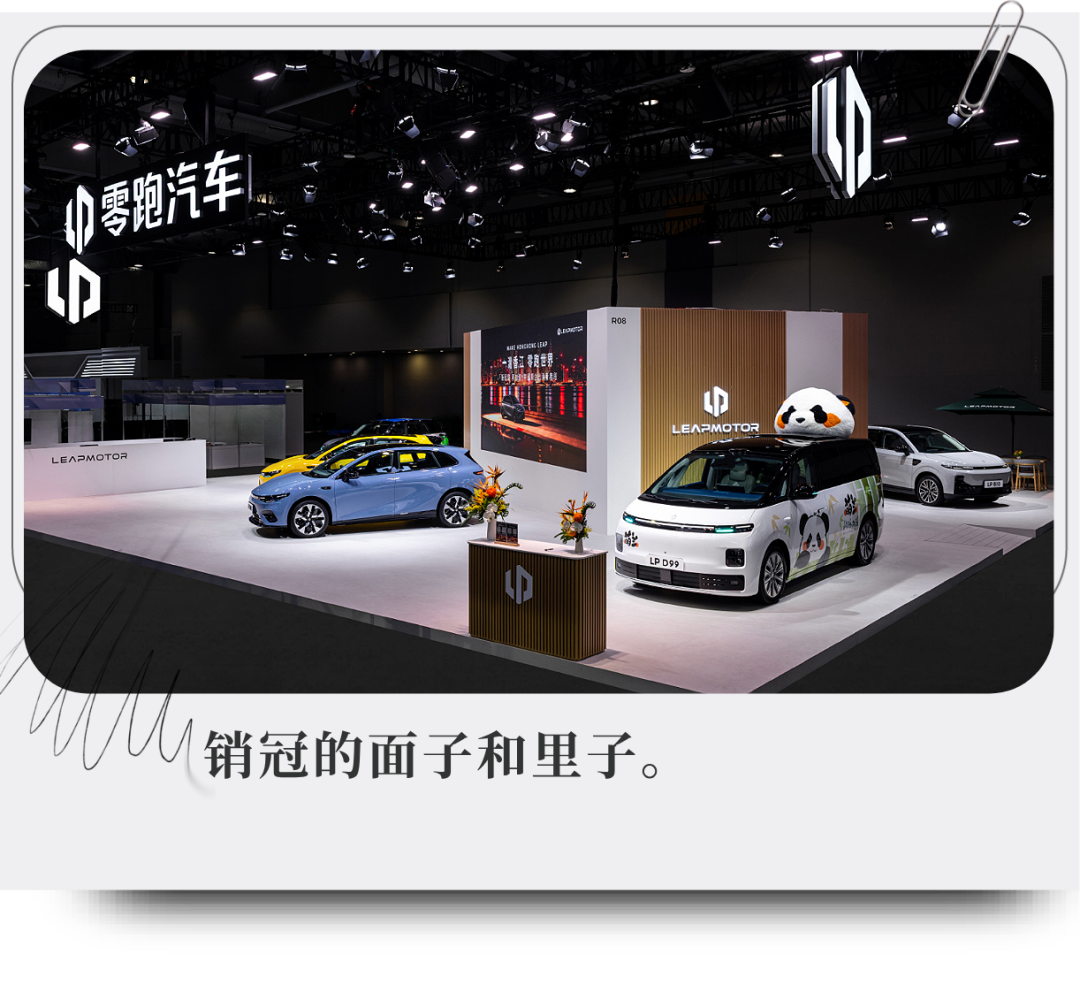
The Facade and Substance of the Sales Champion
Leapmotor's sales growth is unparalleled among new forces: from 2023 to 2025, annual deliveries were 144,000, 293,000, and 596,000 units, respectively, nearly doubling each year. In the first half of 2026, it ranked first by a significant margin. Sales have given Leapmotor a strong facade, but what about its substance? From another perspective, Leapmotor's total deliveries in the first half of this year were 356,500 units, with the entry-level model Leapmotor A10, priced between 60,000 and 90,000 yuan, accounting for 65,500 units. The 100,000-yuan-class family SUV Leapmotor C10 sold 53,800 units, the 150,000-yuan-class Leapmotor C11 sold 31,600 units, and the Leapmotor C16 sold 22,900 units. The 100,000-yuan-class Leapmotor B01, B10, and Lafa5 each sold over 20,000 units. Leapmotor's sales overtaking strategy relies on "cost-effectiveness." Among its 10 models, there are few absolute blockbusters, making it difficult to break into the top ranks of single-model sales.
Being "cheap" remains a significant label for Leapmotor, known in the industry as "half-price Li Auto." Leapmotor CEO Zhu Jiangming has also repeatedly stated in public that "Leapmotor is Uniqlo in the automotive circle."
Not making profits is almost a common trait among new car-making forces.
As a typical mass industrial product, automobiles theoretically have lower production costs with larger scales. However, the overall automotive market this year is not optimistic.
According to the China Passenger Car Association, from January to June this year, cumulative retail sales of passenger cars nationwide were 8.012 million units, a year-on-year decline of 20%. Even new energy vehicles, with a penetration rate exceeding 63%, saw cumulative retail sales of 4.281 million units, a year-on-year decrease of 14%. Li Bin of NIO predicts: With domestic passenger car ownership surpassing 370 million units, the market is shifting from incremental purchases to stock replacements. Full-year retail sales in 2026 are likely to decline by 15% to 20% year-on-year.
Furthermore, fluctuations in raw material prices have further increased cost pressures for automakers.
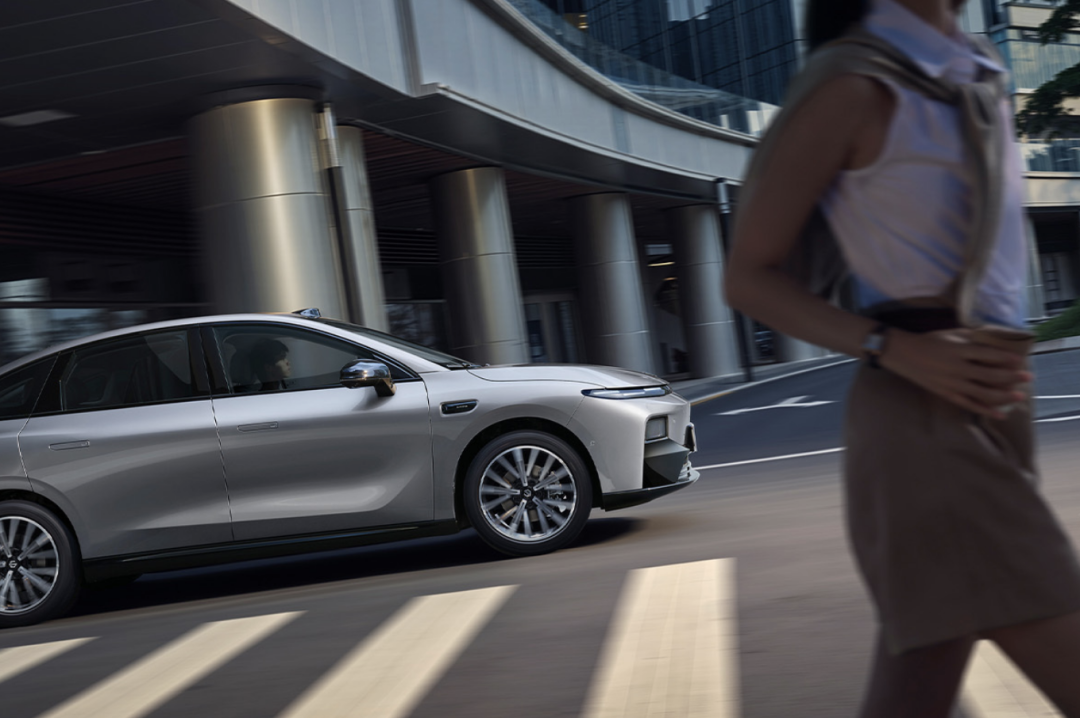
Leapmotor has chosen a cost-based pricing strategy, but "exchanging price for volume" is not a sustainable long-term plan. Although sales figures look good, profitability is somewhat disappointing.
In 2024, Leapmotor reported a loss of 2.82 billion yuan. In 2025, it achieved a net profit of 540 million yuan, successfully turning a profit. However, in the first quarter of 2026, revenue reached 10.82 billion yuan, an 8% year-on-year increase, but the quarterly loss reached 390 million yuan, three times that of the same period last year, indicating revenue growth without profit increase. Operating cash flow was negative 6.61 billion yuan, and free cash flow was negative 7.4 billion yuan. Moreover, the revenue growth rate in the first quarter was far lower than the sales growth rate (+26%), and the average selling price per vehicle also significantly decreased.
Looking solely at gross profit per vehicle, Leapmotor also appears somewhat "lacking in momentum." In the first quarter of 2026, Leapmotor's comprehensive gross margin was 9.4%, a sharp decline of 5.6 percentage points from 15% in the fourth quarter of 2025. Leapmotor CFO Li Tengfei revealed during the earnings call that excluding technical service revenue, the gross margin for complete vehicles was about 7%. The primary reason was the downward shift in product mix, followed by the contraction of strategic cooperation business with the Stellantis Group and a year-on-year decrease in related revenues such as carbon credits.
Low gross margins are not a sustainable long-term strategy. Once growth slows and sales decline, operational conditions can quickly spiral out of control.
To maintain cost-effectiveness, Leapmotor must accept low gross margins, but low gross margins make it difficult to compete in the market. To address market competition, Leapmotor has initiated high-end attempts, but it can easily become trapped in the cage of cost-effectiveness, falling into a vicious cycle.
In June this year, the China Securities Regulatory Commission issued a feedback opinion on a private placement, raising four questions for Leapmotor:
Whether the significant fluctuations in gross margins are reasonable and whether profitability is sustainable; whether there is any earnings manipulation behind the high revenue growth; having raised 2.6 billion yuan in August last year, with 1.68 billion yuan still in the bank at year-end, why is there a need to raise another 6.744 billion yuan—is there really a funding shortage; after the private placement introduces new shareholders, will Zhu Jiangming's controlling position be diluted?
These questions will need to be answered in the second quarter and full-year financial reports.
The Essence of Full-Domain Self-Research
In the interview, Zhu Jiangming pointed out that building cars truly requires at least 20 billion yuan, which is the minimum threshold. Behind this sentiment lies the "narrow escape" entrepreneurial journey of Zhu Jiangming and Leapmotor over the past decade.
Leapmotor early on proclaimed the slogan of "building luxury cars for the Chinese people." In the past two years, it has almost never lost in sales battles, but it still falls short of NIO, XPeng, and Li Auto in terms of visibility and hype. It lacks enthusiastic fans and much emotional value to discuss, which may be related to the style of the founder and the entire team.
Founder Zhu Jiangming is a typical "technical businessman" and was previously the co-founder and CTO of Dahua Technology, a leading security company. According to the Tianyancha APP, in 2015, at the age of 48, Zhu Jiangming crossed over to found Leapmotor, meaning "running from scratch," with the ambition to become a world-class smart electric vehicle company.
As an outsider to the new energy vehicle industry, Zhu Jiangming did not possess complete car-making expertise, making this goal seem somewhat absurd.
Leapmotor's car-making journey did not start smoothly. In 2019, the two-door pure electric coupe S01 belatedly entered the market, targeting 10,000 units but only selling a little over a thousand. In the most difficult year of 2020, Zhu Jiangming and his co-founder Fu Liquan even dipped into their own pockets to pay employee salaries.
During its "bleeding" IPO year, Leapmotor launched the extended-range version of the C11, which went on sale around the same time as Li Auto's new model, with a starting price only half that of Li Auto's. The "half-price Li Auto" product strategy finally made the market take notice.
Among the new forces, NIO focuses on user operations, Li Auto discusses product definitions, and XPeng competes on intelligent driving technology, each with its unique approach.
Zhu Jiangming, an engineer by background, has made "full-domain self-research" Leapmotor's differentiation trump card.
It is reported that 65% of the core components of Leapmotor's vehicles are self-researched and self-manufactured. With 17 parts factories, the self-production rate of components exceeds 70%. The cost of electric drives is more than 30% lower than outsourcing, and the cockpit and intelligent driving algorithms are fully self-researched, with software reused across models. Based on an average supplier gross margin of 15%, Leapmotor has a 10% cost advantage over outsourcing, and extreme cost control is also key to Leapmotor's success.
This approach is consistent with BYD's strategy of "full-stack self-research + scale cost advantage + supply chain status," although BYD has a higher degree of vertical integration, around 75%.
Just as BYD has brought intelligent driving, previously only available in luxury cars priced over 300,000 yuan, to the mass market of affordable cars, Leapmotor has also brought lidar, high-computing-power chips, high-level assisted driving, and 800V platforms to low-priced vehicles. There may be a gap in quality, but with such a significant price difference—only 50% of competitors' prices—consumers can easily overlook it.
Leapmotor's R&D expenditure has grown rapidly, but its absolute R&D investment is far lower than that of the top-tier "NIO, XPeng, and Li Auto." The quality of its self-research has also been criticized, even falling short of Weltmeister in the early stages, raising doubts about "spreading resources too thin."
In the past two years, Leapmotor has been accelerating its catch-up. In 2025, R&D expenses reached 4.29 billion yuan, about 38% of Li Auto's, 40% of NIO's, and 45% of XPeng's. It has managed to create competitive products with less than half the R&D budget of NIO, XPeng, and Li Auto.
However, the question remains: As industry competition shifts from availability to quality, entering areas like intelligent driving, AI, and chips that require heavy investment, can Leapmotor keep up with the top tier with less investment? This remains uncertain.
Leapmotor has chosen a path of burning money to gain market share while also delving into full-stack self-research in R&D. To achieve annual sales of 4 million units and become a respected world-class smart electric vehicle company in the next decade, relying solely on cost savings will not suffice for a prolonged battle.
Brand Upgrading
Pursuing a cost-effective route indefinitely is not viable. There are also numerous successful comeback stories in consumer goods. One type relies on later price increases, such as technology-driven Huawei and Samsung, which can suppress competitors, and brand-driven Bosideng and Li-Ning, which can enhance international influence through fashion shows and collaborations. Another type, like U.S. retail giant Walmart, relies on scale to overwhelm upstream suppliers and uses supply chain bargaining power to wage price wars. The automotive industry also has predecessors who have successfully upgraded. Toyota spent over a decade establishing Lexus's reputation, and Geely leveraged Volvo's endorsement to stabilize Zeekr's position in the 300,000-yuan price range. Leapmotor's solution is to upgrade its brand to expand markets and create a second brand.
The D-series fills the gap, positioning itself as "tech luxury." In April this year, the Leapmotor D19 large SUV was launched, averaging 250,000 yuan, with over 15,000 orders in 15 days. In June, the flagship MPV model D99 was launched, officially entering the 300,000-yuan market. The D-series essentially follows a more expensive yet cost-effective route, but Leapmotor's brand storytelling capabilities still need strengthening.
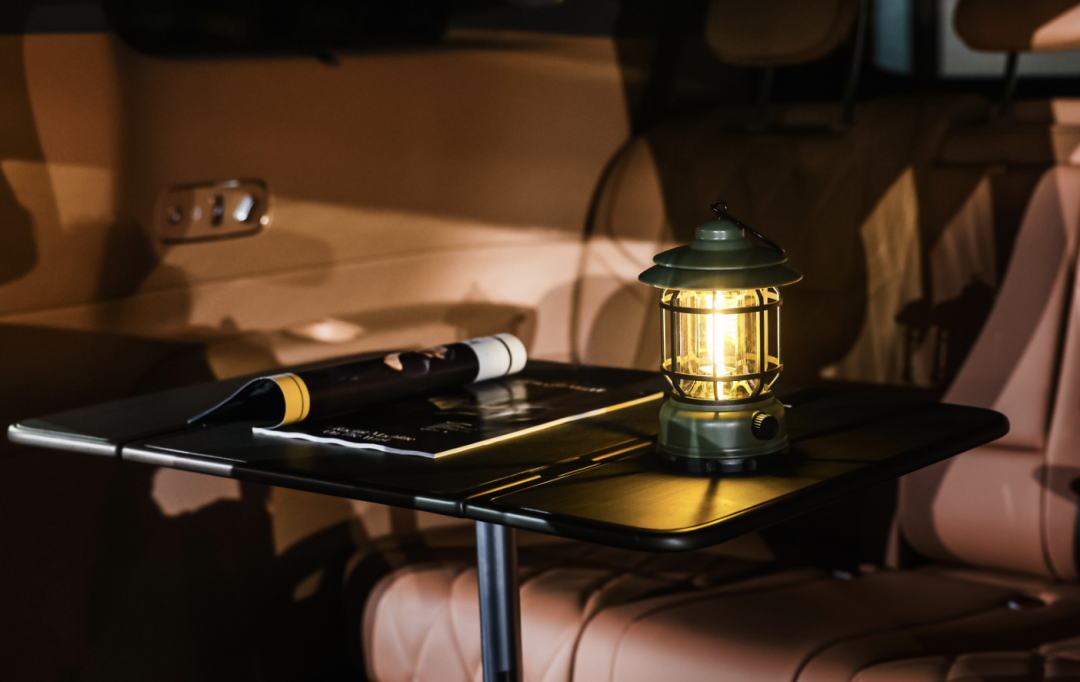
The long-rumored second brand plan has also been confirmed by management, with an overall positioning higher than the existing Leapmotor brand. If this move succeeds, Leapmotor will truly gain the ability to command "brand premium."
Additionally, Leapmotor's overseas sales reached 40,901 units in the first quarter, representing a second growth curve with significant potential. The refreshed B10 and B01 models in July have made intelligent driving navigation a key upgrade, indicating that Leapmotor is also aware of its shortcomings.
Breaking through upwards is an inevitable path, and the window of opportunity is narrowing. To maintain its "facade" and strengthen its "substance," Leapmotor needs to accelerate.
Operations / Yu Shuya Design / Yanweier *All rights reserved. No reproduction without authorization.
end
Thank You for Subscribing
If you have any suggestions, please contact us first.
-
![]()
Apple: How Long Can the Tech Giant Sustain Its Pricing Power Amid Rising Costs?
-
![]()
Breaking News! Tesla Considers Divesting Its China Operations
-
![]()
Foreign Media Claims Tesla Considers Selling Chinese Business to Pave Way for Merger with SpaceX
-
![]()
Meta Made the Biggest Promise, Invested the Most Money, but Ended Up with Nothing
-
![]()
Lei Jun Disrupts the Market: Xiaomi Unveils N70/N90 Dual Models, Zeroing in on Two Leading Extended-Range Rivals
-
![]()
Sales Champion Leapmotor's Quest for Scale
-
![]()
SAIC-GM and SAIC Passenger Vehicles Announce Leadership Shifts on the Same Day: 'Technical Talents' Step Forward to Steer the Course
-
![]()
BMW's Turnaround Starts with the Easy Part