SAIC-GM and SAIC Passenger Vehicles Announce Leadership Shifts on the Same Day: 'Technical Talents' Step Forward to Steer the Course
 07/31 2026
 359
359
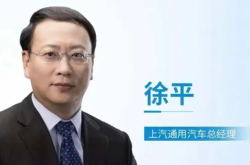
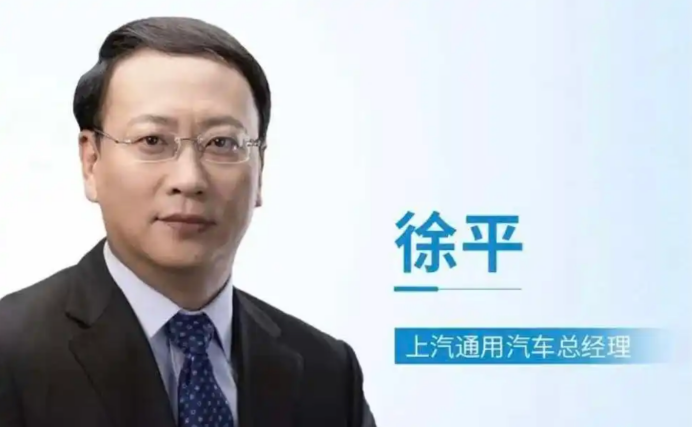
On July 28th, two prominent passenger vehicle divisions within SAIC Group unveiled leadership changes in near-unison: Xu Ping, previously General Manager of Huayu Automotive Systems, took over as General Manager of SAIC-GM from Lu Xiao; concurrently, Lu Xiao was reassigned to lead SAIC Passenger Vehicles, succeeding Wang Jun.
At first glance, this may seem like a routine management shuffle. Yet, a deeper examination of the backgrounds of the new leaders and the transformative phase SAIC is currently undergoing reveals that the implications of this move extend far beyond a mere change in leadership.
Lu Xiao and Xu Ping both trace their roots back to the Panasia Automotive Technology Center.
Lu Xiao joined Panasia in 1997 and rose to become the first Chinese chief engineer for General Motors' global platform, overseeing the development of key models such as the Buick Regal, LaCrosse, and Chevrolet Malibu. In August 2024, amid a sales slump and high inventory levels for the joint venture, he was appointed General Manager of SAIC-GM.
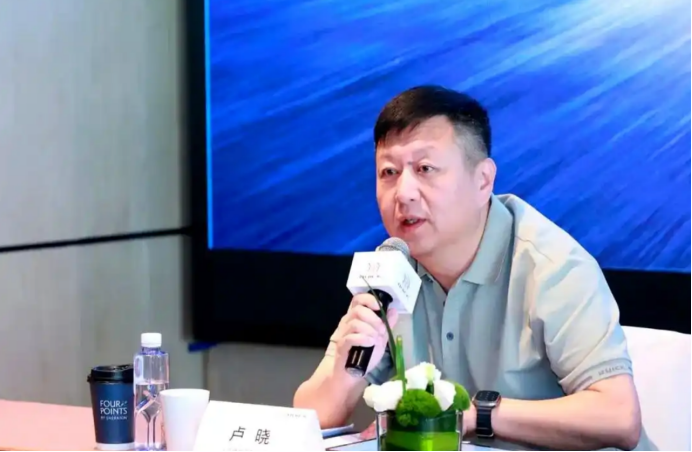
During his roughly two-year tenure, Lu Xiao's key strategies can be distilled into three core themes: localized decision-making, profit prioritization, and product innovation. He empowered local Chinese teams with full product definition rights, eliminating the inefficiencies of cross-border decision-making disputes. He firmly stated, "No more unprofitable ventures," actively abandoning low-price, high-volume strategies and slashing dealer inventory coefficients from 2.3 to healthy levels through a 'destocking' initiative that sold over 200,000 vehicles. Simultaneously, he launched the 'Xiaoyao' super-integrated architecture, led by the Chinese team, and introduced Buick's premium new energy brand, 'Zhijing.'
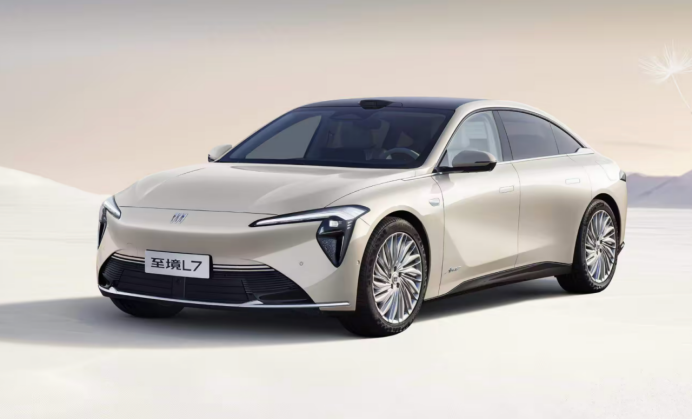
The results were tangible. In 2025, SAIC-GM sold 535,000 vehicles, marking a nearly 23% year-on-year increase and achieving profitability for five consecutive quarters. In the first half of 2026, new energy vehicle sales approached 50,000 units, up 81.1% year-on-year, ranking among the top performers in the joint venture segment.
However, challenges persist. In the first half of 2026, SAIC-GM's cumulative sales reached 231,200 units, down 5.68% year-on-year, with the decline widening to 19.27% in the second quarter. Capacity utilization stood at a mere 32%, with over 490,000 units of idle capacity.
Xu Ping, Lu Xiao's successor, also has his roots in Panasia. He joined in 1998 and held various positions, including Deputy Director of Powertrain at Panasia, Executive Director of Project Management, Executive Vice President, and Executive Director of Planning and Development at SAIC-GM. Prior to this appointment, he served as Vice President of SAIC Passenger Vehicles, General Manager of SAIC UK, and headed Huayu Automotive Systems.
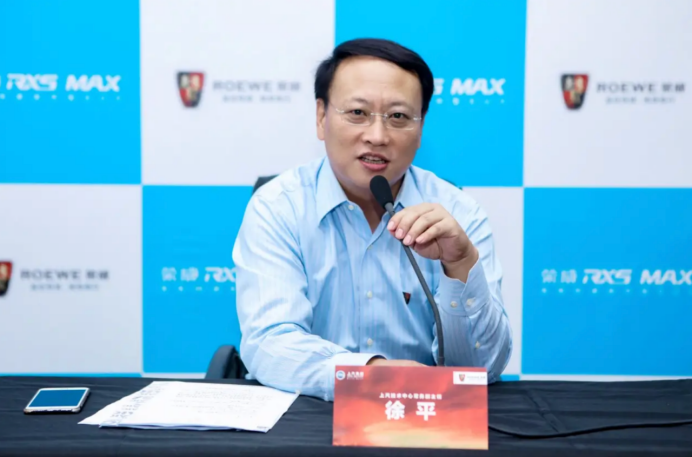
Compared to Lu Xiao, Xu Ping brings a unique edge—experience in components and overseas operations. Huayu Automotive Systems, a component systems integrator under SAIC's control, generated revenue of 184 billion yuan in 2025. Industry insiders believe Xu Ping's greatest strength lies in his ability to leverage Huayu's supply chain resources to drive deep cost reductions for SAIC-GM, while his overseas operational experience will also aid in expanding vehicle exports.
To fully grasp the significance of this leadership change, one must look beyond the surface-level 'who's in, who's out' narrative and delve into the strategic rationale behind it.
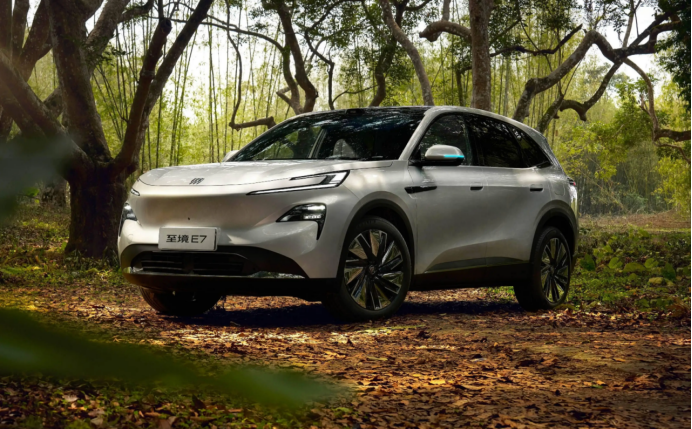
SAIC-GM's next phase: Transitioning from 'stabilization' to 'deepening profitability.' Lu Xiao accomplished the initial tasks of 'stopping the bleeding' and 'architectural reshaping,' but new energy products have yet to establish themselves as consistent bestsellers. Zhijing E7's monthly sales, for instance, declined from a peak to 5,555 units, while the traditional fuel-powered base continues to shrink. Xu Ping, armed with supply chain cost reduction and overseas expansion strategies, is poised to propel SAIC-GM from mere survival to thriving in the 'Joint Venture 2.0 Era.'
SAIC Passenger Vehicles' next phase: Leveraging joint venture transformation expertise. Lu Xiao's move to the independent sector signifies SAIC Group's intention to import proven localized R&D, rapid decision-making, and channel reshaping strategies from the joint venture system into the Roewe and MG brands. A source close to SAIC Group revealed that this personnel adjustment is part of a broader executive reshuffle within the group, following a similar round in 2024.
Underlying logic: Bridging the talent gap between independent and joint venture operations. Both Lu Xiao and Xu Ping hail from Panasia and have long been entrenched in the same technical ecosystem. This shared background ensures seamless transitions—Lu Xiao brings joint venture localization and electrification experience to the independent brands, while Xu Ping leverages his accumulated experience to maintain the pace of joint venture transformation. SAIC is tapping into its internal talent pool and breaking down technical management barriers through these rotations.
The previous round of adjustments two years ago focused on 'stopping the bleeding'; this leadership change aims to 'ignite new growth.' As the automotive market's elimination race intensifies, whether SAIC can reclaim its position in the 5 million-unit club through this 'Major Reshuffle 2.0' hinges on whether these two 'Panasia veterans' can truly translate technical potential into market momentum in their new roles.
(Image sourced from the internet; removal upon infringement claim)
-
![]()
Lei Jun Disrupts the Market: Xiaomi Unveils N70/N90 Dual Models, Zeroing in on Two Leading Extended-Range Rivals
-
![]()
Sales Champion Leapmotor's Quest for Scale
-
![]()
SAIC-GM and SAIC Passenger Vehicles Announce Leadership Shifts on the Same Day: 'Technical Talents' Step Forward to Steer the Course
-
![]()
BMW's Turnaround Starts with the Easy Part
-
Tesla's Q2 Operating Profit Plummets, 'Cash-Guzzling' Expansion Drains Free Cash Flow
-
![]()
Volkswagen's Strategic Shifts: Cutting Back and Expanding
-
![]()
Unraveling the Decline of the Imported Car Market
-
![]()
Interpretation of the European + UK Automobile Market in the First Half of 2026: Electrification Surpasses Critical Point, Chinese Brands Experience Collective Growth in Sales