Five to six hundred new car models flood into a shrinking market every half year, leaving many automakers crying out amidst fierce internal competition.
 07/31 2026
 553
553
Lead | Introduction
In the first half of this year, five to six hundred new car models flooded the market; in the first month of the second half, up to seven models were launched in a single day. These figures reveal the raw reality of China's automotive industry in 2026. However, the number of new cars contrasts sharply with market sales—retail sales of passenger vehicles fell by 20.2% year-on-year in the first half, with nearly 40% of models selling fewer than 2,000 units per month, and industry profit margins plummeting to 3.4%. The surge of new models has not brought prosperity but instead exposed collective anxiety across the industry. Internal competition has not ended; it has merely taken a more brutal form, lurking in the gaps between every press conference and financial report.
Produced by | Heyan Yueche Studio
Written by | Cai Yan
Edited by | He Zi
Full text: 1,742 characters
Reading time: 3 minutes
A single new car model often requires an investment of 1 billion yuan and a two-year development cycle, yet its popularity fades in less than three months. In the first half of 2026, five to six hundred models crowded into a market that shrank by 20% year-on-year, with around 35% of new models selling fewer than 2,000 units per month. When "launching new models" becomes "running alongside," why do automakers remain so enthusiastic?
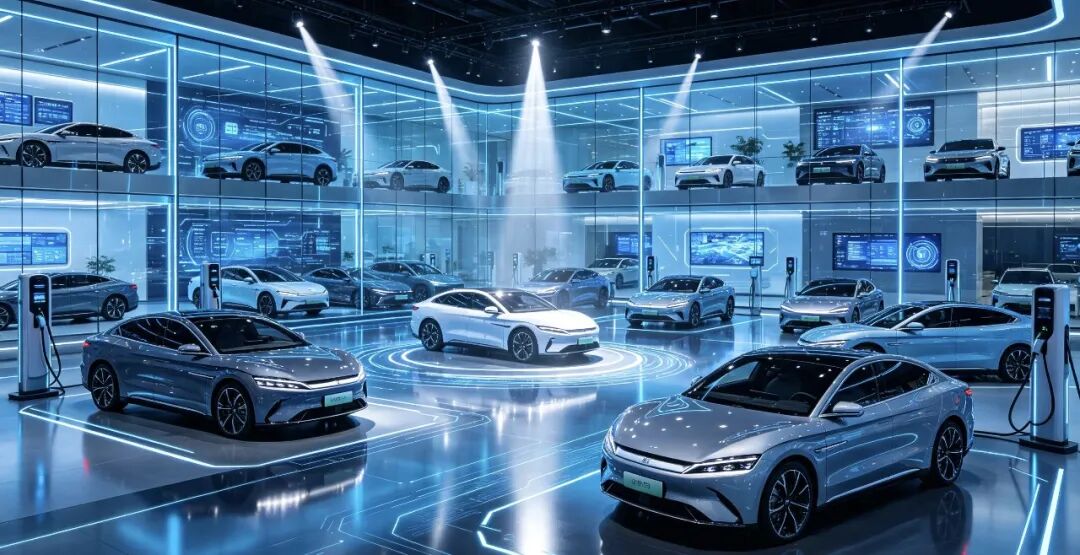
△This year has seen an endless stream of new car models
How many new models are just 'running alongside'?
After a dense (dense) wave of new car launches in the first half, the trend continued in the second half.
On July 16, 2026, a memorable day in China's automotive history, six brands—Li Auto, XPENG, ZHIJI, Wuling, Leapmotor, and WEY—launched seven new models within two and a half hours. This was not during an auto show but on an ordinary Thursday, dubbed "Crazy Thursday" by industry insiders. Such dense (dense) launches were not isolated; on April 22, ahead of the Beijing Auto Show, automakers unveiled over 10 new models in a single day.
He Zhiqi, Executive Vice President of BYD, recently noted that 542 new models were launched in the domestic market from January to May this year, averaging 3.6 per day, with an estimated total of around 630 launches in the first half. He bluntly called it "utterly insane"—a single new model requires over 1 billion yuan in investment and a development cycle exceeding two years, yet its popularity lasts less than three months. These 542 new models include fully new, facelifted, and redesigned variants, but over 80% are merely "new bottles of old wine," featuring minor exterior and interior tweaks and slight configuration upgrades.
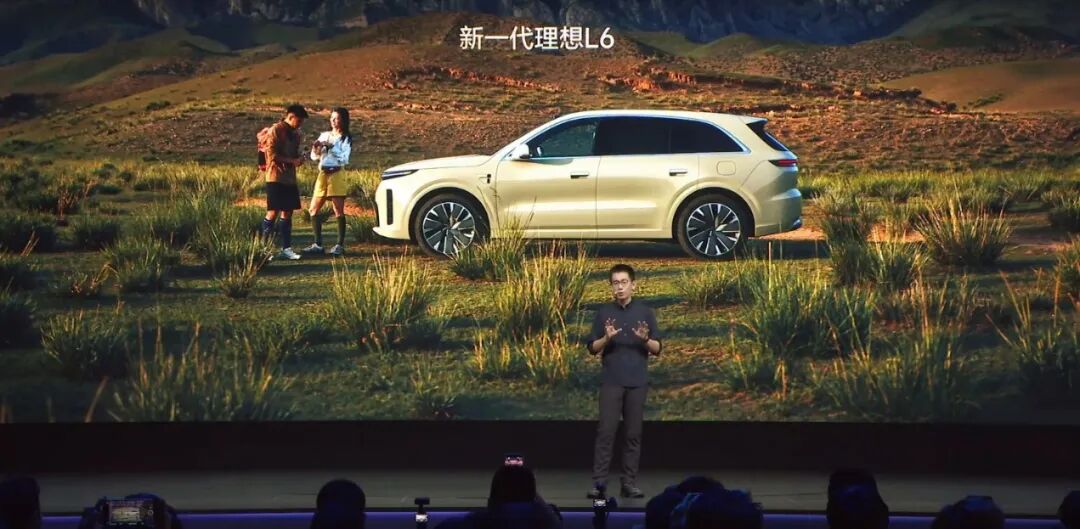
△Six brands launched seven new models within two and a half hours
So, at what levels are these dense (densely) launched new models primarily distributed? By powertrain, 352 new energy models were launched in the first half, accounting for 61.11% of new model supply; 224 fuel-powered models made up 38.89%. Chinese brands launched 282 new energy models, with a penetration rate of 76.8%, indicating near-complete electrification transition; joint-venture brands launched only 54 new energy models, with a penetration rate of 39.8%. By model type, SUVs remained the core focus, with 284 new SUV models launched in the first half, accounting for 49.3%, with compact and mid-to-large family SUVs facing the fiercest competition; 200 sedan models (34.7%) and 80 MPV models (13.9%) were also launched.
By price range, new models in the mainstream 100,000–250,000 yuan family segment accounted for 46.88%, representing the most brutal red ocean; high-end models priced above 300,000 yuan made up 22%, with Chinese new energy brands accounting for 51% of this segment. However, dense (dense) launches did not yield positive market feedback. Data from the China Passenger Car Association shows that domestic passenger vehicle retail sales reached 8.701 million units in the first half of 2026, down 20.2% year-on-year, as the market shifted from "incremental competition" to "stock competition." The influx of over 500 new models into a shrinking market yielded predictable results: 60 models sold only single-digit units in six months, while around 35% sold fewer than 2,000 units per month, with most models merely "running alongside."
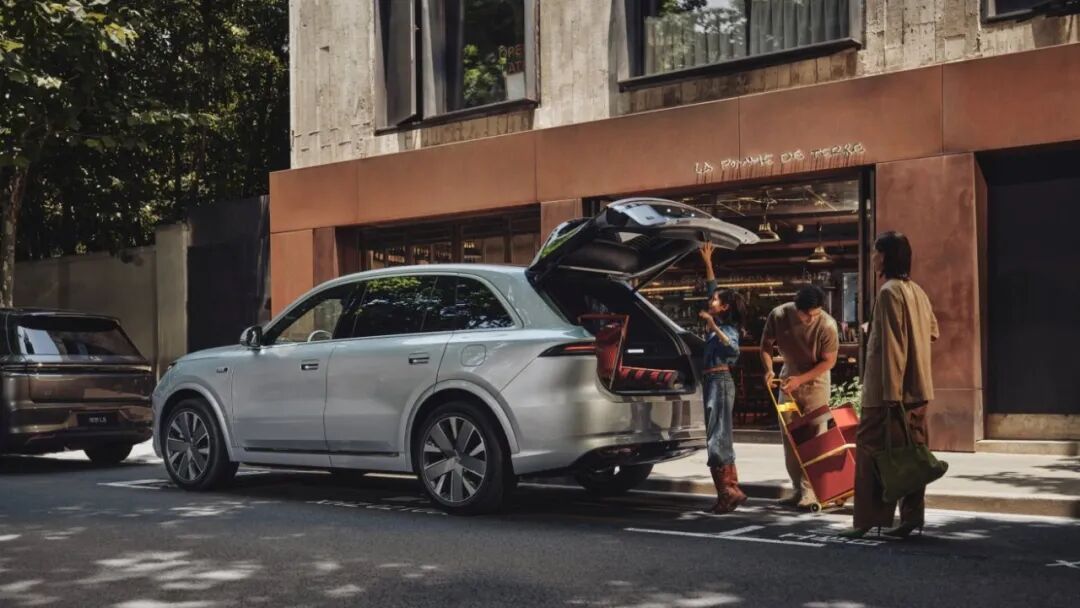
△SUVs remain the core focus for automakers
Where is the automotive market 'rolling' toward?
Under such fierce competition, domestic automakers have clearly divided into several camps. Leading Chinese brands, represented by BYD, Geely, Changan, and Chery, accounted for 75.5% of the market share in June. The new force (new energy vehicle startups) camp has seen intensified polarization—Leapmotor set a new monthly record for new force (startups) with over 93,000 deliveries in June, breaking the traditional "NIO, XPENG, Li Auto" pattern (pattern), while brands like Xiaomi, Zeekr, and Seres are making strong inroads. Joint-venture brands, collectively struggling, saw their market share compressed to less than a quarter, a stark contrast to the nearly 60% share they held five years ago.
From an automaker's perspective, this internal competition is essentially a "prisoner's dilemma": no one wants to engage, but no one dares to disengage. A newly launched model quickly becomes technologically outdated, leaving automakers with only one path: relentless innovation. This "you launch, I launch" arms race stems from deep survival anxiety—failing to launch means losing voice in both public opinion and the terminal market.
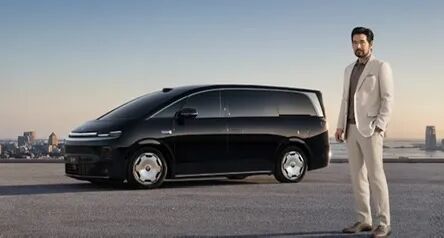
△Leapmotor breaks the traditional "NIO, XPENG, Li Auto" pattern (pattern)
From a capital perspective, the iteration cycle for battery, electric drive, and intelligent driving technologies has shortened to six months to a year, disrupting the original 5–8-year investment recovery model and forcing capital to accelerate turnover. In January–May 2026, the profit margin of the automotive manufacturing industry was just 3.4%, with vehicle manufacturing profitability dropping to 1.5%. Multiple automakers have issued pre-loss announcements for the first half. From a consumer demand perspective, McKinsey's *2026 China Automotive Consumer Insights* reveals that the proportion of buyers negative toward price wars (22.2%) now exceeds those positive (16.5%). From a policy perspective, trade-in subsidies of up to 20,000 yuan and replacement subsidies of up to 15,000 yuan were introduced in 2026, but in a stock competition environment, these subsidies have become "ammunition" for automakers' price wars, further squeezing profit margins.
Commentary
The dense (dense) launch of five to six hundred new models every half year reflects not industry prosperity but anxiety and disorder. Industry profit margins have dropped to 3.4%, with vehicle manufacturing profitability at just 1.5%. Internal competition drains the industry's vitality, and without an exit strategy, it will erode not just profits but also the future of China's automotive industry's upward breakthrough. Where is the way out? This merits deep reflection from everyone in the industry.
(This article is original to *Heyan Yueche* and may not be reproduced without authorization.)
-
![]()
OpenAI's Triple Meltdown: Codex, API, and ChatGPT Collapse Simultaneously—Who Foots the Bill for Agent-Era Downtime?
-
![]()
Silicon Valley Initiates 'Downgraded Consumption' in Large AI Models
-
![]()
ByteDance’s ToB Restructuring: A Strategic Pivot for AI Dominance
-
![]()
Xie Xin Now Reports to Subordinate: ByteDance Shifts Decade-Long SaaS Focus to Large Models
-
![]()
Mobile Phone Manufacturers Bet on AI: A New Game of 'Who Controls the Users'
-
![]()
US Space Force Shells Out $1.6 Billion: SpaceX Clinches 18 Falcon 9 Launch Contracts Once Again
-
![]()
Five to six hundred new car models flood into a shrinking market every half year, leaving many automakers crying out amidst fierce internal competition.
-
![]()
German Media: Will Volkswagen Be Taken Over by Chinese Automakers?