The Final Verdict: Extended-Range Electric Vehicles Are Accelerating Toward Obsolescence
 08/03 2026
 456
456
Recently, Xiaomi Auto officially launched its first extended-range model, the Xiaomi Pengcheng. Some media outlets suggest that Xiaomi's foray into extended-range vehicles signifies another victory for this route.
Industry experts point out that Xiaomi is merely capitalizing on the final window of opportunity for extended-range vehicles. The more brands that enter this segment, the closer extended-range electric vehicles (EVs) are to obsolescence. Extended-range models are accelerating toward obsolescence. 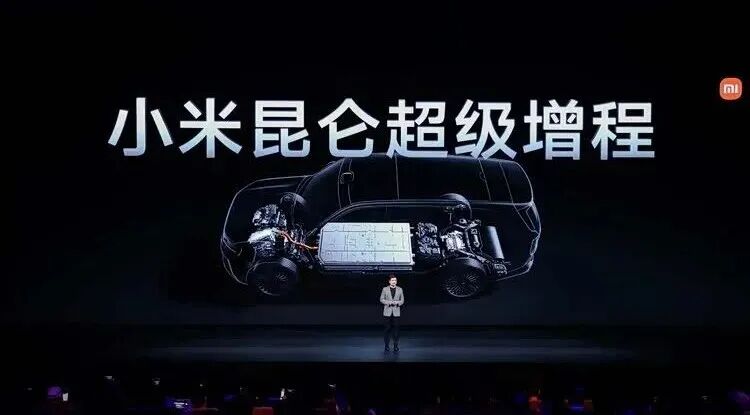
The most direct evidence of the accelerating obsolescence of extended-range models is their sharp decline in sales. In June 2026, sales of extended-range vehicles plummeted by 25.2% year-on-year, with their market share in the new energy vehicle (NEV) sector shrinking from over 10% to just 6.4%. This sudden downturn in a once-hot segment stems from the simultaneous collapse of three pillars that supported its rise:
Pillar 1: The Rise of Pure Electric Vehicles Erodes the Core Advantage of Extended-Range Models.
The foundation of extended-range success was the ability to 'use both oil and electricity,' alleviating range anxiety. However, this foundation is being eroded by the rapid development of charging infrastructure and fast-charging technologies.
Currently, China's EV charging network is nearly ubiquitous. As of the end of June this year, there were over 22.49 million charging stations nationwide, with highway service area coverage exceeding 98%. Breakthroughs in EV fast-charging technology have been achieved, with the widespread adoption of 800V high-voltage fast charging bringing the charging experience close to that of fuel vehicles. Additionally, EV battery costs have declined, with the average battery pack price dropping from 910 yuan/kWh to 620 yuan/kWh, nearly eliminating the price gap between pure electric and extended-range vehicles. 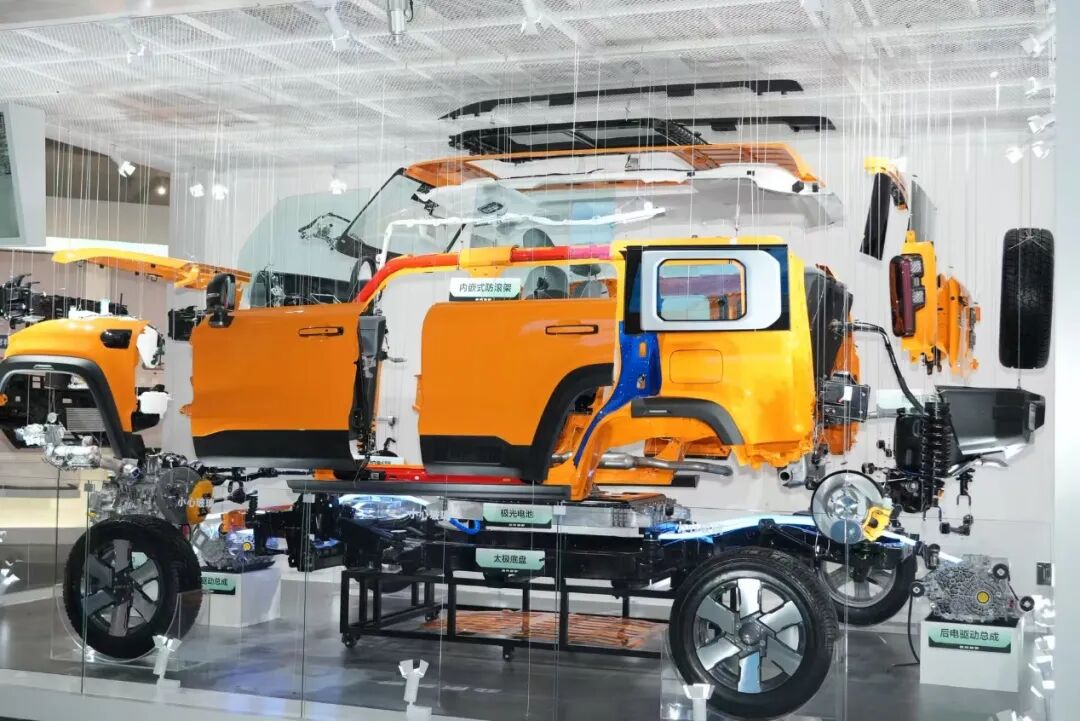
Pillar 2: Fading Policy Dividends Raise the Bar for Extended-Range Vehicles.
Starting in 2026, the threshold for extended-range vehicles to enjoy a 50% reduction in purchase tax has been significantly raised. First, the required pure electric range under WLTC conditions has surged from 43 kilometers to no less than 100 kilometers. Second, the fuel consumption limit for extended-range vehicles in charge-depleting mode must now be 70%-75% lower than that of comparable fuel vehicles. Under these new regulations, many older extended-range models with small batteries and high fuel consumption have lost their competitive edge.
Pillar 3: Inherent Shortcomings of Extended-Range Technology Lead to Poor User Experience.
With external advantages diminishing, the technical shortcomings of extended-range vehicles have become more apparent.
1. High highway energy consumption: Extended-range vehicles typically consume 7-10L/100km in highway charge-depleting mode, offering no advantage over plug-in hybrid models (4-5.5L).
2. High maintenance costs: Extended-range vehicles require simultaneous maintenance of both the engine and electric motor, resulting in higher annual costs compared to pure electric models. 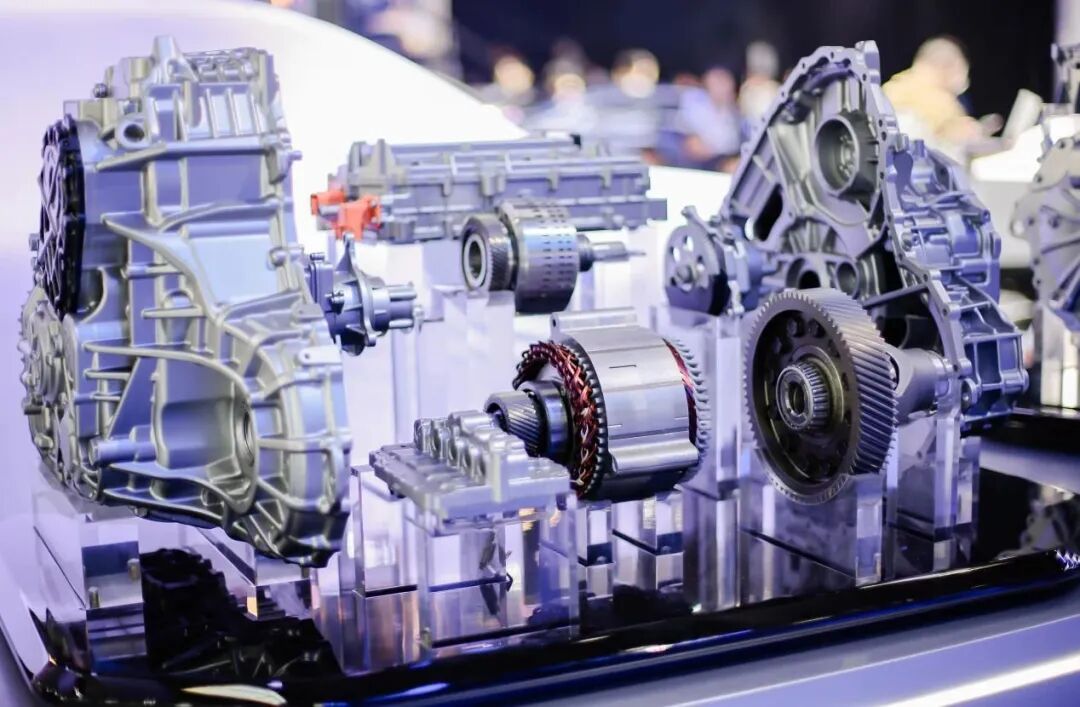
3. Low residual value: Used extended-range vehicles have significantly lower residual values than comparable fuel vehicles.
4. Subpar user experience: Many extended-range vehicle owners find that they essentially drive as pure electric vehicles but must carry the extra weight of an engine and fuel tank, increasing energy consumption.
The 'cooling off' of extended-range models is no accident. As a 'transitional technology,' their survival space is naturally being squeezed as pure electric vehicle technology and infrastructure surpass critical thresholds.
Currently, all newly launched extended-range models were initiated two to three years ago. The period from 2021 to 2024 marked the golden era for extended-range vehicles.
Seeing Li Auto achieve explosive sales growth and become the first profitable new energy vehicle manufacturer solely through extended-range models, many domestic automakers rushed into this segment. Currently, there are 85 extended-range models available in the Chinese market. 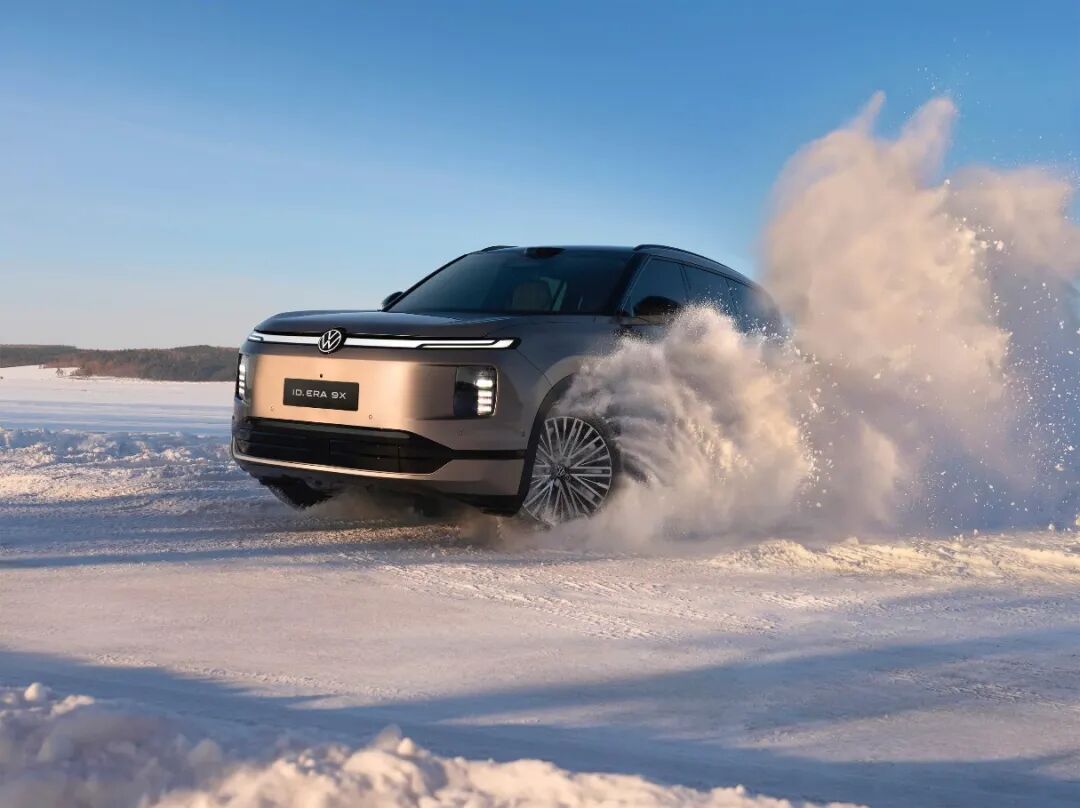
However, this prosperity was short-lived. With the rapid development of domestic charging infrastructure and technologies, extended-range technology—once considered an 'evolved version' of fuel vehicles and a transitional solution—has seen its golden era last only a few years.
Some articles claim that modern extended-range technology differs significantly from older versions. Regardless, extended-range technology inherently involves not only a power battery but also an internal combustion engine and range extender for power generation, making it far more complex and heavier than pure electric vehicles. Particularly for extended-range vehicles equipped with large batteries, it would be more straightforward to adopt pure electric technology, rendering the extended-range approach unnecessary.
Some argue that extended-range technology will not disappear entirely. In the future, it may evolve toward a 'super extended-range' direction featuring 'large batteries and low fuel consumption' or find its niche in specific market segments. However, there is no doubt that the 'golden era' of extended-range vehicles has ended. (End)
-
![]()
Qwen Still Sees Value in Open Source Initiatives
-
![]()
Qwen Still Sees the Merits of Open Source
-
![]()
A Complete Retrospective of the Thailand Campaign: A Detailed Review of the First 'Complete Model' for Chinese Automobiles Going Global
-
![]()
Can Leapmotor's 'Budget-Friendly Choice' Strategy Support a 200 Billion Valuation?
-
![]()
The Codes in Two Sets of Data: AI Applications Start to Show Winners and Losers, and the Smartphone Market is Changing Protagonists
-
![]()
Can Xiaomi Pengcheng Succeed with Its 'Sincerity' Despite the 'Delayed' Sales Report?", "Xiaomi Pengcheng, extended-range SUV, pre-sale price, product strength, delivery capability", "Xiaomi Pengcheng
-
![]()
Will Traditional Algorithm Engineers Be Rendered Obsolete by VLA? Fact or Fiction?
-
![]()
Everyone is Talking About World Models, What Are the Technical Focuses of Different Companies?