Can Xiaomi Pengcheng Succeed with Its 'Sincerity' Despite the 'Delayed' Sales Report?", "Xiaomi Pengcheng, extended-range SUV, pre-sale price, product strength, delivery capability", "Xiaomi Pengcheng
 08/03 2026
 460
460
In the past, automakers could rely on a single launch event and a set of impressive sales reports to maintain heat (which means “popularity” or “buzz”) for half a month. However, as the industry moves away from rapid growth, consumers are becoming more rational, and competition has shifted from marketing hype to actual product delivery. Whether a new model can succeed now hinges on three key factors: pricing sincerity, product strength, and delivery capability.
 Source: Weibo
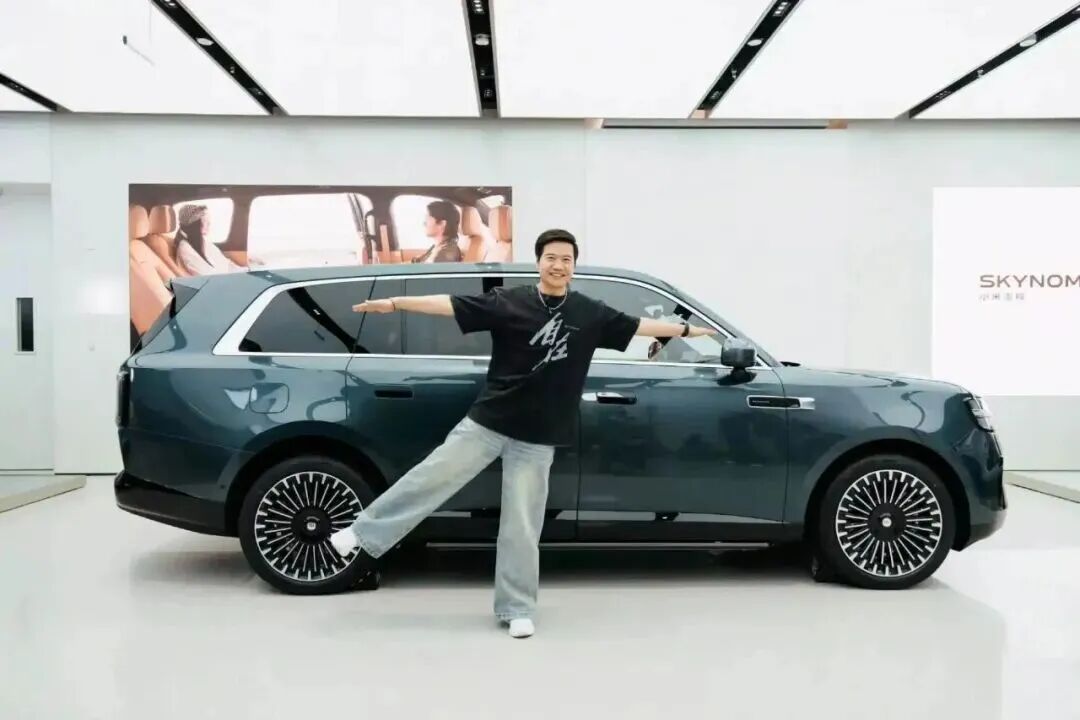
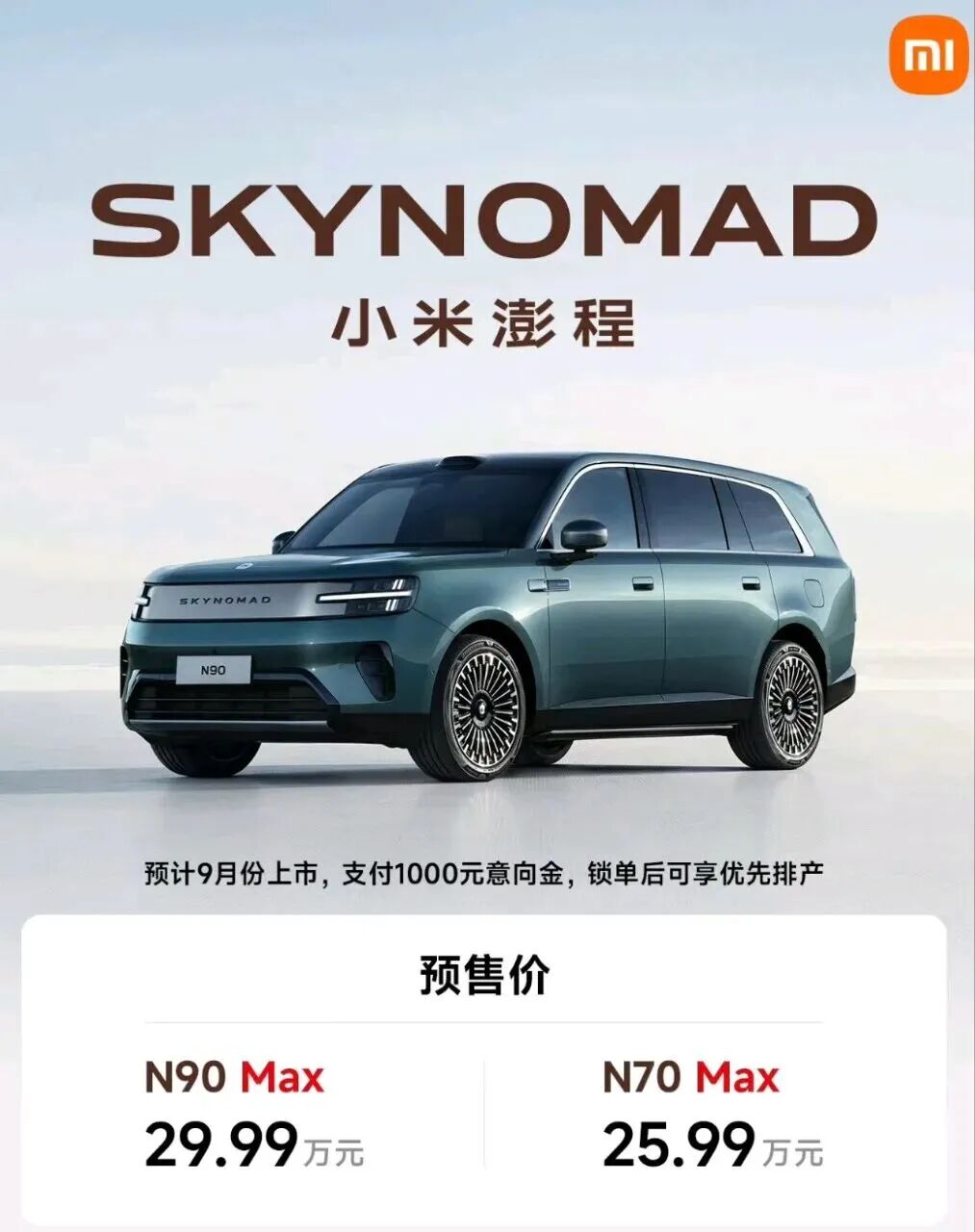
On July 30th, Xiaomi Pengcheng's launch event dominated online discussions. Unlike traditional automakers' dull parameter-focused presentations, this event was filled with memorable moments and viral internet memes, resembling a variety show. Xiaomi officially introduced two extended-range SUVs: the N70 Max and N90 Max, with pre-sale prices set at RMB 259,900 and RMB 299,900, respectively.
 Source: Weibo
The most significant impact of this launch was its groundbreaking pricing. Previously, large, high-end extended-range SUVs were a premium segment dominated by leading brands like Li Auto, AITO, and NIO, with prices typically exceeding RMB 400,000, creating a high barrier for family SUVs. Xiaomi Pengcheng's top model, priced under RMB 300,000, directly competes with flagship models priced at RMB 500,000, shattering industry pricing norms.
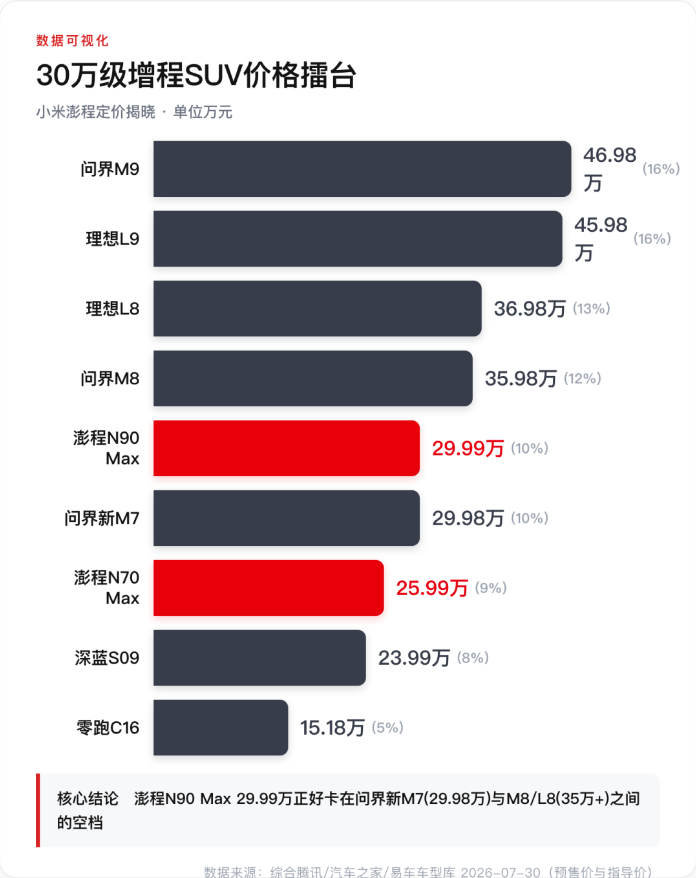 Price comparison of extended-range SUVs in the RMB 300,000 range. Source: Zhang Canfeng @ WeChat Official Account
Netizens were quick to comment: 'While others rely on premiums, Xiaomi undercuts the competition.' Another joked: 'Xiaomi is taking the competitors' path, leaving them nowhere to go!'
The new models come standard with a 76 kWh large battery, a 2.9-meter flat flexible space, compatibility with 92-octane gasoline, and an extended maintenance cycle, offering a comprehensive advantage in the RMB 200,000-300,000 price range. This approach has resonated with Xiaomi fans and family users, driving sales.
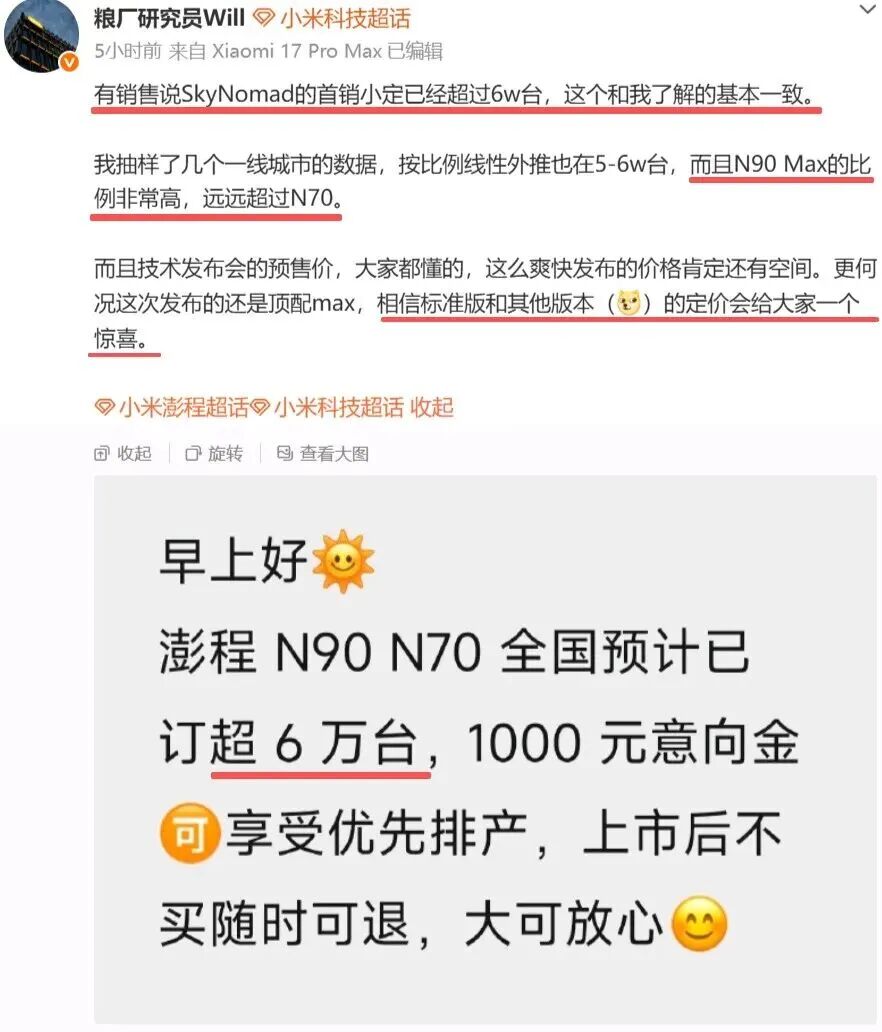
Despite the high heat (buzz) and sincerity, the launch event featured Xiaomi's most unusual move since entering the automotive industry: zero pre-sale reports within 24 hours. Previously, with the SU7 and YU7 launches, Xiaomi promptly announced order numbers to dominate trending topics. However, for the Pengcheng, there was complete silence—no data was released.
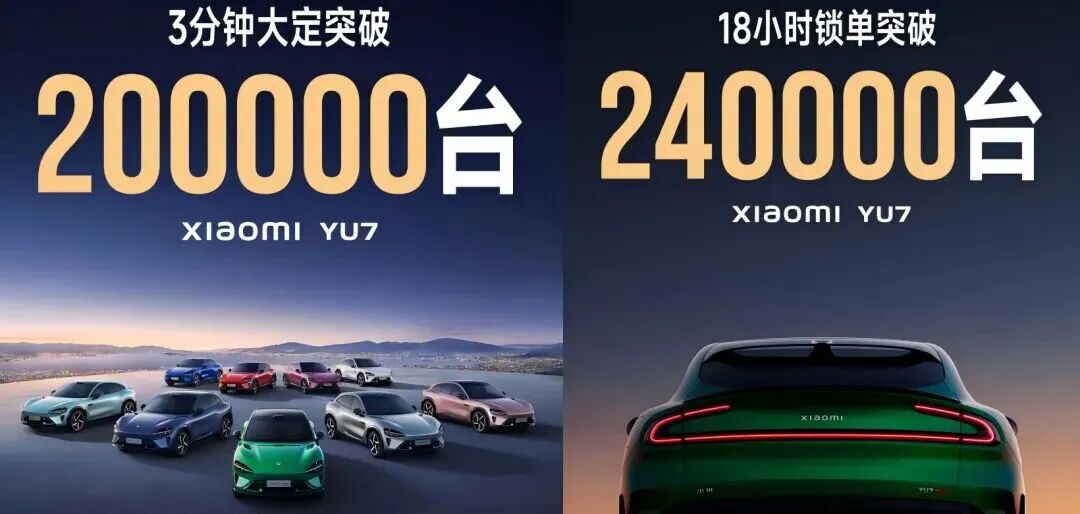 Source: Xiaomi Official Website
This unusual low-key (which means “low-key” or “understated”) approach sparked widespread debate. Netizens divided into two camps: one argued, 'If Xiaomi doesn't release sales reports, the numbers must be disappointing,' while the other joked, 'Lei Jun is playing it cool—silent but deadly.' The market is now openly debating whether this new model, dubbed by Lei Jun as 'one of the best extended-range SUVs under RMB 500,000,' will be a breakout hit or just a flashy gimmick.
01 Silent Sales Reports Spark Online Debate
The pre-sale threshold for the Pengcheng was extremely low: a RMB 1,000 deposit could lock in an order, allow model changes, and was fully refundable, minimizing risk. By industry standards, such a low threshold typically leads to explosive first-day numbers, especially with the buzz around store queues and online trends. Yet, Xiaomi's official silence prompted netizens to engage in lively debate, with both sides presenting compelling arguments.
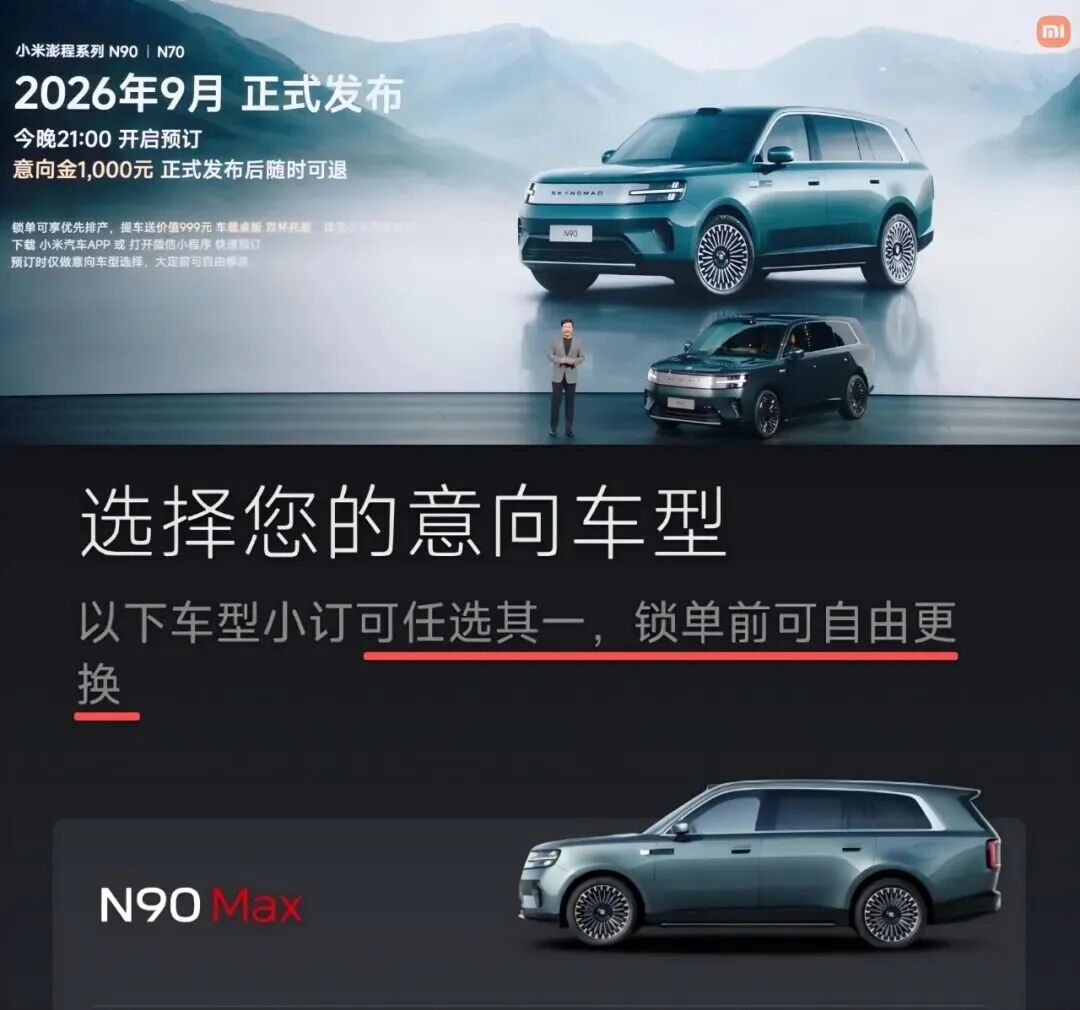 Source: Xiaomi Official Website
The skeptics' logic is pragmatic and harsh.
Netizens are familiar with Xiaomi's marketing tactics: impressive numbers are always flaunted. The 24-hour silence is seen as a clear sign—first-day pre-orders fell short of expectations, so there was no confidence in going public. Many criticized: 'Xiaomi knows how to grab attention; silence speaks volumes.'
Deeper concerns arise from shifting market dynamics. Battery electric vehicle (BEV) penetration is surpassing extended-range models, and the industry consensus is clear: extended-range technology is transitional, with demand steadily declining amid intense competition. Xiaomi's entry into the RMB 200,000-300,000 family SUV segment, even with product upgrades, is unlikely to reverse market trends. Many car enthusiasts argue, 'Buying extended-range now is more about nostalgia; BEVs are the future.'
The family SUV market is also highly consolidated, with Li Auto and AITO deeply entrenched in terms of brand loyalty, after-sales service, and market reputation. As a newcomer, Xiaomi's Kunlun architecture and new extended-range powertrain are unproven, with potential production and quality control issues. Many potential buyers are adopting a wait-and-see approach.
The extremely low pre-order threshold also raises doubts about data authenticity, as many users may reserve without genuine intent, knowing refunds are easy. Industry insiders predict a wave of cancellations after the September launch, rendering pre-sale numbers largely irrelevant. With Xiaomi aiming to deliver 550,000 vehicles this year but only achieving 30% in the first half, the pressure to deliver over 380,000 in the second half is immense—a single new model is unlikely to bridge this gap.
The optimists' confidence is rooted in hard strength (which means “strength” or “capabilities”).
Industry insiders and loyal Xiaomi fans believe the lack of sales reports doesn't indicate poor performance but rather Xiaomi's growing maturity as a brand. Foot traffic, test drives, and consultations at stores continue to rise, and internal pre-order numbers are steadily climbing, with no signs of sluggish sales.
Netizens also reflect on Xiaomi's past missteps: previous announcements of blockbuster numbers often led to rival responses and excessive public scrutiny, creating obstacles. Now, Xiaomi is intentionally avoiding the spotlight, focusing on production and quality control. One humorous comment noted: 'Lei Jun is playing it smart—keeping quiet so competitors can't adjust their strategies overnight.'
The core of this optimism lies in exceptional value for money. Competitors in the same price range typically offer 50+ kWh batteries, while Pengcheng's standard 76 kWh battery provides a clear hardware advantage. The N70 Max offers over 500 km of pure electric range, compatibility with 92-octane gasoline, extended maintenance, and flexible space—all of which appeal to family users. Many fans predict that once a RMB 199,900 standard version is released, Pengcheng's appeal will surpass that of the SU7, becoming a new sales pillar for Xiaomi.
02 Viral Launch Moments Reflect Product Confidence
Beyond the debate over pre-sale numbers, the launch event's viral moments highlight Pengcheng's broad appeal. Lei Jun's memorable lines and moments helped the new car (new car) break out of automotive circles.
The most viral moment was Lei Jun's English slogan, 'Only Skynomad can do,' which dominated online discussions. Netizens humorously compared it to his past viral moment with 'Are you OK,' noting how he's created another iconic line.
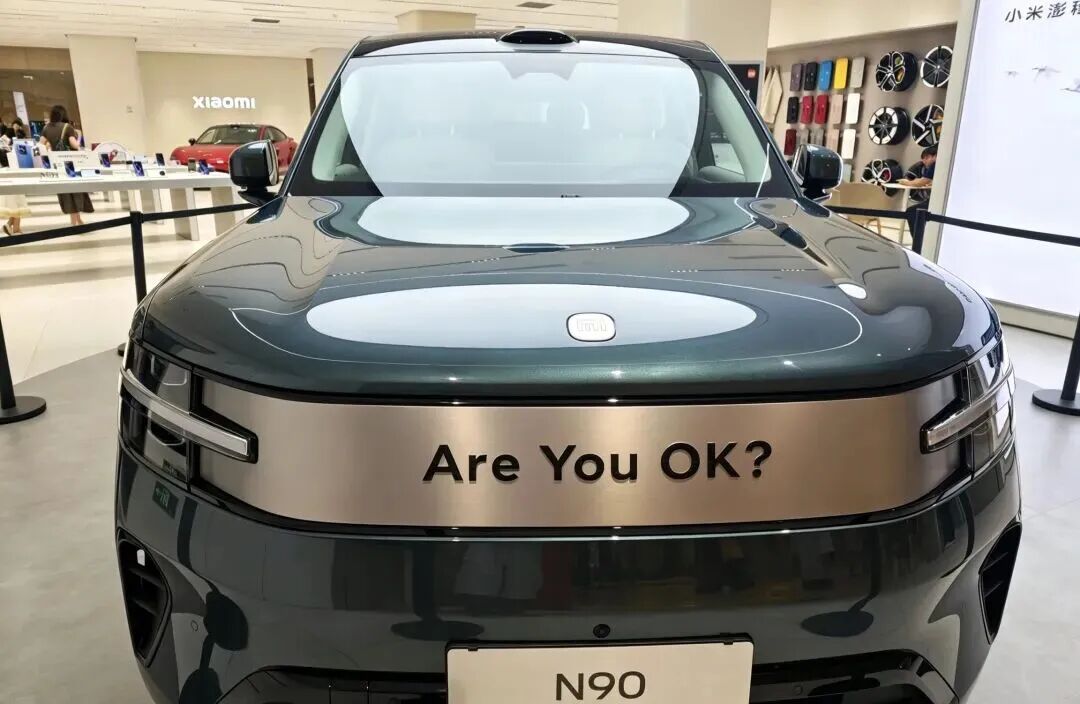 Source: Weibo
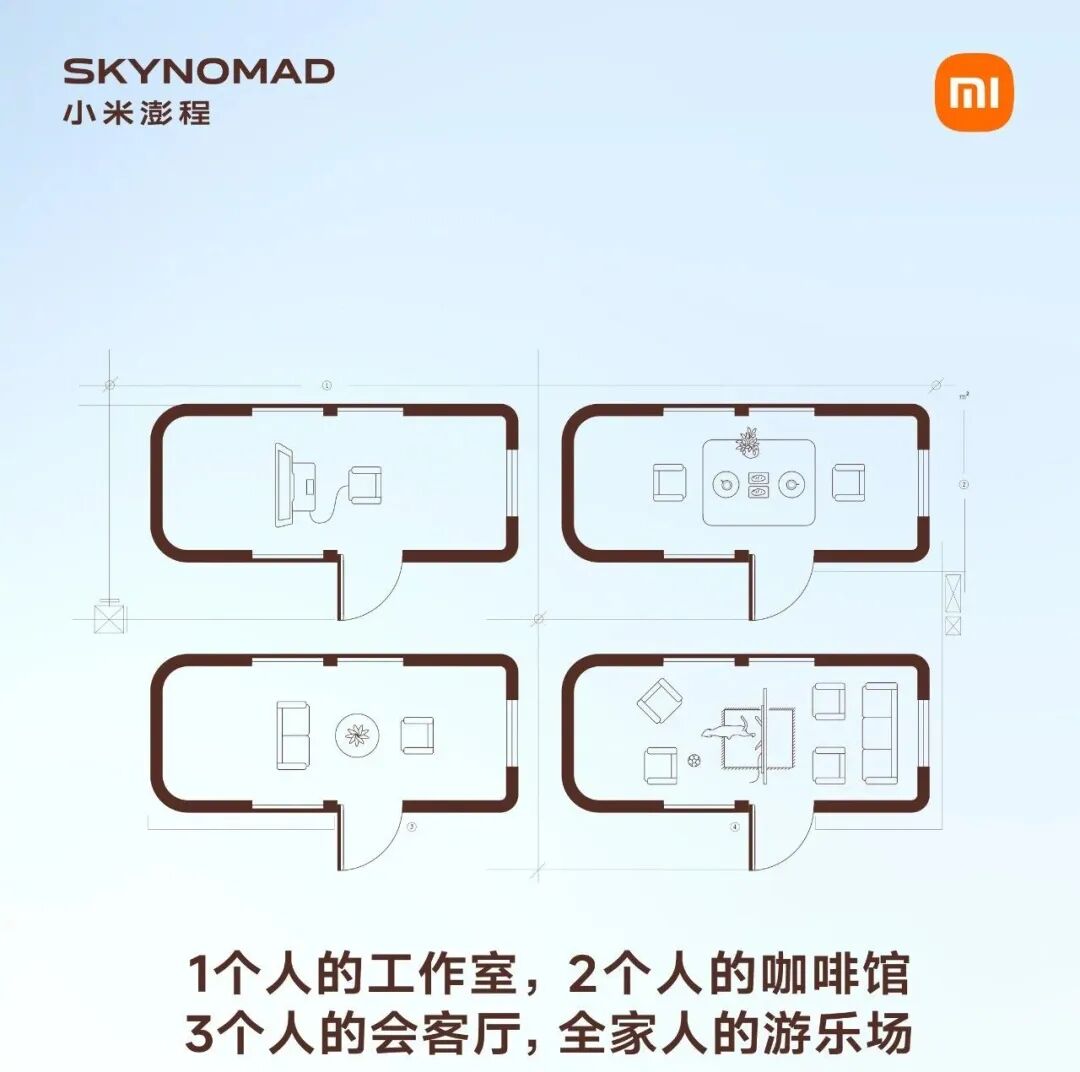
The funniest moment was the 'real estate-style launch.' Lei Jun downplayed traditional parameter talks and instead showcased the car's flexible space, turning the event into a property promotion. Netizens joked: 'For RMB 300,000, you get a mobile mansion—saving millions on a first-tier city apartment.'
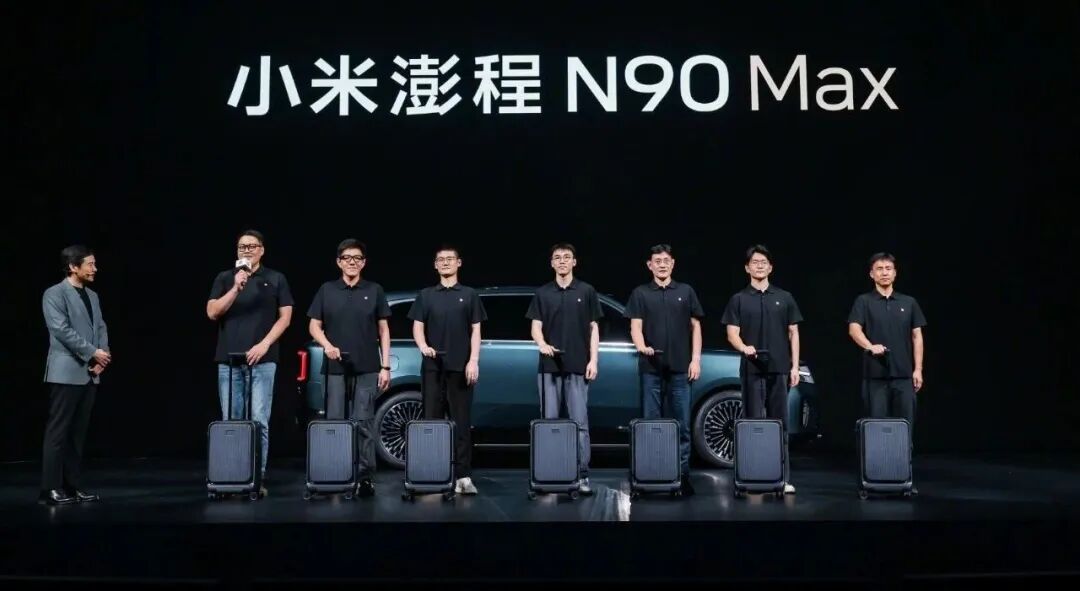
Details like seven 185cm+ men sitting comfortably and a 52-second seat adjustment test were also meme-worthy. Netizens quipped: 'While others feature models, Xiaomi brings in a boy band to prove space,' and 'Others hit RMB 1 billion in sales in 52 seconds; Xiaomi adjusts seats in 52 seconds—calm and collected.'
While memes generate buzz, real strength lies in execution. The market's focus on short-term pre-sale numbers overlooks Xiaomi's strong fundamentals: in just two and a half years, with only two BEV models, it has delivered over 700,000 vehicles.
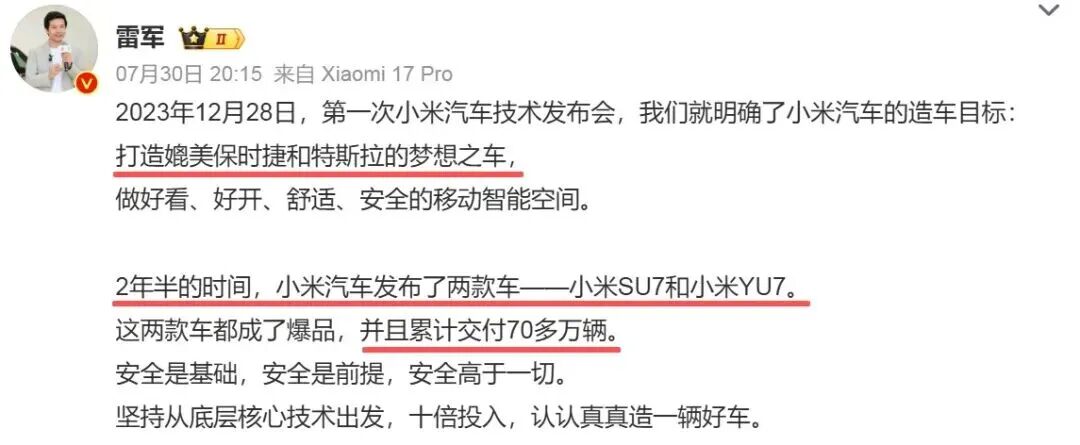 Source: Weibo
Pre-sale numbers can be manipulated, and hype can be fabricated, but the Word of mouth (which means “reputation” or “word-of-mouth”) of hundreds of thousands of owners, mature quality control, and a stable supply chain cannot be faked. Pengcheng is not a trial model but a refined product based on extensive user feedback, addressing pain points in family SUVs—far more valuable than short-lived buzz.
03 Comprehensive Upgrade Redefines Extended-Range SUVs Under RMB 300,000
Lei Jun's claim that Pengcheng is 'one of the best extended-range SUVs under RMB 500,000' is bold yet precise. 'Best' reflects product confidence, while 'one of' shows restraint, essentially delivering a Comprehensive dimensional reduction strike (which means “comprehensive dimensional reduction strike”) to competitors. Netizens summed it up well: 'Humility is for legal teams; strength is for users.'
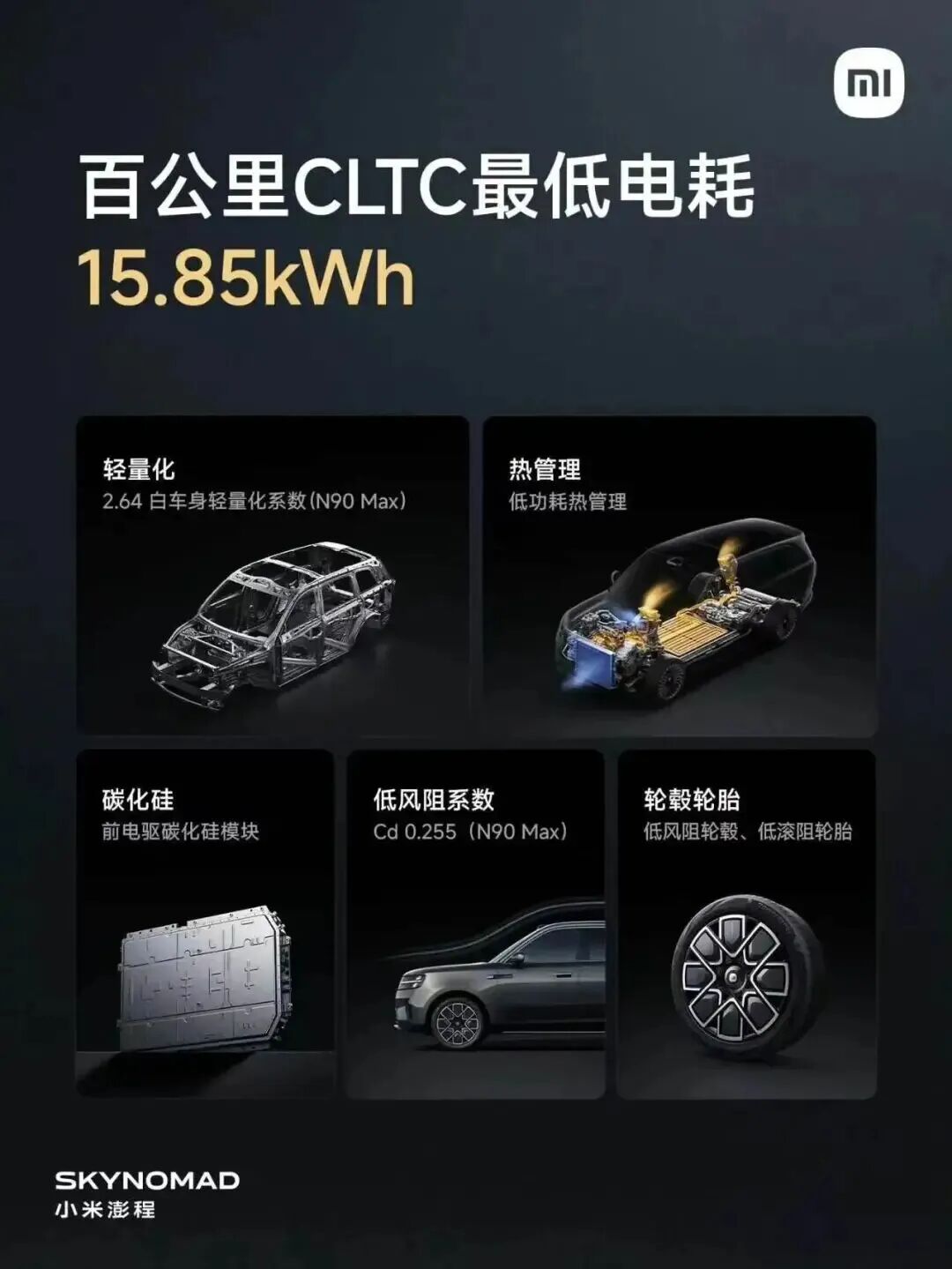
Current extended-range SUVs in the RMB 200,000-300,000 range have notable flaws: small batteries, short pure electric ranges, rigid spaces, and high maintenance costs, forcing users to compromise. Pengcheng breaks these norms.
 Source: Xiaomi Official Website
It eliminates range anxiety entirely. The N70 Max offers 505 km of pure electric range for daily commutes, while the N90 Max delivers 1,705 km of combined range and fuel consumption as low as 6.26L/100km in low-battery mode, making long-distance travel hassle-free. Both models are compatible with 92-octane gasoline, aligning with everyday user needs and avoiding premium fuel tactics.
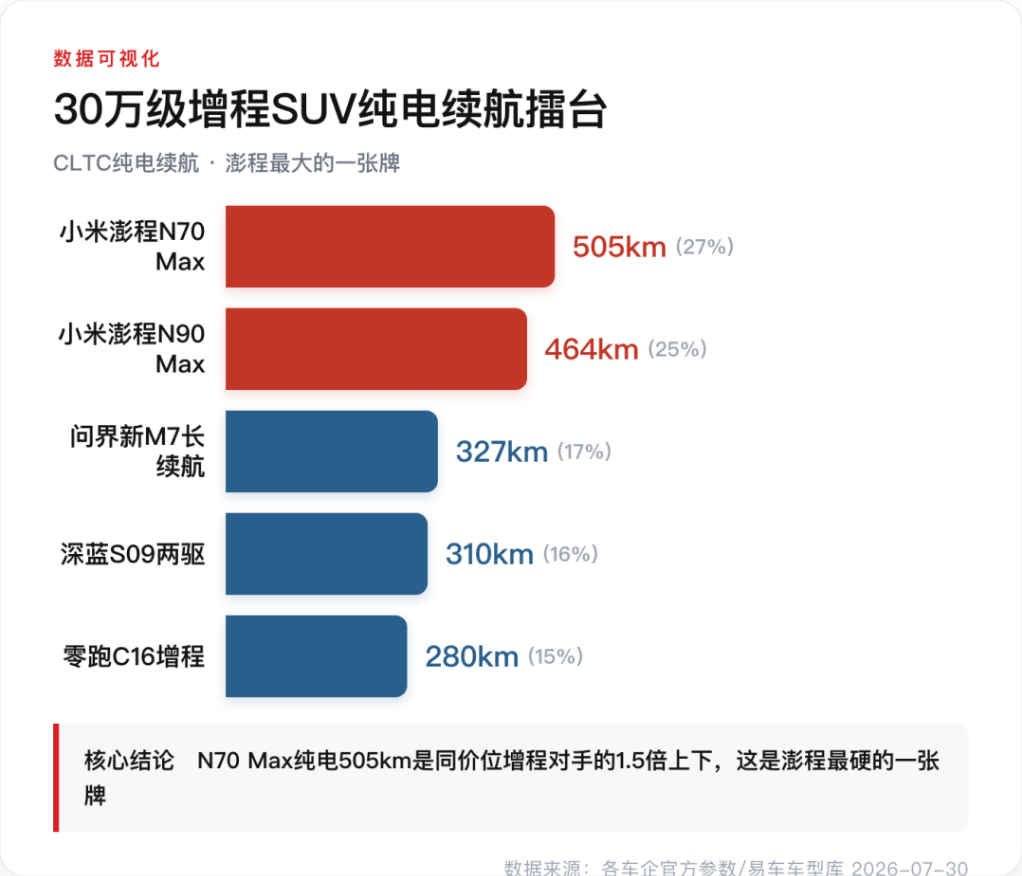 Pure electric range comparison of extended-range SUVs in the RMB 300,000 range. Source: Zhang Canfeng @ WeChat Official Account
It redefines family SUV space. Built on Xiaomi's proprietary Kunlun architecture, it features a 2.9-meter flat floor and a 4.4㎡ cabin, with a long rail system allowing flexible configurations for four-seat, seven-seat, lounge, and bed modes—solving the cramped, hard-to-access, and poor storage issues of traditional seven-seat models.
 Source: Weibo
It balances cost and safety. An extended maintenance cycle reduces ownership costs, while a 2,200 MPa ultra-high-strength steel body and Dragon Scale battery ensure economic efficiency, practicality, and safety—a perfect balance at this price point.
04 Pre-Sale Price is the Ceiling; Real Sincerity Awaits Official Launch
Users need not fixate on the current pre-sale prices, as these represent the ceiling for the entire lineup. Netizens are familiar with Xiaomi's strategy: 'Hype pre-sales, then offer genuine discounts at launch.'
This approach was validated with the SU7 Ultra, and for Pengcheng, only the top Max versions have been priced so far, with the Pro and standard models yet to be revealed. Industry insiders expect the base model to start at RMB 199,900, undercutting the RMB 200,000 extended-range segment and reshaping the mid-range market.
The RMB 1,000 refundable deposit is a low-risk reservation tactic with limited reference value. The true test will be the actual conversion rate of locked orders after the official pricing in September.
05 No Product Weaknesses, but Delivery is the Ultimate Challenge
Product-wise, Pengcheng is a potential hit with its full features, affordable pricing, and practical scenarios. However, the automotive industry There is no shortage of good products (which means “doesn't lack good products”)—successful execution, reliable delivery, and consistent quality control are the ultimate barriers.
Xiaomi faces immense pressure to meet its annual target of 550,000 deliveries, requiring over 380,000 in the second half of the year—over 60,000 monthly. With Pengcheng launching in September and delivering in Q4, the challenges of ramping up production for a new architecture, powertrain, and assembly line while maintaining quality control are significant. Netizens straightforwardness (which means “bluntly say”): 'The car is great; the question is whether it can be delivered smoothly.'
 Source: Weibo
The market is also fiercely competitive, with 54 new extended-range models launching in 2026, coupled with growing BEV adoption. Pengcheng has a limited window to capture market share and user loyalty.
Conclusion: Buzz Fades, Execution Matters
The lack of sales reports reflects Xiaomi's shift away from fleeting hype, while its pricing strategy shows confidence in the mass market.",
Short-term order disputes, internet memes, and public opinion differences are all insignificant. The final pricing in September, the delivery speed in the fourth quarter, and the long-term reputation among car owners will be the ultimate answers to determining whether Pengcheng can break through and carry the banner of Xiaomi's annual sales.
The ultimate competition in the automotive market has never been about short-lived viral popularity, but about long-term, hardcore strength.
Interactive Topic: Do you think Xiaomi's decision not to release battle reports is a Low key energy storage (low-key accumulation of strength) or a sign of poor data? Share your thoughts in the comments section.
Disclaimer: This article is solely a commentary on major industry financial news and does not constitute any investment advice. The corporate data and regulatory events mentioned herein are derived from publicly available information and are for reference only. The specifics should be based on official releases. The images are sourced from the internet; if there are any copyright issues, please contact us for removal.
-
![]()
Microsoft: Has the Tide Turned in Favor of the Old Guard?
-
![]()
Amazon: AWS Soars, Catching Up with Competitors at Last!
-
![]()
Acknowledging Task Incompletion: Neither Shameful Nor Daunting
-
![]()
How to Efficiently Manage and Control Street Lights in Industrial Parks? The Smart Street Light Control System Solution for Parks Offers Insights
-
![]()
Only One of Its Kind in the Country! Shenzhen's 'Five-Party Collaborative Operation' Pilot for Unmanned Delivery Takes Off, Steering Autonomous Driving Away from 'Money-Burning Competition' into the E
-
![]()
Qwen Still Sees Value in Open Source Initiatives
-
![]()
Qwen Still Sees the Merits of Open Source
-
![]()
A Complete Retrospective of the Thailand Campaign: A Detailed Review of the First 'Complete Model' for Chinese Automobiles Going Global