A Complete Retrospective of the Thailand Campaign: A Detailed Review of the First 'Complete Model' for Chinese Automobiles Going Global
 08/03 2026
 517
517
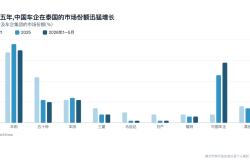
Thailand may not be the most critical region for Chinese automakers going global, but it is undoubtedly the most successful and stable. In just a few years, Chinese Original Equipment Manufacturers (OEMs) have gone from having almost no presence to capturing nearly 30% of the market share and dominating the electric vehicle segment with a 90% share—for every ten electric vehicles sold, nine are Chinese brands. 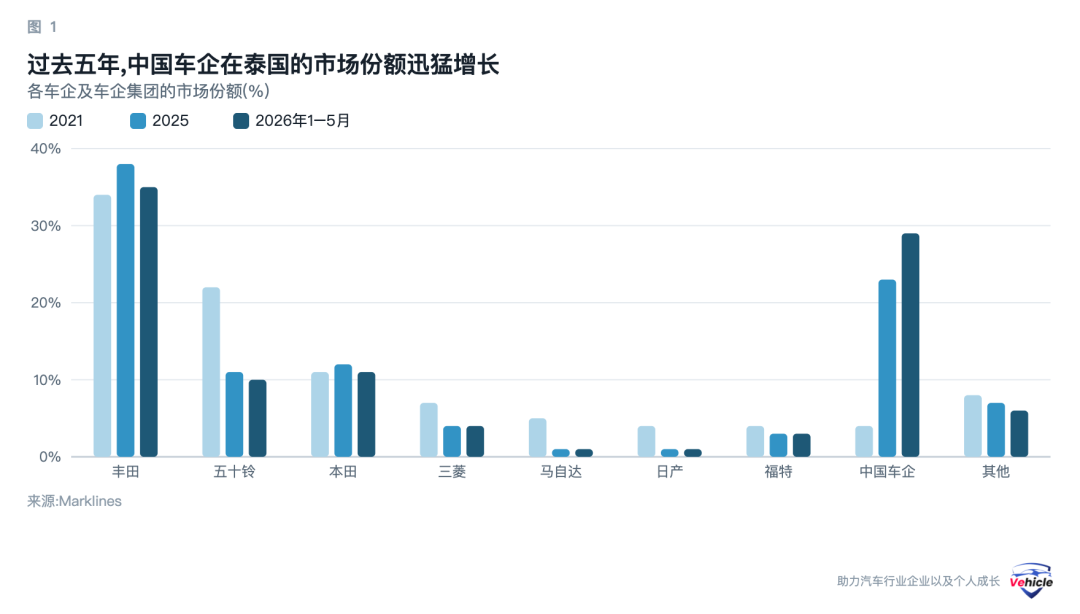
So, what has the Chinese automotive industry experienced in Thailand? What factors have contributed to this success? How far can Chinese automakers expand in Thailand? What employment impacts will result from the rapid rise in China's market share?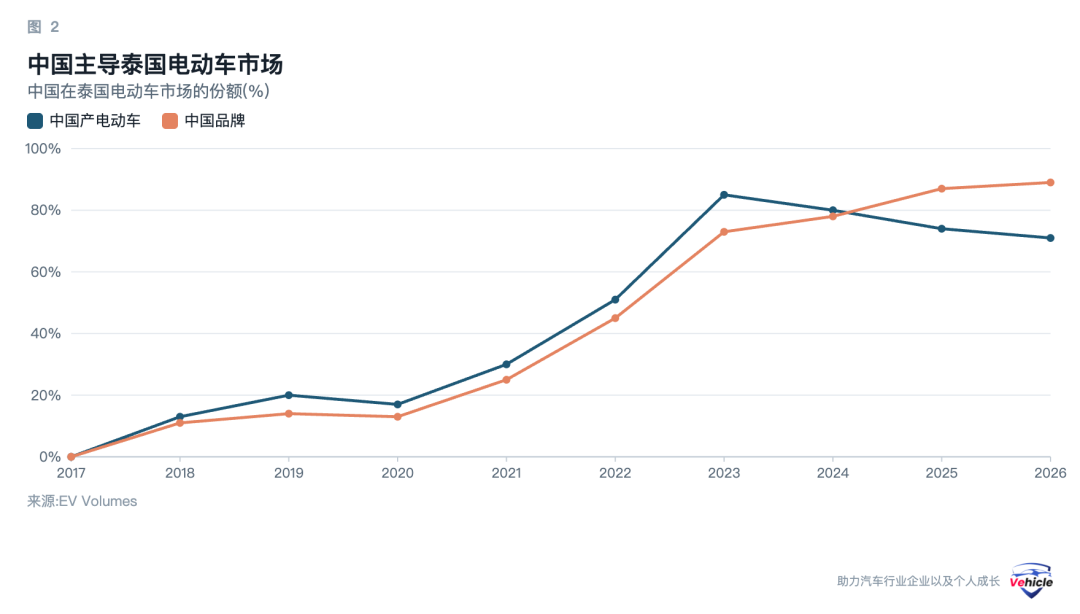
Based on Rhodium Group's research report on Chinese automakers in Thailand, this article shares insights into their global expansion in Thailand, hoping to inspire and provide experience for Chinese automakers entering other countries and regions.
The Foundation of Success - Trade Agreements and Policies
While Chinese automakers have gained significant market share in most markets outside North America, their rapid success in Thailand is attributed to two unique factors: the Thailand-China Free Trade Agreement and Thailand's electric vehicle support policies.
Thailand imposes high tariffs of up to 80% on imported automobiles, but much lower tariffs on imports from free trade partners. Under the Japan-Thailand Economic Partnership Agreement, Japanese-made cars entering Thailand are subject to only a 20% tariff. However, the agreement signed between Thailand and China in 2003 means that Chinese-made electric vehicles are exempt from any tariffs, giving Chinese exporters a significant competitive advantage.
Additionally, the Thai government, aiming to reduce dependence on oil imports and achieve its climate goals, has launched a series of generous electric vehicle incentive programs. The "EV 3.0" plan, initiated in 2022, includes direct cash subsidies for buyers, excise tax exemptions for eligible electric vehicles, and import tax reductions paired with offset requirements, meaning imported vehicles must be compensated by a certain number of locally produced vehicles (see Table 1).
Although the Thai government also offers various tax incentives and subsidies to promote local production and increase localization rates, the delayed implementation of offset requirements (starting only in 2024) has allowed Chinese automakers to export electric vehicles to Thailand duty-free for two years while enjoying highly favorable tax and subsidy policies. Chinese EV manufacturers naturally flocked to Thailand. By mid-2025, more than a dozen Chinese brands had entered the Thai market, with China's largest companies (BYD, Changan, Chery, Great Wall, and SAIC) accounting for most sales. By the end of 2025, Chinese EV manufacturers had captured 89% of Thailand's electric vehicle market share.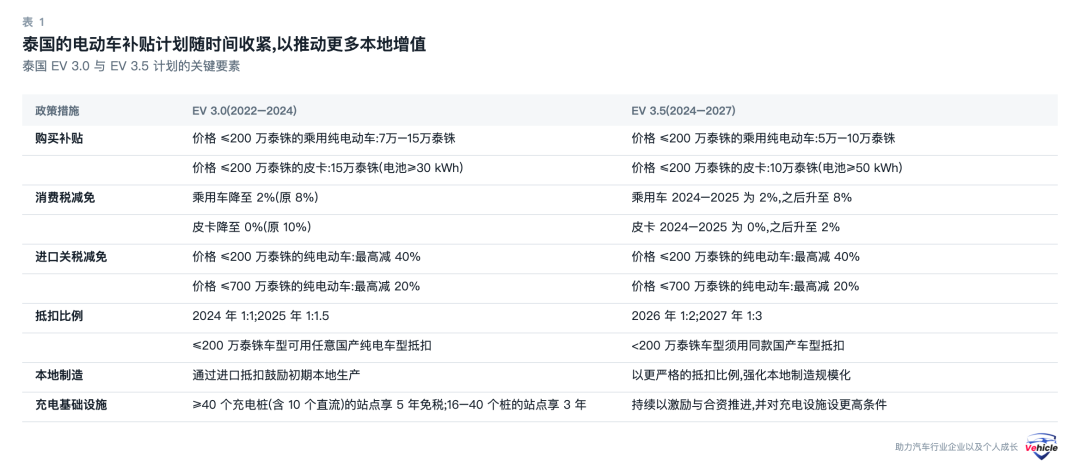
The success of Chinese automobiles in Thailand stems from their rapid response and thorough preparation for Thailand's electric vehicle plans, as well as offering cost-effective and diverse electric vehicle products tailored to the Thai market.
Of course, the influx of Chinese automakers has also brought Chinese domestic car prices to Thailand.
According to data from Thailand's economic research institution Krungsi, compared to the 2023 Thailand International Auto Show, Chinese EV brand prices at the 2024 Thailand International Auto Show dropped by 10.2%. Six months later, prices fell another 13.1% at the auto show. By 2025, prices stabilized, with a narrower decline of 2.7%.
According to the latest information from May 2026, the price difference between Chinese and non-Chinese electric vehicles is as high as 50%. Low prices come with additional perks, such as fully equipped basic models including many digital features, battery warranties exceeding eight years, free charging station installations, and favorable financing terms.
In December 2025, Chinese EV sales peaked as manufacturers aimed to take advantage of EV subsidies set to expire in January 2026.
Sales plummeted in January 2026 but rebounded to near-2025 levels within a few months—with Chinese EV market share remaining stable.
The question now is whether Chinese automakers can sustain this success. Three critical factors must be considered:
First, given fiscal pressures, global energy price hikes due to the Iran war, and a persistently weak economy, can Thailand maintain its EV plan in the medium term?
Second, can Chinese automakers meet Thailand's offset standards and comply with stricter localization requirements under the "EV 3.5" policy?
Third, can Chinese automakers withstand local government scrutiny over the economic and employment impacts of their rapid market entry in Thailand?
Challenge One - Fiscal Hurdles
Since the success of Chinese automakers in Thailand is closely tied to Thailand's generous EV support policies, the future development of Chinese automobiles in Thailand at least partially depends on Bangkok's ability to continue these policies, especially amid overall economic weakness and slowing car sales.
From a fiscal perspective, the policy's burden is not heavy. By early 2025, the Thai government had subsidized about 175,000 pure EVs and 35,000 electric motorcycles, with total subsidies of around 12 billion baht (approximately $360 million) in the policy's first three years. This accounts for less than 0.5% of Thailand's annual budget. The government has revised EV incentives under the "EV 3.5" plan, reducing subsidies from 2024 to 2027. The plan also involves tax breaks, which will increase fiscal revenue for Thailand, but these breaks are unlikely to far exceed subsidy amounts.
Nevertheless, with Thailand facing significant fiscal pressures, the EV plan will have to compete with other priorities. Thailand's fiscal deficit exceeded 3% of GDP in 2025 and is expected to approach 3.5% in 2026, with the country rapidly approaching its self-imposed debt ceiling of 70%. High global energy prices further suppress already sluggish economic growth expectations. By mid-2026, the Thai government is seeking constitutional court approval to borrow 400 billion baht (approximately $12.2 billion) to mitigate the economic impact of the Iran war through consumer subsidies and funding for the long-term transition to clean energy.
Thailand's EV plan also depends on the success of its localization efforts (see below), as the plan aims not only to promote EV adoption but also to drive production reshoring. Local production will generate industrial activity and related tax revenue. If these goals are not met, the plan may at least require adjustments.
Finally, fiscal capacity is crucial because the structural constraint of Thailand's EV market is charging infrastructure. China has made significant progress in large cities like Bangkok with well-developed charging infrastructure. However, in rural areas, fuel-powered vehicles still dominate (hence the dominance of Japanese automakers), and the market remains heavily reliant on second-hand or even third-hand vehicles. Of course, China also exports fuel-powered vehicles, but these are subject to 80% tariffs for complete vehicles and 30% tariffs for CKD exports, unable to enjoy the same tax benefits as EVs. The Thai government's ambitious goal to drive electrification in transportation will naturally be constrained by fiscal space and overall economic performance. If EV adoption stagnates, Chinese automakers' sales may also decline.
Challenge Two - Localization Hurdles
The continued expansion of Chinese automakers in Thailand will also depend on their ability to "offset" vehicles directly exported to Thailand with locally produced ones. In addition to zero tariffs under the China-ASEAN Free Trade Area Agreement (CAFTA), Chinese auto exporters benefit from generous subsidies (equivalent to 7.5% to 10% of EV prices) and excise tax exemptions under Thailand's EV 3.0 and 3.5 plans.
However, Chinese automakers must now offset these exports with locally produced vehicles, with increasing localization ratios (see Table 1). Thailand's EV 3.5 plan also introduces stricter localization production requirements in exchange for continued tax breaks.
This localization process is underway. According to Rhodium Group data (Figure 3), Chinese direct investment in EVs in Thailand surged between 2021 and 2023, averaging $550 million annually. This growth likely reflects Chinese EV manufacturers' attempts to capitalize on Thailand's EV support policies. This makes Thailand the third-largest global destination for Chinese EV manufacturing direct investment, after Hungary and Brazil, and first in terms of factory numbers.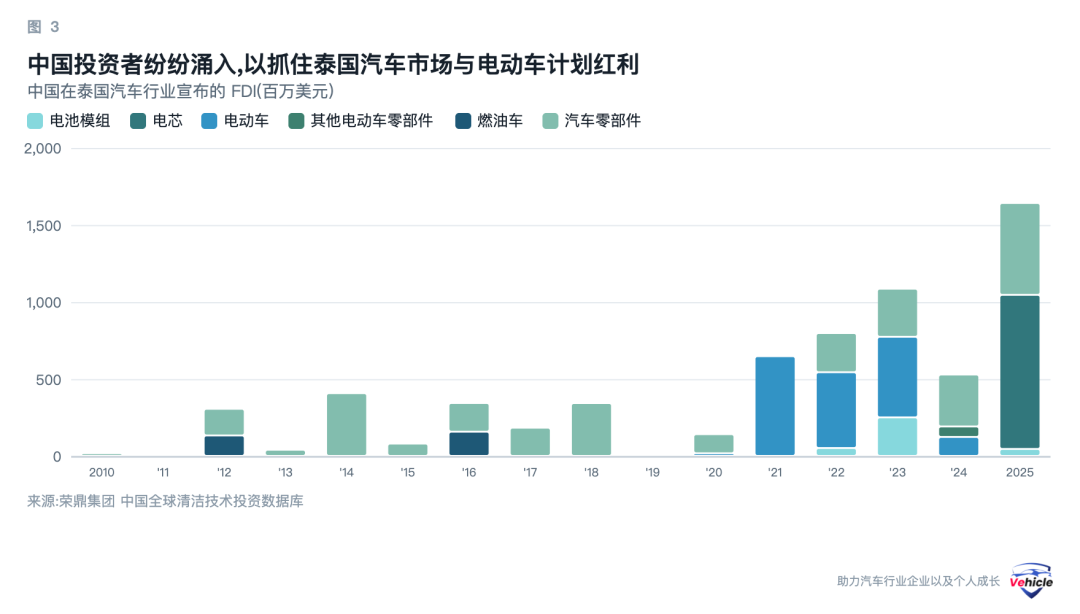
Although foreign direct investment (FDI) in China's EV-related sectors has slowed since 2023, eight Chinese automakers have announced plans to build EV assembly plants in Thailand (BYD, Great Wall Motors, Changan Automobile, SAIC Motor, Chery Automobile, Hozon Auto (now mired in a 400 million yuan Thai debt crisis), GAC Group, and Wuling Motors). As of the second quarter of 2026, most of these plants are operational (Table 2).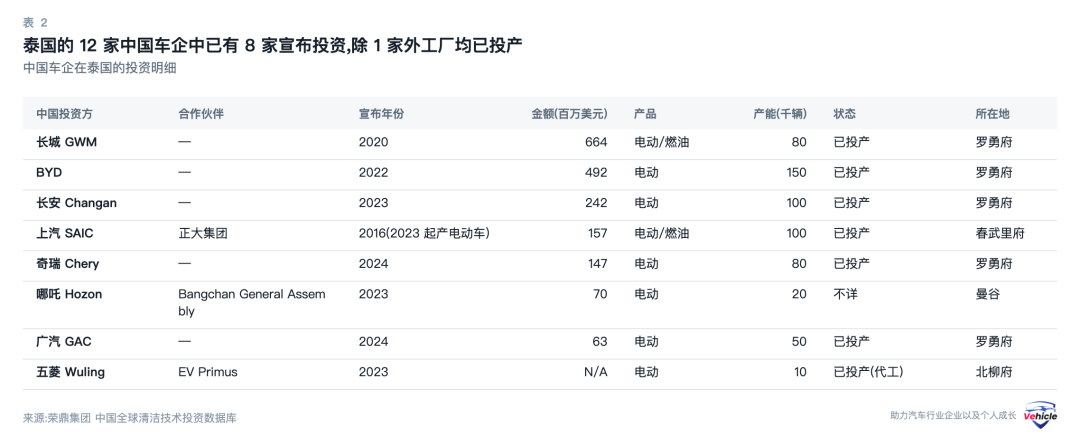
Some production capacity was expanded from existing facilities: for example, SAIC Motor converted an internal combustion engine vehicle factory in Chonburi into an EV production base, while Great Wall Motors acquired a former Ford factory. However, most automakers built new production lines.
With assembly plants coming online, battery investment has also grown rapidly. Great Wall's SVOLT entered the Thai market to supply Great Wall Motors; SAIC Motor invested to support its factory; and Gotion High-Tech followed its client Nuovo Plus into Thailand. However, the current focus remains on low-value-added, low-capital-expenditure battery module assembly. The first true battery cell manufacturing plant was only announced in 2025: Sunwoda invested approximately $1 billion, planning a capacity of 17.4 GWh, sufficient to supply about 300,000 EVs.
Beyond batteries, Chinese auto parts manufacturers have long been active in the Thai market, particularly in the tire value chain (Figure 4). Thailand is the world's largest natural rubber producer, an important automotive market and export hub, and offers preferential policies to circumvent U.S. trade remedy measures against Chinese-made tires.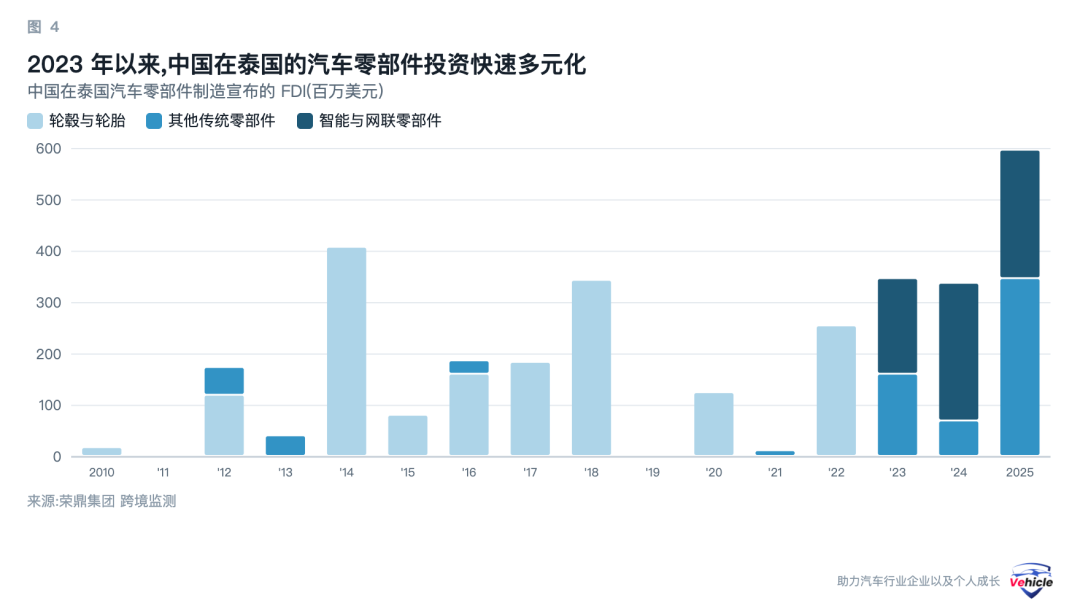
However, since 2023, FDI in Thailand's auto parts sector has diversified into other supply chain segments, including chassis systems, interior components, transmission parts, and EV-specific products. This is primarily due to suppliers following automakers overseas and increasing localization requirements from automakers. Additionally, FDI in China's electronics manufacturing has surged, especially for printed circuit boards used in automotive production.
Efforts by Chinese automakers to enhance localization production capacity over the past three years have made China Thailand's largest automotive investor, surpassing traditional partner Japan (Figure 5). However, by 2025, Japanese automakers including Toyota and Honda made a strong comeback, planning to invest 50 billion baht (approximately $1.5 billion) each in Thailand's EV development plan. Isuzu and Mitsubishi also announced investments of 30 billion baht and 20 billion baht, respectively, to produce EVs in Thailand.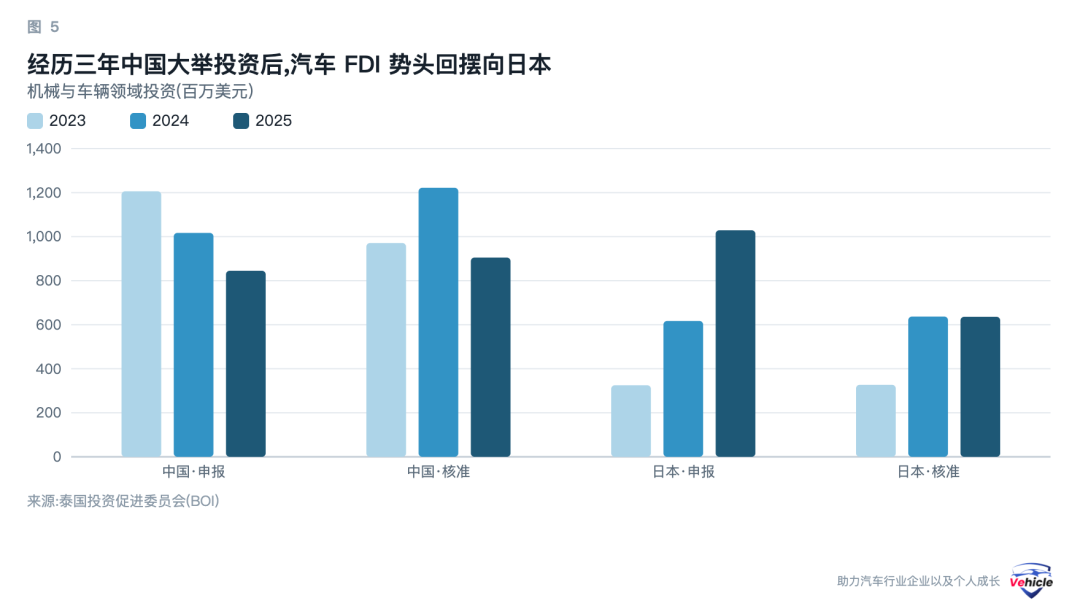
Although Chinese automakers' investments have begun translating into higher local production, peaking at nearly 12,000 units in September 2025 (suggesting annual local production of around 100,000 Chinese vehicles in Thailand), China's production share in Thailand remains far below its market share—production is less than 10%, while sales approach 30%. This capacity gap may displease Thai authorities.
At the automaker level, even by 2026, most Chinese automakers' sales will continue to exceed local production (Figure 6). Not all Chinese automakers are following suit. Xpeng, Leapmotor, JAC, and Dongfeng have yet to announce investment plans.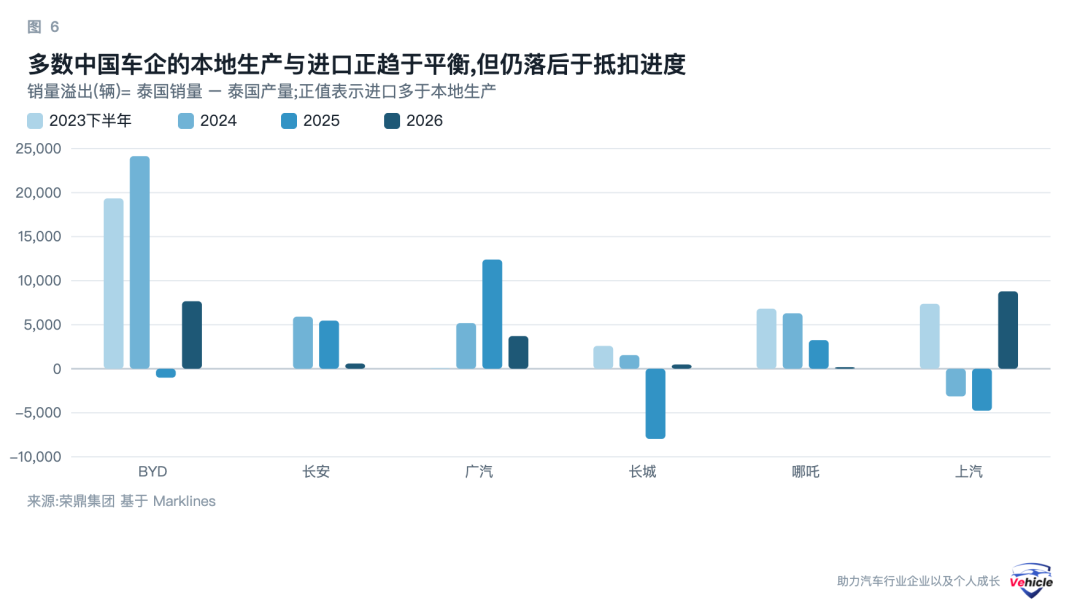
For companies with insufficient localized production, Thai authorities are taking action: Hozon Auto, which went bankrupt in China, is the first Chinese automaker to pay hefty compensation for insufficient localization. Unable to meet offset obligations, Hozon was sued by the Thai government in January 2026, which sought to recover 2 billion baht (approximately 400 million yuan) in compensation paid since 2022. Other similar cases may follow. Rumors suggest some Chinese automakers may choose to declare bankruptcy in Thailand to avoid paying massive punitive damages.
The next critical question is whether Chinese factories can move beyond simple screwdriver manufacturing to create local value-added and employment opportunities through supplier networks. Currently, the localization rates reported by Chinese automakers (OEMs) fluctuate between 40% and 60%—40% being the minimum threshold for a product to be considered “Made in Thailand” under the China-ASEAN Free Trade Area (CAFTA) regulations.
In contrast, most Japanese automakers in Thailand have localization rates between 70% and 80% (Figure 7). Of course, timing plays a significant role here: Japanese automakers began production in Thailand in the 1960s and 1970s, when value-added was also low. However, due to localization requirements and their long-term presence in Thailand, localization rates improved in the 1970s and 1980s. For Chinese automakers, the challenge lies in maintaining price competitiveness after localization requirements are imposed, especially given the domestic advantages that many claim rely on a resilient supply chain and industrial workforce. 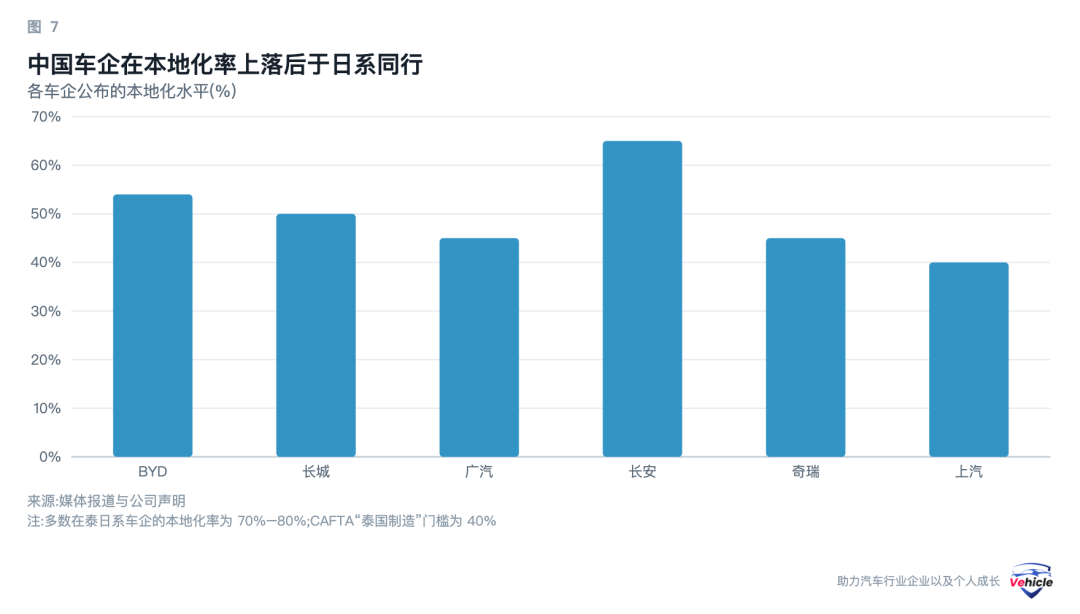
At this stage, the volume of automotive components imported into Thailand from China is still surging. By 2025, China had already overtaken Japan as Thailand's largest supplier of automotive components (Figure 8). Thailand is rapidly becoming a key export market for suppliers—both Chinese and international—benefiting from the increased electrification of vehicles, such as connector, cable, or automotive electronics producers. 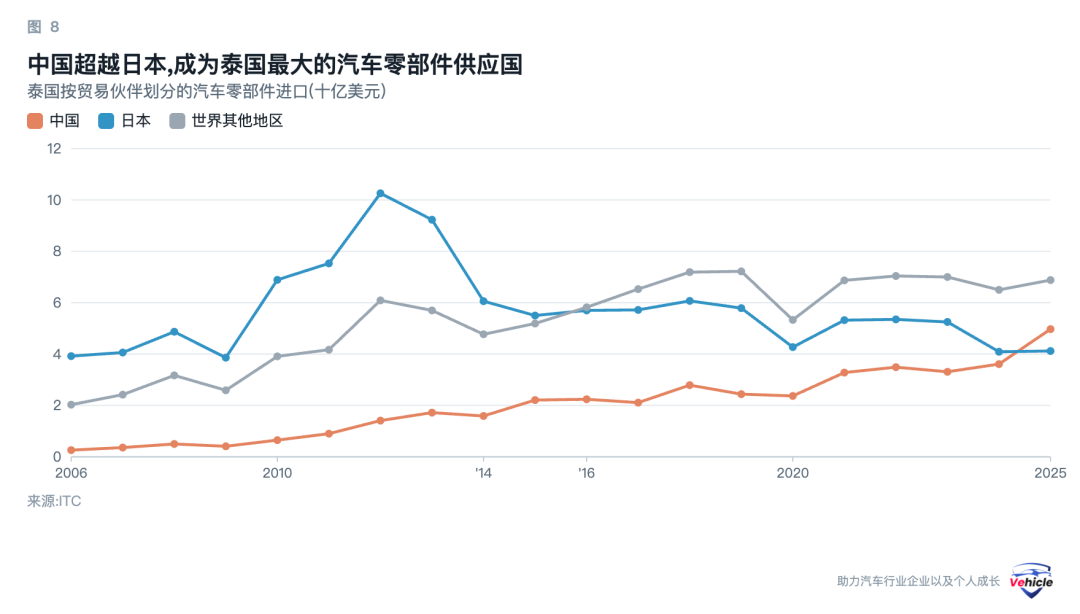
However, Chinese automakers are also beginning to forge partnerships with established international suppliers. For example, French supplier Forvia, already a partner of BYD in China and with a long-standing presence in Thailand, formed a joint venture with BYD in Thailand to establish a seat factory capable of supplying up to 180,000 automotive seats annually. The factory is expected to become profitable by 2025 once it reaches full operation.
Some automakers are also bringing their Chinese partners to Thailand. Great Wall Motors has introduced five Chinese-affiliated suppliers to Thailand. These suppliers include: Svolt Energy for battery packs, Hycet Engine Systems for engines and powertrain components, Nobo Automotive for interiors and seats, Jinggong for body and structural parts, and Exquisite Automotive for other automotive components (Figure 9). 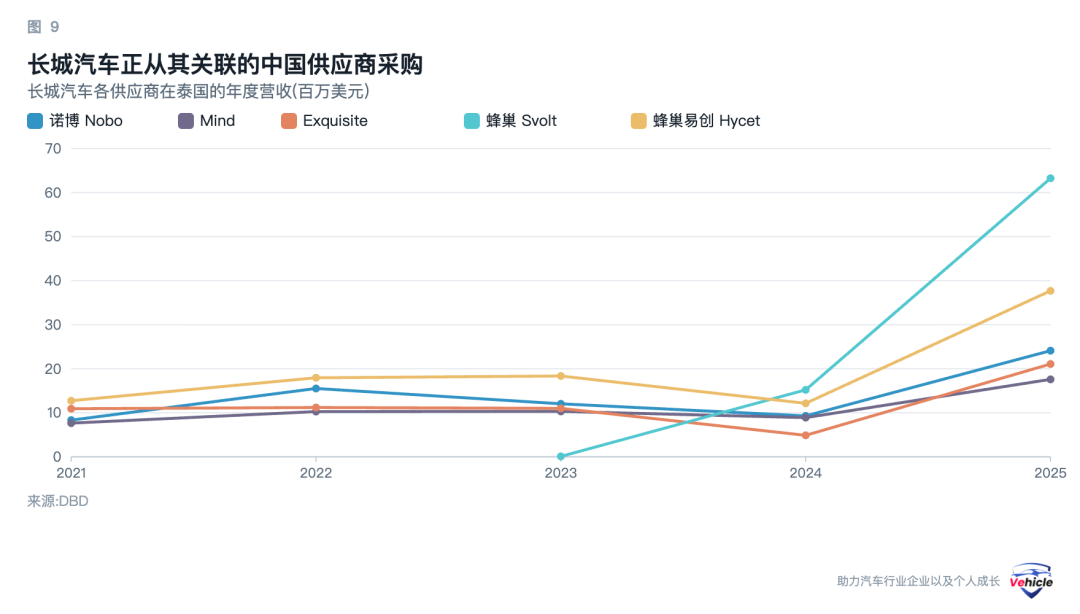
Finally, some Chinese automotive suppliers may be using Thailand to circumvent scrutiny of Chinese components in key markets like the United States. For instance, Hesai Technology, a leading Chinese LiDAR manufacturer, plans to begin mass production of LiDAR systems in Thailand for customers outside China starting in 2027.
Battery manufacturing remains a significant missing piece. Unlike in Europe, where Chinese companies have localized production of electric vehicle (EV) batteries, cathodes, and anodes, Chinese firms' EV investments in Thailand have not focused heavily on battery production. Chinese EVs manufactured in Thailand primarily rely on batteries imported from China. 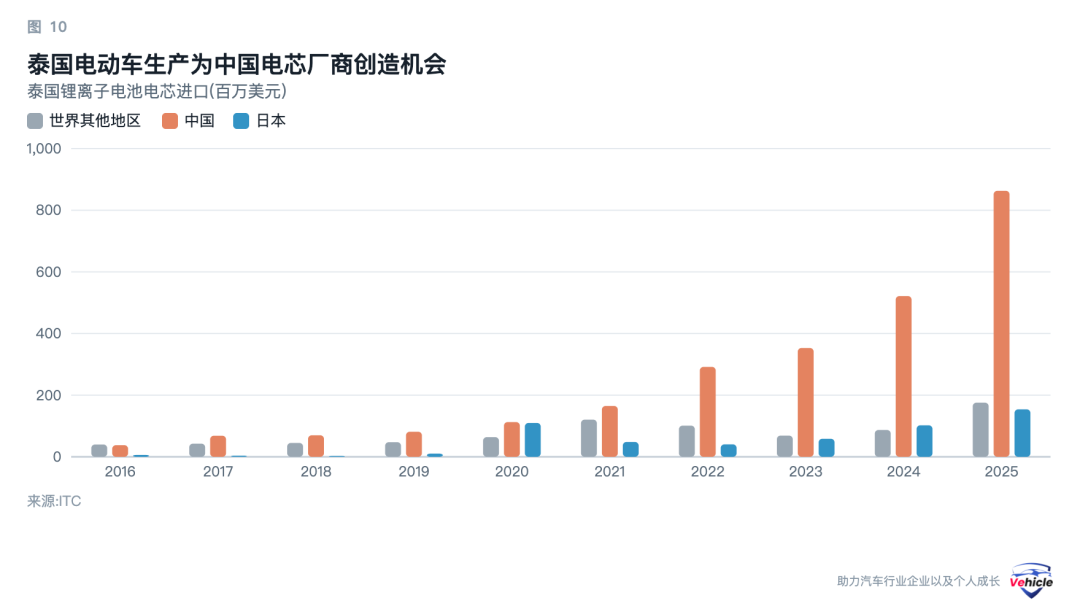
If Chinese companies can achieve local production and offset imports, Japanese automakers (OEMs) will suffer the most, while Japanese and Thai suppliers will also face pressure. Some suppliers may be able to partner with Chinese automakers, but for most traditional suppliers, the business lost from existing Japanese automaker clients will outweigh the gains from new relationships. Chinese domestic suppliers, whether domestic or international, are most likely to gain new growth opportunities. More broadly, the beneficiaries will be those aligning with the trends of electrification and electronics supply chain development, while those tied to internal combustion engines will face headwinds.
Challenge Three - Geopolitical Hurdles
Ultimately, the localization capabilities of Chinese automakers will be key to navigating future political challenges. Over the past year, Thailand, particularly its automotive industry, has grown increasingly concerned about the potential economic and employment costs of China's advance into the Thai automotive market. If Chinese EVs eventually displace Japanese and other automakers, who typically have higher localization rates, this could negatively impact Thailand's automotive sector. Given that the industry directly employs around 650,000 people, indirectly supports roughly 1 million jobs, and contributes about 10-11% of GDP, the stakes are high. Thailand's National Economic and Social Development Council (NESDC) estimates that by 2025 and 2026, approximately 110,000 workers (16.3% of the automotive workforce) may face unemployment risks due to prolonged sluggish vehicle production and the inability of some component manufacturers to adapt quickly to the EV transition.
Recently, Thai automotive industry groups wrote to the Thai government, warning of a potential crisis in the sector if EV adoption leads to a contraction in local production. Manufacturers would struggle to compete with cheap, zero-tariff imports from China, and component makers would lose orders.
The letter, signed by ten business associations representing over 1,500 members, urged the government to adopt a range of measures, including tax reforms to support locally produced EVs, a 32% excise tax on imported complete vehicles, tighter localization rate requirements, mandatory increases in the use of Thai raw materials, linking import quotas to domestic production and technology transfer, and strengthening rules of origin, among others. The impact of this letter and the growing calls for protectionism remain to be seen. Thailand is currently comfortable with the pace of automotive electrification, and its relationship with China remains solid, making strong defensive measures against Chinese EVs unlikely.
However, if pressure continues to mount, the government may opt for more piecemeal measures, including tightening localization production rules, further expanding the range of essential components required for local procurement, enacting stricter end-of-life vehicle regulations, and/or extending EV subsidy programs to hybrid electric vehicles (HEVs)—a segment currently dominated by Japanese automakers. 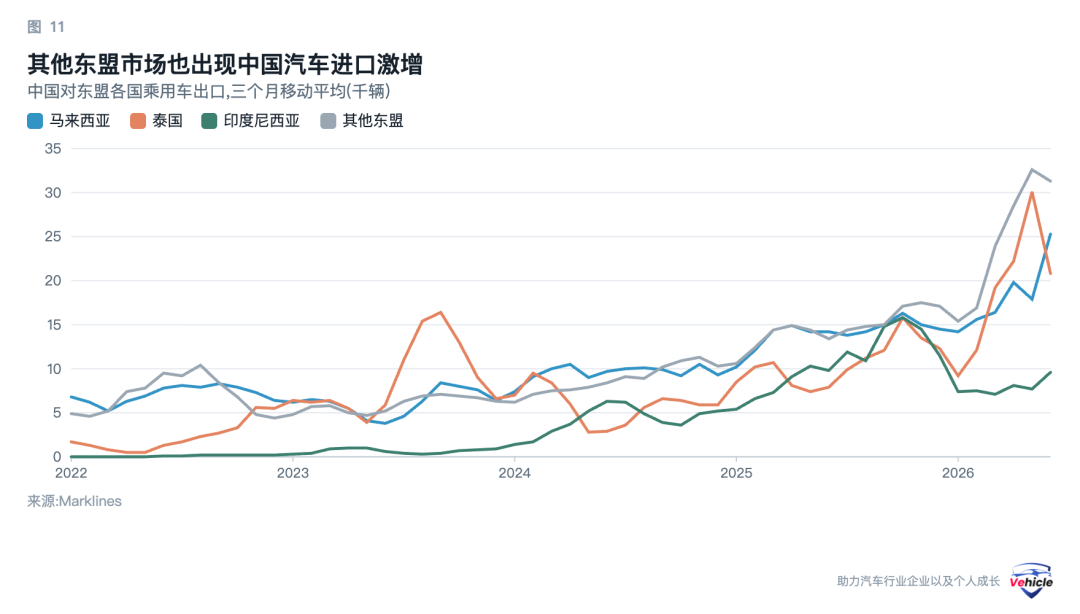
In the long run, the rise of China's automotive industry will put pressure on Thailand's automotive sector, exacerbating the current debate.
First, it will disrupt the existing supply chain system built around Japanese automakers, forcing traditional suppliers to transform toward electrification and intelligence.
Second, it will impact the vehicle export system previously dominated by Japanese automakers. For example, growing competition from China in third-country markets will increasingly affect Thailand's automotive exports, one of its major export categories. Thailand's vehicle production fell nearly 18% in May due to the Iran war and a sharp decline (-37%) in automotive exports to Australia and Oceania. The latter stemmed from stricter carbon emission control regulations and aggressive expansion by Chinese EVs.
All these factors point to transformative changes in Thailand's industrial landscape.
Final Thoughts
The automotive industry is a comprehensive sector that requires a certain industrial foundation. Countries with an established automotive base typically see the industry employ around 10% of their population and contribute 5-10% of GDP, making it a massive single industry. Its changes can trigger significant economic and political shifts.
China's automotive exports to Thailand and its achievements there have navigated—or perhaps touched upon—all possible areas of influence to reach its current success. As such, it may offer replicable experiences and a framework of considerations for China's automotive industry going global. Based on the above, several key framework points can be summarized:
First, trade agreements and local policies fundamentally shape the landscape for Chinese automotive exports. It is essential to understand and monitor trade agreements between China and export countries, as well as local automotive policies, especially their trajectories.
Second, the fiscal dynamics of export countries matter. While product design must consider local economic and fiscal conditions, it is even more critical to track fiscal changes in export countries, particularly those related to automotive industry support.
Third, localization rates for exported products are crucial. For a comprehensive manufacturing industry like automotive, localization rates affect costs, policy changes in export countries, and the foundation of local industries. Monitoring this metric and developing different scenarios and strategic directions based on it is vital.
Fourth, geopolitics is a particularly sensitive topic that integrates factors such as economic development and employment in export countries, requiring a holistic approach.
Of course, the journey for Chinese automakers going global is long and arduous. Thailand represents just the beginning, but the future remains uncertain. All we can do is continue to monitor developments.
References and Images
How China's Automotive Industry is Conquering Thailand - Rhodium Group
*Unauthorized reproduction or excerpting is strictly prohibited.-
-
![]()
Microsoft: Has the Tide Turned in Favor of the Old Guard?
-
![]()
Amazon: AWS Soars, Catching Up with Competitors at Last!
-
![]()
Acknowledging Task Incompletion: Neither Shameful Nor Daunting
-
![]()
How to Efficiently Manage and Control Street Lights in Industrial Parks? The Smart Street Light Control System Solution for Parks Offers Insights
-
![]()
Only One of Its Kind in the Country! Shenzhen's 'Five-Party Collaborative Operation' Pilot for Unmanned Delivery Takes Off, Steering Autonomous Driving Away from 'Money-Burning Competition' into the E
-
![]()
Qwen Still Sees Value in Open Source Initiatives
-
![]()
Qwen Still Sees the Merits of Open Source
-
![]()
A Complete Retrospective of the Thailand Campaign: A Detailed Review of the First 'Complete Model' for Chinese Automobiles Going Global