Four Visits to Lu Fang: The Vision of VOYAH in My Heart | Insight
 08/06 2026
 475
475
"On Technology Roadmaps, 'Moats,' Responsiveness, and Next Steps" by Ge Bangning | Edited by Li Guozheng | Produced by Bangning Studio (gbngzs)
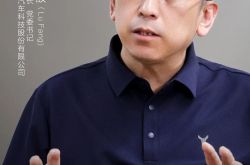
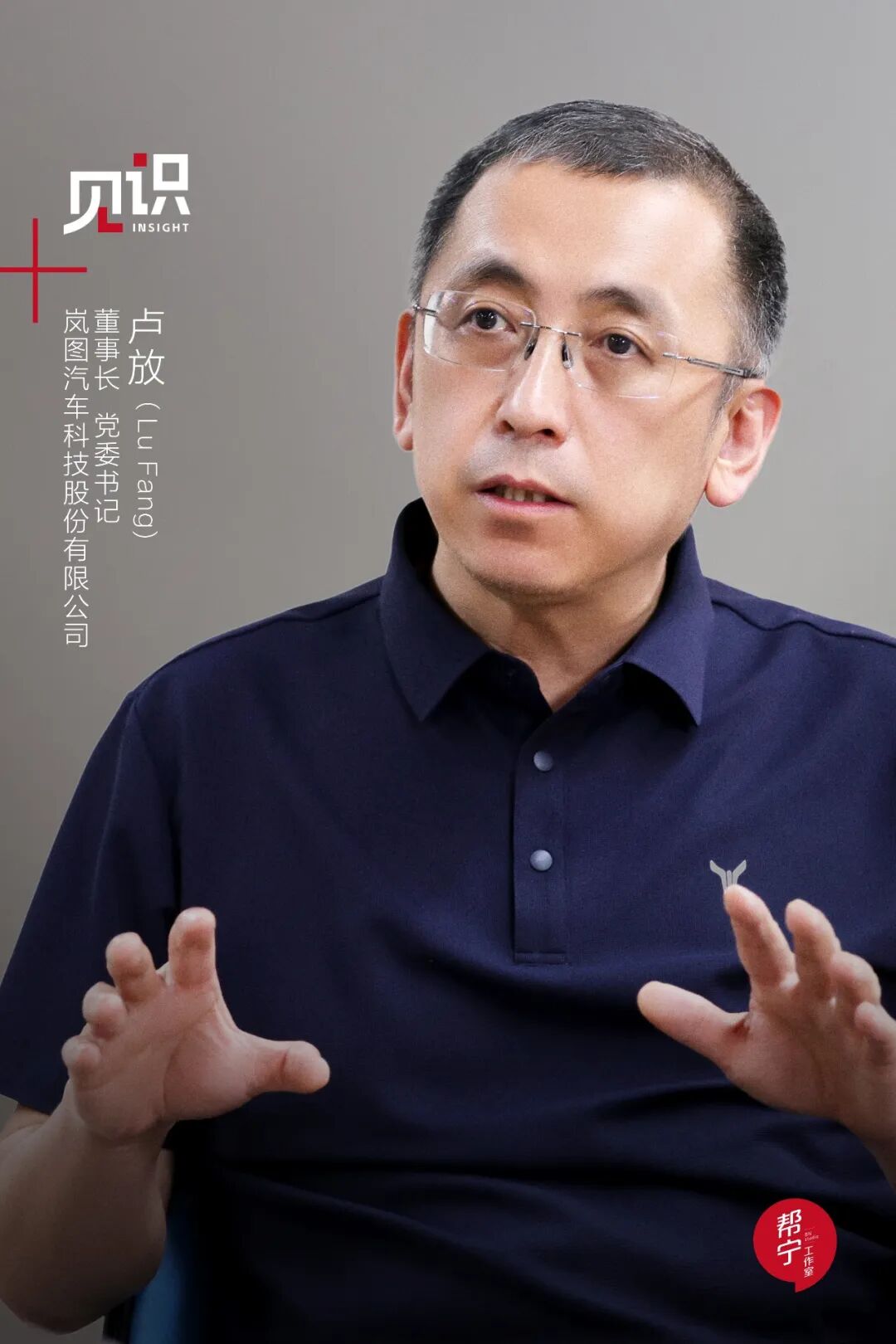
This marks the fourth interview by Bangning Studio with Lu Fang, Chairman and Party Secretary of VOYAH Automobile Technology Co., Ltd.
Our last conversation took place on the last day of January this year in Beijing. What left the deepest impression then was his rationality. At that time, the VOYAH brand had already begun to make its mark in the new energy vehicle (NEV) sector, but he said that VOYAH had not yet firmly established itself at the table and needed to maintain composure, control its greed for growth, and manage its desires.
We talked for one and a half hours. After the interview, he hurried off to participate in the recording of the CCTV Finance "China Auto Fengyun Grand Ceremony " program.
Going back further, 16 months ago in September 2024, I had my second conversation with him in Wuhan, at the headquarters of VOYAH. Lu Fang, then CEO of VOYAH, shared with me the four-year journey of entrepreneurship and the emotional journey he had undergone. He said then that VOYAH was still in a period of rapid growth and couldn't afford to pause for breath. Only after truly achieving self-sufficiency would it be possible to enter a period of explosive growth.
My first interview with him was in November 2020, while he was on his way to the airport and accepted my phone interview. At that time, I asked him why he would give up a predictable future and start from scratch. He said he was willing to accept the challenge and was ready to bet his entire professional reputation on it, so success was the only option.
Now, more than six years have passed since the launch of the VOYAH brand, but Lu Fang has dedicated even longer—seven years—starting from a blank slate and running alongside VOYAH towards becoming the top NEV brand, while also transforming and growing amidst change and constancy. He has changed a lot: actively embracing new media, speaking confidently in front of the camera, and becoming his authentic self. Yet, he seems unchanged, still the uncompromising engineer at heart, with his deeply ingrained traits remaining vivid (vivid).
After seven years of struggle, VOYAH has navigated through challenges and entered the market. However, despite these achievements, VOYAH has not yet reached the vision in Lu Fang's heart.
The following is the fourth dialogue between me and Lu Fang, lightly edited. It took place on July 14, 2026, at VOYAH's new office building.
▍01 Breaching the Fortress
Bangning Studio: In the second half of this year, VOYAH plans to launch four BEV models. Why the emphasis on the BEV sector at this juncture?
Lu Fang: When VOYAH launched and developed its first product in 2019, we internally adopted a multi-power technology roadmap from the start. Initially, we had BEVs, extended-range vehicles, and plug-in hybrid electric vehicles (PHEVs) based on pure electric platforms.
Over the past few years, acceptance of BEVs was not as high. Our Zhiyin model is fully electric and is currently expected to rank in the TOP 3 in its segment.
Why the push for more BEVs this year? Because over the past two to three years, through communication with users, especially after they used VOYAH's hybrid models, when we asked them about their next vehicle choice, they said they wanted to switch to BEVs.
Now, charging is becoming increasingly convenient, and the charging experience is improving. Additionally, VOYAH early on introduced technologies like 800-volt high-voltage fast charging. Therefore, we believe that with the popularization of NEVs, BEV penetration will rise, and their market share will continue to grow.
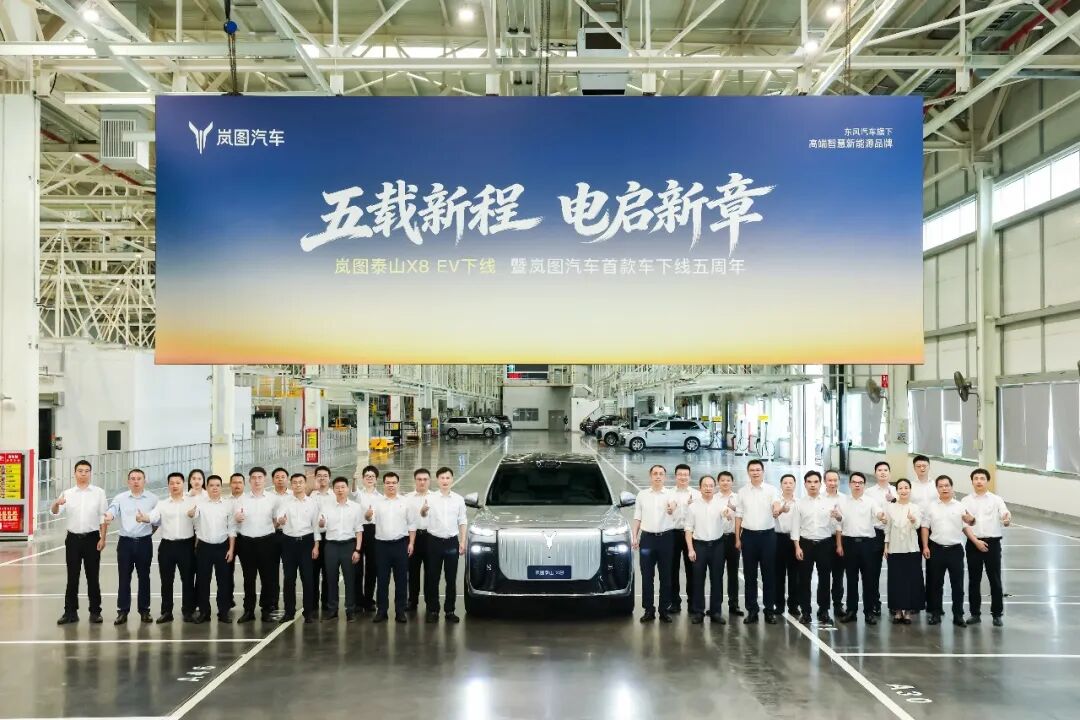
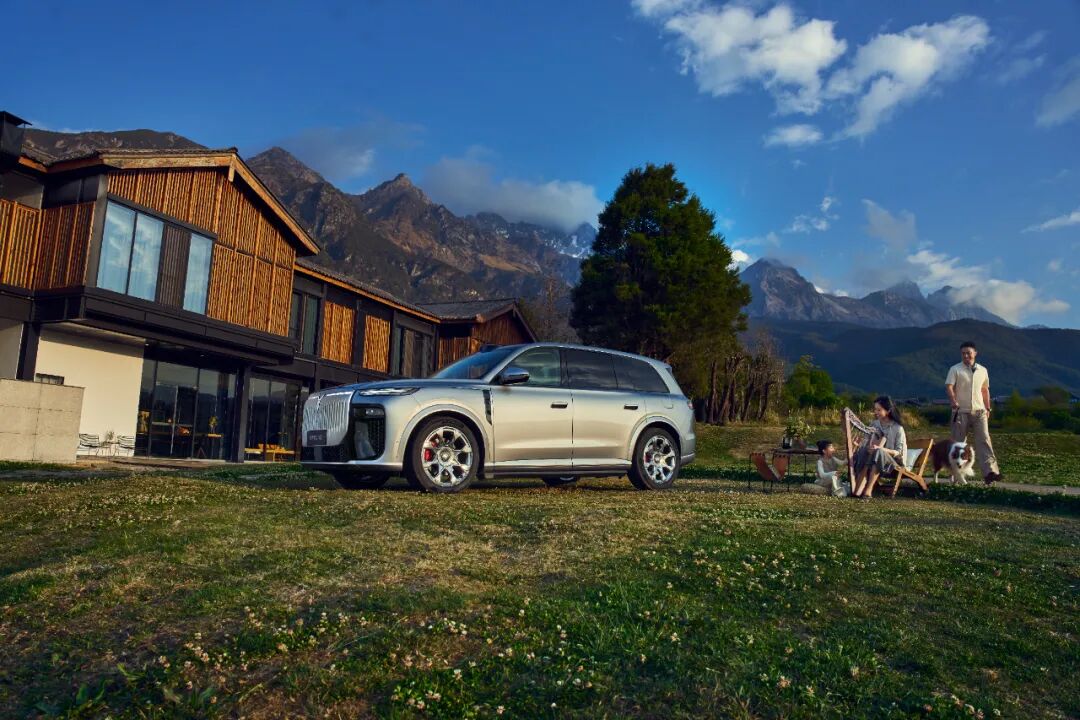
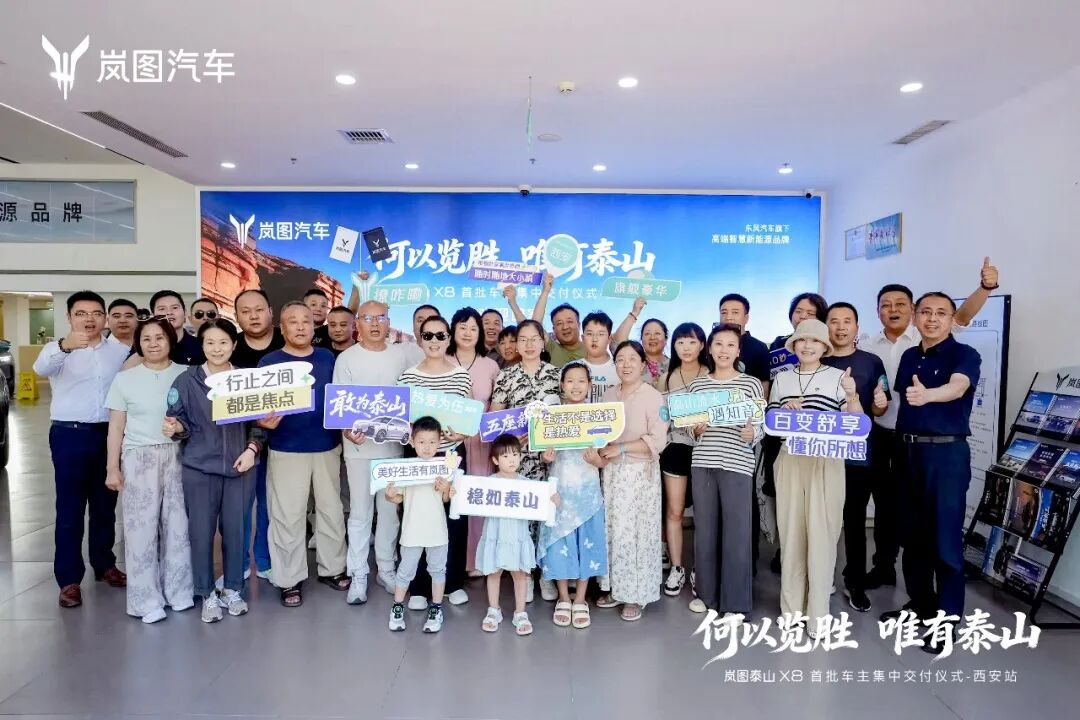
So, in the second half of the year, we will timely (timely) launch these products to meet user demands. For example, the EV version of the Taishan X8 just rolled off the production line on June 30, and currently, the orders are looking good.
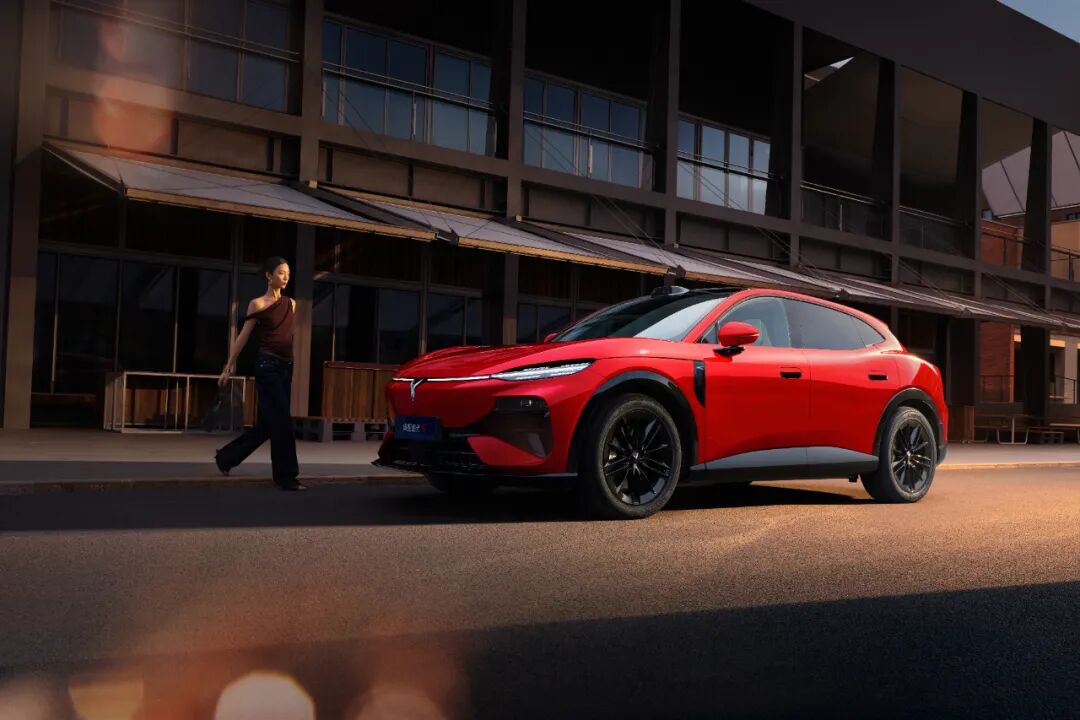
Zhuiguang S is also a BEV model. It's generating a lot of buzz because users see it as an original BEV product that stands on its own rather than resembling others.
Younger users have a higher acceptance of BEVs.
How will extended-range and BEV models balance development in the future?
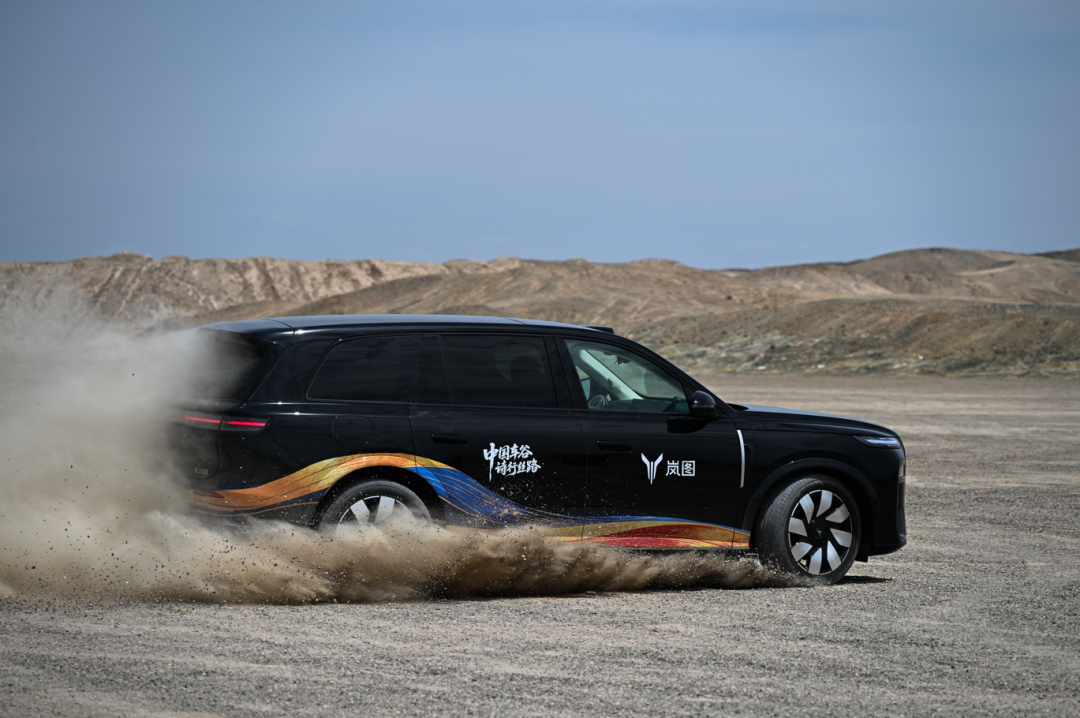
Internally at VOYAH, we have the technologies for both, and the key is to respond to user needs. China is vast, and different regions have varying demands for vehicles. For example, in Xinjiang, while BEVs are available, PHEVs might be more accepted because many people enjoy self-drive tours, and cities in Xinjiang are far apart.
In the Yangtze River Delta (Jiangsu, Zhejiang, Shanghai), Pearl River Delta, and even in areas like Hubei and Chongqing, BEV acceptance is higher, and charging is very convenient.
So, I believe it's related to users' usage scenarios. We don't simply dismiss any roadmap. VOYAH is a company that listens to its users. As for the future (powertrain mode) ratio, it will depend on user choices.
Do you think fuel vehicles have a future? What will be the ratio of fuel, BEV, and extended-range vehicles?
I believe that purely fuel-powered or traditional fuel vehicles will largely cease to exist.
However, internal combustion engines will still be present. Their role in vehicles will shift to becoming range extenders or hybrid modules for PHEVs.
Moreover, the acceleration of intelligence will hasten the phase-out of traditional fuel vehicles, leading to a further transition towards PHEVs primarily driven by electric power, including extended-range and BEV models.
This trend will become increasingly evident and rapid. Many people believe that fuel vehicles will always have a market, but I personally disagree. Traditional fuel vehicles will inevitably be phased out.
During my last interview with you, you mentioned the "56E" (BMW 5 Series, Audi A6L, and Mercedes-Benz E-Class) and said that the premium sedan market, exemplified by the Zhuiguang, had not yet been breached by Chinese brands, describing it as the last bastion of the fuel vehicle world, where the "BBA (Mercedes-Benz, BMW, Audi)" crowd remained unbreached. Has your perspective changed now?
It will definitely be breached. Observing the traditional foreign luxury car market this year, we see tremendous pressure on their dealers. Why? Because the market no longer accepts some of their products. Of course, transformation takes time.
Do you think this bastion is being breached?
Bastions may not necessarily be breached; the era itself eliminates certain products. We are part of this transformative era, contributing to its creation. The "BBA" were not breached by VOYAH alone but by the entire Chinese NEV industry collectively.
We are undergoing a transformation towards new energy and vehicle intelligence. Remaining in the traditional internal combustion engine era or the era of traditional mechanical products is not feasible.
Why are traditional luxury car dealers struggling this year? They're losing money on sales, and many large dealers are transitioning away from selling these cars.
Of course, there are still differing voices in the market, with some saying, "I want to buy that car; it's my faith (belief)."
That's not right. It (traditional foreign luxury) was a belief in the past, but it won't be in the future. The belief facing the future might be our Dongfeng or our VOYAH; New energy vehicle companies (NEV companies) like us may become the belief of global users.
▍02 "It Doesn't Resemble Anyone"
Bangning Studio: What are the core competitiveness aspects of the Dreamer 9?
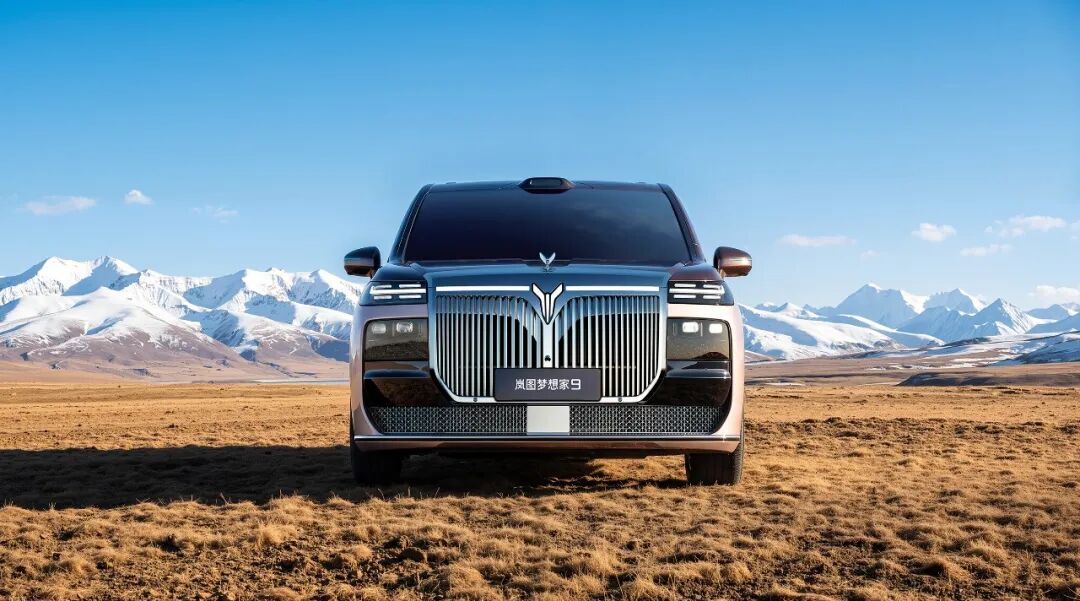
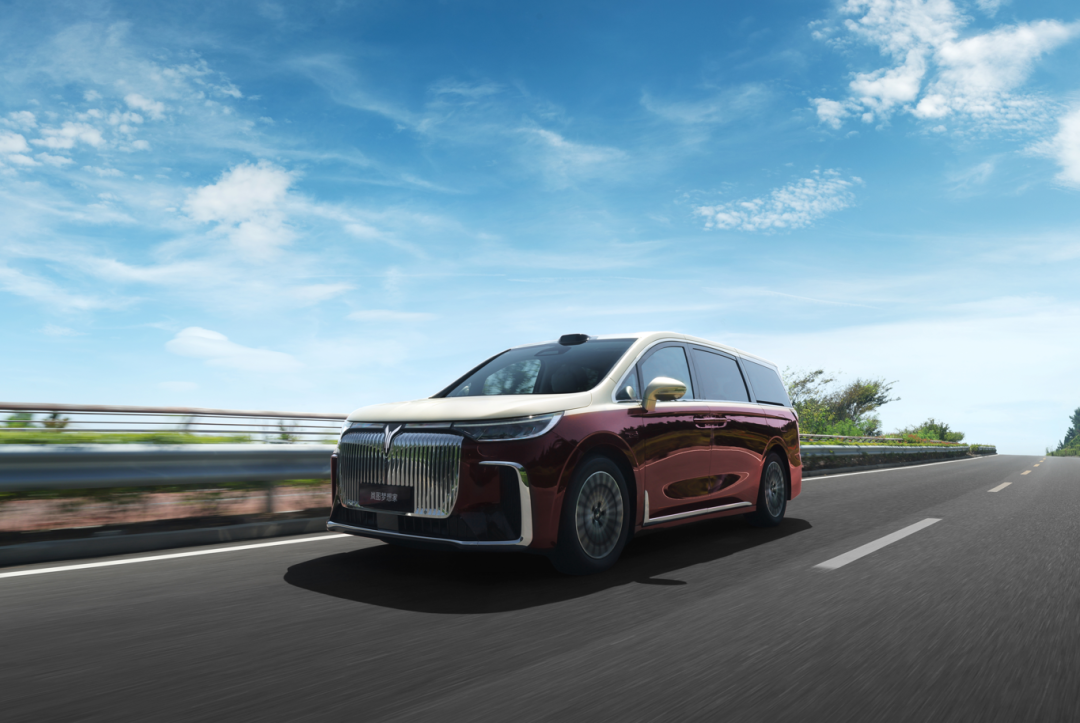
Lu Fang: We hope it will continue to lead the MPV category. VOYAH pioneered the high-end NEV MPV segment, and now many followers exist. To maintain our lead, we must continue to iterate on technology and products.
What is the core competitiveness of the (Dreamer 9) BEV version?
Compared to the hybrid version, the difference lies solely in the powertrain. I can't say too much today, but it does possess very strong category leadership and technological leadership.
What are the core moats of the Dreamer series?
First, user reputation. This is directly reflected in sales. In the high-end NEV MPV segment, VOYAH is the benchmark for everyone.
Many brands claim to be the best, but whether they truly are depends on user choices. For instance, in the high-end home MPV market, users naturally choose to buy or recommend others to buy (the Dreamer).
Additionally, in the high-end mobility market, such as in Shanghai and Shenzhen, the first choice for everyone, whether for corporate or private use, is the VOYAH Dreamer. This is a market choice. I believe this is a crucial moat.
Second, leadership in vehicle technology. Some time ago, someone disassembled our first Dreamer model. (He) drove it for a long time and, after disassembly, found its reliability to be absolutely trustworthy.
Third, from a technological standpoint, we are still ahead.
In terms of safety, including vehicle lightweighting, the Dreamer's lightweight design level remains industry-leading to this day. Many subsequently designed MPVs have not surpassed our lightweighting capabilities. This indicates that we had sufficiently strong capabilities and foresight in our technological solution choices at the time.
In the industry, both domestically and internationally, everyone developing MPVs cannot overlook the VOYAH Dreamer. They all learn from us and try various ways to poach our team members.
When you're the benchmark, others will benchmark against you.
It's always difficult to remain the benchmark because copying is easy, while innovation is hard.
When you're at the forefront, many follow behind, making their journey relatively easier. But regardless, we are still leading in terms of technology. So, I want to say that the Dreamer 9 will continue to lead, a result of user reputation, brand, and actual market demand.
Another aspect is technology. In these two areas, we have our moats. To this day, after driving so many (MPVs), I haven't found one that surpasses our Dreamer.
It offers excellent handling.
Another crucial point: VOYAH adheres to originality in styling design.
The Dreamer model just won the China External Design Gold Award a couple of days ago, a highly prestigious award. Why did we win this gold award? Because only the VOYAH Dreamer stands out from other MPVs with its emphasis on originality and our understanding of MPVs.
It doesn't resemble anyone. Many MPVs that emerged in the same era resemble a certain model, but only the VOYAH Dreamer adheres to originality. Now, our styling is increasingly recognized by users.
Internally at VOYAH, we place great importance on original design, not taking shortcuts or making our products resemble others to create associations. Our Chinese products should boldly express themselves and our understanding of this vehicle type, this category, and user needs. This is related to styling. Unless you intentionally want a counterfeit product.
Let's talk about intelligence. What are the R&D challenges in implementing L3 autonomous driving in MPVs?
There are no significant challenges; it's the same as with other vehicles. We can proceed because the model happened to align with our R&D progress at that time.
Has it reached L3 or surpassed it?
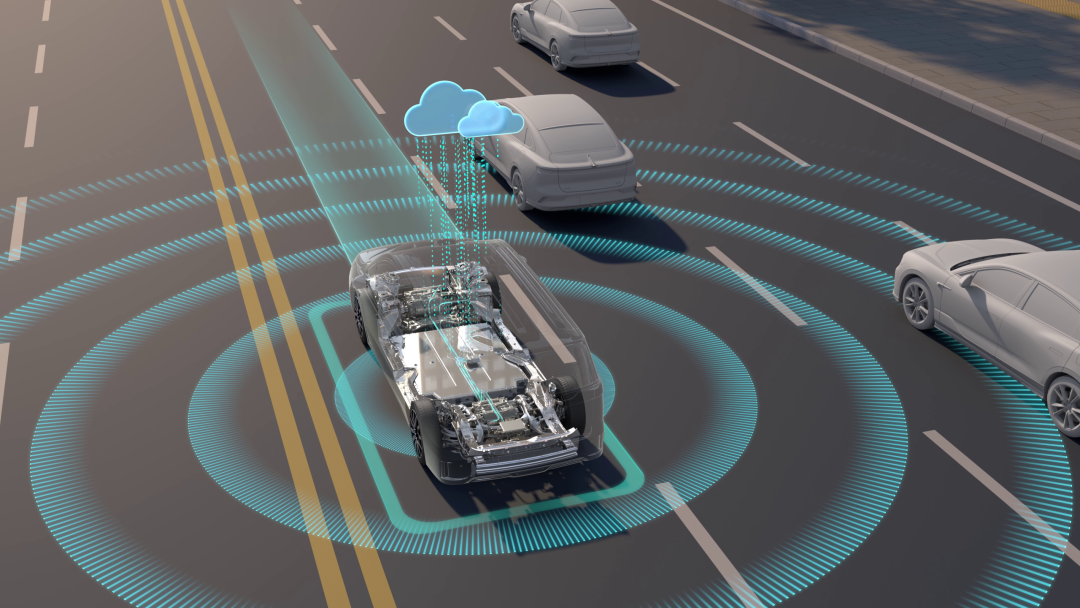
We currently possess L3 capabilities but are still in the testing phase because national regulations have not yet permitted the sale of L3-equipped vehicles. We have done extensive work on conditional L3 autonomous driving development, and the VOYAH Taishan utilizes L3 hardware and that architecture.
Can it be achieved if there's demand?
Yes. We've compared it, and vehicles using this architecture provide a stronger sense of safety and reassurance because their entire software design and vehicle hardware architecture differ, offering more redundancy.
As autonomous driving capabilities continue to improve, I estimate that conditional L3 autonomous driving may be applied within the next two to three years. However, before that, extensive testing and data accumulation are necessary. Then, through data analysis, we can continuously optimize our software and models to provide users with a better experience upon actual market launch.
Currently, the hardware and software provided by VOYAH are for conditional L3 autonomous driving, but the functions we've opened up are actually at L2.9. Nevertheless, it does drive exceptionally well. If you experience it for an extended period, you'll notice its stronger safety capabilities.
Your goal is to rank among the top three in the pure luxury electric market within the next two years. Where does your confidence come from?
It comes from many aspects.
First, users increasingly recognize the VOYAH brand, especially as we are a state-owned enterprise and a central enterprise.
Over the past few years, the market has been noisy and somewhat frivolous, but VOYAH has adhered to long-termism, a user-centric approach, and a practical, down-to-earth attitude in making cars. As time accumulates and the frivolousness subsides, some brands will prove more trustworthy, and VOYAH has the potential to be one of them.
Another aspect is the technological strength I just mentioned. Our products can provide a better user experience in terms of comprehensive experience, giving users peace of mind.
For example, a couple of days ago, we drove the Zhuiguang S from here (Wuhan) to Yichang, over 300 kilometers, and I drove it myself with intelligent driving assistance throughout the journey. On the road, we encountered other vehicles with their intelligent driving lights on. We drove more agilely and efficiently, offering a different experience. I imagine they felt frustrated seeing us overtake them, wondering why our intelligent driving performed better.
This is the combination of our intelligent driving and vehicle control capabilities, providing users with an excellent comprehensive experience.
Of course, user comprehensive experience encompasses more than just intelligent driving assistance; it also includes energy consumption, in-car comfort, convenience, and various other aspects. We are confident in excelling in comprehensive experience because we have accumulated more design experience, which not all automakers possess.
 ▍03 The Top NEV Brand
Bangning Studio: Not long ago, there were many one-sided interpretations or out-of-context quotes of your statements online. What was your most genuine feeling upon seeing these?
Lu Fang: I didn't really have much of a reaction.
You've been quite tolerant of these online remarks?
Yes. Everyone has a different perspective on issues. I think it's okay; sometimes you have to accept others' differing opinions.
So, you didn't issue any special statements to refute those interpretations?
No. As long as it's not malicious, there's no need to refute. Everyone focuses on different aspects when looking at issues, and not everyone can see the whole picture. Many things are like the blind men feeling the elephant or seeing through a bamboo tube.
You can't say what they said is completely wrong; they're just looking at it from a certain angle. As long as what they say is true, not a rumor, not malicious, but just from a different perspective, we still encourage discussion.
What would your reaction have been if you had seen these remarks seven years ago? Did you think the same way when you first started VOYAH?
I think I could still accept it and withstand it.
Has there been basically no change in this regard from seven years ago to now?
I used to tell the team that as long as the discussion isn't malicious attacks or slander, we should maintain an open attitude.
Yang Qing, Chairman of Dongfeng Motor Corporation, said, 'Incorporate responsiveness into the company's DNA.' I know VOYAH is inherently a responsive company. What suggestions do you have for Dongfeng Motor in terms of 'responsiveness'?
Responsiveness is a label that users have given VOYAH from the very beginning.
VOYAH decided from the start to be a user-centric technology company. When designing our first model, the VOYAH Free, we tried to communicate with users and incorporate their opinions into the overall vehicle design.
At that time, our own capabilities were limited, and our thinking was constrained. We focused more on the chassis, powertrain, body, equipment, and settings. Now, our understanding of 'responsiveness' has deepened. For example, it also includes intelligence, after-sales service, user ecosystem, and other aspects.
In a competitive market environment, how can we become more user-centric? How can we respond to user needs and changes faster and more timely? This is a very important topic. This 'responsiveness' should be in quotation marks.
Why in quotation marks?
I am responsive to user evaluations, but we also need a communication and feedback mechanism—not just me simply listening, but also providing feedback to them (users).
How can such a mechanism be built within the company? From the user side, we need to truly hear their authentic voices; after hearing them, we need to translate them into some kind of action internally, turning them into measures for product development, design, and even marketing, including shortening manufacturing cycles and continuously optimizing quality, to comprehensively drive changes in internal processes and guide certain actions.
This is very important. It's not just about sitting down with users for a meeting and getting their feedback, and then it's over. No, that's just the beginning. After they provide feedback, how it translates into corporate action and then informs the users, letting them know that what they said has been achieved. At least, when they see the product, they will find that some of their viewpoints have been reflected.
There needs to be a complete closed-loop mechanism. This affects our business processes, development processes, sales processes, and even manufacturing processes and quality control processes. It's a relatively large-scale systematic project.
The entire system.
Yes, the entire system needs to adapt to this change. So, VOYAH has always emphasized the need to build a holistic user-centric internal operational system.
This is challenging not only for traditional automakers but also for many automakers because automotive products are too complex, and the system is extremely vast. An automaker has tens of thousands of people with numerous processes and systems.
For example, just a single R&D process has so many nodes. How can we truly make it user-centric in development? Sometimes we even need to do agile development. These are enormous challenges not just for VOYAH but for any automaker.
So, while it's easy to say 'responsiveness,' it's quite difficult to truly implement it within the company's internal operational system and form a feedback mechanism. Of course, no matter how difficult it is, we have to do it.
How long did it take VOYAH to establish this entire linkage?
We've been working on it all along, and now it's basically established. From 2019 to now, it's been seven years. To use the trendiest phrase, 'always on the road.'
What can VOYAH provide to Dongfeng?
To uphold its mission and be the vanguard and pioneer in Dongfeng's new energy transformation and brand elevation.
Has this goal been achieved?
No. I think it's always a journey because the future is always changing, and the market is always evolving. At least in terms of new energy transformation, we still need to make more attempts. We have always emphasized that VOYAH is the first high-end new energy brand among central SOEs, and we hope that in the future, VOYAH will be the leading new energy brand.
It's progressing further.
Yes. We are still working on this, and it may take five, ten, or even more years. It requires persistent effort. This is the strategic mission entrusted to VOYAH by Dongfeng Group, and we are determined to carry it out. We need to provide technology, continuously contribute to the group, develop many technologies for the group, and make attempts in brand elevation for the group—all of which we must resolutely (firmly) do.
Now, many people, including some third-party surveys, show that Dongfeng is a high-end brand. That's because of VOYAH and MHERO. (We) can say we have fulfilled our mission.
Our previous task was to create the best sample and practice for new energy independent experiments within state-owned enterprises. Over the past few years, with the group's support, we have achieved this, including becoming the first new energy listing among central SOEs and operating more market-oriented internally.
What support do you hope Dongfeng Group will provide?
First is the endorsement of a central SOE. This is a scarce asset for building user trust. When VOYAH was launched into the market, we always emphasized that we are a central SOE, a high-end independent new energy brand under Dongfeng. We need to leverage this label because not everyone has it. It not only represents trustworthiness but is also scarce.
Second, we need support in terms of reforms. For example, in the face of such fierce competition, we can explore together what kind of institutional and mechanism reforms and changes are needed for us to win.
Another aspect is even more important. If we go international, resource support is crucial. Dongfeng has very rich international resources, such as Stellantis. How can we explore a better path to go overseas? I think VOYAH needs to cooperate and coordinate well with the group, which will benefit VOYAH's internationalization and help it become an internationally renowned brand.
▍04 The Ideal Image of VOYAH
Bangning Studio: What do you think is the truth about VOYAH that the market or users most need to understand at this stage? Or, what is the truth about VOYAH that you hope they will understand?
Lu Fang: From the perspective of communication or market voices, I feel that many things are not entirely accurate. Of course, it's possible that no one can have comprehensive information, and we are easily guided by certain information.
Now, consumers are becoming more cautious, and the user decision-making cycle is getting longer. We encourage users to experience (the products) more. Only through actual experience can they truly understand the real state of each product.
You have mentioned many times that building a car is a long march and requires a practical and realistic approach. How do you understand this 'VOYAH-style Long March'?
Building a product, a system, and a brand is indeed a long march, a long-term and arduous endeavor.
Building a car is full of difficulties and hardships; it's not romantic. It's not something that can be accomplished just by throwing a lot of money into it. Many people think that if they invest money, they should succeed. That's not the concept. Building a car requires understanding, and based on that understanding, you need to follow the laws of development and normal logic.
Moreover, the automotive industry is a long-cycle industry. You need to design different development stages based on the ultimate goal and then do it realistically. For example, if we want to go new energy and intelligent, and build relationships with users, we need to see what resources and capabilities we have and what users need. We can't always rely on our imagination; that will cause big problems.
Building a car requires large-scale team collaboration. While individual factors may play a role, the team is more important. This is also an insight from the Long March.
Has VOYAH encountered any lessons or detours on this long march?
Let history judge.
Will you summarize?
We are always summarizing and adjusting. We can't say that certain paths are wrong; we can't criticize the situation at that time based on the current results.
If we always say this or that is wrong, then no one will do anything. We need to look at what the most suitable approach was under those conditions because, at that time, both subjective and objective conditions may have only allowed for such a choice.
Of course, we need to constantly review and see how to do better, whether that thing was an experience or a lesson. Otherwise, the team won't be able to move forward.
Overall, we need to respect the strategic choices made at that time because everyone's original intention was to make things happen and do them well.
Mr. Lu, VOYAH has gone through seven years, encountered all the pitfalls, and gone public. Has VOYAH now reached the image you had in mind?
Not yet.
What is your ideal image of VOYAH?
I definitely hope that VOYAH will become a world-renowned brand, a world-class enterprise, and a truly international big company.
VOYAH has developed very well and should be the fastest in the industry, but it hasn't yet become a truly globally renowned brand and a world-class company. During the '15th Five-Year Plan' period, we hope to make further efforts to build VOYAH into a world-renowned brand and a world-class enterprise.
-
![]()
Innovative ‘Large Family Box-Shaped’ Model, Great Wall H10, Officially Launches with Limited-Time Trade-In Price Starting at 201,800 Yuan
-
![]()
Google No Longer Lets Top Scientists 'Call the Shots'
-
![]()
Ctrip Loosens Its Grip on Hotels, While Fliggy Remains Trapped Within Taobao
-
![]()
Four Visits to Lu Fang: The Vision of VOYAH in My Heart | Insight
-
![]()
Hot Stocks to Track | SpaceX: Releases First Quarterly Report After Listing, Revenues Soar by 92%, Capital Expenditure Reaches $18.4 Billion, Trillion-Dollar Target Advanced to 2030
-
![]()
Hot Stocks to Monitor | SpaceX: Releases Inaugural Quarterly Report Post-IPO, Revenue Soars 92%, Capital Expenditure Reaches $18.4 Billion, Trillion-Dollar Revenue Goal Moved Up to 2030
-
![]()
Porsche China Shifts Focus Amid Sales Struggles
-
![]()
Without a Web Celebrity CEO, It Still Achieved Over 100,000 Monthly Sales in Its Debut Month! Who Is Zero Run Motor Proving Wrong?