Traditional Fuel Vehicle Market Base Dwindles: BBA Vehicles Struggle Despite 300,000 Yuan Price Cuts, Prompting Closure and Absconding of Several 4S Dealerships
 08/06 2026
 531
531
On August 6th, Kuaikeji reported that new energy vehicles are gaining momentum at an unprecedented rate. Many potential car buyers can't help but ponder: Is it still worth considering traditional fuel vehicles?
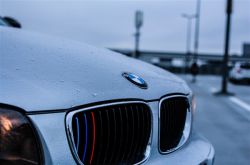
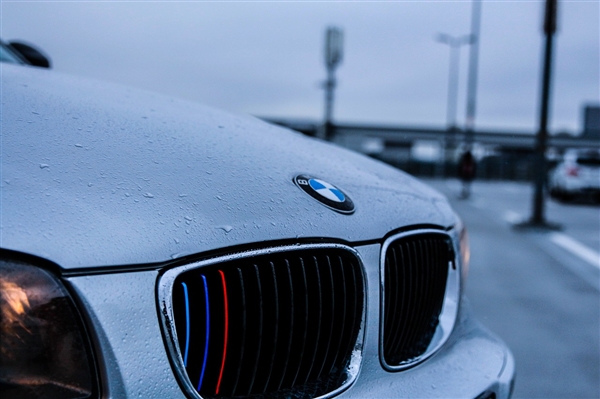
By 2026, the consumption landscape of the domestic automotive market has undergone a seismic shift. Traditional luxury brands like Mercedes-Benz, BMW, and Audi (BBA) have witnessed a decline in both brand prestige and product competitiveness, largely due to the comprehensive impact of domestic new energy vehicles. Despite repeated price reductions to spur sales, stimulating consumer purchasing intent remains a challenge. The era when these brands could rely on their reputation alone to drive sales is firmly in the past.
The pressure from sluggish sales has swiftly transmitted to downstream dealer channels. Wenzhou Oulong Group, a behemoth in the automotive circulation sector ranked 13th among the top 100 dealers nationwide in 2026, recently officially collapsed. Several BBA brand 4S dealerships under its umbrella have shut down and absconded.
A significant number of car owners who have already made payments find their vehicle certificates mortgaged to financial institutions, rendering them unable to register their vehicles normally. Even fundraising plans involving the group's internal employees have fallen into a state where redemption is impossible. The traditional fuel vehicle market base, crucial for BBA's survival, is rapidly and continuously shrinking.
In the first half of 2026, BBA's sales in China have collectively stagnated, with a complete collapse in market performance across the three leading luxury brands: BMW delivered a total of 261,800 vehicles in the first half of the year, marking a year-on-year decline of 20.4%; Mercedes-Benz delivered 210,200 vehicles, experiencing a sharp drop of 28%; Audi delivered approximately 218,300 vehicles, with a year-on-year decline of 19%.
The downward trend accelerated further in the second quarter, with single-quarter performance surpassing all expectations of industry professionals.
Mercedes-Benz China's total sales for the entire second quarter were only 98,624 vehicles, a sharp drop of 30% year-on-year; BMW delivered 117,800 vehicles in the second quarter, a decline of 30.2%. Mercedes-Benz's decline in the Chinese market is the largest among all global regions, without exception.
The BMW 5 Series, Audi A6L, and Mercedes-Benz E-Class, three classic executive-level luxury fuel vehicles that once consistently sold over 10,000 units per month, now all have average monthly sales of less than 10,000 units. The bustling scenes of consumers paying a premium and waiting for vehicles are now a thing of the past.
Many are curious why numerous BBA models, now with direct price reductions of 300,000 Yuan, still struggle to sell. The core underlying logic is that the entire fuel vehicle market base is rapidly shrinking.
The latest data from the China Passenger Car Association reveals that the retail penetration rate of domestic new energy vehicles has exceeded 60% since April this year and has remained stable at this level for three consecutive months. In June, the retail volume of domestic conventional fuel passenger vehicles was only 600,000 units, a significant year-on-year decline of 39%.
The overall size of the fuel vehicle market is continuously shrinking, and BBA, as the leading giant in the fuel vehicle sector over the past few decades, is naturally bearing the brunt of the impact.
Furthermore, the electrification transformation pace of several BBA automakers is seriously lagging, completely unable to keep up with the iteration speed of the Chinese market.
BMW's current penetration rate of new energy models in China is only 6.2%. Several early oil-to-electric models launched by BMW lag behind domestic new energy competitors in terms of core experiences such as range performance, intelligent cockpits, and advanced intelligent driving.
Mercedes-Benz's two pure electric SUVs, the EQA and EQB, sold a combined total of only 159 units in the Chinese market in February this year. The monthly sales of a single model, amounting to a few dozen units, are even lower than the daily delivery volume of many domestic new energy brands. Such half-hearted electric vehicles launched by BBA have long been ridiculed by domestic consumers as "fake" electric vehicles.
More critically, Chinese automotive brands are now redefining luxury car standards with their full-stack self-research technological capabilities. Consumer demand for vehicles has shifted from pursuing high-displacement, high-horsepower driving machines to seeking intelligent mobile spaces that offer a comfortable experience in all scenarios.
Lidar, advanced assisted driving, and multi-screen intelligent cockpits have long become essential configurations for consumers when purchasing a car. However, BBA's technological layouts in these new areas are extremely conservative, and the products they offer lack sincerity, naturally failing to retain today's young consumers.
-
![]()
Traditional Fuel Vehicle Market Base Dwindles: BBA Vehicles Struggle Despite 300,000 Yuan Price Cuts, Prompting Closure and Absconding of Several 4S Dealerships
-
![]()
Largan Precision Makes Another Attempt at Hong Kong Stock Exchange IPO Amid High Growth, Raising Concerns Over 'Apple Dependency' and Operational Independence
-
![]()
From "Tongyi" to "Qianwen", and on to "Qianwen Office": A Showcase of Alibaba's Astute Leadership Decision-Making
-
![]()
Is Qwen3.8 the 'Zelda' for Qianwen Office?
-
![]()
Why Did Musk Remove Chinese Elements Post-Delivery of 10GW Photovoltaic Gear?
-
![]()
Five-Year Market Share Dive: 65% Drop Sees Japanese Automakers Falter in China
-
![]()
Innovative ‘Large Family Box-Shaped’ Model, Great Wall H10, Officially Launches with Limited-Time Trade-In Price Starting at 201,800 Yuan
-
![]()
Google No Longer Lets Top Scientists 'Call the Shots'