Tesla is Just the Start: China’s ‘Super Catfish’ is Set to Revolutionize Europe
 08/07 2026
 444
444
A Three-Decade Tale of Bidirectional ‘Catfish’ Influence
Throughout the century-long evolution of the global automotive industry, the ‘catfish effect’ has remained a pivotal force driving industrial transformation.
Three decades ago, the influx of overseas auto brands into the Chinese market via joint ventures and collaborations shattered the isolated domestic automotive landscape. This catalyzed China’s automotive sector to embark on a protracted journey of growth, encompassing technological accumulation and systemic capability enhancement.
Today, this industrial tide has reversed, marking a historic turning point.
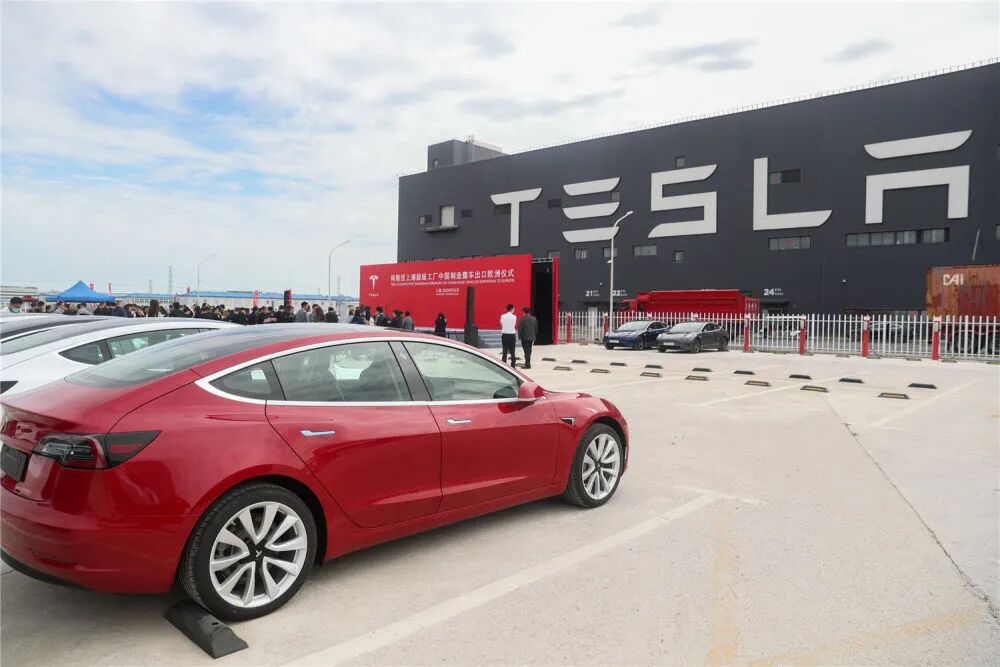
Tesla, as the inaugural ‘catfish,’ invaded the European market, disrupting the long-standing industrial inertia with its electrified and intelligent product paradigm. Subsequently, Chinese NEV manufacturers, spearheaded by BYD, made a collective entrance into Europe, emerging as an even more formidable ‘catfish.’ They are not only vying for market share but also challenging Europe’s traditional automotive industrial framework from the supply chain up.
From China’s ‘catfish introduction’ three decades ago to Europe’s current industrial restructuring under Chinese automakers’ influence, this cross-temporal bidirectional flow underscores the absence of a perpetual ‘safe haven’ in the automotive realm. Ford and Geely’s initiatives to establish vehicle factories in Spain epitomize this wave of industrial restructuring.
China’s ‘Catfish Revelation’ Three Decades Ago
In the 1980s, China’s automotive industry was relatively insular, with significant disparities between local automakers and global leaders in fuel vehicle technology, manufacturing processes, and supply chain management. With the advent of reform and opening-up, overseas auto brands such as Volkswagen, General Motors, and Ford entered the Chinese market through joint ventures, disrupting the domestic automotive ecosystem.
At that time, the Chinese automotive market was characterized by limited product offerings and production capacities from local brands, constraining consumer choices. The entry of overseas brands not only introduced advanced vehicle manufacturing technologies but also brought a comprehensive industrial system, including lean production, quality control, and user operations, to China.
Through joint ventures and collaborations, Chinese automakers amassed initial industrial capital by ‘exchanging market access for technology,’ swiftly addressing production capacity, quality, and marketing deficiencies through competition with overseas brands. More crucially, this external shock spurred China’s automotive industry to cultivate an awareness of independent R&D, laying the foundation for its subsequent ‘overtaking on the new track’ in the NEV sector.
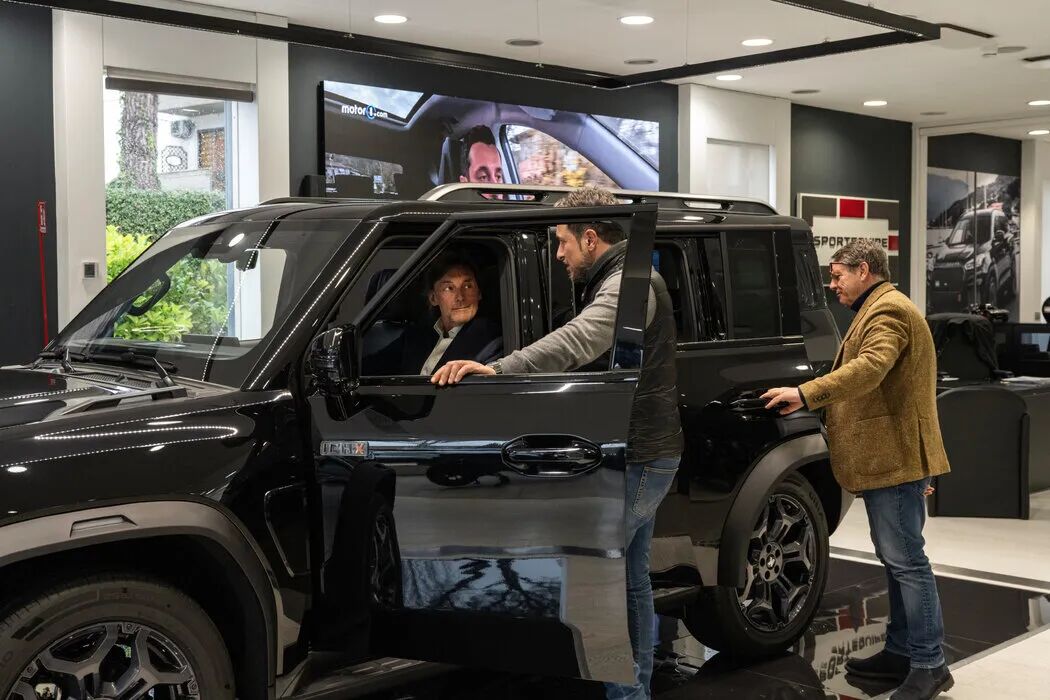
Reflecting on this history, the dual nature of the ‘catfish effect’ becomes evident. It exerts immense survival pressure on local brands in the short term but also stimulates the industry’s innovative vitality in the long run. China’s automotive industry did not succumb to the shock; instead, it evolved through competition, ultimately becoming the world’s largest production and export base for NEVs.
Today, the European automotive industry stands at a crossroads reminiscent of China’s market three decades ago, albeit with the roles of the ‘catfish’ reversed.
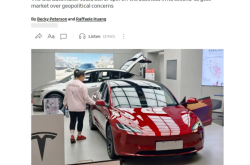
Around 2019, Tesla commenced mass deliveries of the Model 3 in Europe. This ‘electric catfish’ from the United States was the first to challenge Europe’s century-old fuel vehicle industrial system.
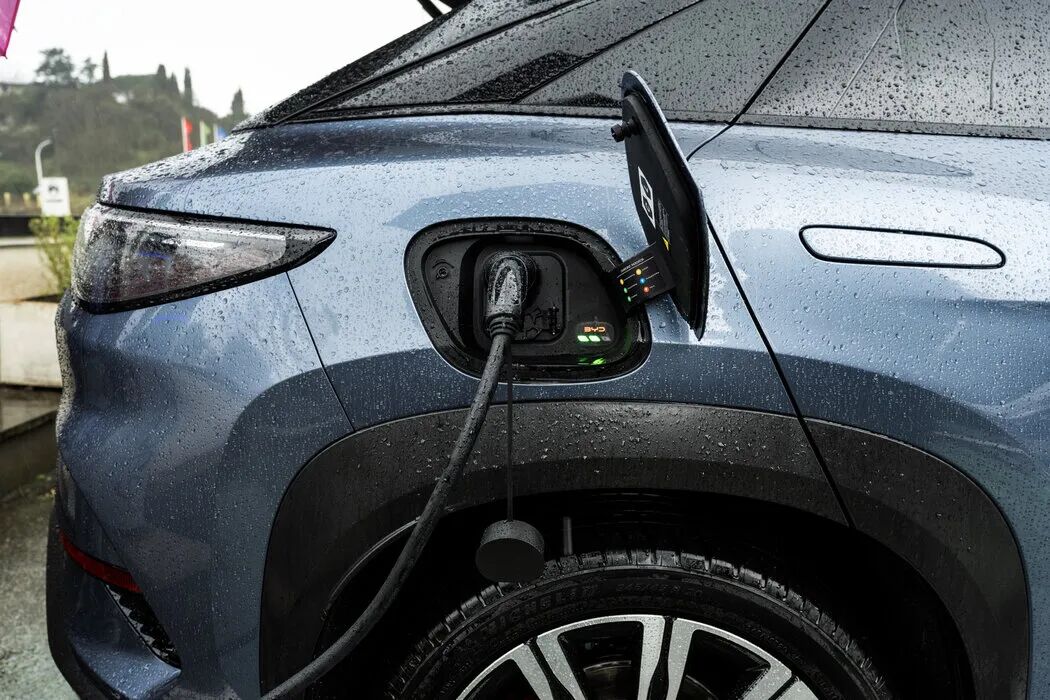
Prior to this, Europe, as the birthplace of the modern automotive industry, had long been entrenched in technological path dependency on fuel vehicles. The pace of electrification transition was sluggish, with most products being transitional models derived from fuel vehicles, and intelligent configurations and user experiences lagging behind systemic advantages.
Tesla’s arrival reshaped European consumers’ perceptions of electric vehicles.
With its minimalist interior design, leading efficiency in the three electric systems (battery, motor, and electronic control), and continuously evolving OTA intelligent experiences, the Model Y swiftly topped the NEV sales charts in multiple European countries. This compelled European legacy automakers like Volkswagen, BMW, and Mercedes-Benz to urgently revise their electrification strategies and accelerate the R&D and implementation of pure electric platforms.

Within a few years, the penetration rate of NEVs in the European market surged from less than 10% to over 30%, and the pace of electrification transition across the entire industry was accelerated by at least five years.
However, at this juncture, Tesla was more akin to a ‘technological catfish.’ Its impact was primarily confined to the end product market, driving product paradigm innovation at the vehicle brand level, without deeply penetrating Europe’s automotive industrial core—the supply chain system.
Europe’s local Tier 1 suppliers and traditional parts manufacturing networks retained their original industrial landscape, and the underlying logic of the entire industry remained largely unaltered.
From End Markets to Supply Chains: A Deep Impact
If Tesla was the initial catfish stirring the European market waters, then Chinese NEV manufacturers, led by BYD, are the second ‘super catfish’ directly targeting the industrial foundation.
Since 2023, sales of Chinese NEV manufacturers in the European market have continued to soar. In the first half of 2026, among the 219,700 vehicles exported from China to Belgium, NEVs accounted for a staggering 95%. Leveraging the transshipment system of the Port of Antwerp-Bruges, Belgium has become the core hub for China’s NEVs to penetrate the European market.
In May-June 2026, Chinese automakers’ monthly new vehicle sales in Europe surpassed Japanese automakers for two consecutive months, with a market share exceeding 16%. This ‘catfish’ from the East has gradually infiltrated from price competition in the end market to the deepest levels of Europe’s automotive supply chain.
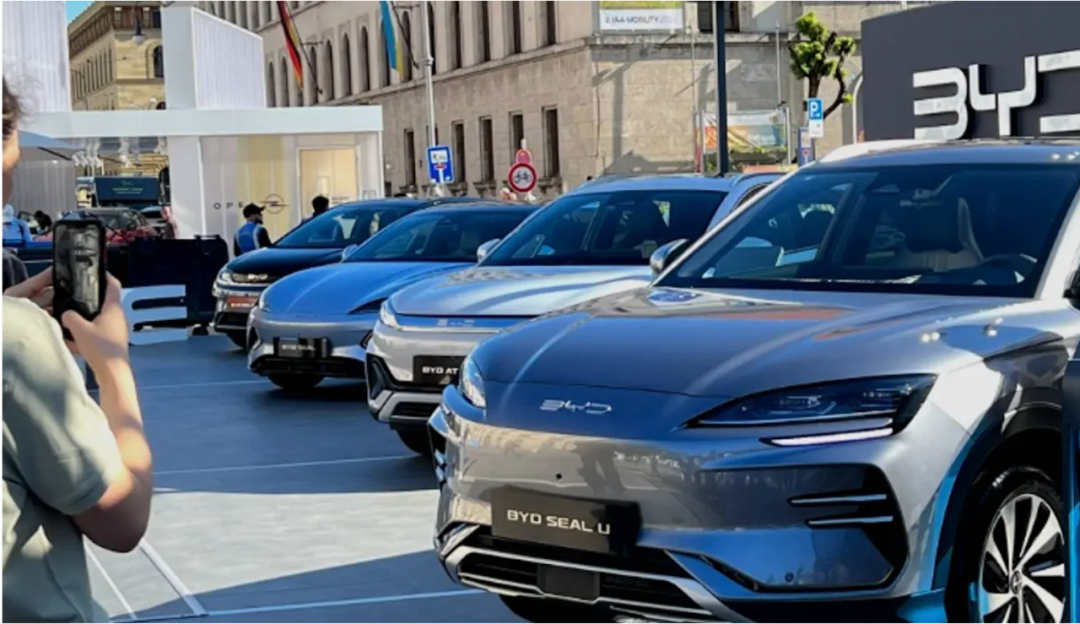
The impact wrought by Chinese automakers transcends mere ‘cost-performance advantage.’
For instance, BYD, with its vertically integrated full-industry-chain capabilities, has achieved global extremes in cost control for core components such as batteries, motors, and electronic controls. Simultaneously, it has forged unique technological advantages in intelligent cockpits, autonomous driving, and vehicle electronics. This full-chain capability output directly disrupts the cost-technology balance maintained by Europe’s traditional automotive supply chain for decades.
The high-margin parts market previously dominated by European Tier 1 suppliers is being rapidly supplanted by more cost-effective solutions from Chinese companies. From power batteries to body structural parts, from autonomous driving chips to in-vehicle screens, Chinese automotive supply chain products are penetrating into the production systems of European local automakers at an unprecedented pace.
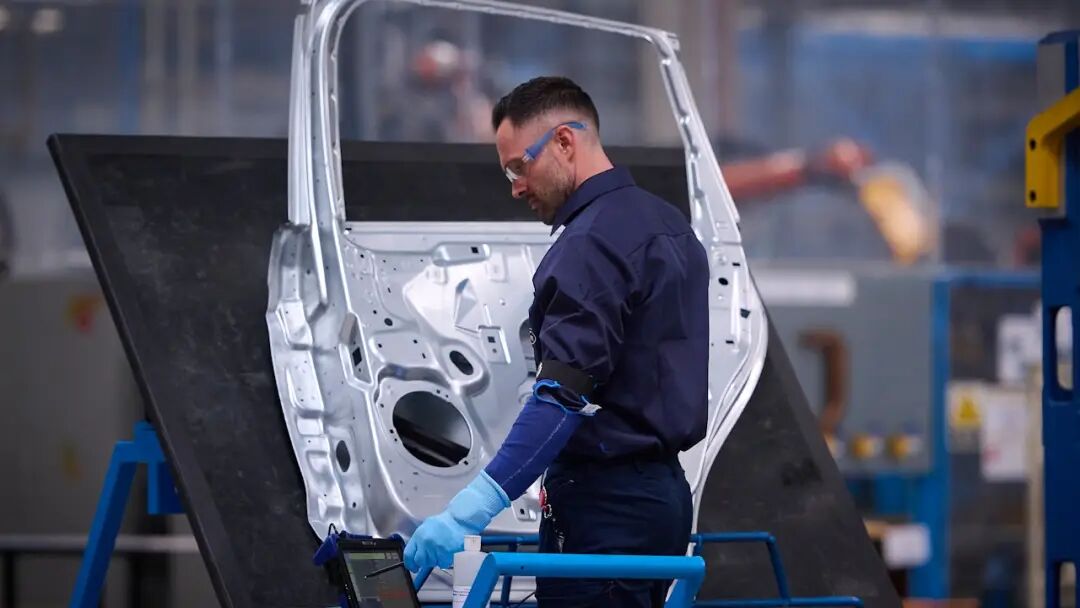
This impact has directly triggered a chain reaction in Europe’s automotive industry. Many small and medium-sized suppliers reliant on traditional fuel vehicle parts orders have fallen into operational crises. Several century-old automotive parts companies in Germany have filed for bankruptcy, and the cost advantages of local automakers’ supply chains have completely collapsed.
To mitigate this impact, European local automakers have been compelled to humble themselves and initiate deep cooperation with Chinese supply chain companies. Groups like Volkswagen and Stellantis have announced procurement of power batteries and intelligent components from Chinese brands. The century-old European automotive supply chain system is being rapidly reshaped by this ‘catfish’ from China.
One of the landmark events in Europe’s automotive industry transformation this year is undoubtedly Ford and Geely’s simultaneous announcements to establish NEV vehicle factories in Spain. The implementation of these two projects is not merely an accidental capacity布局 (layout) but a core microcosm of the global automotive industry’s restructuring of Europe’s supply chain under the impact of Chinese automakers.
A New Paradigm of Symbiosis
Ford, a traditional U.S. automotive giant, chose to invest and expand its NEV vehicle factory in Valencia, Spain, with the core objective of leveraging the relatively lower manufacturing costs in Southern Europe to integrate NEV components from around the world and create cost-effective pure electric models for the entire European market, thereby countering the price impact brought by Chinese brands.
Geely’s new factory in Barcelona, Spain, marks an even more iconic step for Chinese automakers to deeply integrate into the European market: Through localized production, Geely can not only circumvent potential trade barriers but also directly replicate parts of China’s mature NEV supply chain system to Europe, driving surrounding local parts companies to complete electrification transitions and fundamentally reducing production and logistics costs.
The nearly simultaneous moves by these two giants in Spain are essentially a process of the global automotive industry seeking ‘new cost lows’ in Europe, a process forced by the supply chain impact brought by Chinese automakers.
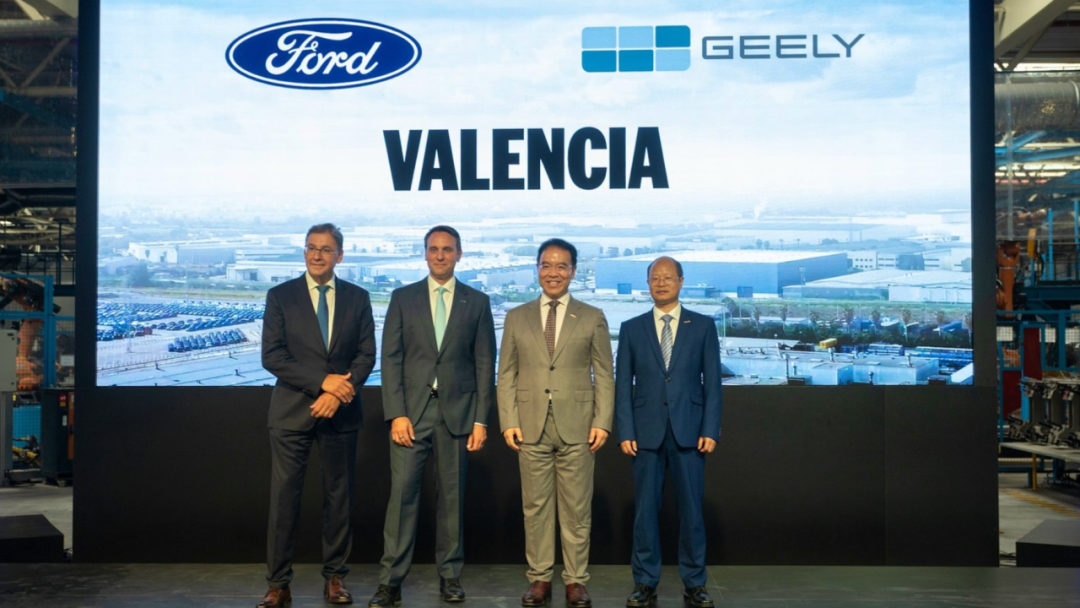
More notably, these two factories are no longer traditional ‘vehicle assembly plants.’ Ford’s Spanish factory will, for the first time, massively adopt power batteries and intelligent components from China, while Geely’s Spanish factory will introduce China’s lean production management system, driving a group of Chinese core parts companies to simultaneously land in Europe.
This deep integration of ‘China-Europe-U.S.’ industrial elements is fostering a new NEV industrial cluster in Southern Europe, completely breaking the traditional pattern where Europe’s automotive industry was concentrated in Germany and France.
The Geely and Ford Spanish factory projects are just the tip of the iceberg. BYD’s factory in Hungary, battery companies like CATL and Gotion High-Tech successively setting up cell production lines in Europe, and Stellantis' cooperation with Chinese automakers—more and more Sino-European manufacturing collaborations are emerging.
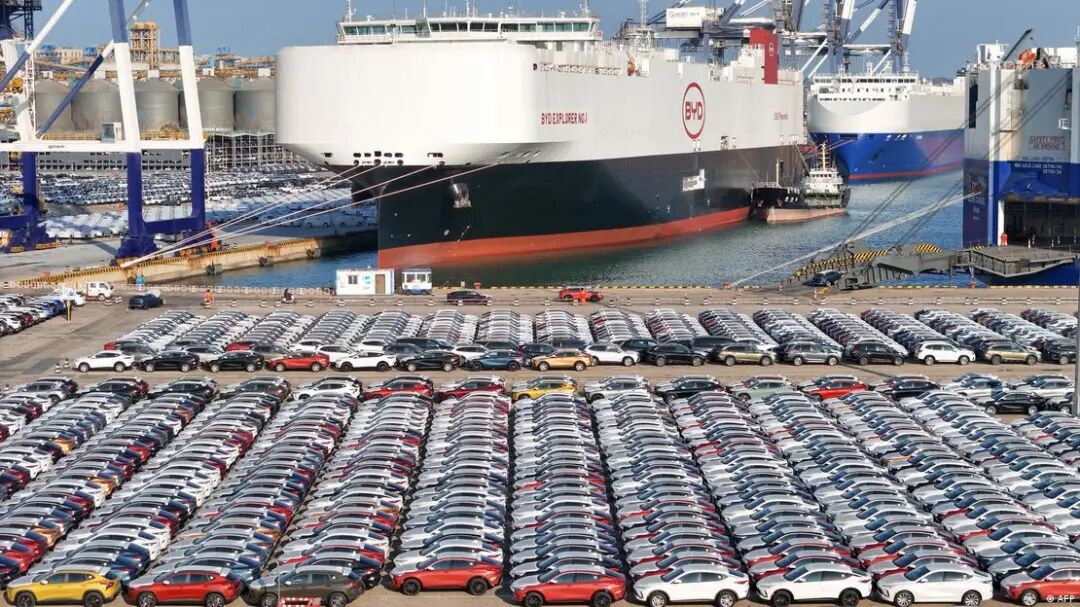
The impact of China’s NEV power on Europe’s supply chain has expanded to four dimensions: vehicle manufacturing, core components, cost systems, and industrial division of labor.
However, it must be objectively recognized that supply chain reshaping will not happen overnight.
Europe boasts a powerful trade union system, stringent environmental regulations, and complex automotive industry policies. Chinese supply chains going overseas will encounter numerous practical obstacles. Localization does not mean simply replicating domestic supply chains; it requires adapting to Europe’s carbon footprint regulations, battery acts, and labor systems, as well as coexisting and collaborating with local suppliers. For example, Geely’s Spanish factory project still awaits regulatory approval and will face multiple uncertainties in supply chain coordination, cultural integration, and policy changes in the future.

Reflecting on the history of overseas brands entering China three decades ago, China’s automotive industry achieved self-growth amid the shock. Today, Europe’s automotive industry can similarly find a new path for electrification transition through competition and cooperation with Chinese automakers. The cross-oceanic flow of these two ‘catfish’ is essentially an inevitable result of the global automotive industry’s technological evolution reaching a certain stage.
From Tesla disrupting product landscapes to Chinese automakers reshaping supply chain systems, the European automotive market is undergoing unprecedented changes in a century. This ‘super catfish’ from China
Over the next decade, the landscape of Europe’s automotive industry will be completely reshaped. The supply chain system from the traditional fuel vehicle era will gradually be replaced by a new electrified supply chain. New NEV industrial clusters will rise in Southern Europe, and deep integration between Chinese automakers and European local brands will become the industry norm. This cross-decade bidirectional ‘catfish effect’ will ultimately prove to the world that openness and competition are the core drivers of the automotive industry’s continuous progress.
Note: Some images are sourced from the internet. If there is any infringement, please contact us for deletion.
-END-

-
![]()
Five Major Players Enter the Arena: The All-Out Battle for the Ultimate AI Office Super Gateway Begins
-
![]()
Why Does Changan Technology Abandon Internal Capital Injection and Embrace Marketization?
-
![]()
Royalties Outstrip Licensing Fees for the First Time: Arm’s Leasing Business Thrives
-
![]()
What changes will happen to the fate of Musk and Tesla?
-
![]()
Google’s Farewell: The Era of Large Models Steps into the ‘Garage Phase’
-
![]()
Blue Light Fades: The Dawn of a New Era for Intelligent Driving Lighting
-
![]()
Over 140,000 Charging Stations Undergo Spot Checks for Charging Accuracy; Non-Compliant Units Face Operational Ban
-
![]()
Tesla is Just the Start: China’s ‘Super Catfish’ is Set to Revolutionize Europe