What changes will happen to the fate of Musk and Tesla?
 08/07 2026
 379
379
Lead | Introduction
As the CEO of both SpaceX and Tesla, the world's richest man Elon Musk has seen his wealth shrink significantly during this period. According to Forbes' list released on August 3, Musk's net worth decreased by $363 billion from July, equivalent to approximately RMB 2.45 trillion. This amount is comparable to losing the net worth of "two Jensen Huangs." Musk self-deprecatingly referred to himself as a '(former) trillionaire' on the social platform X, acknowledging his departure from a trillion-dollar net worth. A recent rumor has added uncertainty to Musk and Tesla's future.
This article is produced by | Heyan Yueche Studio
Written by | Zhang Dachuan
Edited by | He Zi
Full text 2,358 characters
4-minute read
On August 5 (local time), SpaceX's stock price closed at $108.27 per share, plummeting over 13% and erasing $225 billion in market value to $1.43 trillion. During this period, the wealth of the world's richest man, Elon Musk, has significantly 'shrunk.' As the CEO of both SpaceX and Tesla, where will he lead these two companies?
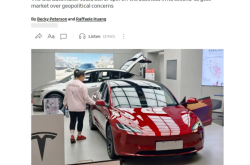
On the morning of July 31, an exclusive report by The Wall Street Journal about Tesla caused a stir both domestically and internationally.
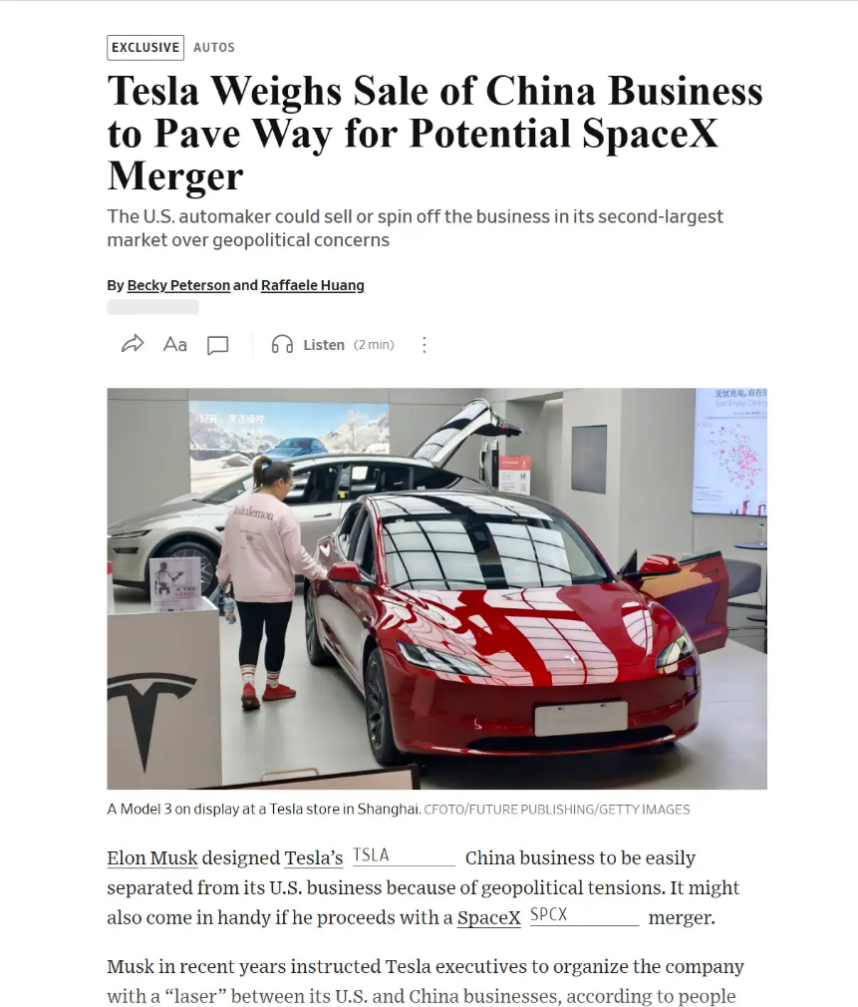
△ The Wall Street Journal released rumors about Tesla divesting its China business
The report claimed that Tesla was considering divesting its China business to clear the way for a potential future merger with SpaceX. It stated that Tesla's management had received internal notices to prepare for the divestiture of its China business in advance. The consulting team hired by the company was simultaneously exploring various disposal options, including business spin-offs, complete sales, and even shutting down operations in China. The report also mentioned that Tesla had not yet finalized any plans at this stage, with various disposal options still under internal discussion, leaving significant uncertainty about the final outcome. Several hours after the news broke, Tesla CEO Elon Musk took to social media to publicly refute the rumors, calling the report 'fake news.' Shortly after, Tesla China officially responded, clearly stating that the content of the foreign media report was inconsistent with the facts.
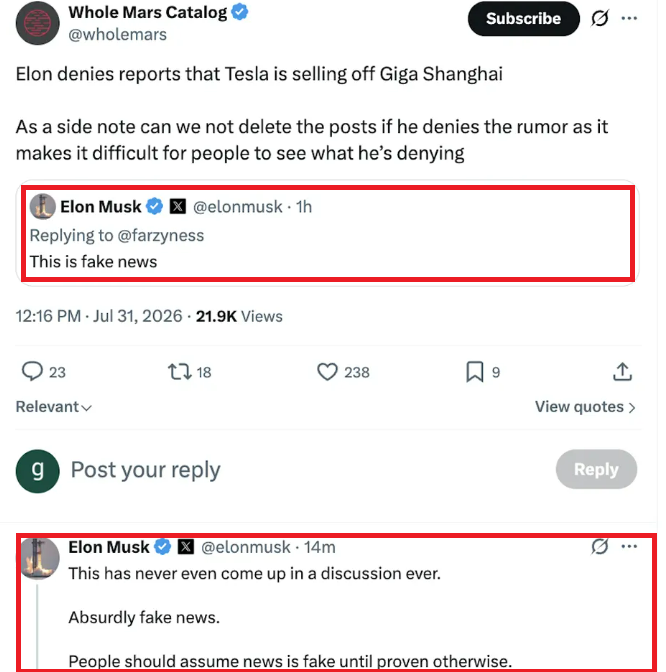
△ Musk denied the rumors of divesting China business at the first opportunity
Tesla's China Business is Hard to Divest
From the perspectives of market, manufacturing, and supply chain, it is highly unlikely for this rumor to materialize.
Firstly, the Chinese market remains one of Tesla's most important global markets. In the first half of 2026, Tesla delivered approximately 838,000 vehicles globally, with around 225,000 units sold in China, accounting for about 27% of global sales. China remains Tesla's second-largest market after the United States. Despite a year-on-year decline in sales, Tesla's overall performance still significantly outperformed the average level of the domestic passenger vehicle market. The Chinese market continues to be a crucial pillar of Tesla's global profitability.
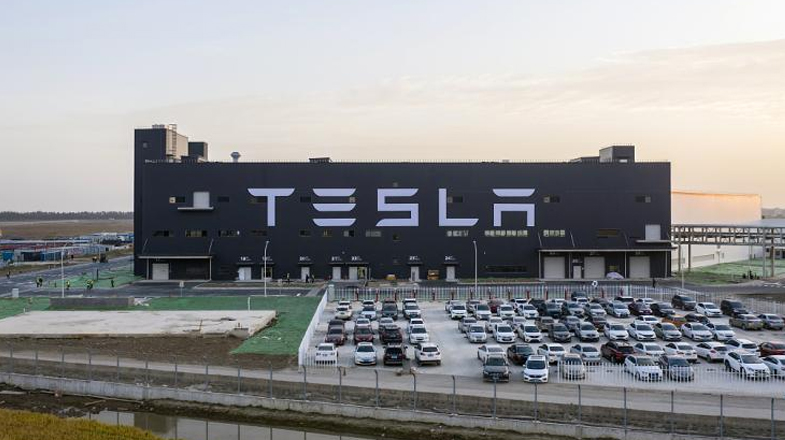
△ The Shanghai Gigafactory has become the core of Tesla's global manufacturing system
Secondly, the Shanghai Gigafactory has become the cornerstone of Tesla's global manufacturing system. With an annual production capacity of nearly 1 million vehicles, the factory not only meets Chinese market demand but also handles export tasks to multiple countries and regions in Europe and Asia-Pacific. Losing the Shanghai factory would leave Tesla with virtually no alternative production base capable of matching its capacity, efficiency, and cost advantages in the short term, causing a massive disruption to its global supply system.
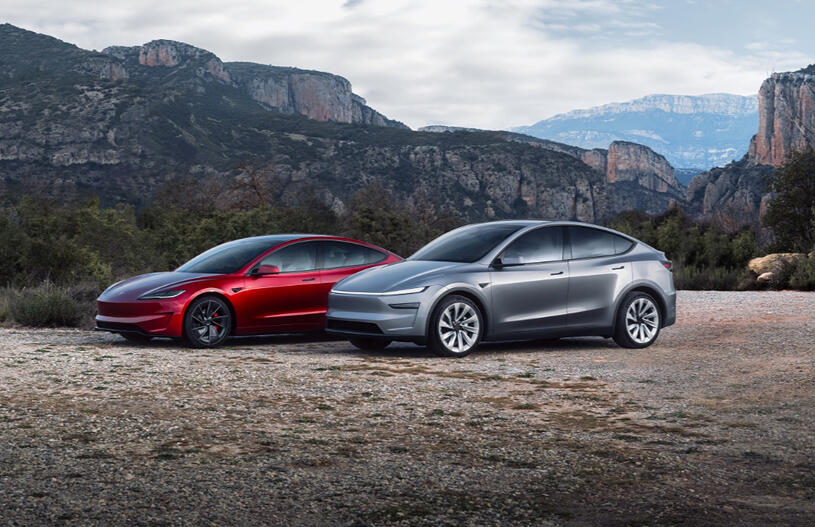
△ Tesla's main models heavily rely on China's new energy vehicle parts supply chain
Compared to the market and production capacity, the Chinese supply chain is even more irreplaceable. Over the past few years, Tesla has deeply integrated into China's new energy vehicle industry chain, relying heavily on local suppliers for numerous core components. A complete separation from the Chinese supply chain would not only increase procurement costs and reduce production efficiency but also require rebuilding a global supply system—a time-consuming process that would significantly weaken Tesla's competitiveness. In the increasingly fierce global competition for new energy vehicles, voluntarily abandoning the Chinese supply chain would not align with Tesla's self-interest.
The Delicate Relationship Between Tesla and SpaceX
One key reason for persistent market speculation is the long-standing discussion about a potential merger between Tesla and SpaceX.
The two companies demonstrate strong strategic and technological synergies. Tesla possesses capabilities in electric vehicles, energy storage, AI chips, and smart manufacturing, while SpaceX excels in rocket launches, Starlink satellite communications, and aerospace technology. Both companies have long shared engineering resources and R&D experience. With the development of AI business, the market has consistently believed that further synergies or even capital integration between the two companies are possible.
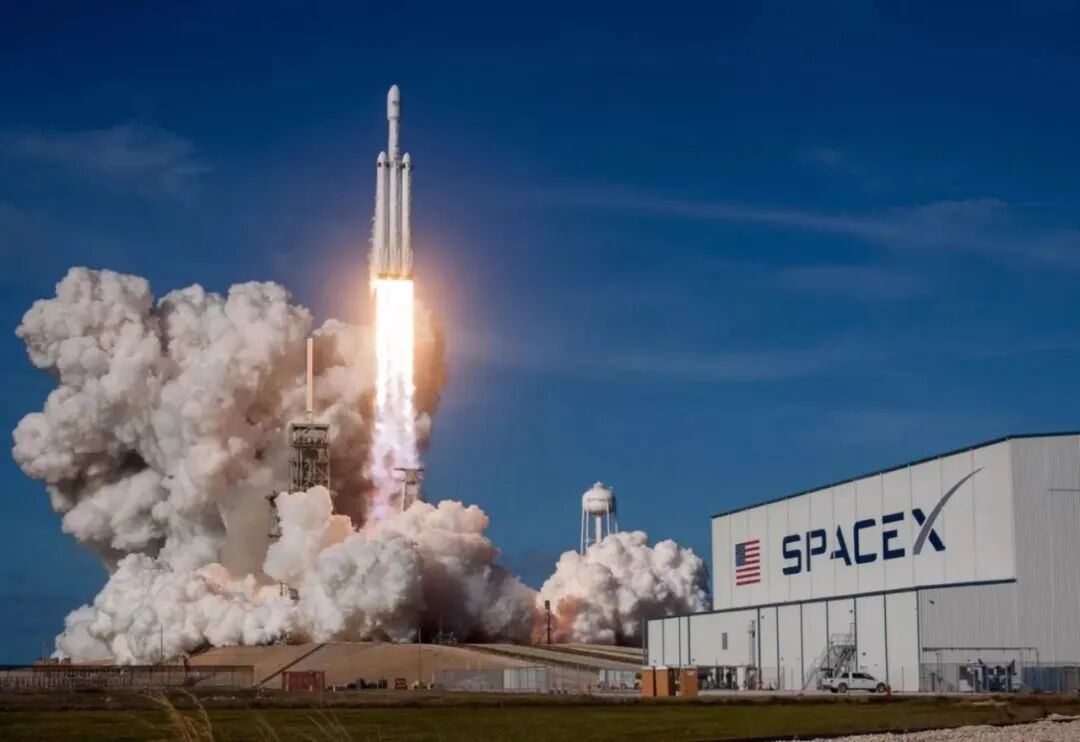
△ Tesla and SpaceX demonstrate strong strategic and technological synergies
Capital markets have also reinforced this expectation. As tech companies with substantial R&D investments, a potential capital integration could theoretically allow for unified capital allocation, improved resource utilization efficiency, and the implementation of long-term strategies. With SpaceX going public, the market and some investment banks have begun speculating on capital operation schemes such as stock-for-stock mergers, fueling ongoing discussions. After all, Tesla's current stock price lags significantly behind other high-tech companies in the U.S. stock market. Both Tesla's shareholders and Musk himself may be inclined to let Tesla ride on SpaceX's coattails to significantly boost its stock price.
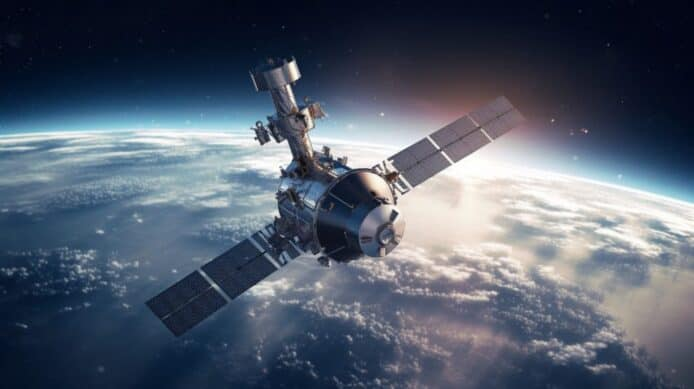
△ SpaceX is a major U.S. aerospace and defense contractor
However, significant obstacles remain to actually pushing forward a merger. SpaceX is a major U.S. aerospace and defense contractor subject to strict national security regulations, while Tesla operates one of its most important global production bases in China. The regulatory environments for the two companies differ significantly. To date, Musk has never officially announced any merger plans. Factors such as U.S. national security reviews, regulatory requirements, equity structures, and valuation disparities suggest that the likelihood of capital integration between the two companies in the short term remains low. Even if the two sides were to pursue capital-level integration in the future, it does not necessarily mean selling or exiting the China business. To meet regulatory requirements, Tesla is more likely to restructure its China business into a relatively independent operating entity, introduce local strategic investors, and maintain higher independence in corporate governance, data management, and capital operations to reduce cross-border regulatory and geopolitical risks. Compared to a complete exit from the Chinese market, this approach is undoubtedly more feasible in reality.
Tesla's Changing Status in China
While Tesla remains inseparable from the Chinese market, the dynamics continue to evolve.
When the Shanghai Gigafactory commenced operations in 2019, Tesla indeed drove the upgrading of China's new energy vehicle industry and accelerated the internationalization of smart manufacturing and supply chains. However, by 2025, the penetration rate of new energy vehicles in China has surpassed 50%. BYD's annual sales have exceeded 5 million units, while domestic brands such as Geely, Xiaomi, and NIO have grown rapidly. China has formed a globally leading, complete, and self-controllable new energy vehicle industry system, with the core driving force of industrial development shifting to local enterprises.
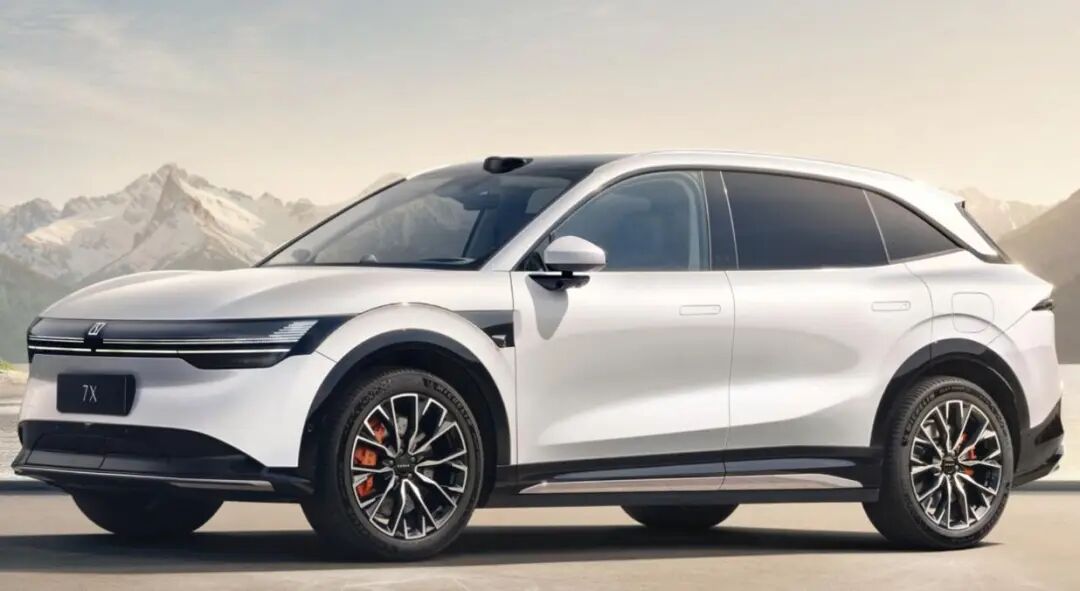
△ The core driving force of China's new energy vehicle industry development has shifted to local enterprises
At the same time, China continues to welcome Tesla's continued investment and development. The Shanghai Gigafactory has accumulated over RMB 50 billion in investment, with an annual production capacity of nearly 1 million vehicles, making it one of Tesla's most important global manufacturing bases. It has also enabled hundreds of local suppliers to enter the global industrial chain, playing a positive role in promoting employment, expanding exports, and driving industrial upgrading. To date, Tesla remains a welcomed foreign-invested automaker in China.
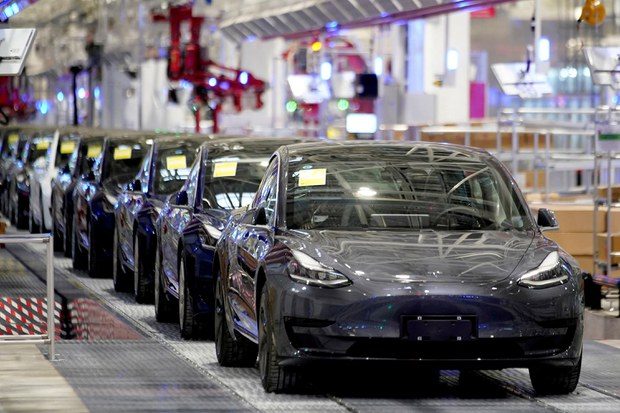
△ Models produced at Tesla's Shanghai Gigafactory supply the global market
Currently, Chinese brands dominate the domestic new energy vehicle market, fundamentally changing the industry's competitive landscape. While Tesla's current impact on China's new energy vehicle industry is far smaller than in 2019, the Chinese market remains crucial for Musk and Tesla. Withdrawing from the world's most competitive new energy vehicle market would significantly undermine Tesla's position in the electric vehicle sector. Therefore, even if Tesla adjusts or restructures its China business due to global strategic considerations, it is highly unlikely to take the extreme step of exiting the Chinese market in the short term.
Commentary
From a commercial perspective, it is almost impossible for Tesla to divest its China business in the short term. However, from a global regulatory and geopolitical standpoint, the independence of Tesla's China business may still become a topic of future discussion. For China's new energy vehicle industry, Tesla is still welcomed today but is no longer a dependency. For Tesla, the Chinese market, manufacturing system, and supply chain remain irreplaceable pillars of its global competitiveness.
(This article is original to Heyan Yueche and may not be reproduced without authorization.)
-
![]()
Five Major Players Enter the Arena: The All-Out Battle for the Ultimate AI Office Super Gateway Begins
-
![]()
Why Does Changan Technology Abandon Internal Capital Injection and Embrace Marketization?
-
![]()
Royalties Outstrip Licensing Fees for the First Time: Arm’s Leasing Business Thrives
-
![]()
What changes will happen to the fate of Musk and Tesla?
-
![]()
Google’s Farewell: The Era of Large Models Steps into the ‘Garage Phase’
-
![]()
Blue Light Fades: The Dawn of a New Era for Intelligent Driving Lighting
-
![]()
Over 140,000 Charging Stations Undergo Spot Checks for Charging Accuracy; Non-Compliant Units Face Operational Ban
-
![]()
Tesla is Just the Start: China’s ‘Super Catfish’ is Set to Revolutionize Europe