Blue Light Fades: The Dawn of a New Era for Intelligent Driving Lighting
 08/07 2026
 347
347
Introduction | Lead
Once the hallmark of advanced intelligent driving systems, the external blue light's reign lasted a mere four years. Recently, the Ministry of Industry and Information Technology (MIIT) has fully prohibited these lights, citing national standard GB4785 regulations that highlight concerns over glare interference and road safety hazards. The rise and fall of the blue light epitomize the sharp contradictions within the industry: the rapid deployment and iteration of intelligent driving technology contrast sharply with the slower pace of hardware regulation and safety standard improvements, as well as the market anxiety fueled by genuine user needs versus intense competition among automakers.
Published by | Heyan Yueche Studio
Written by | Cai Yan
Edited by | He Zi
Full text: 2,455 characters
Reading time: 4 minutes
Starting from July 27, 2026, China will prohibit the use of external 'blue lights' on intelligent driving systems in newly certified vehicle models. Once considered a symbol of technological sophistication, the ban on these external blue indicators has ignited heated discussions and trended on social media platforms.
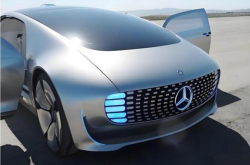
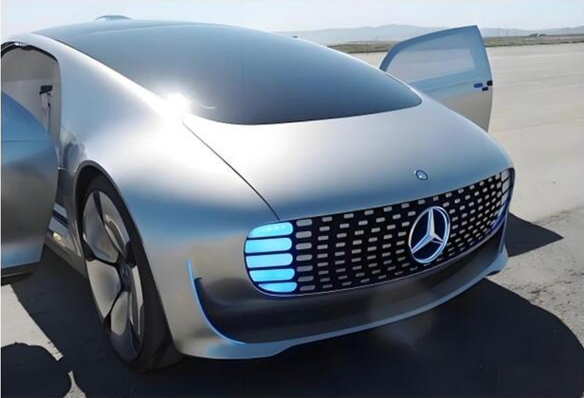
The origins of blue light technology trace back to 2015 when Mercedes-Benz's fully autonomous concept car, the F015, utilized external blue lights to signal autonomous driving mode. In China, the first model to feature such lights was the 2022 Li Auto L9. Over the next four years, this intelligent driving visual cue was swiftly adopted by multiple brands, including Xiaomi, NIO, XPeng, Aito, BYD, and Geely, appearing on both flagship SUVs and entry-level family cars.
The popularity of blue lights even gave rise to a thriving aftermarket modification industry for models lacking them initially. For instance, modification kits for the Li Auto ONE are readily available on e-commerce platforms. Similarly, third-party auxiliary driving blue lights for the Xiaomi SU7 and YU7 are widely accessible and can be directly connected to the vehicle’s infotainment system and Xiaomi Home ecosystem, activating or deactivating with the auxiliary driving system.
Data indicates that in the first half of 2025, 755,000 vehicles in China were equipped with auxiliary driving blue lights, representing a 7.1% adoption rate. Projected based on the current 70% penetration rate of L2 intelligent driving systems, the number of vehicles with blue lights would be even higher.
Notably, with the widespread adoption of L2 auxiliary driving functions, blue lights are no longer exclusive to new energy vehicles. Many fuel-powered cars now feature them as a selling point, with the Geely Boyue L and Chery Tiggo 9 being prime examples. Automakers' attitude toward blue lights can be summed up as: 'optional becomes standard, aftermarket modifications are available for factory-missing models, and both fuel and electric vehicles must have them.'
Why Were Blue Lights Banned?
Starting from the MIIT’s 410th batch (July 27, 2026), new vehicle models equipped with blue lights will not pass certification; however, no mandatory removal is required for already sold vehicles. In response, automakers such as Geely, Changan, Voyah, and Avatr have publicly stated their awareness of the news and their commitment to strictly comply with national regulations.
Why were these once-popular blue lights banned?
The primary reason is non-compliance with mandatory national standards. GB4785-2019 stipulates that external vehicle lights must be limited to white, yellow, red, and amber, with blue not permitted. Additionally, blue lights do not fall under the 26 legally recognized lighting categories.
Internationally, the Working Party on Lighting and Light-Signalling (GRE) and the Working Party on Automated and Connected Vehicles (GRVA) under the United Nations World Forum for Harmonization of Vehicle Regulations (UN/WP.29) are studying 'blue lights,' with ongoing debates over their safety benefits and potential risks.
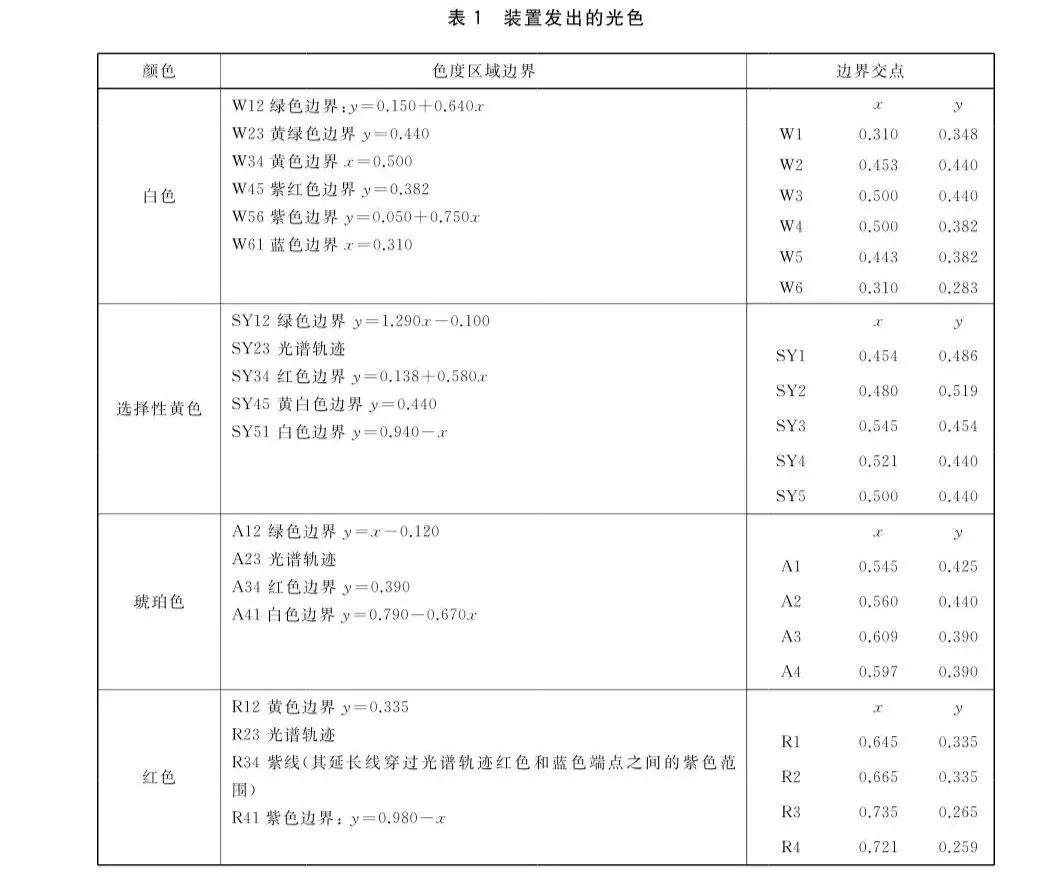
From both international and mandatory national standard perspectives, blue lights lack clear regulatory support. Although the MIIT proposed in 2021 that L3 and above vehicles be equipped with indicator lights, this requirement was removed from the final national standard draft. In essence, blue lights have operated in a legal gray area since their introduction in China.
Another key reason for the ban is traffic safety hazards. On one hand, non-compliant blue lights and varying brightness, strobe frequencies, and installation positions among automakers can cause glare at night, interfering with other drivers’ judgment.
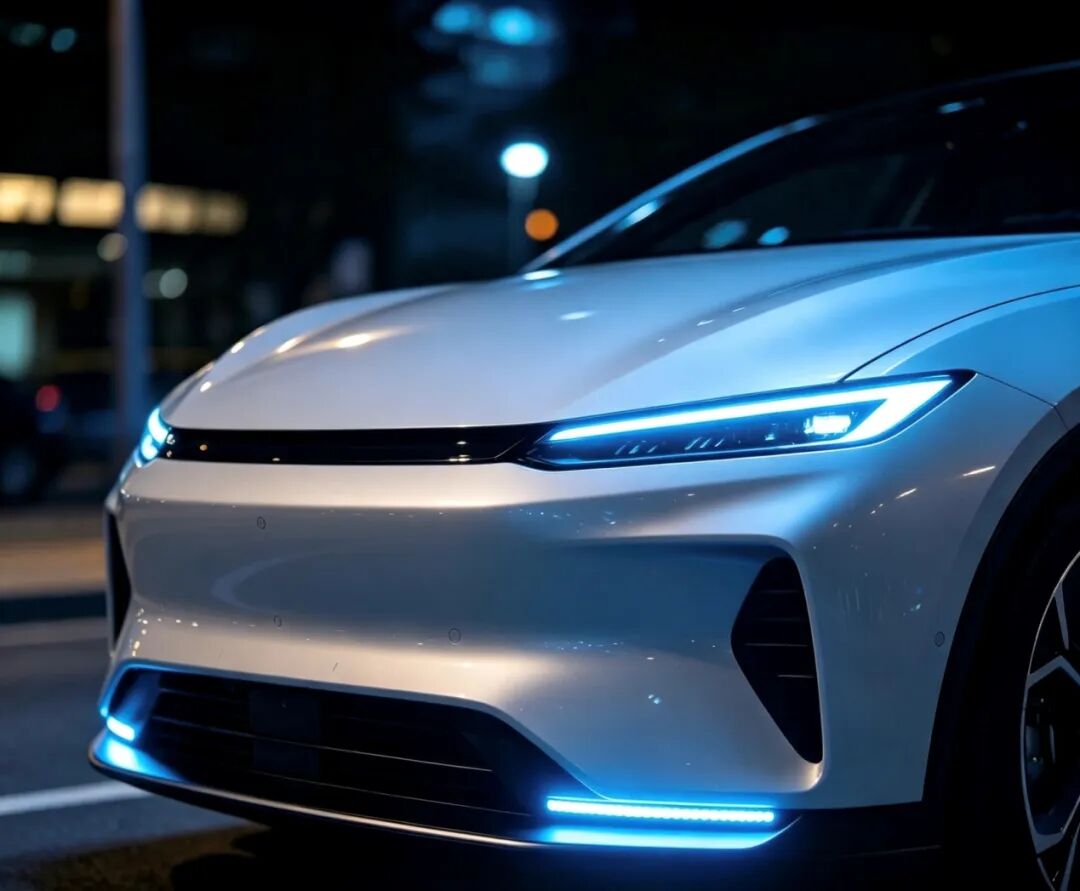
On the other hand, in real-world driving scenarios, blue lights have shifted from safety indicators to targets for aggressive lane changes, fundamentally altering driving etiquette and rules. Since intelligent driving systems prioritize 'safe driving,' their strategies tend to be conservative. This has led to the perception that 'blue light = intelligent driving = conservative = easy target,' which has spread in real-world driving scenarios. Phrases like 'blue light on, feel free to cut in' and 'blue light on, I’m at the bottom of the road hierarchy' have become popular in car enthusiast groups. Most concerningly, blue lights no longer represent 'high technology' or 'intelligent driving' but have become objects of speculation and experimentation.
The reasons for the ban on 'blue lights' can be summarized as follows:
① The current safety hazards posed by blue lights do not align with national standards; ② Blue lights have deviated from their original purpose of 'safety indication,' becoming targets for aggressive lane changes in real-world driving and advertising tools in product design; ③ Intense competition among automakers has created a dangerous synergy between regulatory gaps and corporate 'race to the bottom,' where the principle of 'what is not prohibited is permitted' has been amplified in the new energy vehicle sector.
Previously, the popularity of blue lights stemmed from their safety indication function. However, they have now become a typical microcosm of marketing gimmicks, herd behavior among automakers, and a lack of independent product thinking. Automakers’ competitive marketing and product features no longer prioritize functional safety or consider whether users truly need these features. Instead, a 'market anxiety' has emerged, driven by the mindset of 'if others have it, I must have it too.'
The most notable example is an automaker comparing blue lights to gold necklaces. However, regardless of past user demands or automakers’ concessions to competition, regulatory guidelines have now provided clear direction.
This phenomenon is not unique to blue lights. Closed front grilles, full-width front and rear lights, large central touchscreens, buttonless central controls, hidden door handles, panoramic sunroofs without shades, and zero-gravity seats have all become 'fixed formulas.' Thus, the 'blue light ban' can be seen as an extension of regulations following bans on single-pedal driving, non-standard steering wheels, hidden door handles, and zero-gravity seats, aiming to standardize new energy vehicles.
The Future of Blue Lights
Blue lights have operated in a legal gray area for over four years, during which 'technological exploration' and 'regulatory refinement' coexisted. Their current ban represents a shift from 'tacit approval' to 'decisive correction.' With the increasing penetration of intelligent driving systems, this move may lay the groundwork for standardized L3 intelligent driving status indicators.
Especially in 2026, deemed China’s 'year of regulation' for intelligent driving, with the release of mandatory national standards for L2 intelligent driving and new battery standards, the ban on blue lights is part of a broader effort to strengthen oversight of new energy vehicles and intelligent driving systems. This regulatory combination—correcting new energy vehicle designs, tightening subsidies, implementing new battery standards, and establishing intelligent driving regulations—aims to 'fasten the seatbelt' on the wild growth of new energy vehicles and intelligent driving technologies, preparing for L3 deployment.
First, revisions to ADS indicator light standards are underway. GB4785 revisions began in April this year, with project number 20262535-Q-339. Co-drafted by Huawei Aito, BYD, and others, the draft includes provisions for ADS indicator lights.
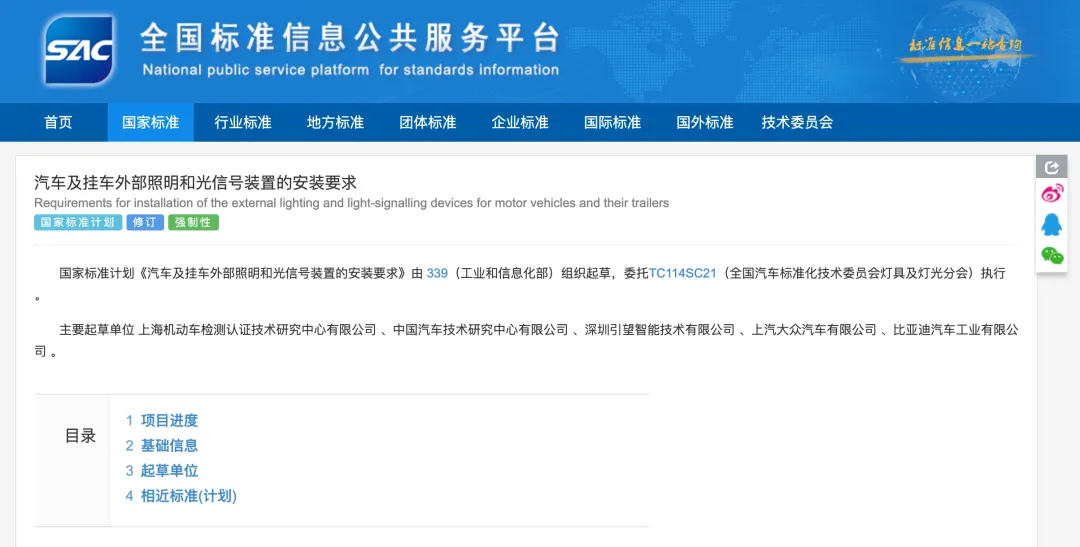
Additionally, regarding L3 autonomous driving requirements, the 'Safety Requirements for Autonomous Driving Systems of Intelligent Connected Vehicles' (GB 44721) completed its draft for approval in June this year. This mandatory standard specifies that L3 and above autonomous driving systems require clear indicators, providing a clear path for the future return of ADS indicator lights in L3 systems.
Commentary
The phased withdrawal of blue lights serves as a warning against internal competition, reminding automakers that innovation and product demand should originate from user perspectives rather than competitor actions. True core competitiveness lies in intelligent driving technology, not in competing over lighting aesthetics, quantity, or dynamic effects. It also signifies that China’s intelligent vehicle industry is transitioning from a phase focused on speed and innovation to one emphasizing rules, safety, and sustainability.
(This article is original to Heyan Yueche and may not be reproduced without authorization.)
-
![]()
Five Major Players Enter the Arena: The All-Out Battle for the Ultimate AI Office Super Gateway Begins
-
![]()
Why Does Changan Technology Abandon Internal Capital Injection and Embrace Marketization?
-
![]()
Royalties Outstrip Licensing Fees for the First Time: Arm’s Leasing Business Thrives
-
![]()
What changes will happen to the fate of Musk and Tesla?
-
![]()
Google’s Farewell: The Era of Large Models Steps into the ‘Garage Phase’
-
![]()
Blue Light Fades: The Dawn of a New Era for Intelligent Driving Lighting
-
![]()
Over 140,000 Charging Stations Undergo Spot Checks for Charging Accuracy; Non-Compliant Units Face Operational Ban
-
![]()
Tesla is Just the Start: China’s ‘Super Catfish’ is Set to Revolutionize Europe