Can Fuel-Driven Cars Also Embrace NOA? The 2027 Arrizo 8PRO Makes Intelligent Driving More Affordable
 08/11 2026
 419
419
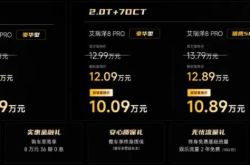
On August 10, the 2027 Arrizo 8PRO made its debut in Ordos. Featuring five models across three pricing tiers and offering a trade-in subsidy of up to 20,000 yuan, the entry-level model is now priced at just 89,900 yuan.
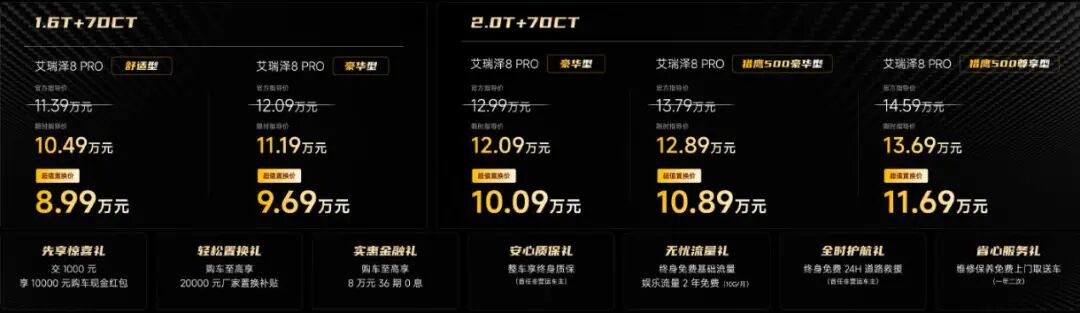
This launch event, which seamlessly integrated CTCC racing viewing, track test drives, and ethnic cultural performances, seemed to be Chery's bold declaration in the fuel-driven family sedan market. Amid the growing prevalence of new energy vehicles, fuel-driven cars don't necessarily have to take a backseat; leveraging technological advancements to retain existing users is also a viable strategy.
Redefining the Benchmark for 100,000-Yuan Family Sedans
Let's first examine the actual pricing. The official guide price range for the 2027 Arrizo 8PRO is set between 113,900 and 145,900 yuan, with a limited-time offer reducing it to 104,900 to 136,900 yuan. Trade-in customers can enjoy exceptional trade-in prices ranging from 89,900 to 116,900 yuan. The three pricing tiers cater to different types of car buyers, with the trade-in group benefiting from the lowest purchase threshold. This tiered pricing strategy aligns with Chery's previous operational logic for family models.
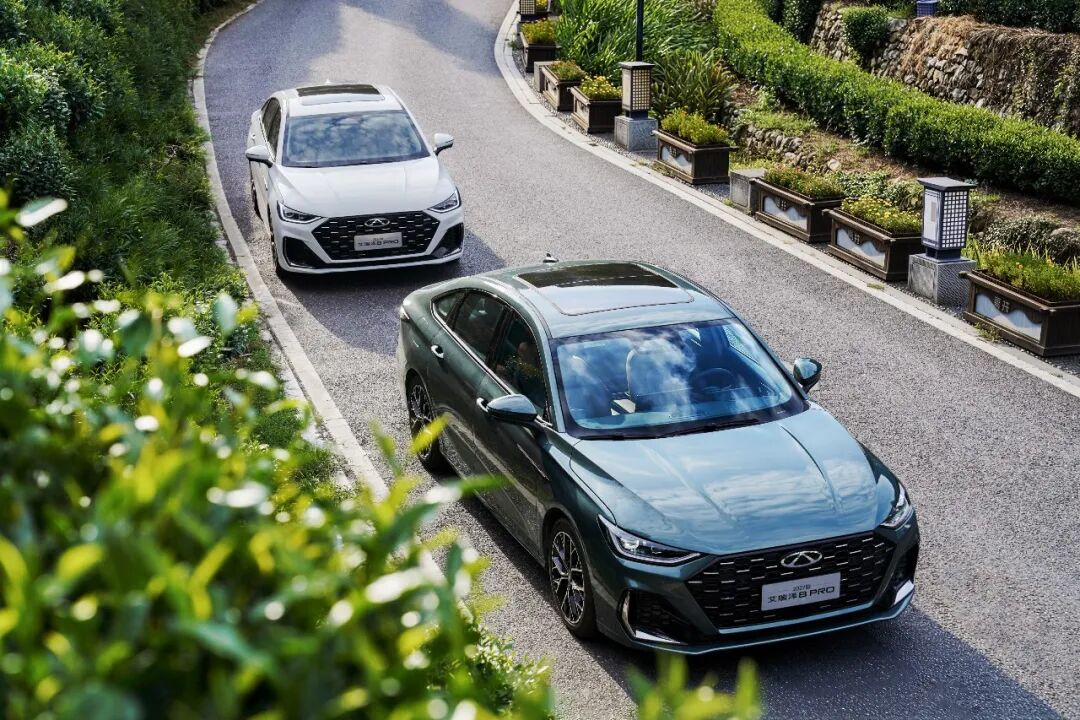
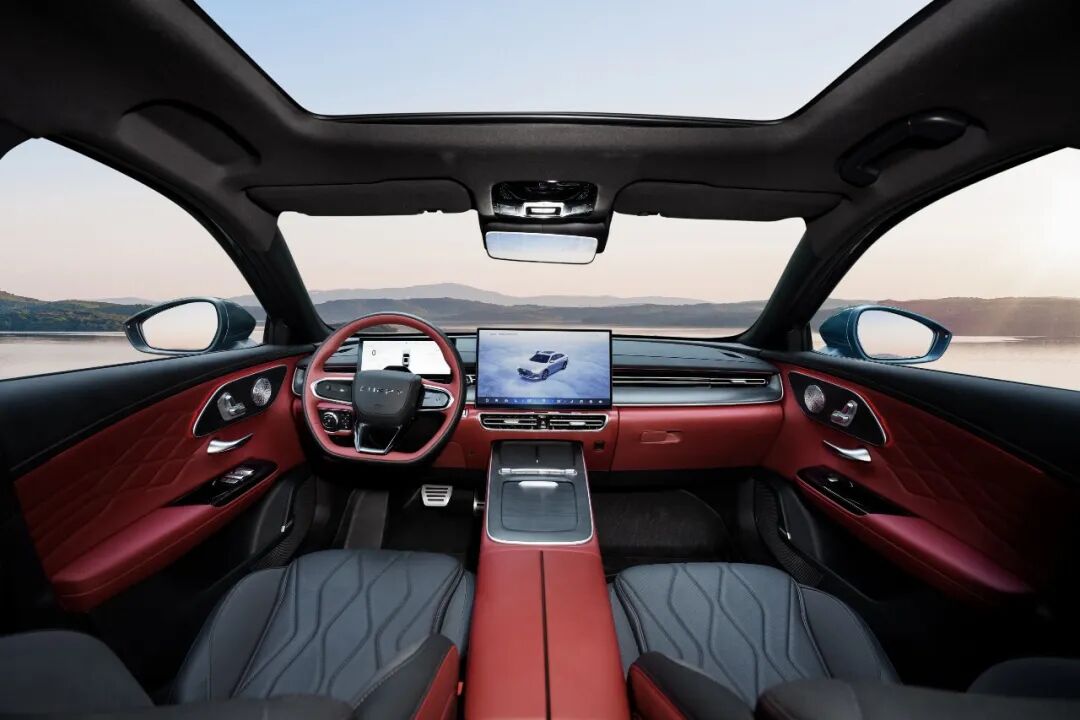
What truly stands out is the extent of hardware configuration decentralization. Traditionally, fuel-driven family sedans in the 100,000 to 150,000 yuan range have offered basic intelligence, with high-performance infotainment chips being a rarity and advanced intelligent driving functions almost non-existent. The Arrizo 8PRO, however, directly incorporates the Qualcomm Snapdragon 8255 chip, boasting an 119% increase in computing power compared to the 8155, paired with a 15.6-inch 2.5K central control screen, bringing the cabin hardware specifications on par with many mainstream new energy products.
Moreover, high-end models are equipped with Falcon 500 driving assistance, featuring functions like highway NOA and automatic parking in over 300 scenarios, which are uncommon among fuel-driven products in the same price range.
In terms of performance, the new car doesn't compromise, with the 1.6T Kunpeng engine delivering a maximum power of 147kW and a peak torque of 310Nm, while the 2.0T version achieves 187kW and 390Nm, accelerating from 0 to 100 km/h in the 6-second range. Both engines can run on 92-octane gasoline. The rear multi-link independent suspension, paired with an IPB intelligent braking system, offers an official 100 km/h braking distance of 36 meters. With ten airbags, a body made of over 80% high-strength steel, and a four-way dashcam, the safety hardware surpasses the general level of its class.
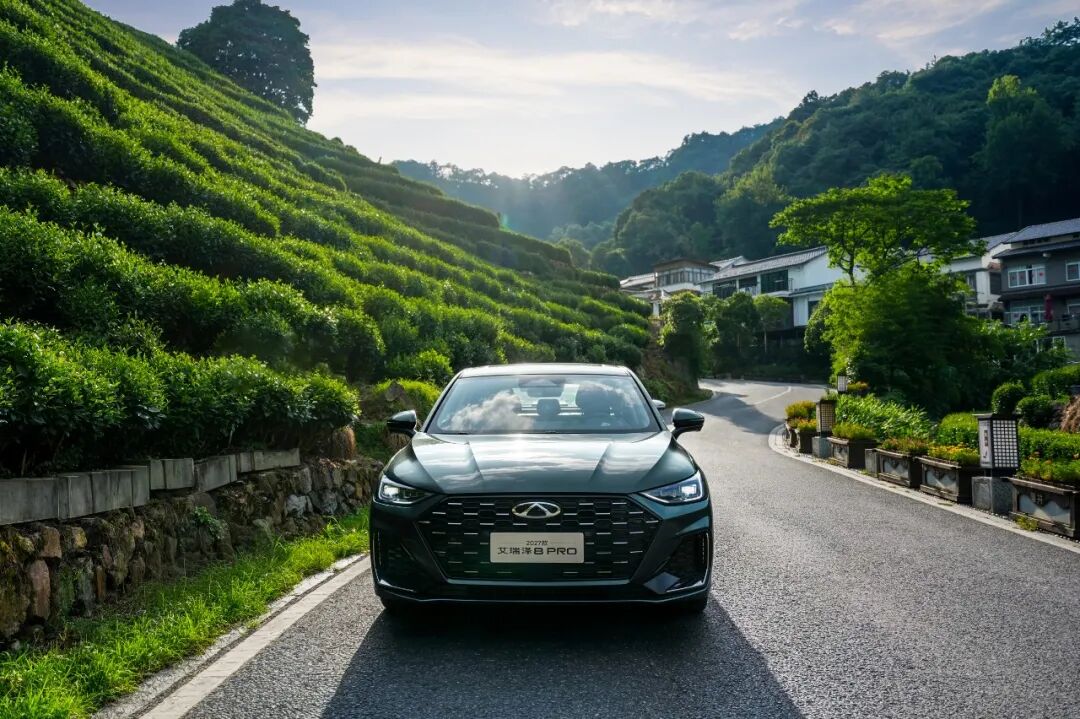
However, impressive specifications on paper don't necessarily translate directly into real-world performance. The long-term smoothness of the 8255 chip, the intelligent driving system's performance in complex road conditions, and the balance between comfort and sportiness in the chassis all require extensive real-world testing to evaluate. Nonetheless, it's undeniable that this car doesn't rely on reducing basic configurations to lower the starting price but instead brings hardware previously available only at higher price points down to the 100,000-yuan market.
Racing Technology Meets Intelligent Implementation
The 2027 Arrizo 8PRO is characterized by two core attributes: racing-grade civilian technology and equal intelligence for fuel and electric vehicles. Beyond marketing concepts, these reflect Chery's strategic vision for upgrading fuel-driven cars.
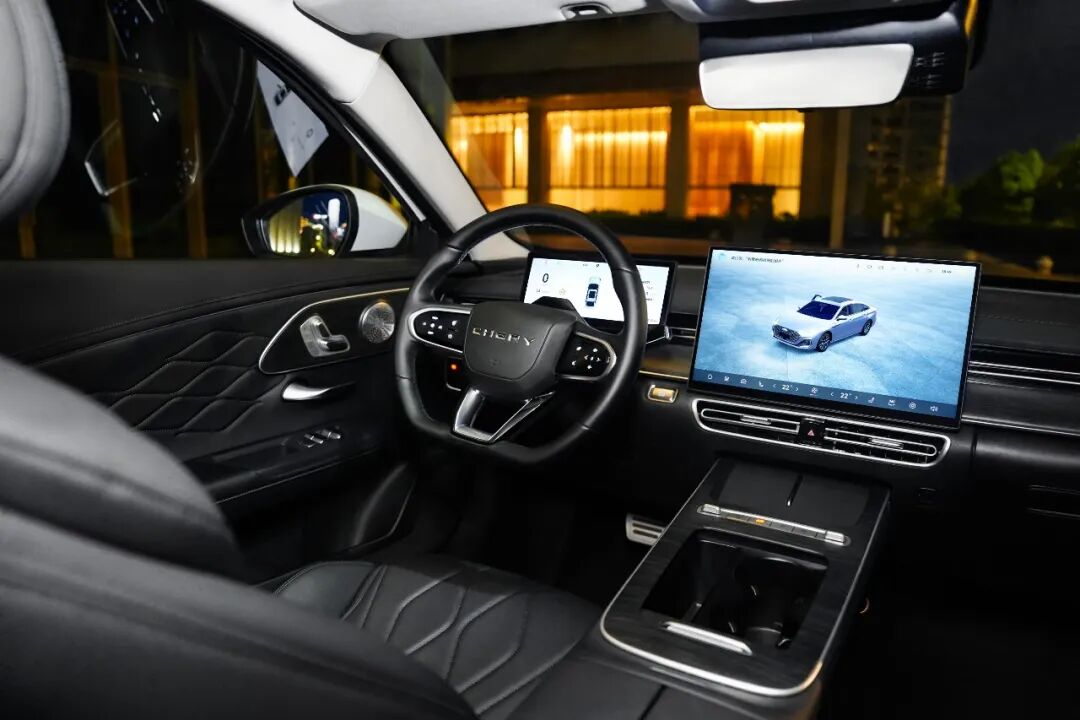
Let's first delve into the intelligence of fuel-driven cars. For a long time, the progress in intelligent features for fuel-driven models has been sluggish, not entirely due to technical limitations but more because of cost-benefit considerations. New energy vehicles often market intelligent cockpits and assisted driving as core differentiators, while many fuel-driven cars prioritize budget allocation to traditional areas like powertrain, chassis, and reliability. Now, consumer demands have evolved, with increasing expectations for infotainment systems and driving assistance, compelling fuel-driven products to keep pace with this upgrade trend.
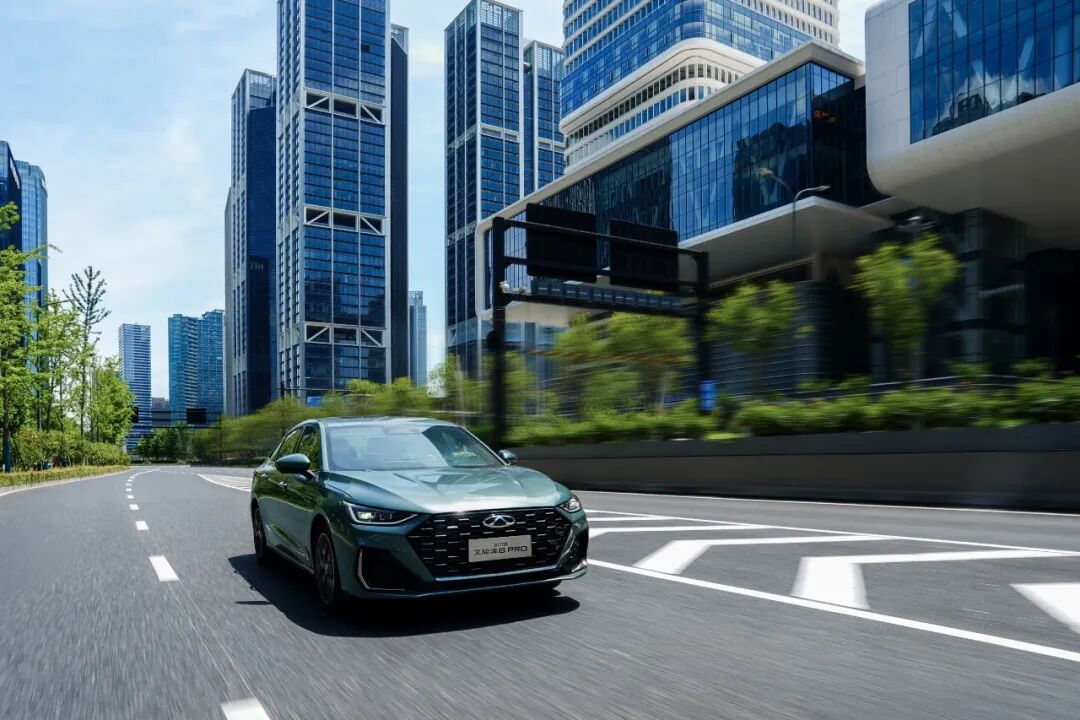
The Arrizo 8PRO's approach is pragmatic, utilizing a flagship chip to eliminate cockpit lag, focusing assisted driving on high-frequency scenarios like highway driving and daily parking, without blindly adding costly urban NOA functions. The Falcon 500 relies on a spatiotemporal joint planning algorithm and IMU inertial navigation to address longstanding issues like sluggish power response and positioning drift in signal-less areas for fuel-driven models. For users who lack fixed charging spaces but still desire a decent intelligent experience, the combination of a fuel-driven base and electric-vehicle-level intelligence precisely addresses their pain points.
Now, let's consider the transfer of racing technology to civilian mass production. The Arrizo 8 series has secured seven championships in four CTCC races, with extensive test data from extreme conditions informing the R&D team. Metrics like body torsional stiffness of 29,000 Nm/deg and a 15.2:1 steering ratio are derived from racing tests.
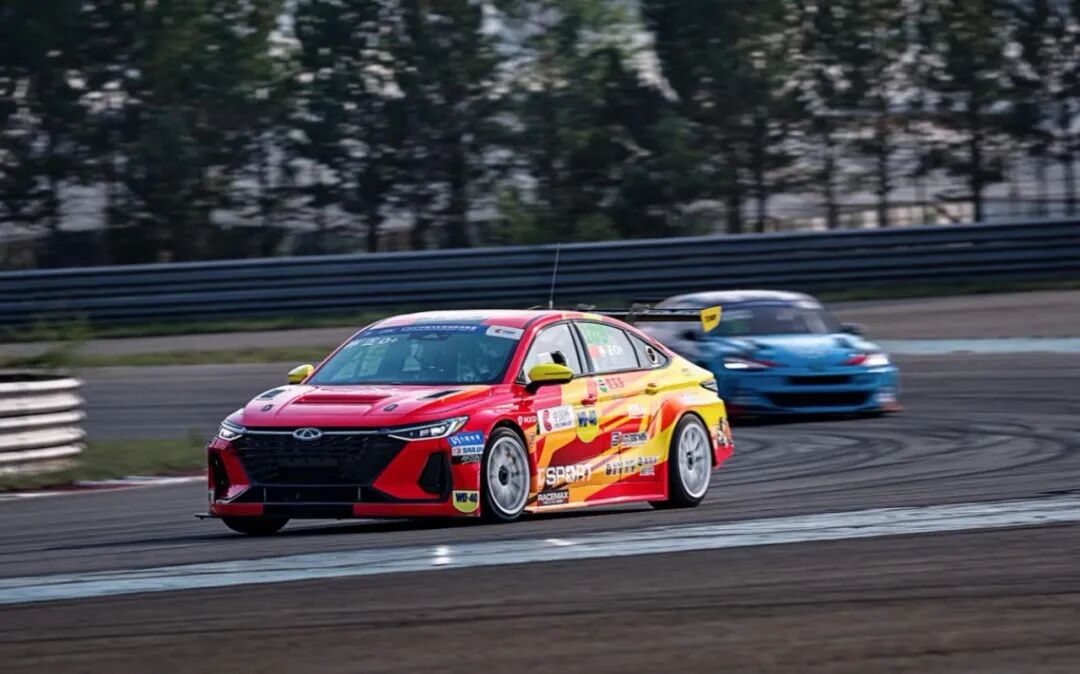
However, the term "racing genes" has been overused in the industry and can easily become marketing jargon. The Arrizo 8's system is distinct, featuring a complete link from racing feedback to R&D, not just a modified race car for promotion. Ordinary users rarely push their vehicles to the limit during daily commutes, but higher performance redundancy makes scenarios like daily overtaking, cornering, and emergency braking more confident. Instead of simply adding more horsepower, bringing racing-validated chassis tuning to ordinary family users represents a more meaningful technological decentralization.
Offering Users an Option Without Compromise
In an industry environment dominated by discussions of electrification, Chery's decision to still invest resources in refining fuel-driven sedans inevitably raises questions. The answer lies in market data. Even as new energy sales continue to rise, fuel-driven cars still hold nearly half of the market share.
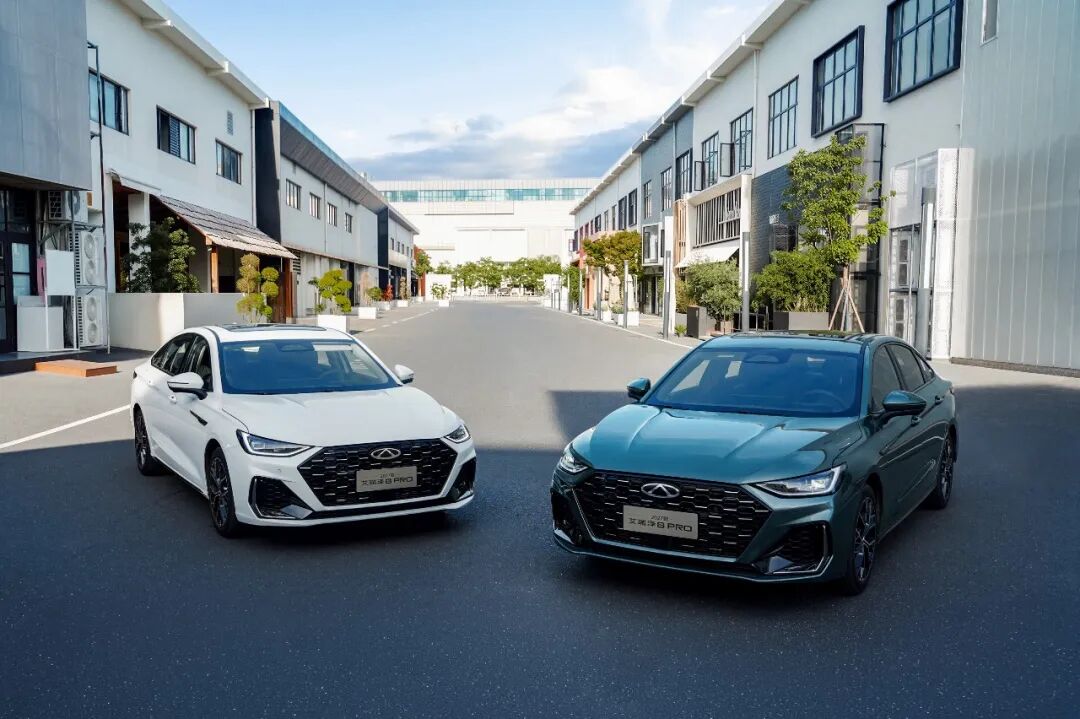
Currently, a significant number of users are in regions with limited charging infrastructure, and many frequently undertake long-distance travel, maintaining strong demand for fuel-driven cars. They're not against intelligence and performance but are unwilling to accept drawbacks like range anxiety and charging inconveniences for the sake of intelligence. The Arrizo 8PRO targets this real consumer group, aiming to upgrade the experience within the fuel-driven framework.
From a business perspective, pursuing multiple technological routes can also diversify operational risks. The new energy sector handles upward breakthroughs, while the mature fuel-driven product line maintains the family market base, with the two routes complementing each other. The launch of the 2027 Arrizo 8PRO essentially provides fuel-preferring users with an option that doesn't require compromise.

Of course, it faces significant competitive pressure. The 100,000 to 150,000 yuan segment is fiercely competitive, with joint-venture family sedans cutting prices to seize market share and multiple new energy models squeezing into the space from below. Hardware specifications only represent part of the product; soft factors like brand recognition and terminal service reputation still require market time to validate. Whether the product can gain a foothold ultimately depends on subsequent terminal sales feedback.
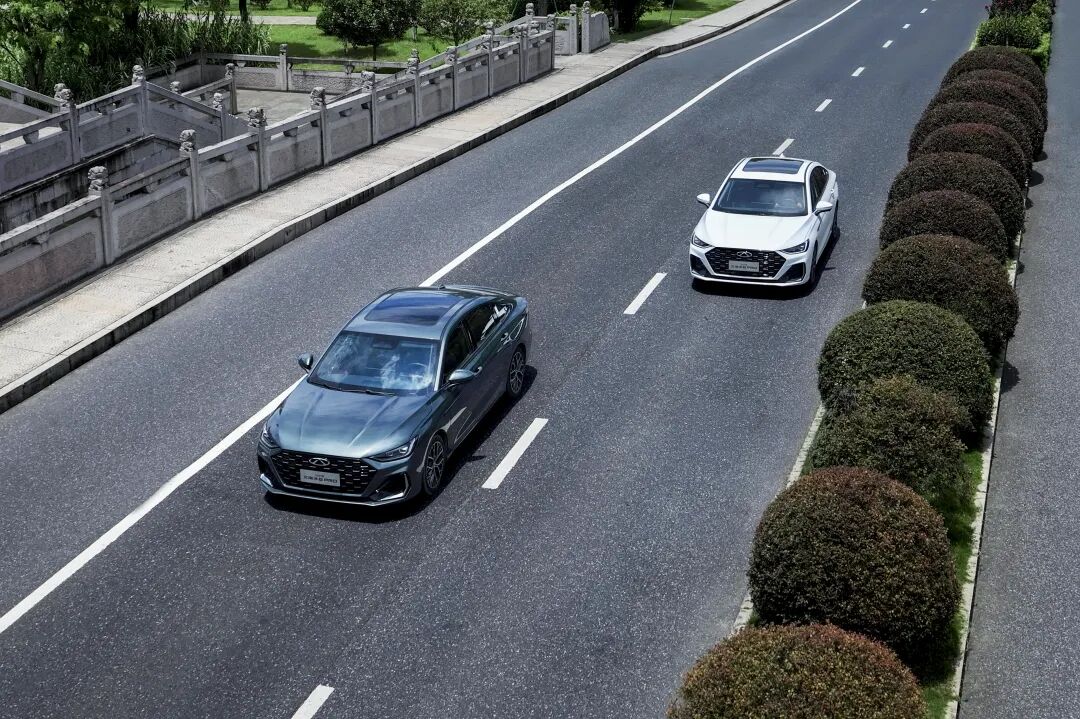
Overall, the 2027 Arrizo 8PRO presents a highly compelling product offering. With a trade-in starting price of 89,900 yuan, the 8255 chip, advanced intelligent driving, and a chassis refined through racing, it raises the hardware benchmark for fuel-driven family sedans in the 100,000-yuan range. While it's unlikely to reverse the overall market trend toward electrification, it provides a substantial alternative for consumers who insist on fuel-driven vehicles. For young car buyers who value practicality and balance, a product that invests in tangible aspects holds strong appeal.
-
![]()
High-End Scientific Instrument Leader Surges 400% on Debut, Lists on STAR Market, Supplies BYD/CATL
-
![]()
Valuation Surges 80x in Two Years, ARR Exceeds $2 Billion: Why Mercor Has Become One of the Most Profitable Platforms in the AI Era?
-
![]()
Can Fuel-Driven Cars Also Embrace NOA? The 2027 Arrizo 8PRO Makes Intelligent Driving More Affordable
-
![]()
Array Waveguide Heats Up, SRG Expands Production, VHG Launches: The Competition for Optical Waveguides Enters a New Phase in 2026
-
![]()
ByteDance's AI Ambitions: 12% Tax, No Distillation, Betting on 5 Trillion Parameters
-
![]()
Can VIVO's Four-Pronged Strategy Ease Competitive 'Pressure'?
-
![]()
Can VIVO's Four-Pronged Approach Ease Competitive 'Anxiety'?
-
![]()
Reversal! Apple's Major iPhone Redesign for 20th Anniversary Not Cancelled: New Glass Design to Debut in 2027