Avoid Fast-Grown Chickens, Yet Embrace Accelerated Car Production?
 08/14 2026
 470
470
Striking the Right Balance Between Speed and Safety in Industry
"You'd hesitate to eat a chicken grown to full size in just three months, yet you're willing to purchase a car developed in the same timeframe."
Recently, during a live stream by an automotive executive, a candid critique sparked a heated debate in the public sphere. This straightforward remark, devoid of industry jargon, quickly went viral across car owner communities, automotive forums, and short-video platforms, resonating deeply with the underlying concerns of millions of new energy vehicle owners.
In fact, since the beginning of the year, discussions surrounding 'new vehicles developed in a mere 18 months' have persisted, with numerous automotive executives publicly sharing their perspectives.
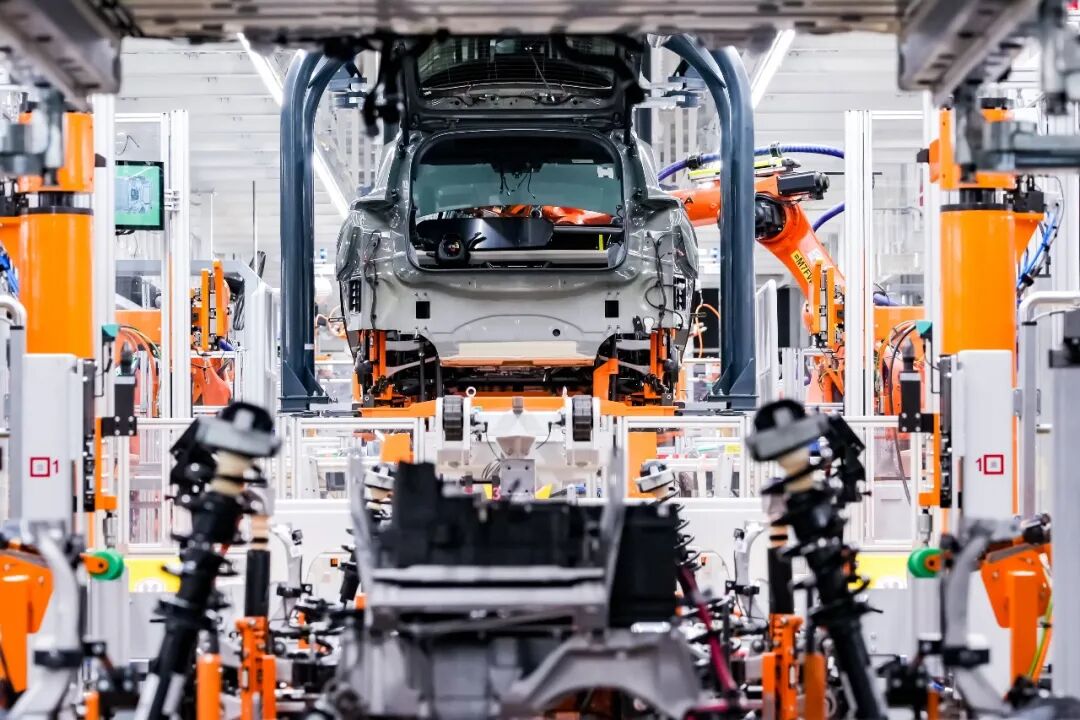
However, when some new entrants compress the traditional 60-month development cycle for internal combustion engine vehicles to just 18 months—slashing nearly two-thirds of the R&D time—the industry is left questioning whether this rapid iteration signifies a technological efficiency revolution or merely a shortcut that skips essential verification processes.
The Ecosystem Behind 18-Month Accelerated Development
The Chinese auto market in the first half of 2026 can be characterized as 'frenzied.' Public data reveals that from January to May, 542 new models were launched domestically, averaging 3.6 new models per day. The total number of new models introduced industry-wide in the first half exceeded 576, with the Beijing Auto Show alone showcasing over 180 new models.
This density of new product launches far surpasses the release pace of flagship smartphones in the consumer electronics sector.
Under such intense competition, the continuous compression of vehicle development cycles is no longer a secret within the industry.
In the era of traditional fuel vehicles, a brand-new model typically required 36-60 months to progress from conceptual sketches to mass production, undergoing comprehensive design verification, engineering tuning, road testing, and production ramp-up. This timeline reflects a safety consensus honed over a century of global automotive industry experience.

Entering the new energy era, the adoption of platform-based modular development and virtual simulation technologies has indeed provided a technological foundation for improved R&D efficiency. However, some automakers have misconstrued this 'efficiency revolution' as a 'process leapfrog.'
For instance, certain brands have reduced the R&D verification cycle for new models to just 24 months, with some even pushing it down to 18 months. Industry insiders have disclosed that their companies have undertaken new energy vehicle projects requiring completion from initiation to conclusion within six months.
Behind this extreme compression lies an industry caught in a cycle of 'trading speed for market share.'
Traditionally, consumers replaced their cars every 5-10 years, as automobiles are quintessential durable goods. Now, however, many users have begun chasing new car models as frequently as they upgrade smartphones.
Yet, this shift has led to increasingly common scenarios where 'a new model is released just three months after purchase, leaving owners feeling deceived.' Older car owners are trapped in anxiety over their vehicles' rapid depreciation, and this change in consumer sentiment, in turn, pressures automakers to accelerate their launch cycles for fear of losing market share to competitors.
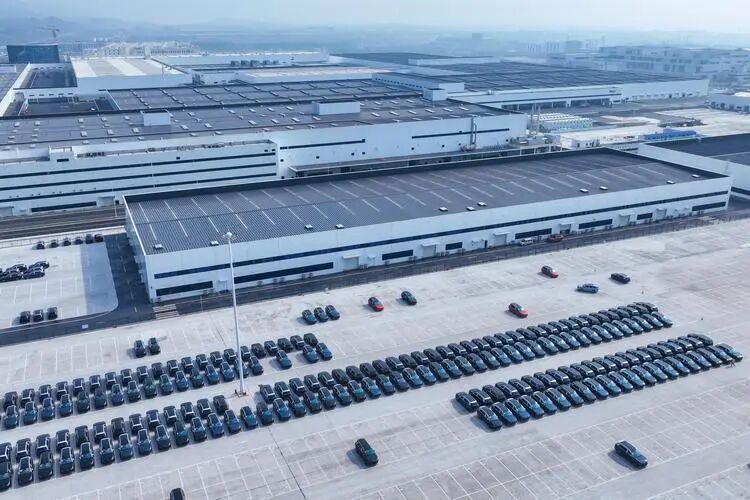
This 'speed-for-scale' approach has swiftly revealed severe repercussions.
In the first half of 2026, domestic recalls by Chinese brands surged by 681% year-on-year. Many new models experienced batch failures just days after delivery, with some owners returning to 4S stores for repairs within three hours of picking up their vehicles—problems arising almost without any real-world usage, even accounting for time spent eating or stuck in traffic.
Nevertheless, many continue to draw parallels between the rapid iteration of automobiles and the high-frequency updates of smartphones, arguing that if phones can iterate annually, why can't cars be fully developed in 18 months?
From a fundamental product logic perspective, the two differ vastly.
Smartphones typically have development cycles of 12-18 months, with some leading brands achieving full development from initiation to release within 12 months. This is supported by a highly mature supply chain in the consumer electronics industry, where core components like chips, screens, and batteries have standardized, off-the-shelf solutions. Integration and debugging suffice, and usage scenarios are mostly static or low-speed handheld. Even if system bugs occur, most can be remotely fixed via OTA updates, and extreme failures rarely directly threaten user safety.
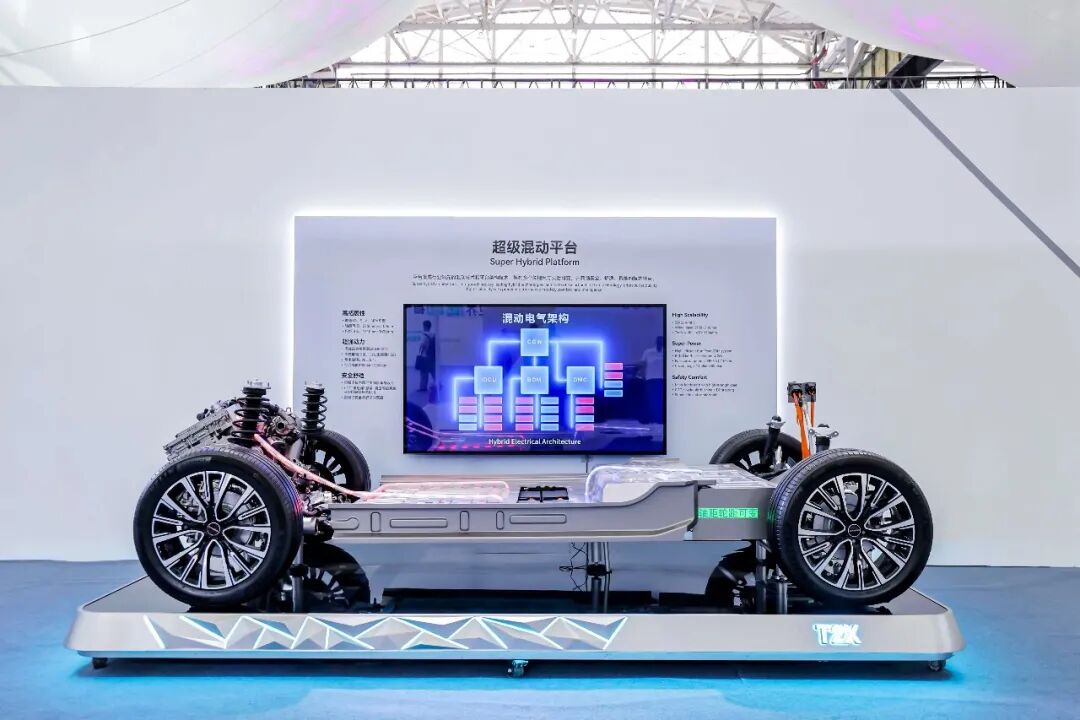
Automobiles, however, are entirely different. They are high-speed, manned transportation tools, and their development involves two absolute core hurdles: Design Verification (DV) and Production Verification (PV).
DV verifies the feasibility of the entire design under extreme conditions, while PV ensures that mass-produced molds and production lines can consistently yield qualified products. The testing objectives of these two stages are entirely distinct and irreplaceable. No matter how advanced virtual simulation technology becomes, it cannot fully substitute for real-world testing in Mohe at minus 30-40 degrees Celsius, Turpan at over 40 degrees Celsius, or the Qinghai-Tibet Plateau at 5,000 meters above sea level. It also cannot replace the long-term durability verification conducted by hundreds of thousands of users under varying road conditions and driving habits.
More critically, smartphone issues can be quickly repaired at offline stores, whereas automotive failures like battery runaway, brake failure, or chassis fracture during high-speed travel directly constitute life-threatening safety incidents.
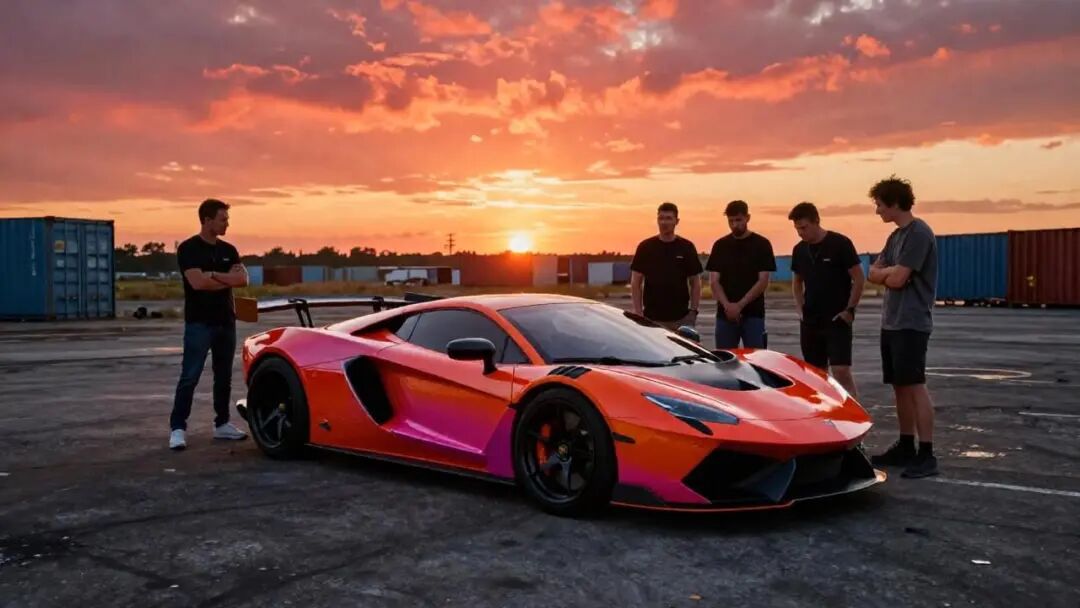
Some automakers have merged the separately conducted DV and PV phases into one or even directly eliminated extreme environment testing, effectively offloading laboratory verification work onto the first batch of consumers. This practice essentially prioritizes commercial interests over life safety, turning ordinary car owners into unpaid test drivers.
Do Overseas Automakers Also 'Accelerate' Development?
While many domestic automakers are aggressively compressing R&D cycles, mainstream overseas brands maintain a seemingly slower development pace, adhering to past engineering norms.
Traditional overseas automakers like Toyota and Volkswagen, even during their electrification transitions, still keep complete R&D verification cycles for new platform models above 36 months. Even facelifted models based on mature platforms require at least 24 months of full testing.
Take Tesla, the global benchmark for new energy vehicles, as an example. Despite significantly boosting iteration efficiency through software-defined vehicles, its foundational R&D verification cycle for new models never falls below 24 months. Its global test fleets complete over 10 million kilometers of real-world durability testing annually, without omitting any extreme condition verifications for cold, heat, or high altitude.
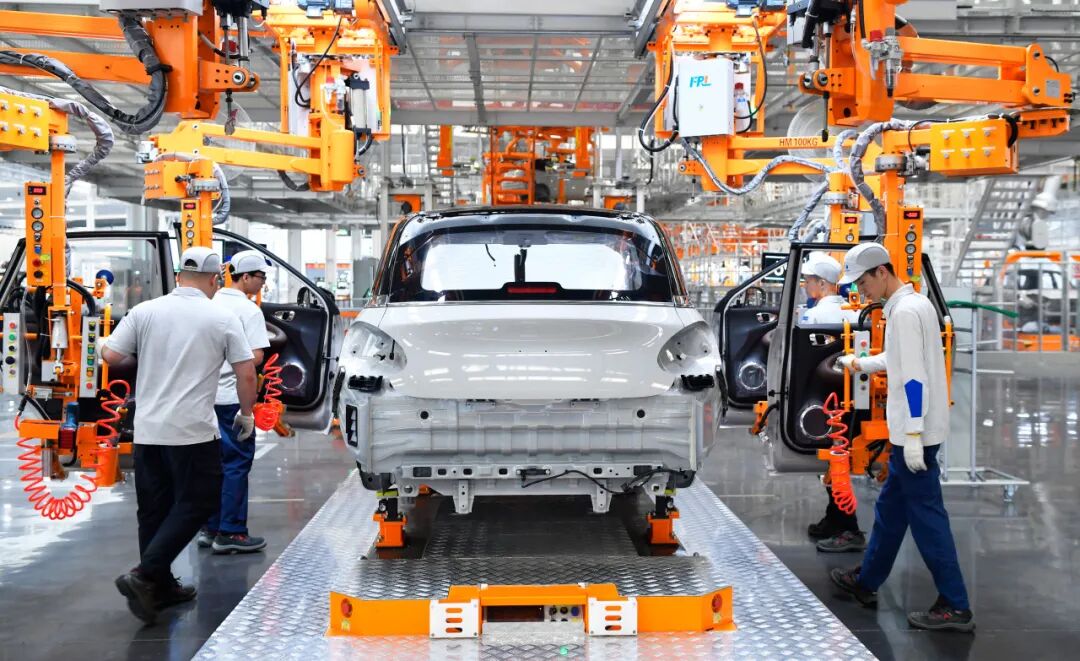
Overseas automakers rarely see extreme cases of 'project initiation in six months, mass production in a year,' primarily due to mature automotive regulatory systems imposing prohibitively high costs for trial and error. Stringent defect recall systems and class-action lawsuit mechanisms make automakers launching substandard products pay economically untenable prices, externally curbing their speculative impulses.
In contrast, some domestic automakers, having reaped market dividends from rapid launches during the industry's high-growth phase, neglected fundamental automotive engineering principles and ultimately fell into a vicious cycle of 'involuting into losses.' In the first half of 2026, domestic automotive industry profits stood at just 195.4 billion yuan, down 20% year-on-year, with an industry profit margin of only 3.8%—far below the average for mature manufacturing sectors.
When industry self-regulation fails to keep pace with involution, timely regulatory intervention becomes crucial for maintaining safety baselines. Since 2026, the Ministry of Industry and Information Technology, the State Administration for Market Regulation, and other departments have launched a series of coordinated measures to govern 'accelerated vehicles,' rapidly erecting multi-layered defenses from standard revisions to on-site inspections.
The most symbolic policy adjustment involves the National Technical Committee for Auto Standardization publicly soliciting opinions on a proposal to raise the total reliability road test mileage for new energy models to no less than 30,000 kilometers, fully aligning with traditional fuel vehicle testing standards.
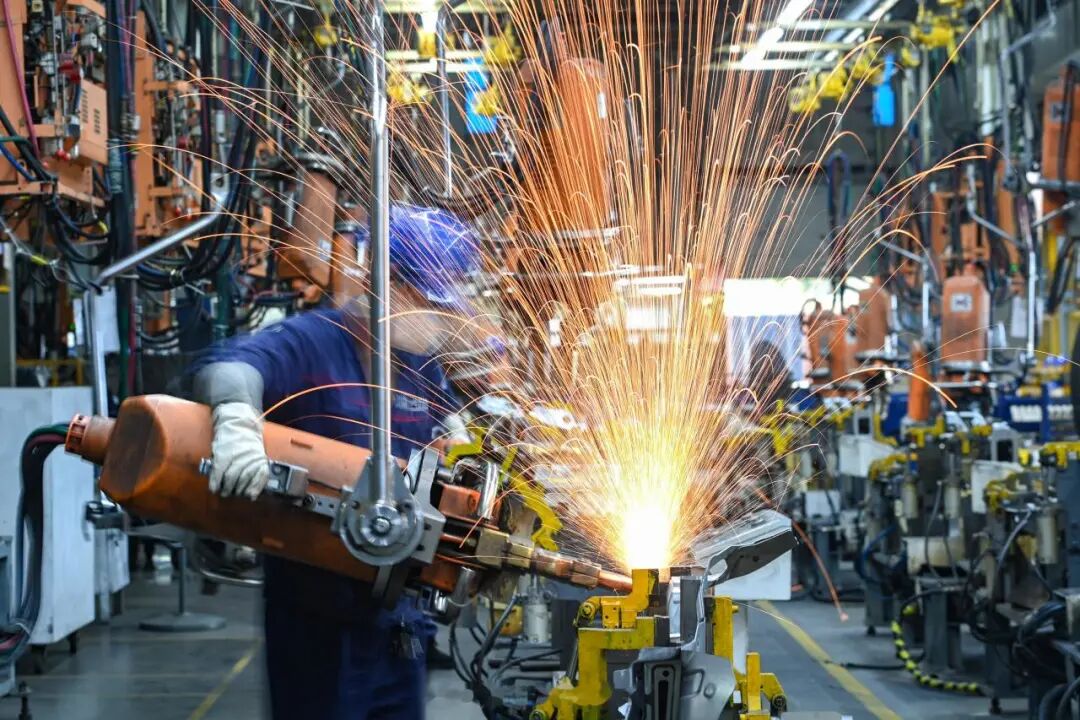
Compared to the previous standard of just 15,000 kilometers, the new regulation introduces highly targeted mandatory thresholds. For battery electric vehicles, at least 90% of the 30,000-kilometer test (27,000 kilometers) must involve DC fast charging, preventing automakers from inflating test mileage through slow charging and comprehensively evaluating battery fast-charging durability and electric control system stability. For plug-in hybrid models, the regulation additionally mandates completing no less than 10,000 kilometers of reliability testing in pure electric mode, eliminating some automakers' tactics of prioritizing fuel-engine testing over electric drive verification.
This new set of mandatory standards will officially take effect on January 1, 2027, directly raising the bar for new vehicle launches at the market entry stage.
Beyond standard upgrades, regulatory authorities have simultaneously launched penetrating on-site inspections, conducting surprise checks in automakers' R&D labs, testing facilities, and production plants. Companies found cutting testing phases or failing mass production consistency face severe penalties, shifting regulation from 'post-market recalls' to 'pre-market access.'
Meanwhile, a series of supporting rules, including mandatory national battery safety standards and automotive production enterprise access review requirements, are also being implemented concurrently, comprehensively plugging loopholes for 'rapid shell-swapping and hasty mass production' across core component safety and complete vehicle production qualifications.
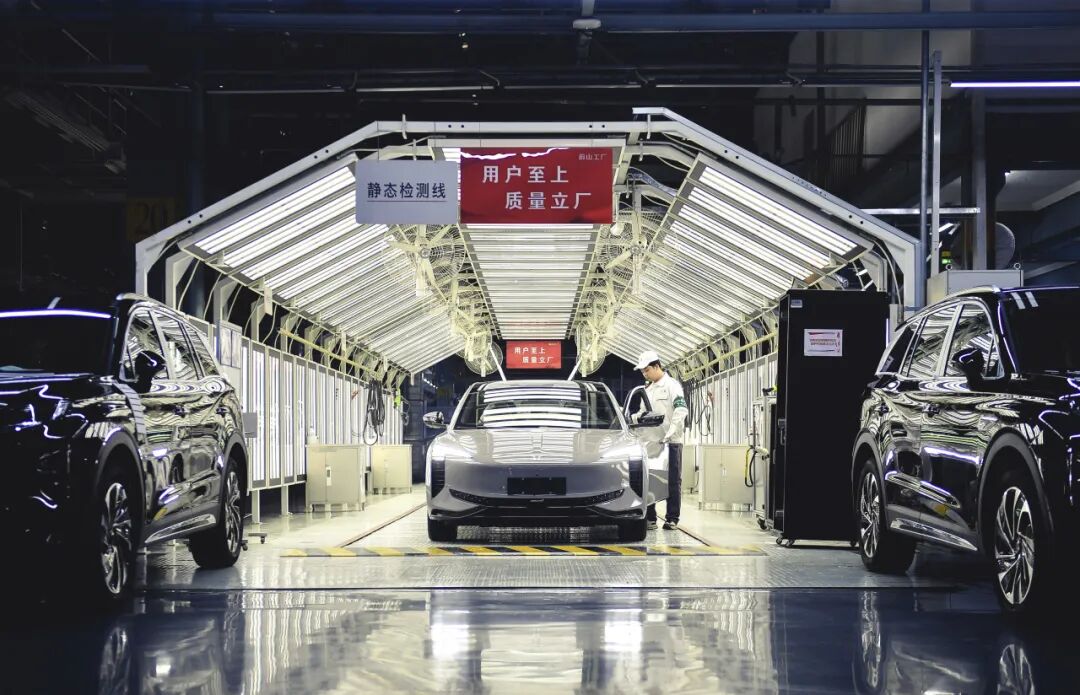
This industry-wide overhaul targeting 'accelerated vehicles' ultimately points toward a high-quality transformation of the entire automotive industry. The past model of extensive growth—relying on rapid launch speeds, stacking configuration parameters, and engaging in price wars—has reached its limits. Future market competition will inevitably shift toward competing on forward-looking R&D capabilities, complete vehicle reliability, and long-term user services.
Note: Images sourced from the internet. Contact for removal if infringement occurs.
-END-

-
![]()
Lenovo Group is Making Big Moves: Server Business Takes Off, AI Server Backlog Orders Reach 360 Billion Yuan!
-
![]()
WPS: A Future Plugin in the Making?
-
![]()
Zhang Xue Motorcycle Secures Sole Investment from Sequoia China, Valuation Soars to 6 Billion Yuan Post-Investment
-
![]()
Online Buzz: Alleged Leak of 'Little Blue Light' Rectification Blueprint
-
![]()
Robot Phone: Honor CEO Li Jian’s Grand Vision for Machine Intelligence
-
![]()
How Did Anthropic Achieve a $2 Trillion Valuation?
-
![]()
Japanese Automakers Encounter Their 'Nokia Moment': Faultless Yet Cast Aside by the Tide of Progress
-
The Most Foolish Move by AI: Driving Up Digital Hardware Costs