Flash Charging and 'Celestial Eye': Standard Features in Qin MAX, Positioned to Challenge B-Class Sedans
 08/14 2026
 353
353
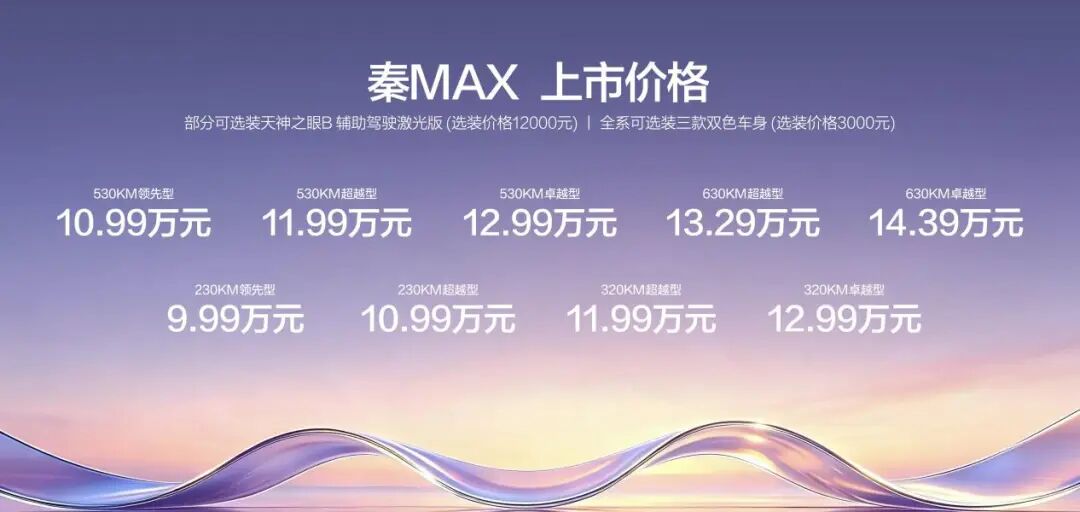
On August 13, BYD officially unveiled the Qin MAX, offering both electric vehicle (EV) and dual-mode (DM-i) hybrid versions simultaneously, with prices ranging from RMB 99,900 to RMB 143,900.
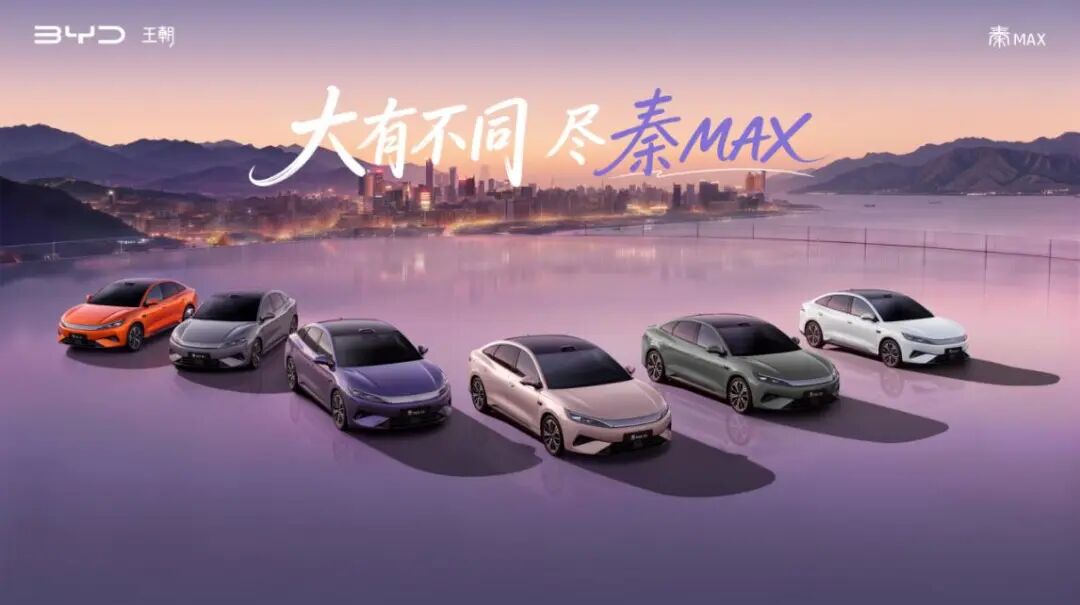
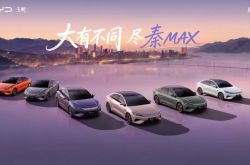
The launch event was themed "Vastly Different, All in Qin MAX." Lu Tian, General Manager of the Dynasty Network, highlighted the product's key selling points with three "Vast" features and five "Different" aspects, centered around leveraging B-Class dimensions and superior configurations to penetrate the mainstream family sedan market priced between RMB 100,000 and RMB 140,000. The introduction of this model not only enriches the Qin family lineup but also signifies BYD's latest effort to redefine the pricing structure for family sedans.
A Strategic Blow to B-Class Sedans Priced Around RMB 100,000
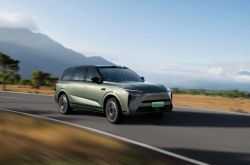
The most immediate impact of the Qin MAX lies in its "B-Class size, A-Class pricing" competitive strategy. With body dimensions of 4866×1880×1495mm and a wheelbase of 2820mm, it qualifies as a standard mid-size sedan, yet its starting price falls below RMB 100,000, directly challenging joint-venture A-Class and domestic A+-Class models in the market.
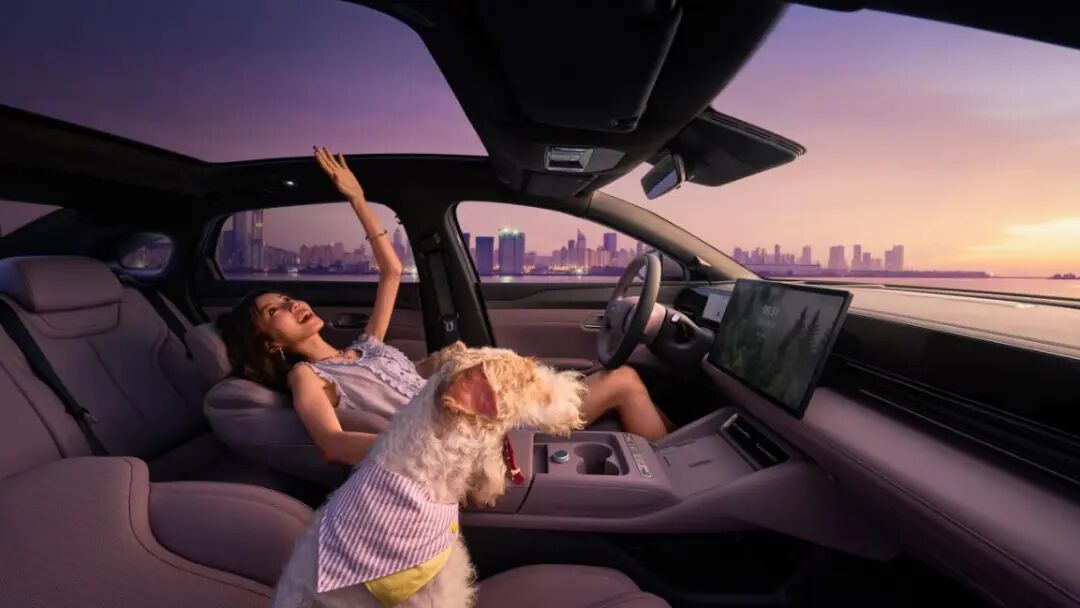
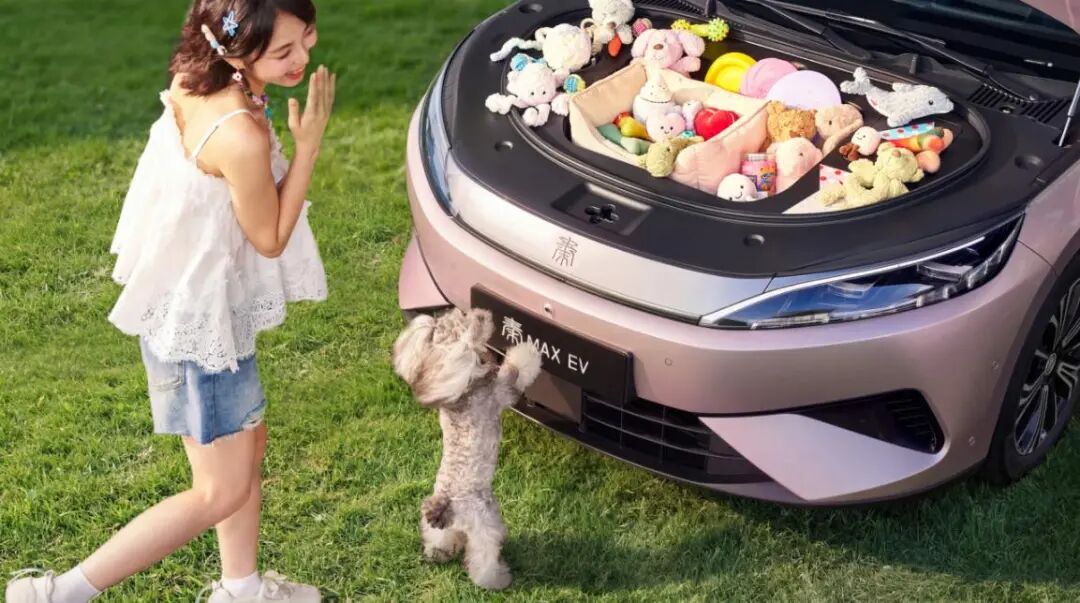
In terms of space, it lives up to the "MAX" moniker. The EV version offers 27 storage compartments, a 115L front trunk, and a 523L rear trunk, while the DM-i version features a 557L rear trunk, adequately meeting daily home use and short-distance travel storage needs. Seat configurations are equally generous, with 10-point massage, ventilation, and heating for both the driver and front passenger seats—a specification rarely found in family sedans priced around RMB 150,000.
In terms of performance, the high-power motor version delivers a peak output of 240kW, achieving a 0-100km/h acceleration in 5.9 seconds, providing ample confidence for daily overtaking and high-speed re-acceleration. Of course, the RMB 99,900 starting price applies to the base model; opting for the high-power motor and 630km long-range version will push the price above RMB 130,000. It's important to evaluate cost-effectiveness rationally based on individual needs rather than solely relying on the starting price.
Frankly speaking, BYD has honed this "overachieving strategy," but the Qin MAX stands out by excelling in dimensions, space, power, and configuration, creating significant competitive pressure on traditional family sedans priced between RMB 100,000 and RMB 150,000.
Flash Charging and Intelligent Driving: Making Advanced Tech Accessible
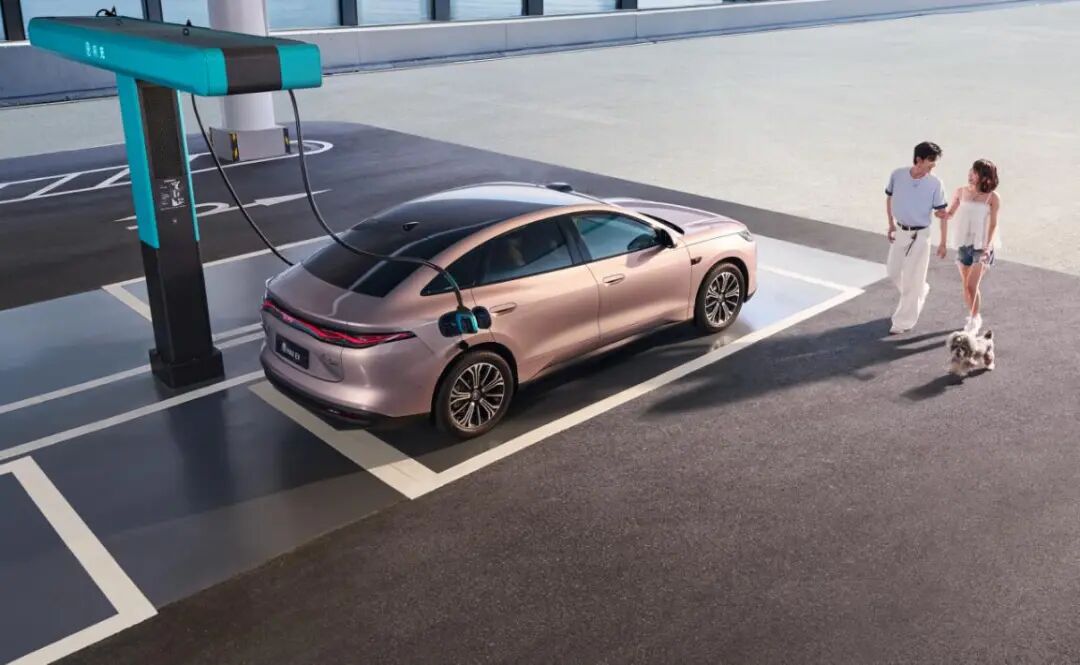
While its dimensional advantage is a surface attraction, the Qin MAX's true core strength lies in democratizing advanced technology. The pure electric version comes standard with second-generation blade batteries and flash charging technology, with the long-range version offering a CLTC pure electric range of 630 kilometers. Official recharging data indicates that under normal ambient temperatures, it can charge from 10% to 70% in 5 minutes and from 10% to 97% in 9 minutes. Even in -30°C low-temperature environments, charging time increases by only 3 minutes.
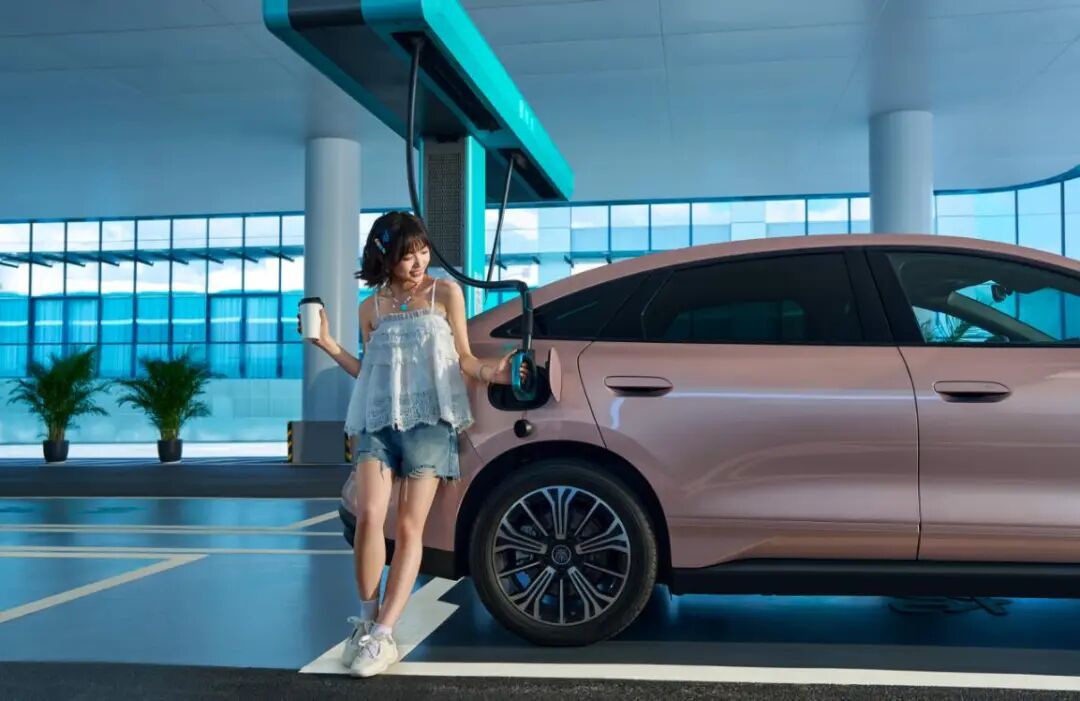
This recharging speed closely rivals the time cost of refueling a gasoline vehicle, forming the core basis for BYD's promotion of "flash charging to eliminate range anxiety." The supporting recharging network is also expanding, with 7,018 flash charging stations built nationwide covering 325 cities, laying the foundation for a practical flash charging experience; otherwise, impressive parameters would remain just theoretical data.
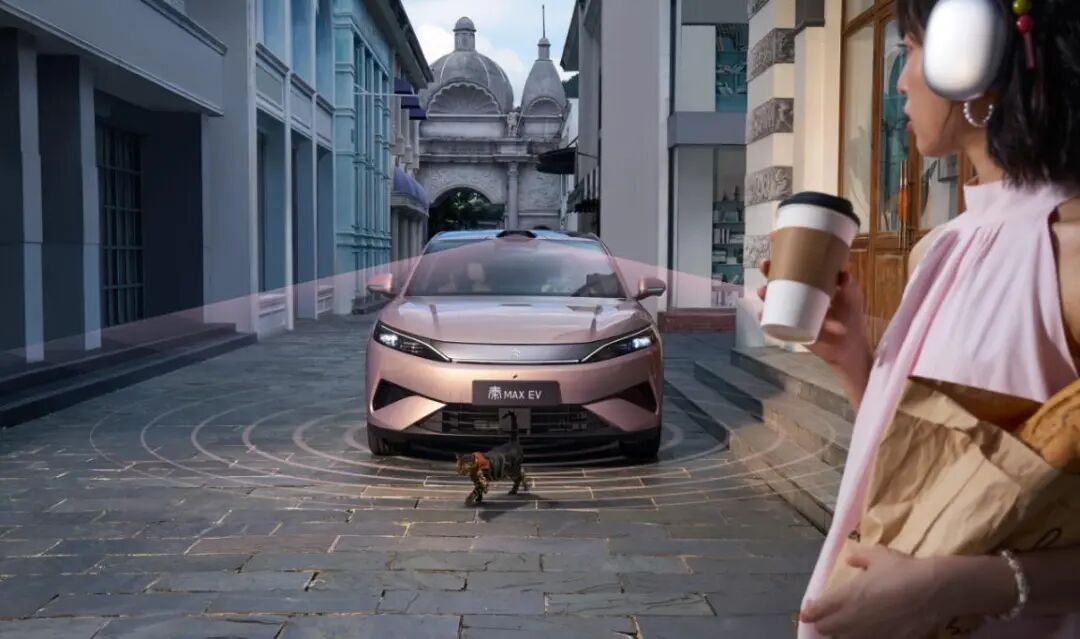
In terms of intelligent driving, the Qin MAX offers an optional "Celestial Eye B" assisted driving laser version, equipped with the Celestial Eye 5.0 system, supporting urban navigation, highway navigation, and all-scenario parking. BYD also provides a commitment to urban navigation safety. The chassis hardware is equally impressive, featuring a front double-ball-joint MacPherson and rear five-link independent suspension, paired with the Yunchan-C intelligent damping control system and TBC high-speed tire blowout stabilization system, placing it in the top tier of hardware specifications within its price range.
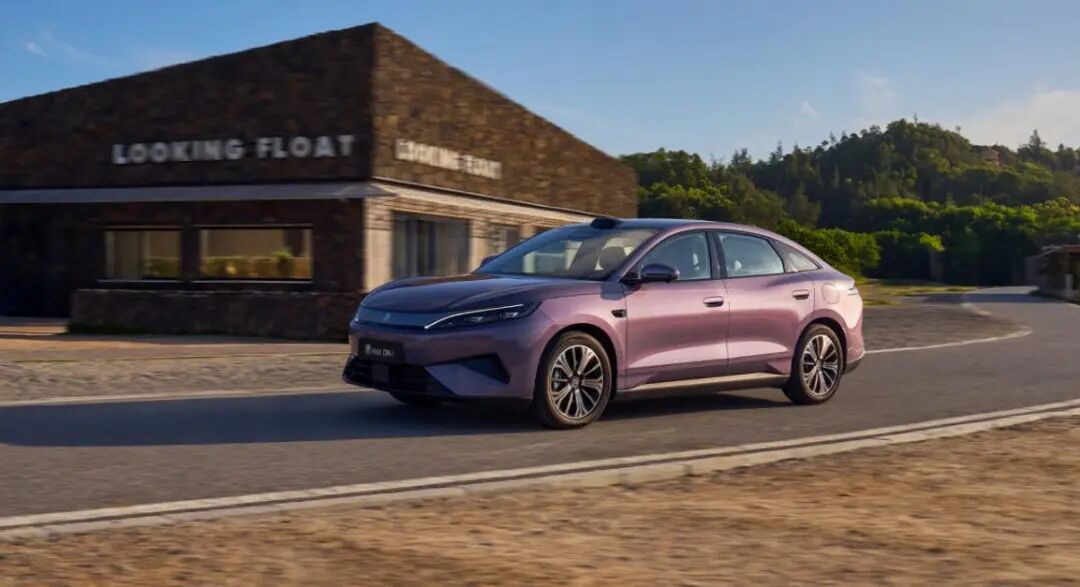
It must be objectively stated that while technology democratization is positive, actual experience cannot be judged solely by parameters. Flash charging speed is significantly affected by ambient temperature and charging station power; users in third- and fourth-tier cities with limited flash charging stations may find this feature's practical usage rate reduced. The specific execution standards and applicability of the intelligent driving safety commitment also require more real-world scenarios for validation and cannot be directly equated with "complete peace of mind."
The Qin Family Embraces a Youthful Transformation
As a national family sedan IP with cumulative sales exceeding 2.9 million units, the Qin family has traditionally been perceived as "energy-efficient, reliable, and practical for home use." However, the Qin MAX, from its positioning to marketing, clearly targets a younger demographic. It offers six basic color options plus three dual-tone body colors, along with two interior color schemes, catering to young people's desire for personalized expression through color differentiation. Zhang Jingyi has been chosen as the spokesperson, and cross-industry collaborations with Maidong Electrolyte promote the "dual replenishment for people and vehicles" flash charging concept, generating buzz among young circles.

The "Didi Shrimp" AI agent in the cabin supports colloquial commands and fuzzy search, tailored to young users' habits. The DM-i version also addresses young users' pain points, with a 320-kilometer pure electric range fully covering daily commutes, a 2370-kilometer combined range alleviating long-distance travel anxiety, and an NEDC fuel consumption of 2.59L per 100km under battery depletion, keeping usage costs low and balancing daily electric savings with long-distance fuel convenience.
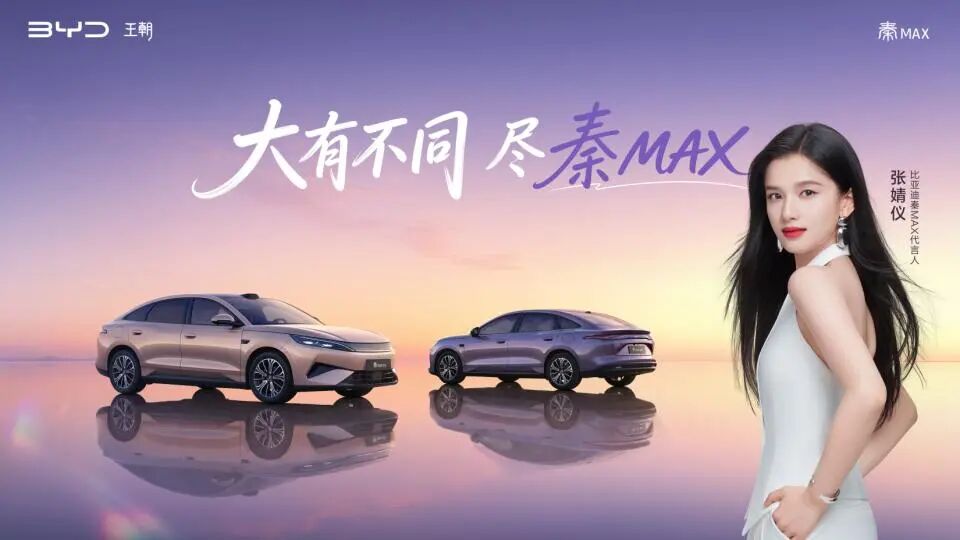
To be honest, youth appeal cannot be achieved simply by changing spokespeople or adding color options. The Qin family has deep roots in the family sedan market, with a user base skewed towards practical families, making it challenging to completely reverse this established image. However, BYD's strategy is clear from the product pricing and configuration: using the Qin PLUS to defend the entry-level family sedan market while expanding upwards with the Qin MAX to capture the young demographic's first B-Class sedan, aiming to cover both segments.
Overall, the launch of the Qin MAX essentially represents BYD's use of a mature technological framework to deliver dimensional reduction benefits. By packaging B-Class space, flash charging technology, and advanced intelligent driving configurations into the RMB 100,000-140,000 price range, this product exerts significant market impact in today's landscape.
Whether it can continue the Qin family's sales legend and truly become the preferred B-Class sedan for young people will ultimately be determined by the market and real users. After all, for ordinary consumers, attractive specifications are one thing; daily driving comfort and hassle-free usage are the most practical criteria for evaluation.
-
![]()
What If the AI Bubble Bursts Completely...
-
![]()
Why is Robot Phone important to Honor?
-
![]()
Why is Robot Phone important to Honor?
-
Will WeChat Agent Replicate the Bidding Ranking Model, Bypassing Search?
-
![]()
Did Zhong Shanshan Make a Mistake?
-
![]()
Flash Charging and 'Celestial Eye': Standard Features in Qin MAX, Positioned to Challenge B-Class Sedans
-
![]()
Wey's Quandary: Can't Afford to Lose Blue Mountain, Yet V Series Struggles to Gain Ground
-
![]()
Google AI Sees Personnel Turmoil: Full-Stack as a Moat, but Also a Source of Conflict