Chery Enters Korean Market with $75 Million Investment: A Strategic Model Combining Defense and Offense
 08/14 2026
 498
498
Lead | Introduction
Chery has formed a strategic partnership with South Korea's KG Mobility (KGM), pioneering a lower-risk model for global expansion that differs from previous full acquisitions or controlling operations. While "going global" involves risks, Chinese automakers are actively seeking effective strategies to mitigate or avoid these challenges as they accelerate their international presence.
Produced by | Heyan Yueche Studio
Written by | Zhang Dachuan
Edited by | He Zi
Full text: 2,556 characters
Reading time: 4 minutes
Recently, Chery Automobile and South Korea's KG Mobility (KGM, formerly SsangYong Motor) signed a strategic investment agreement in Seoul. Under the agreement, Chery will invest $75 million to subscribe to convertible bonds issued by KGM. If Chery chooses to fully convert these bonds into equity upon their maturity in 2029, it will hold approximately 10% of KGM's shares, becoming the company's second-largest shareholder.
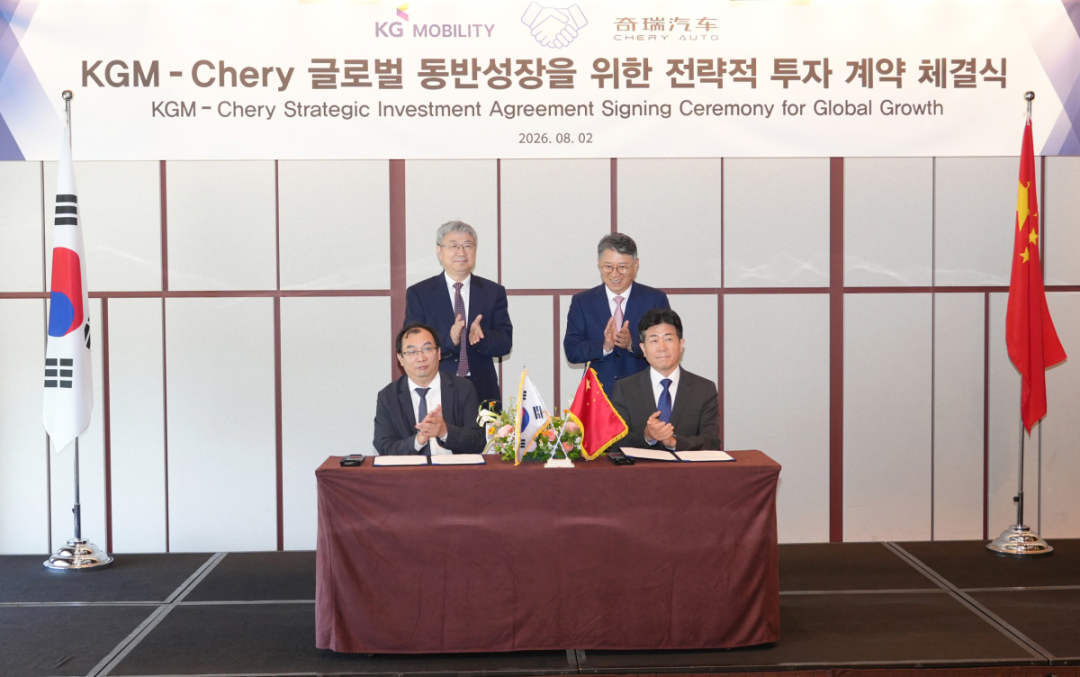
△ Chery Automobile and South Korea's KG Mobility signed a strategic investment agreement in Seoul, South Korea
Industry insiders familiar with the development history of China's automotive sector know that in 2004, SAIC invested $500 million to acquire a 51.33% stake in SsangYong Motor, gaining absolute control over the company. This marked the first overseas vehicle holding merger and acquisition by a domestic automaker. However, this highly anticipated cross-border integration faced multiple setbacks, including clashes in management philosophies between Chinese and foreign teams, strikes by South Korean labor unions, the global financial crisis, and consistently poor sales of vehicle models. In 2009, SsangYong filed for bankruptcy protection, resulting in cumulative losses exceeding 4 billion RMB for SAIC, which ultimately withdrew in disappointment. More than a decade later, as Chery engages with SsangYong Motor, what are the core differences between its investment strategy and SAIC's controlling acquisition?
SsangYong Urgently Needs a New Backer
KGM (formerly SsangYong Motor) is currently under significant operational pressure. In 2025, KGM's annual sales reached 110,535 units, a scale insufficient to achieve meaningful economies of scale. Of this, only 40,249 units were sold domestically in South Korea, indicating a trend toward marginalization. In the South Korean automotive market, the Matthew effect continues to intensify. Hyundai-Kia's market share has steadily risen, nearly forming a monopoly. In contrast, the combined market share of KGM, Renault Korea, and GM Korea has plummeted from 24.4% in 2016 to just 7.25% in 2025.
△ The Matthew effect intensifies in the South Korean automotive market
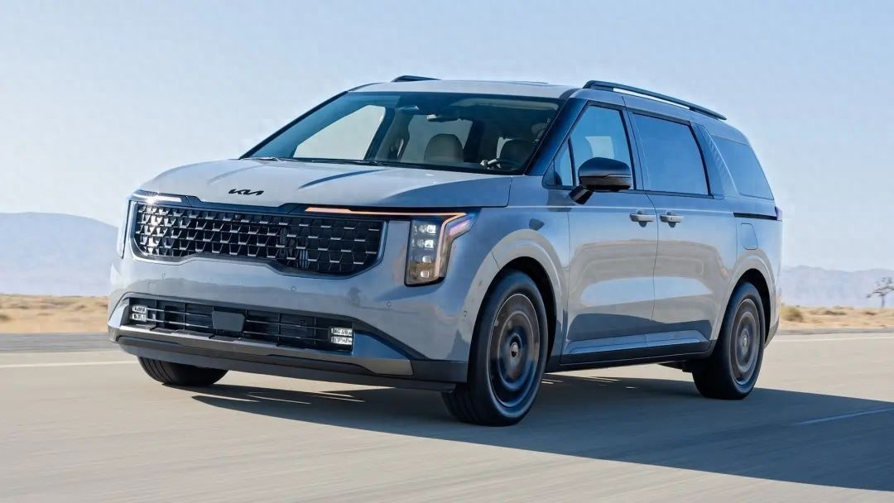
Under these severe market conditions, KGM urgently requires external support to break through. Partnering with Chery to focus on new energy and intelligent connected vehicles presents an efficient path forward. By leveraging Chery's mature technologies, KGM can avoid substantial upfront R&D investments while reducing the risk of delays in launching new models due to immature technologies. The two sides have already laid the groundwork for cooperation: In October 2024, they signed a platform licensing agreement, with KGM paying to introduce Chery's T2X vehicle architecture for developing next-generation fuel and hybrid SUVs. In April 2025, the two sides finalized the joint development of the SE-10 mid-size SUV at Chery's Wuhu headquarters. Based on Chery's T2X platform, the new vehicle will offer plug-in hybrid electric vehicle (PHEV) and 2.0L fuel powertrain options, equipped with Chery's EEA 5.1 software-defined vehicle electronic and electrical architecture. Scheduled for launch in January 2027, it will target the South Korean domestic market, Europe, and Southeast Asia. KGM will be responsible for the vehicle's interior and exterior design, chassis driving performance, and powertrain tuning. In the medium to long term, the two sides plan a second jointly developed model for key global markets, including China, South Korea, and Europe, expanding technical cooperation to software-defined vehicles (SDVs), next-generation electronic and electrical architectures, autonomous driving, and new energy powertrains.
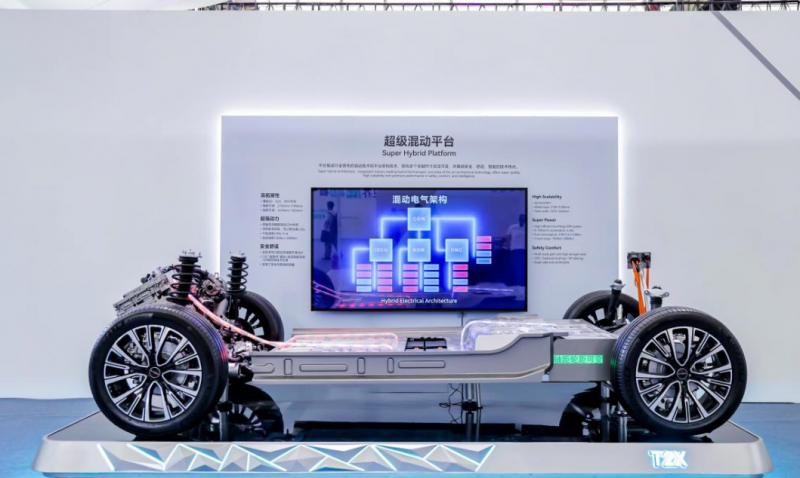
△ Chery will export its leading T2X platform to KGM
In the South Korean market, KGM is not the first to introduce technologies from Chinese automakers. In 2022, Geely acquired a 34% stake in Renault Korea. In addition to producing the Polestar 4 at Renault's Busan plant for domestic and overseas markets, Renault Korea leveraged Geely's CMA platform to develop the Grand Koleos. This model sold 40,877 units in South Korea in 2025, accounting for 78.2% of Renault Korea's domestic sales that year and becoming its flagship model.
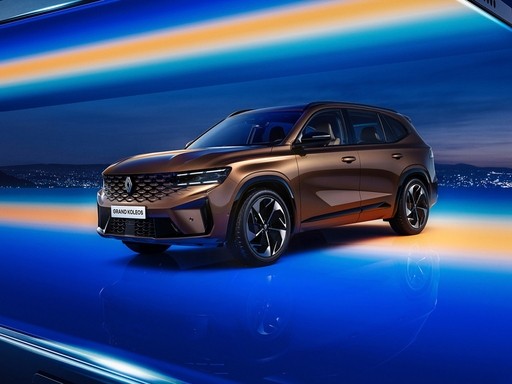
△ Renault Korea achieves significant success with the Grand Koleos built on Geely's CMA platform
Chery Secures a New Piece in the South Korean Market Puzzle
Despite KGM's overall operational challenges, it holds irreplaceable value for Chery.
In July 2026, Chery Group exported 202,533 new vehicles, a year-on-year increase of 70.1%, setting a new record for monthly exports by a Chinese automaker for five consecutive months while becoming the first domestic automaker to exceed 200,000 monthly exports. In 2025, Chery's annual exports reached 1.344 million units, up 17.4% year-on-year, maintaining its position as China's top exporter of branded passenger vehicles for 23 consecutive years. However, Northeast Asia has long been a gap in Chery's global layout. Through its strategic cooperation with KGM, Chery can efficiently enter the highly competitive South Korean passenger vehicle market at a lower cost.
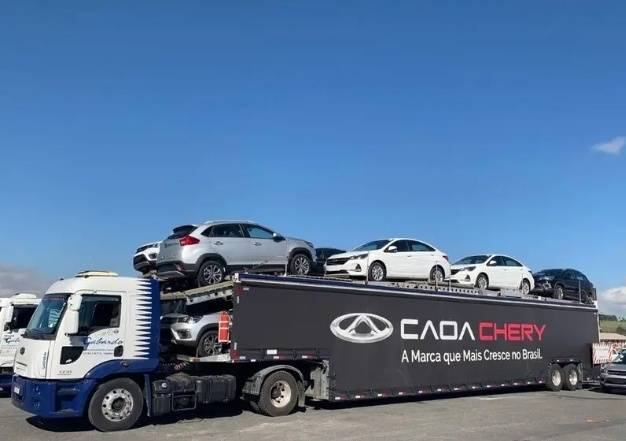
△ Chery's global strategy will fill the gap in South Korea
According to statistics from South Korea's Ministry of Trade, Industry and Energy (MOTIE), domestic new vehicle sales in South Korea reached 1,680,110 units in 2025, up 3.3% year-on-year. New energy vehicles (NEVs) emerged as the core driver of market growth, with annual sales of 813,000 units, a 25% increase. The NEV sector offers significant opportunities and provides ample space for Chery to export its electrification technologies. In the first half of 2026, new electric vehicle (EV) registrations in South Korea surged by 112.5% year-on-year, while the market share of domestic EVs fell to 57.5%. Overseas brands such as Tesla and BYD continued to gain ground, with Chinese-branded EVs accounting for 35% of South Korea's NEV market. Leveraging their technological and cost advantages, Chinese automakers are poised to make sustained breakthroughs in South Korea's NEV market.
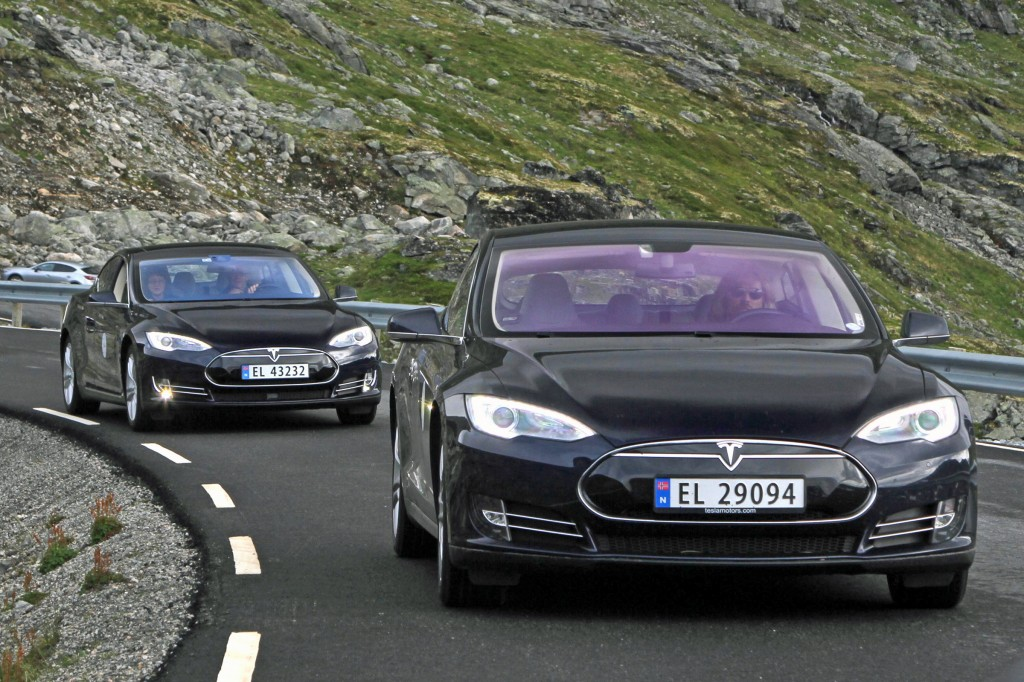
△ Foreign automakers, led by Tesla, continue to gain market share in South Korea's EV sector
Additionally, KGM's well-established global distribution network will serve as a crucial pivot for Chery's overseas expansion. In 2025, KGM's export sales reached 70,286 units, up 12.7% year-on-year, marking an 11-year high. In the first half of 2026, its global sales exceeded 55,000 units, with exports accounting for nearly 60%. These achievements rely on KGM's decades-old dealer networks in Europe, the Middle East, and Latin America. On one hand, Chery can leverage KGM's mature overseas channels to launch its products. On the other hand, the 'Made in Korea' identity helps circumvent tariff barriers in multiple countries, accelerating the global reach of Chery's technologies and products, particularly in advanced economies.
Is Chery Guaranteed a Win?
Chery and KGM's cooperation explores an innovative model of 'technology licensing + minor convertible bond equity participation + no pursuit of control,' blazing a new trail for Chinese automakers' globalization.
Global automotive trade barriers continue to rise, making overseas factory construction not only capital-intensive and long-return but also subject to uncertainties in national industrial policies. Taking the European and U.S. markets as examples, political transitions often lead to sharp shifts in industrial policies, risking billions of yuan in previous investments by companies. In contrast, Chery's $75 million investment is manageable in scale, and the convertible bond structure offers flexible entry and exit options: If collaboration falls short of expectations, Chery can recover its principal upon bond maturity. If cooperation proves effective, it can choose to convert the bonds into equity for deeper alignment, keeping overall financial risks low. Locking in long-term technological and channel synergies with limited funds represents an exceptionally favorable risk-reward structure for Chery.
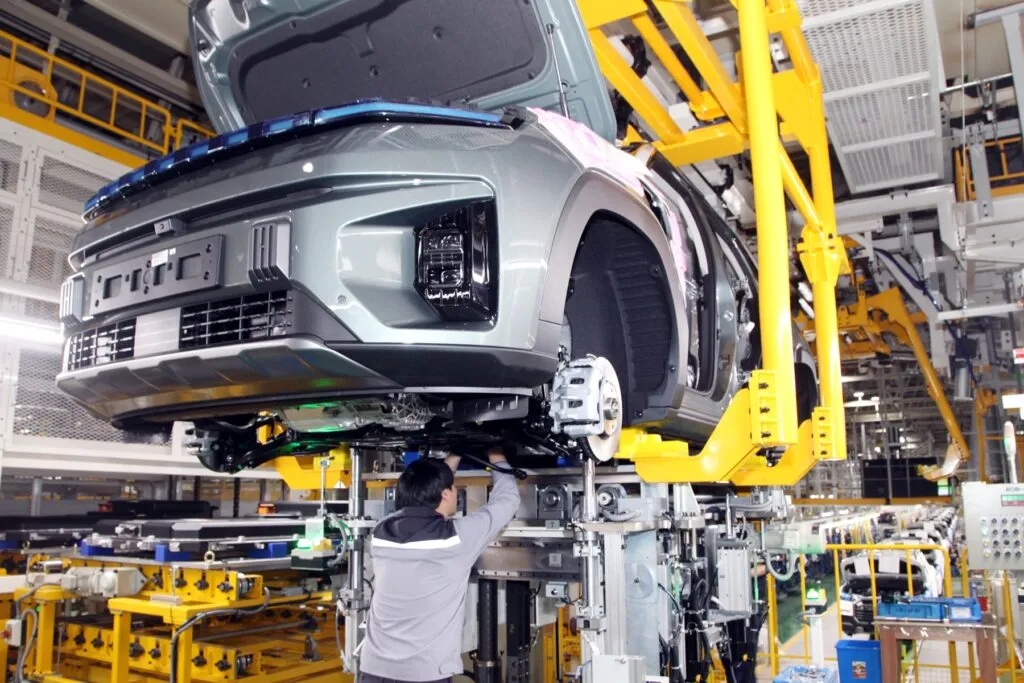
△ KGM's factories become a crucial link for Chery's expansion into South Korea and global markets
Clearly, Chery has fully absorbed the lessons from SAIC's investment in SsangYong. After completing the convertible bond investment, Chery will not intervene in KGM's daily operations, avoiding risks such as labor-management conflicts and power struggles that plagued SAIC during its controlling stake period. For Chery, the core objective is to export its proprietary technologies and scale up technology monetization. KGM, however, is unlikely to provide critical technological empowerment to Chery in reverse, marking a fundamental difference from cases like Geely's acquisition of Volvo, where Geely fully absorbed Volvo's R&D system and extensive patents.
Thus, Chery's subscription to KGM's convertible bonds primarily confirms their existing technological cooperation while laying the groundwork for medium- to long-term synergies. The trajectory of future cooperation depends on two key factors: whether KGM's global channel resources can continuously generate tangible benefits for Chery, and whether KGM can sustainably unlock greater collaborative value. If synergies remain positive, Chery may increase its investment. Should disagreements arise, Chery can opt to recover its creditor's rights upon maturity and pivot flexibly to other potential global partners.
Commentary
Chery's investment in KGM represents a cautious strategy informed by historical lessons. By avoiding the management quagmire of holding stakes, generating revenue through technology exports, and retaining flexibility via convertible bonds, it significantly reduces overseas investment risks. However, the realization of cooperative value hinges on the effectiveness of technology implementation and channel synergies. This collaboration holds significant implications, offering Chinese automakers a new reference paradigm for going global.
(This article is original to Heyan Yueche and may not be reproduced without authorization.)
-
![]()
Seed has its own sense of mission
-
![]()
After 600 Days at the Helm, Li Jian Leads Honor to Launch a Phone Beyond Huawei’s Realm
-
![]()
The 'Lin Junyang Phenomenon' in AI Venture Capital
-
![]()
JD's Profit Increases While Revenue Stagnates: What is Liu Qiangdong After?
-
![]()
Creating "Liquid Lenses" with 70-Millisecond Focal Length Switching: Is XR Headset Zooming on the Horizon?
-
![]()
Xingyun Technology’s Remarkable Surge Over the Past Six Months
-
![]()
Chery Enters Korean Market with $75 Million Investment: A Strategic Model Combining Defense and Offense
-
![]()
JD Delivers an 'Above Expectations' Earnings Report, but the Market Doesn't Buy It