Wei Brand V8X Unveiled: Can Great Wall Overcome the High-End Market Challenge?
 08/17 2026
 441
441
Author | Haotian
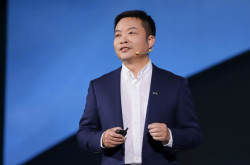
On August 14, 2026, Wei Brand hosted a new product launch event, introducing its flagship large five-seater SUV, the Wei Brand V8X. Built on the advanced Guiyuan platform, the V8X features the cutting-edge Super Hi4 hybrid system, is equipped with the Thor-U assisted driving processor, supports the VLA large model, and is priced between 239,800 and 315,800 yuan.
The Wei Brand V8X is not the inaugural product in Wei Brand's V series. Three months prior, Wei Brand reintroduced the V series with the 9-series flagship SUV, the Wei Brand V9X, priced between 349,800 and 389,800 yuan. This model received personal endorsement from Wei Jianjun, the founder and chairman of Great Wall Motors.
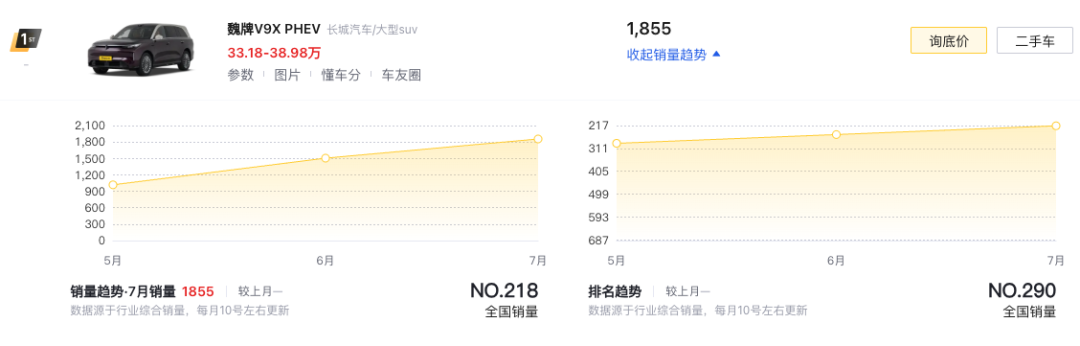
Image Source: DCD Auto
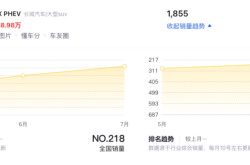
During its initial market release, the Wei Brand V9X garnered significant attention but failed to translate this into substantial sales. Data from DCD Auto reveals that from May to July 2026, the V9X sold 1,018, 1,505, and 1,855 units, respectively. Despite a steady increase in sales, these figures remain far below those of competitors like the Leapmotor D19, AITO M9, and Li Auto L9.
Indeed, the limited sales scale of the Wei Brand V9X is a microcosm of Wei Brand's overall underperformance in the market. Named after Wei Jianjun's surname, Wei Brand represents Great Wall's aspirations to break into the high-end market. However, nearly a decade after its inception, the brand has not only failed to establish a strong foothold in this segment but its continuous investments have also, to some extent, increased the cost of Great Wall Motors' high-end transformation.
01
Nine CEOs in a Decade: Wei Brand's Fluctuating Positioning
Backed by Great Wall Motors, Wei Brand made a promising start.
Around 2017, Wei Brand capitalized on the consumption upgrade trend in China's 150,000-200,000 yuan SUV market, launching the highly cost-effective VV7 and VV5 series models, which successfully opened up the market. From 2017 to 2018, Wei Brand's sales reached 86,400 and 139,500 units, respectively.
However, unlike most automotive brands that maintain a consistent and forward-looking development strategy and achieve economies of scale through refined operations of mature product lines, Wei Brand has frequently adjusted its brand positioning and flagship products.
Initially, Wei Brand positioned itself as the "Pioneer of China's Luxury SUVs." Around 2021, to align with the new energy trend, it adopted the slogan of the "New Generation of Intelligent Vehicles" and is now branded as a "High-End Intelligent New Energy Brand."
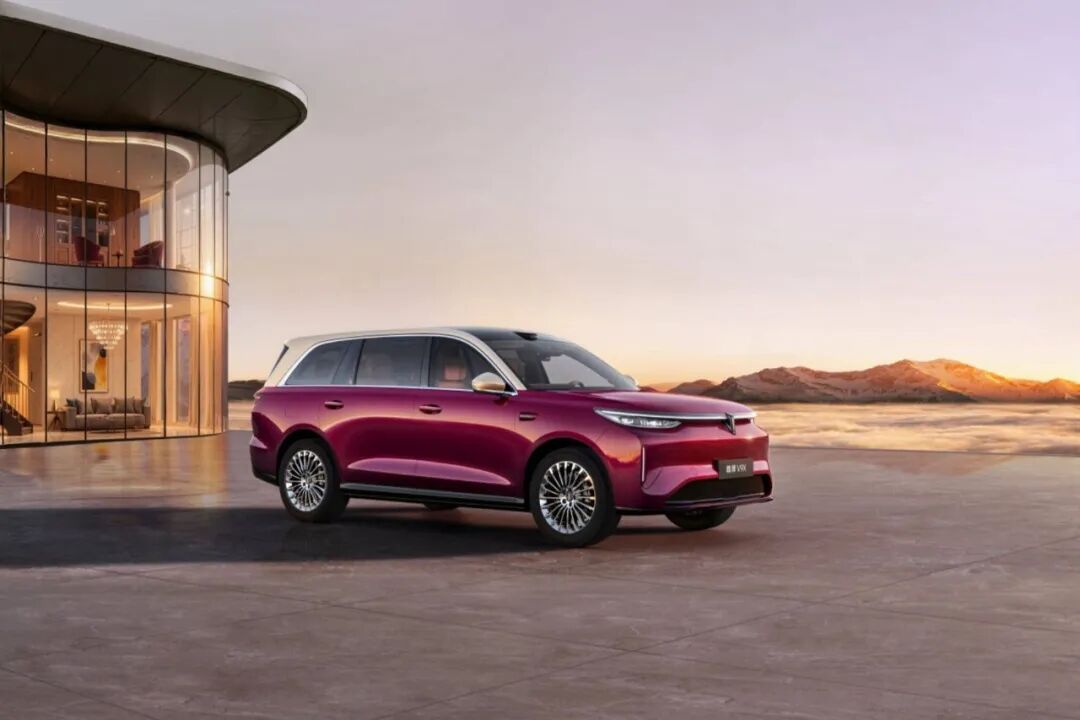
Image Source: Great Wall Motors
Correspondingly, Wei Brand's flagship products have also undergone several transformations. Around 2021, the VV series was discontinued, and Wei Brand shifted its focus to promoting models like Mocha, Latte, and Macchiato under its "Coffee Series." After 2023, the brand turned its attention to the Blue Mountain and High Mountain models. In 2026, Wei Brand reintroduced the V series, unveiling models like the V9X and V8X.
Due to its inability to make a significant impact in the new energy vehicle (NEV) sector, Wei Brand has experienced frequent leadership changes. Over the past decade, Wei Brand has had nine CEOs, with each averaging only about a year in office.
In response, Wei Jianjun stated, "Some say that we (Wei Brand) have had quite a few CEOs, and that's indeed the case. It's not that we dismissed them; they felt the pressure was too great."
On the other hand, since each executive had different understandings of products, channels, and innovation, these frequent leadership changes have led to several shifts in Wei Brand's strategic planning, making it difficult to accumulate long-term brand assets.
In contrast, Li Auto, which also targets the luxury SUV market, not only boasts a more stable core management team but has also, since its inception, focused on family vehicle scenarios, creating hit products through a "Russian nesting doll"-style product strategy. It has established a distinct brand identity and become a leading player in the NEV sector.
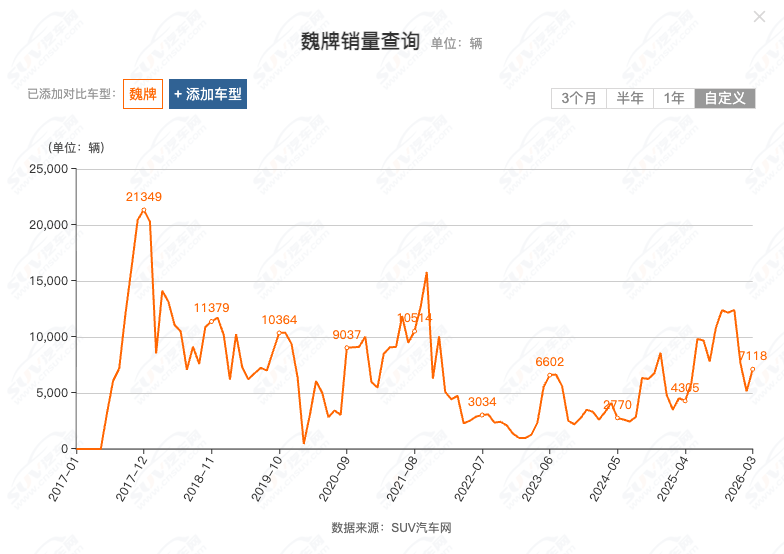
Image Source: SUV Auto Network
Data compiled by SUV Auto Network shows that as of March 2026, Li Auto's cumulative sales reached 1,604,900 units, while Wei Brand's cumulative sales were only 751,800 units, less than half of Li Auto's.
Reflecting on Wei Brand's development, it's challenging to determine whether poor product performance led to CEO changes or if frequent CEO replacements resulted in a lack of product competitiveness. However, it is clear that frequent executive turnover and repeated adjustments to brand positioning have caused significant internal friction, making each new product launch by Wei Brand feel like starting from scratch.
02
Flagship Models Fail to Dilute Costs: Great Wall's Growth Becomes Increasingly Costly
Despite Wei Brand's lack of breakthrough, Great Wall Motors' revenue continues to grow, thanks to its multi-brand, multi-product line strategy.
Financial reports indicate that in 2025 and Q1 2026, Great Wall Motors' revenues were 222.824 billion yuan and 45.109 billion yuan, respectively, up 10.2% and 12.72% year-over-year.
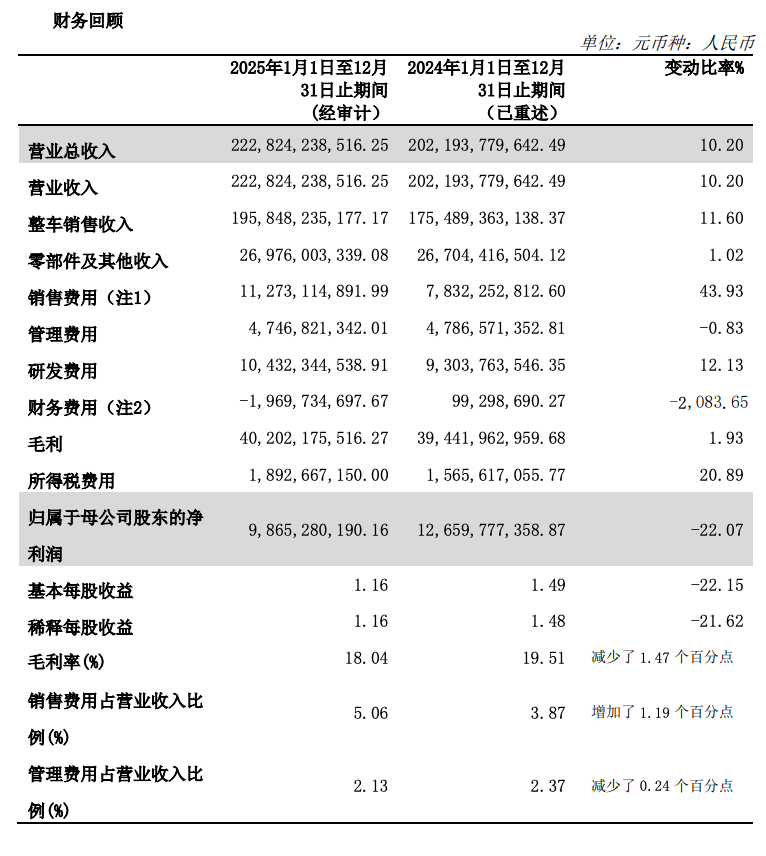
Image Source: Great Wall Motors 2025 Financial Report
However, in stark contrast to revenue growth, Great Wall Motors' profit margins continue to narrow. In 2025, Great Wall Motors' comprehensive gross margin was 18.04%, down 1.47 percentage points year-over-year. The gross margin for its automotive business was 17.29%, down 2.18 percentage points. During the same period, net profit attributable to shareholders was 9.865 billion yuan, down 22.07% year-over-year.
Great Wall Motors' struggle with "increasing revenue but decreasing profits" is closely related to the rising channel, marketing, and new product promotion investments in its high-end transformation process. Due to the failure of high-end brands like Wei Brand to achieve economies of scale, Great Wall Motors' massive investments are difficult to dilute, thus squeezing profit margins.
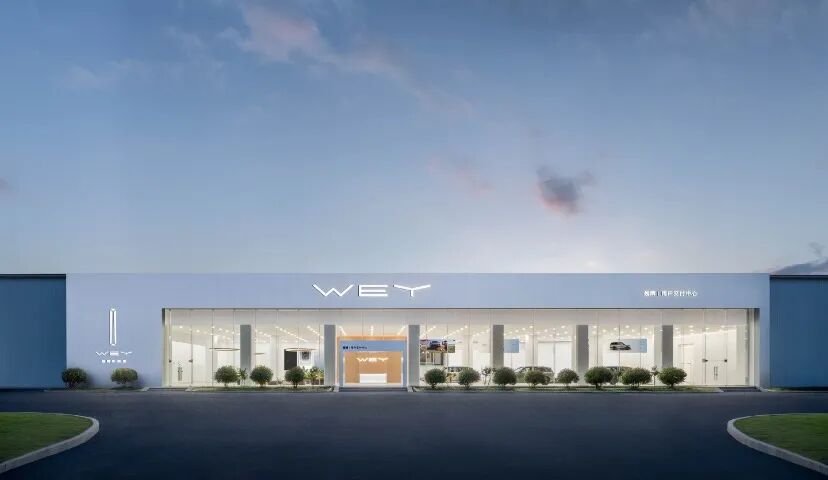
Image Source: Great Wall Motors
For example, in 2025, Great Wall Motors' selling expenses were 11.273 billion yuan, up 43.93% year-over-year, higher than revenue growth. The selling expense ratio was 5.06%, up 1.19 percentage points year-over-year, primarily due to the company's acceleration in building new direct-to-consumer channel models and increased marketing for new models and technologies.
Continuous increases in advertising, store openings, and personnel investments have not yielded matching performance, indicating that Wei Brand's brand momentum is highly dependent on external spending and has not yet formed a virtuous cycle driven by product reputation and brand recognition.
Looking ahead, if Wei Brand cannot establish a foothold in the high-end market and achieve economies of scale through its products and brand, Great Wall Motors' profitability may face further pressure.
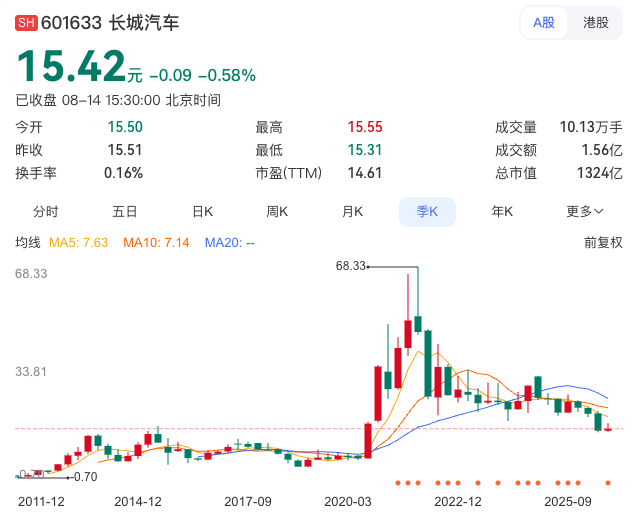
Image Source: Baidu
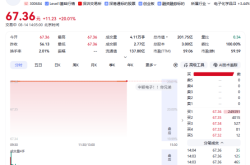
In tandem with the stalled progress in high-end branding, Great Wall Motors' stock price has also significantly declined from its peak. After reaching a high of 68.33 yuan per share at the end of 2021, Great Wall Motors' A-share price has generally trended downward, closing at 15.42 yuan per share on August 14, 2026, a staggering 77.43% decline.
While stock price changes are influenced by multiple factors such as market conditions, industry cycles, and company performance and cannot be simply attributed to Wei Brand, Great Wall's delayed high-end transformation and its failure to demonstrate stronger profitability have undoubtedly weakened investor confidence.
03
Technology Continues to Trickle Down: What Supports Wei Brand's Premium?
To enhance Wei Brand's product competitiveness, Great Wall Motors has, over the past few years, allowed Wei Brand to premiere cutting-edge technologies like Hi4, VLA, and Guiyuan.
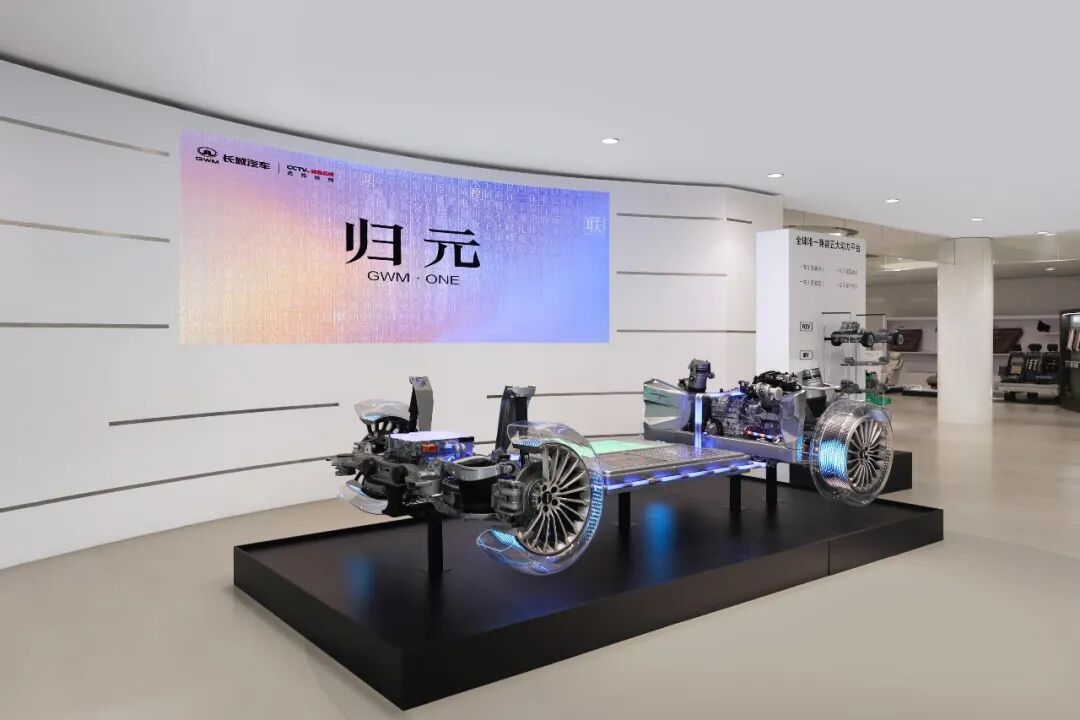
Image Source: Great Wall Motors
However, due to Wei Brand's difficulty in gaining market traction, Great Wall Motors has not limited its new technologies to Wei Brand but has gradually rolled them out to other product lines. For example, the Guiyuan platform used in the Wei Brand V9X and V8X is highly compatible and can cover seven major categories, including sedans, urban SUVs, and off-road-capable SUVs.
Reusing the same technology across multiple product lines can expand the scale of technology application and dilute R&D costs, but it also weakens Wei Brand's uniqueness.
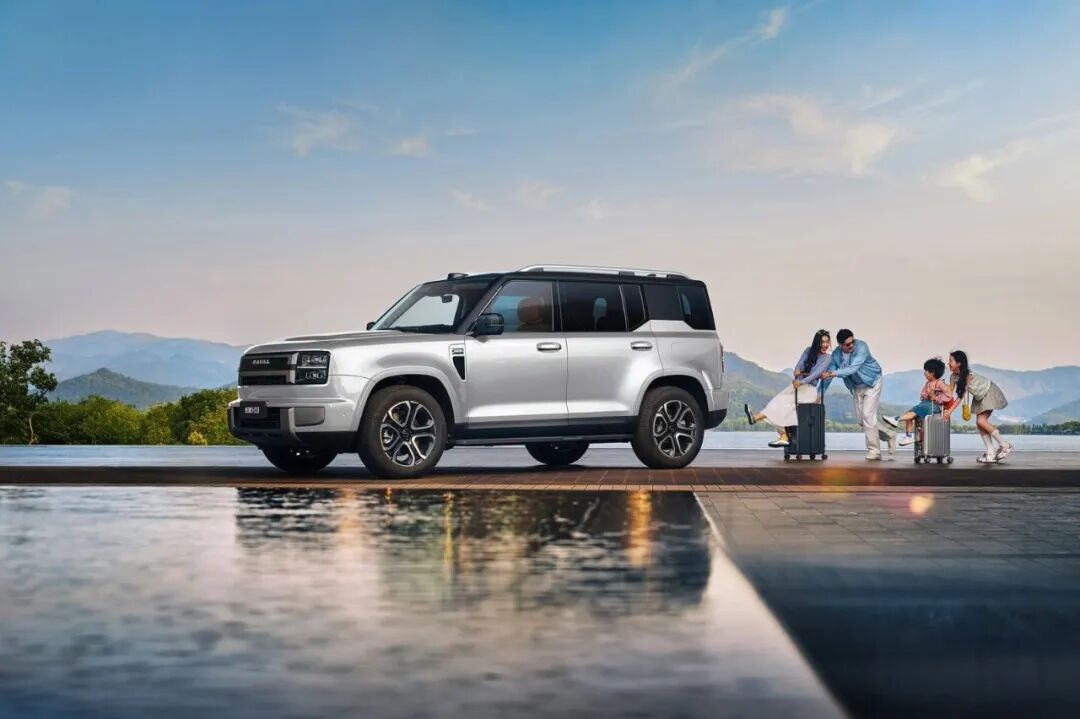
Image Source: Great Wall Motors
On August 6, 2026, Great Wall Motors launched the boxy SUV Great Wall H10, built on the Guiyuan platform, with a starting price of just 209,800 yuan, 30,000 yuan lower than the Wei Brand V8X.
While the Great Wall H10 and Wei Brand V8X do not have identical positioning, configurations, or powertrains and cannot be simply described as "rebadged alternatives," their shared platform poses a dilemma for Wei Brand. When flagship platforms and an increasing number of core technologies begin to trickle down to affordable models, where does Wei Brand's premium come from?
In contrast, while BYD also aims to share underlying capabilities like batteries, electric drives, and electronic control across its product lines, it has simultaneously established a clear configuration hierarchy to maintain the premium capabilities of its high-end product lines.
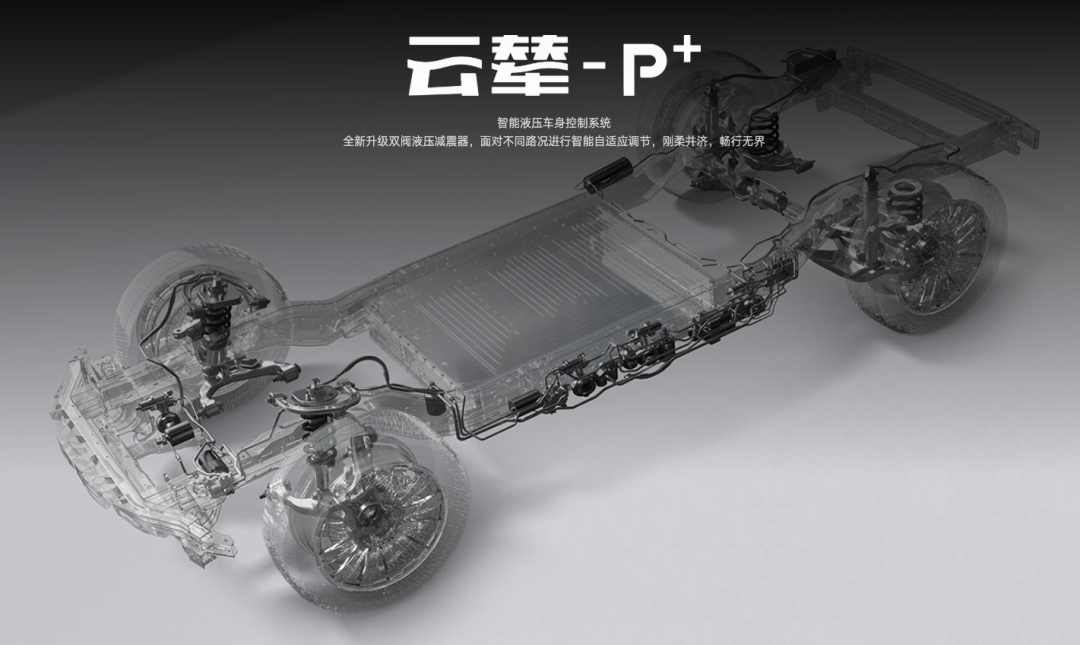
Image Source: BYD
For example, the Yunlian system includes products like Yunlian-C, Yunlian-A, and Yunlian-P. Among them, the Yangwang U8, with a starting price of 1.008 million yuan, is equipped with Yunlian-P, supporting 150mm suspension adjustment, dual-valve hydraulic bidirectional adjustment, and over 300,000 cycles of durable lifting, providing a significantly different user experience from affordable models.
Despite its high price, the Yangwang U8 has established a foothold in the million-yuan market, thanks to its relatively distinct technological identity. In April 2025, Yangwang's cumulative sales exceeded 10,000 units, making it the first domestic million-yuan automotive brand to achieve this milestone.
Clearly, what Wei Brand truly needs to address is not a binary choice between "technological exclusivity" and "technological trickle-down" but finding the right balance between technological scalability and high-end product differentiation.
For Wei Brand, the real challenge is not a lack of technology but how to translate technology into brand value that consumers are willing to pay for.
In the era of internal combustion engine vehicles, high-end brands primarily relied on technological barriers like engines, platforms, and mechanical quality to establish differentiation. However, in the NEV era, core technologies like batteries, electric drives, intelligent cockpits, and assisted driving are rapidly becoming ubiquitous, leading to increasing product homogenization. For traditional automakers, avoiding the dilution of high-end brand value through "technological inclusivity" has become a new challenge.
Great Wall Motors' problem is not its inability to create high-end products; from the Hi4 hybrid system to the Guiyuan platform, it has deep technological accumulations. However, there is no simple linear relationship between technological capabilities and brand premium. An advanced platform can enhance the product competitiveness of all models but cannot automatically create a high-end brand.
The twists and turns of Wei Brand over the past decade are essentially a microcosm of Chinese automotive brands' attempts to break into the high-end market. For domestic brands, relying solely on configuration stacking and price advantages to achieve brand elevation is becoming increasingly difficult. True high-end branding requires a long-term synergy of technology, products, user perception, and brand culture.
For Great Wall Motors, the Wei Brand V9X and V8X demonstrate the company's continued technological capabilities for upward mobility. However, the more critical question for the future is whether it can present a brand worthy of long-term trust to consumers beyond technology.
If Wei Brand continues to fail to convert technological investments into stable brand premiums, the more flagship products it launches and the greater the related investments, the more likely Great Wall Motors' high-end transformation will become an endless marathon.
Interactive Topic
What are your thoughts on the frequent changes in Wei Brand's CEOs? How do you perceive Wei Brand vehicles?
This article is original content from Shijiao Farsight and is prohibited from reproduction without authorization.
-
![]()
The "Happiness" of Xpeng
-
![]()
China Mobile: Coping with Tax Hikes and Fee Reductions, Are High Dividends the Sole Pillar?
-
![]()
Wei Brand V8X Unveiled: Can Great Wall Overcome the High-End Market Challenge?
-
![]()
Why Did Musk Set His Sights on Space Computing After Starlink?
-
Major Adjustment! Nokia Plans to Close R&D Center in China, Lay Off 1,600 Employees
-
![]()
Co-Lead Optoelectronics Pours 1.7 Billion Yuan into Investment, Triggering a 20% Surge to Limit-Up!
-
![]()
AI Smartphone Competition: Some 'Add Icing on the Cake,' Others 'Determine Survival'
-
The Irresistible Allure of Extreme Sports vs. The Limited Appeal to the Masses: Why Panoramic Cameras Remain a Niche Product