The "Happiness" of Xpeng
 08/17 2026
 450
450
Porsche's "carbon borrowing" move might seem like a European luxury brand capitulating to China's emerging automotive forces. However, it unveils a more intriguing perspective: foreign automakers are not only "reliant" on Chinese technology, but unexpected revenue streams such as carbon borrowing could become more common for Chinese automakers in the future.
On August 14, an annual update to the EU's carbon emission pool documents disclosed a significant detail: Porsche exited Volkswagen Group's carbon emission pool and entered into a partnership with Xpeng for the 2026-2027 emission pool.
Normally, such documents attract scrutiny only from environmental analysts. But this time, it featured a name that sent shockwaves through the automotive world—Porsche, a subsidiary of Volkswagen Group and a direct investor in Xpeng. In the first half of the year, Porsche's sales of pure electric vehicles in Western Europe plummeted nearly 30% year-on-year, with fleet carbon emissions soaring to 130.2 grams per kilometer—nearly 40 grams above the EU's 93.6-gram threshold. Faced with EU regulations imposing a €95 penalty for every gram over the limit per vehicle, Porsche had no choice but to turn to Chinese automakers for assistance.
From the moment Volkswagen invested $700 million to acquire a 4.99% stake in Xpeng, few anticipated that this investment would yield so many revenue streams for Xpeng three years later. Quarterly technical service fees, CEA architecture licensing fees, and even Porsche's carbon credit payments now flow into Xpeng's coffers.
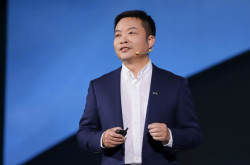
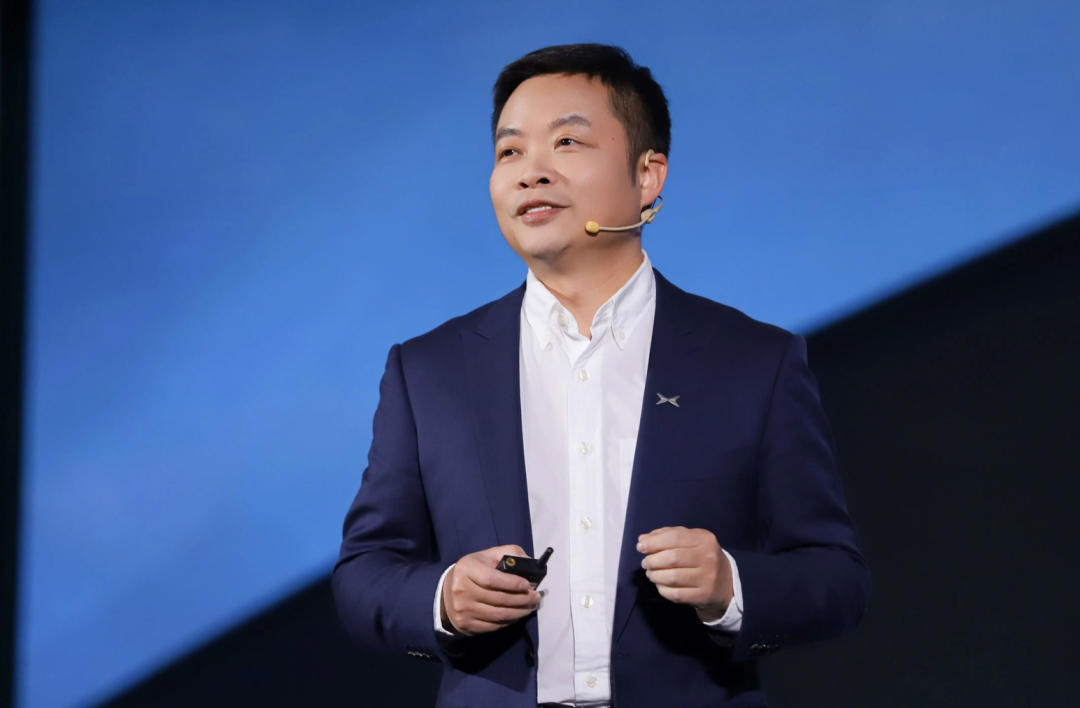
No wonder He Xiaopeng dares to promise another two decades and an additional 50 billion yuan to master physical AI and globalization. This is not just empty talk—it is fueled by Volkswagen's steady stream of orders. Since 2023, Volkswagen has invested enough in Xpeng to fund a new automotive startup from scratch.
Edited by Li Jiaqi
Image source | Internet
1. Earn 20 Billion Yuan in Less Than 5 Years!
If we examine the four years since Volkswagen's 2023 stake acquisition in Xpeng, a clear pattern emerges: Volkswagen's financial support for Xpeng is not a one-time deal but an ongoing stream. Since 2023, Xpeng has received cash inflows from Volkswagen totaling nearly 10 billion yuan, with additional "long-tail" revenues from CMP platform royalties potentially pushing total benefits toward 20 billion yuan. 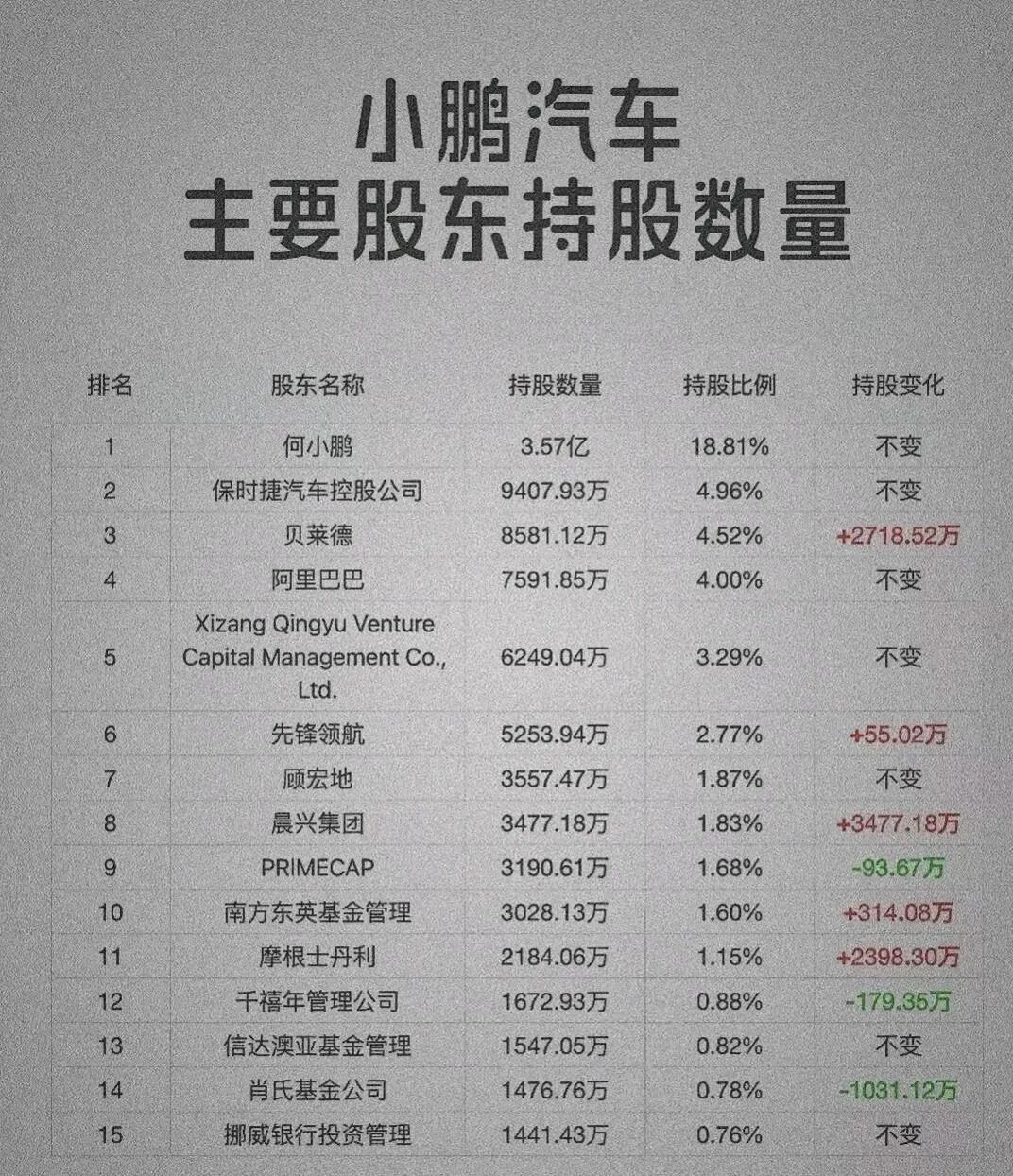
A comparison of Xpeng's financials over the past three years reveals a sudden surge in "service and other income" starting in Q3 2024: from 2.67 billion yuan in 2023 to 5.04 billion yuan in 2024 and 8.34 billion yuan in 2025. Annual reports attribute this growth primarily to technology R&D services provided to an unnamed automaker—Volkswagen.
Industry estimates suggest Volkswagen pays Xpeng approximately 1.3–1.4 billion yuan per quarter in technical service fees. Over eight quarters from Q3 2024 to H1 2026, this totals roughly 10.4 billion yuan. Adding the 5 billion yuan equity investment and expenditures on CEA architecture co-development, platform partnerships, and joint procurement, Volkswagen's cumulative 20 billion yuan expenditure is hardly an exaggeration. 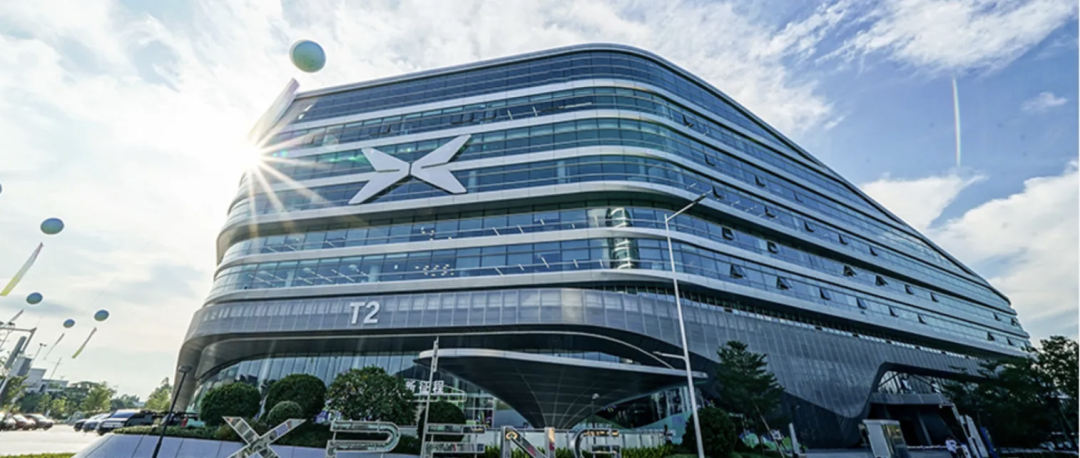
What does 20 billion yuan represent? Based on last year's performance in the new energy vehicle sector, Xpeng could offset losses on par with NIO solely through Volkswagen's B2B revenue. Even compared to profitable peers like Li Auto and Leapmotor, 20 billion yuan equals 17 and 37 years of their respective profits. 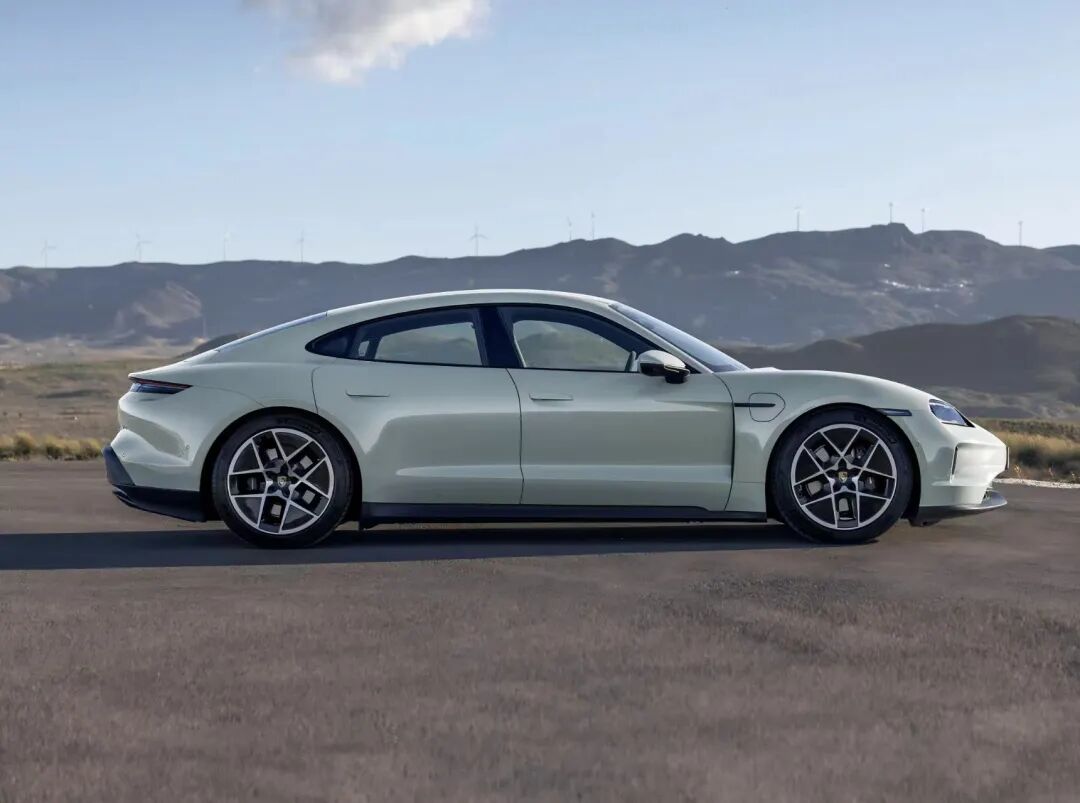
For Xpeng itself, 20 billion yuan could fund an additional two years of R&D at its 2025 total investment level of 9.49 billion yuan. He Xiaopeng stated, "Chinese companies going global need strong partners. We chose Volkswagen, and they chose us—it's a win-win." From this perspective, Volkswagen's investment has been far more than timely support; it's a continuous lifeline.
2. Foreign Capital: The "Booster" for New Forces' Intermittent Profitability
In Q4 2025, Xpeng achieved its first quarterly profit of 380 million yuan, triggering headlines like "New Forces Finally Crack the Code." Three months later, the Q1 2026 financial report showed an 1.87 billion yuan loss.
A 380 million yuan profit followed by an 1.87 billion yuan loss—a 2.25 billion yuan swing.
This isn't "steady improvement" but "intermittent profitability." Where does this intermittency originate? Breaking down Q4's profit structure reveals the answer: service and other income hit 3.18 billion yuan, up 121.9% YoY, with a 70.8% gross margin contributing 2.25 billion yuan in profit. Another 840 million yuan came from government subsidies. In Q1, service revenue retreated seasonally, and subsidies vanished, exposing Xpeng's true position. This intermittent profitability differs from Li Auto's three-year stable streak or Leapmotor's year-long positive cycle, but Xpeng isn't alone among 2025's new forces. 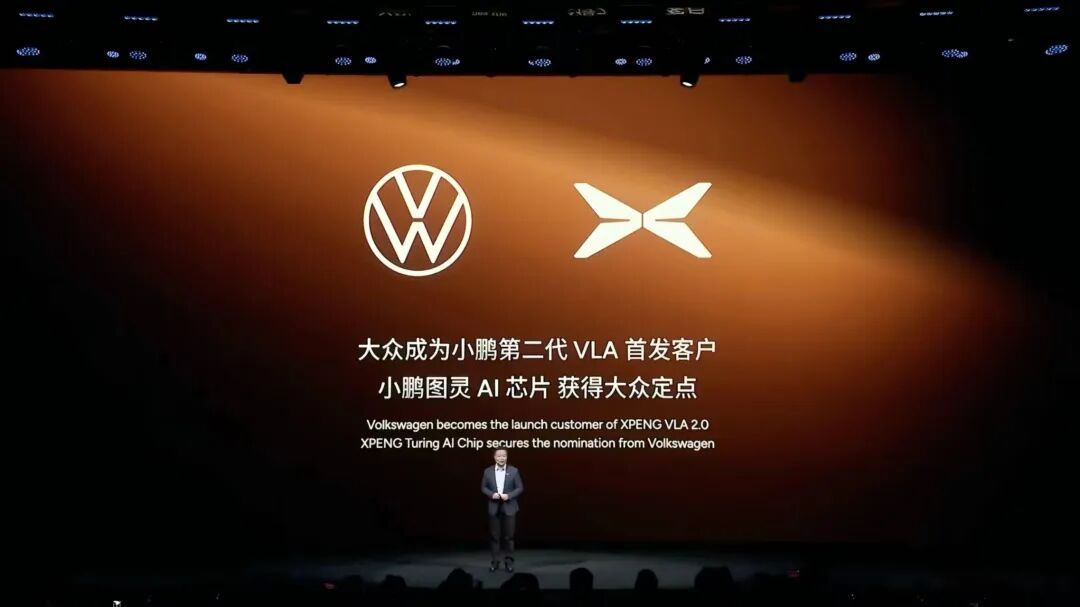
Broadening the perspective, NIO relied on Middle Eastern petrodollars, while Li Auto capitalized on the high margins of extended-range EVs—both external "sources of intermittency." For Xpeng, Volkswagen serves as that intermittent boost.
Volkswagen's boost is uniquely stable: - Technical service fees are contractually guaranteed. - Starting in 2026, the CEA architecture will equip all Volkswagen pure EVs in China, with per-unit licensing fees tied to sales. Volkswagen sells nearly 2 million vehicles annually in China—decades after Santana paid royalties to Wolfsburg, Chinese firms now collect fees from Germans. - Porsche's carbon credit revenue adds a third income stream. With Xpeng selling nearly 20,000 pure EVs in Europe in H1 2026 and targeting 50,000 annually, higher sales mean more carbon credits and virtually cost-free revenue. 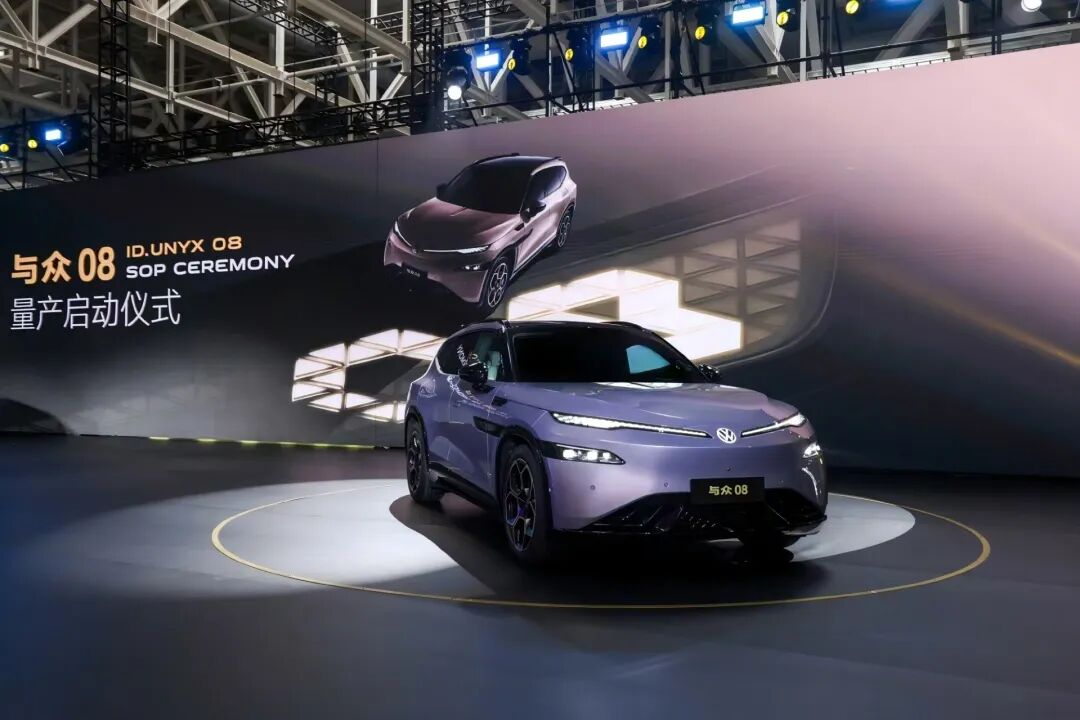
More excitingly, Volkswagen's JV with Horizon Robotics for AI chips and large models positions Xpeng as the launch partner for Volkswagen's second-gen VLA intelligent driving system. This "Horizon + Xpeng" dual-track approach lets Xpeng earn from Volkswagen's technology purchases while replicating its intelligent driving, architecture, and software subscription models globally through Volkswagen's massive sales scale.
By 2028, Xpeng's "intermittent profitability" will evolve from sporadic peaks to sustained scalability, rewriting its valuation logic from "loss-making automaker" to "core technology exporter for smart vehicles." He Xiaopeng's 2026 declaration to "dominate physical AI and globalization" and boost R&D to 7 billion yuan this year stems from this confidence—while peers battle for 1.5% net vehicle margins, Xpeng holds a long-term ticket through the competitive landscape.
3. How Long Will Foreign "Technology Premium" Persist in China?
Placing the Porsche-Xpeng emission pool in a broader context raises an unavoidable question: How much longer will foreign automakers pay this "technology premium" in China? This term isn't emotional rhetoric but reflects two objective realities.
First, the 2026 H1 collapse of Germany's Big Three: Volkswagen's China operating profit plummeted 63.6%; BMW's net profit fell 25.75%; Mercedes' passenger car EBIT hit just €49 million in Q2, down 93.7% YoY. Japanese automakers fared no better: Honda's China sales dropped 34.7%, Toyota's fell 17.1% with operating profit declining for five consecutive quarters. 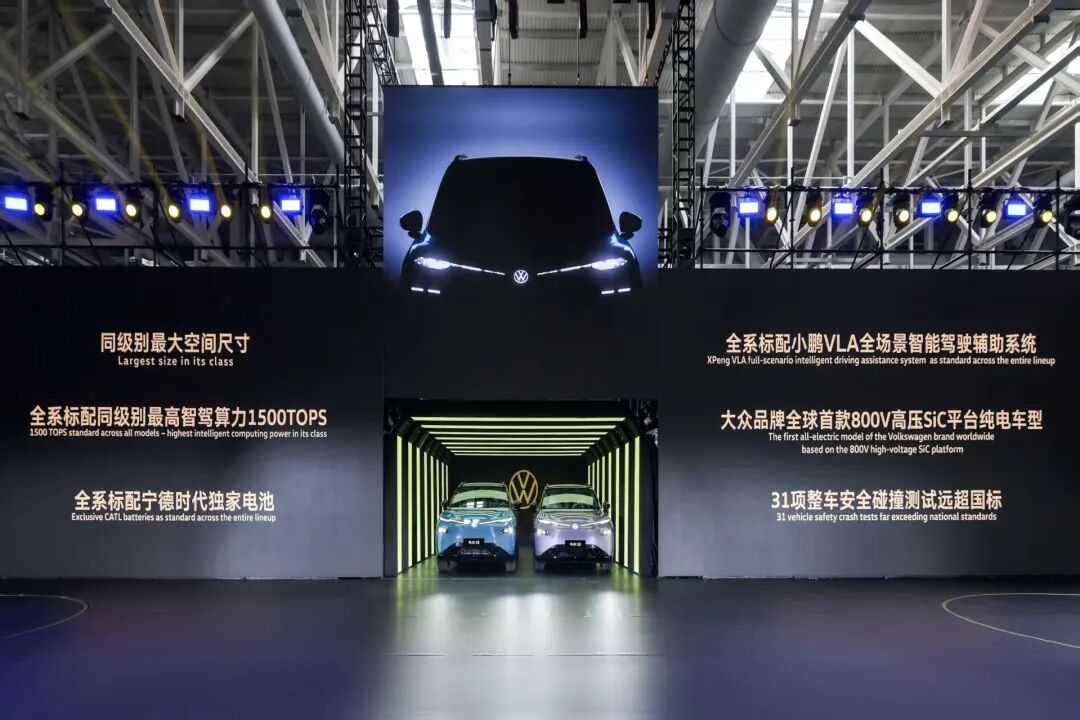
Second, the "technology premium" stems from technological generational gaps. McKinsey's early 2026 report found European automakers' R&D efficiency in AI and vertical large models half that of Chinese peers. Further data showed Chinese automakers develop EV platforms in under two years versus over three for Germans, with costs 3–4x higher.
Porsche's MHP consultancy reported that only 54% of European users understand vehicle AI applications versus 80% in China—meaning Wolfsburg's new models lag in intelligence at launch.
The data iteration chasm is even wider: By mid-2026, China's intelligent connected vehicles had accumulated over 220 million test kilometers, with L2 ADAS penetration reaching 70.5% in new cars. Massive user bases generate torrents of real-world driving data, driving algorithm updates on "weekly" cycles.
This data flywheel is irreplicable outside China. So, how long will the foreign "technology premium" persist? The answer: No more massive short-term payments, but long-term minor fees will continue. 
2026 marks a critical inflection point: Volkswagen's CEA architecture with Xpeng, Stellantis' global expansion with Leapmotor technology, and Toyota's partnerships with BYD and Momenta are solidifying.
This doesn't eliminate payments but evolves cooperation models: - From "buying the future" to "pay-per-use": Volkswagen's $700 million stake is just the start. The real goldmine lies in technical service fees, CMP sales royalties, and carbon credit purchases—"pay-per-vehicle" models. - From "buying technology" to "buying capabilities": BMW adopts a "modular best-pick" approach, sourcing intelligent driving from Momenta and cockpits from Huawei while retaining hardware control. - From "China for China" to "China for global": Volkswagen plans to export its China-developed CEA architecture worldwide.
Why will long-term minor fees persist? Because the generational gap now hinges on data iteration. China's NEV penetration soared from 5.34% in 2020 to 47.9% in 2025 and 62.8% by June 2026. Chinese smart cars generate daily real-world data volumes several times larger than Europe's, fueling AI iteration through data flywheels that foreign firms cannot replicate outside China.
For Xpeng, this defines "happiness": from equity investment to technology procurement, "carbon borrowing," and finally pay-per-use models, China's new forces have transformed into objects of sustained payment by German giants. When EU documents name "Chinese automaker Xpeng" as a partner, China holds the zero-emission keys and stands on the other side of the table.
End
Knowledge & Insights — Vroom!
-
![]()
The "Happiness" of Xpeng
-
![]()
China Mobile: Coping with Tax Hikes and Fee Reductions, Are High Dividends the Sole Pillar?
-
![]()
Wei Brand V8X Unveiled: Can Great Wall Overcome the High-End Market Challenge?
-
![]()
Why Did Musk Set His Sights on Space Computing After Starlink?
-
Major Adjustment! Nokia Plans to Close R&D Center in China, Lay Off 1,600 Employees
-
![]()
Co-Lead Optoelectronics Pours 1.7 Billion Yuan into Investment, Triggering a 20% Surge to Limit-Up!
-
![]()
AI Smartphone Competition: Some 'Add Icing on the Cake,' Others 'Determine Survival'
-
The Irresistible Allure of Extreme Sports vs. The Limited Appeal to the Masses: Why Panoramic Cameras Remain a Niche Product