Porsche Won't Give Up on Manual Transmissions! Will Persist as Long as Regulations Allow and Market Demand Exists
 08/18 2026
 539
539
Kuaikeji, August 18 - Amid the global automotive industry's accelerated shift towards electrification and the mainstream adoption of dual-clutch transmissions, models with manual transmissions are continuously declining.
However, Porsche made it clear at the recent Monterey Car Week that as long as regulations permit and there is genuine demand from users in the market, the brand will retain the manual transmission option for as long as possible.
Timo Resch, CEO of Porsche North America, stated in an interview with overseas automotive media that manual transmissions represent a pure sense of driving engagement, a trait highly valued by many Porsche users.
While it is impossible to predict what restrictions future emissions regulations will impose on manual transmissions, the brand judges that consumer demand for three-pedal manual versions will persist well into the 2030s.
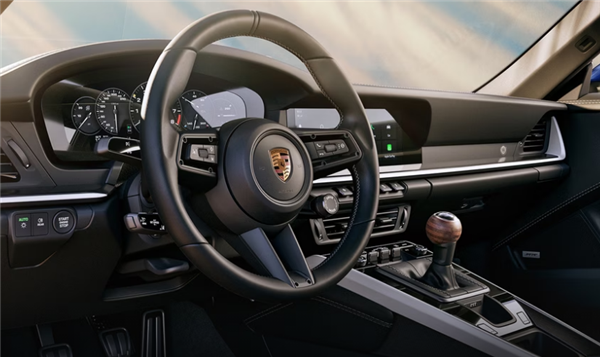
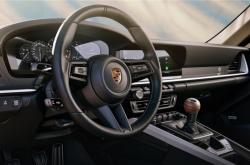
Notably, Porsche has responded to fan demands by reintroducing a six-speed manual MT package version of the 911 Carrera S in the North American market.
Previously, the 992.2 generation Carrera S only offered an 8-speed PDK dual-clutch transmission, and the removal of the manual option sparked significant dissatisfaction among enthusiasts. The newly introduced manual version is positioned between the Carrera T and the high-performance GT3.
It is equipped with the same six-speed manual transmission as the Carrera T, available only in rear-wheel-drive versions, with both coupe and convertible body styles. This model is exclusive to the North American market.
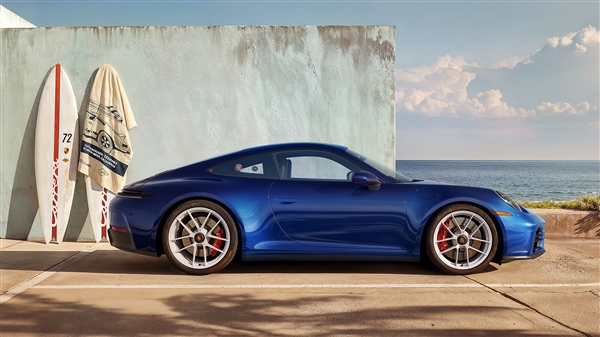
Currently, Porsche's manual transmission resources are concentrated in the 911 series. The Carrera T, GT3, and limited-edition 911 S/T all offer manual versions. Many limited-edition manual models sell out quickly upon release, and their resale market premiums remain high, reflecting strong demand from hardcore enthusiasts.
Industry analysts point out that manual transmissions are no longer an engineering choice aimed at achieving fast gear shifts; they are more of a sentimental and human-vehicle interaction experience. For Porsche, retaining manual transmissions provides enthusiasts with differentiated choices.
However, their continuation has two rigid prerequisites: on the one hand, they must comply with increasingly stringent emissions regulations in various regions; on the other hand, they must maintain a sufficient scale of market orders. Once policies or consumer demands change, the survival space for manual transmissions will also face challenges.
-
![]()
AI Office Enters the Paid Era: Alibaba, Tencent, and ByteDance Engage in a 'Three-Way Showdown'
-
![]()
Can Pallas-1 Propel Galactic Energy to Secure the Third IPO Slot?
-
![]()
Lei Jun’s Xiaomi SU7 Shatters Records, Netizens Applaud Its Remarkable Achievement!
-
![]()
Porsche Won't Give Up on Manual Transmissions! Will Persist as Long as Regulations Allow and Market Demand Exists
-
![]()
This Summer, Car Rentals Are Surprisingly Affordable
-
![]()
MiniMax H3 Closes In, Leaving Seedance with Limited Safe Space
-
![]()
Blockbuster! Li Shufu Steps Down as Chairman, An Conghui Takes Over, Geely Ushers in 'Coming-of-Age' Moment
-
![]()
AI Smartphones: Don't Expect Price Drops Anytime Soon