Three Major Factions Lock Horns in Fierce Contest, Chengdu Auto Show Sizzles with Anticipation
 08/21 2026
 473
473
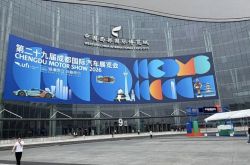
On August 21st, the 2026 Chengdu Auto Show commenced as planned. The inaugural media day saw a bustling scene, with journalists laden with equipment forming a queue that stretched from the entrance to the security checkpoint, as brand press conferences were scheduled one after another. Fatigue was undoubtedly the prevailing sentiment among automotive media professionals today.
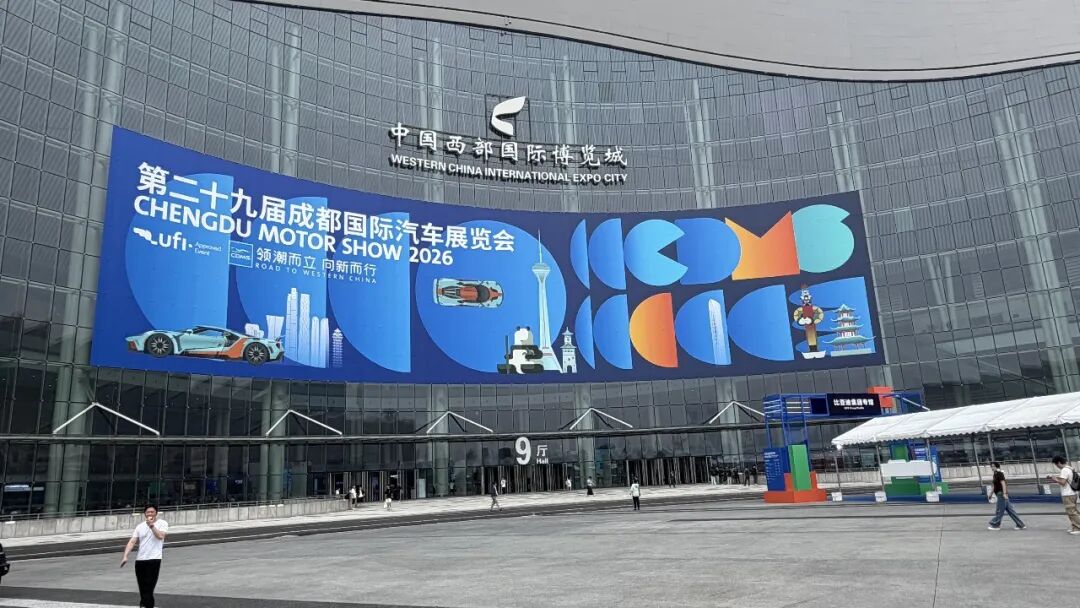
As an A-class auto show that precedes the peak sales seasons of 'Golden September and Silver October,' the Chengdu Auto Show has consistently served as a barometer for the automotive market in the latter half of the year. This year, the sense of rivalry is more palpable than ever. Domestic brands are striving for a foothold in the high-end market, joint ventures are undergoing strategic pivots, and new entrants are expanding their reach, with all three fronts engaging simultaneously. Interestingly, the scenes of crowds chanting slogans in front of exhibition stands are less prevalent this year. Instead, the focus is on showcasing mass-produced vehicles and tangible technologies, lending a more authentic and intense atmosphere to this year's auto show.
The Three Major Factions Unveil Their Debut Models with Full Transparency
BYD has occupied the entire Hall 9, with the global debut of the 'Da Han' sedan once again setting a new benchmark for flagship sedans. With a length of 5256mm and a wheelbase of 3130mm, it rivals the dimensions of a standard-axis Mercedes-Benz S-Class. The pure electric version is equipped with a 102.3kWh second-generation blade battery, offering a CLTC range of 1008km. It comes standard with Yunchan-A and rear-wheel steering, reducing the turning radius of a vehicle over 5 meters to just 5.4 meters. The third-generation Tang, also making its debut, comes standard with the 'Celestial Eye B' intelligent driving system across all trims, boasting a maximum pure electric range of 850km. This dual flagship combination is squarely aimed at the high-end market.
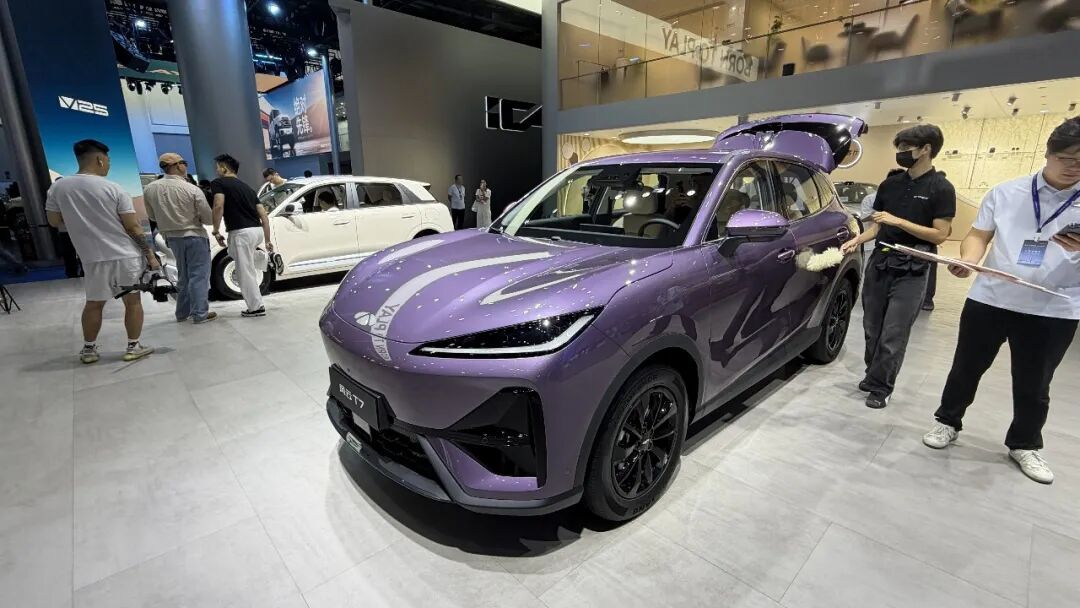
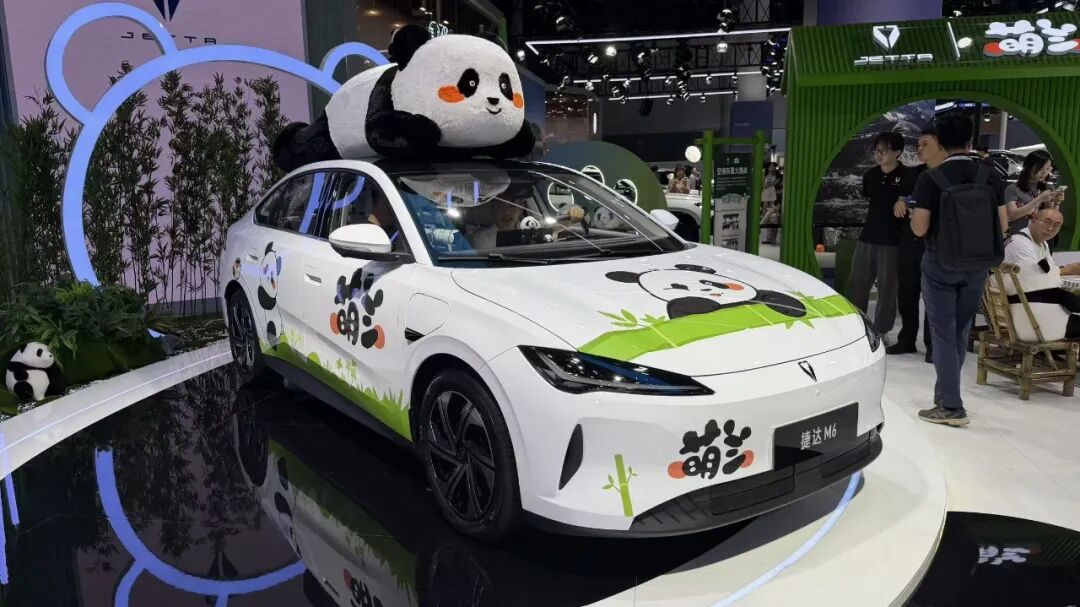
Chery Group has taken over the entirety of Hall 5, with its five brands—Chery, iCAR, Zongrui, Exeed, and Jetour—lined up side by side, presenting an impressive array that rivals BYD's. The global debut of the Exeed EX6, positioned as a mid-size plug-in hybrid coupe SUV, features a length of 4830mm and a wheelbase of 2800mm, equipped with LiDAR and slated for a third-quarter launch. The iCAR V25 also makes its global debut, featuring a retro square design paired with a 1.5T extended-range powertrain and the Horizon Journey 6 chip, endorsed by Zhao Jinmai, targeting the young and trendy market segment.
The Chery brand also introduces the Fengyun A9L Sport Edition and QQ3 Retro Edition. The Jetour Traveler series opens for blind orders, the pure electric boxy SUV 'Huanyouzhe' makes its official debut, and even the joint venture brand 'Shenxingzhe' with Jaguar Land Rover makes its first appearance at the Chengdu Auto Show, with the Shenxingzhe 8 unveiled simultaneously. From family to off-road, from retro to tech, Chery's strategy is indeed expansive.
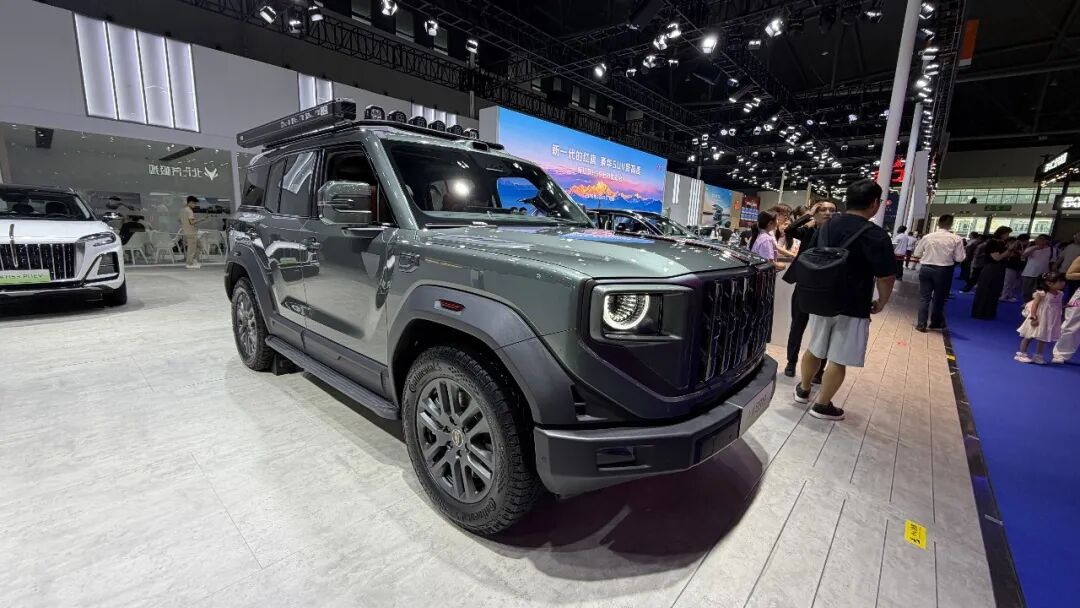
Great Wall Motors brings all six of its brands, with three Hi4-T eco-models of the Great Wall Cannon catering to outdoor leisure and off-road enthusiasts, segmenting the scenarios for plug-in hybrid pickups. The Geely Galaxy Battleship 700 and Roewe Jiayue 07 also make their debuts. Hongqi introduces three globally debuting new models at once: the E-HS9 MAX equipped with self-developed L3+ intelligent driving, the HQ9+ hybrid flagship MPV targeting the family market, and the H6EV pure electric coupe aimed at young consumers. The mid-to-large pure electric sedan Tiangong 07 also opens for cabin experience for the first time at the auto show, while the new HS5 features a column shifter and adds a plug-in hybrid version. The high-endization of domestic brands is no longer a solitary breakthrough but has become a collective endeavor.
The transformation pace of joint venture brands has noticeably accelerated this year. SAIC Volkswagen's ID.ERA family makes its debut with four models on stage simultaneously, with the ID.ERA 5S officially launched. As Volkswagen's first global sedan supporting urban NOA, it is equipped with the Horizon J6M chip and an end-to-end large model, priced starting at 89,900 yuan after incentives, with a combined range exceeding 2000 kilometers, bringing high-level intelligent driving directly to the 100,000-yuan family sedan market. The ID.ERA 5X, debuting simultaneously, is Volkswagen's first global mass-produced model based on the CMP platform and equipped with the CEA electronic and electrical architecture, paired with LiDAR and urban NOA, finally attaching the label of intelligence to Volkswagen. Established joint ventures lowering their stance to compete in intelligent driving and pricing is not good news for domestic brands.
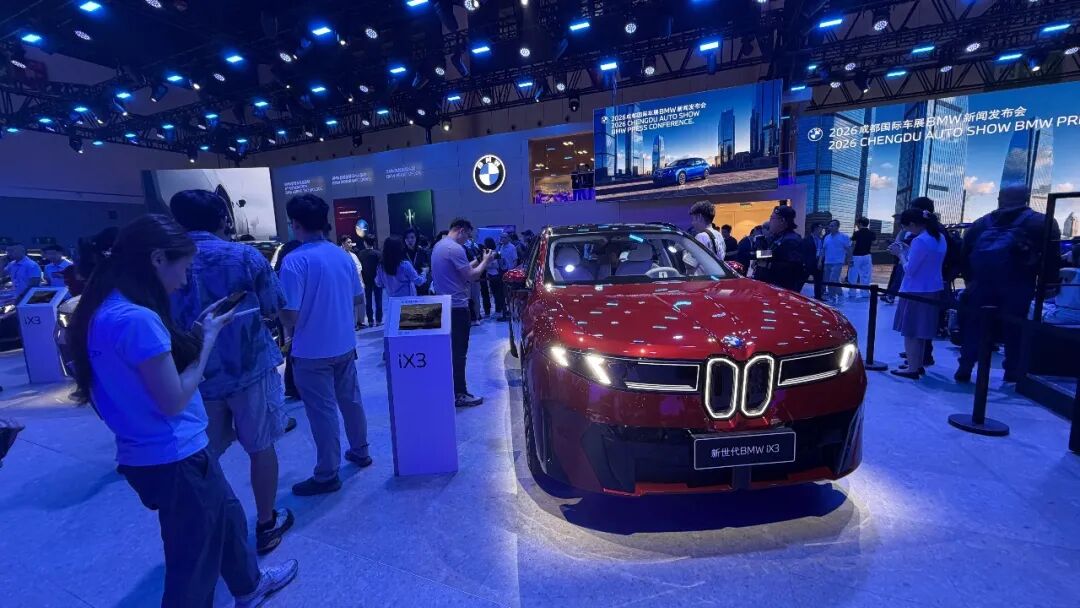
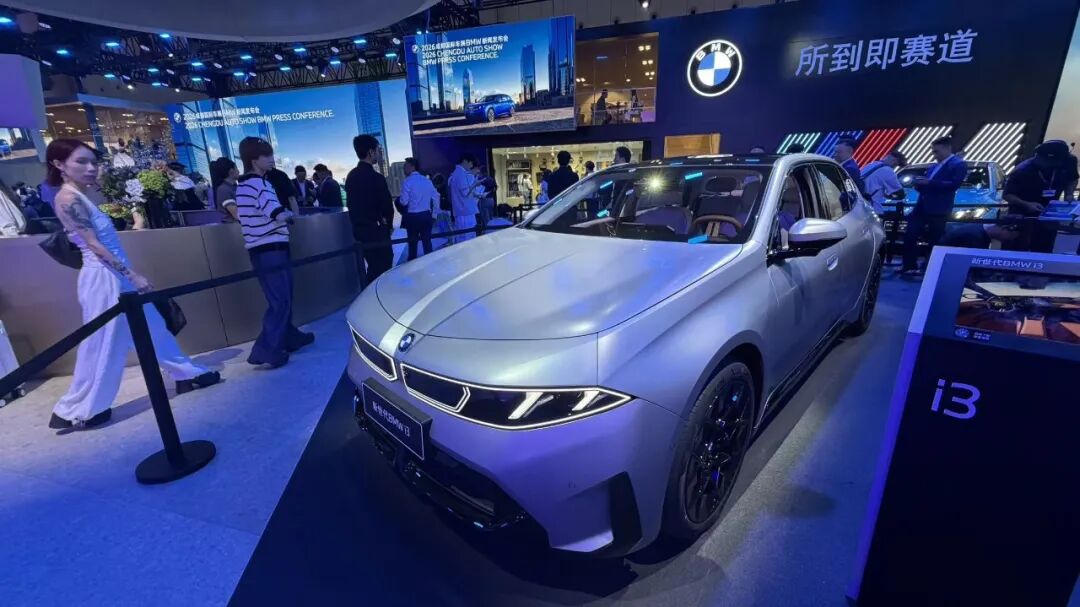
Luxury brands have shed their aloofness from previous years and are entering with localized solutions. BMW's new iX3 long-wheelbase version opens for pre-sale, featuring a pure electric platform paired with a full-domain 800V system and large cylindrical batteries, offering a CLTC range exceeding 900km, 400km of range in just 10 minutes of charging, and a wheelbase extended to 3005mm, with intelligent driving also adapted for the local market. Mercedes-Benz's domestically produced GLE has its wheelbase extended to 3115mm, 10mm longer than the BMW X5, firmly holding onto the mid-to-large luxury SUV market. The electrification of luxury brands has finally shifted from perfunctory to serious adaptation, but whether their pricing can win over the market remains to be seen.
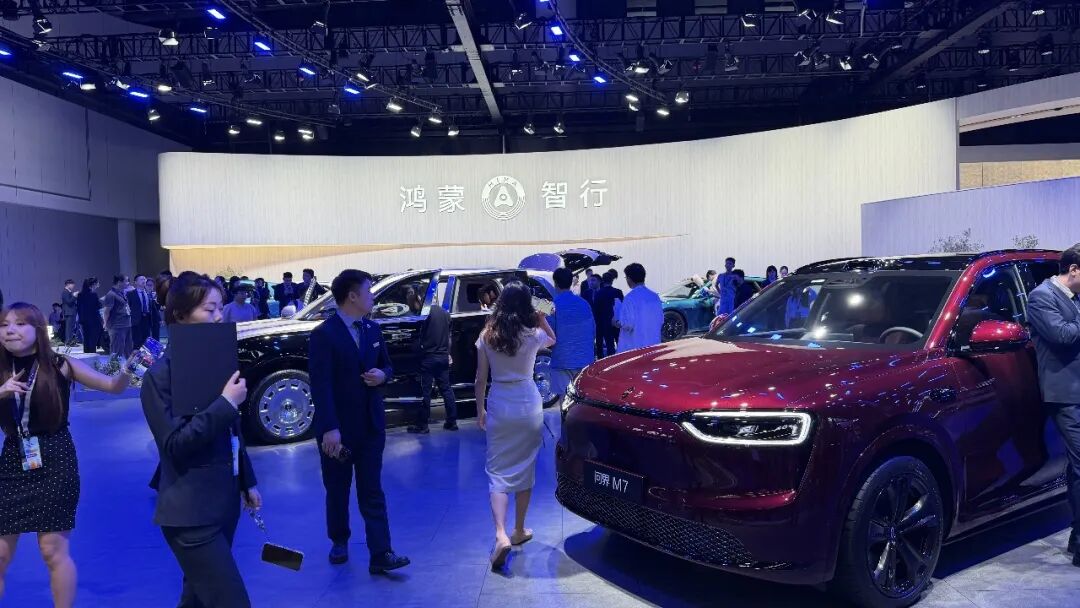
The most popular stands at the show undoubtedly belong to the new forces and Harmony Intelligent Mobility. Harmony Intelligent Mobility's 'Five Realms, Three Dimensions' make their full debut, with the Zunjie V800 flagship MPV and Xiangjie V8 making their premieres, along with the Zhijie V9, forming a high-low product matrix in the MPV segment. The Xiangjie G9, launched before the show's opening, features a rugged off-road positioning paired with an 800V platform and Huawei ADS5 intelligent driving, raising the bar for intelligent off-roading.
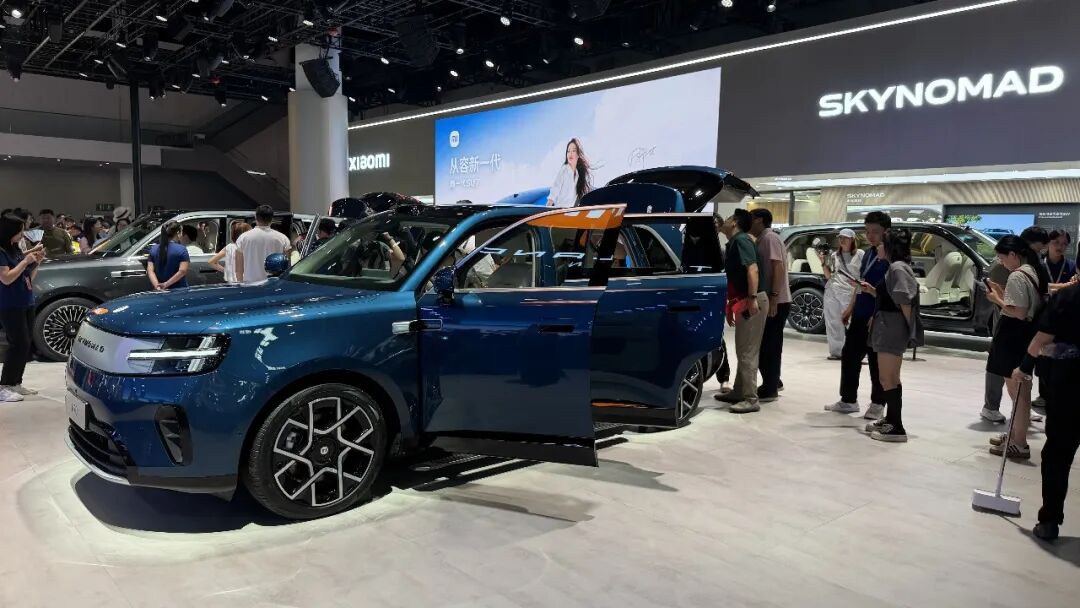
Xiaomi participates with both pure electric and extended-range series, debuting the Pengcheng N70Max and N90Max extended-range SUVs nationwide, with pre-sale prices starting at 299,900 yuan, targeting family users. The Xpeng G9L, Li Auto L9 Livis, and SAIC's IM's new L6 all receive updates, with the IM L6 being the world's first mass-produced coupe to come standard with full steer-by-wire steering across all trims, taking a differentiated route in intelligent handling.
Technological Competition Unfolds Along Three Mainstream Routes
After touring the show, the most striking impression is the far faster-than-expected decentralization of high-level intelligent driving. A year ago, LiDAR and urban NOA were exclusive to models priced above 300,000 yuan, but now they have filtered down to the 200,000 yuan and even 150,000 yuan market segments. BYD's third-generation Tang comes standard with the 'Celestial Eye B' across all trims, Huawei ADS 5 covers more price segments, SAIC Volkswagen's ID.ERA 5S brings urban NOA to the 100,000 yuan level, and 896-line dual-light-path LiDAR is no longer exclusive to flagships.
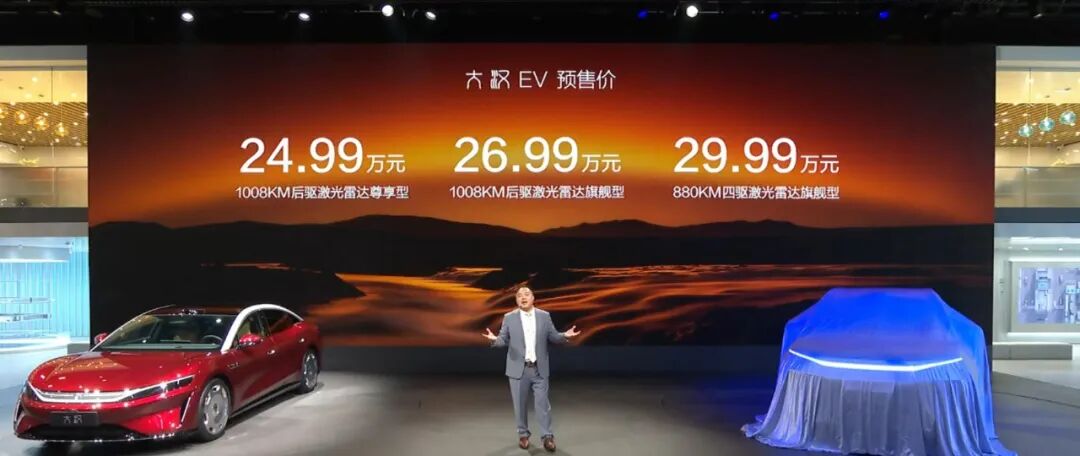
The competition in intelligent driving has also shifted from 'having it or not' to 'the experience it offers,' with end-to-end large models and scenario-specific optimizations becoming new battlegrounds. This kind of competition may temporarily drive up R&D costs, but for consumers, being able to obtain more mature experiences at lower prices is ultimately beneficial.
The popularization of 800V high-voltage platforms is also exceeding expectations, with this year's auto show essentially confirming the trend towards universal 800V adoption. The MG 07 brings 800V ultra-fast charging and electromagnetic suspension to a starting price of 125,900 yuan, breaking industry price floors; luxury models like the new BMW iX3 also come standard with 800V architecture across all trims; new models from BYD, Geely, and other brands generally come equipped with high-voltage platforms.
When 150,000 yuan models are equipped with 800V, this technology transitions from a core selling point to an industry entry threshold. After pure electric range surpasses 1000km, the marginal benefits of adding more batteries continue to decline, with charging speed becoming the new pain point. 800V is currently the most mature solution, and the market space for non-800V pure electric models will continue to shrink in the future.
The most dramatic development is the resurgence of extended-range technology. Once dismissed by many as a transitional technology, extended-range has now become one of the fastest-growing technology routes. Xiaomi enters the market with two extended-range SUVs, the Xpeng G9L adds an extended-range version, and Chery's iCAR V25, Exeed, Great Wall, and Leapmotor are all intensively deploying this technology. The new generation of extended-range technology continues to iterate: thermal efficiency of range extenders generally exceeds 45%, with some models surpassing 46%; 800V platforms are beginning to be adapted for extended-range models, with pure electric ranges generally exceeding 300km, allowing for all-electric daily commuting. On the user side, it resolves range and charging anxiety; on the corporate side, it offers better profit margins than pure electric models and can cover both lower-tier and long-distance travel scenarios. With supply and demand resonating, the lifecycle of extended-range technology is much longer than initially predicted.
The Logic of Competition in the Automotive Market Shifts in the Second Half of the Year
Looking at the automotive market in the second half of the year from the vantage point of the auto show's opening, two signals are particularly clear. First, pure price wars are becoming unsustainable. After multiple rounds of price cuts in the first half of the year, consumer wait-and-see sentiment has actually increased, and terminal demand has not been effectively stimulated. Data from institutions like the China Passenger Car Association indicates that the industry is gradually shifting from volume competition through price cuts to value competition, with leading automakers investing more resources in technology, products, and overseas markets rather than endless terminal concessions. Gaishi Automotive Research Institute predicts that the decline in passenger vehicle sales for the full year will narrow to 1%-2%, with a low start followed by a clear rebound in the fourth quarter's peak consumption season.
Second, market stratification will further intensify. The 100,000 yuan market competes on cost and channels, the 200,000 yuan market is a red ocean of plug-in hybrid and extended-range SUVs with the highest consumer price sensitivity, and the 300,000 yuan-plus market competes on brand and intelligent driving, with domestic high-end, new forces, and luxury brands all vying for supremacy. Exports will remain an important growth driver, but growth will slow compared to the first half of the year, with trade barriers and localization factory costs diluting some profits. The penetration rate of new energy vehicles is likely to approach 70% within the year, with fuel vehicle shares continuing to shrink, mainly concentrated in niche segments like entry-level and rugged off-road models.
At the factional level, domestic brands will continue to expand their market share advantages, especially in new energy and mid-to-high-end markets; joint venture brands' electrification and intelligent transformation enter deep waters, with players like SAIC Volkswagen beginning to counterattack with price and intelligent driving as dual weapons, putting pressure on domestic brands; luxury brands' electrification enters a critical period, with product capabilities keeping pace, but pricing and channel localization adaptations still uncertain; new forces continue to diverge, with brands possessing technological, scale, and ecological advantages steadily rising while tail-end brands accelerate their exit. The industry's elimination race continues, but the dimensions of competition have shifted from sales volume to profitability, technological reserves, and global layout.
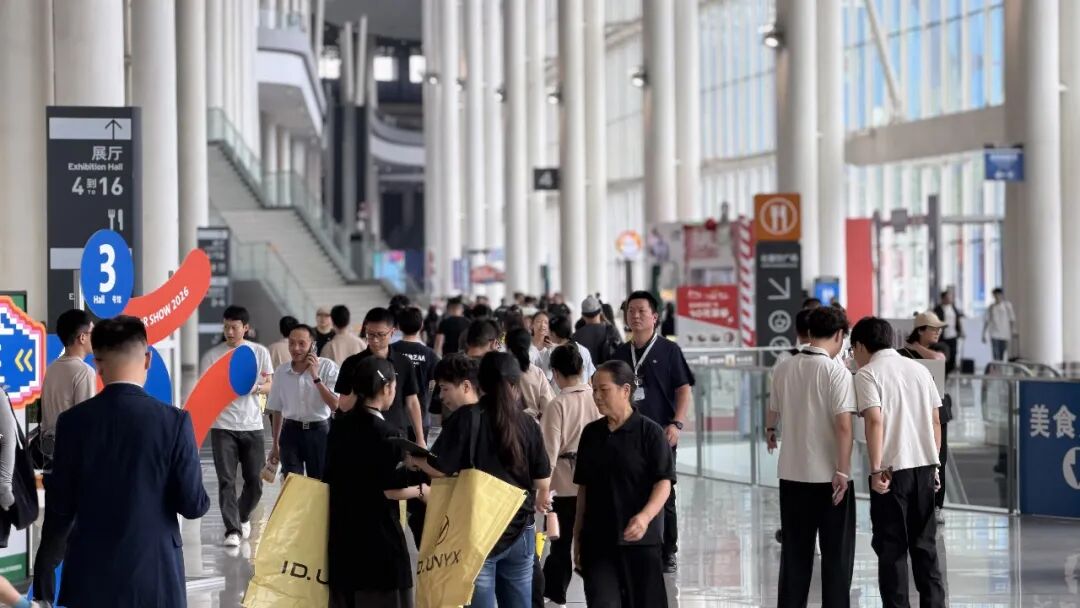
After attending the last press conference of Media Day, my phone's battery is nearly drained, but this auto show indeed has plenty to talk about. This year's Chengdu Auto Show lacks the fluff of concept cars and empty slogans, focusing instead on soon-to-be-launched mass-produced vehicles and perceptible technologies. The competition is still intensifying, but the direction is increasingly aligned with genuine user needs. The automotive market in the second half of the year won't see explosive growth but will become more pragmatic and rational. Brands that focus on technology and understand users will go further in this marathon. Chengdu is just the opening act of the second half.
-
![]()
Blockbuster Move: Jensen Huang's Strategic Investment Tied to Elon Musk's Ventures
-
![]()
When Even Boxy SUVs Embrace Smart Driving, What Future Awaits Off-Road Vehicles?
-
![]()
Three Major Factions Lock Horns in Fierce Contest, Chengdu Auto Show Sizzles with Anticipation
-
![]()
Alibaba's AI Ledger, Calculated So Clearly for the First Time | Earnings Report Insight
-
![]()
HONOR Robot Phone: Telling the Lightest AI Story with the Heaviest Hardware
-
![]()
Yu Chengdong's Harmony Intelligent Travel Achieves 'First in New Force Deliveries', Netizens: Unbeatable Win
-
![]()
Six Entities Invest 8.2 Billion to Launch Shenlong Technology
-
![]()
Give BMW X3 a Chance?