A Make-or-Break Battle: FAW-Volkswagen Presses Ahead of Schedule
 08/26 2026
 398
398
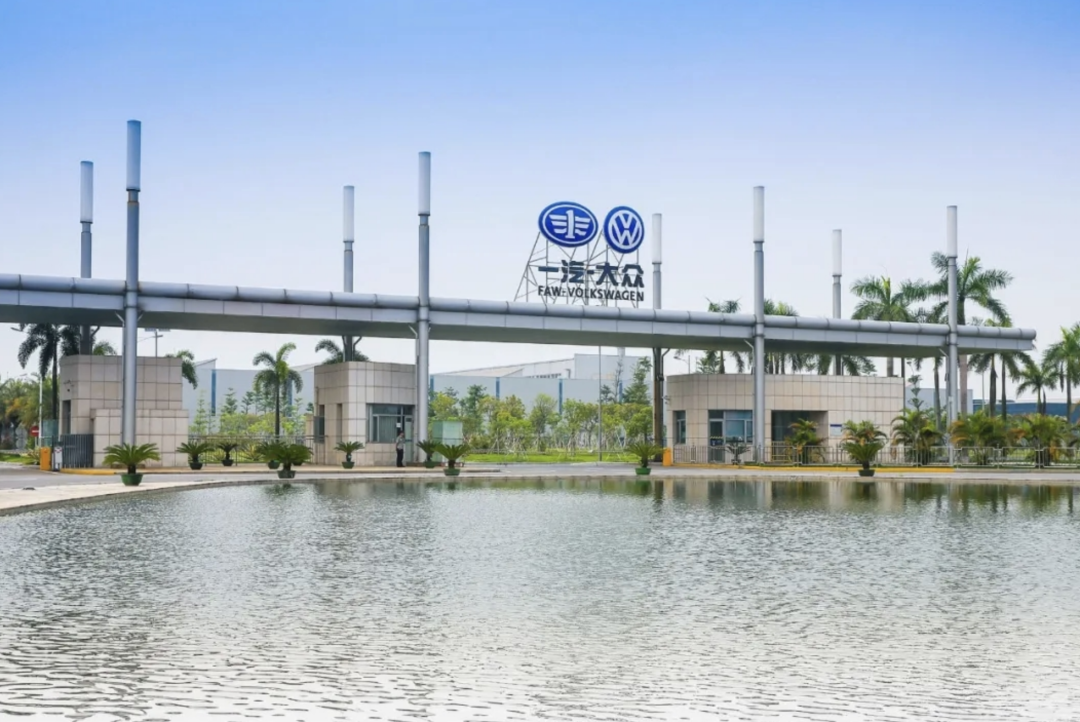
In mid-August 2026, a FAW-Volkswagen 4S store in Shijiazhuang prominently featured a poster at its entrance, declaring: "The only T6 exhibition vehicle in all of Hebei is here at our store!" This yet-to-be-launched model is being showcased early. Interestingly, many regions have just one unit available, displayed for a couple of days at a single store before moving on.
Similar phenomena have emerged across the country: The Leshan store uses the message "The exhibition vehicle will be removed when its time is up" to entice visitors, the Urumqi store extends its event hours until 10 PM, and the Jinan store combines blind reservation benefits with a car purchase festival. Some may wonder: Why go to such lengths for a car that hasn't even been launched yet?
As the inaugural model in the ID.AURA series, the T6 is also Volkswagen's first globally mass-produced LiDAR-equipped pure electric SUV. It stands out as the sole model among Volkswagen's three intelligent product lines in China that features self-developed main control technology (based on the CEA architecture and Intel's Core Cheng intelligent driving system). It's widely acknowledged that in challenging times, automakers must leverage efficiency to counter competition. Despite being just three days away from its product pre-sale, the T6 has already achieved 80% of its customer reservation target. Product specifications are finalized, dedicated exhibition areas are set up, blind reservations are open, double lifetime warranties and zero-down financing are available, and the order app is directly connected to the manufacturer, with after-sales rights for core components officially delegated to top-tier dealers.
For this strategic product, the only remaining uncertainties are "pricing" and "urban NOA, which will be unlocked at launch." In the broader context of industry transformations, FAW-Volkswagen is also undergoing a metamorphosis: Since the launch of the 1511 strategy, new Volkswagen products must fully differentiate from older ID models, with channel utilization prioritized through physical separation, distinct KPIs, improved warranties, and maximum retention of the brand's 30 million existing customer base.
Many say Volkswagen is bold to have come this far. But the reality is that in today's uncertain climate, no company can afford to be overly confident. However, the less confident one feels, the more crucial it is to get the fundamentals right—exhibition stands, sales pitches, warranties, and order management must all be executed flawlessly. Because to dare to engage in a make-or-break battle, every detail must be meticulously perfected.
Editor|Li Jiaqi
Image Source|Internet
1 The Less Confident, the More Diligent
The Chinese auto market in 2026 is a fierce battleground for pure electric SUVs priced between 200,000 and 300,000 yuan. The Model Y has repeatedly slashed its price, the Xpeng G6 and G7 have made intelligent driving a standard feature, the Li Auto L6 targets family users, and the Seres M7 is backed by HarmonyOS—each seems to be targeting the same demographic: middle-aged family breadwinners with both elderly parents and children. In this price range, a single misstep can mean a product is forgotten before it even gains traction.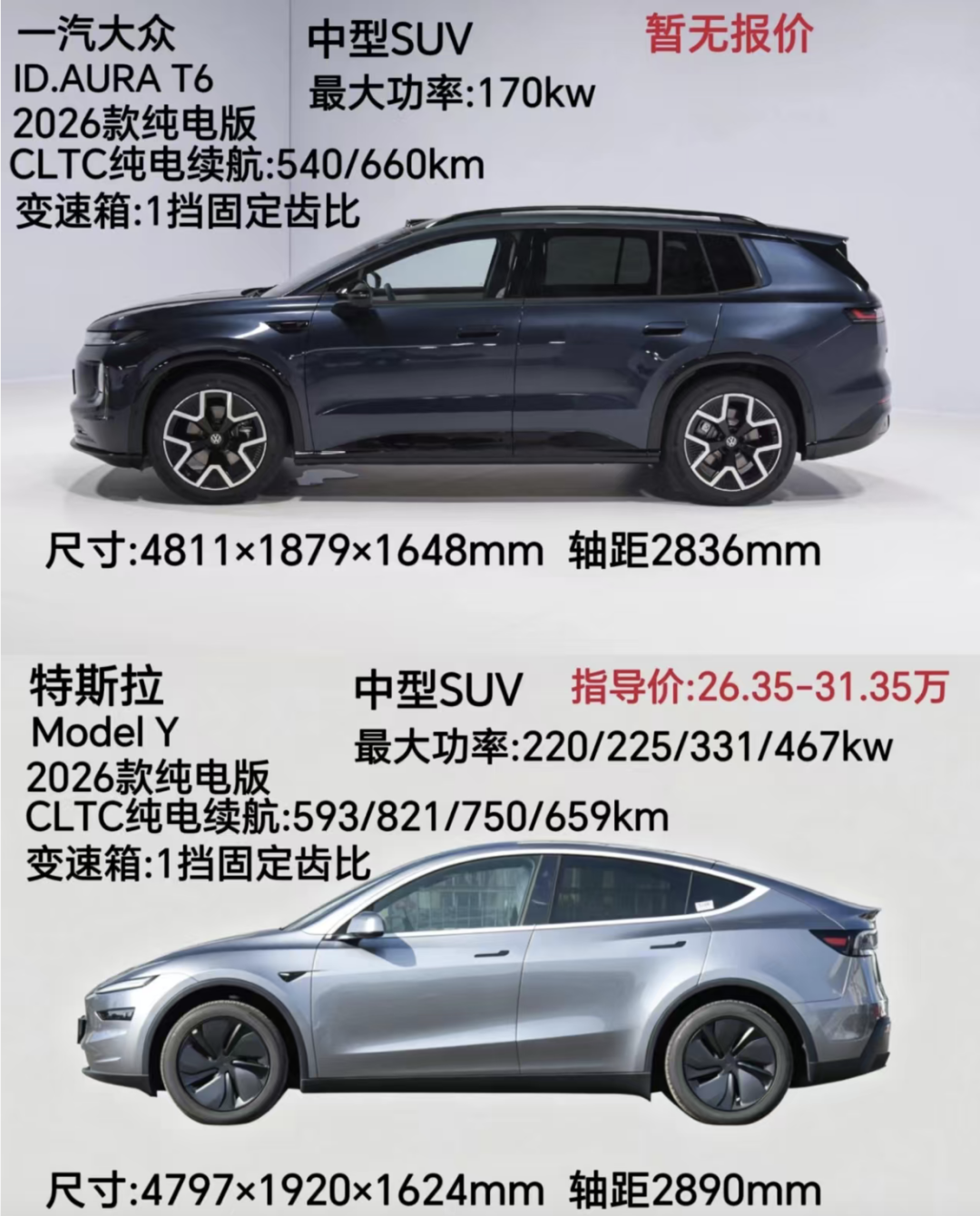
The T6's unconventional approach began from its inception. The CEA architecture reduces the ECU count by about 30%; decision-making chains are streamlined, with scenario definitions tailored to China. While the old ID series took 51 months to refine, FAW-Volkswagen officially stated that this new model was jointly defined by Chinese and German teams, with the Chinese team playing a more pivotal role. In essence, this explanation can be distilled to one sentence: This car is no longer a "compatible model" unilaterally output by Wolfsburg, but a product dictated by the Chinese team.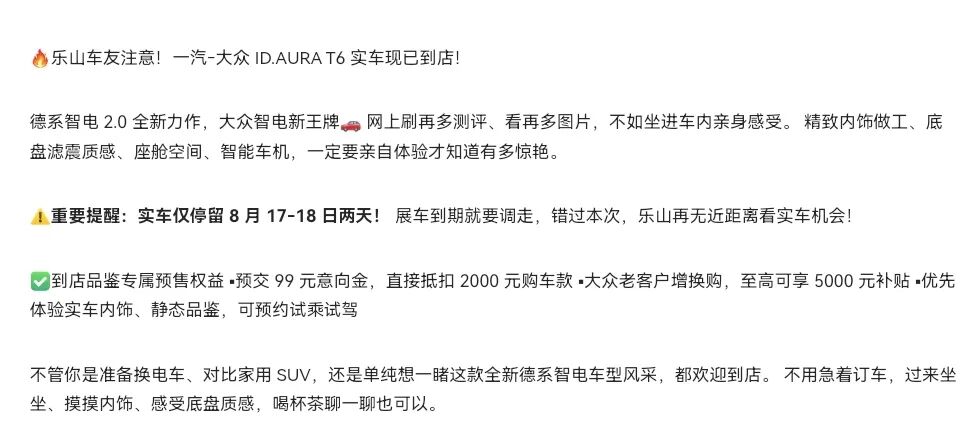
Similar differences are evident in the product itself: a 4811×1879×1648mm body, 2836mm wheelbase, and 85.3% interior space efficiency address space concerns; a single 170kW motor with dual supply of 59.9/77.5kWh LFP batteries, CLTC ranges of 540/660km, and an 800V platform alleviate range anxiety; LiDAR, Horizon Journey 6H with 420TOPS computing power, a 4nm cockpit chip, a 15.6-inch 2.5K central display, and a 25.8-inch AR-HUD enhance "intelligence" features—these product details were confirmed in the July MIIT filing and August Chengdu Auto Show. When viewed in the context of FAW-Volkswagen's actions around the T6 over the past few months, it's clear Volkswagen isn't just presenting a PPT concept but has waged a "counterintuitive" campaign.
To succeed in this campaign, Volkswagen must bridge "cognitive generational gaps" beyond just specifications.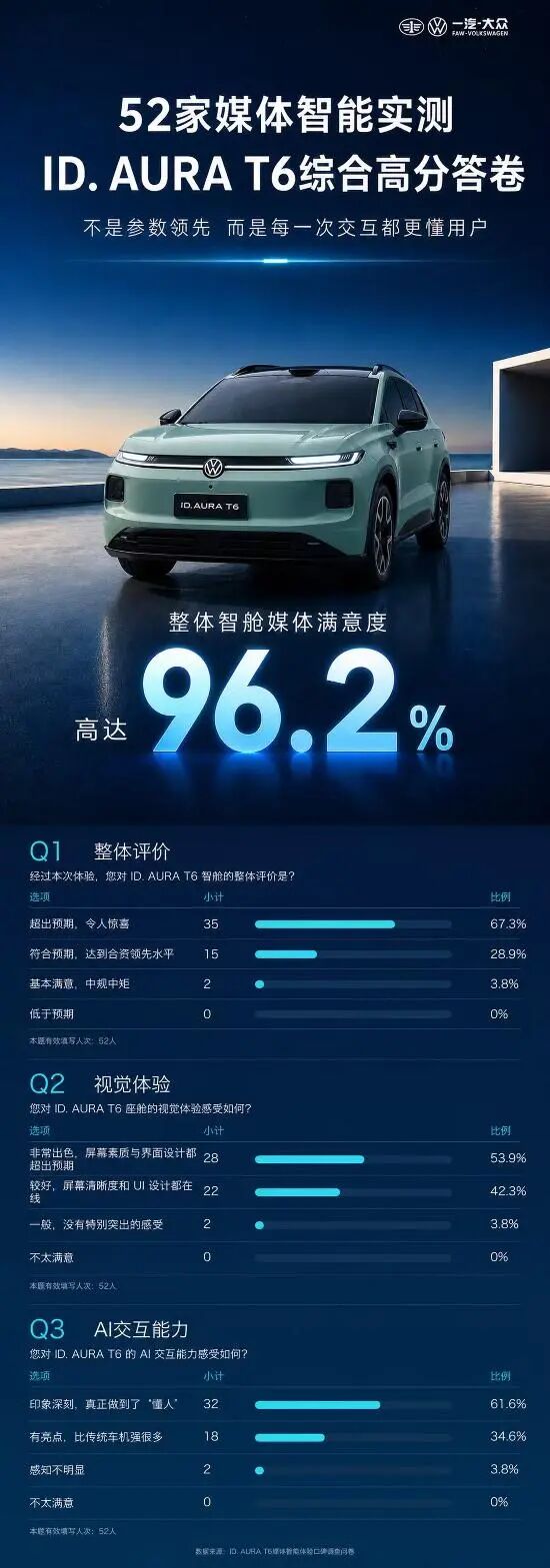
This is why FAW-Volkswagen internally separated the T6 from the ID family, establishing it as the standalone ID.AURA series and positioning it as the "start of Intelligent Electric 2.0." Internal training scripts are highly unified, and sales are strictly prohibited from comparing the T6 with the ID.6 CROZZ. After all, the lessons from the old ID family were harsh—the reputation of "Volkswagen electric vehicles" was tarnished by laggy infotainment systems and "futures-based intelligent driving."
As a result, the T6 would rather delay the unlocking of urban NOA by two weeks than release unpolished features to users. All efficiency is front-loaded, with meticulous attention to detail. Acting swiftly where necessary and cautiously where required—this isn't just deliberate restraint but a necessity for Volkswagen, which cannot afford another strategic product failure.
2 Establishing a New Energy "Special Zone" Within the Old Oil Empire
However, for joint-venture automakers, the toughest part of selling smart vehicles isn't manufacturing them—it's selling them.
For over three decades, FAW-Volkswagen's channels have been nourished by oil vehicle sales: selling a gasoline car means a one-time rebate settlement; customers entering the store follow a familiar process that sales staff can navigate effortlessly. What about smart vehicles? Customers need education, features require explanation, and after-sales service demands relearning—yet commissions often fall short of those for gasoline cars. It's not that dealers don't want to sell electric vehicles; it's that the accounting doesn't favor them—a key reason for the ID series' initial struggles. Smart vehicles were marketed as "clumsy giants" within the gasoline vehicle system, not due to malicious sales tactics but because the system remained unchanged.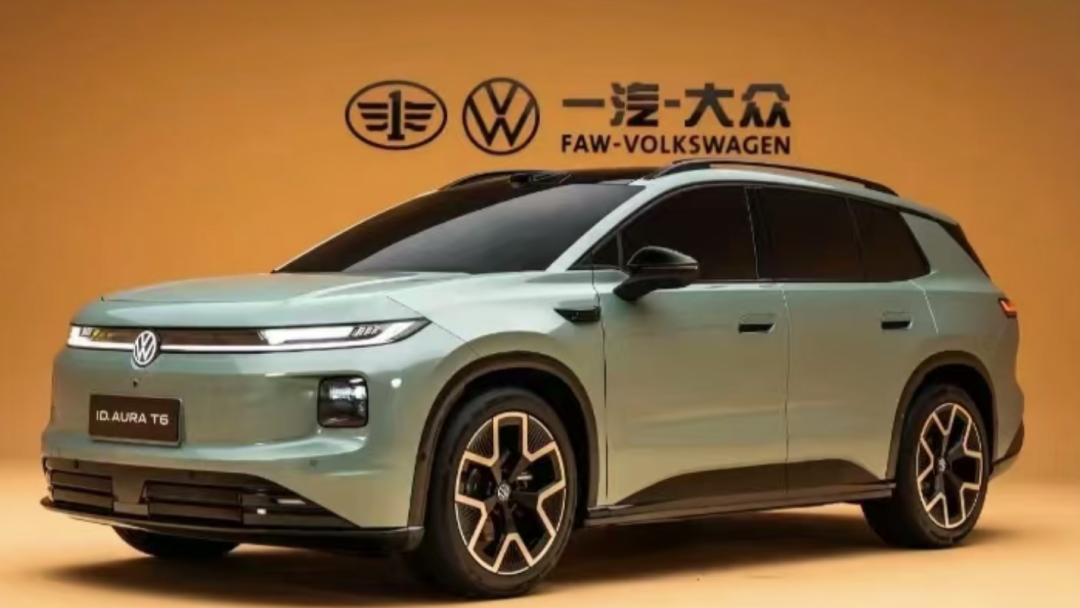
This is why, from the T6's debut, FAW-Volkswagen bet on systems rather than salesperson discretion. Within the gasoline vehicle matrix (parent structure), a "special zone" was created for the T6.
The first cornerstone of this special zone is physical separation. Since late July, leading dealerships like Runhua Jinan, Beijing Qingyang Huizhong, and Guangwu Kaijun have placed the T6 in dedicated new energy exhibition areas or standalone hall displays, never alongside models like the Lavida, Magotan, or ID.4. The new car is paired with exclusive lighting, six real-vehicle colors, three powered screens, and AR-HUD projections. Observant individuals will notice these exhibition standards are unprecedented in old ID showrooms. Sales scripts are similarly isolated: script packages are uniformly distributed by the manufacturer, and dealers' short videos frequently use identical phrases like "Volkswagen finally stops lagging," "LiDAR + urban NOA," and "not the same generation as the ID.6," leaving little room for improvisation.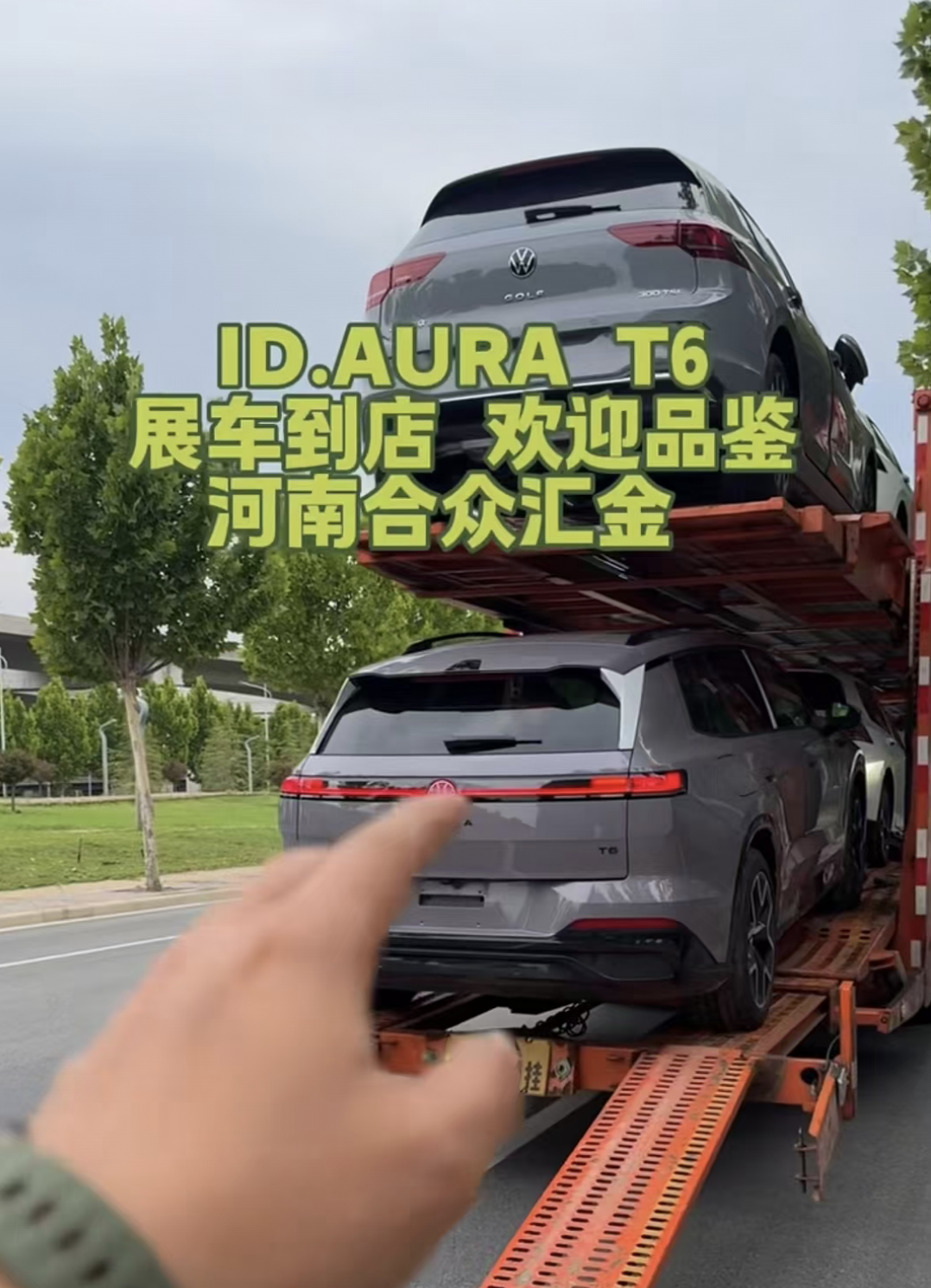
The reason is simple: as long as the T6 is displayed next to the Magotan, sales advisors will always calculate the odds: selling gasoline cars offers higher commissions, familiar processes, and no need to educate customers, inevitably leading them to steer clients toward gasoline models and reducing the T6 to a "showroom traffic tool." Separation ensures equal service quality.
The second cornerstone is separate KPIs. Since blind reservations opened on July 30, orders have been directly connected to the manufacturer via an app, with dealerships handling only appreciation and delivery—how many are reserved, how many sold, all visible to the manufacturer on a single screen. New energy sales bypass the gasoline vehicle performance metrics. By diverting financial incentives and evaluations away from traditional systems, every T6 sale is tracked and rewarded separately. This sends a clear message to FAW-Volkswagen's 900 dealers: Volkswagen won't use gasoline vehicle accounting for T6 sales.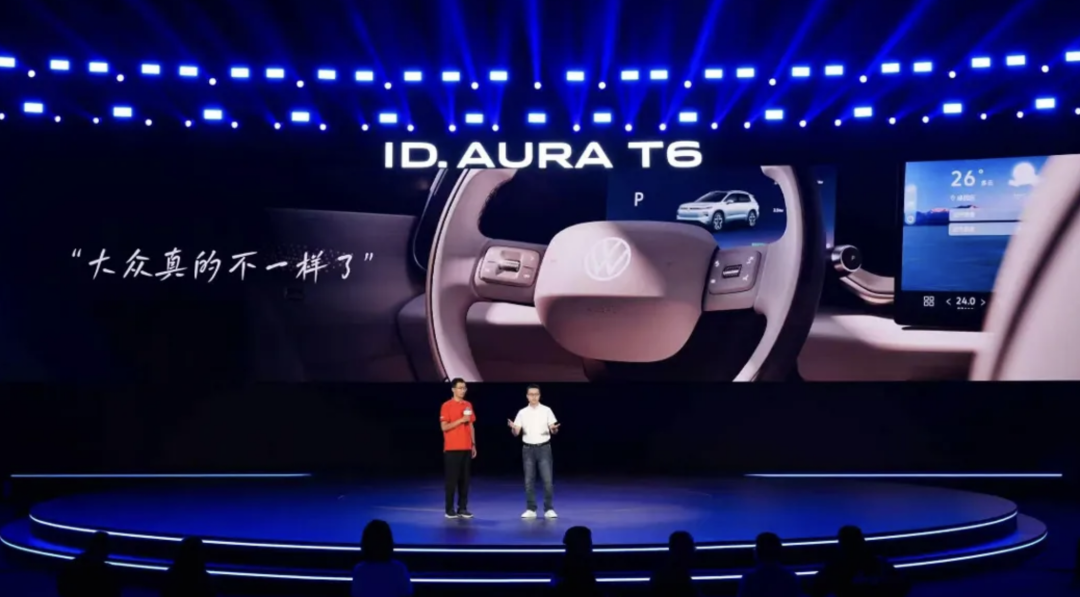
The third cornerstone lies in systemic reforms. Since May of the previous year, FAW-Volkswagen dismantled the ID operations center, returning product functions to the product department and sales functions to the sales department, with horizontal integration; a week later, the Product Management and Customer Operations departments were established, further decentralizing product definition rights. On July 30 of this year, coinciding with blind reservations, the sales leadership team was also replaced—ensuring personnel were in place before the vehicle arrived. These sequential moves share a single goal: using physical separation to counter traditional systems and empiricism, nipping potential systemic issues in the bud.
For FAW-Volkswagen, the objective is clear: starting with the T6, Volkswagen must establish a new order within the old empire.
3 Betting on "All-Round Excellence" Over "Maximum Intelligence"
With the new order established and dealers' sales willingness addressed, systems have guided people in the right direction. But the fundamental question remains: Why has FAW-Volkswagen invested so heavily in this model?
Because the T6's value extends far beyond a single vehicle.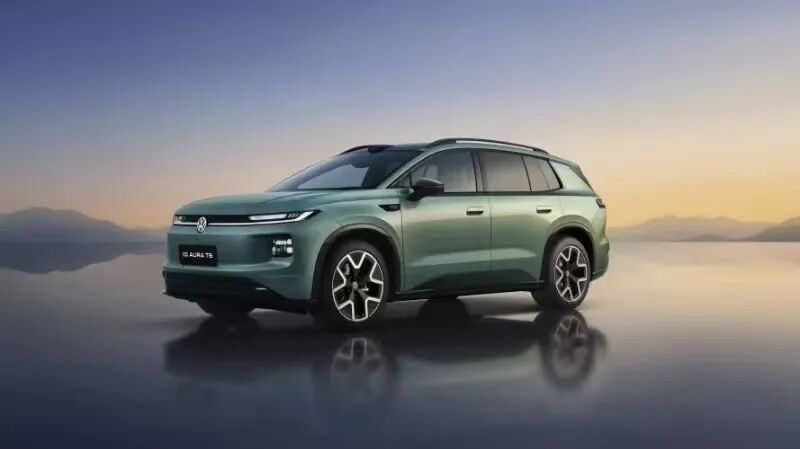
First, it serves as Volkswagen's "intelligent cornerstone" in China. The T6 is the first model truly defined by a Chinese team, from chip selection to architecture implementation, all controlled by FAW-Volkswagen without waiting for approval from Wolfsburg. CEA architecture, LiDAR, and urban NOA—if these capabilities remained exclusive to the T6, they would be mere one-time showcases. But FAW-Volkswagen's goal is for the T6 to validate these features for subsequent ID.AURA series models and Jetta pure electric vehicles. The cornerstone isn't valued for its weight but for its role in supporting everything above it.
Second, it provides a blueprint for FAW-Volkswagen's future explorations. In recent years, joint-venture brands have been stifled by the label of "poor software capabilities," but the root issue isn't technology—it's methodology: decision chains are too long, R&D processes too slow, and localization responses insufficient. The T6 progressed from inception to mass production in 18 months, proving that Chinese team leadership and local supply chain collaboration work. FAW-Volkswagen has also pioneered channel innovations: independent exhibition areas, separate KPIs, double lifetime warranties, and delegated after-sales rights for core components. Once validated on the T6, these approaches can be directly replicated for subsequent models, avoiding repeated mistakes. The path cleared by the T6 is for all future vehicles.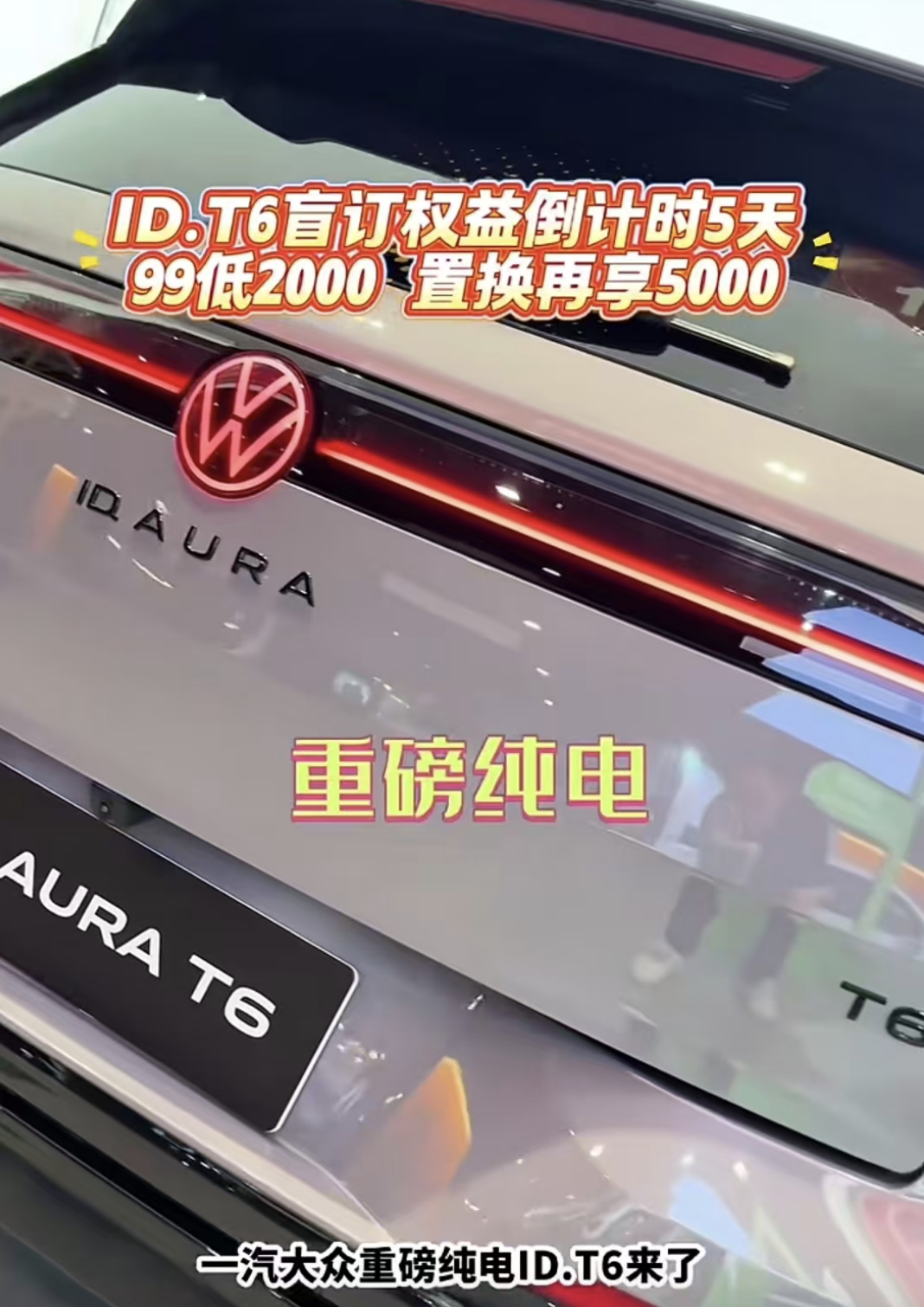
Additionally, it plays a crucial role in improving dealer profitability. Selling electric vehicles previously yielded no profit—a reality dealers cannot ignore. The T6's systemic design recalculates the equation: independent exhibition areas prevent product overshadowing, separate KPIs protect sales performance from gasoline vehicle competition, and double lifetime warranties retain users long-term. If the math doesn't work, dealers won't sell seriously; if it does, the T6 becomes more than a vehicle—it becomes a tool to rebuild dealer confidence in electric vehicles.
Together, these three factors answer the question: Only if the T6 succeeds can subsequent models follow; only if channel models are validated can the path ahead be paved; only if dealers profit can systemic confidence return.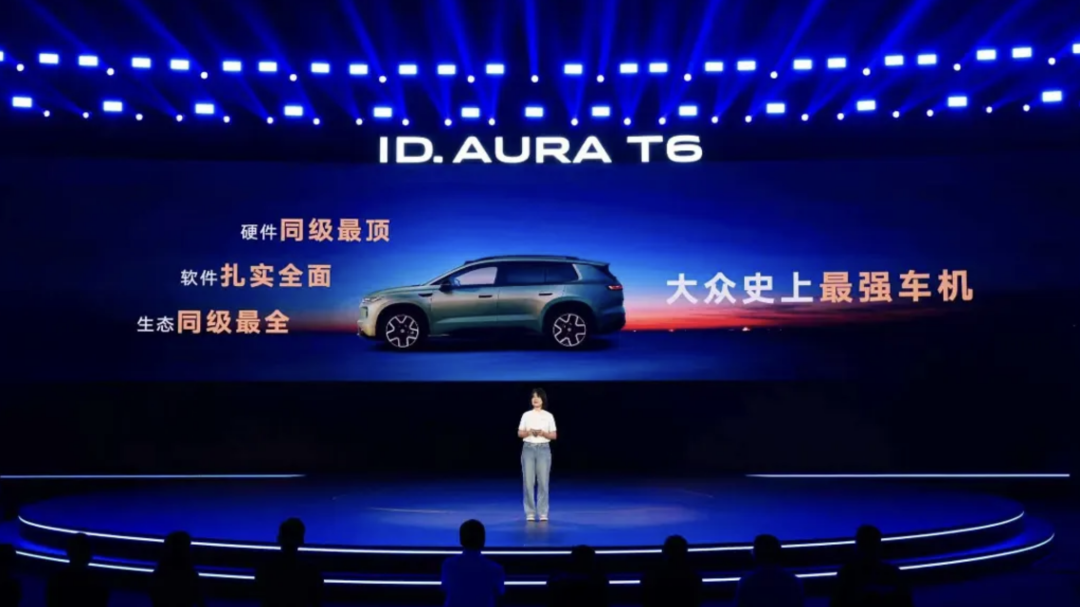
Thus, as personnel precede vehicle arrival, systems precede product launch, and the ecosystem precedes user engagement, a consensus gradually forms: The T6's pre-sale launch marks a "critical moment" in FAW-Volkswagen's intelligent electric transformation. When the product, channel, and service systems fully debut and face market scrutiny, pricing won't be the sole determinant of success.
End
Knowledge & Insights: Vroom—Let's Go!
-
![]()
Xiaopeng’s New Car is Popular, but Financial Results are Less Impressive
-
![]()
Dialogue with Lv Wenbin from Great Wall Motors: The 30,000+ Orders for Great Wall H10 is Just the Beginning!
-
![]()
Can Xiaomi Pengcheng N90 and N70 Recreate the 'Success Story' of the SU7?
-
![]()
Can Stellantis Revitalize Jeep’s Domestic Production in China via the ‘New Dongfeng Peugeot Citroen Automobile’ Initiative?
-
![]()
Xpeng's Q2 2026: Automotive Losses, Service Gains, and a Narrative Shift Toward Robotics
-
![]()
XPENG Motors Reports H1 Loss of 3.12 Billion Yuan, Accumulated Losses Hit 45.91 Billion Yuan
-
![]()
[In-depth Report] From 'Being Seen' to 'Being Remembered': The Next Big Battle for Chinese Automotive Design
-
China Mobile’s Mid-Year Earnings Dip: Telecom Service Revenue Falls, AI Business Struggles to Grow