Xpeng's Exquisite Cost Management: Visible Even in Seat Belt Design
 08/30 2026
 520
520
Source | Yuan Auto
It is relatively rare for a car's high-end and low-end variants to differ in terms of seat belt buckles.
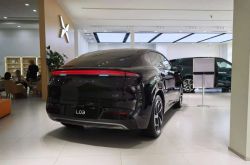
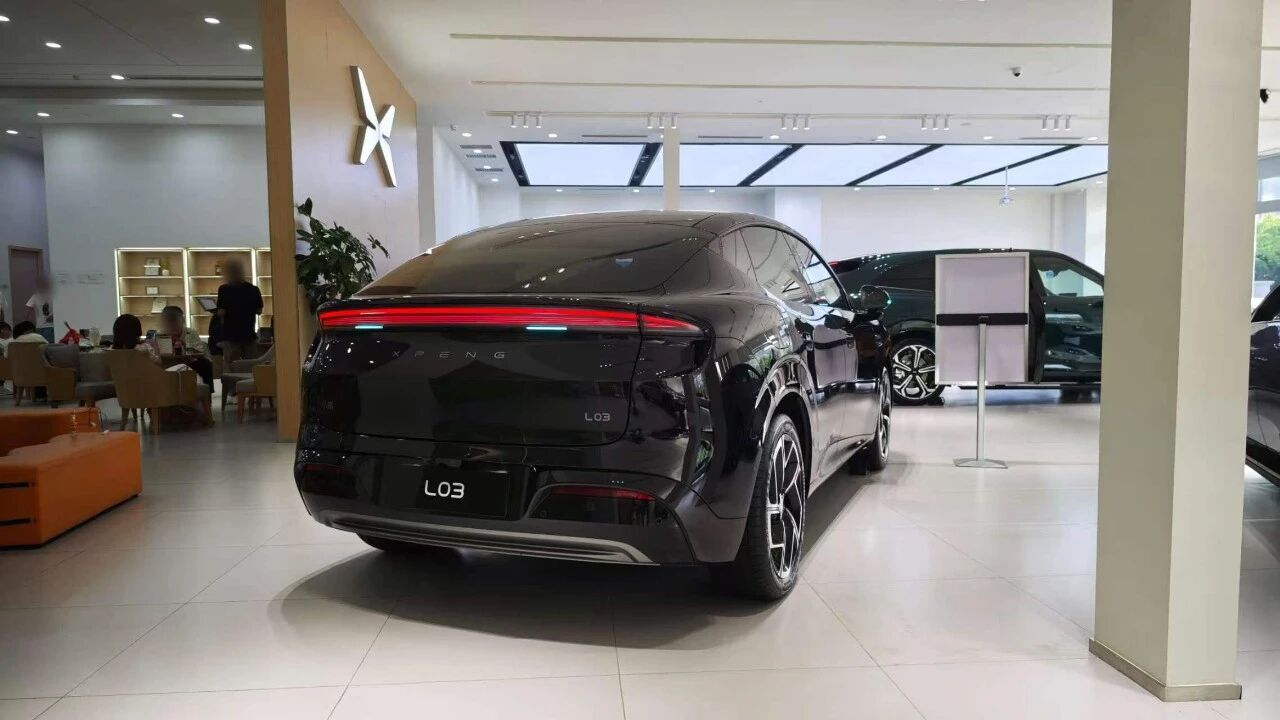
As the deliveries of the Xpeng MONA L03 gather pace, a growing number of car owners are sharing their experiences online. Among them, a netizen who claims to own the entry-level Plus version stated that the seat belt buckle in their vehicle lacks a metal component, unlike the high-end Ultra SE version they experienced at the showroom.
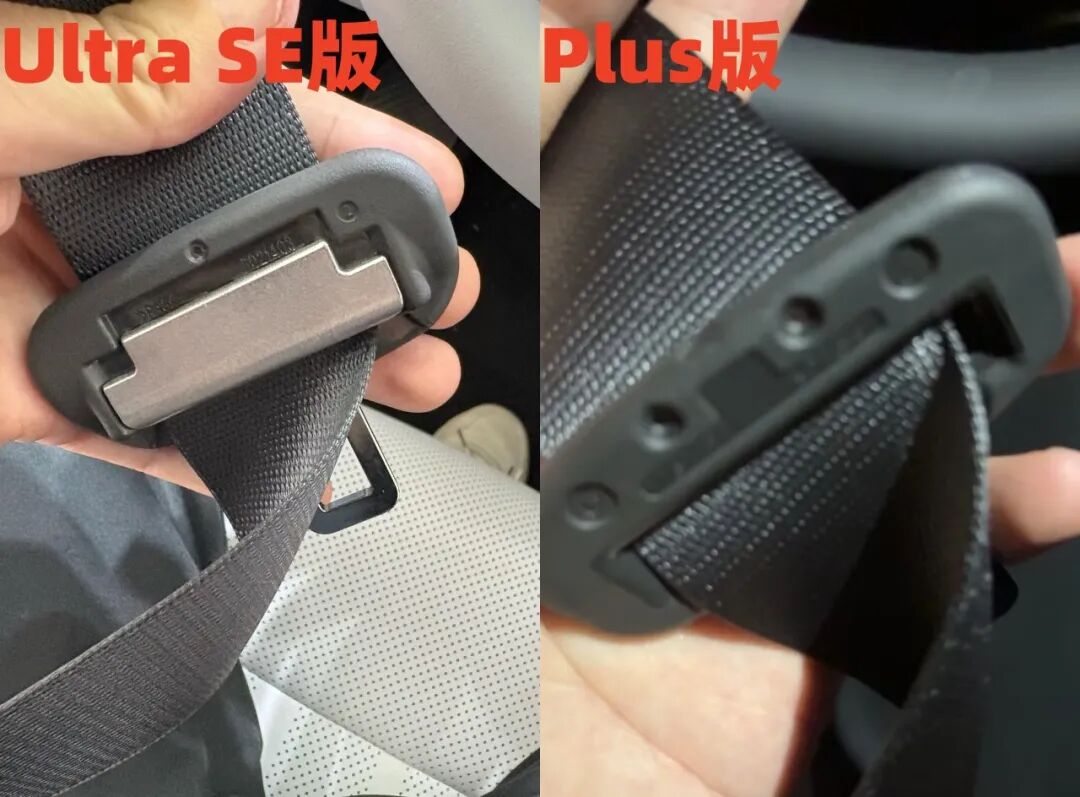
Xpeng MONA L03 seat belt buckle photo shared by Xiaohongshu user @DDD Night Breeze.
On August 28, Yuan Auto visited a Xpeng showroom in Guangzhou to verify the netizen's claim. However, since only the high-end Ultra SE version was available for display and test drives, it remains unconfirmed whether the Plus version indeed uses all-plastic seat belt buckles as described.
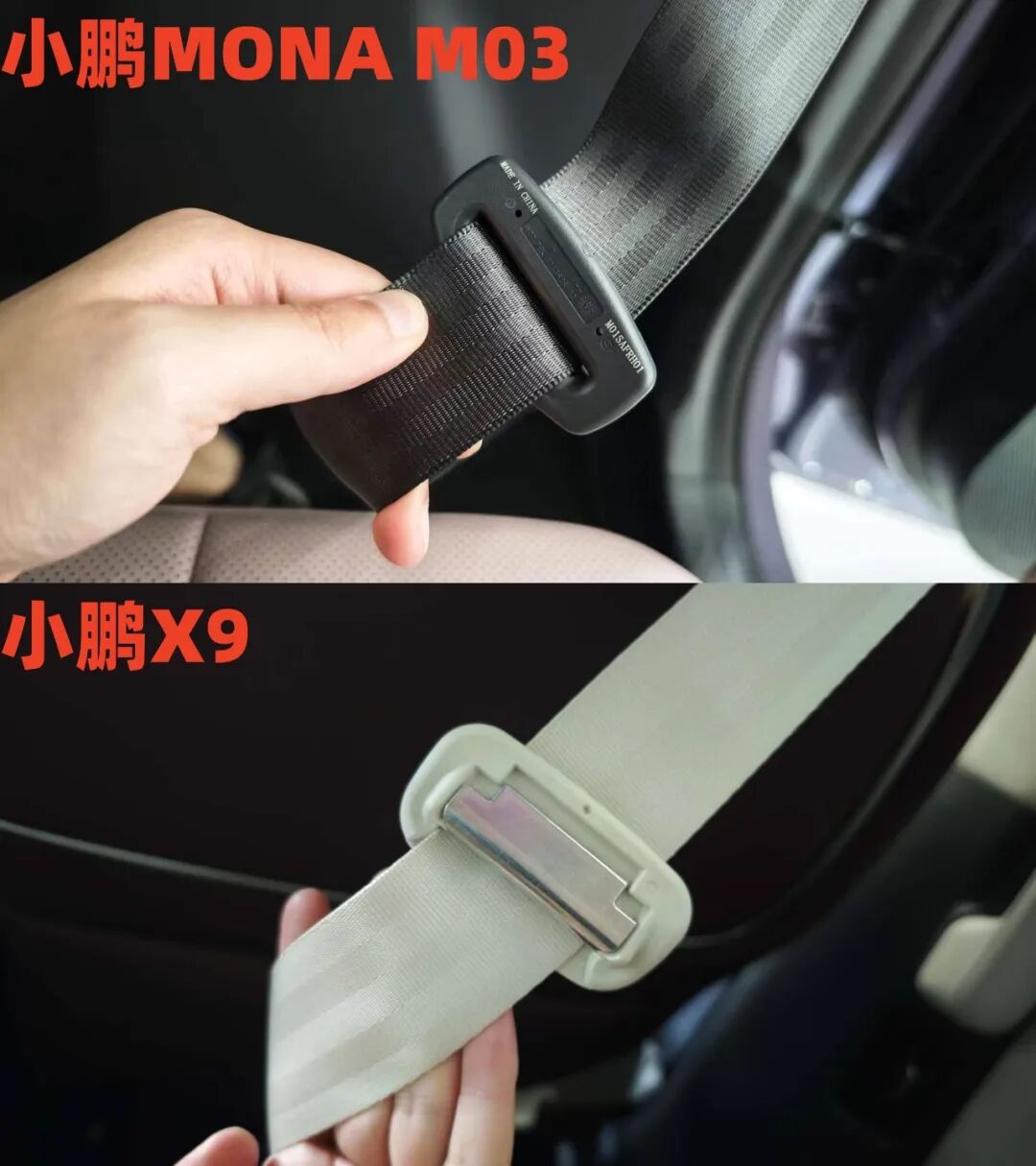
Nevertheless, Yuan Auto also discovered that the seat belt buckles on models like the Xpeng MONA M03 and Xpeng P7+ are made entirely of plastic, similar to the MONA L03 Plus version mentioned by netizens. In contrast, flagship models such as the Xpeng X9, GX, and G9L feature seat belt buckles with metal components, akin to the high-end MONA L03 Ultra SE version.
It should be underscored that adjusting certain configurations in entry-level models to control costs is a common practice in the automotive industry. Previously, other brands have replaced central console screens with phone holders and swapped rear-wheel disc brakes for drum brakes in their entry-level variants.
This is because the gross margin of low-end models is often counterintuitively lower than that of high-end models.
Thus, if Xpeng MONA L03 has indeed gone as far as modifying seat belt buckles, it underscores its exceptional level of cost management. Of course, it is also possible that other models exhibit differences in seat belt buckles between high-end and low-end versions, and readers are encouraged to share their insights in the comments.
One should not underestimate the importance of cost management in such seemingly minor details, especially for a highly anticipated model like the Xpeng MONA L03. As Xpeng's flagship new car in the RMB 150,000 price range, the MONA L03 is currently in high demand. As of August 28, the official mini-program indicated that new orders are expected to take 16 weeks or more for delivery.
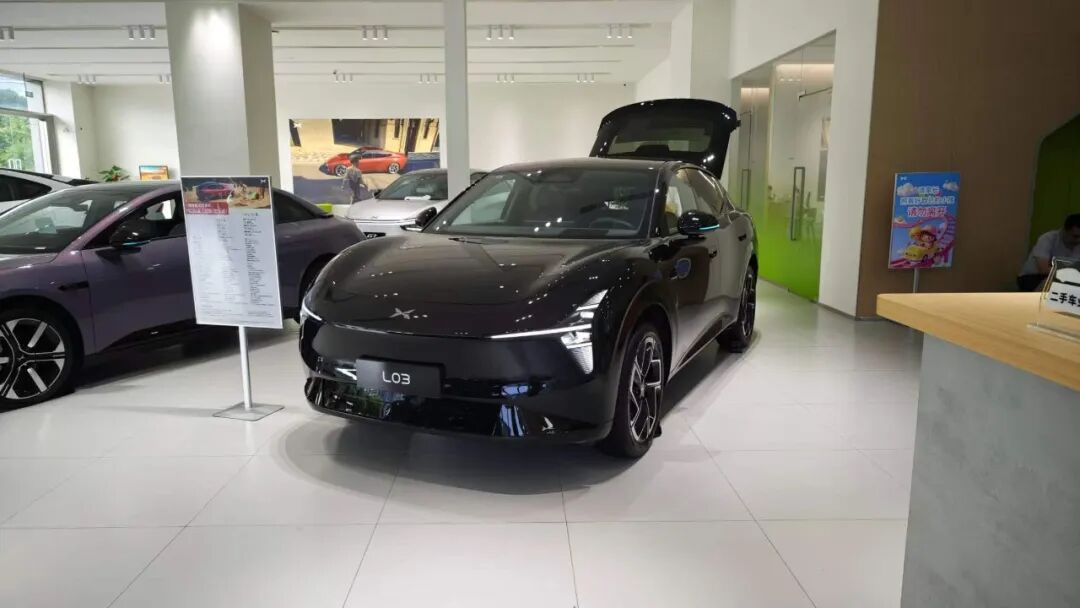
If, as Xpeng executives previously half-jokingly predicted, the car achieves "stable monthly sales of over 30,000 units," saving a few hundred yuan on each vehicle through various cost-saving measures could result in cost optimizations worth tens or even hundreds of millions of yuan.
This is precisely what Xpeng needs to achieve profitability in car manufacturing.
According to Xpeng Group's mid-year 2026 earnings report released on August 24 and data from the Tianyancha APP, this "globally leading physical AI company," which has expanded its business into the robotics sector, reported total revenue of RMB 32.78 billion for the first half of 2026, with automotive sales revenue of RMB 28.05 billion and total vehicle deliveries of 165,977 units. All three metrics showed varying degrees of decline compared to the same period in 2025.
Due to the revenue decline, Xpeng Group remains in a loss-making position. The report revealed that Xpeng Group's non-GAAP net loss for the period ending June 30, 2026, was RMB 2.92 billion, an increase of RMB 2.11 billion compared to the same period in 2025.
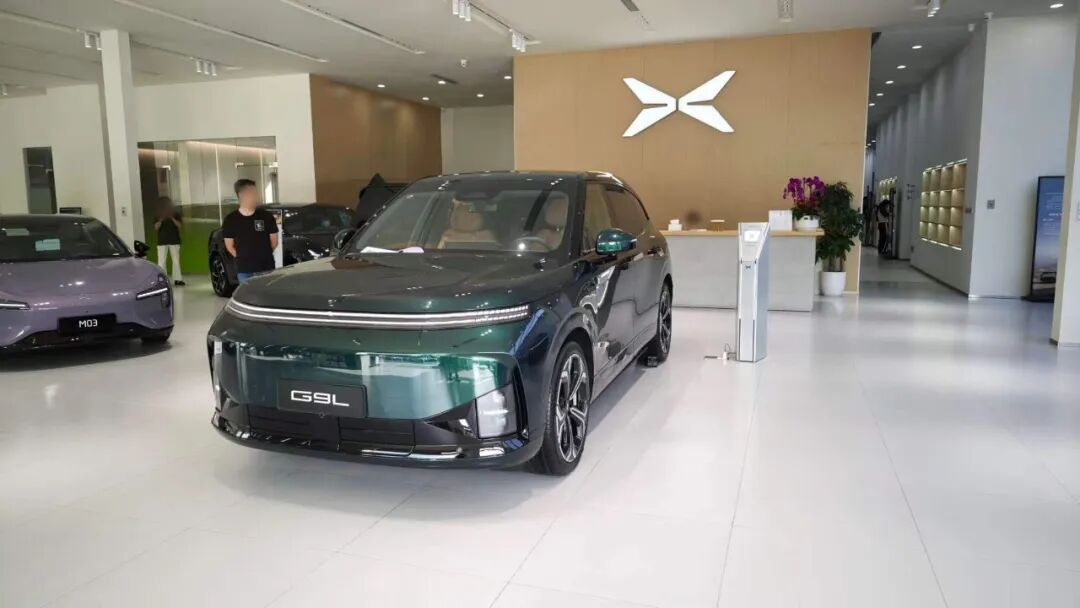
If we examine the mid-year earnings report for opportunities to turn a profit in the second half of the year, Xpeng Group's gross margin is a crucial factor. According to the report, Xpeng Group's gross margin for the first half of the year increased by 4.1 percentage points year-on-year to 20.6%. However, it should be noted that the automotive gross margin declined from 12.6% in the first half of 2025 to 12.1%.
This indicates that Xpeng Group's non-automotive businesses have demonstrated stronger profitability, while the automotive production and sales segment, which will remain the group's main business in the short term, has dragged down overall profitability. To achieve profitability, Xpeng Group must not only sell more cars but also enhance the profitability of each vehicle.
Under the premise of ensuring the basic quality and core selling points of new cars, Xpeng naturally has to find ways to cut costs in details such as seat belt buckles. Additionally, Xpeng has also begun optimizing automotive production and sales costs from a broader perspective.
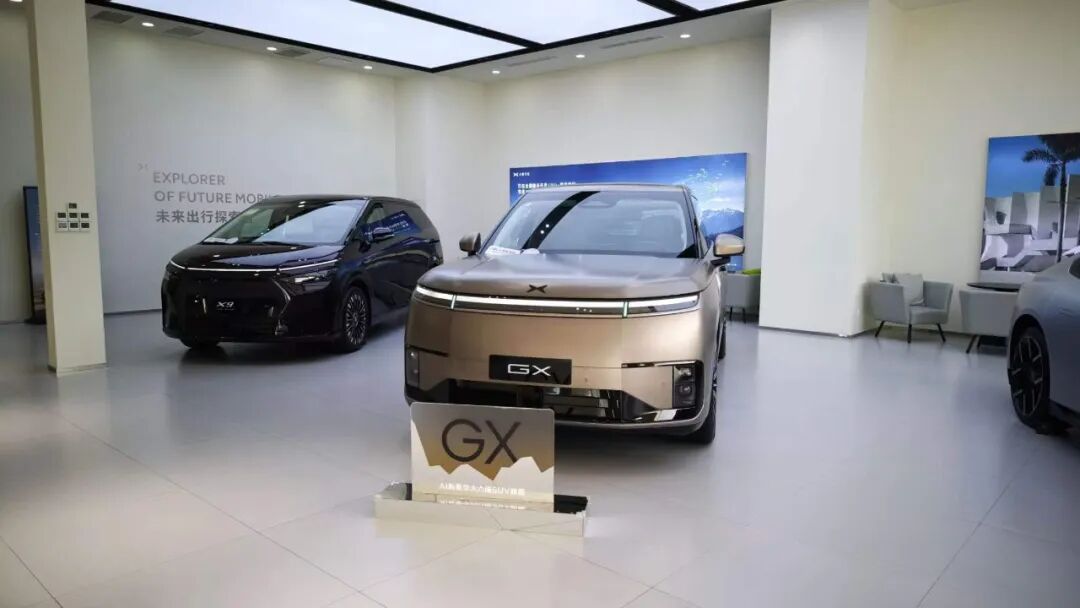
Take this year's Xpeng GX and G9L, two flagship SUVs, as examples. The automaker has explicitly stated that the two models were developed in parallel, sharing core platform technologies including the "three electric" systems and highly standardized components. The difference lies in the fact that the former features a full six-seat layout, while the latter is a large five-seat flagship. To put it more vividly, the Xpeng GX and G9L can be seen as two differently positioned new models developed with a single research and development investment.
Similar strategies can be observed with the Xpeng MONA L03 and MONA L05.
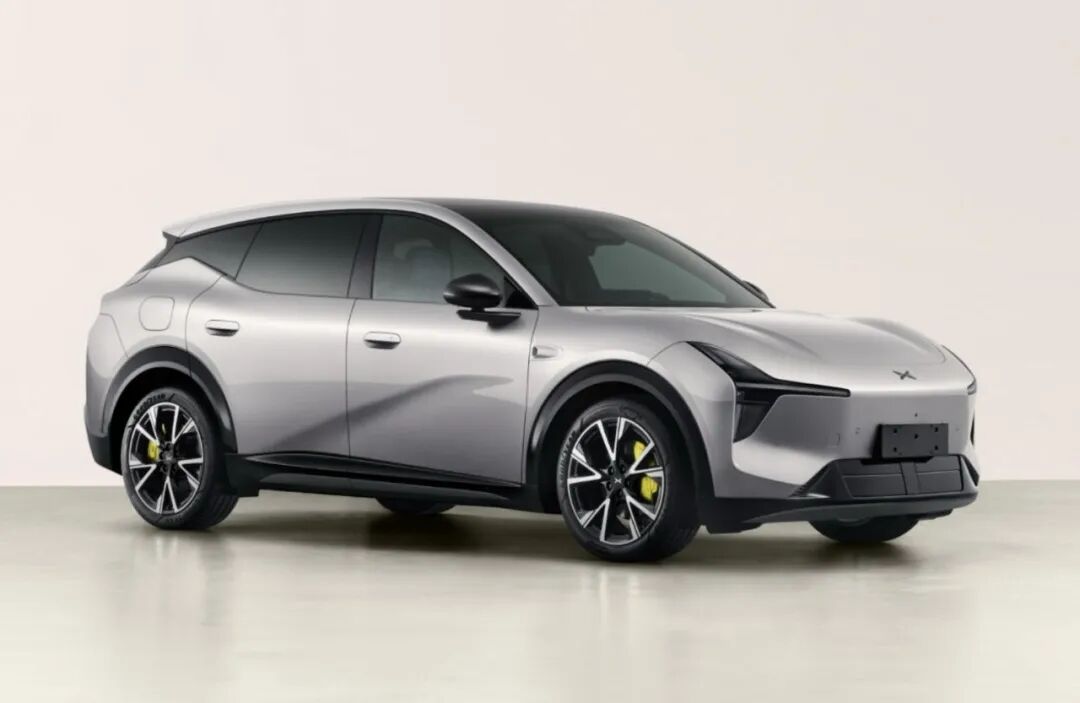
From this perspective, although Xpeng has launched numerous new models, it is more about "maximizing efficiency with a single investment" rather than extravagantly expanding the product lineup.
It can be anticipated that as Xpeng further streamlines the production of its new models, achieves capacity ramp-up, and combines this with meticulous production cost management down to seat belt buckles, this "globally leading physical AI company" will deliver more impressive operating results in the second half of the year.
Some images sourced from the internet. Please notify us for removal if there is any infringement.
-
![]()
Xpeng's Exquisite Cost Management: Visible Even in Seat Belt Design
-
![]()
Net Profit Surges 13.65% Year-on-Year! Yutong Optics Reports RMB 1.782 Billion in H1 Revenue
-
![]()
Q2 Net Profit Slashes Losses by 80%! Has Costar Emerged from Its Darkest Hour?
-
AI Agents: The Paradigm Shift from 'Conversation' to 'Execution'
-
NVIDIA Takes Bold Strides to Lead in Both Hardware and Software Realms
-
![]()
It's Hard to Build Cars, Even Harder to Build Humans, and XPENG is Doing Both
-
![]()
Valuation Soars by $57 Billion: Three Entrepreneurs Born in the 1980s Forge an AI Unicorn Now Suddenly on the Market
-
![]()
How Can We Achieve the Goal of 100,000 Hydrogen Vehicles by 2030?