9 minutes and 22 seconds to deliver parcels to the village! Songyang County, Zhejiang: Self-driving minibuses and drones are transforming the millennia-old rural lifestyle in China
 02/06 2026
 719
719
Introduction
On the eve of the 2026 Spring Festival, Chenjiapu Village in Songyang County, Zhejiang—a "cliffside ancient village" hidden in the clouds at an altitude of 850 meters—welcomed a new "resident":
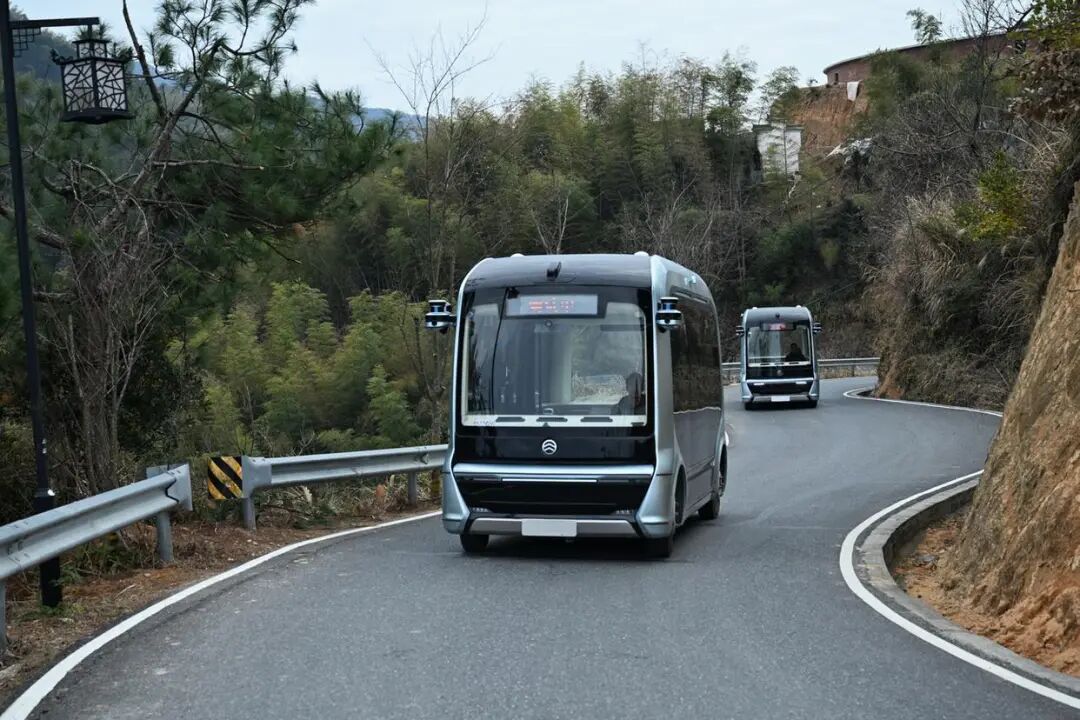
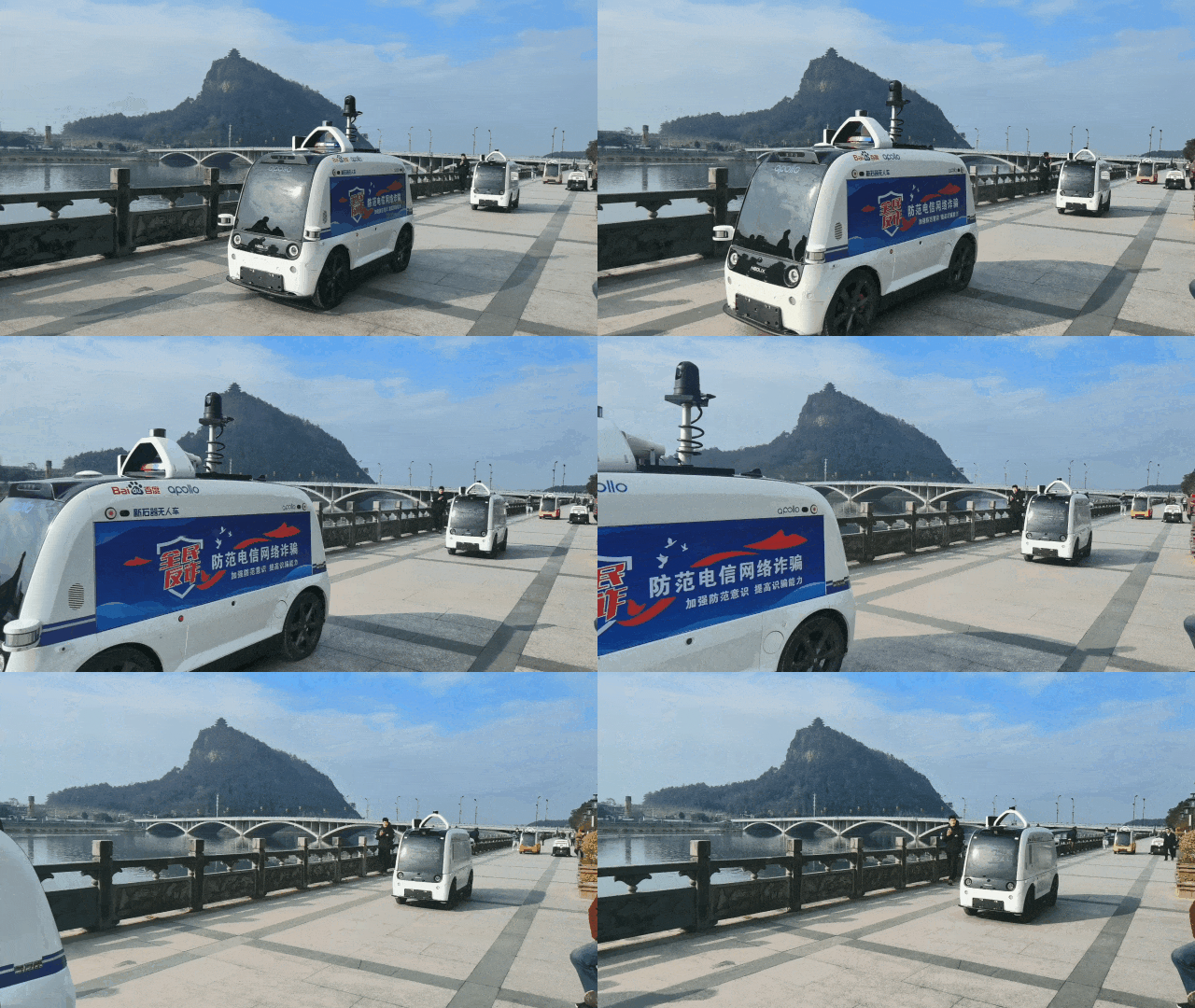
An L4-level self-driving minibus with a rounded design slowly traversed the cobblestone streets, automatically avoiding tourists, navigating bends, and stopping precisely.
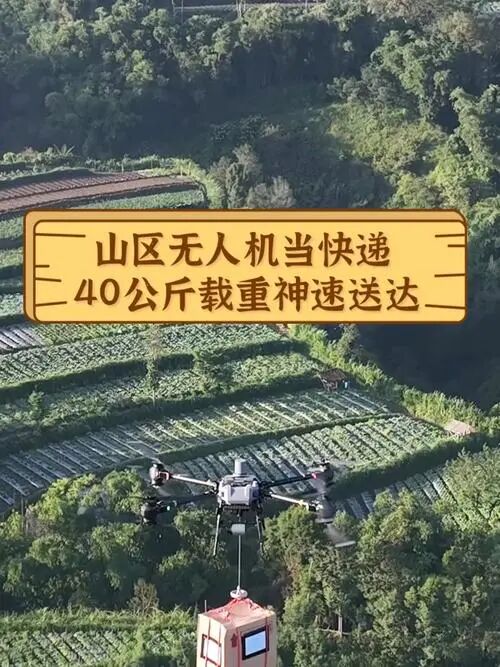
At the same time, at 5 a.m., a drone carrying parcels took off from the county seat and, 9 minutes and 22 seconds later, landed steadily in the courtyard of villager Wang Jianguo!
—The owner of a grocery store for 20 years, Wang looked up at the "iron bird" in the sky, both amazed and uneasy: "Who will come to buy soy sauce from me in the future?"
This is not a sci-fi scene but the real daily life in Songyang's smart villages. Here, self-driving vehicles and drones are working together to break down geographical barriers, reshaping the underlying logic of logistics, commerce, employment, and even social interactions, propelling the millennium -closed (thousand-year-closed) mountain villages onto the fast track of digital civilization overnight.
Self-Driving Vehicles Are Here (WeChat Official Account: Self-Driving Vehicles Are Here) discusses this with everyone!
(For further reading, please click: "Zhejiang's 'Songyang Model': Forming characteristic application scenarios such as autonomous driving, digital highways, transportation-tourism integration, and low-altitude economy, with an intelligent connected cluster driving shared prosperity in mountainous areas")
I. The Mountain Miracle of Smart Transportation: From Scratch to Nearly 10 Billion Yuan in Annual Output Value
Songyang's transition to smart transportation serves as a model case for regional economic development.
This mountainous county, known as the "Last Secret Realm of Jiangnan," achieved a leap from scratch to an annual output value nearing 10 billion yuan in just four years.
As Zhejiang Province's first pilot county for smart transportation industry development and modern transportation industry clusters, Songyang has explored a viable path for high-quality development in mountainous counties.
Smart transportation in Songyang is not just a concept on paper but is deeply integrated into all aspects of urban and rural life.
At the Songyang County Integrated Distribution Center, staff load parcels, sorted and identified by scanning, into unmanned logistics vehicles. After pressing the start button, the vehicles automatically follow set routes to their destinations.
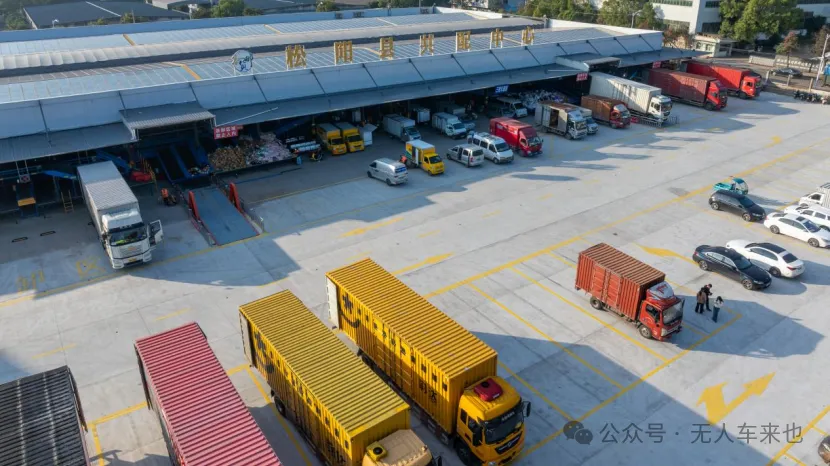
These unmanned vehicles can operate 24/7, significantly boosting logistics efficiency.
Even more impressive is the penetration of smart transportation in rural areas.
In Chenjiapu Village, Sidu Township, it used to take villagers half an hour to walk down the mountain to collect parcels. Now, with drone delivery, it takes just 9 minutes and 22 seconds.
This efficiency boost not only convenience residents but also reshapes the rural economic operation model.
II. Comprehensive Layout: Diversified Exploration of Smart Transportation Application Scenarios in Songyang
Songyang's smart transportation layout features diversity and full-scenario coverage.
In the county's core area, seven L4-level self-driving minibuses have achieved regular operation on bus routes, with 28 stops connecting the passenger transport center, schools, hospitals, and scenic spots. During the 1-hour and 15-minute journey, the vehicles can avoid pedestrians and obstacles with a response time of 100 milliseconds.
In Chengbei Community, Xiping Subdistrict, self-driving smart meal delivery vehicles adopt a "self-driving vehicle + administrator" model to deliver meals to elderly residents living alone.
(For further reading, please click: "Self-Driving Vehicles Deliver Warm Meals! This wave of tech-driven elderly care in Songyang County, Zhejiang, has elderly residents saying 'it's amazing!'")
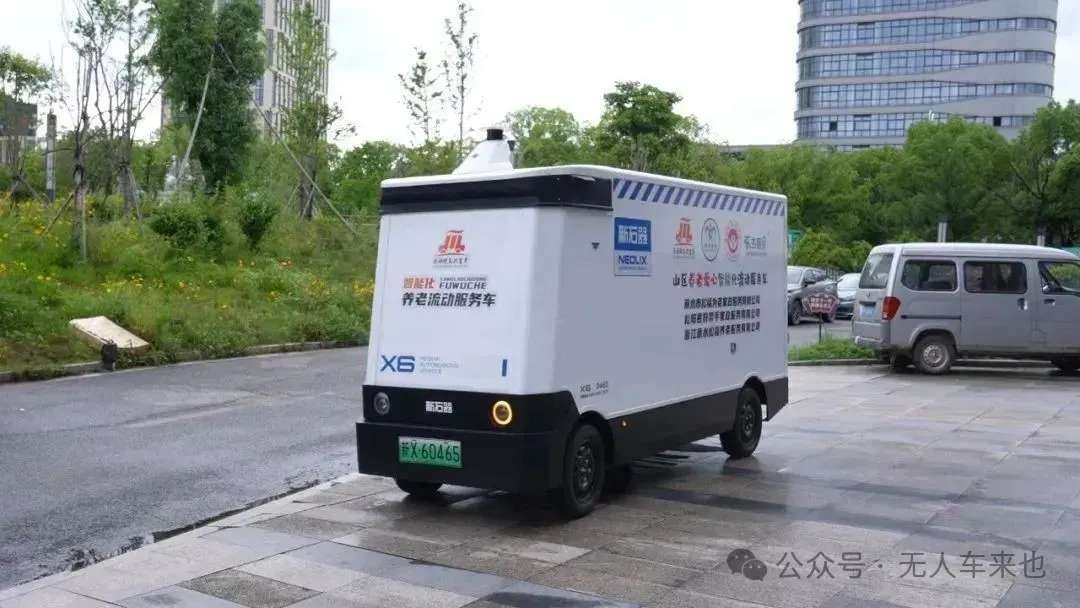
This innovative model has reduced operational costs per kilometer by 40% and labor costs by 35%, allowing the elderly to truly benefit from technological advancements.
In the logistics sector, the production line of Neolix (Songyang) Co., Ltd. is operating at full capacity. Its self-developed X3-type cargo delivery unmanned vehicles have achieved mass production, with an expected annual output of 4,000 units and an output value exceeding 300 million yuan.
These "Made in Songyang" unmanned vehicles not only serve the local market but also supply the national market.
Songyang has also established a "5G + Smart Medical Drone Air Transport Network," opening up an "air corridor" for mountainous logistics and enabling rapid transportation of medical samples across the county, allowing residents in remote townships to enjoy standardized testing services.
III. Industrial Clustering: How to Build a Smart Transportation Industry Cluster
The success of Songyang's smart transportation development is inseparable from its well-established industrial ecosystem.
Currently, Songyang has agglomeration (clustered) over 180 comprehensive transportation industry enterprises, with smart transportation-related companies accounting for over 30%.
These companies form an industrial cluster led by Baidu and Neolix as chain leaders, with key enterprises like Koma Friction, Dingji Technology, and Yuanxing Technology as the backbone.
Songyang's industrial layout focuses on three leading industries: key automotive component manufacturing and transportation logistics facility equipment manufacturing. It refines two characteristic industries: smart transportation and express logistics, while cultivating emerging industries like transportation tourism, constructing a "3+2+X" characteristic industrial system.
To support industrial development, Songyang has planned 1,500 acres of land for the construction of a smart transportation industry demonstration park, with an initial formation of an industrial economic belt featuring "one axis, two sections, and seven parks."
Platforms such as the Smart Transportation Industrial Park and Hengzhao Intelligent Manufacturing Industrial Park have been put into use, providing physical space for industrial clustering.
Industry-university-research cooperation is another pillar of Songyang's smart transportation development.
The establishment of scientific research platforms such as the Zhejiang Provincial Engineering Research Center for Digital Highway Application Technology and the Doctoral Workstation of Zhejiang Institute of Communications has constructed a multi-integrated innovation ecosystem of "industry-university-research-application, government-school-enterprise collaboration," achieving full-chain integration from technology research and development to industrial implementation.
IV. A New Path to Rural Revitalization: How Smart Transportation Boosts Shared Prosperity
The original aspiration of Songyang's development of smart transportation has always revolved around the core theme of "transportation promoting shared prosperity."
By deeply integrating smart transportation with ecological industry, tourism, and services, this mountainous county has enabled the fruits of industrial development to benefit urban and rural residents, forging a path to shared prosperity with mountainous characteristics.
In rural areas, the "drone + passenger and freight postal + food delivery" model has given wings to cloud-based homestays and agricultural product sales, solving the "last-mile" logistics problem in mountainous areas.
Self-driving sightseeing vehicles have better developed tourism resources in remote villages, driving villagers' income growth and prosperity.
In the county seat, the development of the smart transportation industry has created a large number of jobs, ranging from unmanned vehicle production and assembly to smart facility operation and maintenance, and from scenario testing to technology research and development, providing development space for talent at different levels.
Data shows that Songyang's smart transportation-related enterprises have not only driven local employment but also attracted talent from other regions to return home for entrepreneurship, creating jobs for over 3,000 people.
Songyang's practice demonstrates that smart transportation is not just a technological innovation but also a new engine for regional economic development.
V. Future Outlook: The Rural Future Empowered by Technology
Looking out from the Songgu Plain, self-driving vehicles are just the prelude to the digital transformation of rural areas.
When 5G base stations cover every mountain pass, when IoT sensors are deployed throughout the fields, and when blockchain technology ensures agricultural product traceability, the prototype (embryonic form) of a "smart rural area" is already emerging.
This transformation is neither a simple technological substitution nor a cold stacking of data.
In the transformation of Chengsheng Grocery Store, in Mr. Li's skill upgrade, and in Ms. Wang's Douyin livestream room, we see not only efficiency improvements but also the re-emergence of rural vitality.
When technology truly serves people and innovation remains people-oriented, the story of self-driving vehicles entering villages will ultimately write a magnificent poem of rural revitalization.
In conclusion, Self-Driving Vehicles Are Here (WeChat Official Account: Self-Driving Vehicles Are Here) believes:
This mountainous experiment reminds us that the true technological revolution lies not in creating how many cool concepts but in whether it can understand the needs of the land and, in the most appropriate way, enable people in the most remote corners to share in the dividends of the times. The future of self-driving vehicles in mountain villages lies not in how fast they run but in how many forgotten lives and hopes they connect. Dear friends, what do you think?
#SelfDrivingVehiclesAreHere #SelfDriving #AutonomousDriving #SelfDrivingVehicles
-
![]()
Net Profit Surges 13.65% Year-on-Year! Yutong Optics Reports RMB 1.782 Billion in H1 Revenue
-
![]()
Q2 Net Profit Slashes Losses by 80%! Has Costar Emerged from Its Darkest Hour?
-
AI Agents: The Paradigm Shift from 'Conversation' to 'Execution'
-
NVIDIA Takes Bold Strides to Lead in Both Hardware and Software Realms
-
![]()
It's Hard to Build Cars, Even Harder to Build Humans, and XPENG is Doing Both
-
![]()
Valuation Soars by $57 Billion: Three Entrepreneurs Born in the 1980s Forge an AI Unicorn Now Suddenly on the Market
-
![]()
How Can We Achieve the Goal of 100,000 Hydrogen Vehicles by 2030?
-
![]()
July Online Market for Consumer-Grade Sports Cameras: Robust Double-Digit Growth in Sales Volume and Value, Mid-Range Products Fuel Market Expansion